‘Is humour an important element is your stories? Do you ever laugh at something you’ve written?’
I am a very serious person. I have always been like that. My mother says I was a serious and self controlled baby. I rarely cried or gave her any trouble. I was what people call an “easy” baby. My mother says it was almost as if I knew how difficult things were for her following my biological father’s death and I made her life as easy as possible. Who knows, maybe babies can sense such things.
I was also an easy toddler. I went to nursery school because my mother had to work full time and mother says I never complained or even spoke about school. This characteristic of quiet tolerance has followed me throughout my life. In retrospect, it has not been a good thing for me. I should have realised you have to enter the fray in a corporate and fight to succeed. I was rather delusional and believed that among professional people, hard work and a bright mind would be given recognition as a natural progression. I didn’t know that quiet and tolerant people are used and abused and that if you don’t demand, or even threaten, you don’t get anything. That realisation only came to me much later in my working life. By the time my colleagues realised how much they needed my skills, I had lost interest and found a whole new writing life to consume a lot of my intellectual energy and abilities.
I often don’t enjoy, or find humour in, movies, books and other media that most people find funny. There are certain types of humour I enjoy, mainly dark humour and some British humour. Slapstick never does it for me and I don’t watch the movies my husband enjoys. My taste in books runs to the serious too. I read a lot of classics, my current favourites being Tess of the D’Urbervilles by Thomas Hardy and The Red Badge of Courage, as well as my all time favourite book, Bram Stoker’s Dracula. No humour there.
This line of thought takes me to my own writing. It is generally not humorous. I write fantasy for children which is not funny but rather mystical [I hope] and imaginative. Silly Willy Goes to Cape Town has some humour as I modelled it along the lines of My Naughty Little Sister and it is about the antics of a naughty and irrepressible little boy and his serious older brother. This book has been my only attempt at any sort of humorous writing. I realised after I published it that most people don’t understand my subtle and tongue-in-cheek humour.
My poetry is also serious and is always inspired by an event or situation which has upset me. I tend to write a lot of poetry about the poverty and corruption in Africa and the lack of personability or caring in the corporate world.
My adult writing is supernatural history or horror and is never funny. I enjoy reading about history and I like to share interesting historical situations with other people in the form of an entertaining [but dark] story. My writing always has the purpose of highlighting a specific theme within the historical event. For example, my new novel, A Ghost and His Gold, is aimed at unveiling some of the psychology of the Second Anglo Boer War and examining how the circumstances of this war set the stage for the next phase of South African history. I don’t believe this is obvious to a reader, they would need to almost look for it. People who know the history well will recognise these themes.
So this, in a nutshell, is my experience of humour in life and writing. I shall end this post with a quote from Matilda by Roald Dahl:
“There aren’t many funny bits in Mr Tolkien either,’ Matilda said.
‘Do you think that all children’s books ought to have funny bits in them?’ Miss Honey asked.
‘I do,’ Matilda said. ‘Children are not so serious as grown-ups and love to laugh.”
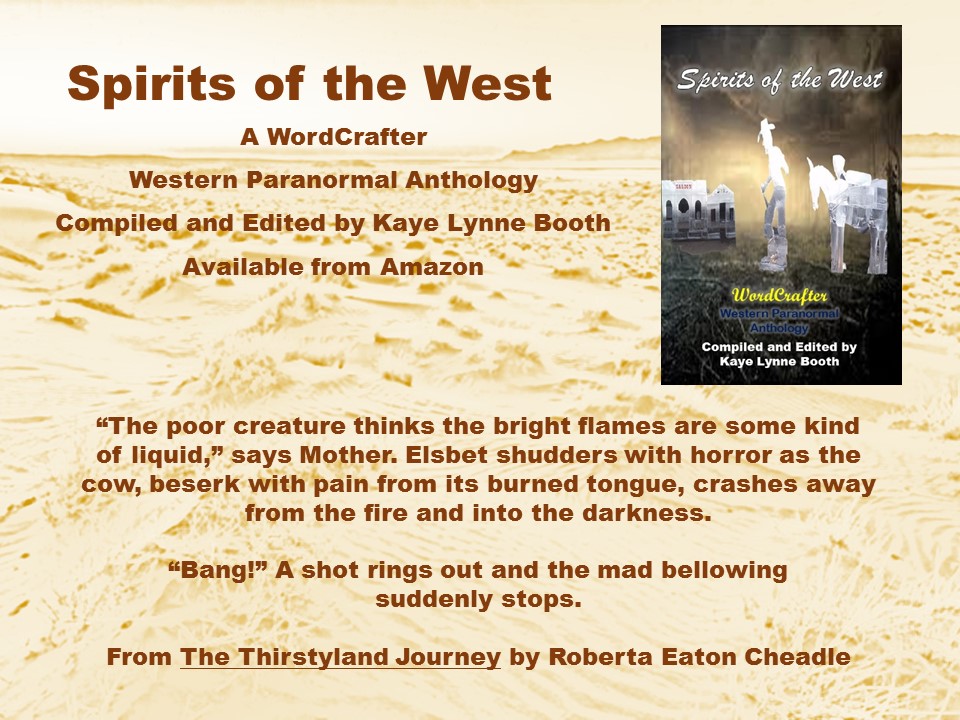
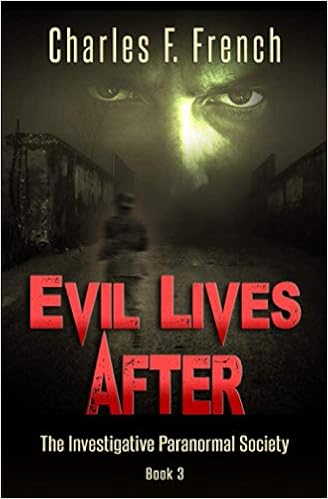
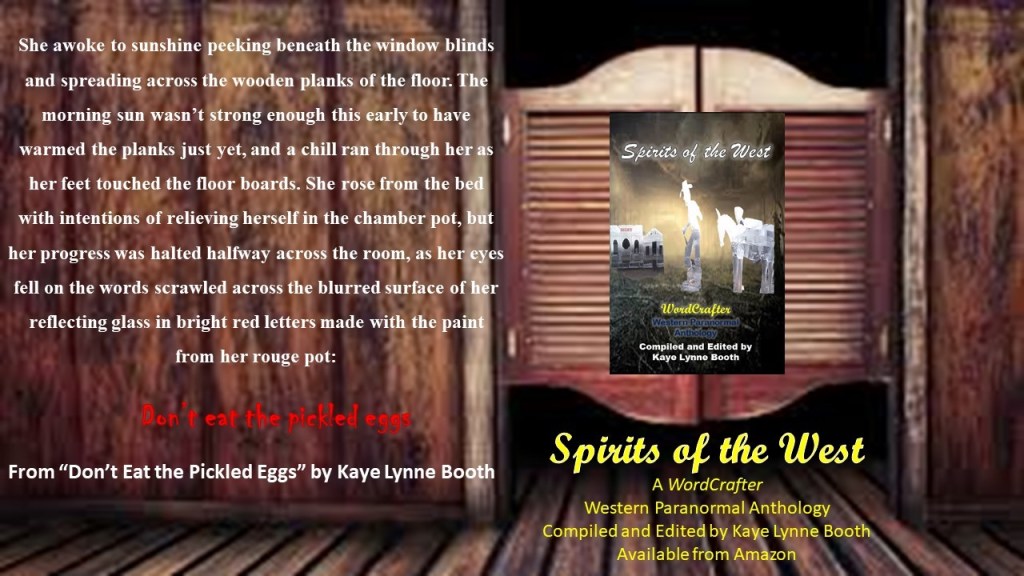
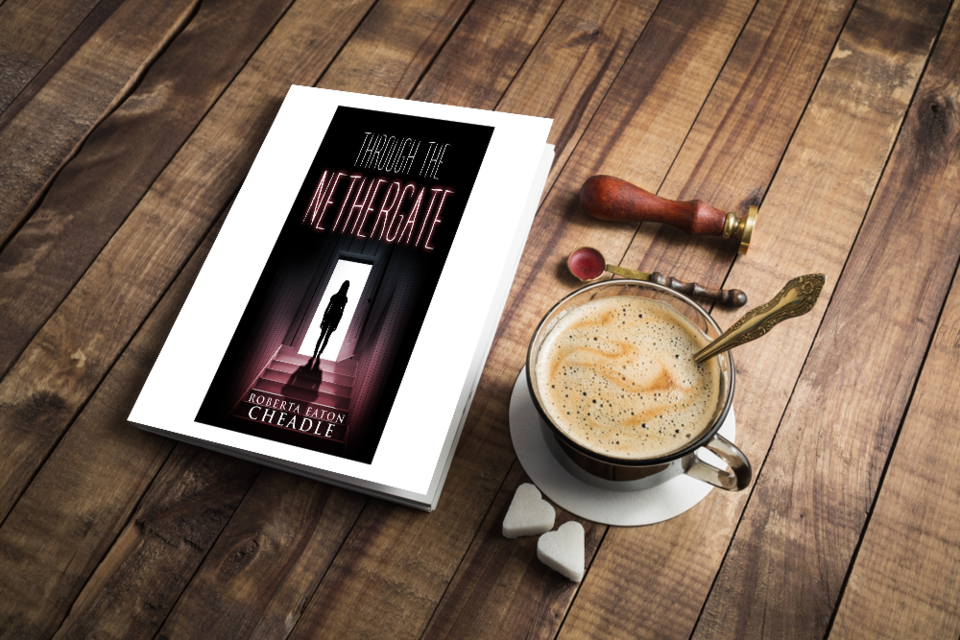
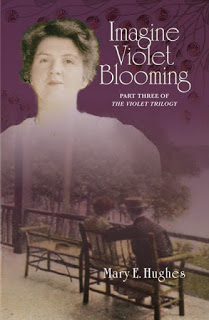
I have dark [and serious] stories included in the following two anthologies:

If you click on the link below, you’ll see what other blog-hoppers think about humour. Of course you can even add your own comment to this blog if you prefer.
Rules:
- Link your blog to this hop.
- Notify your following that you are participating in this blog hop.
- Promise to visit/leave a comment on all participants’ blogs.
- Tweet/or share each person’s blog post. Use #OpenBook when tweeting.
- Put a banner on your blog that you are participating.
You are invited to the Inlinkz link party!
https://fresh.inlinkz.com/party/859752d20f38436c9eafb00a4e0a4926
![Spirits of the West by [Kaye Lynne Booth, Enid Holden, Arthur Rosch, Roberta Eaton Cheadle, Jeff Bowles, Tom Johnson]](https://m.media-amazon.com/images/I/41+bYuBtegL.jpg)




 roberta-writes.com