Welcome to Thursday Doors, a weekly feature allowing door lovers to come together to admire and share their favorite door photos from around the world. Feel free to join in on the fun by creating your own Thursday Doors post each week and then sharing your link in the comments below, anytime between 12:01 am Thursday morning and Saturday noon (North American eastern time).
For some reason or other, my wedding was on my mind this week. I thought about it so much that I pulled out my wedding album and looked through it for the first time in quite a while. There were no digital photographs in 2001 so our pictures were the traditional kind with negatives. The photographer never gave us the negatives so we only have the pictures and album we purchased at the time.
I took pictures of the pictures for this post and didn’t think they came out to badly. Terence and I got married at a wedding venue called Toadbury Hall. It was very pretty and the name reminded me of my favourite book, Wind in the Willows. We got married on a Friday because it was a lot cheaper and we paid for our own wedding.
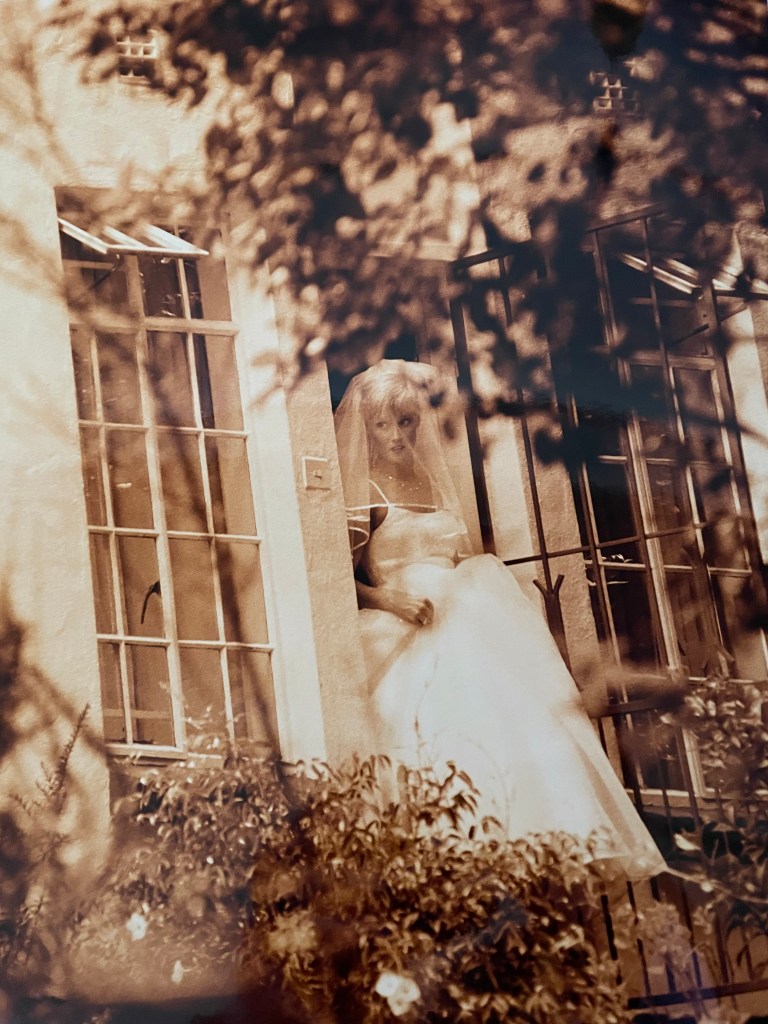
There are two lovely pictures with doors that I thought I would share today.
This is me coming out of the front door of my parent’s home.
This is Terence and I outside the church after the service.
Our flower girl – she was 3 years old then
Some pictures of us around the venue
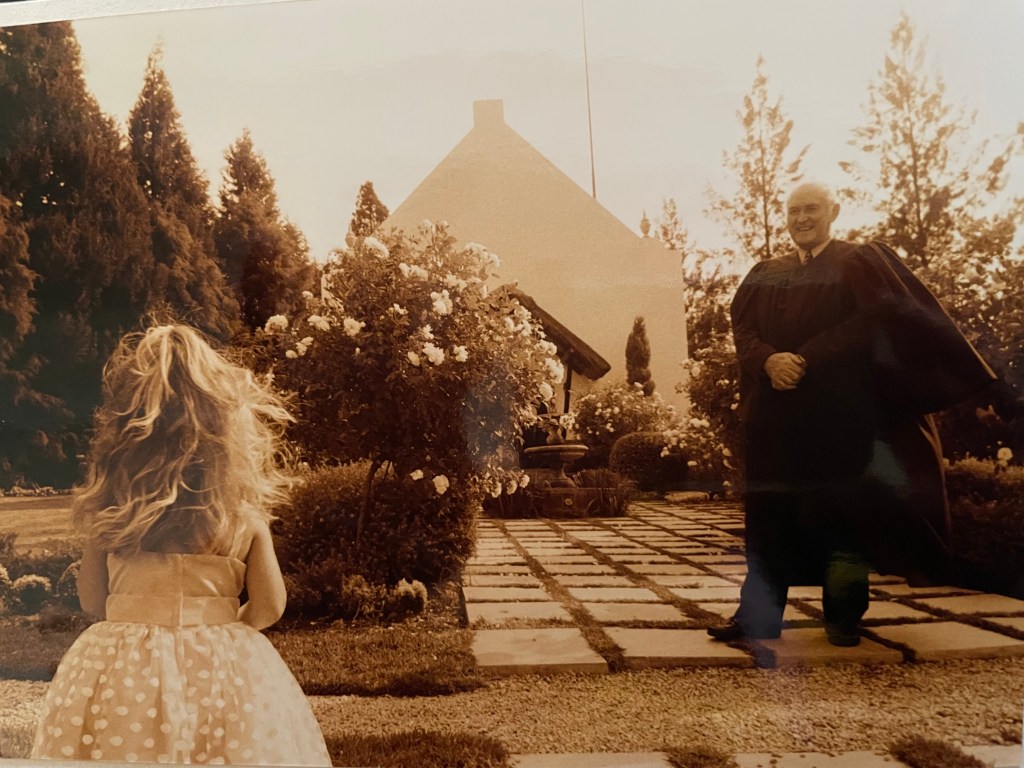
A picture of our minister outside the chapel and our flower girl leading the way
We had sunflowers against a dark blue background. I spend three months talking Terence into sunflowers and dark blue. I then waivered a bit and that was when I discovered that once I’d talked hubby into something, I would never change his mind again.
Our menu and seating plan. I actually forgot to do one and had to be asked for it by the venue. Haha, this was the first event I ever organised in my life.
This was our wedding cake. A basket of sunflowers. I still love it!
This last picture shows the main doors of the venue.
This poem, The child is not dead, by South African poet, Ingrid Jonker, is deeply moving. Reading the About Ingrid Jonker section below before reading the poem will give context to the poet and this poem.
The child is not dead
The child is not dead The child lifts his fists against his mother Who shouts Afrika ! shouts the breath Of freedom and the veld In the locations of the cordoned heart
The child lifts his fists against his father in the march of the generations who shouts Afrika ! shout the breath of righteousness and blood in the streets of his embattled pride
The child is not dead not at Langa nor at Nyanga not at Orlando nor at Sharpeville nor at the police station at Philippi where he lies with a bullet through his brain
The child is the dark shadow of the soldiers on guard with rifles Saracens and batons the child is present at all assemblies and law-givings the child peers through the windows of houses and into the hearts of mothers this child who just wanted to play in the sun at Nyanga is everywhere the child grown to a man treks through all Africa.
On 19 July 1965, Ingrid Jonker, a South African poet, committed suicide by walking into the sea. Jonker was 31 Years old.
The advanced ideas inherent in Ingrid Jonker’s poems have made her a recognized literary figure internationally, with her poems being studied, translated and published in many languages including English, German, French, Dutch, Polish, Hindi and Zulu.
The collected works of Jonker, including several short stories and a play, were published in 1975 and re-issued in 1983 and 1994. Much of Jonker’s early writing related to the episodes and trauma of her early life. Yet as a mature poet, Jonker never failed to express compassion for her fellow human beings, reflecting a refreshing innocence devoid of pernicious social prejudice and hatred.
This seminal Afrikaans language poet sensitively engaged with the cause of the poor and the lot of black South Africans from the position of a common humanity.
Jonker’s work was condemned by her father, then a leading member of the National Party and the chairperson of the parliamentary committee responsible for the apartheid system of censorship.
In April 2004, Jonker was posthumously awarded the Order of Ikhamanga by the South African government for “her excellent contribution to literature and a commitment to the struggle for human rights and democracy in South Africa”.
On 24 May 1994, in his State of the Nation Address to Parliament in Cape Town, President Nelson Mandela read this poem by Ingrid Jonker.
You can listen to Nelson Mandela reading this poem here:
Welcome to Thursday Doors, a weekly feature allowing door lovers to come together to admire and share their favorite door photos from around the world. Feel free to join in on the fun by creating your own Thursday Doors post each week and then sharing your link in the comments below, anytime between 12:01 am Thursday morning and Saturday noon (North American eastern time).
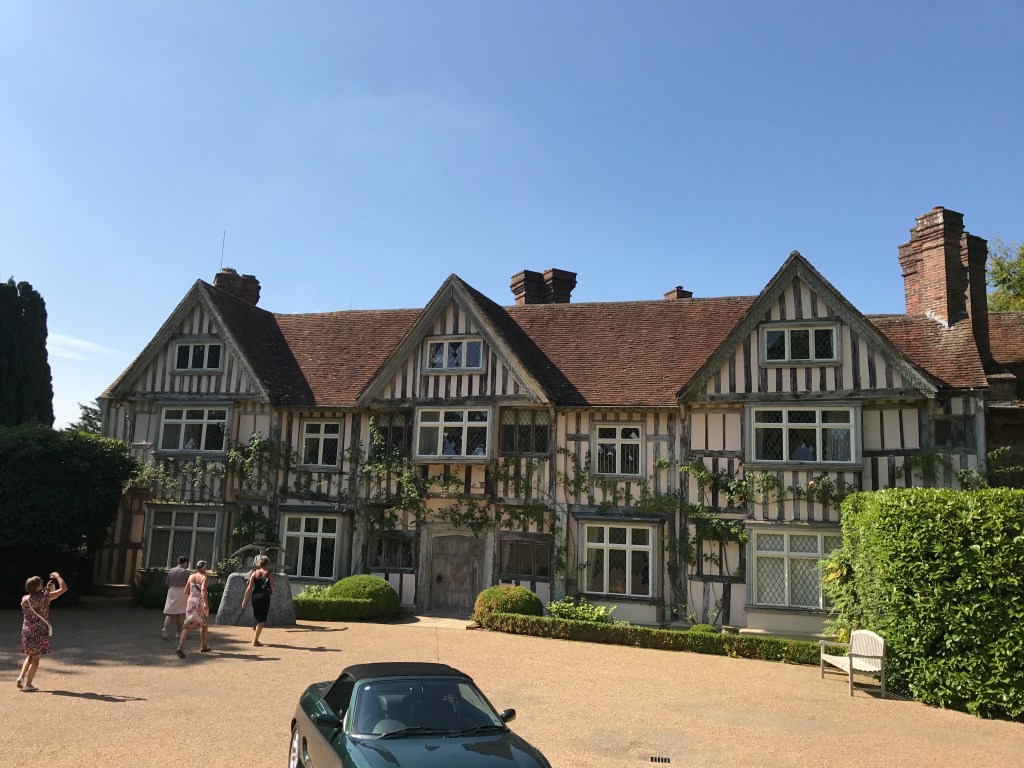
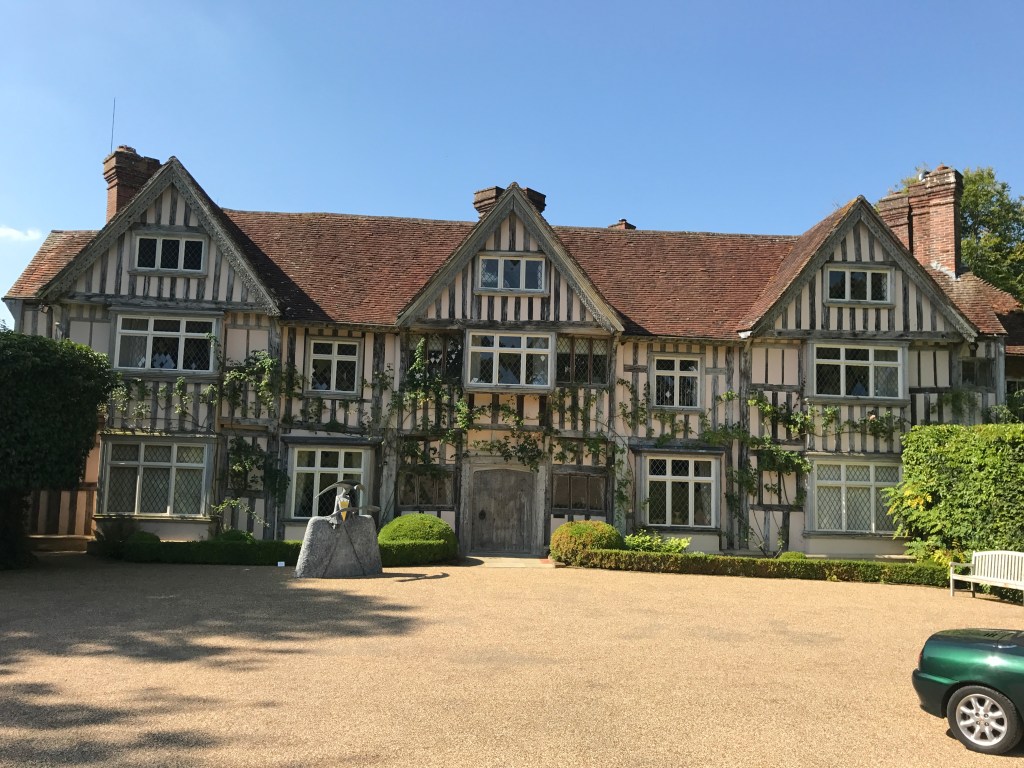
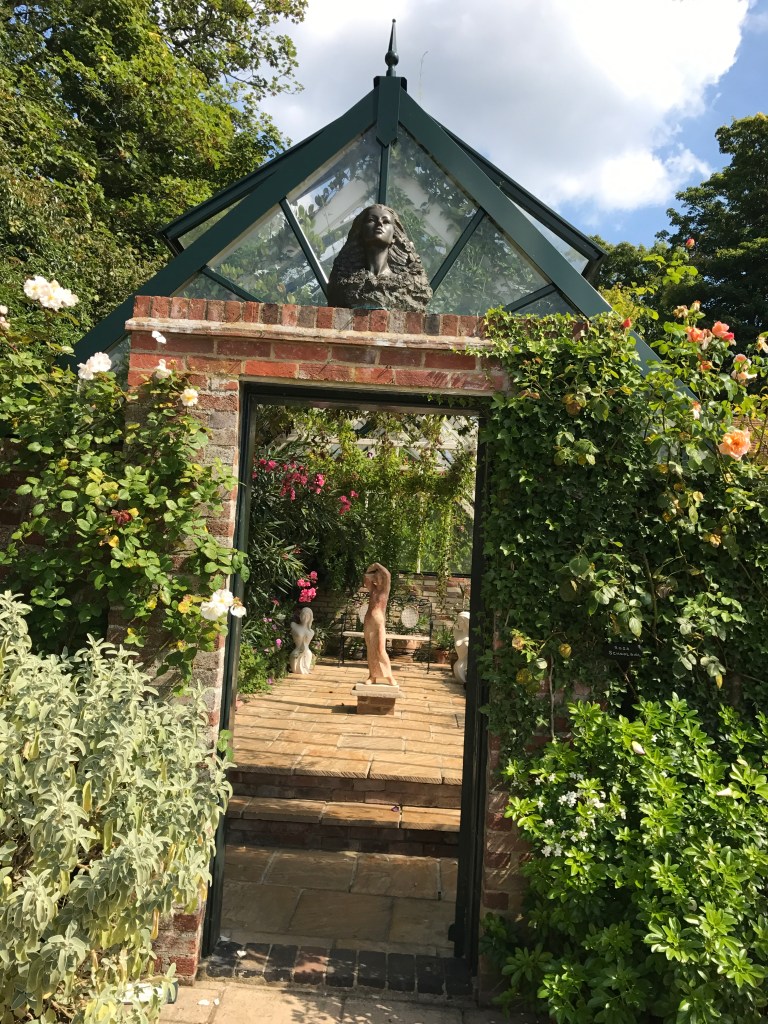
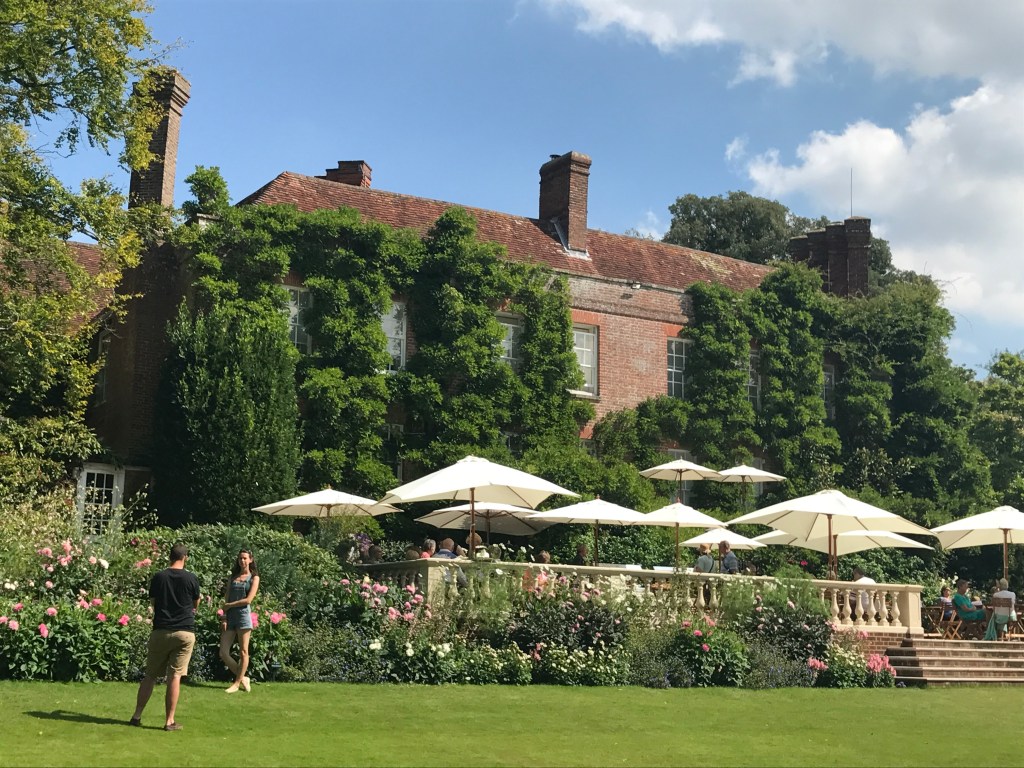
Pashley Manor is a Grade 1 listed house in East Sussex, England. It is known for its wonderful English country garden and craft market. My mom and I visited it specifically to tour the 11 acres of beautiful gardens.
Picture of Pashley Manor with its interesting front door
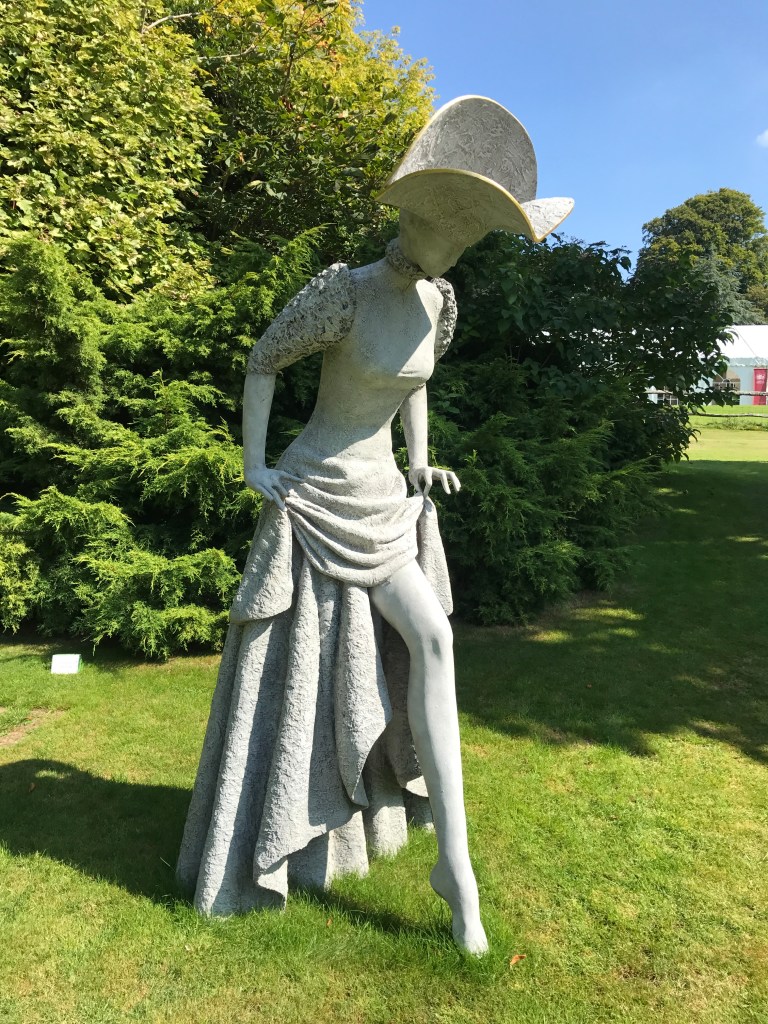
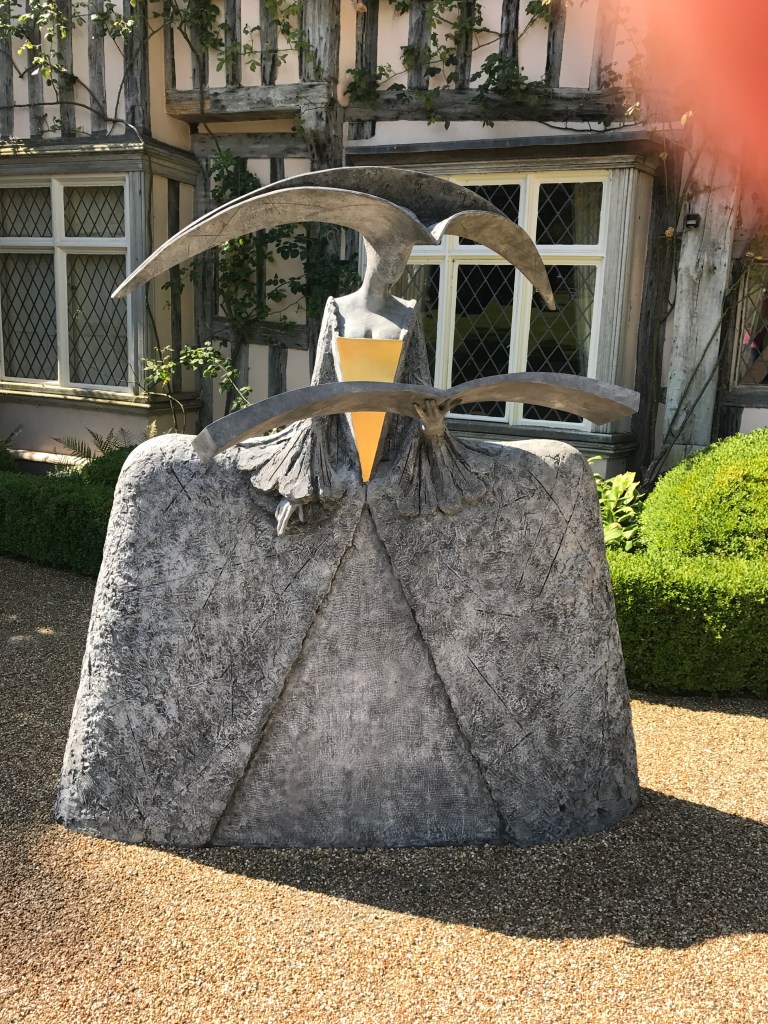
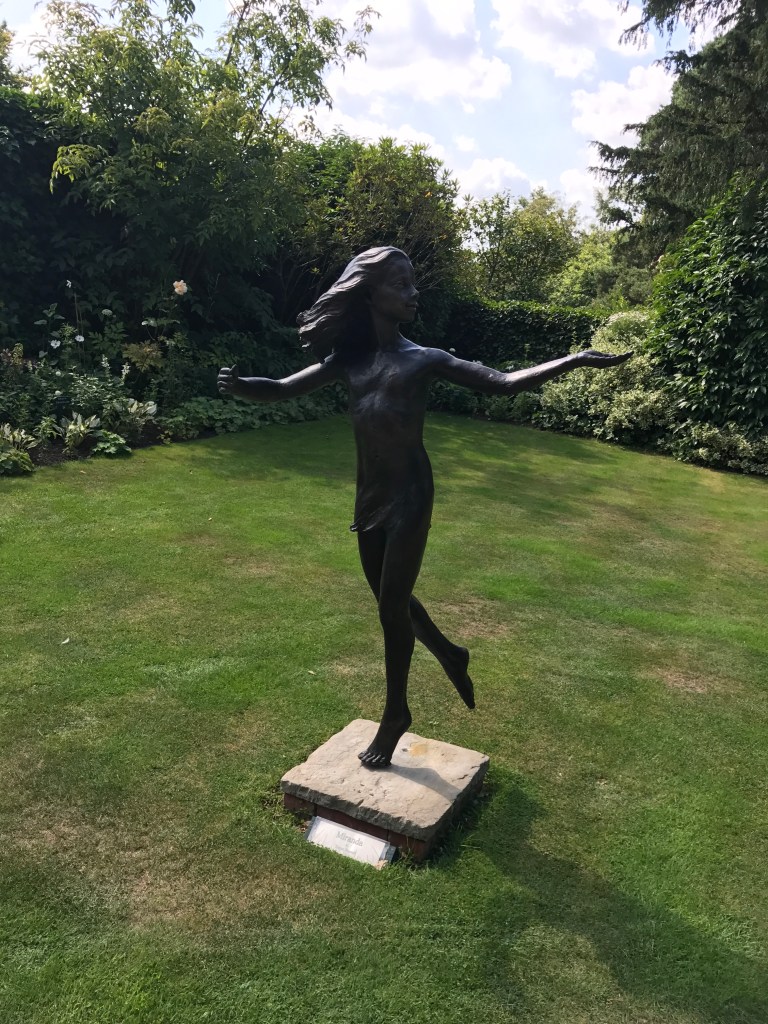
One of the lovely statues
Another picture of the house and front door and statue
The statue in the picture of the house
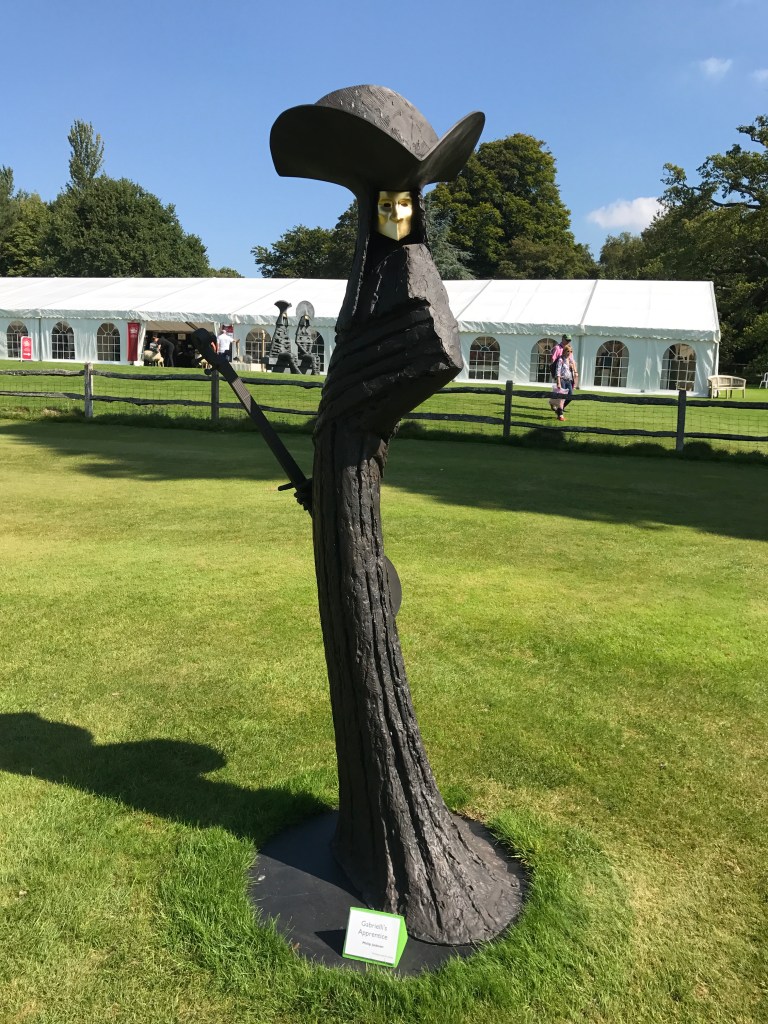
Another great statue. The craft market tent is behind and you can see the double doors.
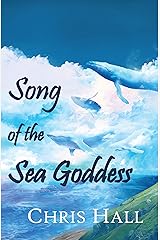
Sam thinks his problems are over when finds his fishing bucket filled with gold coins. There’s a problem though. The gold burns the fingers of anyone who touches it. His unlikely find coincides with the appearance of a mythical sea creature on the headland overlooking the town and the resumption of quarrying up in the mountains that is poisoning the streams and contaminating the town’s water supply.
Determined to keep his coins hidden, Sam goes up-river to bury them. There he encounters a beguiling young woman called Shasa, who lives by one of the tainted springs and just happens to have a fish’s tail.
As the blasting continues, the discovery of a series of recently-made drawings in the cave under the headland, reveals a terrifying prophesy that will result in the earth spilling apart. Fearing for Shasa’s safety, Sam sets out find her again, only to meet the danger head on, as nature takes its revenge for the damage being wrought by humankind.
Will Sam and Shasa survive?
Set in a fictional location on the West Coast of South Africa, this moving story blends the charm of small town life with the threat of ecological disaster at the hands of a powerful force beyond human understanding.
My review
This is the first book I’ve read by Chris Hall. This story is a humorous fantasy story set in South Africa, but with a serious message about industrialisation and water pollution at its heart. I loved the author’s take on the melting pot of colourful and multicultural personalities that make life in a small town in South Africa so distinctly different to anywhere else in the world.
The two elderly aunties who spend their days gossiping about life in their small town, drinking cups of rooibos tea, and making samosas (A samosa is a South Asian fried or baked pastry with a savory filling like spiced potatoes, onions, peas, chicken and other meats, or lentils) reminded me a little of Miss Marple but with a typically South African small town elderly lady overlay. Their kind heartedness in giving Albertina a home and a job as well as allowing her the freedom to raise some chickens and explore other money-making ideas is delightful.
Albertina is a wonderful character, full of ideas, life and inspiration. In her bright pink shoes and second best wig, nothing gets Albertina down and she makes the best of everything that comes her way in life. The hint of a possible romance between Albertina and Abdu, the polite and empathetic shop keeper across the road from the aunties house, is lovely.
Abdu is kindly and helpful, but he is also clever and adventurous. He discovers a secret that changes his life and proves to be life saving for Jannie. To find out more, you’ll have to read the book.
Jannie is an ex-convict who has discovered the errors of his ways and allowed his better nature to reassert itself. He is a lover of animals and the stray dog featured in the story, and Toti, the monkey, both love him. I always enjoy human interactions with animals as part of a good story.
Sam is on the run for a gang which he became embroiled with, resulting in harm to his sister. He is hiding out in the town and has managed to fix up an old fishing boat and is trying to earn a living as a fisherman. He is the character who kicks off the story and has the initial encounter with two talking octopuses’ who present him with a bucket of gold in exchange for their lives. Unfortunately, neither Sam or his mate, Jannie, can touch the gold. It burns them.
There are other great supporting characters, including the Professor, the Greek cafe owner, and a few others, as well as a number of mythical creatures including a water maiden, Shasa, a Sea Goddess who’s out to teach mankind a lesson because of the pollution and damage to her waterways, flying whales, and others.
I enjoyed this entertaining and imaginative read and recommend it to lovers of fantasy and a good humorous story. Chris Hall certainly has a talent for creating flavourful characters.
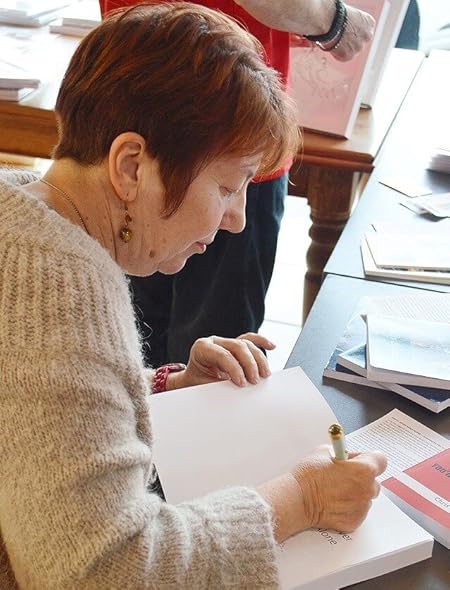
Chris describes herself as a compulsive story-teller, cat slave and hen keeper. Originally from the UK, she now resides in the Western Cape of South Africa.
Her latest novel, ‘Song of the Sea Goddess’ set in her adopted country of South Africa has just been released.
Other novels: ‘You’ll Never Walk Alone – Thrills and Spills in 1980s Liverpool’ ‘Following the Green Rabbit – a fantastical adventure’ ‘The Silver Locket’ (published under pen name, Holly Atkins)
A selection of her poetry is included in ‘Creation and the Cosmos – a poetic anthology’, published by Raw Earth Ink in 2021.
She has also published a tiny taster of her work in a short story collection, ‘A Sextet of Shorts’.
More of her short fiction has appeared in ‘Adler’s Writing’ and ‘One Minute Wit’. Her work also appears in the ‘Writing My City’ anthology, published in Cape Town in 2019.
Visit Chris’s website at www.lunasonline.wordpress.com to read her short fiction, fan fiction, mini-series, poetry and more.
Hugh Lewin was an anti-apartheid activist in South Africa. I recommend you read his biography below before reading this poem.
Touch
When I get out I’m going to ask someone to touch me very gently please and slowly, touch me I want to learn again how life feels.
I’ve not been touched for seven years for seven years I’ve been untouched out of touch and I’ve learnt to know now the meaning of untouchable.
Untouched – not quite I can count the tings that have touched me
One: fists At the beginning fierce mad fists beating beating till I remember screaming Don’t touch me please don’t touch me.
Two: paws The first four years of paws every day patting paws, searching – arms up, shoes off legs apart – prodding paws, systematic heavy, indifferent probing away all privacy.
I don’t want fists and paws I want to want to be touched again and to touch, I want to feel alive again I want to say when I get out
The poem “Touch” is an attempt to capture his feelings during those horrific years in gaol. Upon being released from prison in 1971, Lewin chose to leave the country on what was known as a “permanent departure permit”. In other words, he could never return to the place of his birth.
About Hugh Lewin
Hugh Lewin
Hugh Lewin grew up during South Africa’s apartheid years. Upon leaving school, he became a journalist, working for Pietermaritzburg’s Natal Witness, Drum and Golden City Post.
His observation of the repressive South African regime eventually became too much for him and he resorted to fighting vehemently to bring about its downfall. In 1965 he was sentenced to seven years imprisonment for sabotage. The poem “Touch” is an attempt to capture his feelings during those horrific years in gaol.
Upon being released from prison in 1971, Lewin chose to leave the country on what was known as a “permanent departure permit”. In other words, he could never return to the place of his birth. He would spend ten years in exile in London, followed by a further ten years in Zimbabwe.
He returned to South Africa in 1992 upon the cessation of the apartheid system and thereupon became the Director of the Institute for the Advancement of Journalism in Johannesburg. Today he is a freelance media trainer.
Lewin has written several books and poems, and he has been the recipient of several literary awards.
The poet says the following of this poem: “It’s very emotional because the poem reminds me of so many aspects of what it was like being in prison: the violence, cruelty and brutality. Reading it remains an intense experience for me because the memories it evokes are still very strong.”
“Prison remains a touchstone for me,” he says, “and is still very much part of my life, even though I was released in 1971. I still refer back to the experience, whether I want to or not. It was a terribly cataclysmic but important part of my life.”
Lewin wishes that readers of this poem would arrive at a deeper understanding of their own emotions and the world in which they live, as well as an appreciation for the power of poetry, and how useful and important it can be when it comes to describing emotions and feelings.
“If the poem also helps them to appreciate what was happening in this country before they were born,” he says, “and the sacrifices made in the run up to the 1994 elections, I’d be very pleased.”
“Of course, it would also be great,” he added, “if the poem encourages students to write poems themselves and to explore the role of literature in society.”
In my Thursday Doors post last week, I said that my family had travelled to Dumfries to meet blogger and author, Mary Smith. Mary took us on a short tour of this fascinating town.
Dumfries Museum
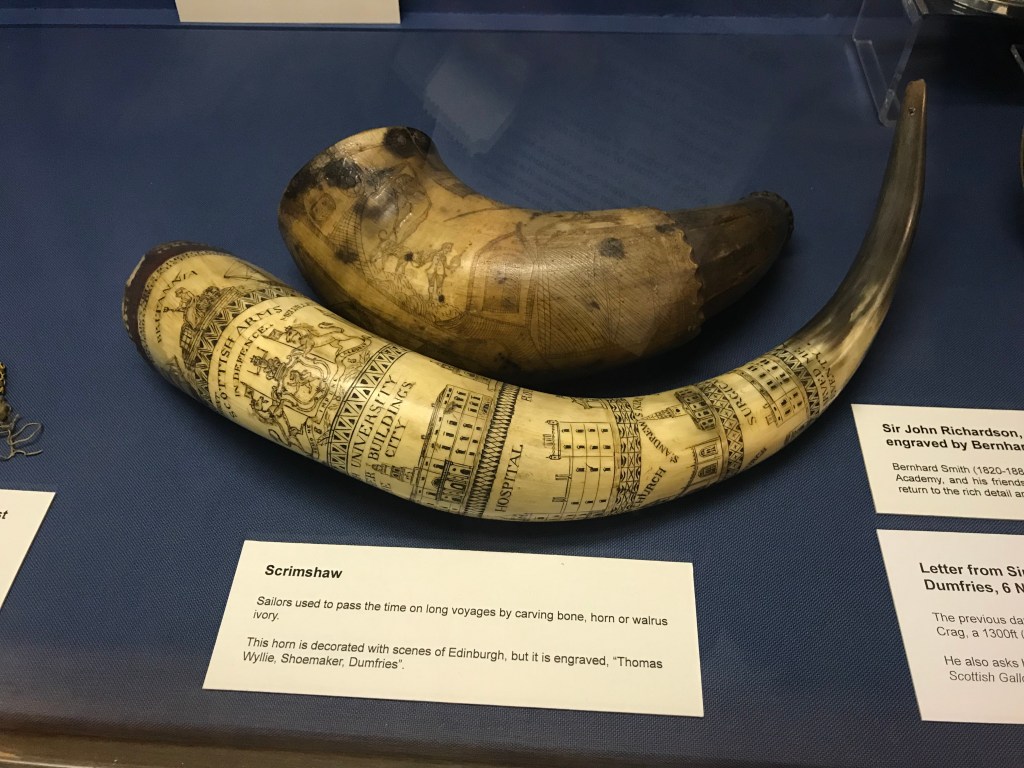
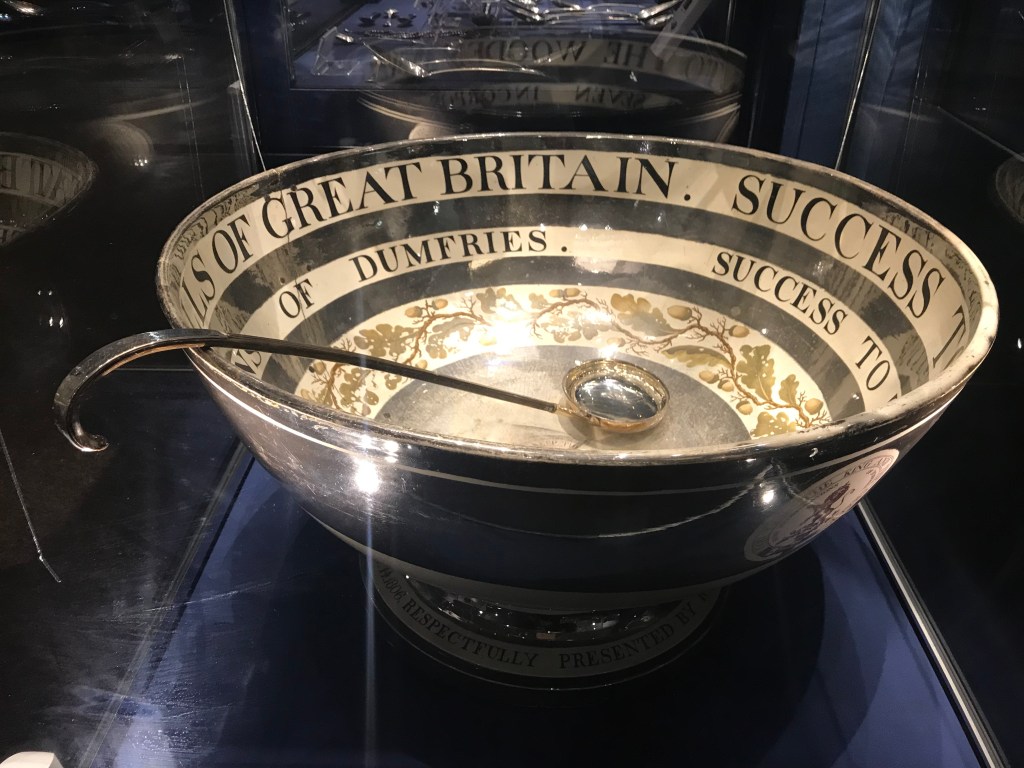
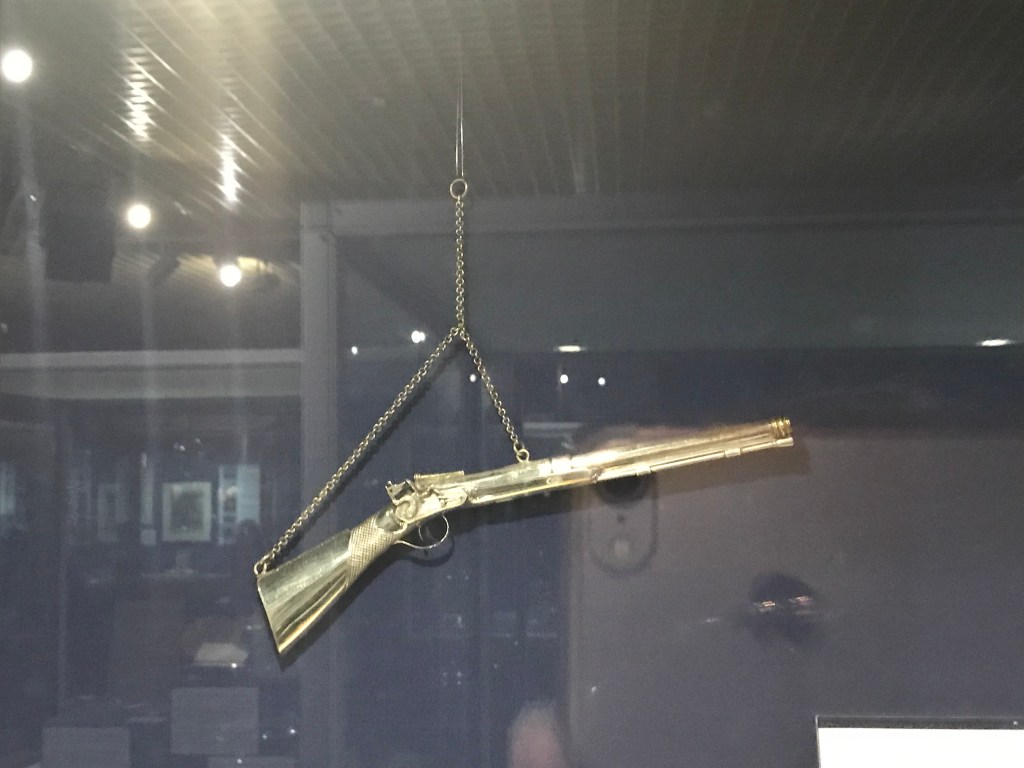
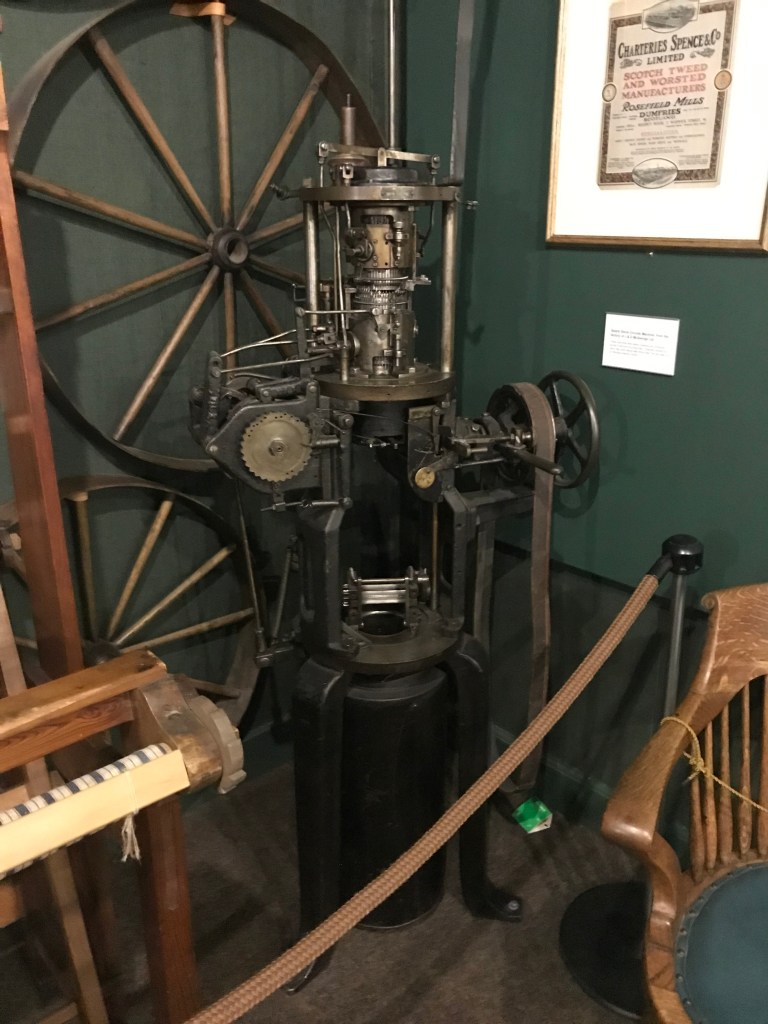
A few interesting artifacts from the Dumfries Museum:
Scrimshaw
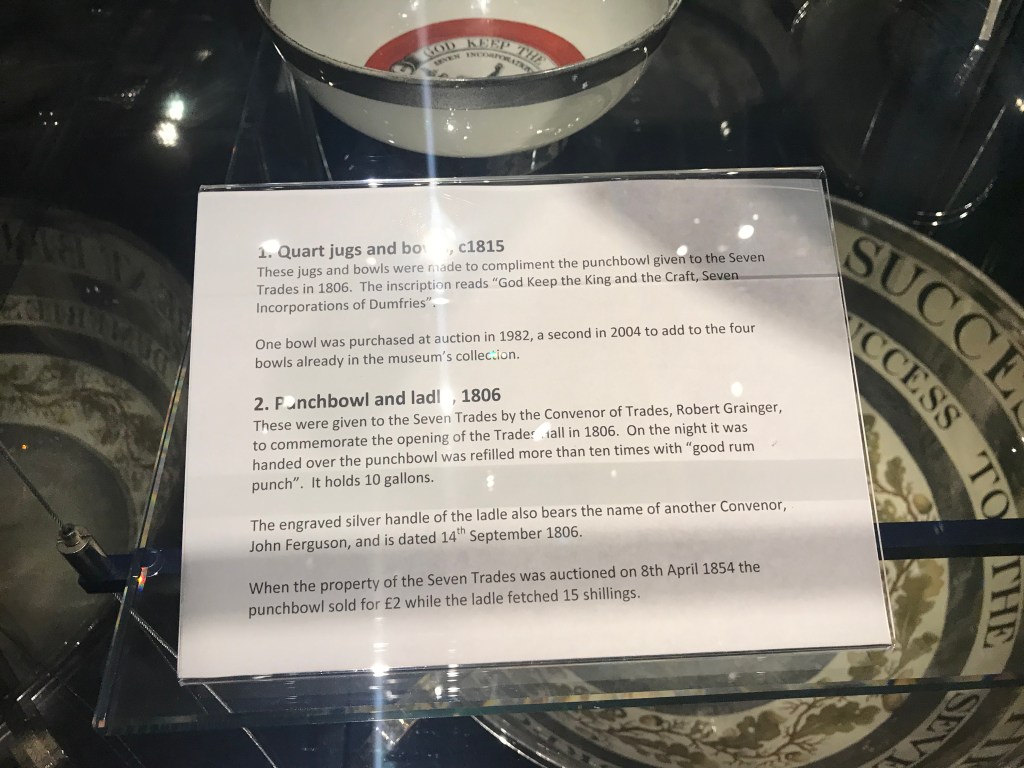
Seven Trades punch bowl
Siller Gun
Spinning wheel
The story of the Siller Gun
James VI of Scotland and I of England presented the Seven Trades with a trophy – the Siller Gun – to be awarded in its annual shooting competition. At a time when tradesmen had to be prepared to defend the town, the King’s intention was to encourage their shooting skill.
It is believed that the gun originally took the form of a miniature cannon mounted on a wheeled carriage. It was remodelled to resemble a flintlock musket by David Gray after it was broken in 1808. The individual responsible for the damage was fined £3. 6s. 8d. (£3.34p) for his act, and banished from associating with his trade for twenty-one years.
You can learn more about the Siller Gun and other Dumfries artifacts in Secret Dumfries written by Mary Smith and with pictures by Keith Kirk.
Seven Trades punch bowl
Robert Burns
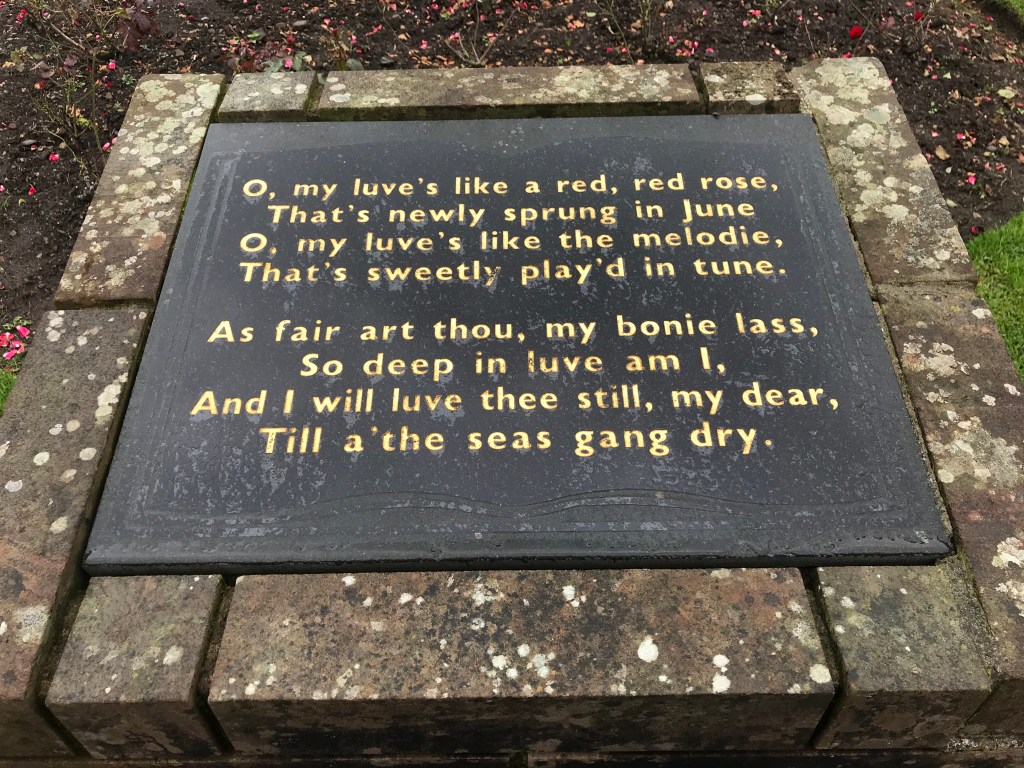
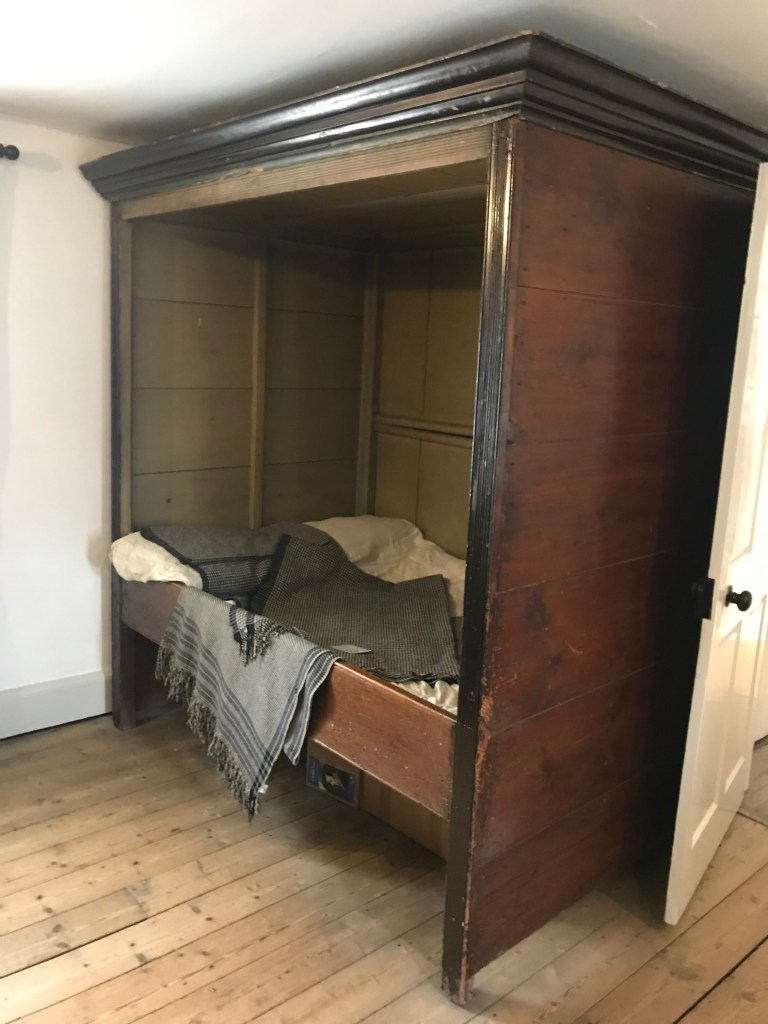
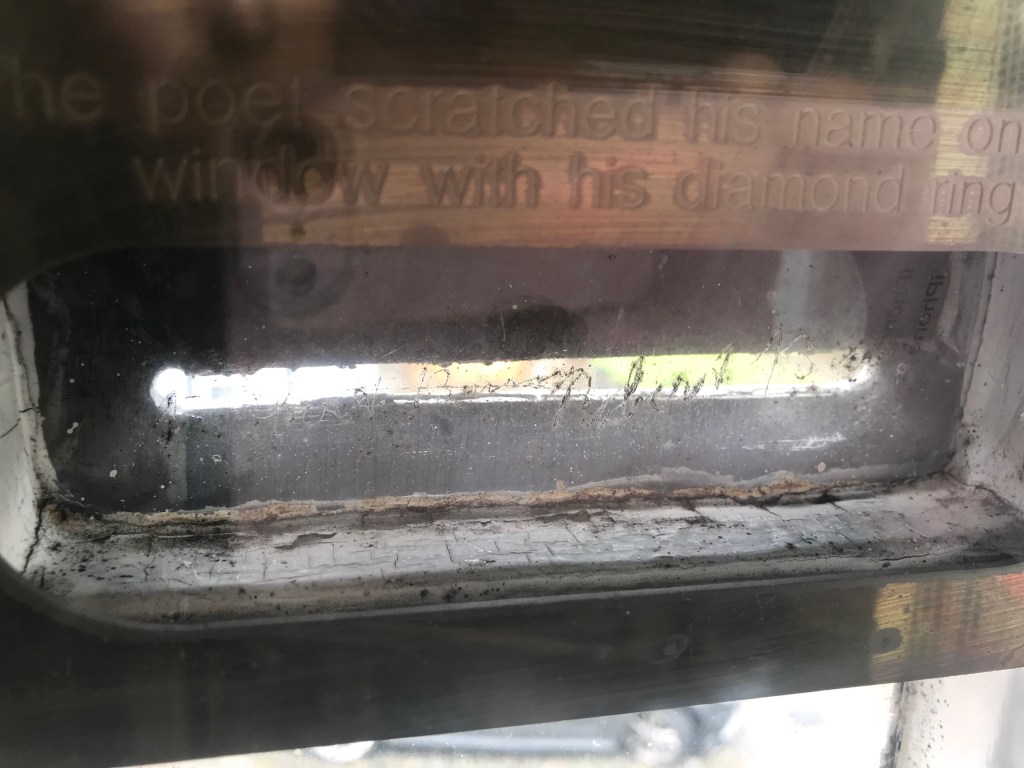
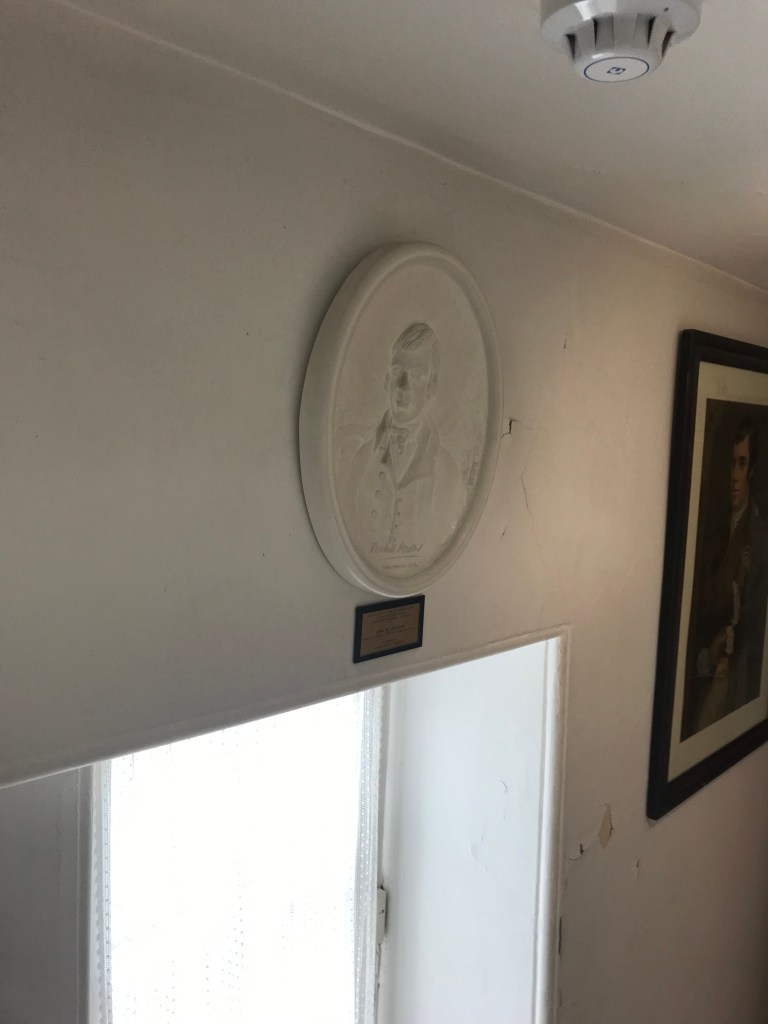
A selection of pictures from Robert Burns’ house in Dumfries
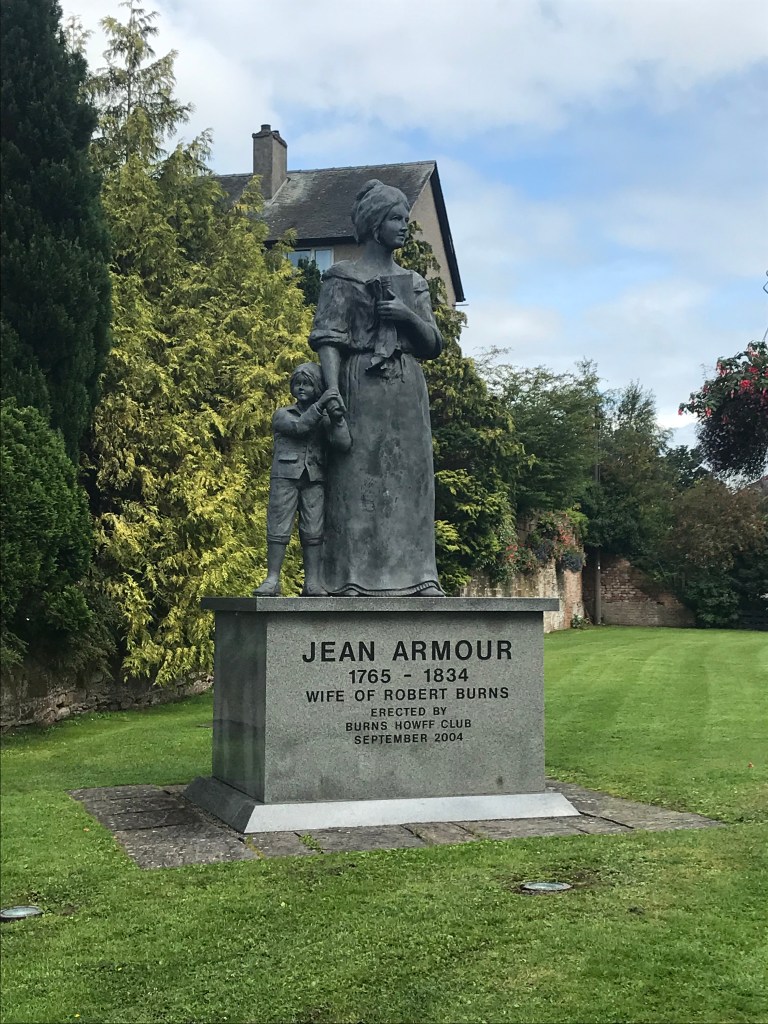
Statue of Robert Burns’ wife, Jean Armour
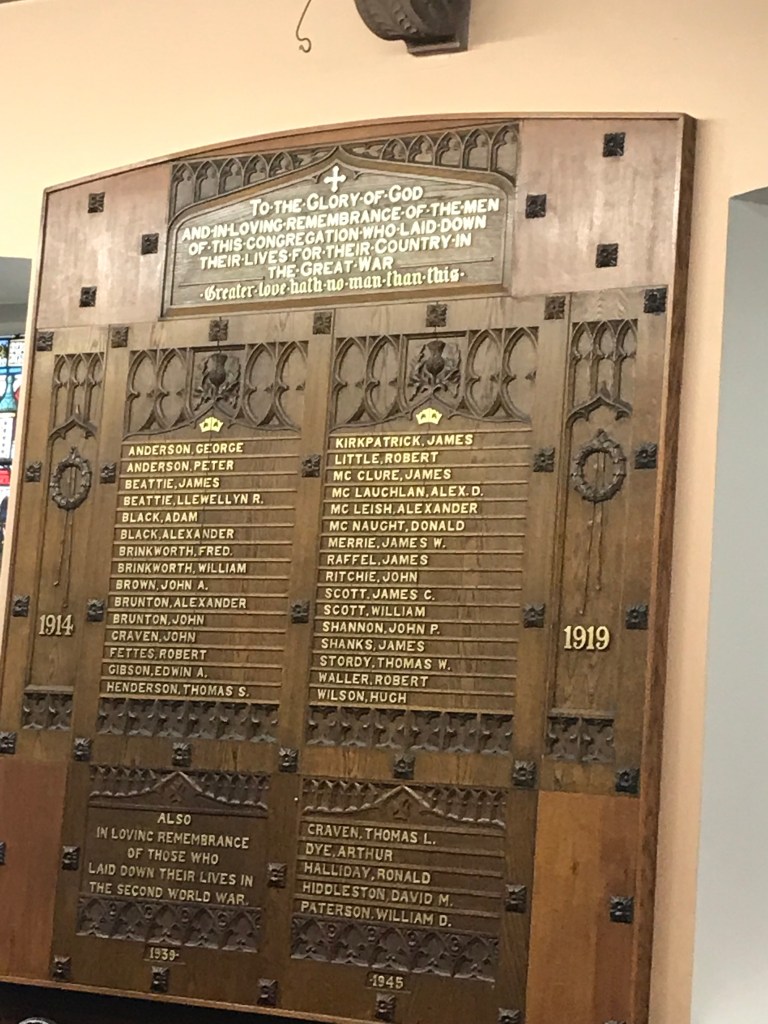
St Michael’s Church
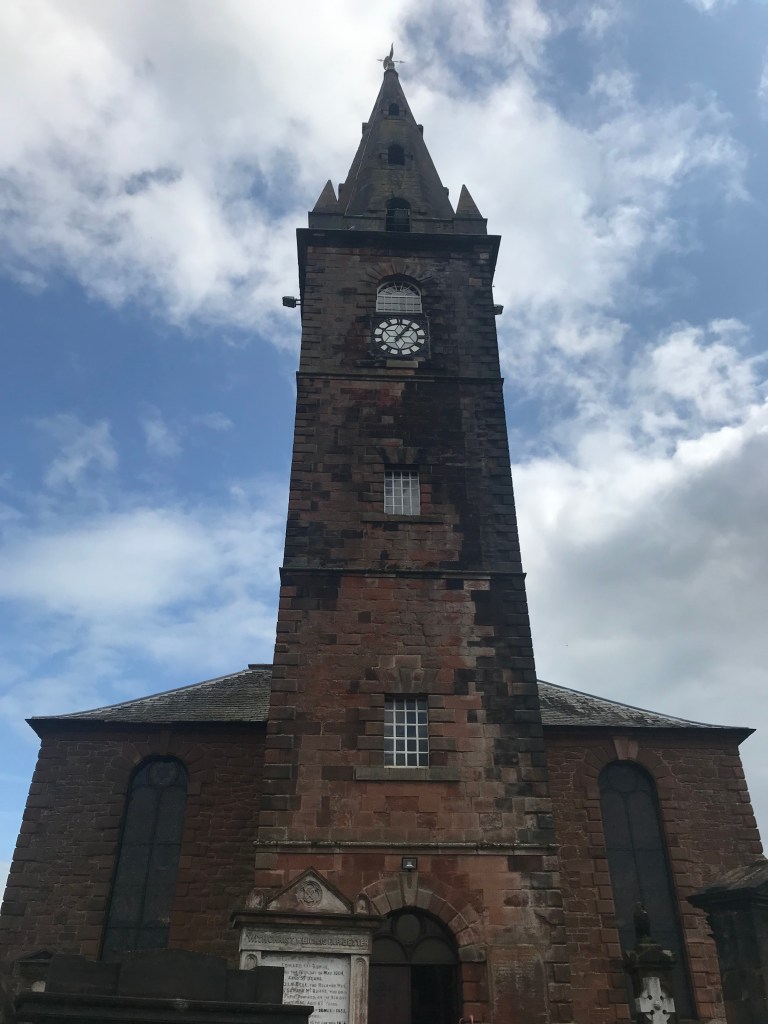
St Michael’s Church, Dumfries
Graveyard around St Michael’s church
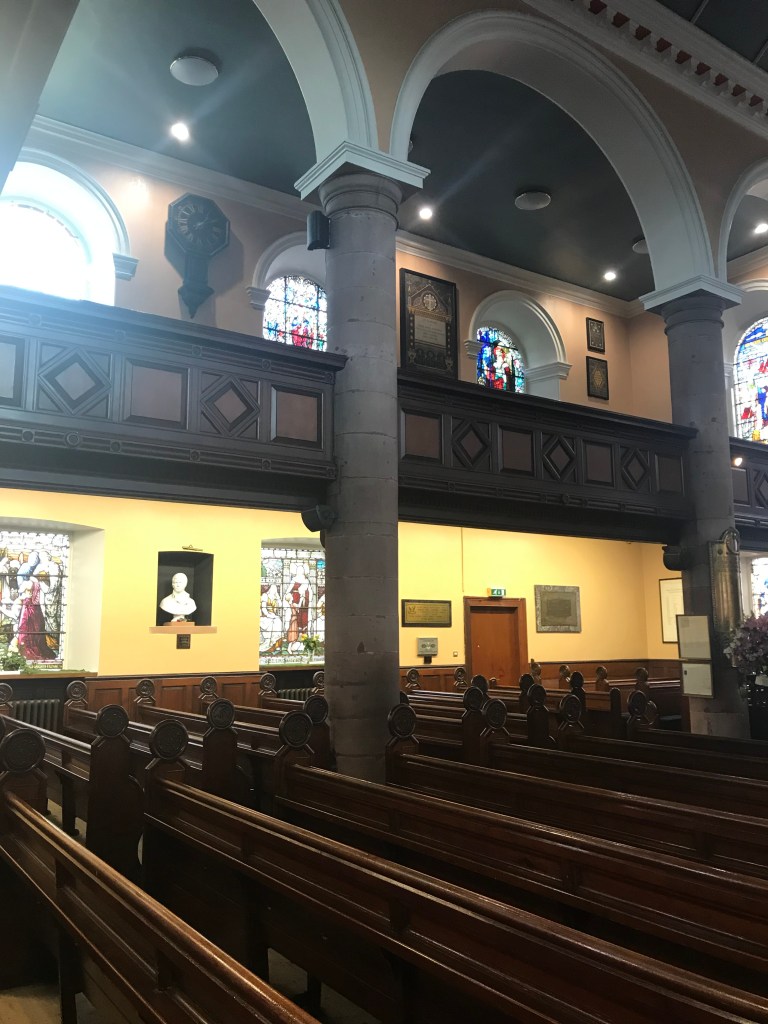
Pews
The ten stone pillars supporting the roof are from the earlier church and date back to around 1500.
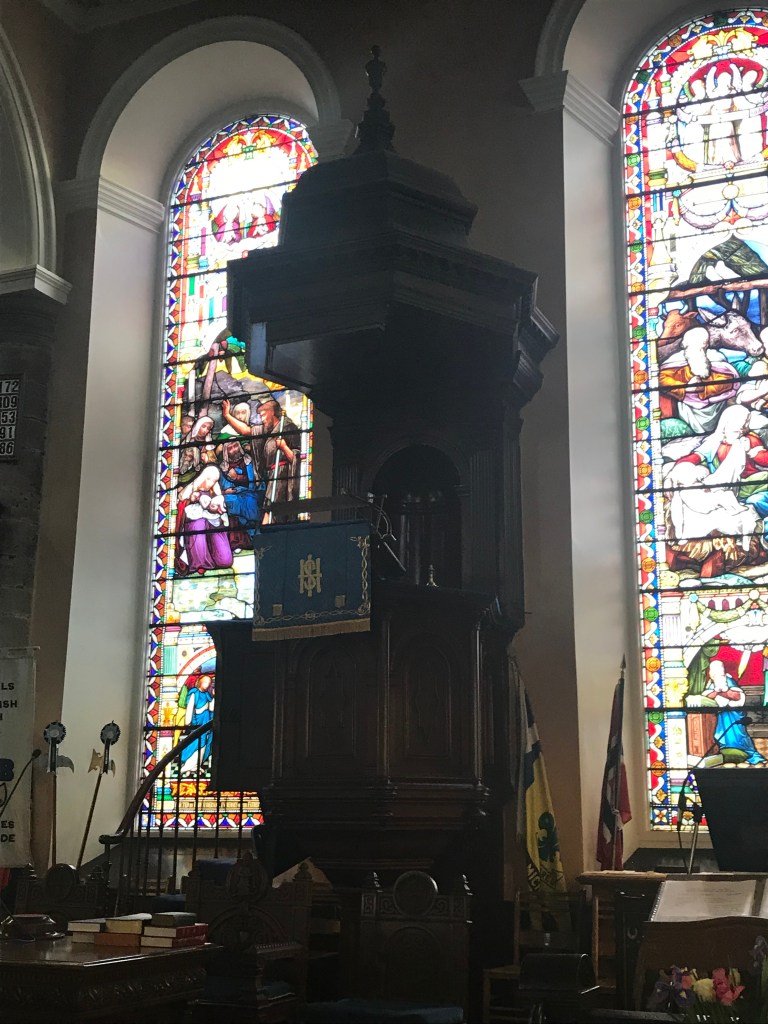
Original pulpit made of Scot’s fir
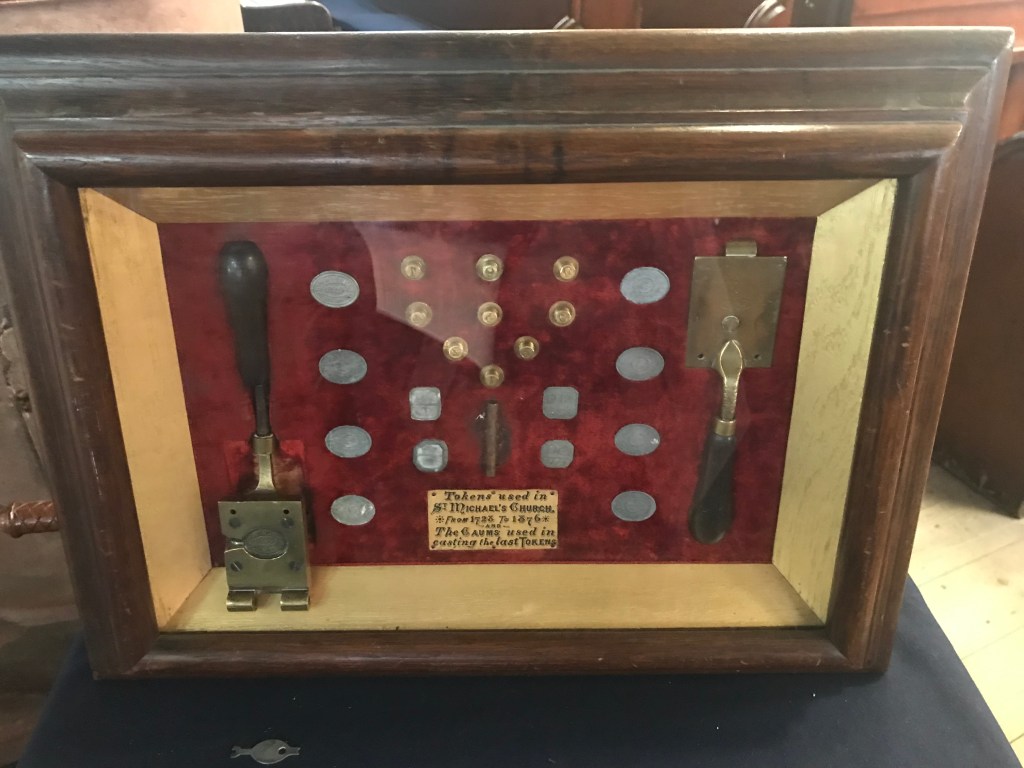
Tokens used in the church
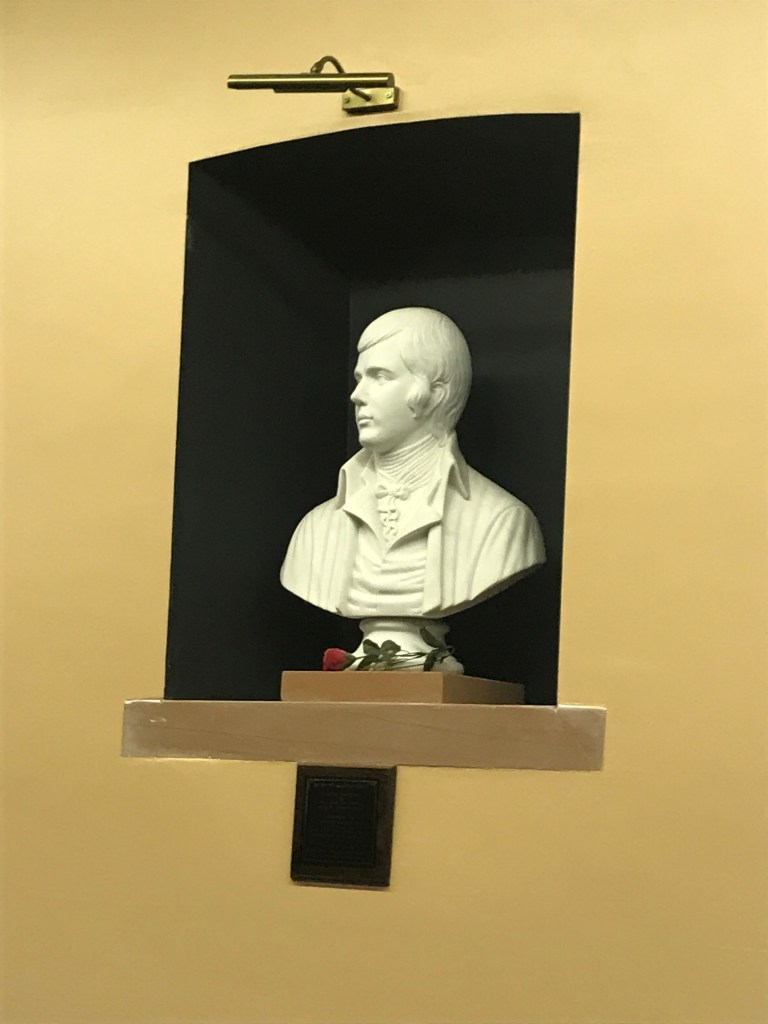
Bust of Robert Burns
St Michael’s is the oldest church in Dumfries. The churchyard contains the elaborate Burns’ Mausoleum, and many other noteworthy memorials, including a Covenanters memorial and a mass grave to those who died in a cholera epidemic.
Secret Dumfries is a non-fiction book depicting the fascinating history of Dumfries, a small town situated on the River Nith in Scotland. Dumfries is also known as the “Queen of the South”, a name bestowed on the town by local poet David Dunbar.
The book is divided into ten chapters each dealing with different aspects of the town, its inhabitants and its history.
Chapter 1: History provides a lot of background to the development and establishment of the town. One particularly interesting historical event was the stabbing of “The Red” Comyn by Robert the Bruce which changed the course of Scottish history.
Chapter 2 deals with Crime and Punishment and one of the titbits of information disclosed in this chapter is that in sixteenth-century Dumfries, anyone caught stealing his neighbour’s peat was branded on the cheek with the towns clock key, heated in a fire made of the stolen peats.
Chapter 3: Health, shares facts and information about the history of disease and illness in the town including outbreaks of the plague, famine and cholera.
Chapter 4 entitled Industrial Dumfries tells the stories about the development of industry in Dumfries. One of the industries discussed is the quarrying for sandstone at Locharbriggs Quarry. This sandstone is a lovely pink to red colour and is clearly detectable as the building material for most of the historical buildings in the town.
Chapter 5 deals with Wartime Dumfries and tells of the backgrounds of famous Doonhammers during times of warfare, including Joseph Brown who fought in the Crimea War and the Indian Mutiny.
Chapter 6: Outdoor Art Gallery describes the lovely outdoor artworks found throughout the town including a collection of unusual finials on the railings along the Whitesands beside the Nith. There are thirty-eight of these finials which were created by Natalie Vardey and designed to link to past and present trades in Dumfries.
Chapter 7: Remarable Doonhammers includes details on a number of interesting residents of the town, the most renown being Robert Burns and his wife, Jean Armour. Interestingly enough, the book discloses that Robert Burns body was dug up twice before it was finally laid to rest in its current mausoleum.
Chapter 8 advises visitors to remember to look up and provides information on all the artworks and historical artifacts above eye level including some facts about the fire marks on selected buildings.
Chapter 9: Recreation provides the history of, inter alia, the Dumfries football team, the name of which is Queen of the South. It also tells of the history of the Dumfries cinemas and even the circus.
Chapter 10: Curiosities, Mysteries and a Sad Story ends with a poignant tale about Tinker, or Derek Styles, a promising young man who was psychologically ruined by the horrors he witnessed during the battle for Goose green in May 1982.
Secret Dumfries is a well written and interesting non-fiction book and I would recommend it to anyone interested in Scottish history.
I am over at Writing to be Read with a post about the dark origins of the fairy story, Blue Beard. Brace yourself! Thanks for hosting, Kaye Lynne Booth.
The fairytale of Bluebeard was the most scary one I can recall hearing or reading as a child. This story is featured in Grimm’s Fairy Tale Classics.
It this version of the story, Bluebeard’s bride is a teenage peasant girl named Josephine. She has been raised by her brothers who are woodworkers. In this version, Bluebeard, a wealthy widower with a blue beard, choses Josephine as his wife because she is beautiful, naïve and desires to marry a prince. The character design for Bluebeard strongly resembles that of the English King, Henry VIII, who had six wives, two of whom he beheaded. After the wedding, Bluebeard gives Josephine a key ring with all the keys to all the doors of his castle. He tells her that she must never use the golden key to open one of the doors.
Of course, Josephine’s curiosity gets the better of her and one…
The titular dead of Winter begin this Journey in a collection of vignettes. The Veil separating the world of the living and the Realm of the Dead has indeed become thin. As feared the dead begin to enter the Realm of the Living. Small outbreaks of chaos are scattered across the world as spirits try to resume their old lives.
My review
Journey 5 starts with some insights by Haldis, the Watcher, into the events that are gradually unfolding. Haldis is aware of the breaks in the veil between this world and the afterlife and that spirits are moving between the two dimensions. She is watching the elusive silvery-haired young man who can move between the worlds without using a break in the veil, but she does not reveal how he is doing this.
In the world of humans, spirits are infiltrating life in numerous places. A Deae Martres, Mairead, is rescued from a near-death situation by a dead king. She finally remembers who he is and his name strikes fear into her heart. Her thoughts reveal a little more of Zasha and Tajin’s backstory.
Emlyn’s group of Deae Martres are forced to split up to avoid a confrontation with the Un’Naf under Elder Pwyll. They are still looking for Emlyn and Osabide. Emlyn’s mettle is tested when she has to ride a horse for miles and trust in Boabhan’s ability to lead their group to safety. A lot more of Boabhan’s back story is revealed in this journey.
Emlyn becomes more and more aware of the evil being, Arawn, who seems to be tracking her and her friends.
A well written and exciting episode that shared interesting information about some of the characters while moving the plot along nicely.
If you prefer, you can listen to my review on YouTube here:
Purchase Dead of Winter, Journey 5 – Llyn Pistyll Falls
Then a strange and lovely tenderness touched her mouth,
A faint blush tinged her dead-white skin:
“Thank you,” she said, and smiled.
About Tatamkhulu Afrika
Novelist and prize-winning poet, Tatamkhulu Afrika (Xhosa for Grandfather Africa) was born in Egypt in 1920 and came to South Africa as a young child. He was a veteran of World War 2 and, as a member of Umkhonto we Sizwe (Spear of the Nation), was active in the South African freedom struggle.
His first novel, Broken Earth was published when he was seventeen (under his “Methodist name”), but it was over fifty years until his next publication, a collection of verse entitled Nine Lives.
He won numerous literary awards including the gold Molteno Award for lifetime services to South African literature, and in 1996 his works were translated into French. His autobiography, Mr Chameleon, was published posthumously in 2005.
When in the sun the hot red acres smoulder, Down where the sweating gang its labour plies, A girl flings down her hoe, and from her shoulder Unslings her child tormented by the flies.
She takes him to a ring of shadow pooled By thorn-trees: purpled with the blood of ticks, While her sharp nails, in slow caresses ruled, Prowl through his hair with sharp electric clicks.
His sleepy mouth plugged by the heavy nipple, Tugs like a puppy, grunting as he feeds: Through his frail nerves her own deep languors ripple Like a broad river sighing through its reeds.
Yet in that drowsy stream his flesh imbibes An old unquenched unsmotherable heat – The curbed ferocity of beaten tribes, The sullen dignity of their defeat.
Her body looms above him like a hill Within whose shade a village lies at rest, Or the first cloud so terrible and still That bears the coming harvest in its breast.
About Roy Campbell
Durban born, South African poet, Roy Campbell was considered by T. S. Eliot, Dylan Thomas and Edith Sitwell to have been one of the best poets of the period between the First and Second World Wars, and is recognized in South Africa today as one of the best poets the country has ever produced. Fellow South African poet Uys Krige described him as “the most poetic of poets” and believed him to be a perfect example of how the true artist could, ignoring all obstacles, dedicate his life to his art. He was a swashbuckling adventurer and a dreamer of dreams, as well as an individualist who attracted controversy. His vocal attacks on Marxism and Freudianism, popular among the British Intelligentsia, and his stance in the Spanish Civil War, along with his satire of colonial life in Natal, isolated him from many would-be supporters of his work at the time.
Welcome to Thursday Doors, a weekly feature allowing door lovers to come together to admire and share their favorite door photos from around the world. Feel free to join in on the fun by creating your own Thursday Doors post each week and then sharing your link in the comments below, anytime between 12:01 am Thursday morning and Saturday noon (North American eastern time).
During our 2019 trip to Scotland, we visited Dumfries to meet fellow author and blogger, Mary Smith. Mary kindly showed us around her lovely town and I took a few pictures of some interesting doors.
This is what Wikipedia says about Dumfries:
“Dumfries is a market town and former royal burgh within the Dumfries and Galloway council area of Scotland, which in turn is part of the United Kingdom. It is located near the mouth of the River Nith into the Solway Firth about 25 miles by road from the Anglo-Scottish border and just 15 miles away from Cumbria by air.”
I thought this painted door was rather beautiful
Some pretty doors that caught my eye in Dumfries
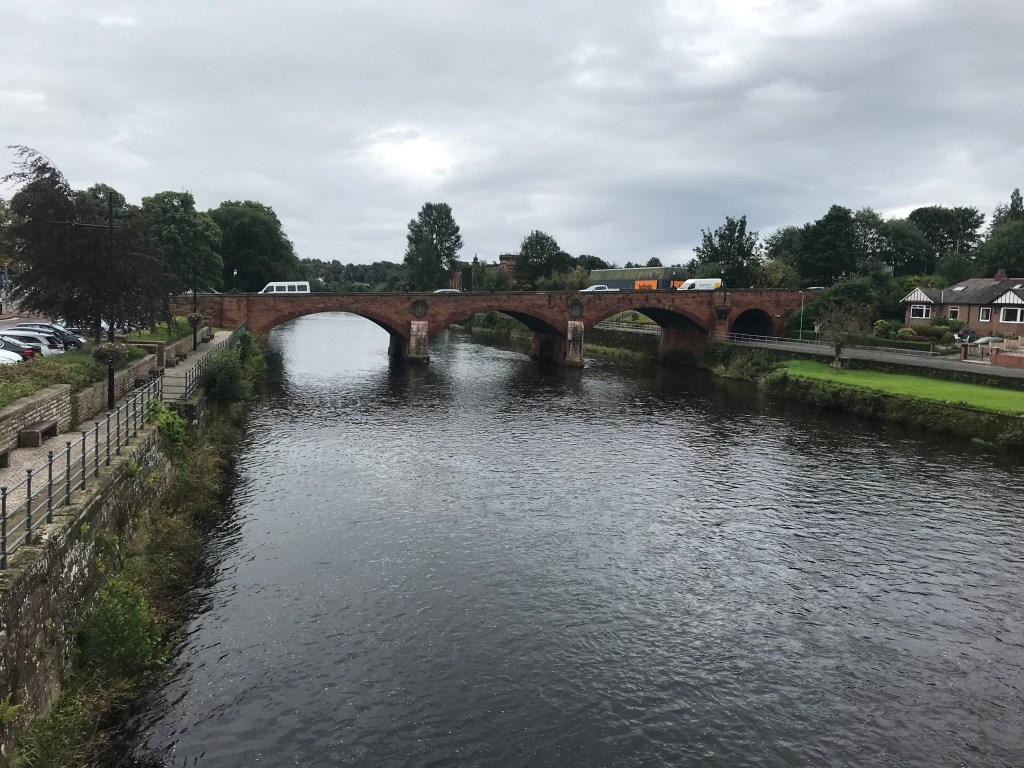
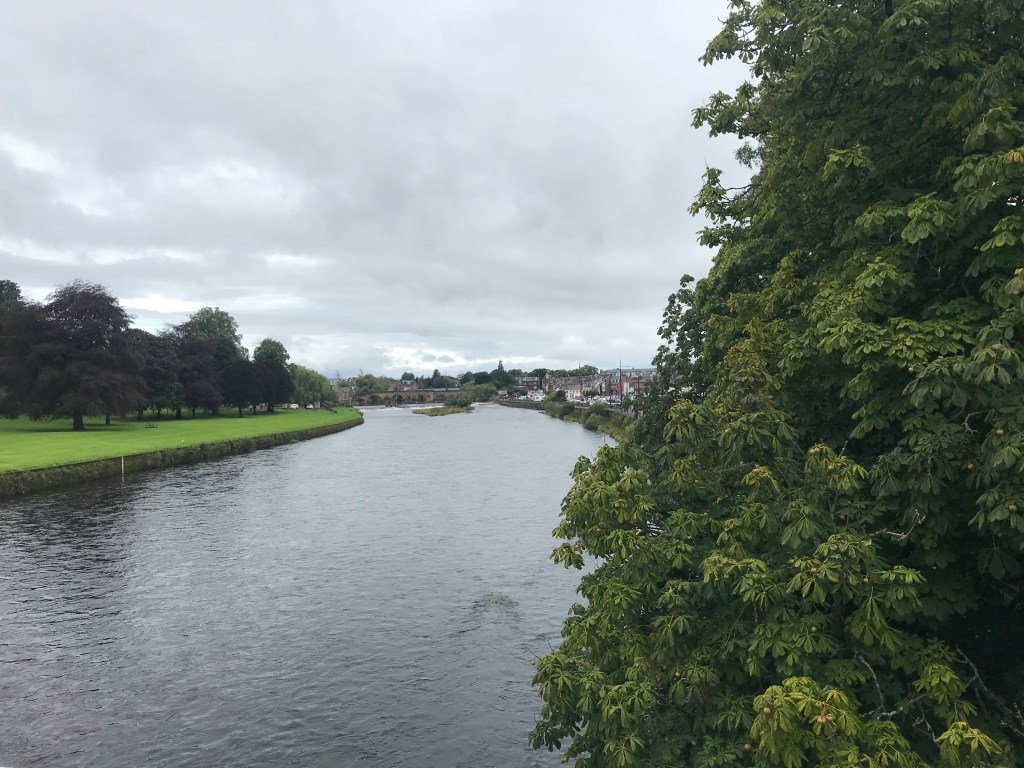
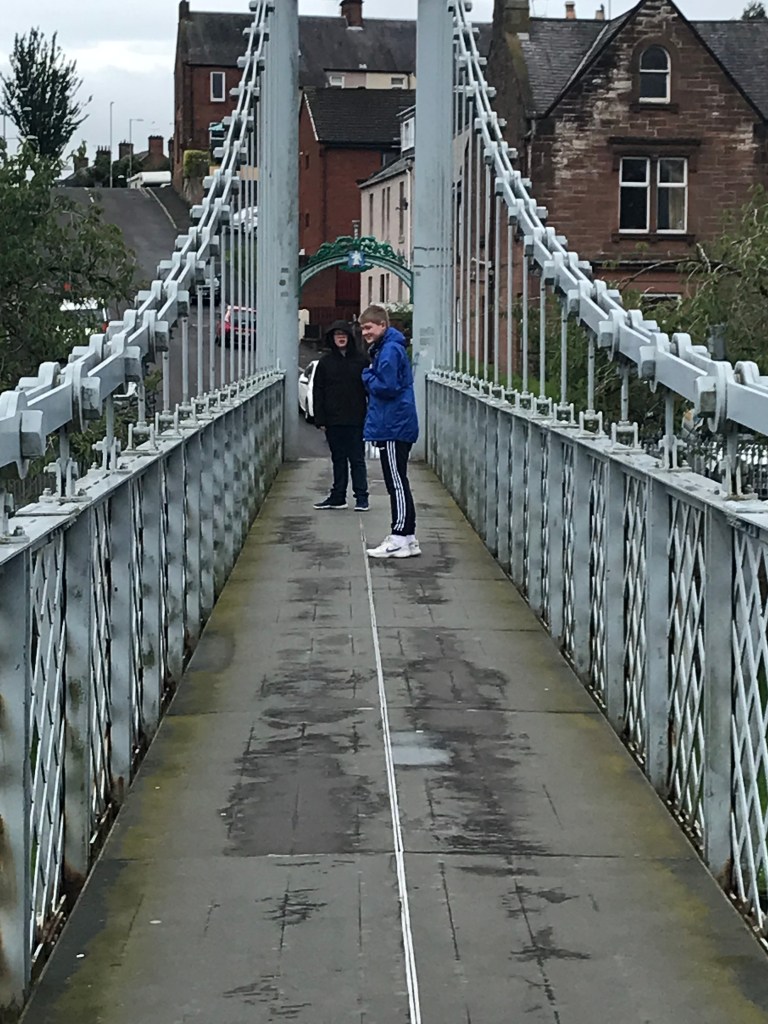
River Nith and the bridge across the river
Dumfries has a number of interesting museums and is famed for its connection with Scotland’s National Bard, Robert Burns. More about all these places next week. There is no Thursday Doors next week so my post will be a tour of Dumfries with no focus on doors.
One famous person I must mention in this post is Robert the Bruce.
“Robert the Bruce was one of the most famous warriors of his generation and eventually led Scotland during the First War of Scottish Independence against England. He fought successfully during his reign to regain Scotland’s place as an independent country and is now revered in Scotland as a national hero.”
In 1306, Robert was involved in the murder of John Comyn, his chief rival for the throne. This led to him being excommunicated by Pope Clement V (although he received absolution from Robert Wishart, Bishop of Glasgow).














 roberta-writes.com