While on our recent road trip, my family visited the Boer Wars Museum in Bloemfontein. A fascinating museum, it had a lot of artifacts that featured in my book about the Second Anglo Boer War, A Ghost and His Gold. I thought I would share a few of my photographs and a short extract to go with each of them.
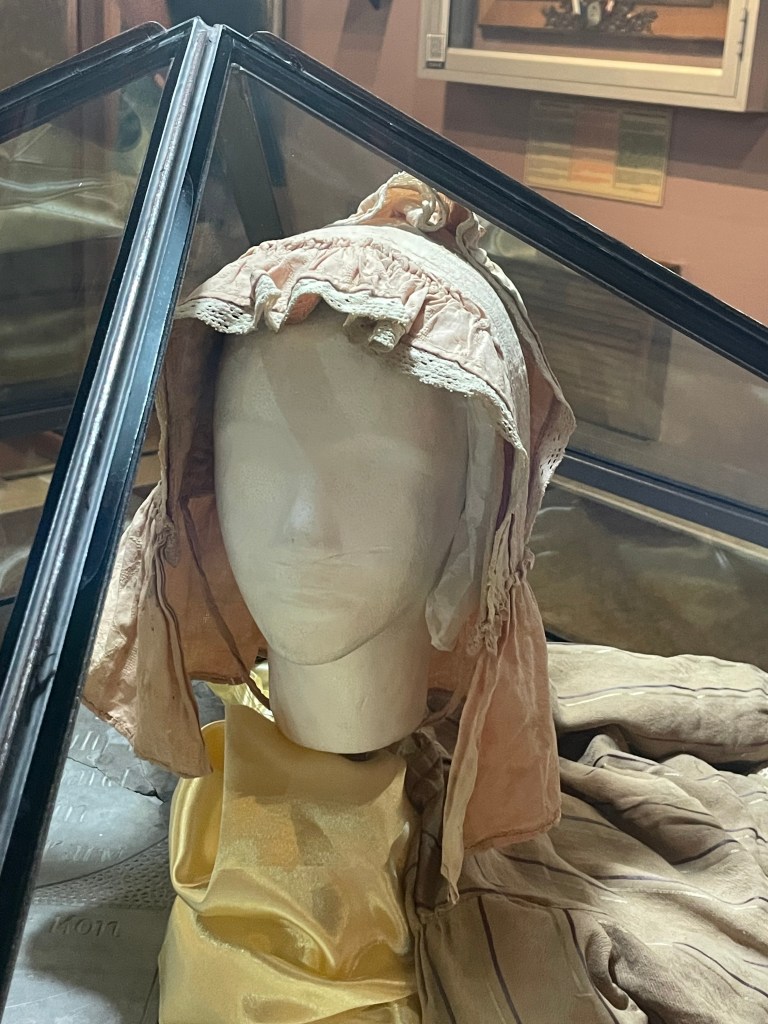
“Estelle climbs up and takes her place as the driver. From his position on his horse next to the wagon, Pieter sees Marta’s annoyed glare. He knows Marta does not approve of Estelle sitting in the open on the wooden chest, driving the wagon.
Marta’s just being narrow minded. We have no sons and Estelle is capable and willing. She is good at driving too and has expressed her preference for sitting outside in the air rather than sweltering under the covering at the back. Marta will just have to learn to accept my decision.
“Put your bonnet on, Estelle,” he calls, hoping to pacify his wife.
Estelle drags on the thick white ties attached to her bonnet, pulling it up over her bright hair and plunging her beautiful face into shadow. Pieter smiles at her and moves away, walking his horse slowly down the line of oxen.”
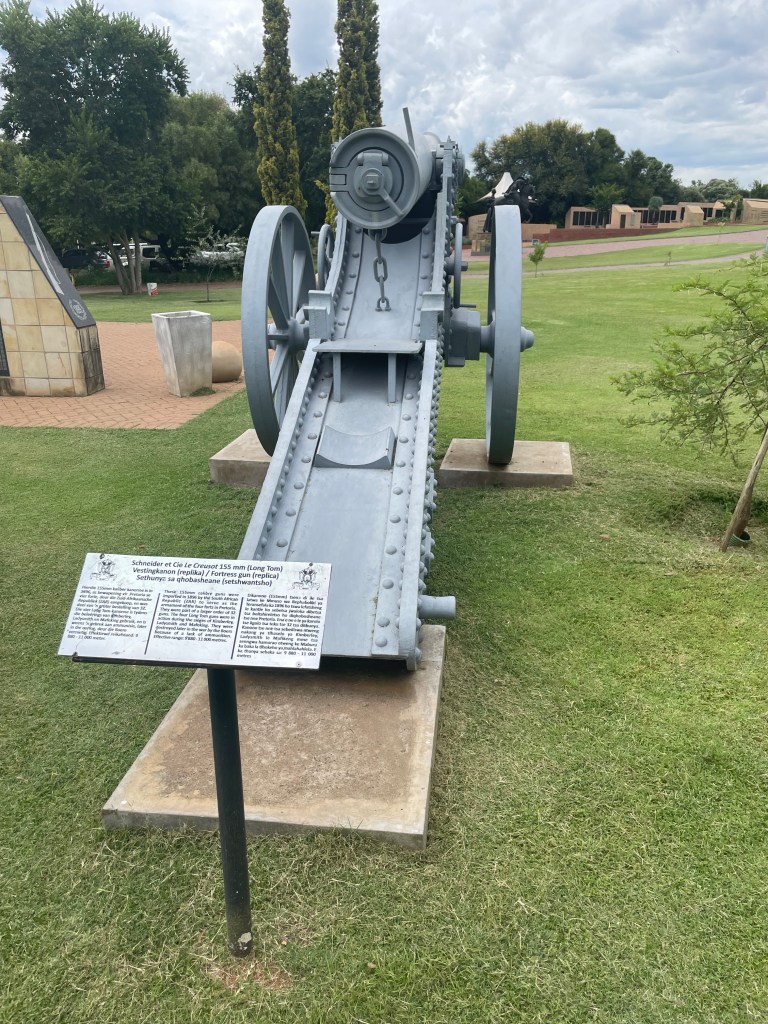
““When the Long Tom arrives from Pretoria and starts bombarding the town, the British will soon surrender,” a burly Boer called Pete Grobler declared after the music and dancing had died down.
Another Boer caught up the refrain: “Our general is experienced in this type of warfare. He forced the British garrison at Potchefstroom to surrender during the last war, and he’ll do the same thing this time.”
Pieter listened quietly while the men extolled the virtues of the French siege gun called the Long Tom. The government of the South African Republic had bought four of these great guns with their 4.2-metre-long barrels in 1897 for deployment at the four forts they had built around Pretoria. Now that war had been declared, it had been decided that the guns would be deployed as field and siege guns around the country.
A small smile turned up the corners of Pieter’s mouth as he went to sleep that night. He dreamed of the successes of the day and the eminent capture of Mafeking by the Boers after the arrival of the Long Tom.”
“Clambering out of bed, he stumbles across the uneven floor of the bedroom and down the passageway. By the time he reaches the front door, his eyes have adjusted fully to the darkness, and he can make out the shapes of the furniture in the voorkamer, a large room at the front of the farmhouse where Marta receives visitors.
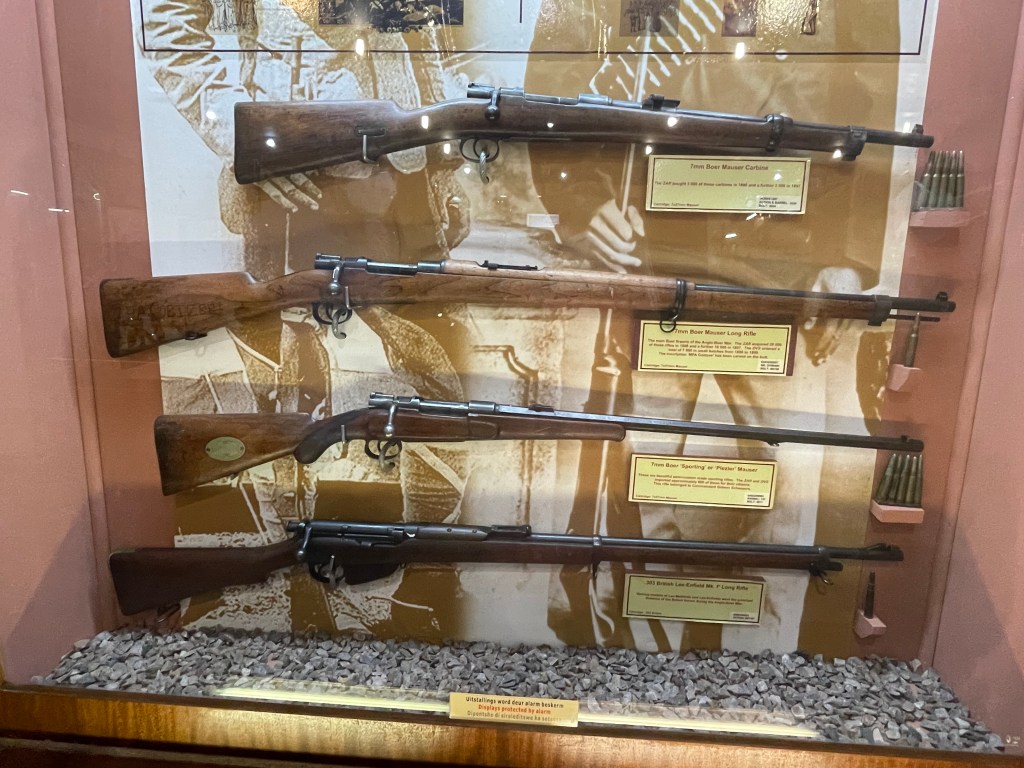
Grabbing his loaded Mauser rifle from its hooks on the wall near the door, he hesitates for a moment to admire its smooth and shiny wooden length. The feel of the gun in his hands gives him confidence; he is an excellent marksman.
This gun brought me a lot of respect.
His ability with a gun had been his saving grace when, as a young man, his peers had been mystified by his interest in books and writing and had liked to share their derogatory thoughts in that regard.”
This is my first post of 2022 and I wish you all a very happy new year. Thursday Doors has a new banner for 2022, created by the amazing Teagan Riordain Geneviene. All the entries were excellent so well done to all the contributors.
Welcome to Thursday Doors, a weekly feature allowing door lovers to come together to admire and share their favorite door photos from around the world. Feel free to join in on the fun by creating your own Thursday Doors post each week and then sharing your link in the comments below, anytime between 12:01 am Thursday morning and Saturday noon (North American eastern time). You can join in here: https://nofacilities.com/2022/01/06/we-have-a-winner/
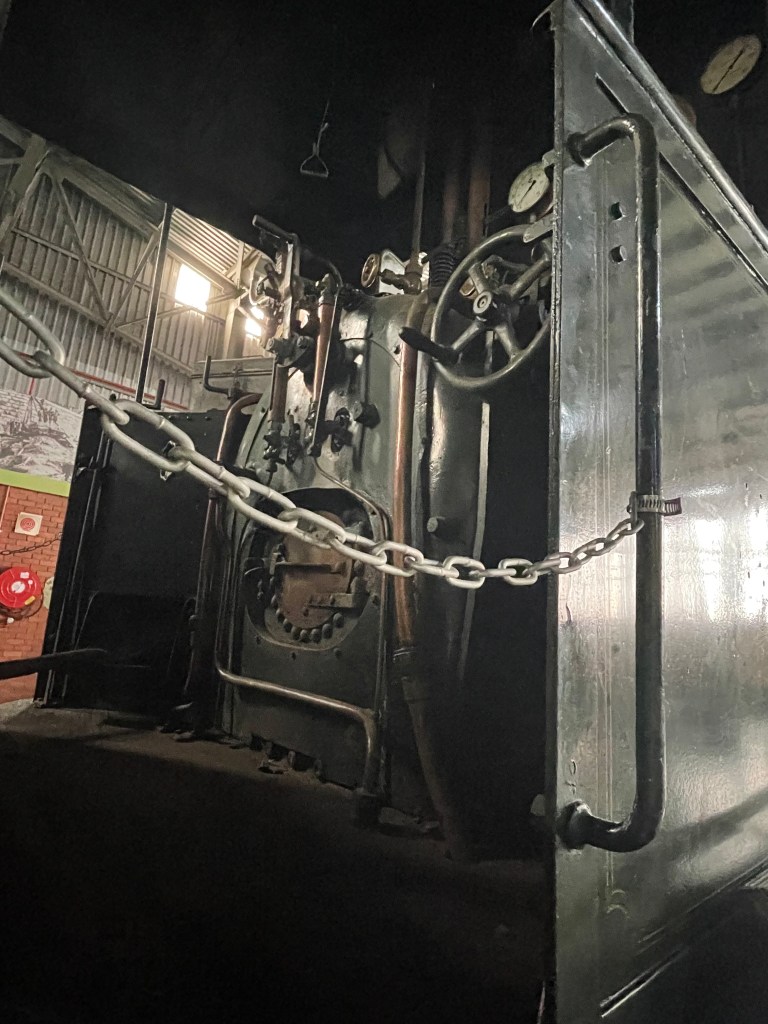
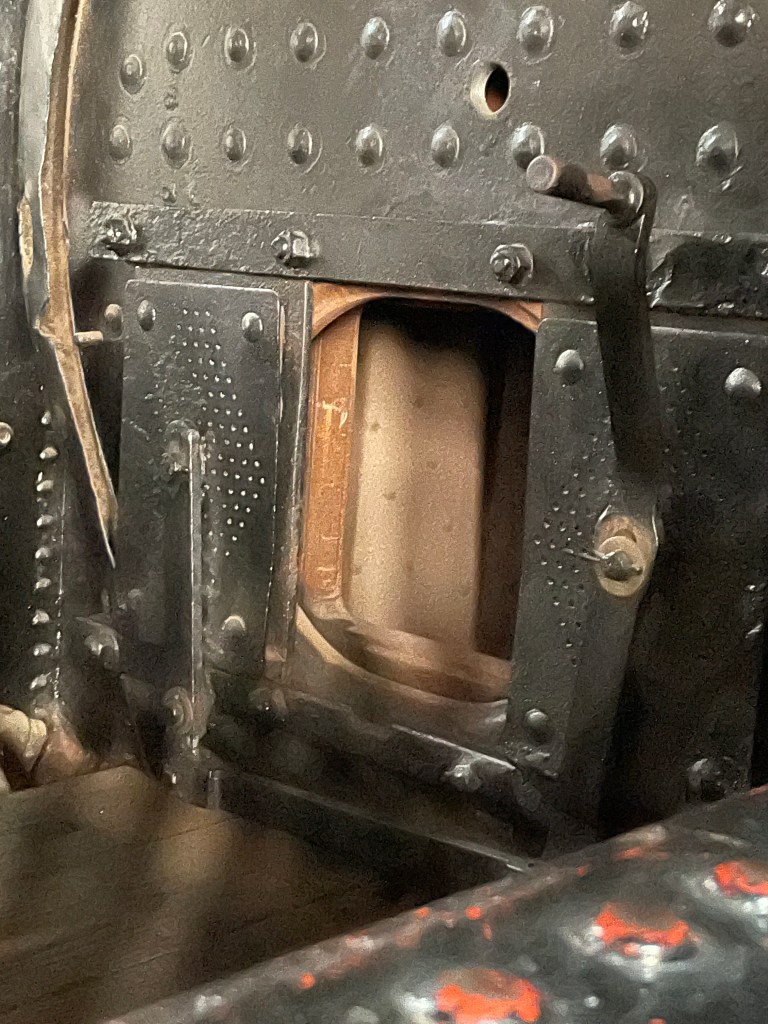
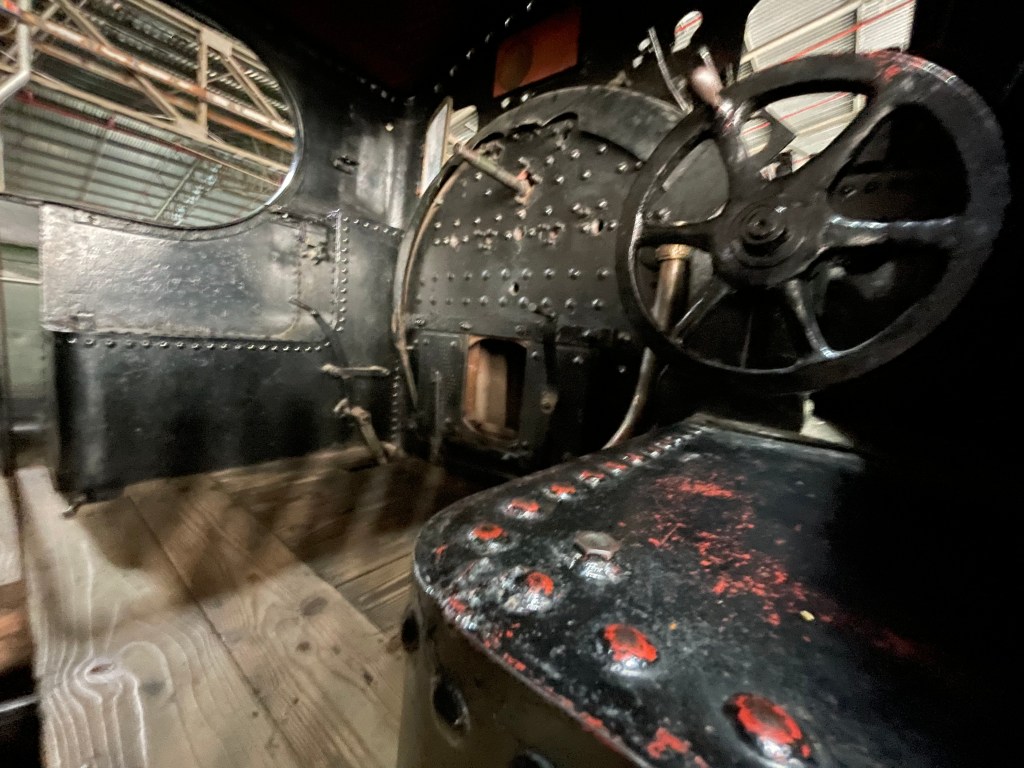
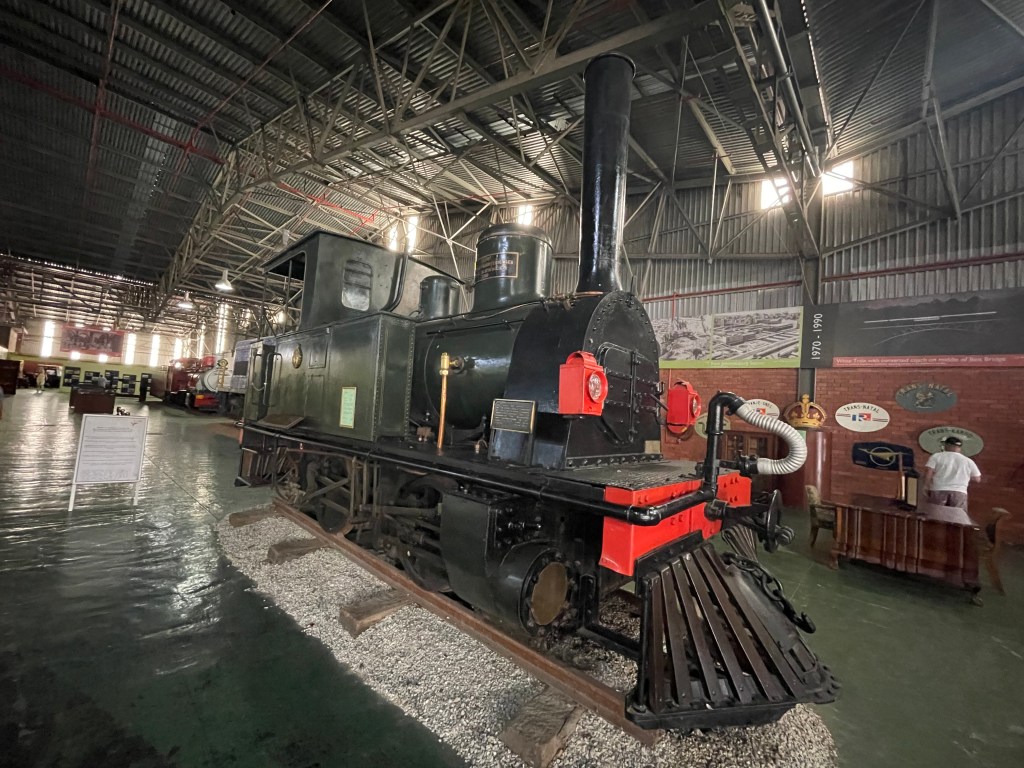
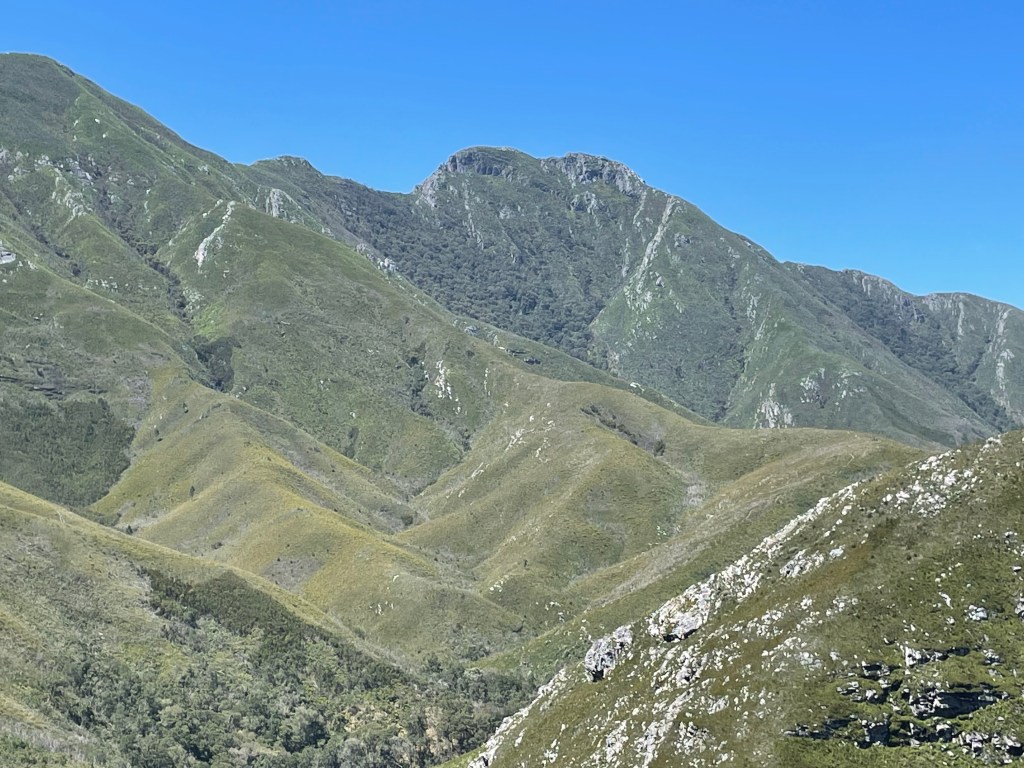
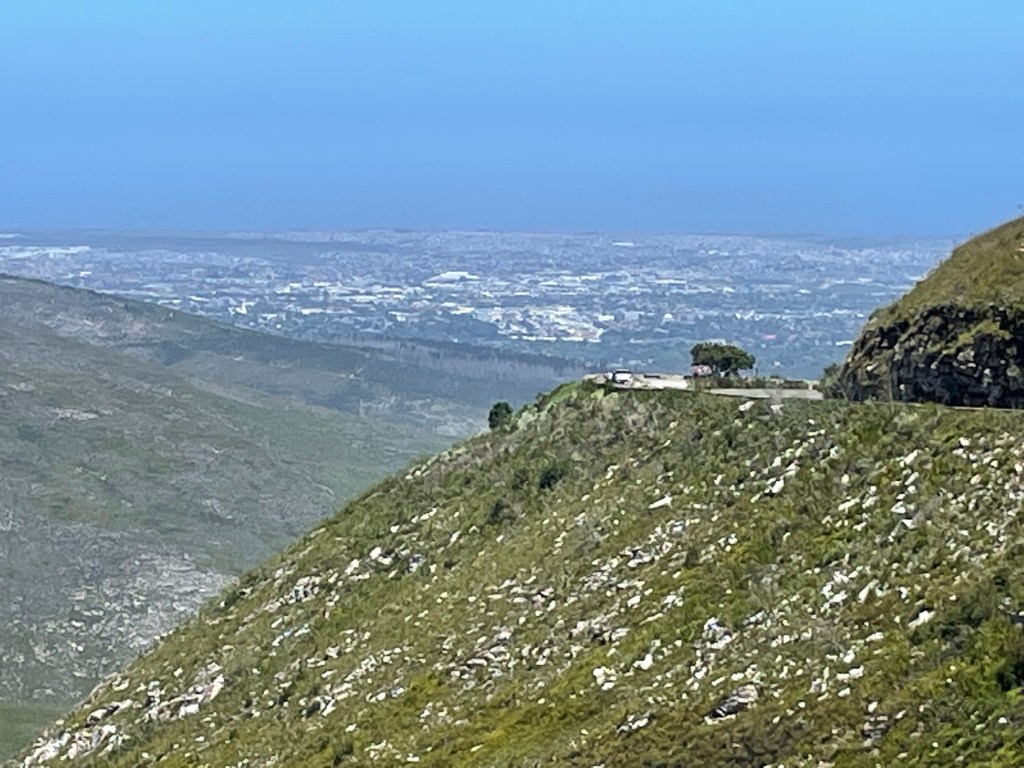
I have had rather a splendid ten day road trip holiday, and today I am sharing the first of my photographs from that trip. Dan Antion, the host of Thursday Doors, is a trains fan [just like me], I am kicking off with pictures from the Outeniqua Transport Museum in George, Western Cape. I like in George for two years when I was 10 and 11 years old and I have very fond memories of this town.
The Outeniqua Mountains, named after the Outeniqua Khoikhoi (previously Hottentots) who lived there, is a mountain range that runs a parallel to the southern coast of South Africa, and forms a continuous range with the Langeberg to the west and the Tsitsikamma Mountains to the east. [from Wikipedia]
Outeniqua means ‘they who bear honey’.
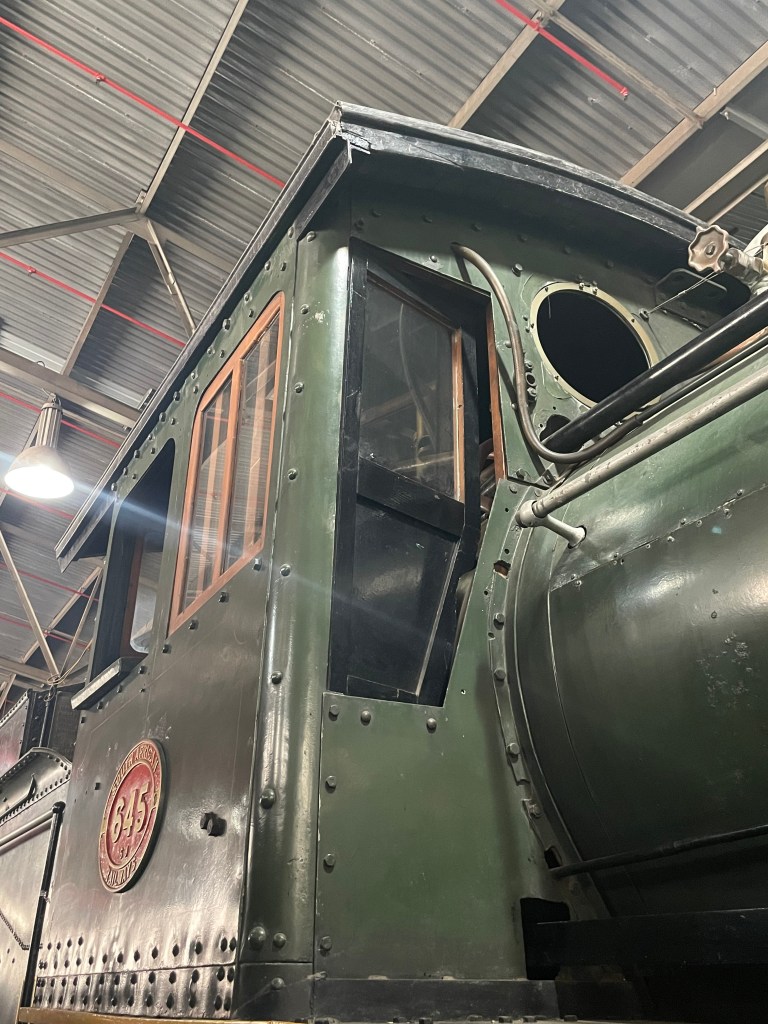
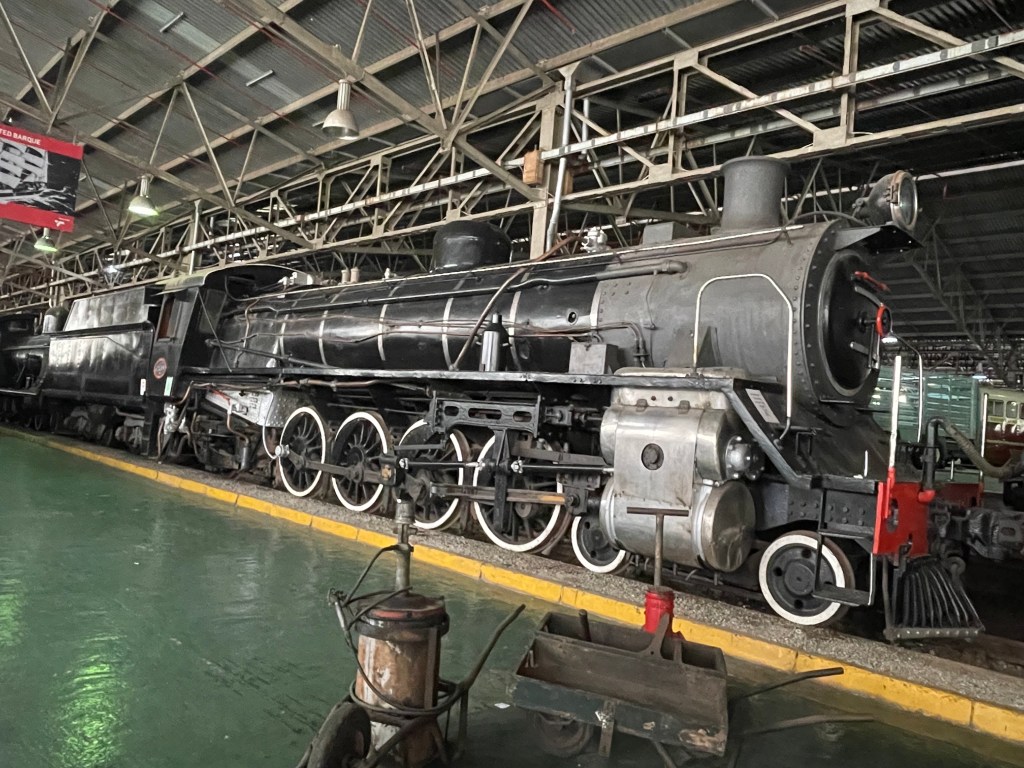
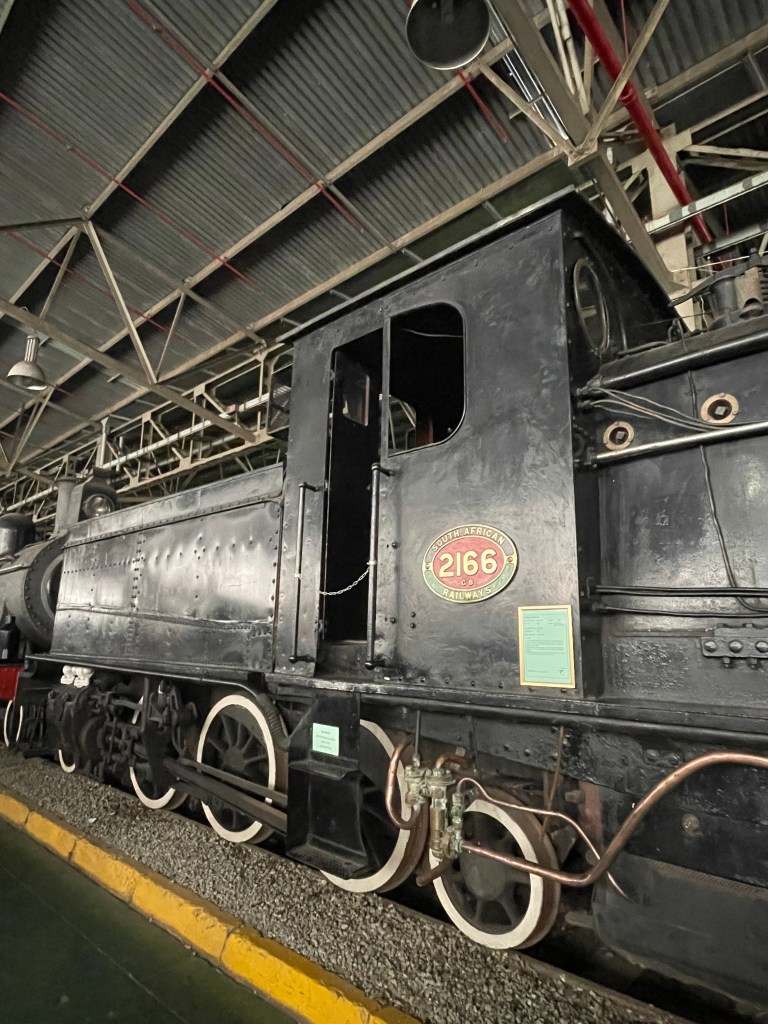
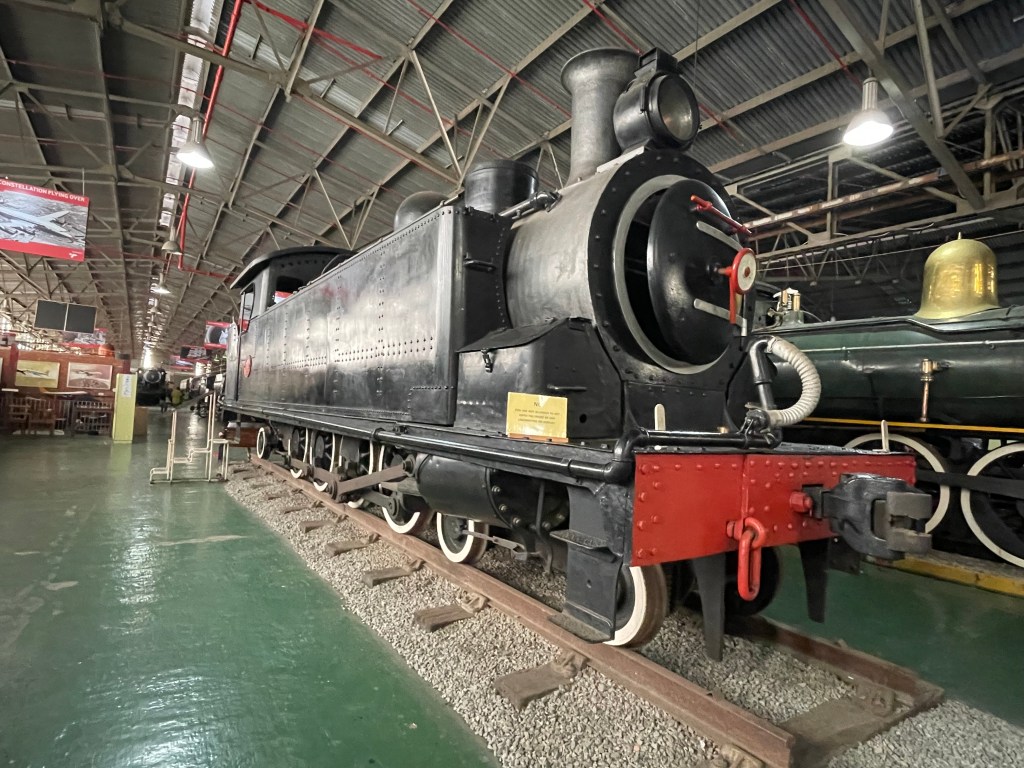
Steam locomotive built in 1902Door to the engineHatch door for coal storeDoor to the furnaceInside of engine with furnace and steering wheelFist train to come into use in the Transvaal – built in 1889Views of the Outeniqua Mountains
In the spring of 1843, Charles Dickens read a government report on child labour in the United Kingdom. The report, compiled by a journalist friend of Charles Dickens, comprised of a series of interviews with working children. It detailed the long hours, crushing work, and poor conditions suffered by these children. The new and heartless […]
Welcome to Thursday Doors, a weekly feature allowing door lovers to come together to admire and share their favorite door photos from around the world. Feel free to join in on the fun by creating your own Thursday Doors post each week and then sharing your link in the comments below, anytime between 12:01 am Thursday morning and Saturday noon (North American eastern time).
This is my last post for 2021 except for my Dark Origins post over at Writing to be Read which will go out on Wednesday, 22 December. I hope you all have a wonderful Christmas and all the very best for 2022.
This week, Dan has asked us to share our favourite doors for the year. I am using poetic license and sharing my favourite Christmas doors ever.
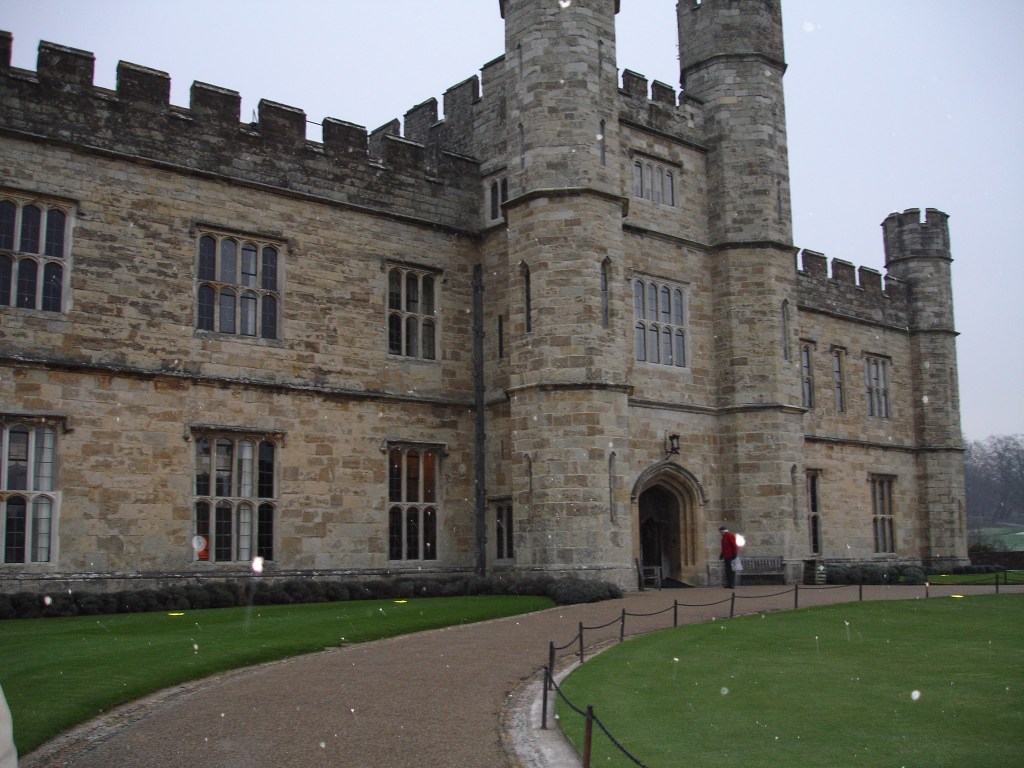
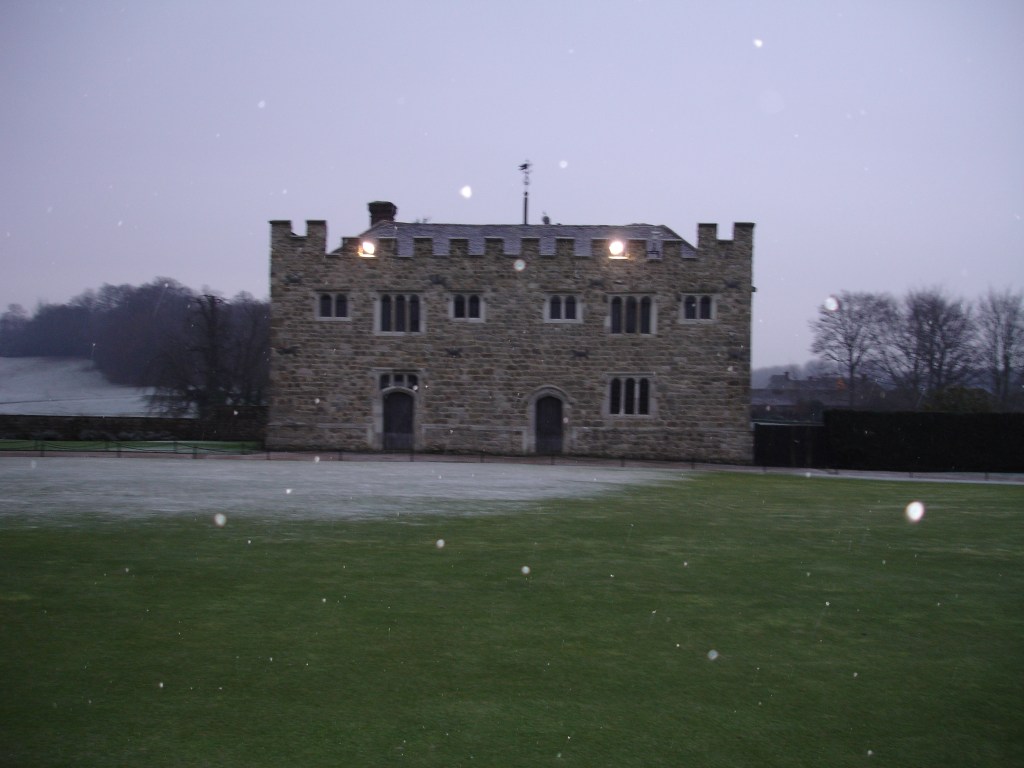
These pictures are from our trip to the UK for Christmas 2009. It is the only white Christmas I’ve every experienced.
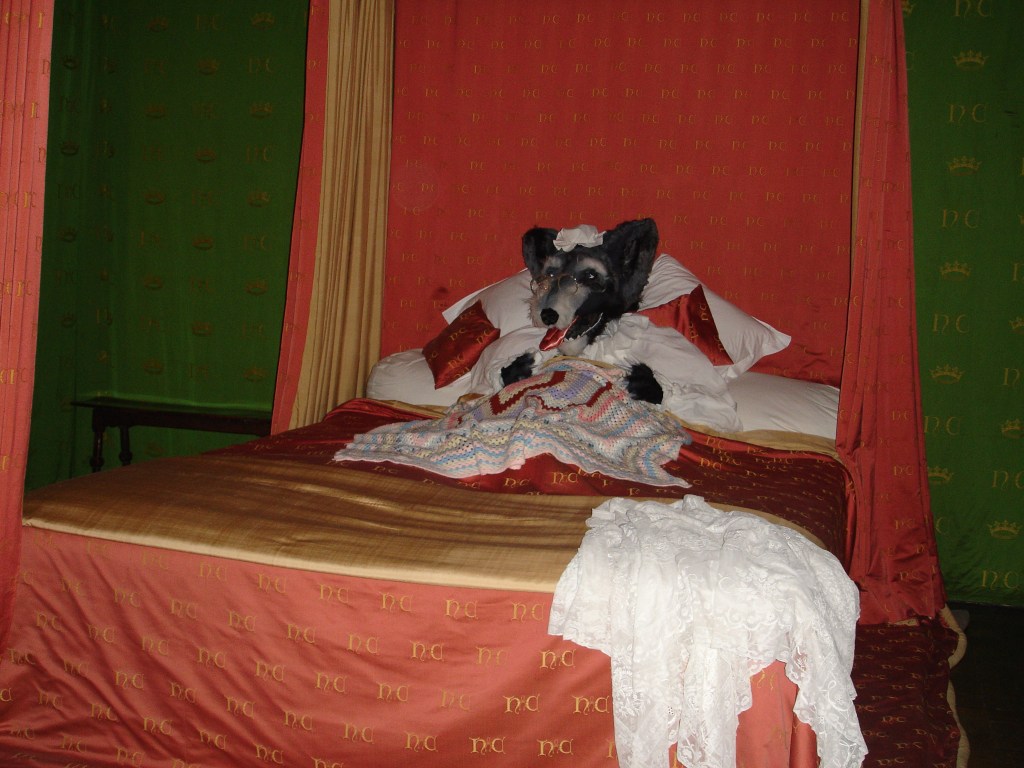
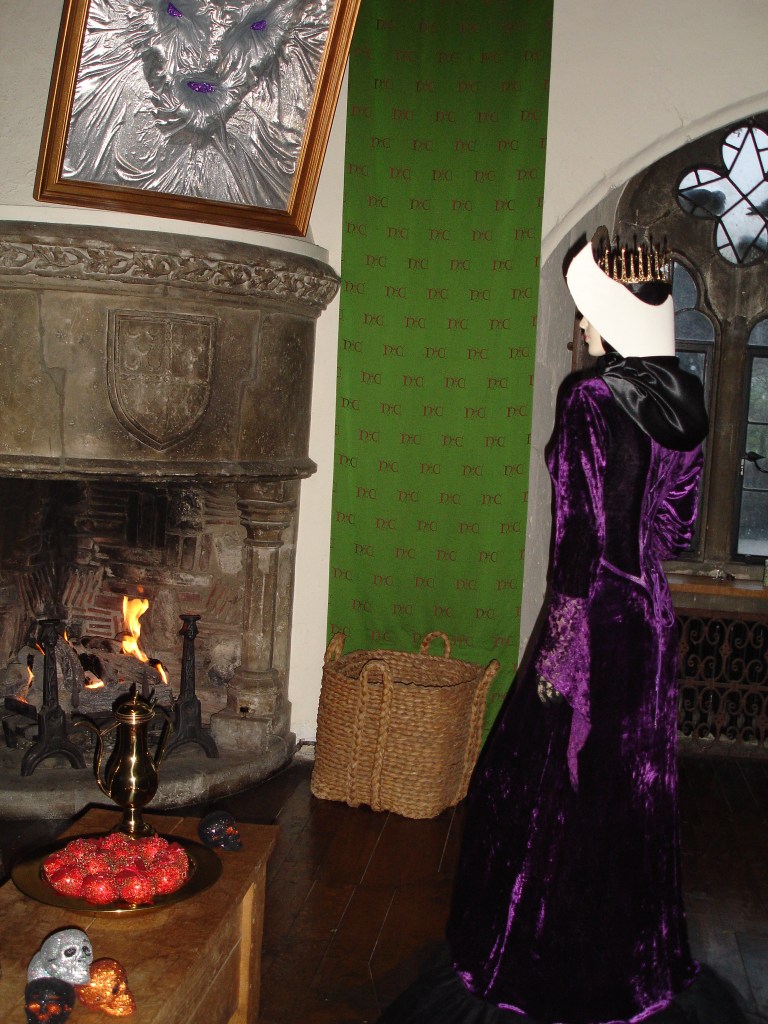
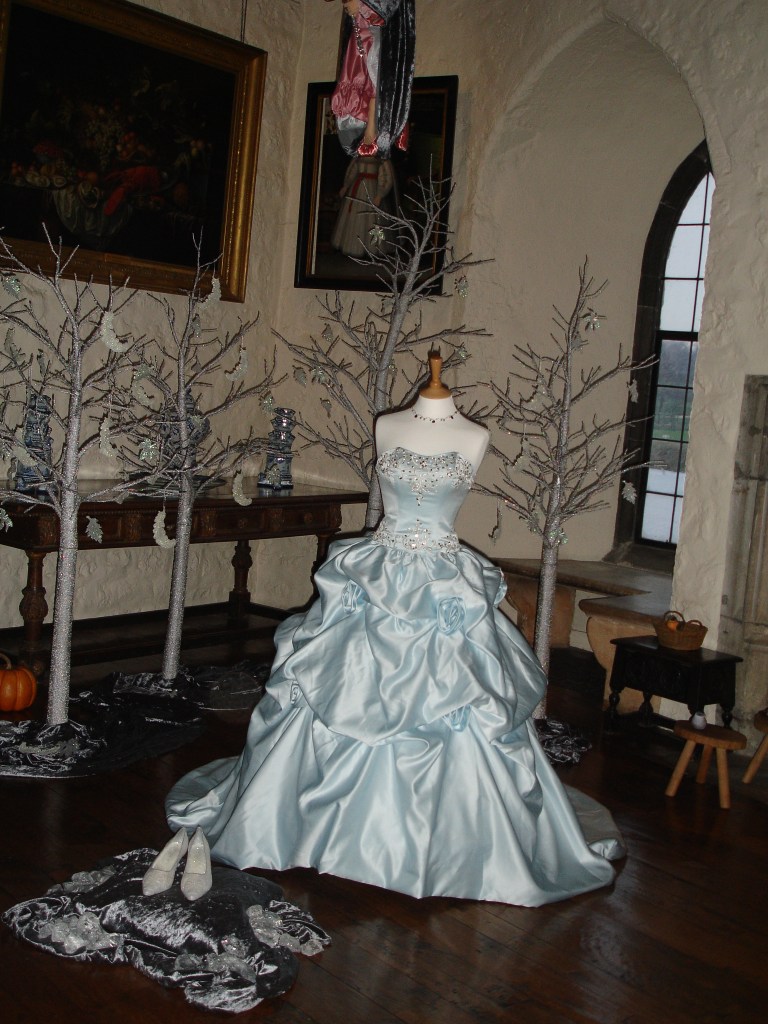
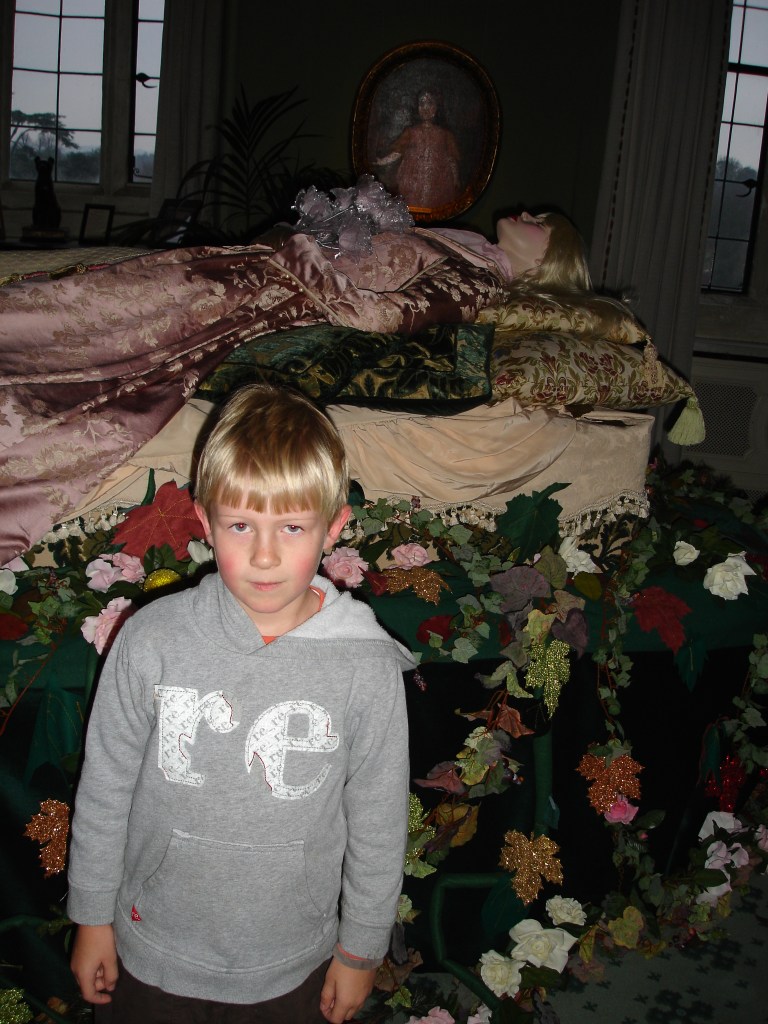
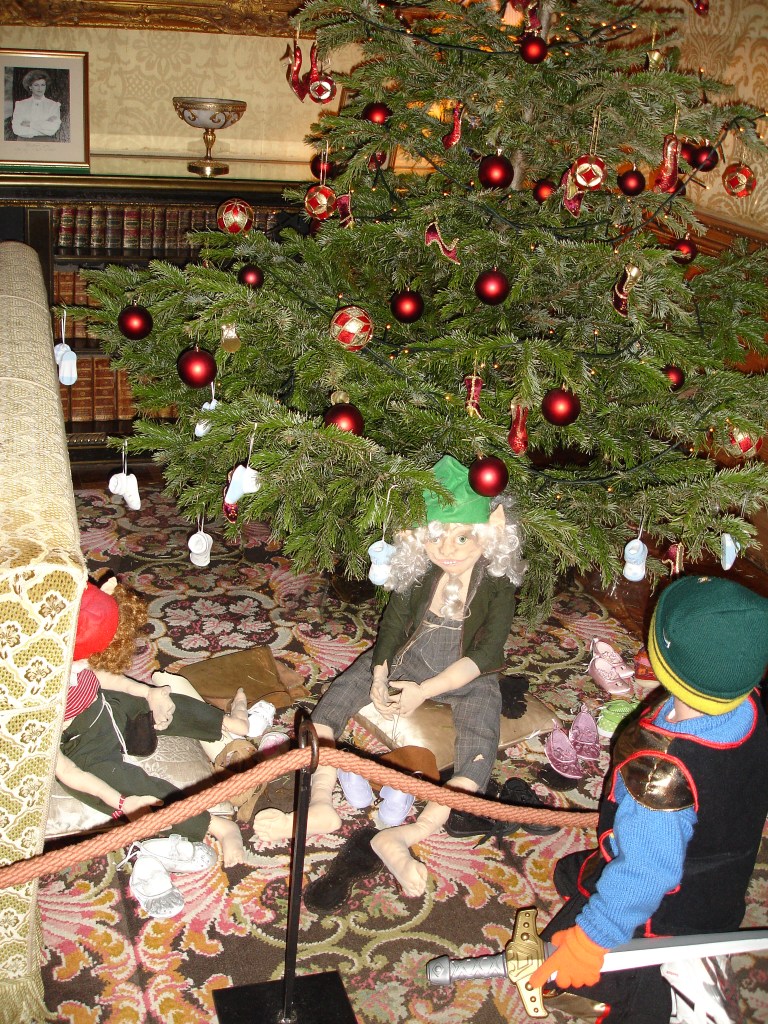
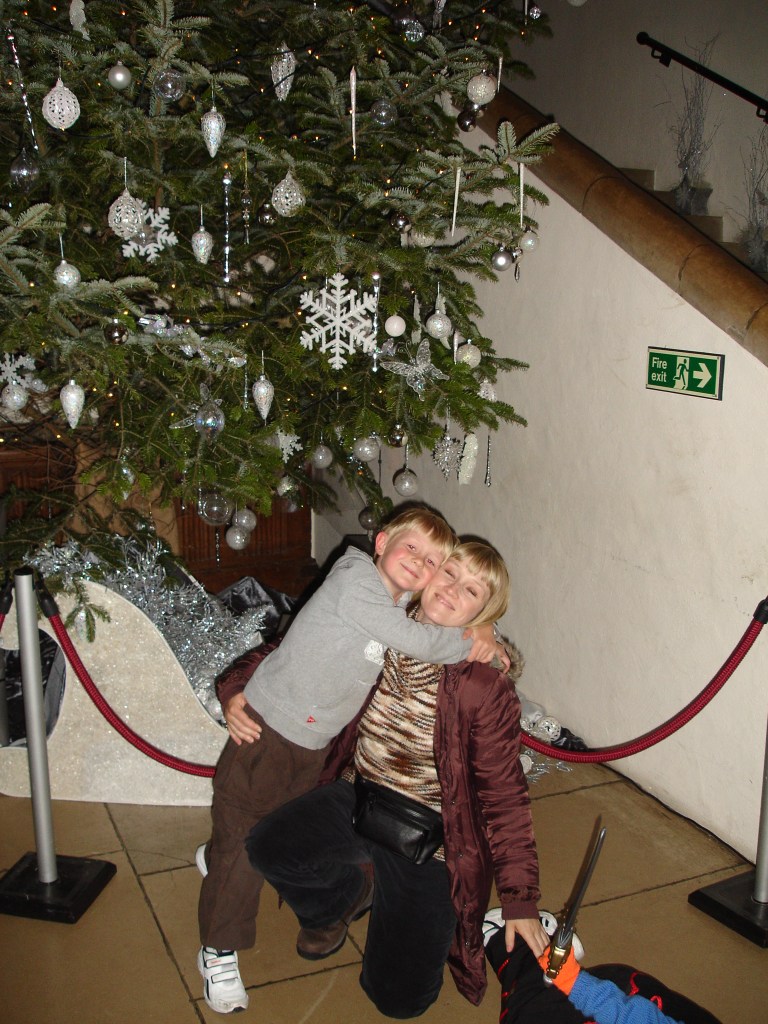
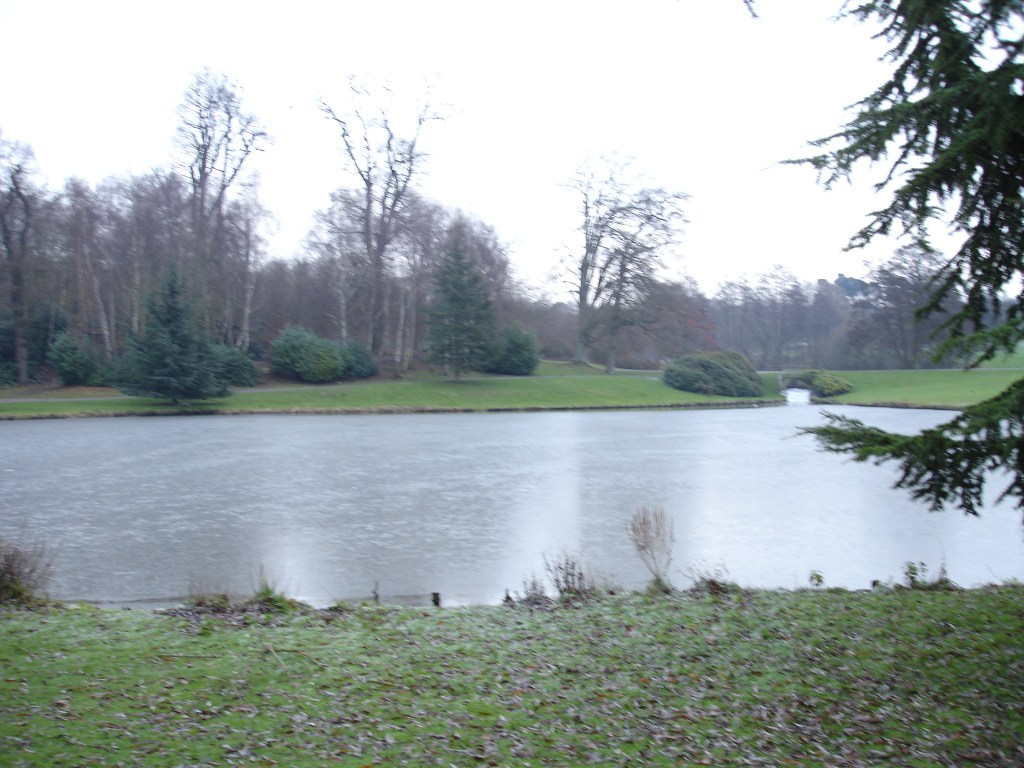
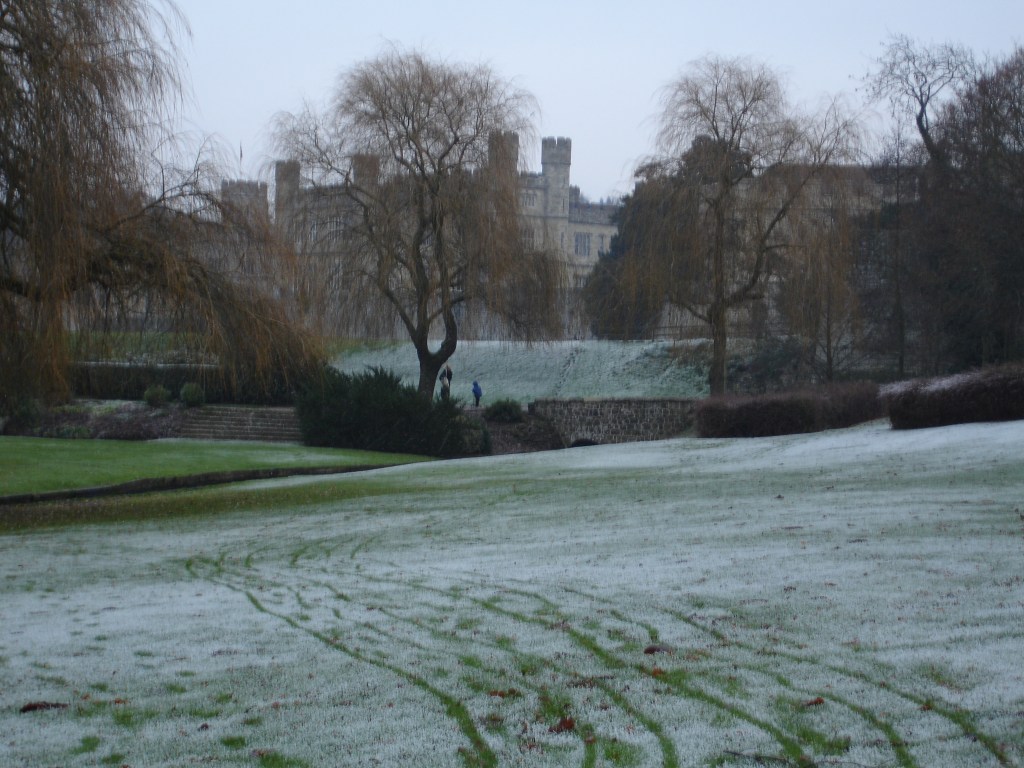
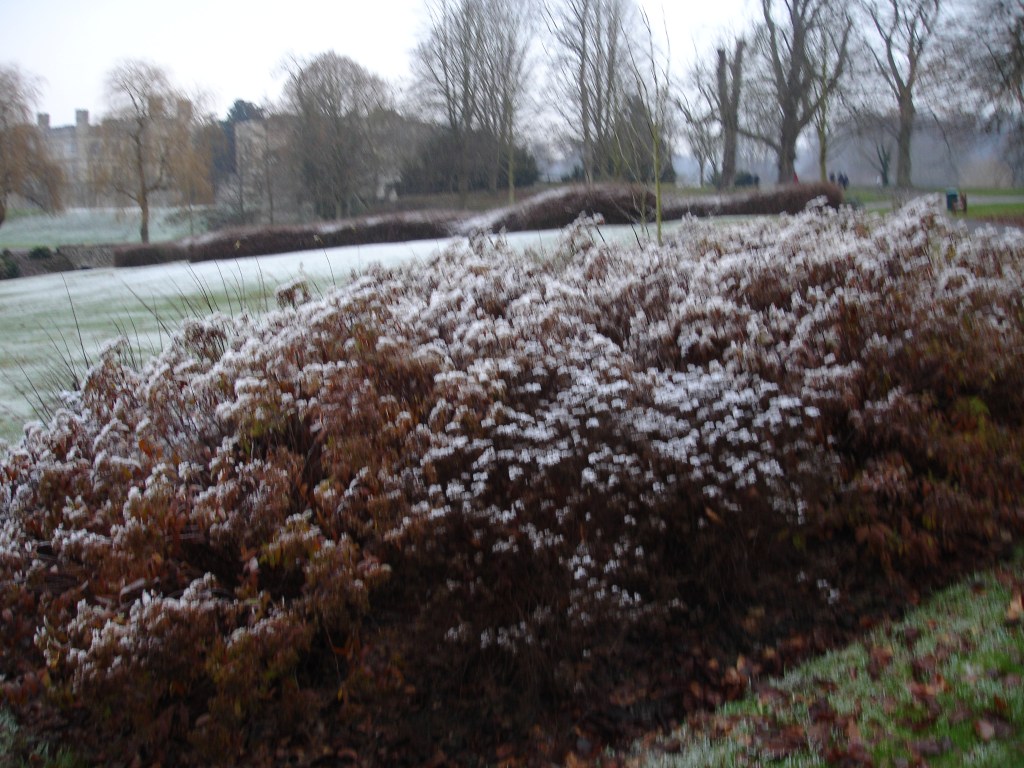
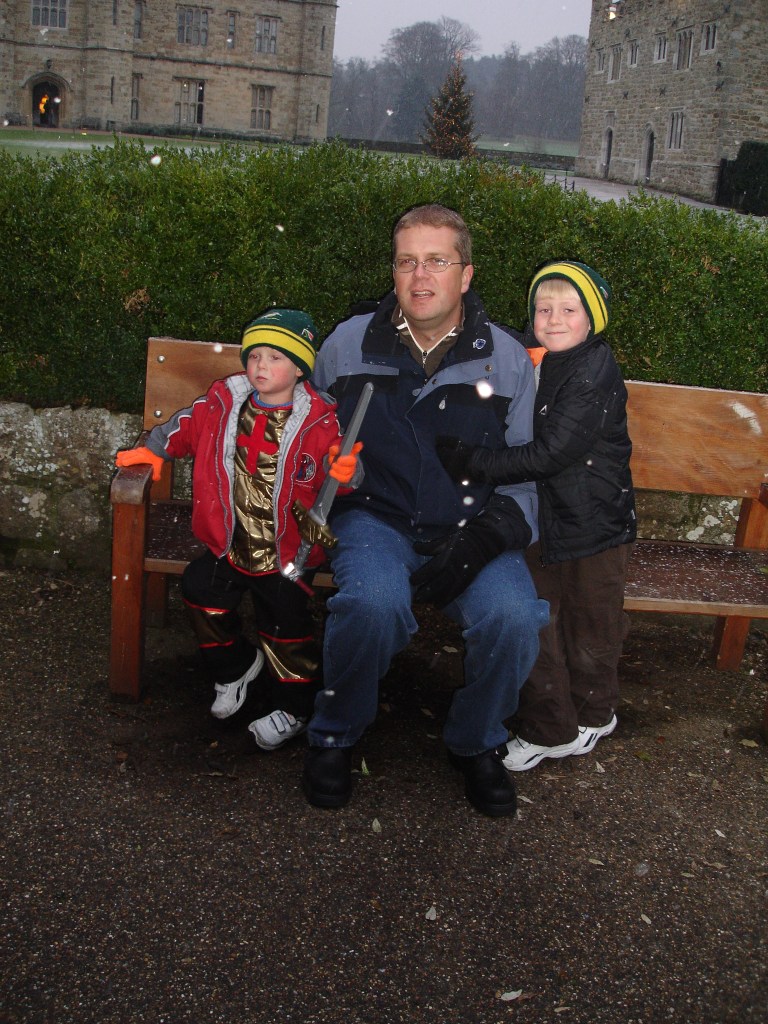
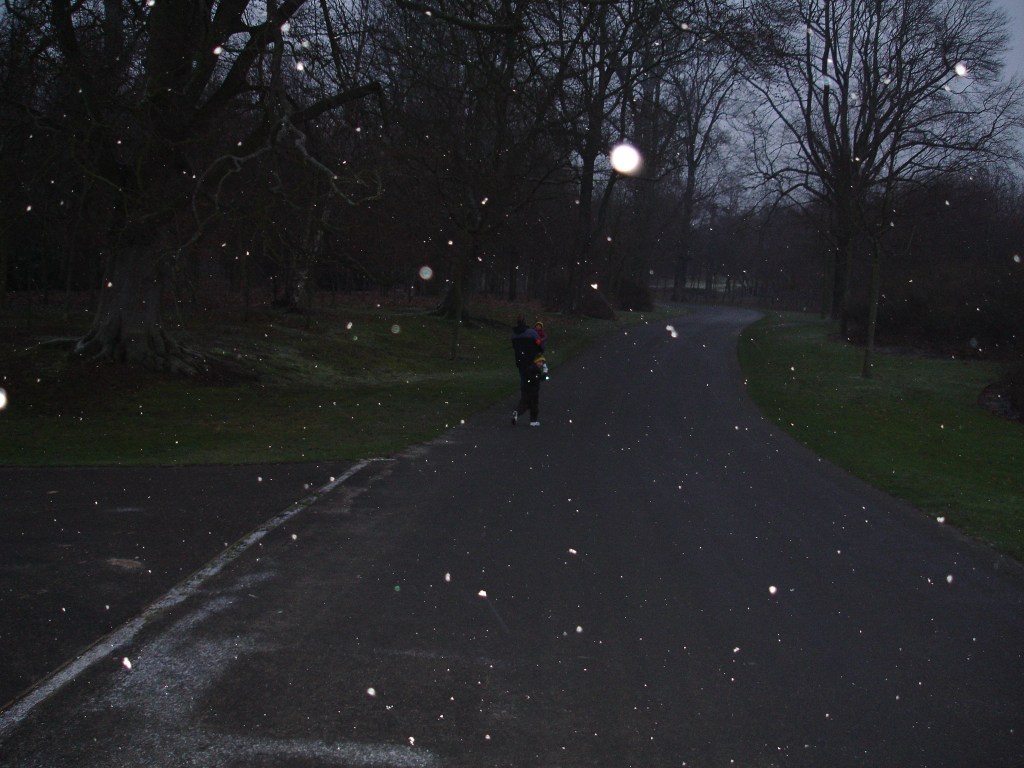
Doors to Leeds Castle. It started snowing during this visitLeeds Castle was decorated with a Disney themeGreg and I under the Christmas tree – a favourite picture of mineI was quite enchanted with the frost and snow
Just a reminder to all my readers, it doesn’t snow in southern Africa!
I’m going to end with my favourite Christmas song:
I am finally finished with work, three days late and its been a whirlwind so I didn’t manage to record a YT video for these two reviews. The Dead of Winter series of novellas are wonderfully imaginative and entertaining and I have enjoyed the nine journeys I have read to date.
This journey opens with a meeting between the long dead King Hallr and Arawn, planned by Arawn but a surprise to Hallr. What does Arawn want with this powerful former king?
The Deae Matres have finally discovered the Lost Library and meet the ancient and mysterious Haldis. Her family relationships with Hallr and Hallgeir are revealed to all. Emlyn gains a greater understanding of her powers and starts learning to use the Ogham Staff in order to unite with Hallgier, Osabide and Zasha who disappeared so unexpectedly. Unfortunately, the process through which Zasha transitioned into the Lost Library has made changes to her and she is not the same woman she was previously. The Deae Matres, particularly Osabide, are distraught about Zasha’s new persona and poor health, and discuss plans to undo the changes that have taken place.
Emlyn is gaining in confidence and knowledge, although the intense anxiety and mental barriers resulting from the mental abuse she suffered at the hands of her family, frequently manifest themselves in her behaviour and conversations. She spends some time roaming the library and learning more about it. Her interest in various paintings and artifacts will prove to be useful.
Emlyn suffers some distress as she gradually comes to realise that Haldis is not necessarily trustworthy and may have her own agenda. She also suffers disappointment in her relationship with Luce. Will her misgivings about Haldis and Luce prove to be true?
Journey 9: Doors of Attunement
My review
The book starts with some reflections by Luce which are very revealing. His devotion to his mother, fear of his father and the retribution he could take against Luce, ambivalence towards the Deae Matres, and intrigue with Emlyn are all revealed. His relationship with the Listeners, a new and intriguing element to the book, is mentioned.
Emlyn, Osabide and Fotia, previously Zasha, cross over into another realm on the advice of Haldis who has recommended this journey as the only way of reinstating Zasha’s own personality and good health. The trio come across the three doors of Attunement and realise they must open one in order to move forward with their question. They meet the Listeners who can grant the requests of questors at their discretion.
Fotia must make a difficult decision and Emlyn learns that there is more to the trios quest than simply restoring Zasha. It is also necessary to seek and find the missing crown of the Ohgam Staff.
The plans of both Arwan and Haldis are revealed.
The imagery and imaginative characters and settings included in this episode are more marvelous and intriguing than ever. A most worthy read and a great step forward in this epic journey.
Purchase Dead of Winter Journeys 1 to 11 by Teagan Riordain Geneviene
I am late posting Canto 13. The reason for this is a mixture of work being a crazy madhouse for the past few months and my great attempt to get all my book reviews posted before I go on a blogging break at the end of this week. This will be the last Dante’s Inferno post for 2021 and I will continue with Canto 14 in 2022.
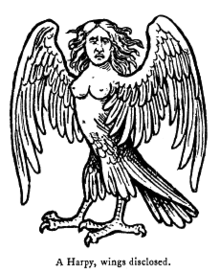
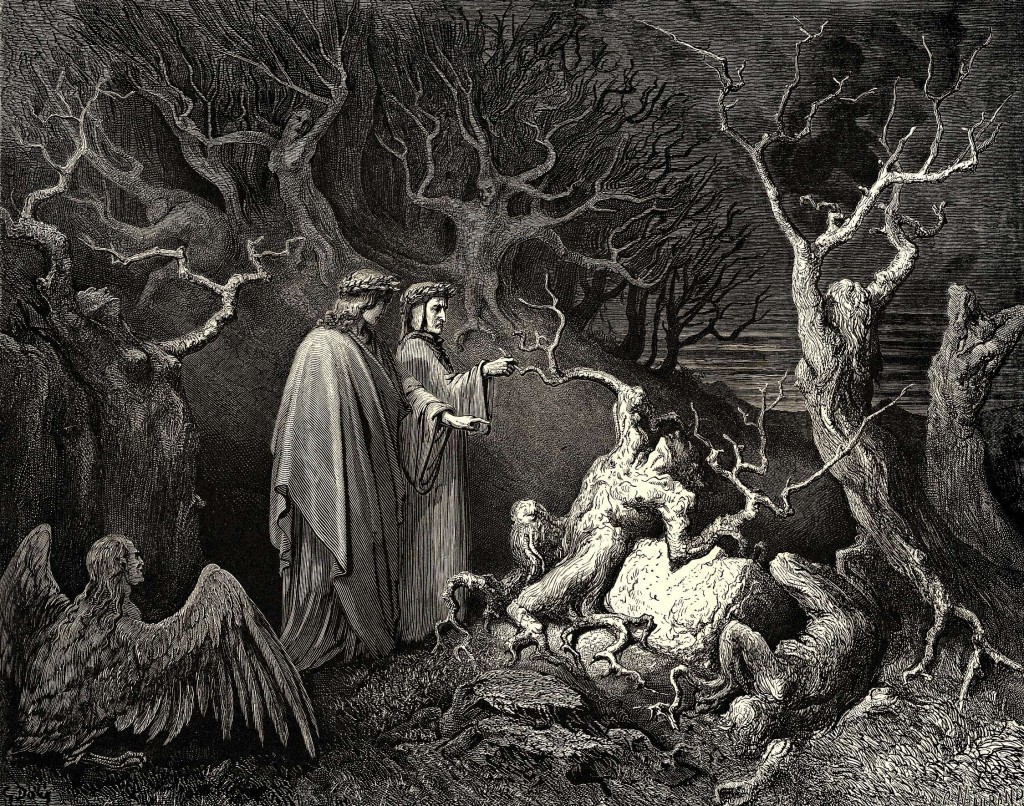
In Canto 13, Virgin and Dante enter the Second Ring of the Seventh Circle of Hell. Here they find a strange pathless forest filled with black and gnarled trees. Dante can hear cries of suffering but he cannot see the shades that are calling out. The Harpies nest here, feeding on the branches of the misshapen trees.
Virgil explains to Dante that he will see things in this circle that will make him doubt his [Virgil’s] words. Dante becomes confused because he cannot see the shades and believes that Virgil knows his thoughts, that the spirits are hidden among the trees. Virgil tells him that he is mistaken and that he should break off a branch.
Dante does this and the tree asks Dante: “Why dost tough break and tear me?” The tree begins to bleed where Dante broke off the branch. Dante discovers that the souls in this ring, the suicides and the squanderers, have been transformed into trees.
The tree tells Dante that all the trees in he forest were once men and that he should have mercy upon them. As a way of making up for the wound Dante has inflicted on the tree, Virgil asks the shade to tell them his story so that Dante may repeat it when he is back on earth.
The tree tells them that his name is Pier della Vigna and that he was a moral and admirable man, an advisor to Emperor Frederick. He states that an envious group of scheming people at the court blackened his name with lies, causing Frederick to start distrusting him, and he committed suicide due to his intense shame.
Dante asks how the souls have come to be trees and Pier explains that when the suicides and squanderers are thrown into this ring, having committed suicide, they take root and grow as saplings. The Harpies peck and wound them by eating their leaves. Pier continues to say that when the Last Judgement arrives and the time comes for all souls to retrieve their bodies, the shades in this circle will not reunite fully with theirs because they willingly discarded them. Instead, the returned bodies will hang on the trees’ branches forcing each shade to see and feel constantly its rejected human form.
The poets hear a noise crashing through the forest and two spirits appear. The second spirit flings himself into a bush but he is caught and torn apart by pursuing hounds.
“We enter’d on a forest, where no track Of steps had worn a way. Not verdant there The foliage, but of dusky hue; not light The boughs and tapering, but with knares deform’d And matted thick: fruits there were none, but thorns Instead, with venom fill’d. Less sharp than these, Less intricate the brakes, wherein abide Those animals, that hate the cultur’d fields, Betwixt Corneto and Cecina’s stream.”
I am over at Esther Chilton’s blog with a post about the Doughnut Girls from World War 1 who feature in my latest WIP, The Soldier and the Radium Girl. Thank you to Esther for hosting me. Esther has a fabulous book for writers called Publication Guaranteed. You will find a link for it on her blog.
My guest this week is Robbie Eaton Cheadle. Many of you will be familiar with Robbie’s blog and also her books. Here she gives us an insight into her latest WIP.
Doughnut Girls
By
Robbie Eaton Cheadle
It always surprises me, when I write a novel, how many unexpected bits of historical trivia turn up during my research process.
I am not a ‘pantster’ writer, I must have some direction. I am also not a detailed planner, although I do have a spreadsheet for my planned and partially written Cli-fi trilogy. It is necessary for those books because there are a large number of characters I need to keep a handle on. My standard modus operandus, however, is to write backwards. I plan the ending of my books or stories and then I decide where I’m going to start on the timeline of my story. The timeline is…
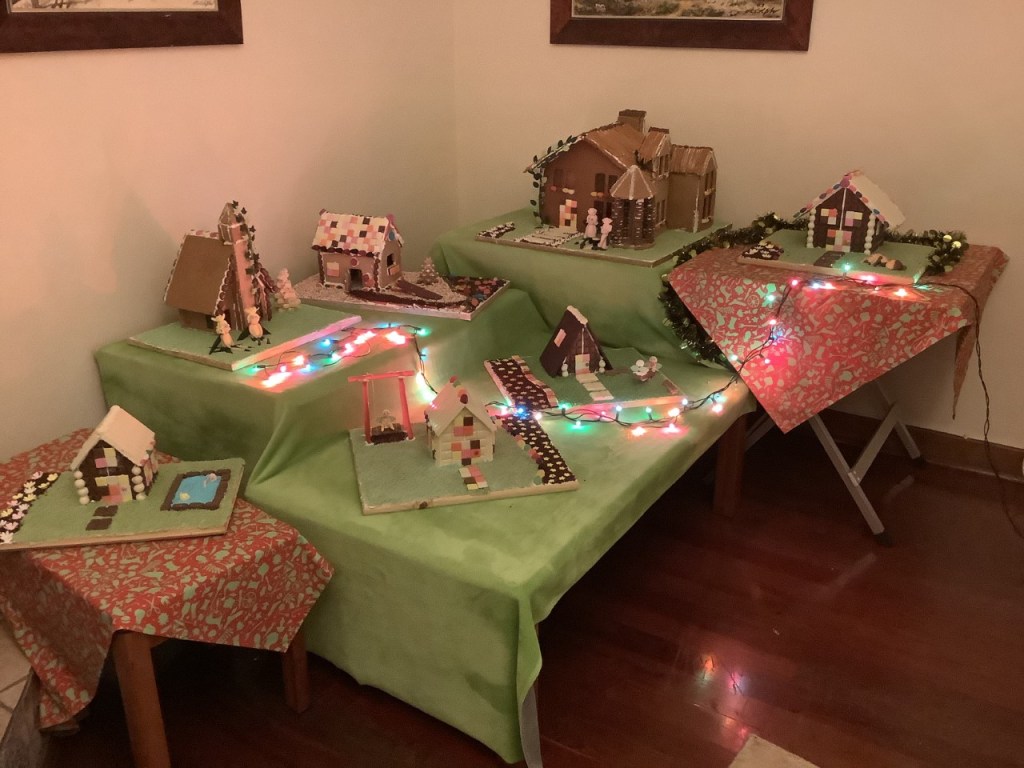
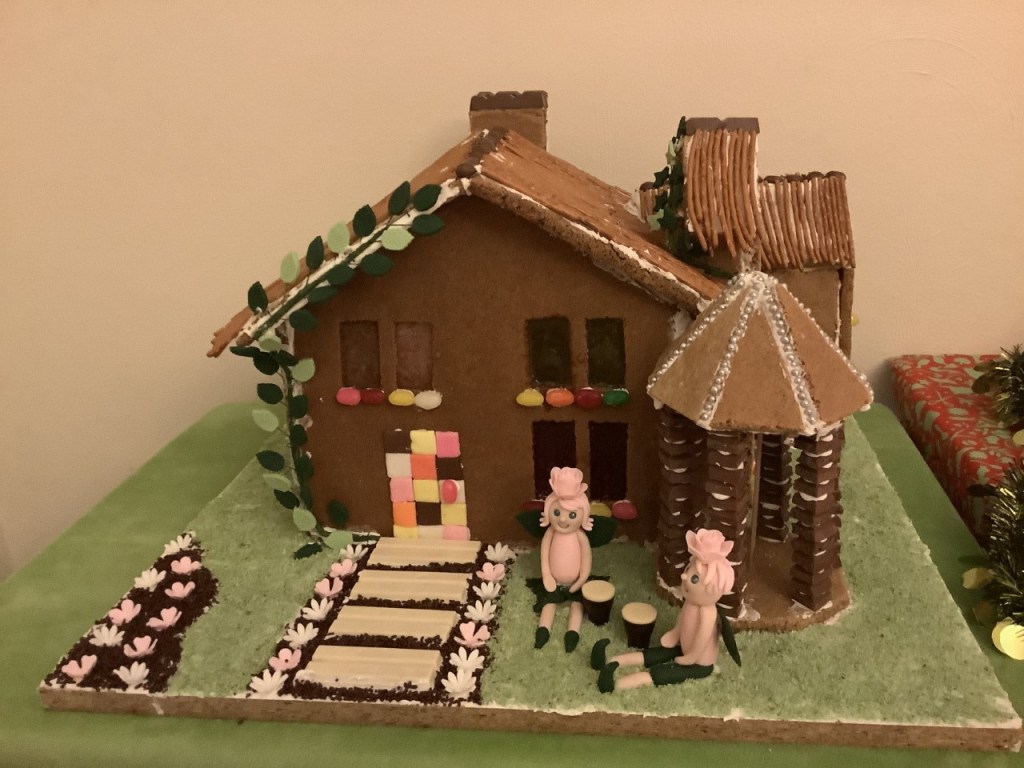
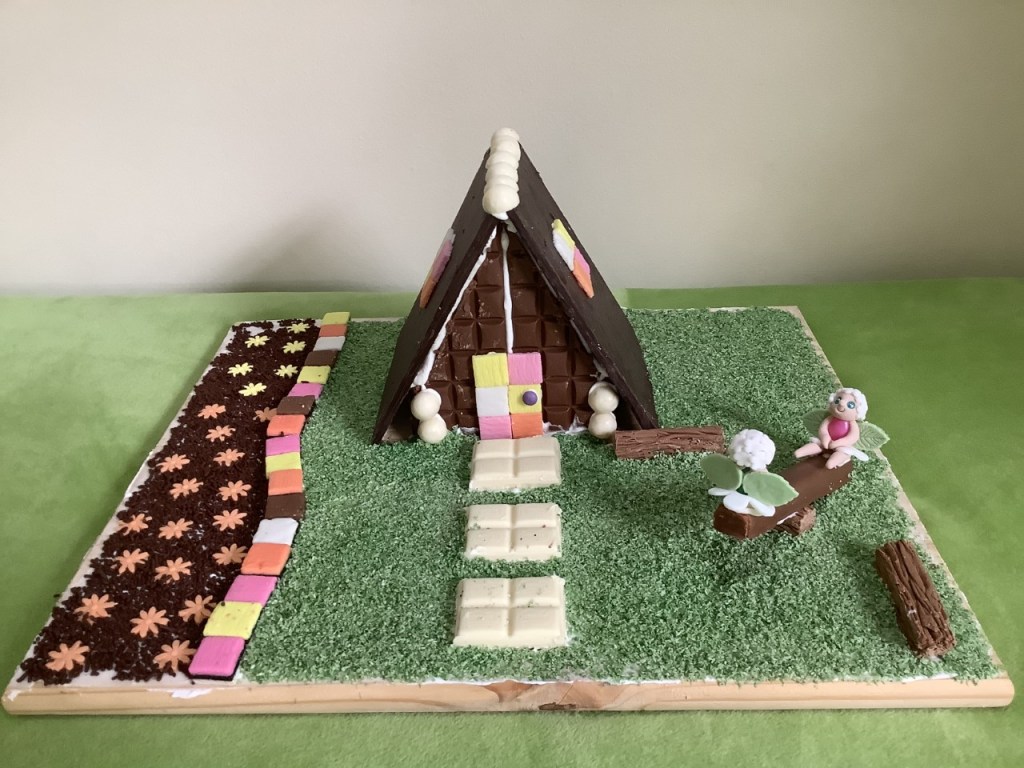
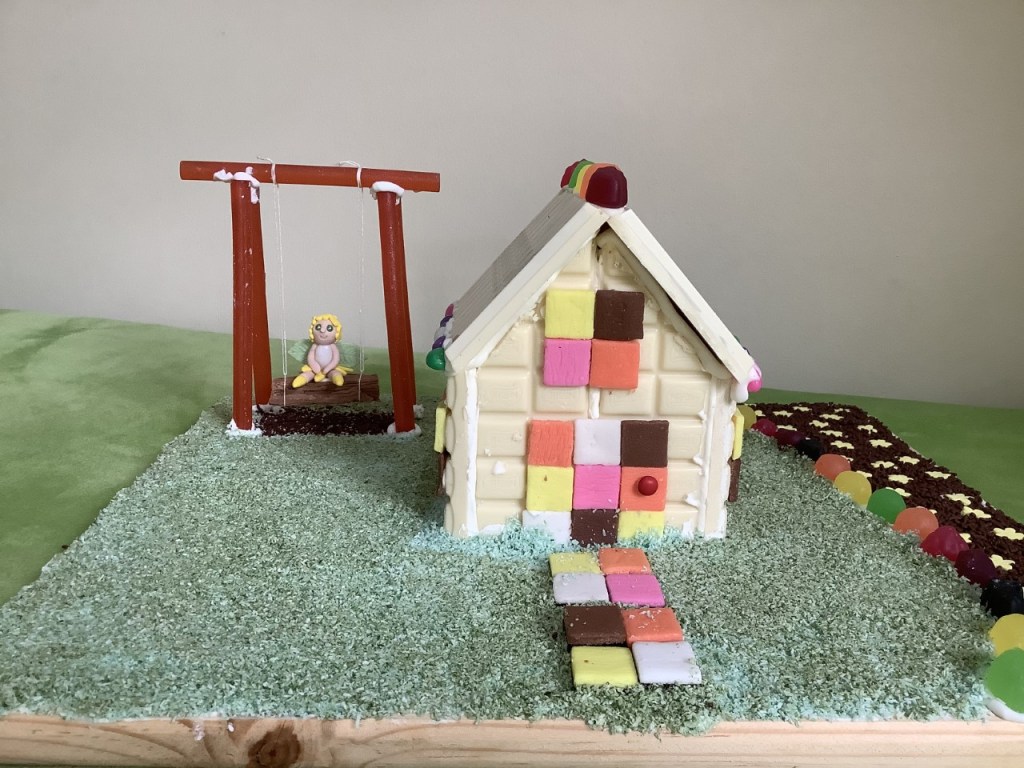
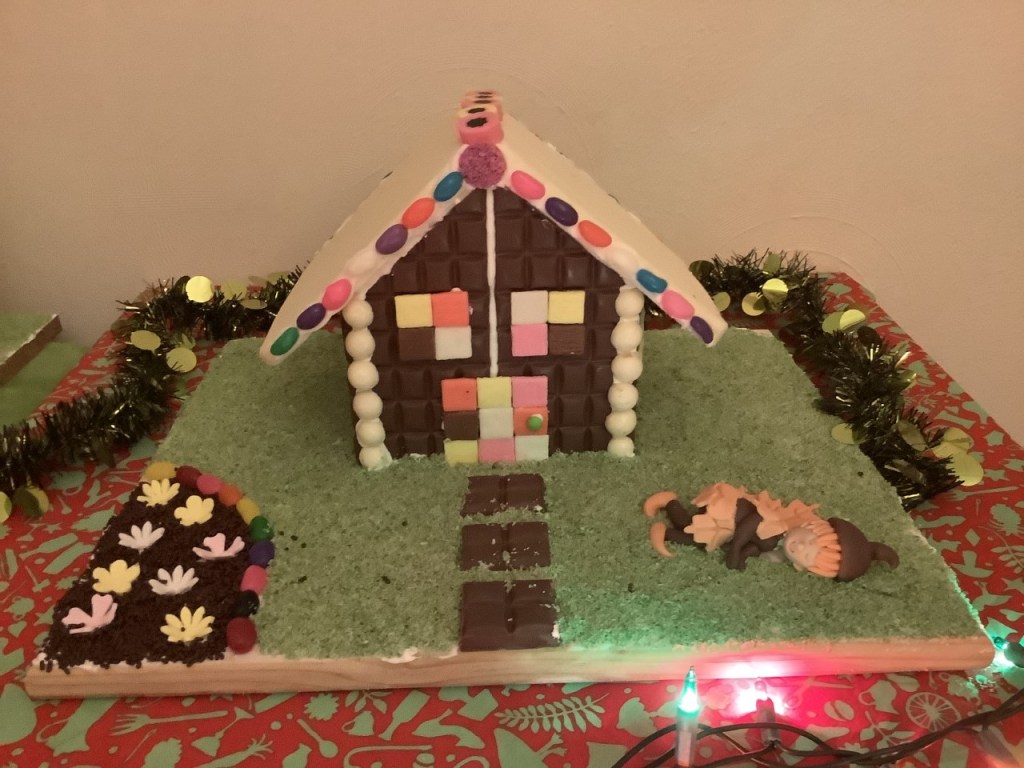
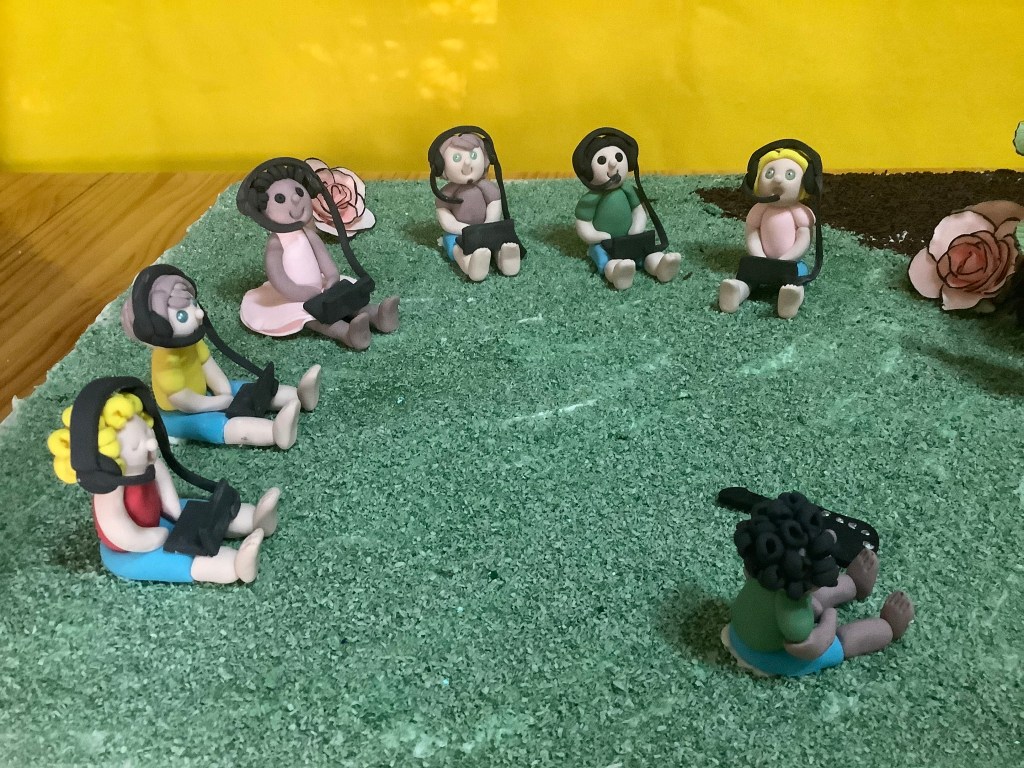
Thank you, Dan, for the opportunity for me to showcase a few of my gingerbread and chocolate houses and their doors. I built this Christmas diorama last year because I am quite mad I thought it would be fun and totally underestimated how much work it would be.
Last year’s Christmas dioramaGingerbread mansion with a pergola and two rose fairies drinking stout [haha – my little joke]Swiss chalet made from chocolate bars with jelly bean fairies on a seesawWhite chocolate house with a jelly bean fairy on a swing [that swing was a real challenge to make]Chocolate house with fairies in the swimming poolChocolate house with an autumn baby fairy
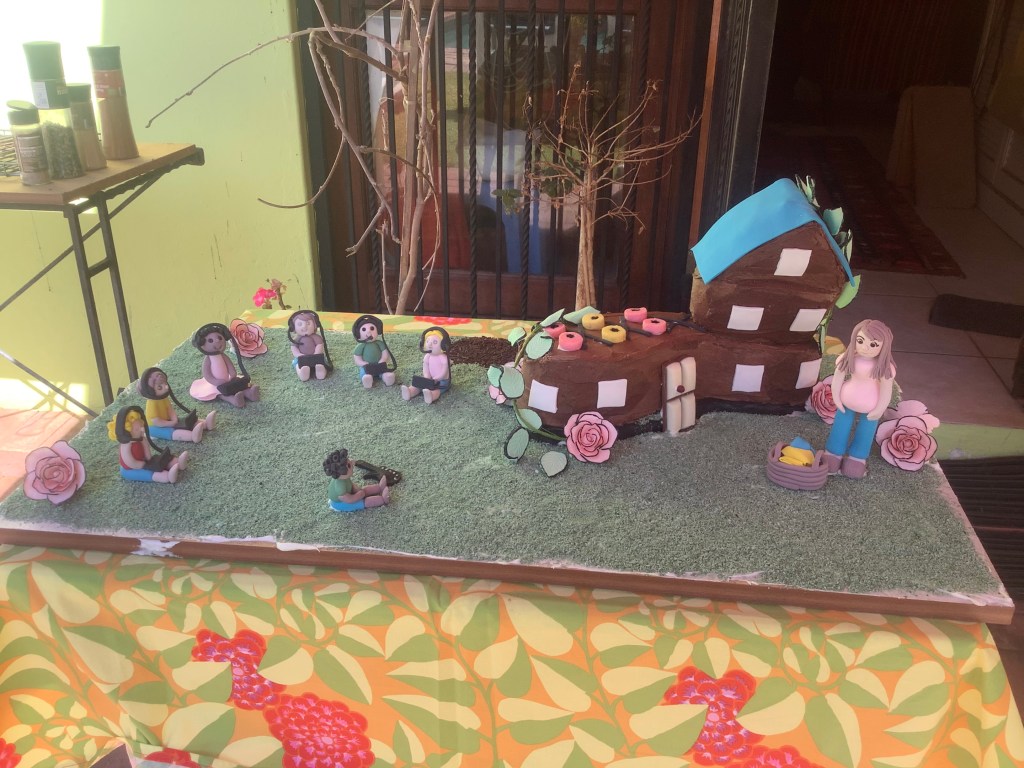
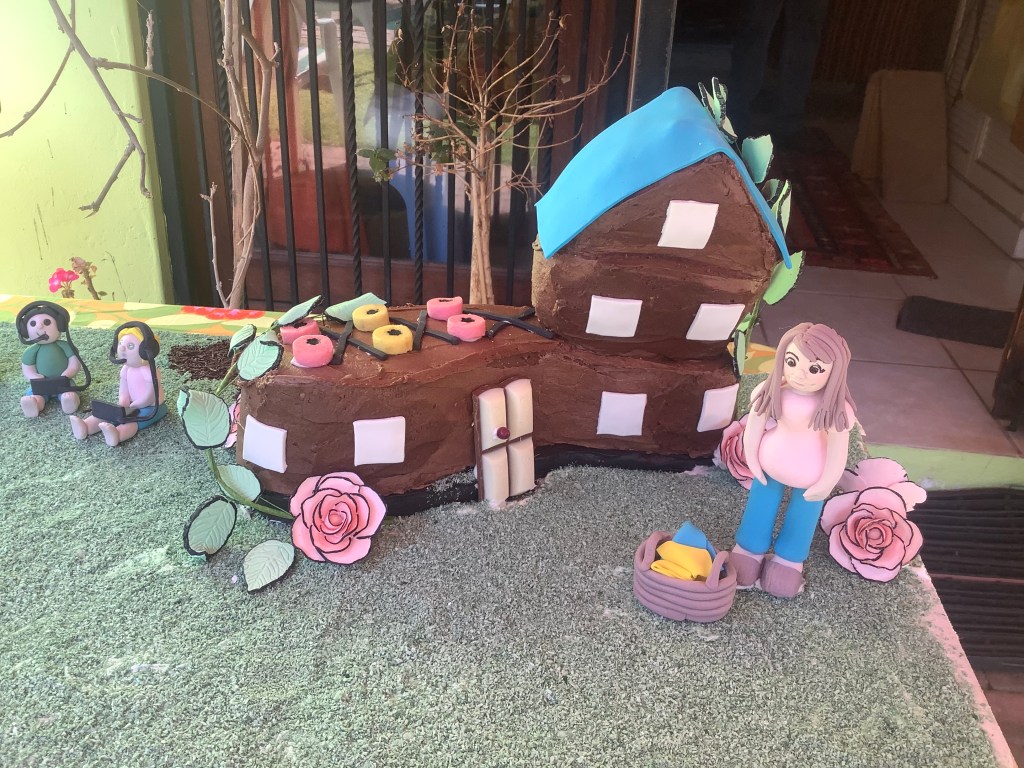
This next cake is not a Christmas theme, but it is fun and it has a door. It was a modern version of the old woman who lived in a shoe during lockdown with her children home schooling. Notice that mom has a lot of washing to hang out.
A close up of the children home schooling – the blond boy who is asleep with his mouth open is Michael [but don’ tell him – giggle]
Fascinating Facts About Famous Fiction Authors and the Greatest Novels of All Time: The Book Lover’s Guide to Literary Trivia
My review and purchase link
I am a great lover of classic books and I also enjoy reading biographies of the authors who wrote the classic books I’ve enjoyed. This short book is a selection of sound bytes, providing interesting and often little know facts and insights into the lives, loves, and writing processes of a large number of authors. For me, it was a bit like a box of chocolates with each short chapter being a tantalizing taste of what I could uncover if I wanted to research the various people further. I liked the idea of giving small titbits of information to trigger searches for more detail at the readers discretion, it is very empowering.
The book covers a huge range of writers, many of whom I already knew like Hemingway, Faulkner, Gilman, Huxley, Laurence, Tolkien, and Wells, and others who are new to me. I was delighted to discover all these new classic books and famous authors whose works I will be delving into over the next several years. I will certainly be reverting back to this gem of a book when deciding on my next read.
I recommend this book to lovers of literature who are interested in finding new books and authors.
This short story tells the tale of a young man, Cathal, who is not coping with the stresses and strains of his job and his life and is using alcohol to give him endurance and help him relax. His behaviour has spiraled out of control and he has already had an accident due to driving under the influence. He is not performing at work and his job is under threat which is making him more stressed and anxious. One evening, on his way home he gets a phone call from a strange number and the voice message is from his father. The complexity is that Cathal’s father is dead.
This short story examines a few themes, despite its brevity, including the lack of concern for employees and their mental health and general well being exhibited by employers who focus only on making money and are ruthless in their behaviour, as well as the genetic predisposition of some people to become alcoholics and follow in the footsteps of alcoholic parents. These messages are packaged in an entertaining paranormal story of a father’s whose love for his son and determination to help him extends beyond the limitations of the grave.
Can Cathal get his life back on track or will a ghostly visitation from his father drive him deeper into the bottle? You’ll have to read this short story to find out.
This is a sweet romantic story about a young couple with one small child who are looking forward to celebrating the Christmas holiday period. The couple are from different cultural backgrounds and appreciate their favourite aspects of their varying Christmas traditions as a family.
Petra and Jacob have developed their own tradition of trying to buy each other the best Christmas present imaginable. Petra is at a loss this year and has wracked her brain for weeks trying to think of something worthwhile to no avail. Life takes an unexpected twist and Petra comes up with the perfect present.
There are some lovely family moments and one or two tenser ones to add some context and spice to the storyline.
Barbara Vitelli and I decided to do a buddy read for this famous novel by Ernest Hemingway. If you aren’t familiar with Barbara’s lovely book blog, do hop over and take a look at it here: https://bvitelli2002.wordpress.com/.
Barbara has written a review of For Whom the Bell Tolls and an overview of the romantic relationship that develops between protagonist, Robert Jordan, and the beautiful Spanish woman, Maria. You can read Barbara’s post here: https://wp.me/p32mlf-3OK
My review
This book starts with a quote from the prose writings of John Donne, as follows:
“No man is an island, entire of itself; every man is a piece of the continent, a part of the main; if a clod be washed away by the sea, Europe is the less, as well as if a promontory were, as well as if a manor of thy friend’s or of thine own were; any man’s death diminishes me, because I am involved in mankind, and therefore never send to know for whom the bell tolls; it tolls for thee.”
Donne’s view on human death was that every death affects all humans, because none of us stands alone in the world. Every funeral bell, therefore, “tolls for thee.”
The title of this novel is apt as it prepares the reader for the scenes of brutality and killing that follow. The linking of this title back to Donne’s quote also prepares the reader for the underlying themes of the importance of community and fellowship in the book.
The protagonist of the novel, Robert Jordan, a young professor of the Spanish language in the USA has travelled to Spain to take part in the Spanish Civil War on the Republican side. Robert’s backstory reveals his romanticised ideas about the Republicans and how he has to readjust his beliefs for the reality of incompetence and corruption among the Republican leadership.
He is trained as a dynamiter and the story starts with Robert heading into the mountains, under the guidance of the elderly and reliable Anselmo, to join up with a band of Republican guerrilleros under the leadership of Pablo. Robert has been tasked with blowing up a Fascist-controlled bridge as part of a larger Republican strategic operation.
The entire story is told within a four-day period and focuses on the various relationships the develop between Robert, a foreigner, and the members of the Spanish band of guerrilleros and how these relationships impact on each person.
Pablo is a man who showed great, albeit brutal, leadership skills at the commencement of the war, but he has become worn down and disillusioned and does not want to disrupt the relatively peaceful existence of his band in the mountains by undertaking the bridge operation in his local vicinity. Such an action would have significant repercussions and his band would have to move elsewhere. Pablo drinks to much and has become more concerned with holding on to his newfound wealth in the form of a small herd of horses, than continuing with the war effort. Pablo is a complicated character who vacillates between rejection of the plan, and an action of great betrayal, to support of the plan and assistance with the operation. He is an unpredictable force throughout the novel.
Pablo’s wife, Pilar, is an earthy and warm character. Part-gypsy, with some interesting mystical beliefs, she is the ‘pillar of strength’ for the band. Pilar is unwaveringly committed to the Republican cause and is the driving force behind ensuring the Robert Jordan does his duty and blows the bridge regardless of the cost in human lives. She displays a great understanding of people and encourages the romance between Maria, a young woman rescued from the Fascists, and Robert, who has never known love. She innately knows that their love and the consummation of their love will be their saving grace. It will enable Maria to recover from her horrific experiences at the hands of the fascists and allow Robert to experience all the passion of love within the four-day period before the attack on the bridge.
Maria is the beautiful and young love interest of Robert Jordan. She is the mechanism for his personal growth in the novel from a cold and unfeeling thinker with no interest in women or romance, to a man who recognises the greatness of human love and integrates his commitments to his work with his commitments to Maria. Outside of her role in the development of Robert’s character, Maria does not play a big role in the novel.
Robert Jordan is a fascinating character. He is typical of a young man who has a romantic notion of war and the nobility of his side’s beliefs and cause. His backstory highlights his religious-like belief in the cause and the brotherhood. At the commencement of the novel, he is already deeply disillusioned by the behaviour of the Republican leadership. Robert is a deeply conflicted character, and this is highlighted by is many interior monologues. He does not like killing others but sees this as a necessary part of his current circumstances and he attempts not to dwell on such things. Robert shows himself to be a great leader and a noble person.
Leadership as a theme
My research uncovered three themes for this novel. The loss of innocence in war, the value of human life, and romantic love as salvation. To these three, I would add a theme of leadership. For me, the role of leaders in conflict and other difficult situations was a big part of this novel and I think that the role of leaders is something that is enduring and of vital importance in our current world.
Leadership is vital to provide clarity of purpose, motivation, and guidance and now, more than ever before, this is of great consequence to humanity.
I believe that Robert Jordan was a good leader within the context of the band member’s general belief in, and support of, the Republican cause. He knew he had a job to do that was vital to the strategy of the Republicans. He also comes to realise that he has a responsibility to the members of Pablo’s band, the men, and women he is leading into conflict. He does his best to melt these two responsibilities with the best outcome for the individuals involved.
Robert must make some difficult calls and leadership decisions over the four-day period of the novel.
These are a few of the situations that I thought were most notable in this regard and a few supporting quotes from the book:
When Pablo first declares his lack of support for the blowing of the bridge and the altercation between him and Pilar takes place over who is the leader of the band. Robert has to decide whether or not to kill Pablo. He decides against it. Ultimately, this was the best decision for the band as Pablo’s support eventually sways the potential success of the operation in the guerrilleros favour.
“If it is true, as the gypsy says, that they expected me to kill Pablo then I should have done that. But it was never clear to me that they did expect that. For a stranger to kill where he must work with the people afterwards is bad. It may be done in action, and it may be done if backed y sufficient discipline, but in this case I think it would be very bad, although it was a temptation and seemed a short and simple way.”
When Robert had to decide whether to kill the four Fascist soldiers when the came into his range while looking for their missing compatriot.
“Then they came into sight trotting along the edge of the timer in columns of twos, twenty mounted men, armed and uniformed as he others had been, their sabers swinging, their carbines in their holsters; and then they went down into the timber as the others had.
“Tue ves? Robert Jordan said to Agustíne. “Thou seest?”
“There were many,” Agustíne said.
“These would we have had to deal with if we had destroyed the others,” Robert Jordan said very softly.”
When Robert had to decide not to assist Sordo when his band was attacked by the Fascists.
“The firing was rolling in overlapping waves. Then they heard the noise of hand grenades heavy and sodden in the dry rolling of the automatic rifle fire.
“They are lost,” Robert Jordan said. “They were lost when the snow stopped. If we go there we are lost, too. It is impossible to divide what force we have.””









![Fascinating Facts About Famous Fiction Authors and the Greatest Novels of All Time: The Book Lover’s Guide to Literary Trivia by [Dave Astor]](https://m.media-amazon.com/images/I/5108sehg4JL.jpg)
![The Phone Call by [Charles F. French]](https://m.media-amazon.com/images/I/41CoB2DC77S.jpg)
![Hot Chocolate by [Charles Breakfield, Rox Burkey]](https://m.media-amazon.com/images/I/41prnfXqEGS.jpg)


