
This weeks topic was easy for me to respond to.
Do pets (or other animals) play an important part in your books? Tell us about them.
Of course they do, pets and animals are a part of our world and they come into my books quite naturally.
How animals and pets are included in my books differs, depending on the book.
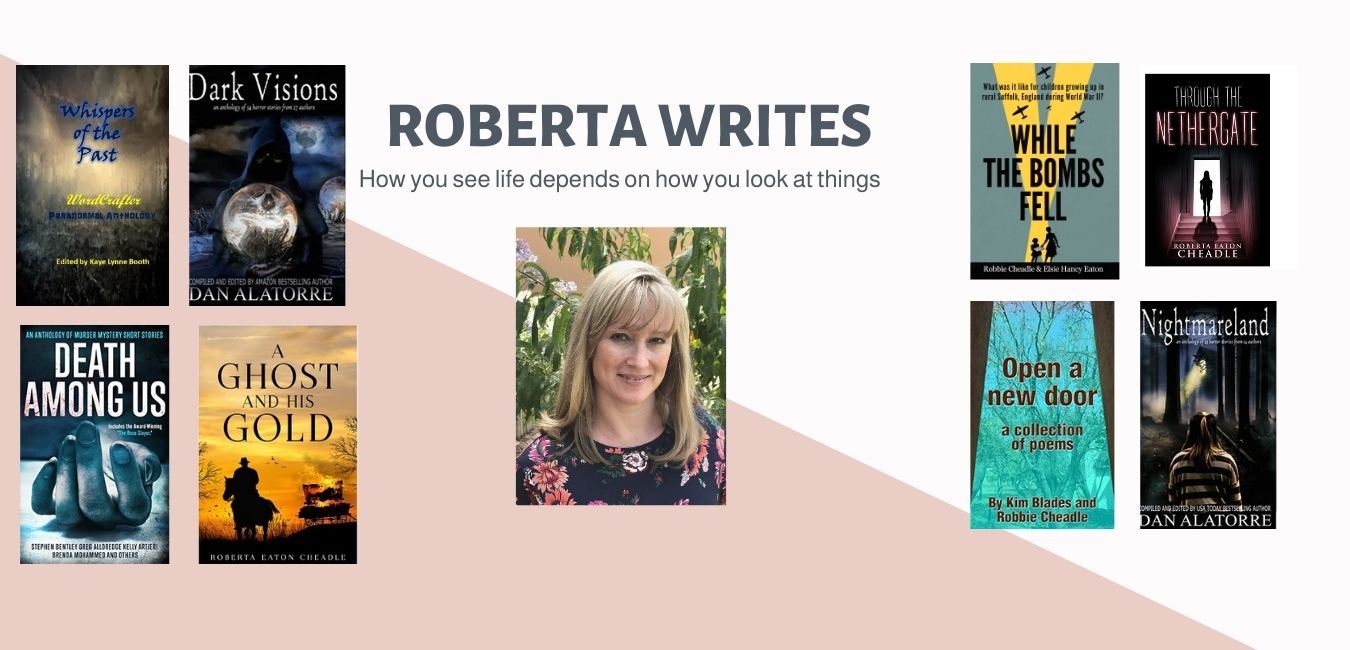
Pets and animals can be used to demonstrate certain qualities and personality traits in characters. For example, in my book for older children, While the Bombs Fell, the reader knows that little Elsie loves animals from the way she behaves, as illustrated by this short paragraph:
“The morning after the birth, Elsie would rush to go and see the newborn calf and any other calves in the calf shed. She thought the tiny calves were pretty with their dark brown eyes and soft noses. She used to visit the calves and, if she put her hand out towards one, that calf would suck on her fingers. The strong sucking sometimes gave her a bit of a fright as she struggled to pull her hand free, but it didn’t stop her from repeating this fun over and over again.”
Animals can also be a way of showing the occupation of the characters. The father in While the Bombs Fell is a farmer and the importance of the well being of his livestock is illustrated by this paragraph from the same chapter:
“Quickly, the weaning of the calf off its mother’s milk and onto a mixture of special calves feed, mixed with water, began. Calves ate this diet until they were old enough to be sold. Father cared for the calves well because they were valuable and, when sold, helped feed the family.“
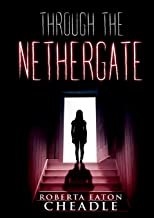
Animals can also be used for scene setting. Certain animals, like black cats, have a reputation for being associated with witches and evil. In my young adult book, Through the Nethergate, I have used a cat to increase the tension of certain settings and scenes.
“Margaret didn’t see the cat lying on the sixth riser from the top. She tripped, grabbing hold of the banister to save herself.
On reaching the top of the stairs, Margaret stood for a moment, breathing heavily. The strange vision in the cellar, combined with the cat on the stairs, had scared her. Adrenalin pumped through her body. It made everything seem sharply focused and almost over bright.
The cat stood up and stretched. It sauntered past Margaret, brushing against her ankles. The feel of the cat made Margaret break out in gooseflesh.“
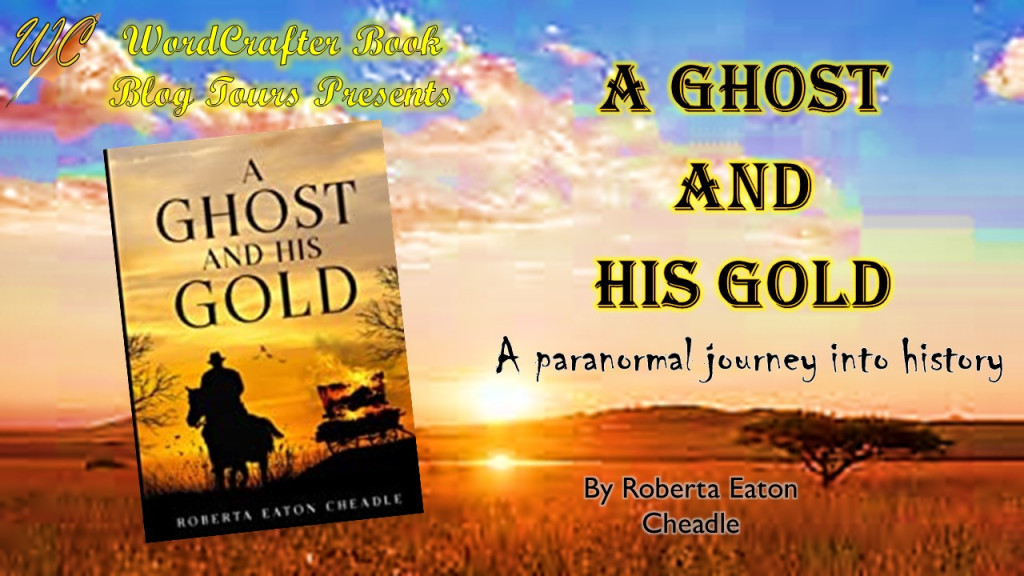
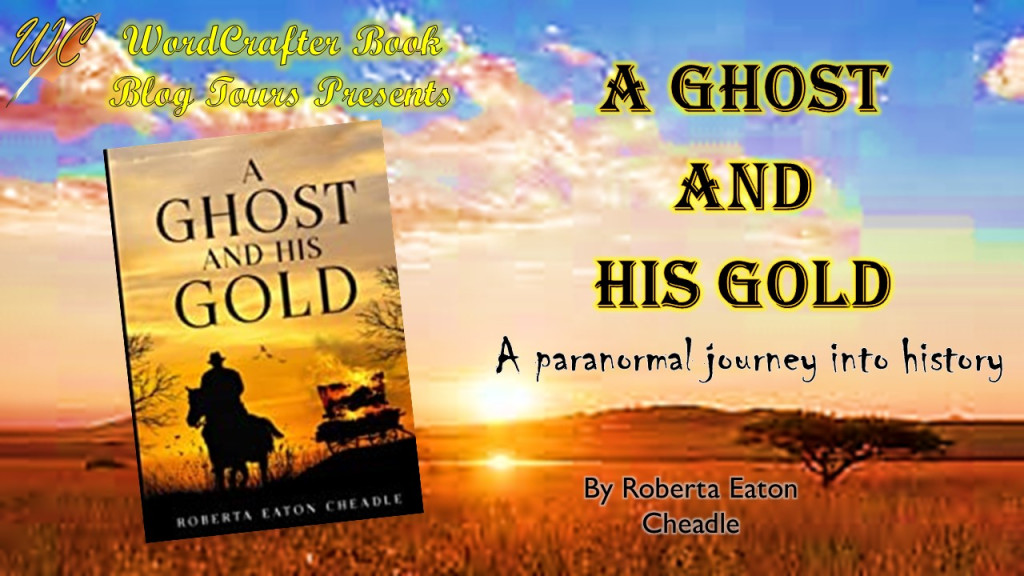
Animals can also be used to illustrate the harshness of life in a historical time period. This scene from A Ghost and His Gold does that:
“He reminds me of Hansie, he has the same trusting eyes. I miss that dog,” Pieter sighs deeply. “Shooting that dog was one of the hardest things I’ve ever had to do, but what other option did I have? He’d gone
blind from the snake venom and a blind dog cannot survive in the veld.”
Estelle visibly shudders. Since Hansie was hit in the eyes by the venom of a Mozambique spitting cobra, she has developed a horror of snakes and won’t go anywhere near them.
Pieter had desperately tried to save the dog’s eyesight by washing his eyes out using water and milk, but he had gone blind anyway. Marta has mentioned several times that she missed knowing Hansie was there to
protect them while Pieter was away. His loud and frantic barking acted as an excellent warning system if any humans or wild animals approached the farm.“
Do you incorporate pets and animals into your writing and stories?
You can see what other writers do here:
Rules:
1. Link your blog to this hop.
2. Notify your following that you are participating in this blog hop.
3. Promise to visit/leave a comment on all participants’ blogs.
4. Tweet/or share each person’s blog post. Use #OpenBook when tweeting.
5. Put a banner on your blog that you are participating.
https://fresh.inlinkz.com/party/e1e6679373014d03ae3ad227b7eecb71



















 roberta-writes.com