Murder comes in 7 different genres. By 7 different authors. Are you a fan of courtroom drama? In the anthology’s first story, Abraham Lincoln defends a friend’s son against a charge of murder. For lovers of speculative fiction, Jason Fogg dissolves into mist to sneak through open windows and snoop for clues. How about a cozy? Jazzi, Jerod, and Ansel discover a dead body while renovating a kitchen, dining room, and half bath. Have a craving for a Regency? Lord Peregrine and his wife, Elizabeth, use their sharp minds and quick wit to solve a murder at a garden party. Need a bit of literary fiction? A young, lonely widow must deal with the theft of a valuable butterfly collection. And what about a little psychological horror? Twin sisters discover that their attic is haunted by not one, but two ghosts. Last, but never least, the anthology concludes with a historical mystery. A young, newly married knight is accused of murdering his obnoxious host at a holiday gathering in his castle.
My review
This anthology is a superb collection of seven short stories, all linked with a common murder mystery them, by seven excellent authors.
This collection was fun to read as all the stories approached the theme of murder mystery from a different angle including super hero fantasy, a variety of different historical eras, and some modern settings with an interesting and fresh twist.
Lincoln Uncovers the Real Story of How Preston Metzer Got Himself Kilt – a fascinating and well researched historical story involving a murder trial at which Lincoln defended the accused prior to his become president of the USA. The guilt or not of the accused is unknown throughout this intriguing story;
From the Files of Jason Fogg is an unusual take on a murder mystery story featuring a super hero of sorts as the main character. Jason Fogg has the ability to manifest himself as real fog and uses this ability to help him investigate difficult cases. I have read a few other books by C.S. Boyack and really enjoyed this character. I will be reading more books featuring Jason Fogg;
The Body in the Kitchen is an entertaining story about a trio of home renovators who are hired to renovate select rooms in a dilapidated mansion as part of a charity project. There are a number of other renovators and decorators involved in the project, all of whom have secrets, so when one of their number is discovered dead in a closet, there are plenty of suspects;
Murder at a Garden Party is a fun romp involving an Agatha Christie styled murder in the study of a mansion on the day of a garden party. All the well heeled and sophisticated guests have hidden agenda’s and any of them could be the murderer, which makes for an interesting investigation;
Swallowtail involves a woman from a disadvantaged background who has married well. Everything is fine in her life until her husband dies and some issues with his company come to light. How far would a person go to ensure the continuity of her lifestyle and position?
Within the Plum Attic is a captivating murder mystery story with paranormal and horror elements. Twin sisters move into an old and neglected mansion that their mother has had the good fortune to inherit. One sister is out-going and enjoys friends and socialising while the other is reserved and finds making friends difficult. The quiet one is dependent on the social sister. Unknow to them, a similar family scenario unfolded in the attic of the mansion with unfortunate consequences and the ghosts of these sisters from the past are stirring;
A Winter Reckoning is a well researched historical piece set in medieval times when Lords and Ladies lived in stone castles, women danced to the tune of the men, marriages were arranged for purposes of allegiances, and everyone complied with bidding of the king. Widowed Lady Lorraine is invited to a party by a powerful man who has designs on her. She is obligated to accept the invitation but, not wanting her hosts advances, she asks the son of one of her friends to accompany her as her protector. All of the guests have their own devious reasons for attending the party so when a murder takes place, all of them are suspects.
Murder They Wrote is an interesting and varied anthology including high quality and well written and researched stories.
Thursday Doors is a weekly feature allowing door lovers to come together to admire and share their favorite door photos from around the world. Feel free to join in on the fun by creating your own Thursday Doors post each week and then sharing your link in the comments below, anytime between 12:01 am Thursday morning and Saturday noon (North American eastern time).
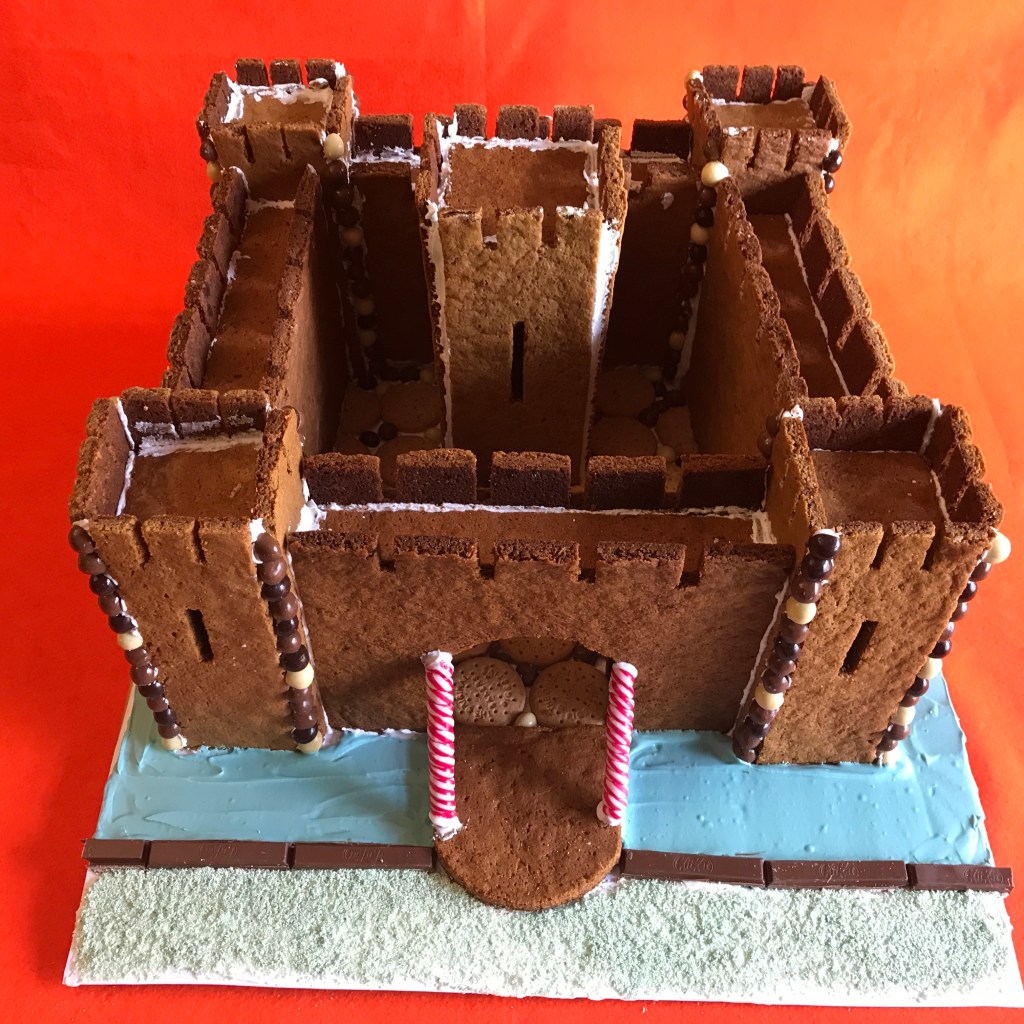
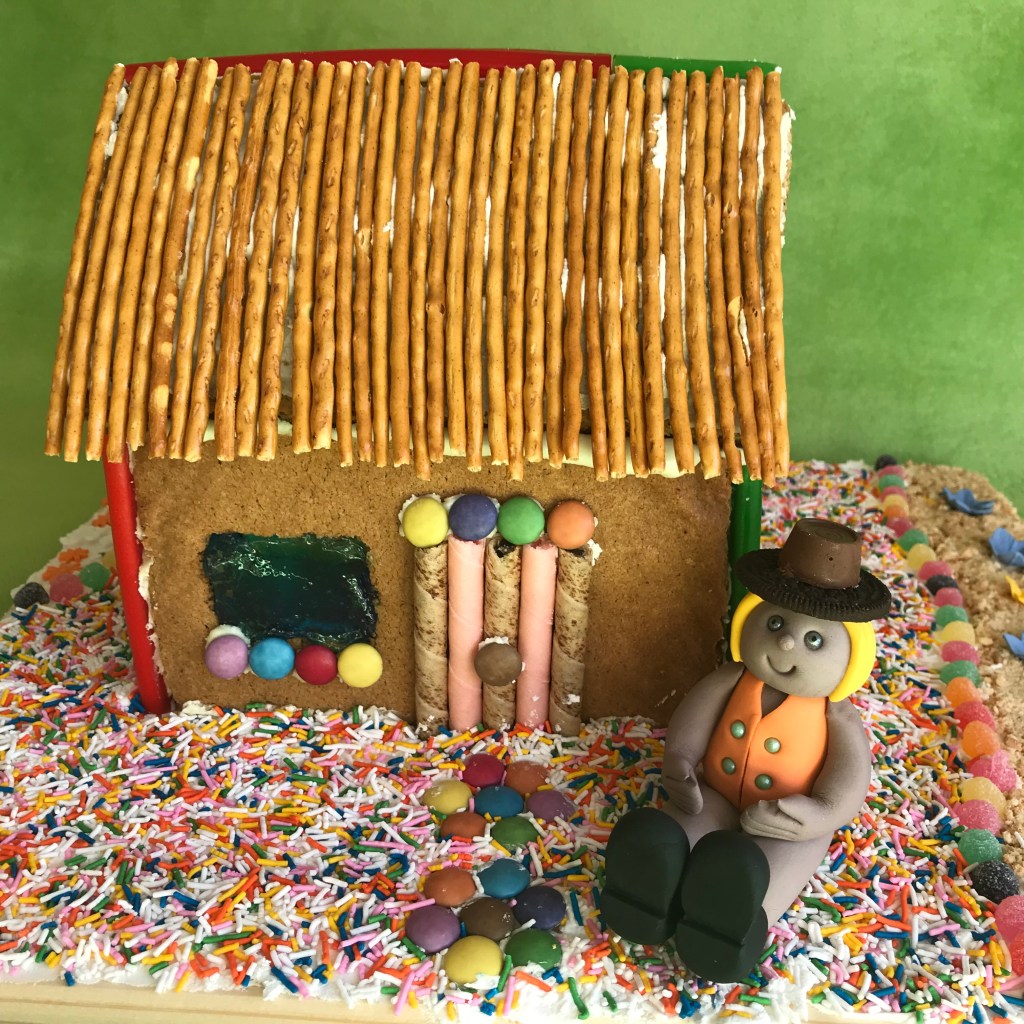
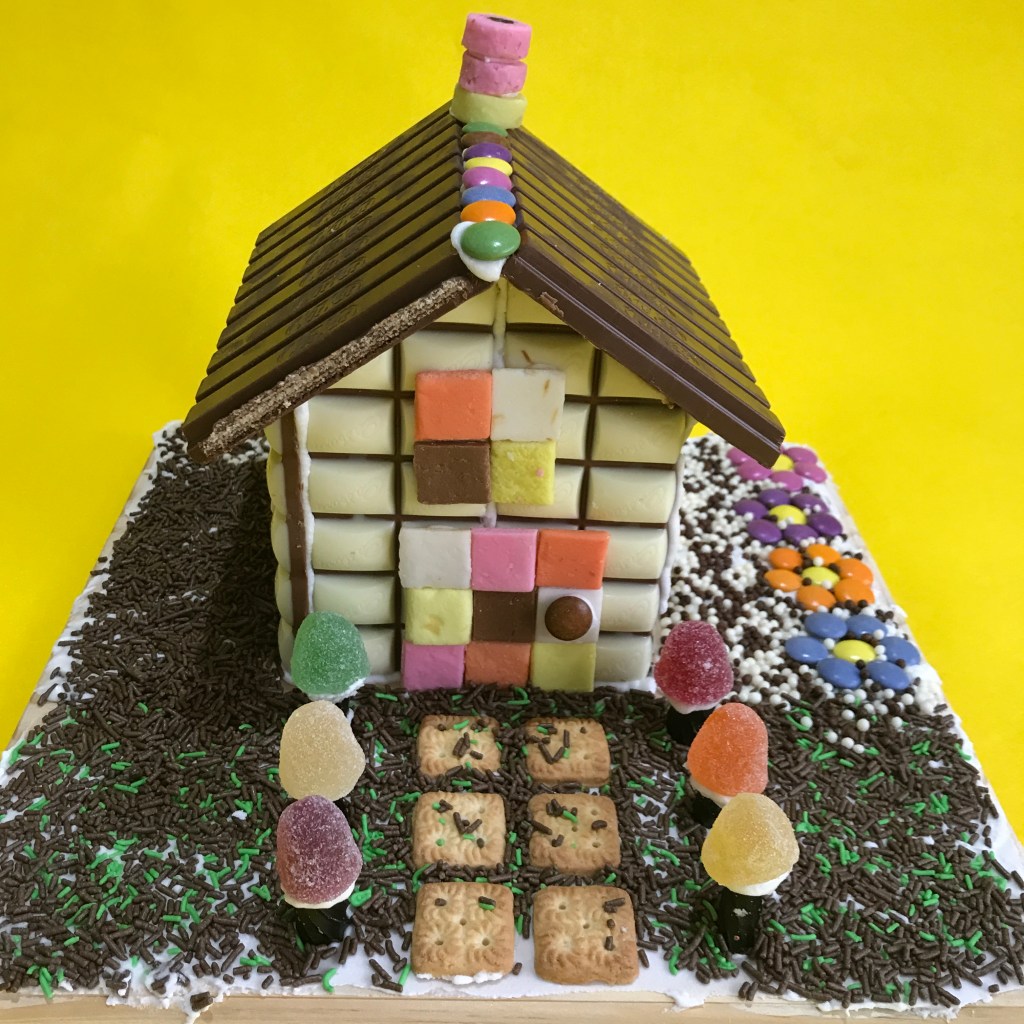
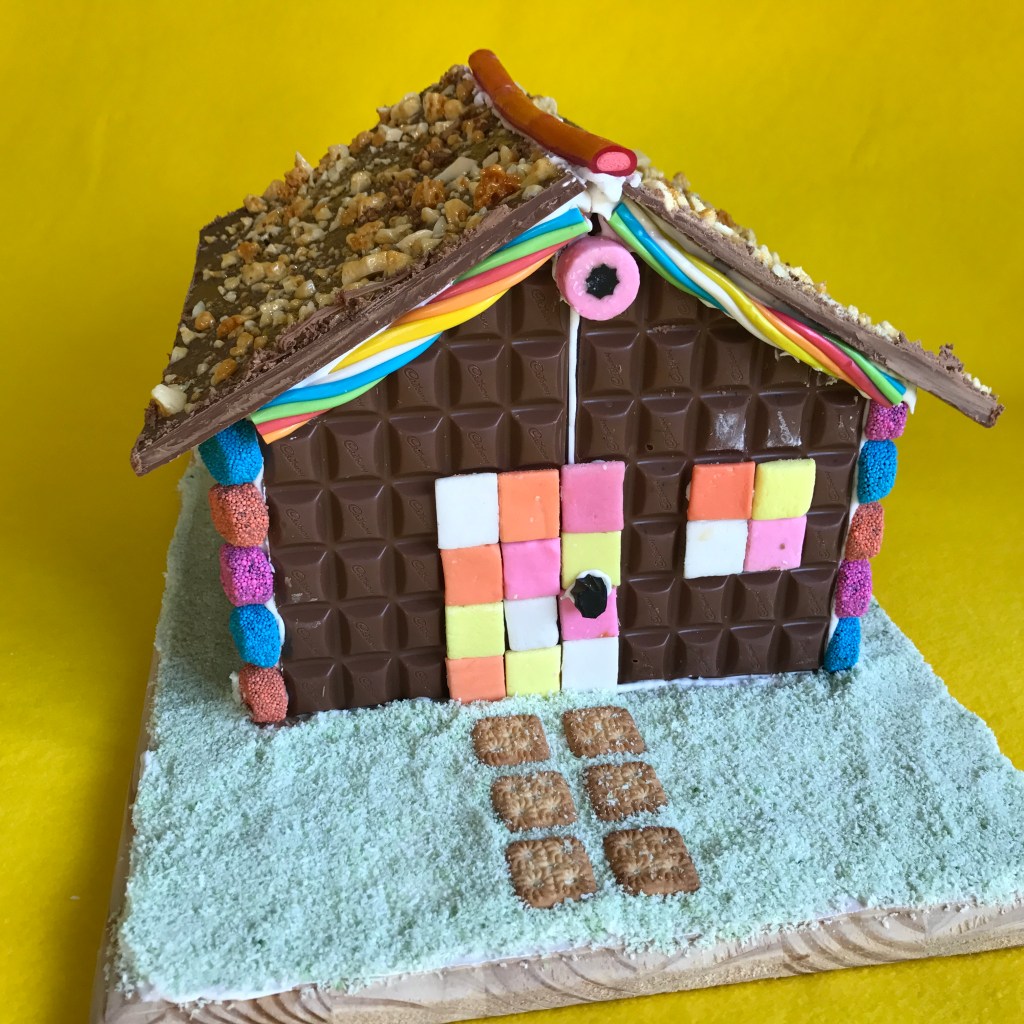
Dan has featured gingerbread houses for Thursday’s doors this week so I thought I would follow in his footsteps and share pictures of some of my gingerbread, cake and chocolate houses.
WordCrafter is having a party today starting at 2pm MST.
Meet some of the contributing authors of three WordCrafter anthologies, who will be doing author takeovers, and will be available to engage and answer questions, including: Kaye Lynne Booth, Cynthia Vespia, Janet Garber, Margareth Stewart, Jeff Bowles, Jordan Elizabeth, Art Rosch and myself.
8 p.m. – Author Roberta Eaton Cheadle (5 a.m. Pretoria Central Time on 8 December)
8:30 p.m. – WordCrafter: Holiday Send Off
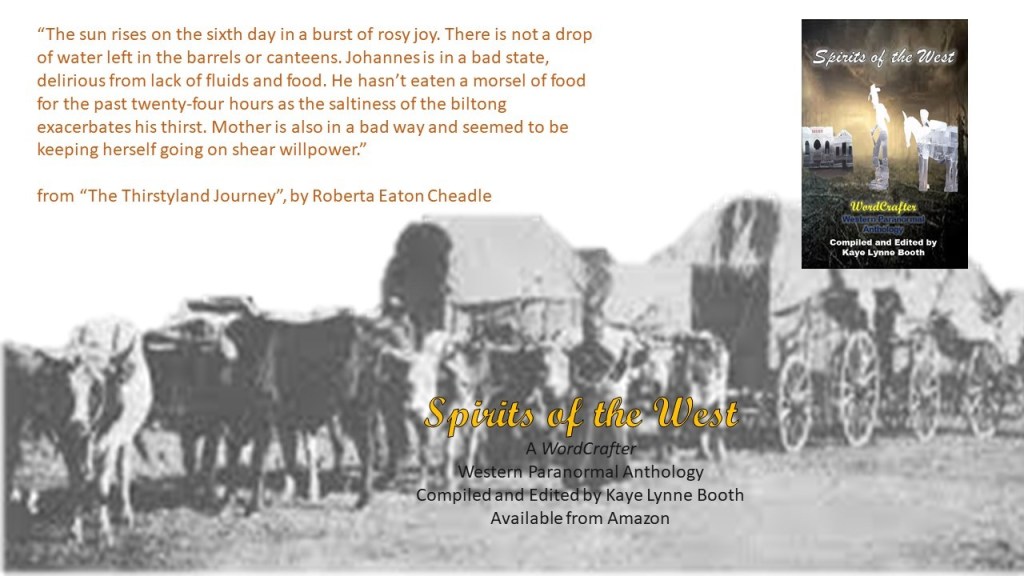
I have short stories in two of the WordCrafter anthologies, namely, Whispers of the Past and Spirits of the West. I am delighted to tell you that both of these books are now available as paperbacks:
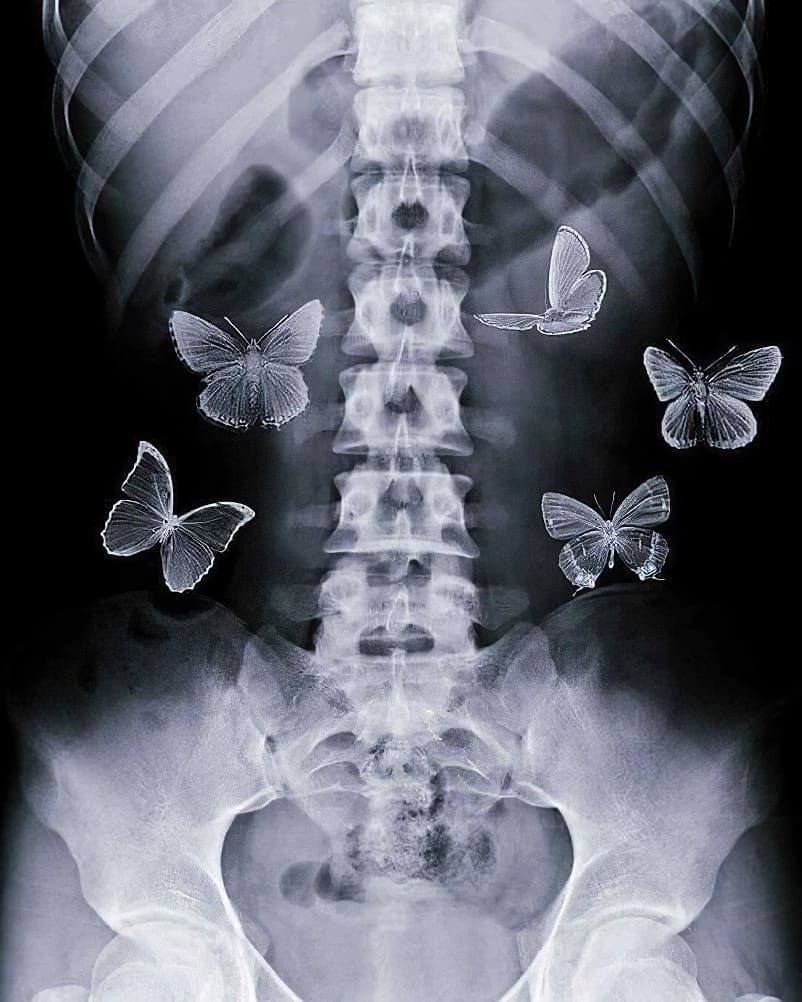
Use above image as inspiration for a poem or short story.
Alternatively,
If you are an artist or photographer, use this as an opportunity to showcase your own work.
You have 1 week to complete this challenge.
Please credit the artist!
When you’re done, TAG the post Photo Challenge and MindLoveMisery’s Menagerie, and add your link to the Link Button. Also don’t forget to link to this post or copy your post’s URL into the comments. We can read your post sooner that way.
After completing the biggest case of his career, private detective Hank DeShear returns home to start treatment for a disabling genetic condition that could end his life, but he learns his partner on the prior case has just been murdered. Was he wrong to conclude the secretive killer known as The Greyhound had declared a truce? Or have disciples of The Greyhound surfaced to carry on with the murders? DeShear is able to attach himself to an overseas goodwill mission headed by the U. S. Vice President, enabling him to pursue leads in foreign hospitals he thinks could be offshoots of Angelus Genetics’ illegal organ harvesting programs and human trafficking operations. Determined to pursue the truth wherever it leads, DeShear must also keep a low profile so he doesn’t become the next murder victim—but the onset of his debilitating condition may kill DeShear before the murderer gets a chance. FANS OF ROBIN COOK, MICHAEL CRICHTON, AND AG RIDDLE WILL LOVE THE LATEST ADDITION TO THIS WELL-WRITTEN AND SUSPENSEFUL SERIES.
PRAISE FOR ROGUE ELEMENTS:
“WOW”
“Grabbed me right away and soon after got an actual “WOL” (WOW’D-Out-Loud)… seriously, I only stopped reading to feed the dogs and heat up a bowl of soup for myself. You’ve outdone yourself .”- Claire Nevins Reviews
“A MASTERFUL THRILLER”
“A riveting thriller by Dan Alatorre, the fast-paced plot is loaded with suspense, intrigue and chilling implications for the future of genetic research. I cannot wait for the next book in this spine-tingling series!” – J Barr Reviews
“ANOTHER WINNER”
“Another winner! 5 stars. What a surprise ending. Didn’t see that coming. Can’t wait for book 3. ” – Shirley Boerstler Review
My review
Rogue Elements is the second book in this series and I have read book 1. I am of the view that while it is nice to read the books in order as it gives you back story to the characters, it is not necessary to have read The Gamma Sequence to enjoy this book.
Rogue Elements gets off to an exciting start with private investigator, Hank DeShear, and his partner returning to the USA after the conclusion of their investigation in Indonesia. Hank is just about to start his life saving treatments to prevent the Gamma Sequence from triggering and killing him, when he gets a phone call saying that his partner has been brutally murdered on her way home from the airport. Hank believes that a killer called The Greyhound may not have died in Indonesia and may be the perpetrator of the murder. He prepares to leave for the murder scene having persuaded Maya, the lady who must administer his treatments, to accompany him and provide the treatments remotely. This is the start of another investigation which will take the pair to the United Kingdom and Hank on to Europe.
This is an exciting and fast paced book with plenty of intrigue and red herrings. There is lots of political intrigue with the Vice President of the USA once again offering to aid DeShear in the pursuit of his objectives and behind the political scenes corruption and profiteering. The genetic engineering premise in this book is well research and fresh, providing an exciting and horrifying new angle on this theme.
Who is the woman called Jaden Trinn and how does she fit in with possible further illegal activity by Angelus Genetics? I was pleased to see the introduction of a new strong willed and agile minded female character into this series and I also enjoyed the tiny flame of romance that seems to have ignited between Trinn and DeShear by the end of this book. Trinn is tough and clever with her own objectives and plans. She is loyal and determined and DeShear couldn’t have a better companion for this adventure.
DeShear lives up to his previous reputation of being a hero who allows nothing and no-one to stand in his way of saving innocent victims. It was an interesting twist to have him fighting a life threatening illness in this book and having moments of vulnerability and weakness.
If you enjoy exciting thrillers with a medical theme and strong and interesting characters, then this is the book for you.
Every story starts with a stranger in town or a journey. “Pa, we’re takin’ the wagon to Virginian City,” every story ends with “Golly gee, Wally. I thought we were goners.” True or False?
Tolstoy Said
“All great literature is one of two stories; a man goes on a journey or a stranger comes to town.”
Leo Tolstoy
I love Tolstoy’s stories, but do I agree with his observation?
I must be honest, when I first saw this prompt I had no idea what it was about. It was only after I visited Lela Markham’s post that I understood what the prompt was about. I copied the Tolstoy quote above out of Lela’s post which you can read here: https://aurorawatcherak.wordpress.com/2020/11/30/bring-on-the-tropes/
I realised the other day that all three of my books for older children and adults are about war and conflict of some kind or another. While the Bombs Fell is about a young child growing up in the small town of Bungay, East Anglia in the UK during WWII, Through the Nethergate is about a possible third world war incited through the use of targeted technology and the murder of leadership figures to stir up the masses, and my forthcoming book, A Ghost and His Gold, is about the Second Anglo Boer War in South Africa. I have recently started writing After the Bombs Fell, the sequel to While the Bombs Fell and this is about the end of WW2 and the aftermath of the war in Britain.
Hmmm! I definitely like reading, researching, and writing about war. When presented with the topic for this prompt, I gave it some thought, and realised that most war books fit into the ‘a stranger comes to town’ concept. In the case of a war, however, its not one stranger who comes knocking on the country’s door, but a whole army of them.
While the Bombs Fell features the German pilots and their bombing of London and other major cities in the UK, including Norwich, which is the closest city to Bungay. The little girl in the story [my mother] imagined Hitler as a wicked witch dressed all in black and knew that the German’s ate black bread. This made them strange and unfamiliar and increased her fear of them.
After the Bombs Fell continues to feature the German’s as invaders, but the strangers have evolved into faceless machines called Doodlebugs and V2 rockets. This book will also feature the Italian prisoners of war who occupied a camp at Flixton. Many of them worked on farms in East Anglia. The Italians were also ‘strangers’ in the eyes of the little English girl. They ate different foods, spoke differently, and had different customs. My mother remembers the Italian POW as being kindly and friendly.
Through the Nethergate has the stranger comes to town theme in the form of firstly, Hugh Bigod’s evil ghost, and then Lucifer coming into the lives of a variety of different characters in the book. This book also includes the concept of a man goes on a journey, as Margaret goes to a number of places, including hell, in this supernatural fantasy.
A Ghost and His Gold features both concepts too. Robert is the English soldier who is stationed in Mafeking in the Cape Colony when the war breaks out. He is a stranger to South Africa and an invader of the two Boer Republics. The other two ghosts, Pieter and Estelle, are both Afrikaners who were born in South Africa. As a result of the war, these two characters both end up going on journeys. The three ghosts are also strangers who enter the lives of the modern main characters, Michelle and Tom. The modern couple embark on a strange and horrifying journey to defeat the poltergeist, Estelle, and regain their normal lives.
Having analysed my stories in terms of these two concepts, I can see they both feature strongly in my books. They are not, however, the only types of stories I have read. I read a huge array of books and genres and there are a lot of stories that don’t fit into these two storylines. Romeo and Juliet, for example, doesn’t involve a stranger coming to town, all the characters know each other. I also doesn’t involve anyone going on a journey in the literal sense of the word. Unless one views first love as a journey. Memoirs and comedies also may, or may not, include these two storylines.
Find out whether other blog-hoppers think the statement is true or false by clicking on the link below or even adding a comment or your own blog to the hop:
Rules:
Link your blog to this hop.
Notify your following that you are participating in this blog hop.
Promise to visit/leave a comment on all participants’ blogs.
Tweet/or share each person’s blog post. Use #OpenBook when tweeting.
Put a banner on your blog that you are participating.
PS I wanted the doll in pink but I got the doll in blue.
My muse is the ghost of Robbie past.
I see the ghostly shadow of my younger self peeking over my shoulder, watching my fingers move over the keyboard of my laptop and reading the words as they appear on my screen.
I recognise her as the little girl who used to sit quietly on a beanbag with a glass of milk and a book, and read all afternoon, every afternoon.
She was also the girl who traded sister #1 a pile of writing paper [we used to trade it at school] and an empty vanilla essence bottle [it smelled lovely] for her three library cards. Hers, when combined with my four cards, enabled me to borrow seven books at a time from our local library. This reduced my trips to the library to twice a week from three, or even four. The library was about four kilometres away from our house at this time. It doesn’t sound far, but I was eight years old at the time, so the eight kilometre round-trip, with a basket packed with seven books, took me a while.
Sometimes my younger self reminds me of the games I used to make-up as a young girl. I remember the time I involved my entire class in a mad game of catch the witch and got into a lot of trouble with my teacher when the raucous game became so loud we missed the end of break bell. My teacher, Sister I’ve Forgotten her Name but not her Fierce Expression, was extremely cross with me for master minding that one. She threatened to send me to Mother Superior’s office. Somehow, I think that game may have been a lot like ‘kikery’ from What Katy Did by Susan Coolidge. Katy got into a lot of trouble over that game too.
Ghost Robbie shares flashes of memory of sister #2 and I sitting on the roof of the garden shed [no, my mother didn’t know I led her up there] making creations for shells we gathered on the beach [no, my mother didn’t know we crossed the railway line to get to the beach either], or making baskets out of clay gathered from a ditch next to the road, or running through the veld in long dresses with plastic buckets playing Little House on the Prairie.
She reminds me of my two live dolls, sisters #s 3 and 4, who I dressed up and played with. They were my patients when I was the doctor, my children when I was the mother, Jack and Jill when we played nursery rhymes, and many other imaginary people when we played our many different games.
Sometimes, she whispers to me, reminding me of favourite scenes from well loved books from the past. If I get stuck, she’ll suggest I take a peek at one of the hundreds of books we’ve read and find inspiration. It works every time.
Most of all, she reminds me of Emily of New Moon by L.M. Montgomery which we read when we were about ten years old. I remember how much we loved that book and how inspired we were to write poetry and descriptive passes.
We are a team and we are glad to be working together to write our children’s and adult fiction.
Thursday Doors is a weekly feature allowing door lovers to come together to admire and share their favorite door photos from around the world. Feel free to join in on the fun by creating your own Thursday Doors post each week and then sharing your link in the comments below, anytime between Thursday morning and Saturday noon (North American eastern time).
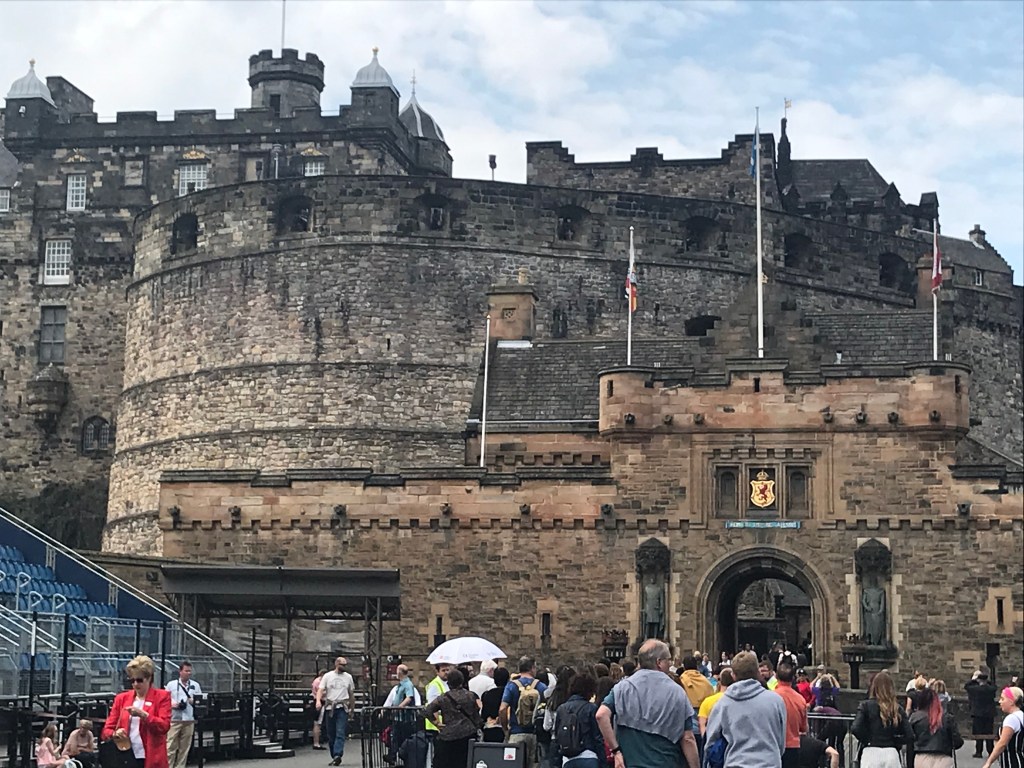
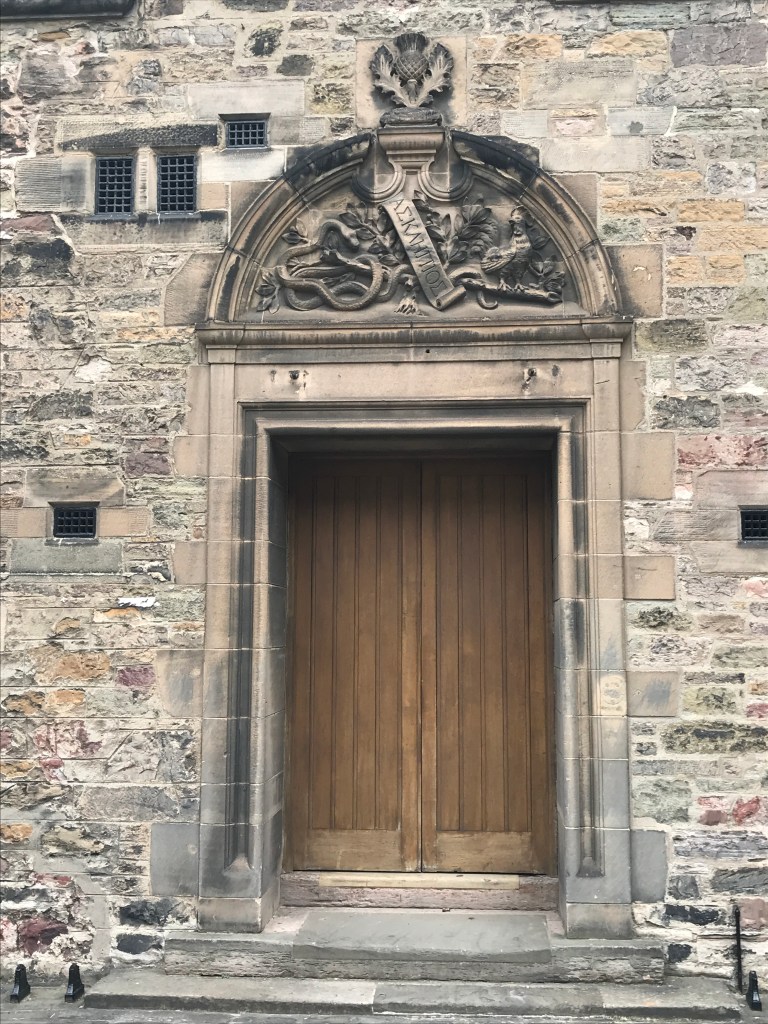
Edinburgh Castle is a historical fortress situated on Castle Rock in Edinburgh, the capital city of Scotland. These are a few pictures I took of doors during our tour of this famous castle.
Entrance to the castleOriginal prison door in the dungeonsEntrance to see the Scottish crown jewels
The three pictures below are of the view of Edinburgh from the castle. Lots of doors.
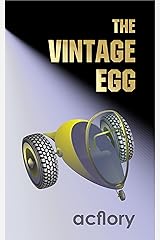
The Vintage Egg (Postcards From Tomorrow #1) by A.C. Flory
What Amazon says
Six short stories. Six sneak peeks into the lives of people living in Australia at the end of the 21st century. Six postcards from the future.
Although each one of these science fiction stories stands alone, together they tell a story about a time and a world very different to our own.
Like the present, the future will be a mix of good and bad, but to the people living in it, the late 21st century will just be ‘now’. What they make of it is up to them. However our now is up to us. We are the ones who will decide, in a million little ways, whether their future comes true or not.
My review
This is the first book by A.C. Flory I have read and I will definitely be reading more. Originality and uniqueness rate highly on my rating list for a book, and these six science fiction stories certainly meet that criteria. The stories are all well written and easy to read, which makes this book a great choice for most readers.
All of the stories assume a futurist world after an undisclosed event or series of events which turn Earth into a hot and arid desert. The surviving people of the world are forced to live in underground cities. Food sources have changed and meat is scarce and expensive. The population, forced to live this unnatural life, are kept entertained with digital games which are so realistic they are almost life experiences. There is, however, a limit on gaming time to prevent people from starving to death while playing. These are indications of how the unnatural lifestyle is impacting on people.
The Vintage Egg and The Egg Run are interlinked stories, with the former presenting the beginning and the later the ending, of one story idea. Both stories are complete and can be enjoyed as standalone reads. This is the tale of an elderly man’s dream of finding a way of exploring the ruined Earth above ground through the restoration of a vintage machine he acquires. He involves and interests his young grandson in his project and it becomes something they do together. The Egg Run depicts stage 2 of the project through the eyes of the grandson.
The Gamer and Brehak are another pair of stories, each told from a different characters point of view. This story is fascinating as it explores the lack of reality and truth presented in digital worlds and how both of the participants in this ‘life like’ game are totally deceived by the other’s digital avatar and how this lack of truth impacts on their lives.
The To-Do-List is an interesting peak into the differences between older and younger people when it comes to adapting to fast changing technologies. It is an entertaining, but frighteningly realistic, look, at the older generations determination to hold on to the past and they world they knew when they were younger, versus the younger generations easy ability to adapt to change.
The Christmas Roast was truly horrifying for me. The concepts explored in this short story about a world where food is short and improvisations have become the normal, was quite overwhelming for someone like me who has always bought milk in a bottle [does it really come from a cow?] and meat neatly packaged with few reminder that it was one a living, breathing creature.
A great book of short stories and one I have unhesitatingly given a 5-star rating.
Purchase The Vintage Egg (Postcards From Tomorrow #1) by A.C. Flory
Frugal Seeds Christmas Edition: 101 Ways to Celebrate the Holiday Season on a Budget by Charlie Lee Austin
What Amazon says
The holiday season can be such a busy and expensive time of year. This book provides you with ideas for celebrating the season on a budget.
My review
This little book is packed with fun and economical ways of celebrating Christmas with children, friends and family. It has a strong Christian orientation and some of the activities relating to the Bible, but there are many other ideas that can be enjoyed by people of any religious orientation.
Reading the ideas presented in this book reminded me of two of my favourite childhood books. Little Women when the girls decide to play a variation of pilgrims progress and also when they celebrate Christmas without their father, who is fighting in the war, and all decide what gifts to buy their Marmee. I was also taken back to the glorious days when I read What Katy Did for the first time. My favourite scenes in this book are when Katy decides to make all sorts of Christmas gifts for her siblings and best friend. She creates a Christmas tree decorated with home-made decorations like popcorn strings and they children have a poetry reading evening where they all read a poem they have written.
The suggestions in this book are simple and yet so much fun to make. The ideas include making a pinata from clay pots and paper mache, making Christmas crackers from toilet roll innards, and making Christmas candles.
A great book of activity ideas to entertain young young children over the holiday period.
Purchase Frugal Seeds Christmas Edition: 101 Ways to Celebrate the Holiday Season on a Budget
![Murder They Wrote by [Judi Lynn, C.S. Boyack, Mae Clair, Kathleen Palm, Julia Donner, D.P. Reisig, Rachel Sherwood Roberts]](https://m.media-amazon.com/images/I/512vQsU2jXL.jpg)