Roberta Writes – Reviews of novella: The Hay Bale, I Wouldn’t Be Surprised, and Handprints

The Hay Bale by Priscilla Bettis

The Hay Bale by [Priscilla Bettis]

What Amazon says

Contemporary Southern Gothic meets weird horror in this new novelette from Priscilla Bettis.

Professor Claire Davenport yearns to be a mother. After suffering four miscarriages, the university microbiologist tries and fails to qualify as an adoptive mother. Then Claire’s husband leaves.

Alone and emotionally wounded, Claire takes a summer sabbatical from her microbiology classes and escapes to rural Virginia to heal. There, she meets local farmers with strange agricultural practices.

Claire moves into the historic manor house she rented for the summer, and an abandoned child greets her. Is the child real, an answer to her prayers? Or is he a figment of her tormented emotions? Perhaps the tight-knit locals are playing a trick on the science lady from the city.

Whatever the boy’s origin, Claire is determined to find the truth, but the truth may be bloody.

My review

The Hay Bale is one of the best horror short stories I’ve read in along time. It is clever and creepily disturbing with a climax that will have you wondering about it for a long time after you’ve finished reading the last page. For me, it was a bit reminiscent of Children of the Corn by Stephen King with it’s remote rural setting and deviant cult-like community beliefs and behaviours. The author created and maintained the same breath-holding tension.

Claire is a successful career microbiologist who has had four miscarriages and had to face the realisation that she cannot control her own biology. An unsuccessful attempt at adoption due to her unstable mental condition has led to the complete breakdown of her relationship. In an effort to pull herself together and get back on her feet, Claire has rented an old farmhouse in a remote location. She plans to rest and come to terms with her losses and future path.

Soon after her arrival, Claire starts to hear strange scratching sounds. She also meets the peculiar minister of the local church who warns her to keep away from a seemingly diseased hay bale. Are the two tied together, and if so, how?

The story is well written and fast paced with good tension throughout. If you like good horror and are not feint hearted, you will enjoy this dark short tale. 

Purchase The Hay Bale

Amazon US

I Wouldn’t Be Surprised: A Short Story by D.L. Finn

I Wouldn't Be Surprised: A Short Story by [D.L. Finn]

What Amazon says

Do you ever wish you could take back your words? Janice and Dale Hart sat around the dinner table laughing at silly “I wouldn’t be surprised” jokes that included UFOs, Bigfoot, hand-delivered food, and serial killers. A week later, an innocent plate of food is left on Dale’s truck in the middle of the night. That’s only the beginning, and the presents go from harmless to life-threatening. Will the Harts find help in time to survive an evil bearer of “gifts”? Find out in this paranormal thriller.

My review

This is an entertaining short story about a couple who amuse themselves over dinner one evening by playing a game of ‘what if’. The following day, Janice finds a plate of bread in her husband, Dale’s, truck. None of the likely people they know gave them the bread and Janice cannot work out who the giver is from the security camera footage.

The circumstances of Janice’s life become even stranger as the days pass and, to make matters worse, her dog is also jumpy and behaving strangely. It seems as if the game she and Dale played that night is coming true in a weird and frightening way.

This is a nicely written story with a good interest factor and a unique plot . There is an interesting twist at the end of the book.

Purchase I Wouldn’t Be Surprised: A Short Story

Amazon US

Handprints by Wanda Adams Fischer

Handprints by [Wanda Adams Fischer]

What Amazon says

After their husbands commit them to a state mental institution in Massachusetts, two women become friends. Were they–and the other women who filled the place–even mentally ill? Anne was eccentric, to be sure, and her Boston fireman husband decided it was more than he could bear. Edna loved to read and write poetry; her husband said she wasn’t “a good wife,” so he called the constable and had her taken away to the state mental hospital. She craved companionship and found Anne during her first night at the place. Edna called Anne “Anne of Green Gables”; she told everyone who’d listen that she was Edna St. Vincent Millay. This novella looks at the way they cope with spending the rest of their lives in a state mental institution with humor and Anne’s visitors from the outside world–and how they make a Christmas surprise visit to the site of the old mental hospital as spirits after their deaths.

My review

Handprints is a haunting short story about an ordinary woman, who believes herself to be poet, Edna St. Vincent Millay, with whom she shares a first name. Edna’s husband has her committed to a state hospital for the insane in Mattapan, Massachusetts. At the hospital, Edna becomes friends with another woman, whom she calls Anne of Green Gables. Anne has also been committed to the mental institution by her husband. The time frame is 1940 and it was quite easy for a man to have his wife declared insane, and institutionalised, at that time. The ladies were committed for life and led limited lives where they were treated like young children and given the same clothing and even the same haircuts.

Edna is completely abandoned by her husband and has no visitors. She is desperately lonely and seeks to befriend Anne’s three grandchildren. They are left alone in their mother’s car for a short period, when she collects Anne for Sunday lunch every week. Edna attempts to make contact with the children by placing her hand on the window, hoping one of them will return the gesture. None of them ever do.

This story is beautifully written and certainly makes you think as the narrator is unreliable and you can’t distinguish the truth from her imaginings. It is not possible to determine whether Edna has been committed under false pretenses by her husband who just wants to be free of her, or whether Edna truly is mentally unbalanced. In my personal opinion, the narration leans towards Edna being mentally ill. Her strange behaviour, namely, her conviction that she is a famous poet, and recitals of the poet’s poems at unexpected times, could also have been the result of the suppression by life of an active mind and imagination, in other words, complete boredom due to an unfulfilling and mundane life.

This is an interesting short story and definitely worth reading. 
Purchase Handprints

Amazon US

Roberta Writes – Experience the Cango Caves: A discussion with Rebecca Budd from Tea, Toast & Trivia

Today, I am visiting Rebecca Budd from Tea, Toast & Trivia with a travel discussion about the amazing Cango Caves in South Africa and the surrounding area.

You can listen to the podcast here: https://teatoasttrivia.com/2022/02/07/season-4-episode-7-travelling-to-cango-caves-south-africa-with-roberta-eaton-cheadle/

Thank you, Rebecca, for inviting me over for this enjoyable conversation.

I thought I’d also use this opportunity to share a few more of my pictures from this incredible system of caves and a YT video I took during our tour.

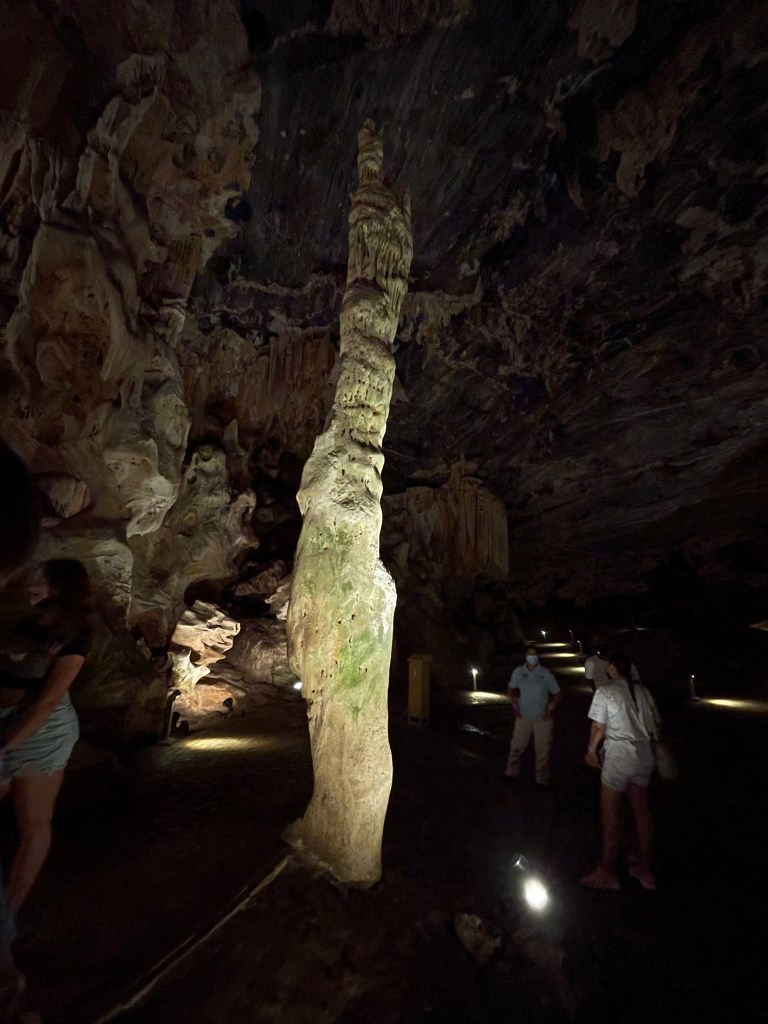
Cleopatra’s Needle formation

About Rebecca Budd

In the words of Rebecca Budd:

“When I first came to WordPress, I went absolutely crazy with blogs.  It was my way of exploring different aspects of my life.  Clanmother is my backward look at the past and the stories that reflect many of the realities that we experience in our modern age.  LadyBudd is a photo blog where I document my moments and thoughts that come when I travel with my camera. ChasingART is about the never-ending exploration of our creative spirit. OnTheRoadBookClub speaks about my love of books. TakingtheKitchen is my return to my kitchen.  And my latest blog, Tea Toast & Trivia, is joining the podcast conversations. Your visits and comments are always appreciated so feel free to explore by following the individual links.

For me, blogging is about finding kindred spirits.  And there are many out there.  As Anne of Green Gables once said:

“Kindred spirits are not so scarce as I used to think. It’s splendid to find out there are so many of them in the world.”

Find Rebecca Budd

Rebecca’s blogs:

Lady Budd

Chasing Art

On the Road Book Club

Clanmother

Tea, Toast & Trivia

The Book Dialogue

Rebecca’s Reading Room

Taking the Kitchen

Twitter: https://twitter.com/ChasingArt

Facebook: https://www.facebook.com/ChasingArt

Roberta Writes: Thursday Doors – Road Trip Day 2, Bushmen paintings and Boer War etchings

Welcome to Thursday Doors, a weekly feature allowing door lovers to come together to admire and share their favorite door photos from around the world. Feel free to join in on the fun by creating your own Thursday Doors post each week and then sharing your link in the comments below, anytime between 12:01 am Thursday morning and Saturday noon (North American eastern time).

You can join in Thursday Doors here: https://nofacilities.com/2022/02/03/wethersfield-houses/

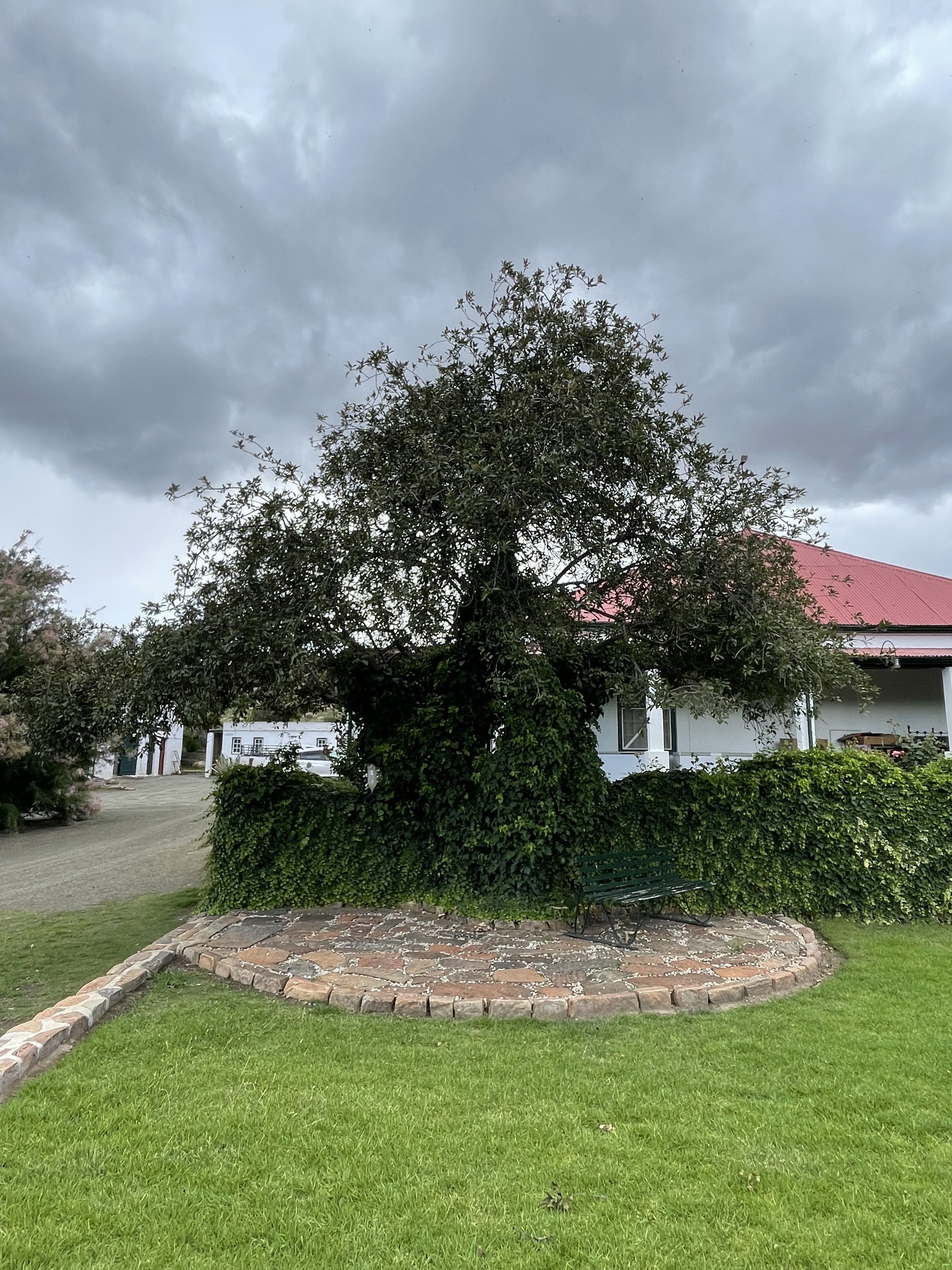
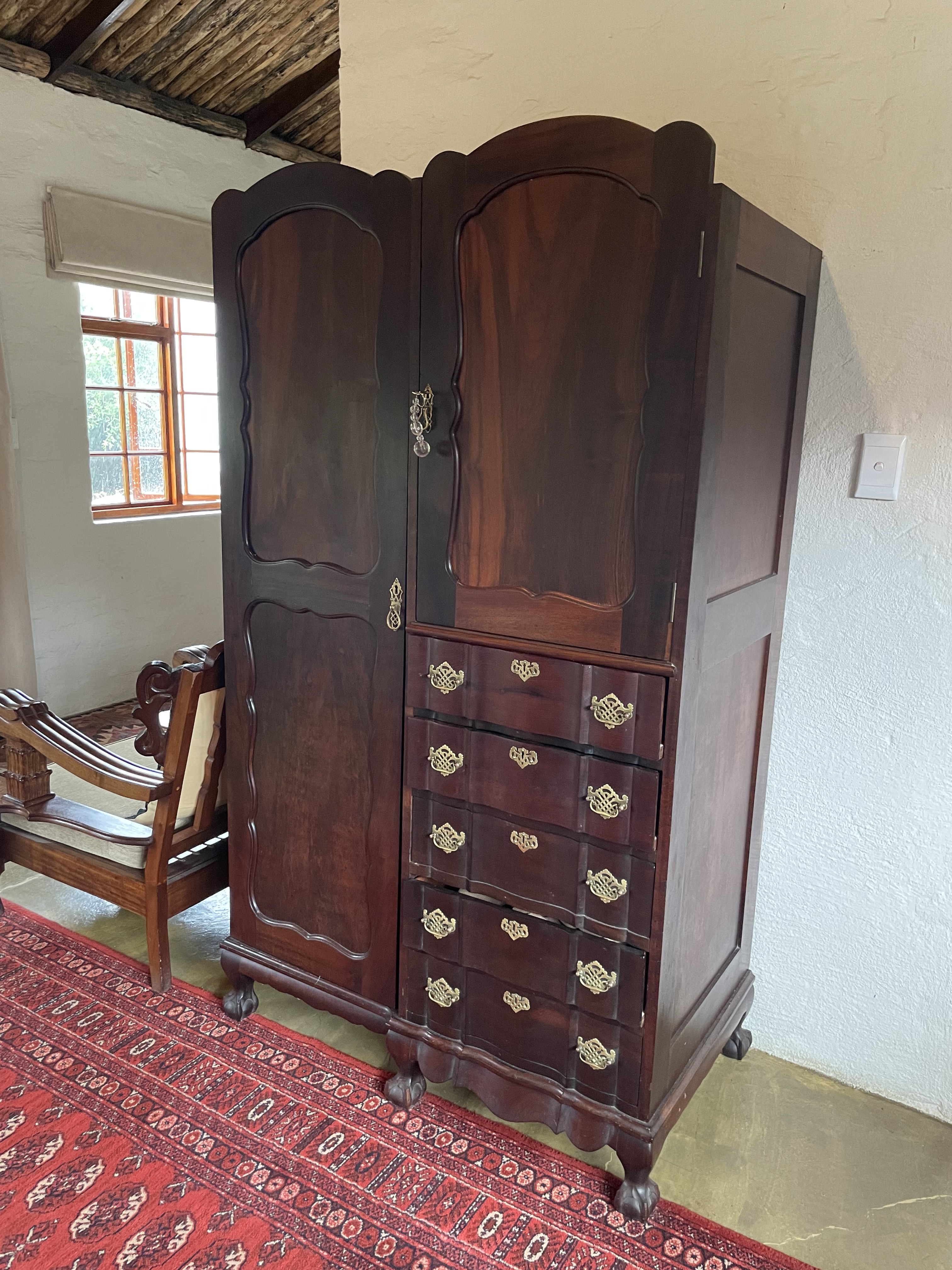
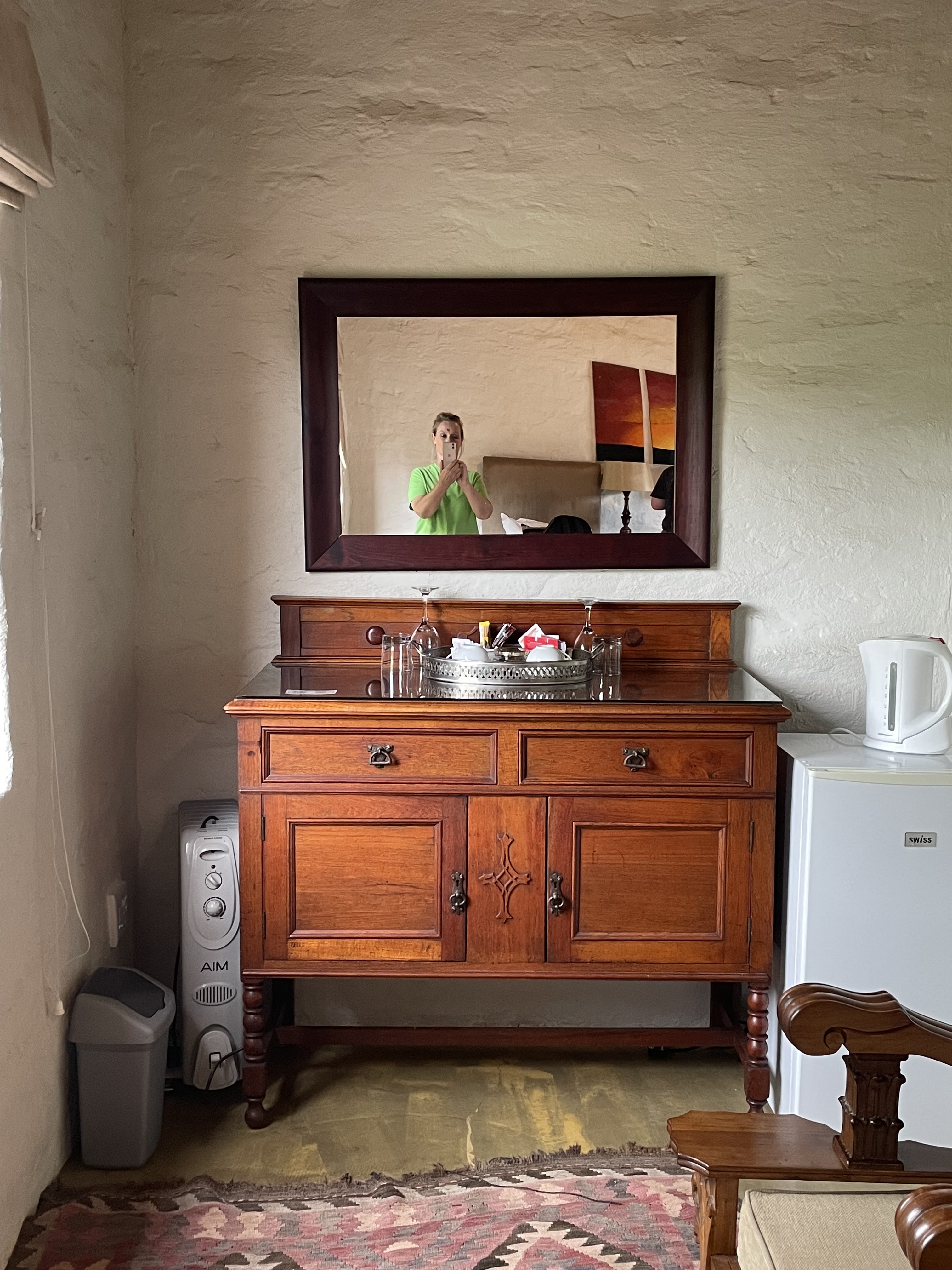
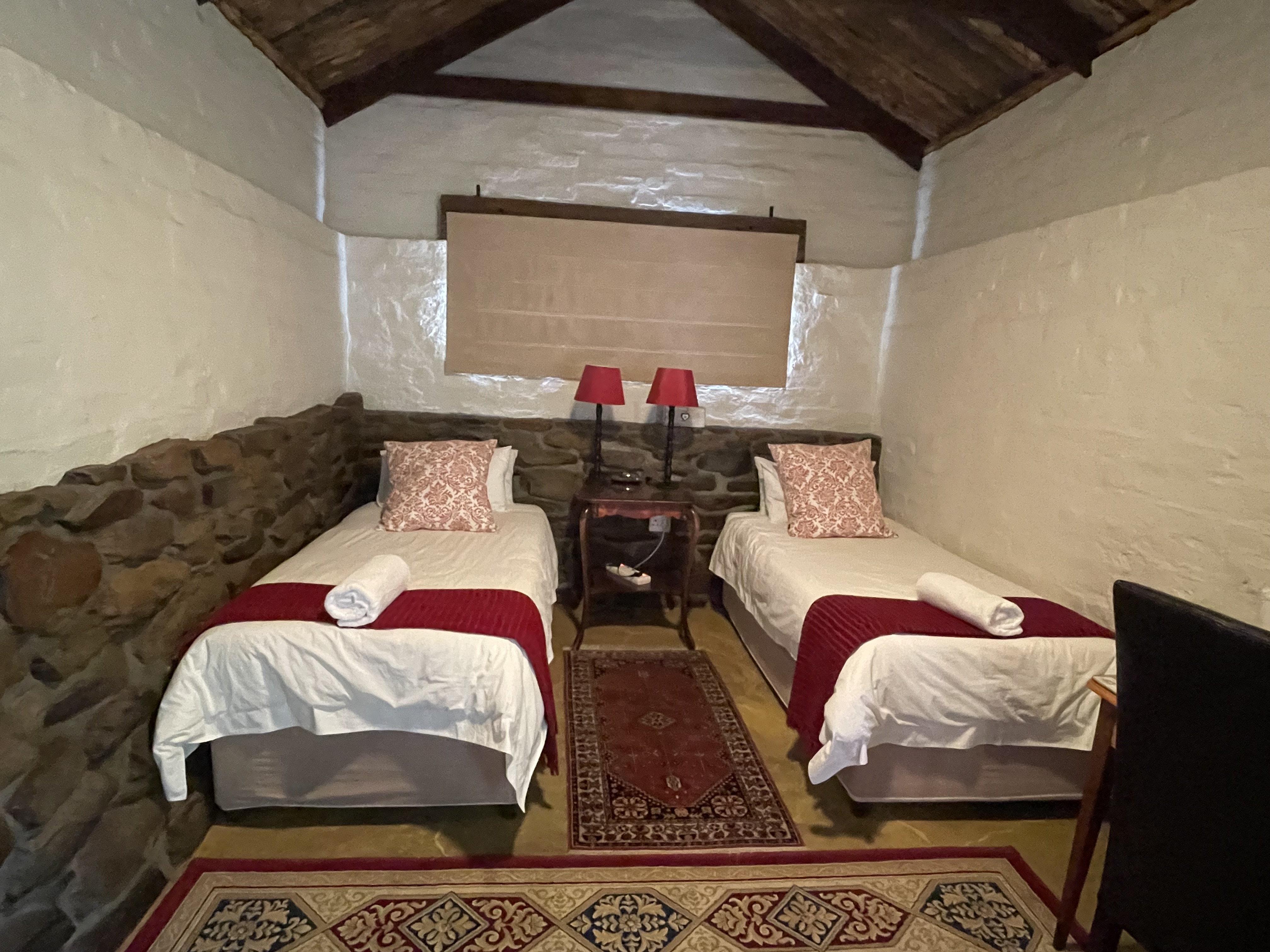
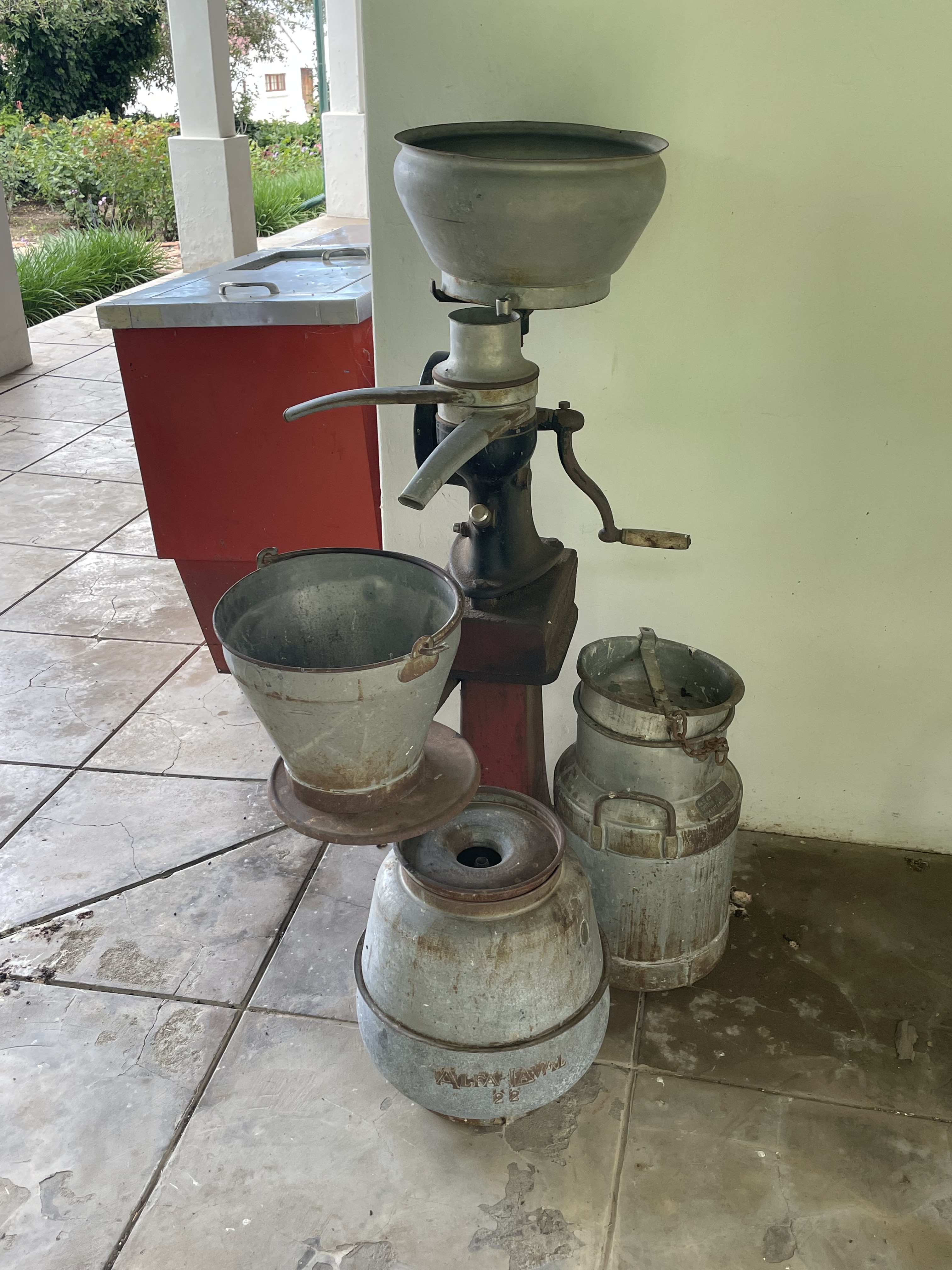
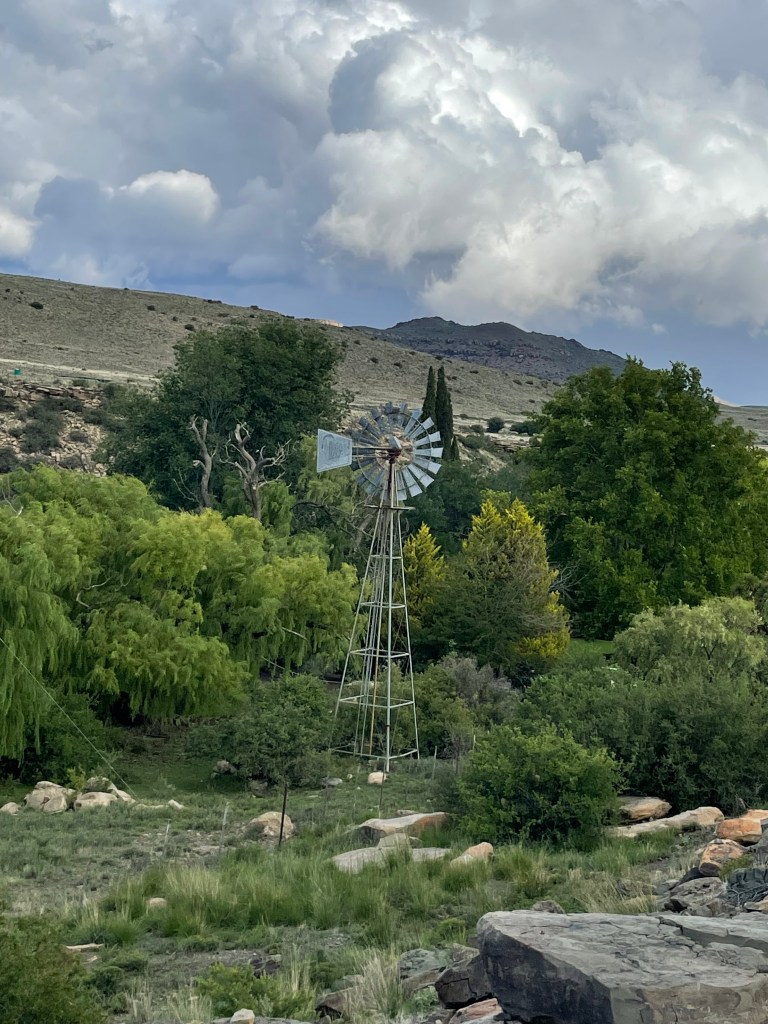
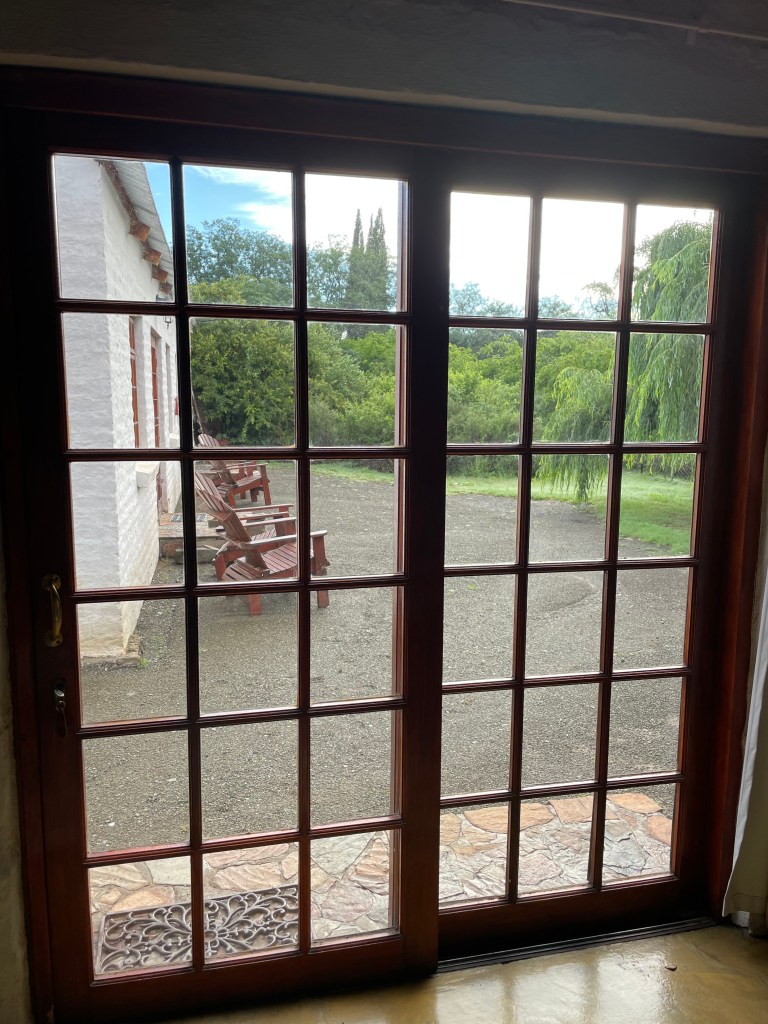
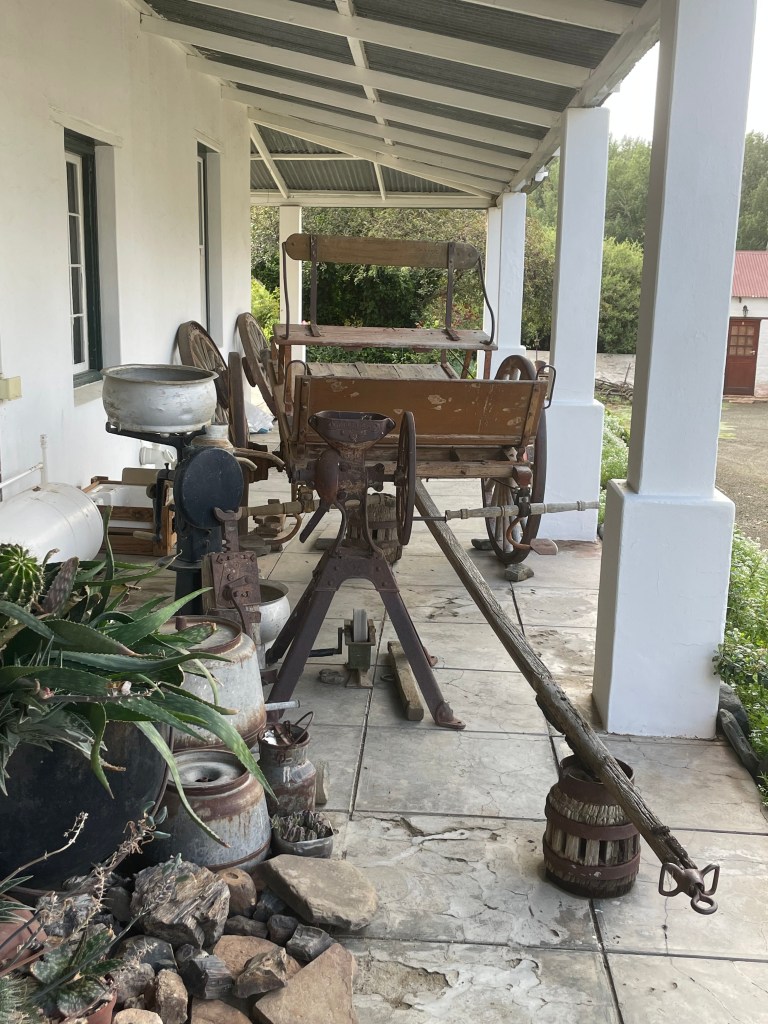
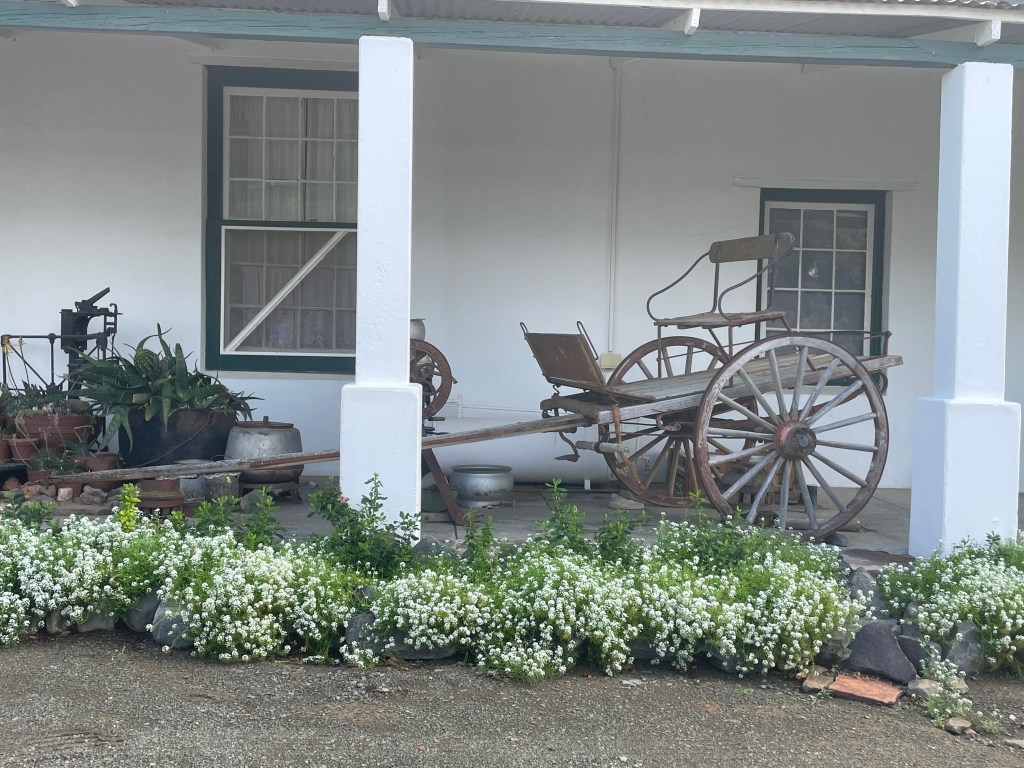
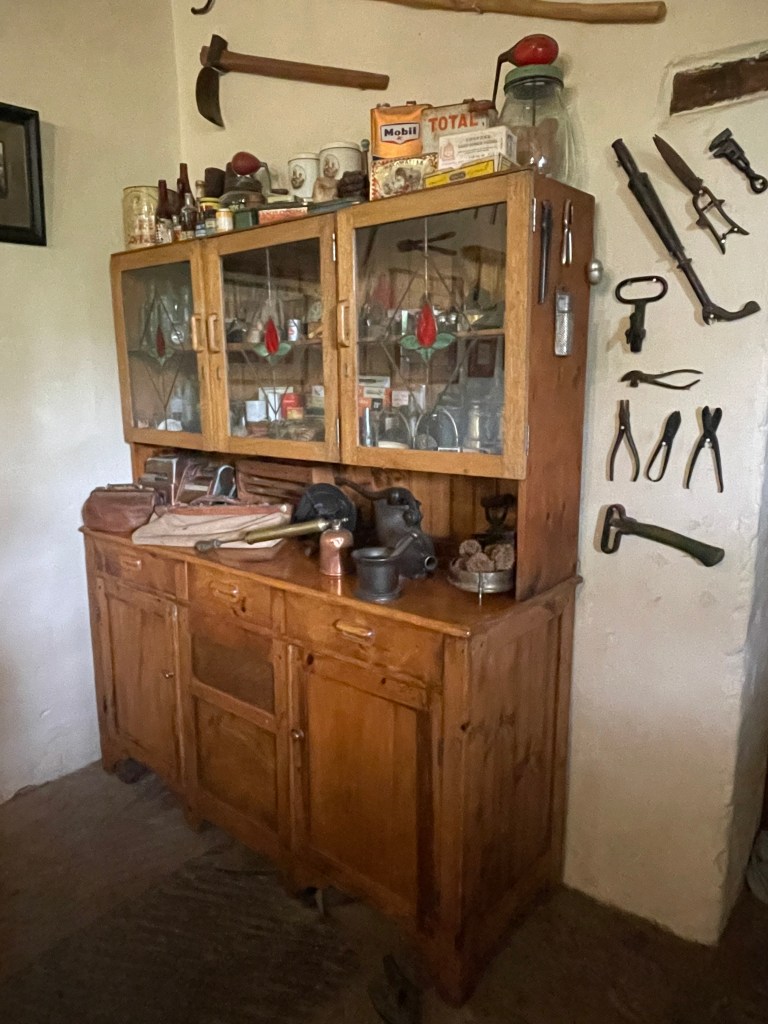
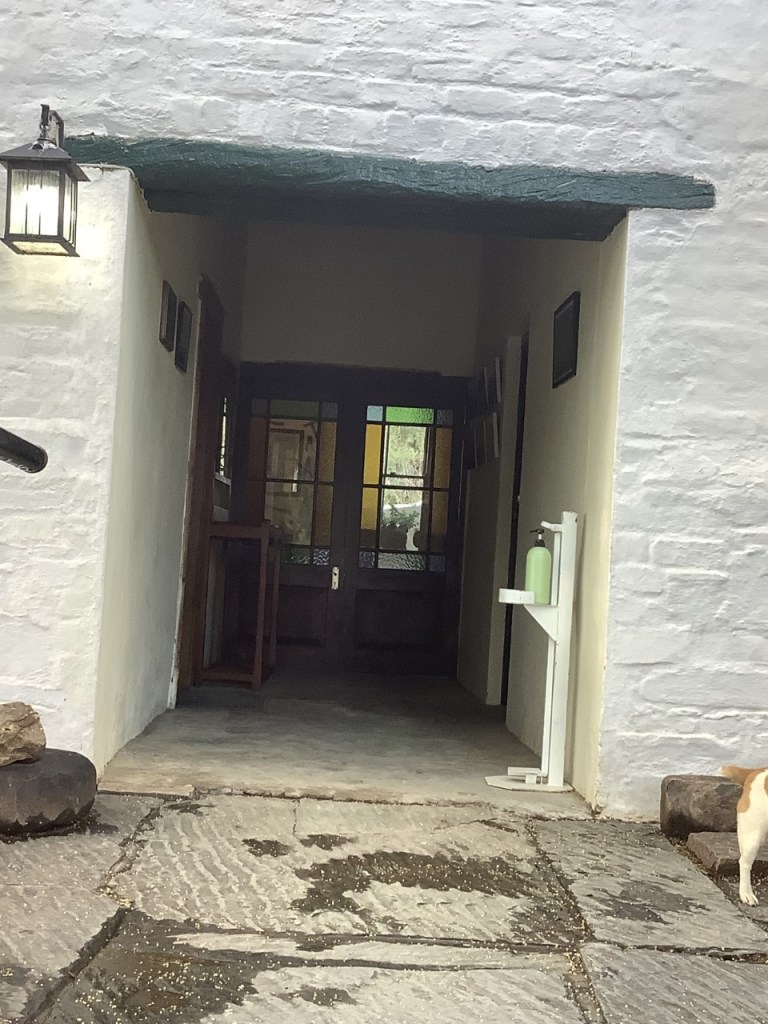
The accommodation at Ganora Farm where we spent the first night of our road trip was lovely. Here are a few pictures of doors and scenes from around the farm:

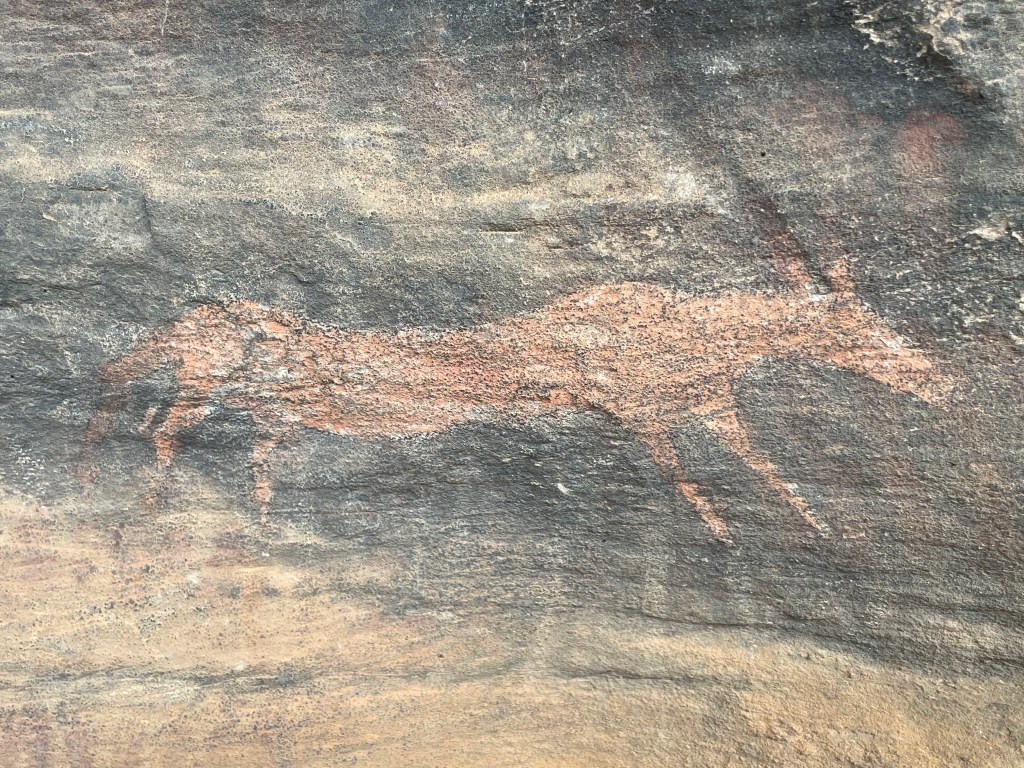
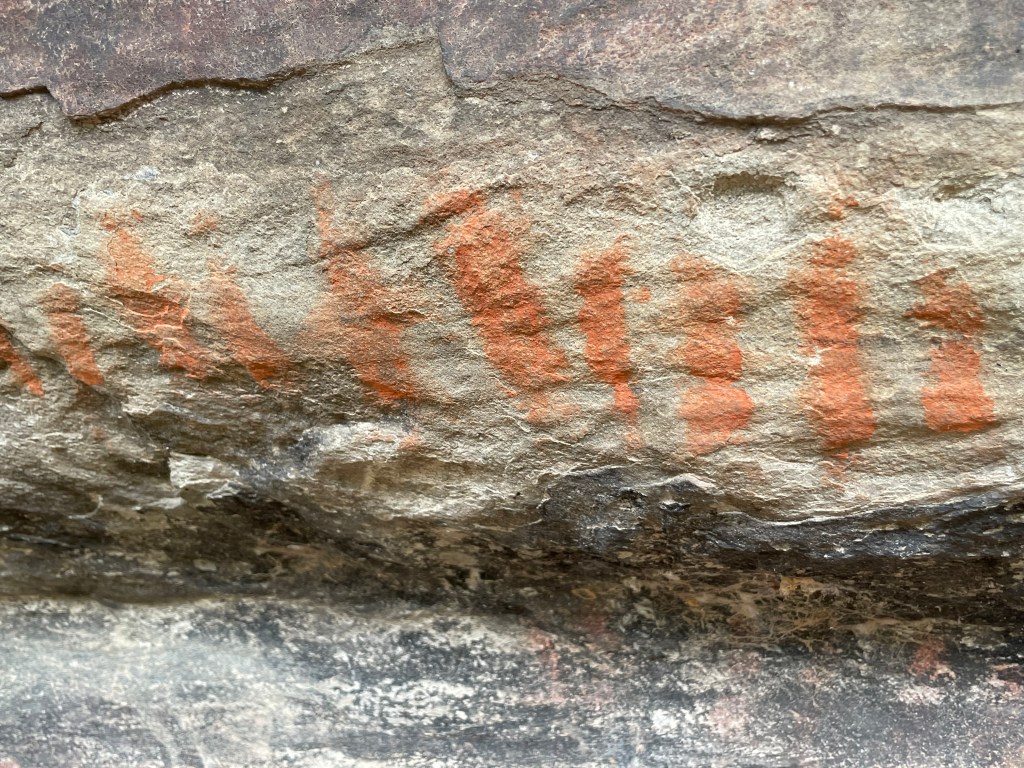
We went on a tour to see the Bushman paintings on the farm. These are a few pictures:

If you’d like to read a bit more about Bushman art, you can do so here: https://writingtoberead.com/2022/01/26/dark-origins-african-myths-and-legends-the-san-previously-bushmen-part-1/

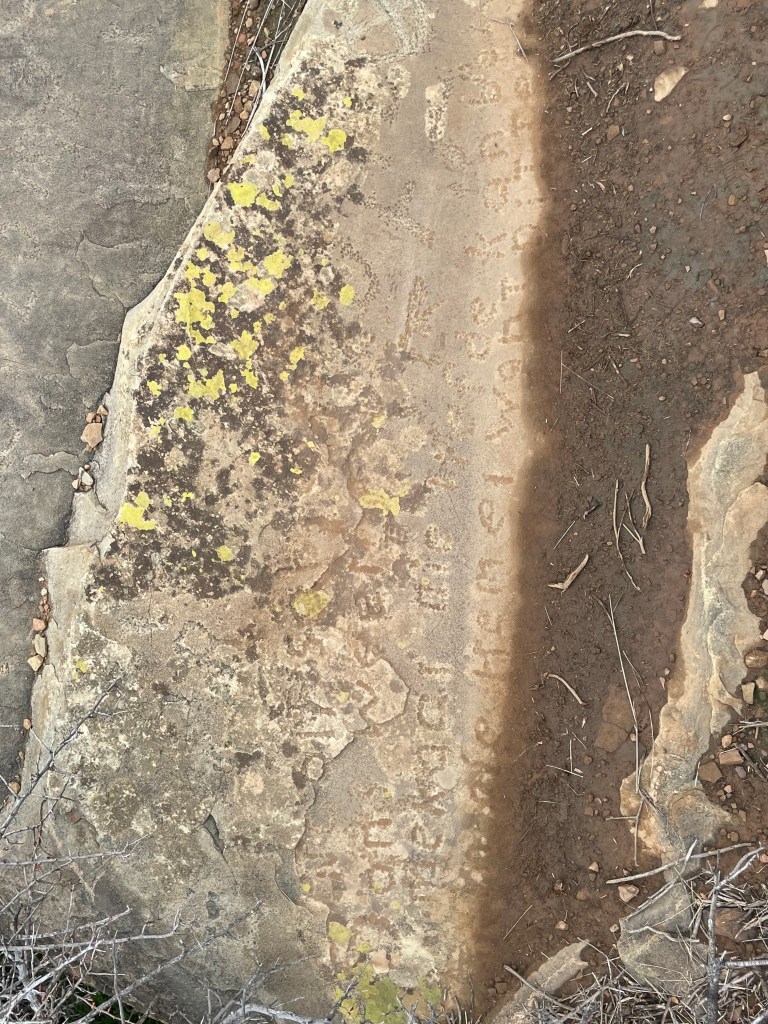
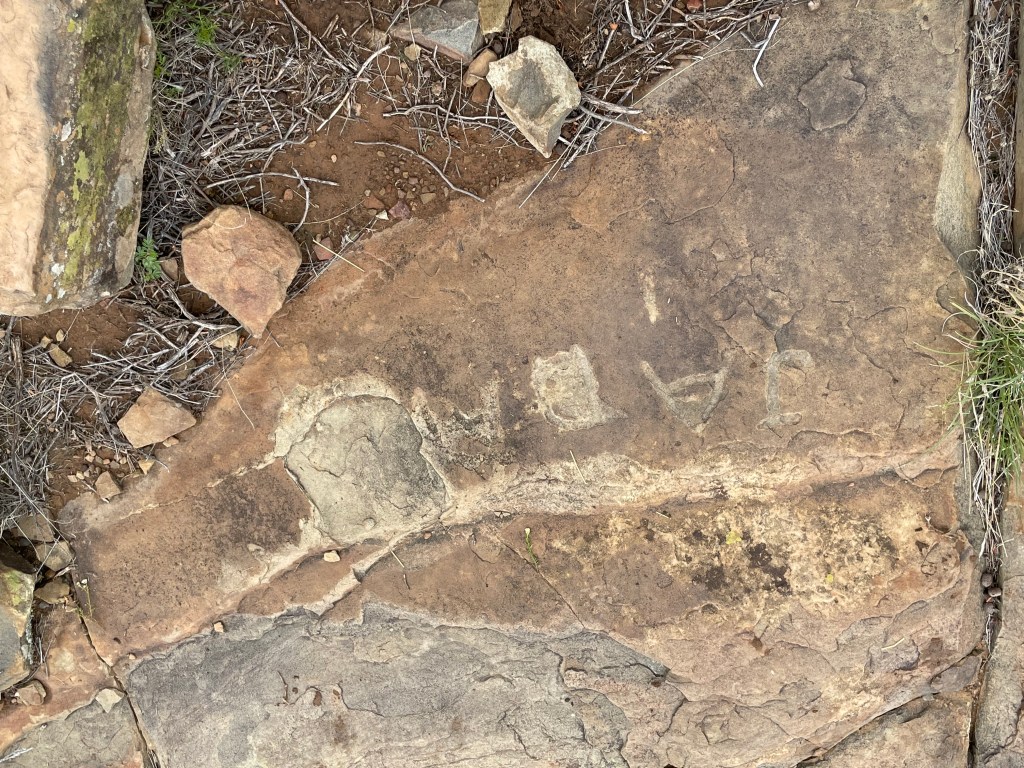
During the Second Anglo Boer war, the family was taken captive by the British. All except one son who escaped and lived under the rocky overhangs on the farm for three months before he to was captured and sent to a prison of war camp. During his time in hiding, he created some etchings which still survive:

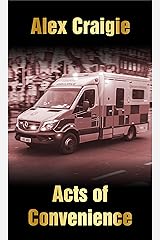
Roberta Writes: Book review – Acts of Convenience by Alex Craigie

Acts Of Convenience Kindle Edition

What Amazon says

Imagine, if you will, a near future where governments adopt policies that suit them rather than the people they were elected to represent.

Imagine a near future where old age and chronic problems are swept away with expedient legislation.

I know; it’s an unlikely scenario.

However, it’s a scenario in which Cassie Lincoln finds herself.

It’s a scenario that compels her to take action.

It’s a scenario that leads to despair and danger. 

My review

As a qualified chartered accountant, I work a lot with statistics and have a good knowledge of economics. As a result of my background and the unfortunate lack of blinkers over my eyes, I could appreciate the horrible economic reasonableness of this unusual dystopian story.

The book starts in the present when a young baby dies on the way to the hospital. This is shocking to the reader because the child dies of an illness that is treatable by antibiotics provided proper healthcare is accessed timeously. It is revealed quite quickly that the seriousness of the baby’s illness and symptoms were underestimated by the NHS staff member who took the mother’s emergency call and an ambulance was not made available. Underfunding and understaffing of the NHS are strongly hinted at as being the root causes of the infant’s death.

The next few chapters continue to set the scene for the dire funding gap faced by the government with regards to healthcare. The baby’s mother, Cass, is revealed to be a nurse working in a NHS hospital and well aware of the strain under which the whole system is operating. The story alternates between insights into discussions between the health and finance ministers and the prime minister about the funding crisis and possible solutions thereto, and Cass’s insights into what is happening in the hospitals and medical world.

New legislation is passed to reduce the burden on the health system. Initially, the changes appear positive and include elective euthanasia for chronically ill and dying patients. The author does an excellent job of showing how acceptance of these small initial steps in acceptance of unnatural death, lead to a change in the general attitude and thoughts of the population about death. Before long, additional legislation is being passed which takes the choice of death out of the hands of elderly and chronically ill people and stage is set for the slow eradication of human rights.

Cass and her family are witnesses to the gradual erosion of the societal beliefs and values they’ve grown up with and instilled in the younger members. Her family members all react differently to what they see happening all about them and all are drawn into a fight against the mass manipulation of the public by the government and return to an autocratic leadership style.

This book has an exciting and tense storyline which will keep you on the edge of your seat, but it was the dystopian setting that really made this book a fantastic read for me. The possibility of solving future economic crisis caused by overpopulation and an aging population that lives much longer than in the past, in this inhumane and legislated way is mind boggling. The fact we know this crisis is imminent, if not already here, makes it all the more frightening.
Congratulations to the author on an excellent and thought provoking book.

Purchase Acts of Convenience

Amazon US

Alex Craigie Amazon Author Page

About Alex Craigie

An image posted by the author.

Alex Craigie is the pen name of Trish Power.

Trish was ten when her first play was performed at school. It was in rhyming couplets and written in pencil in a book with imperial weights and measures printed on the back.

When her children were young, she wrote short stories for magazines before returning to the teaching job that she loved.

Trish has had two books published under the pen name of Alex Craigie. Both books cross genre boundaries and feature elements of romance, thriller and suspense against a backdrop of social issues. Someone Close to Home highlights the problems affecting care homes while Acts of Convenience has issues concerning the NHS at its heart.

Someone Close to Home has won a Chill with a Book award and a Chill with the Book of the Month award. In 2019 it was one of the top ten bestsellers in its category on Amazon.

Book lovers are welcome to contact her on alexcraigie@aol.com

Roberta Writes – Two reviews of my books

For a period last year, I didn’t share reviews of my books to my blog. I thought it might demonstrate a lack of independence if I did so and some of the book distribution platforms are so focused on independence, they sometimes remove genuine reviews.

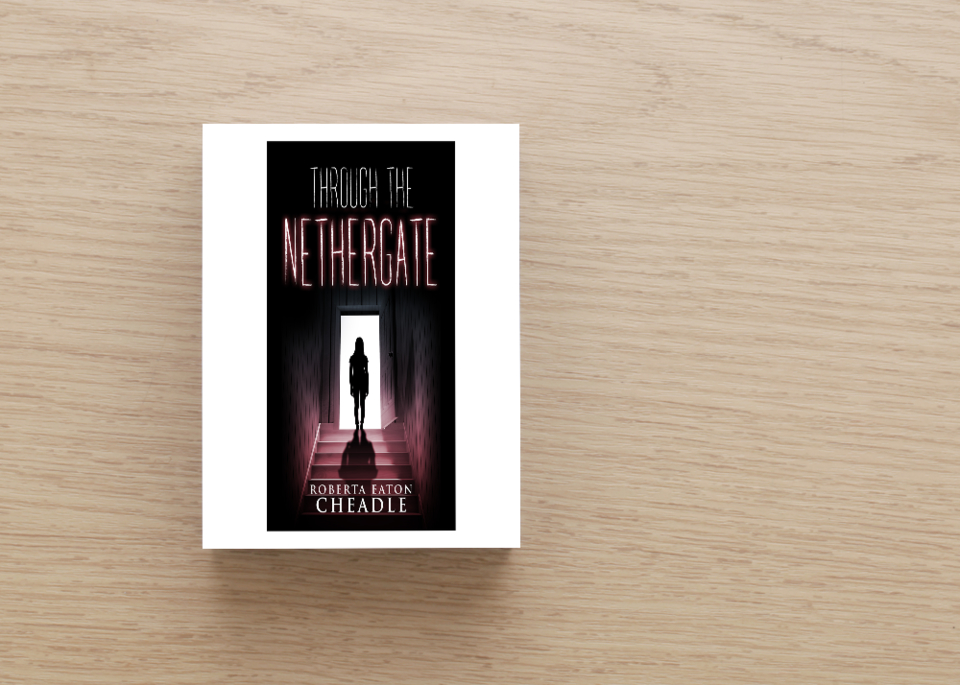
I have changed my mind about sharing reviews and so I am sharing two today, as well as my new YT book trailer for A Ghost and His Gold. I’m also sharing the YT book trailer for Through the Nethergate because I like it.

Through the Nethergate

A lovely review by author and blogger, Teri Polen. Teri has some amazing books in the horror and science fiction genres so take a look around while you are over there:

And here is the video in case you missed it:

A Ghost and His Gold

A wonderful review by author and blogger, Rox Burkey, half of the writing duo Breakfield and Burkey. They have a series of techno thrillers called The Enigma Series and also have a number of lovely short stories. You will find links and details on Rox’s delightful blog:

Here is my smashing new book trailer:

Roberta Writes – Thursday Doors: Ganora Farm – Day 1, floods and fossils

Welcome to Thursday Doors, a weekly feature allowing door lovers to come together to admire and share their favorite door photos from around the world. Feel free to join in on the fun by creating your own Thursday Doors post each week and then sharing your link in the comments below, anytime between 12:01 am Thursday morning and Saturday noon (North American eastern time).

W3C Homepage

You can join in Thursday Doors here: https://nofacilities.com/2022/01/27/revolutionary-wethersfield/

During our recent road trip, our first stop was at Ganora Guest Farm near Nieu Bethesda in the Eastern Cape. I planned an overnight stop here so that we could see the Karoo fossils and Bushmen (San) paintings the area is famous for, as well as some etchings from the Second Anglo Boer War.

You can find out more about Ganora Guest Farm here: https://www.facebook.com/Ganora.Guest.Farm/

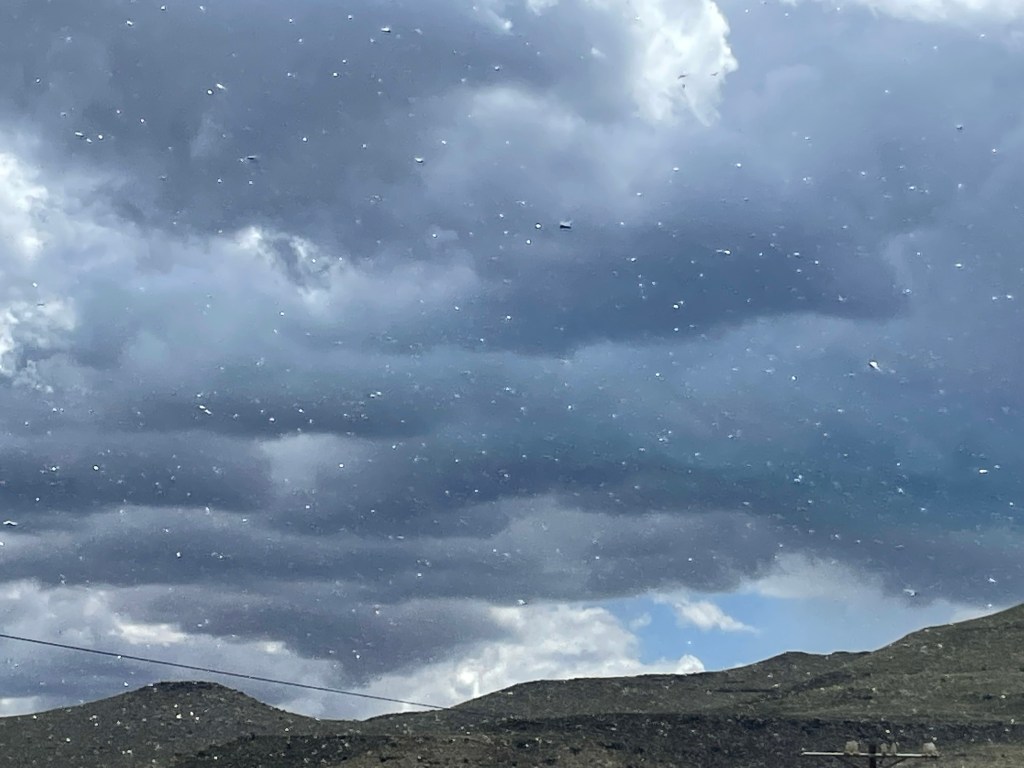
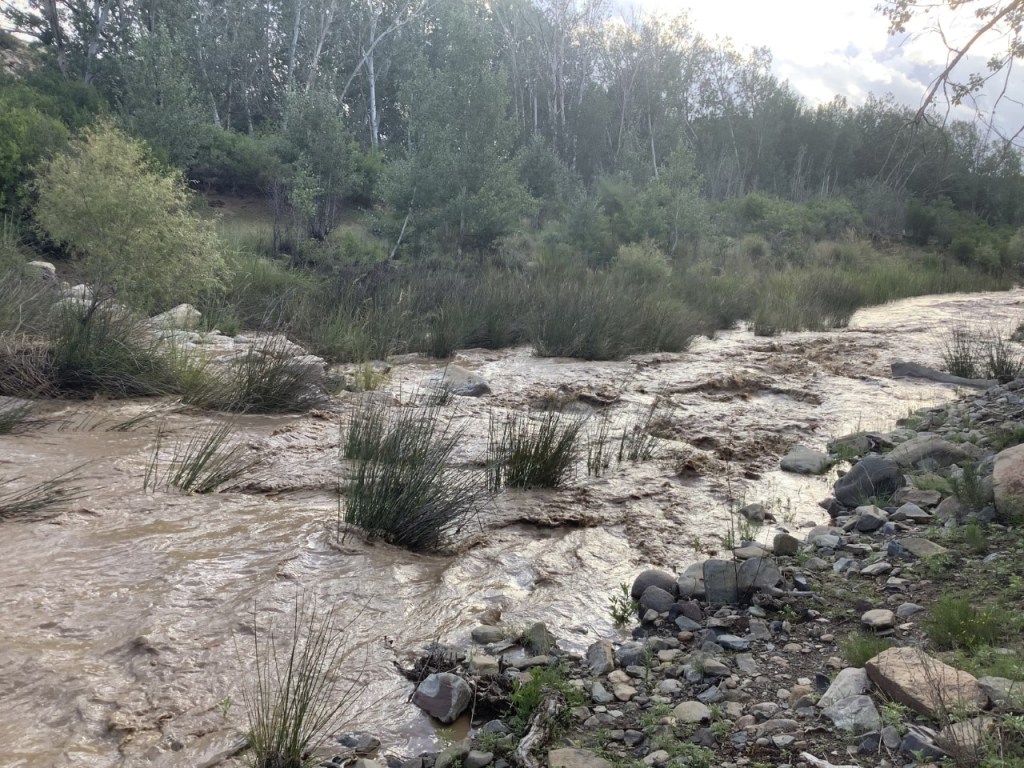
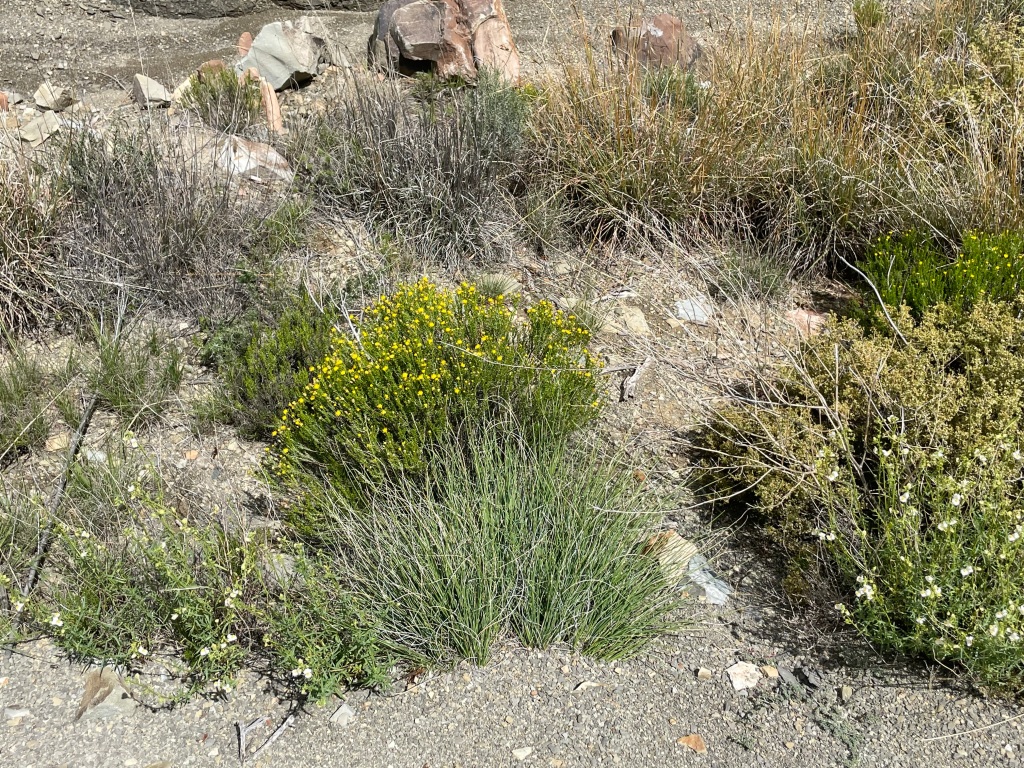
We arrived late in the afternoon on Day 1 of our road trip, after an 8 hour drive from Johannesburg. The area where Ganora Farm is located is called the Groot [Big] Karoo and is semi desert. The region has been getting uncommon amounts of heavy rains and was the greenest I’ve ever seen it. The clouds opened shortly after our arrival at the farm and the torrent of rain caused a flash flood at the nearby rivulet. The owner’s son nearly came unstuck trying to cross the river in his 4 X 4 while it was in flood.

You can hear the rushing water in this short video:

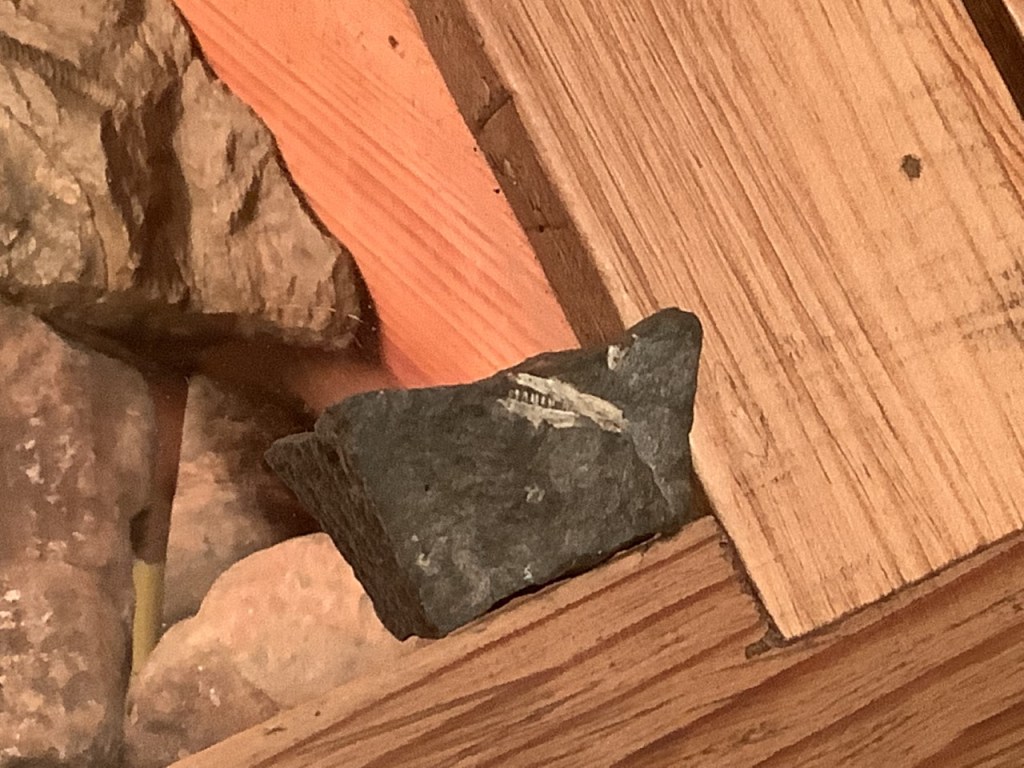
In the early evening, the owner showed us his amazing fossil collection and we listened to a 45 minute talk about the mammal-like reptile fossils of 280 million years ago found in this area. That is a long time before the dinosaurs…

I was invited to take this picture of a meat-eating mammal-like reptile fossil. Just look at those teeth!

Dark Origins – African myths and legends: The San (previously Bushmen) Part 1

Today is my first Dark Origins post of 2022. This year I am focusing on African myths and legends and I hope you enjoy this introduction to the San peoples [previously known as the Bushmen] and one of their mythological stories as well as some rock art. Thanks for hosting, Kaye Lynne Booth.

robertawrites235681907's avatarWriting to be Read

Introduction

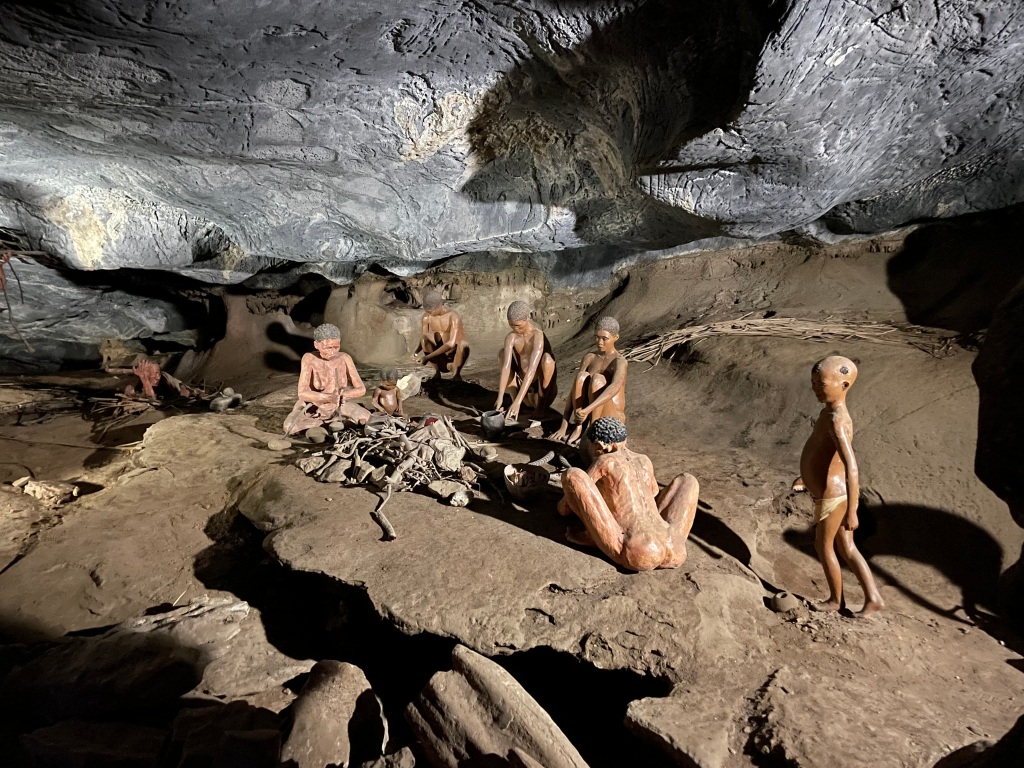
Replica of a San family living in the Cango Caves in Oudtshoorn in the Klein (Small) Karoo. Picture by Robbie Cheadle

The San peoples, previously know as Bushmen, are members of the various Khoe, Tuu, or Kx’a-speaking indigenous hunter-gather cultures which are also the first cultures of southern Africa. The territories of the San peoples include Botswana, Namibia, Angola, Zambia, Zimbabwe, Lesotho, and South Africa.

The hunter-gatherer San peoples are one of the oldest cultures on Earth and are believed to be descended from the first inhabitants of what is now Botswana and South Africa. The San were traditionally semi-nomadic as they moved seasonally within certain defined areas based on the availability of water, game, and edible plants. The areas occupied by the San were semi-desert or desert areas, including the Kalahari Desert.

View original post 586 more words

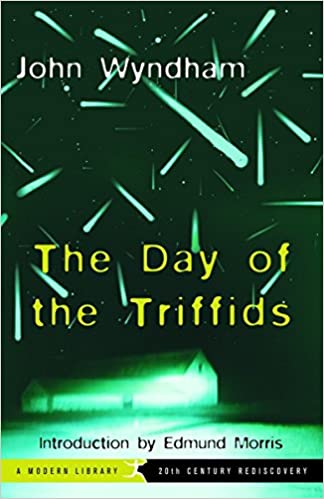
What’s That Book? The Day of the Triffids by John Wyndham

I am over at Book Club Mom’s blog for her What’s that book series with a post about The Day of the Triffids by John Wyndham. Thank you for hosting me, Barbara. If you don’t know Barbara, she shares lovely posts and YouTube videos about all sorts of interesting books and also interviews with Indie authors. Head on over and take a look around.

Book Club Mom's avatarBook Club Mom

Hi Everyone! Today I’d like to welcome Robbie Cheadle, today’s contributor to What’s ThatBook. Thank you, Robbie!

Title: The Day of the Triffids                                      

Author: John Wyndham

Genre: Science Fiction

What’s it about? I read The Day of the Triffids by John Wyndham as a young teenager and I was completely intrigued by this story. I re-read a few years ago when I went through a John Wyndham phase and read all his books, some for the first time and some for the second.

The Day of the Triffids still fascinates me. It is the story of a man who, by sheer good luck, ends up one of the few sighted people left in the world. The story begins with Bill Mason in hospital recovering from eye surgery. The day has begun most extraordinarily with the nurses not doing their…

View original post 647 more words

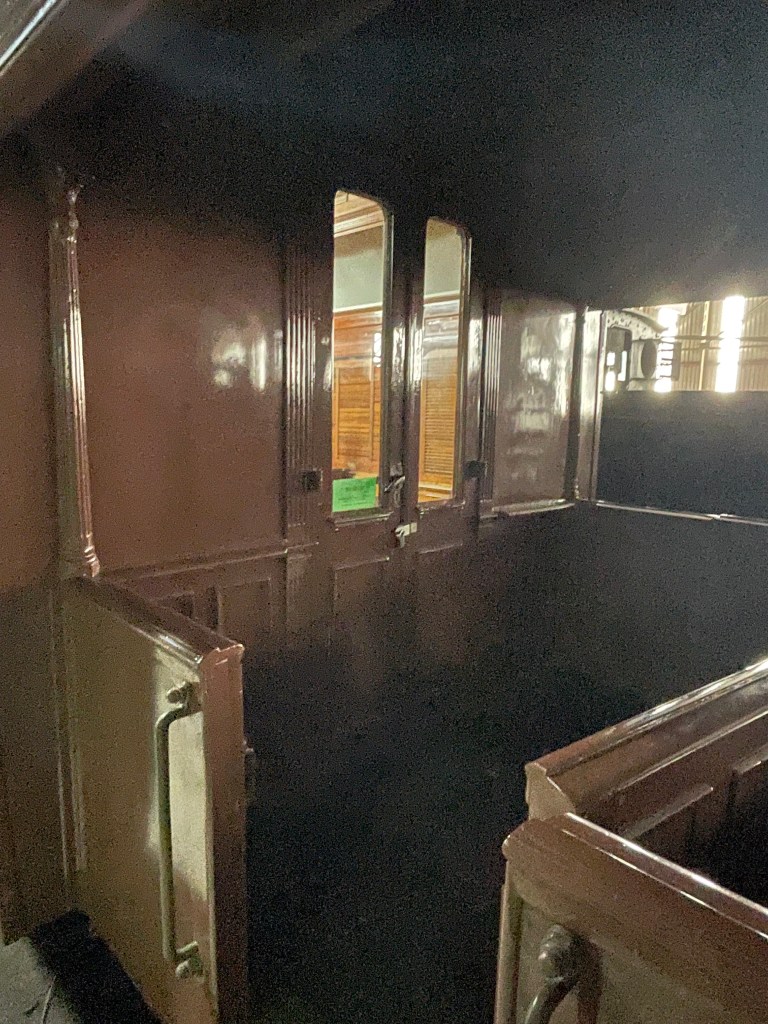
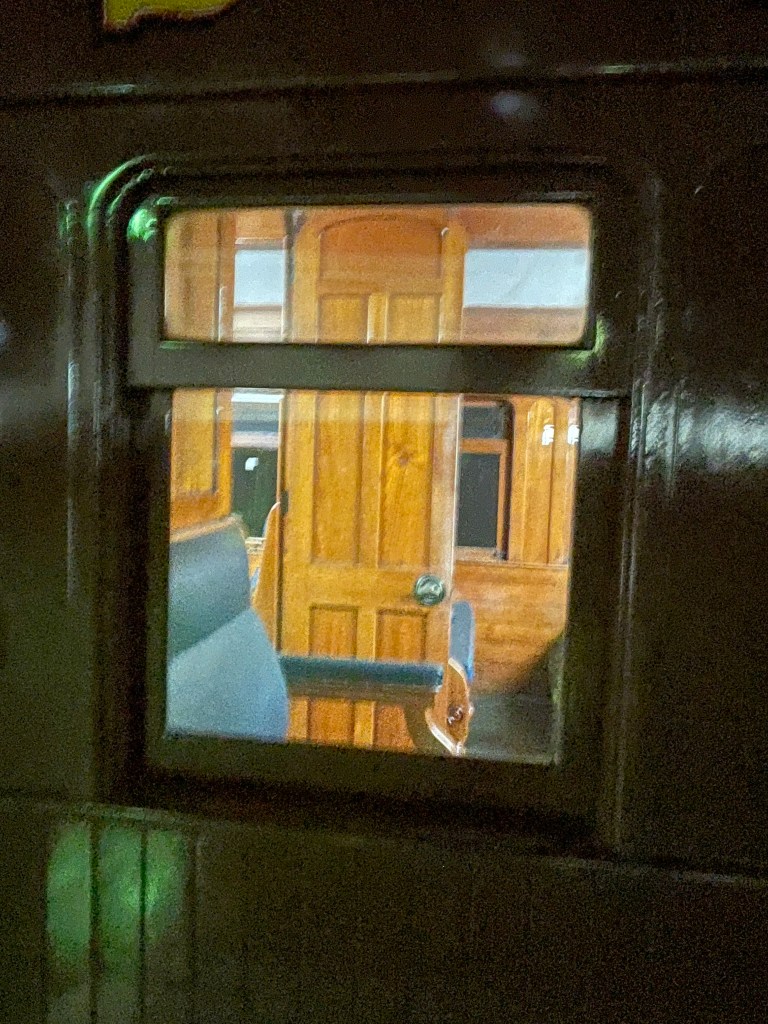
Thursday Doors – Outenique Transport Museum: A train called ‘Roos’

Welcome to Thursday Doors, a weekly feature allowing door lovers to come together to admire and share their favorite door photos from around the world. Feel free to join in on the fun by creating your own Thursday Doors post each week and then sharing your link in the comments below, anytime between 12:01 am Thursday morning and Saturday noon (North American eastern time).

You can join in Thursday Doors here: https://nofacilities.com/2022/01/20/old-wethersfield-business/

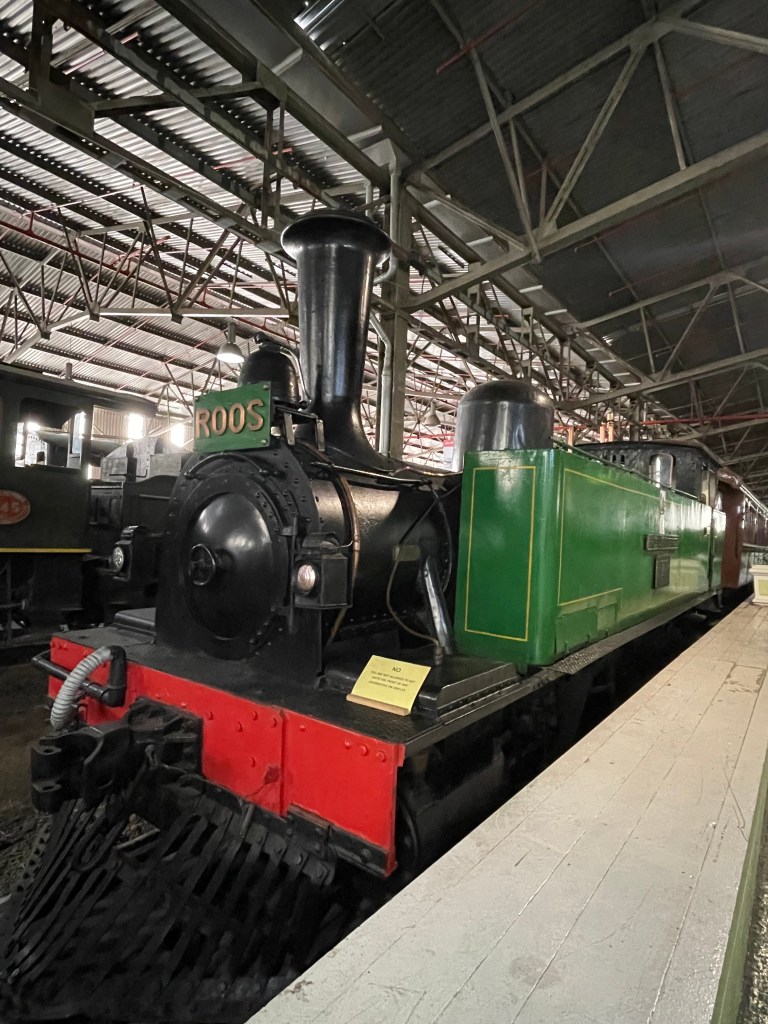
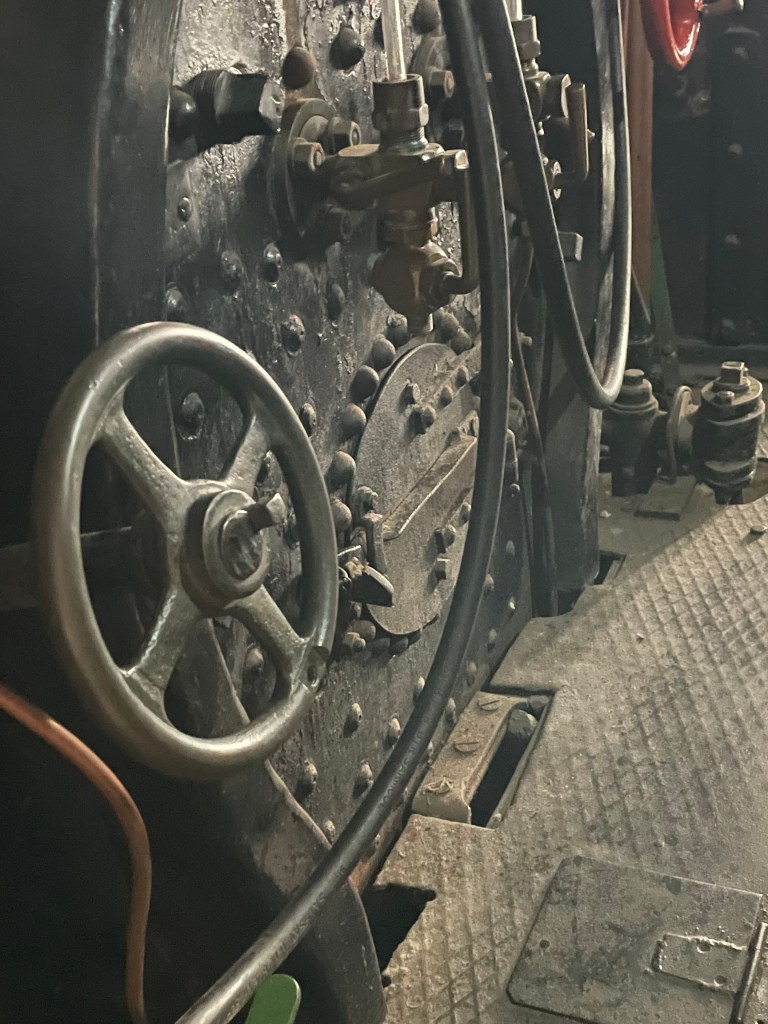
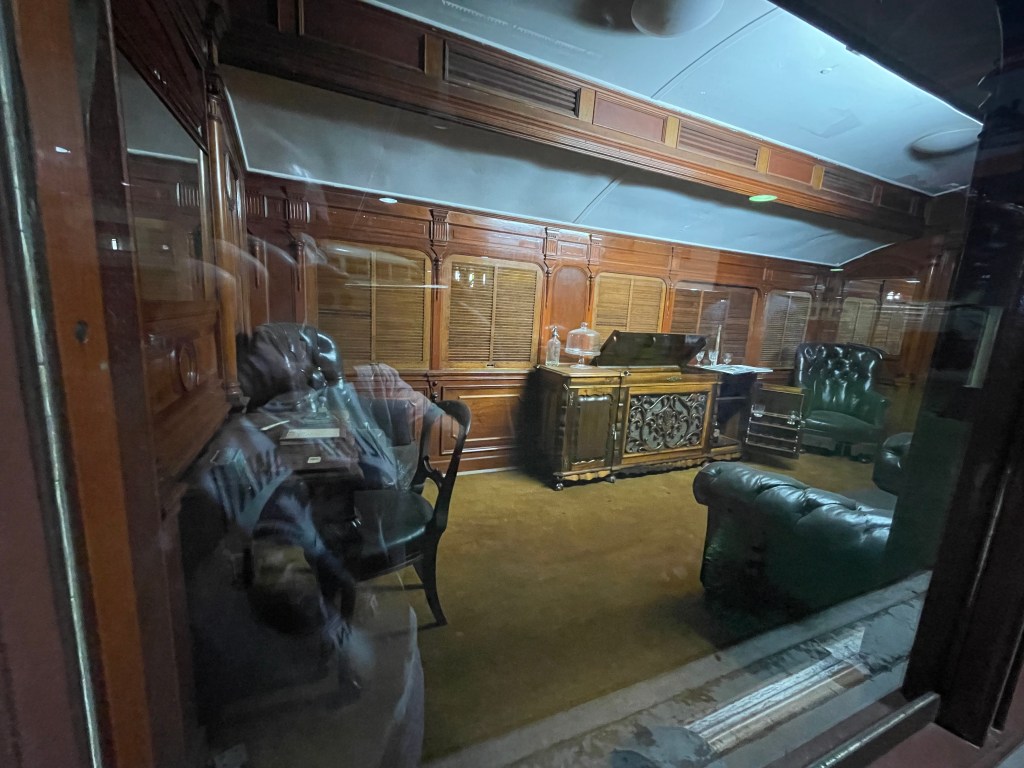
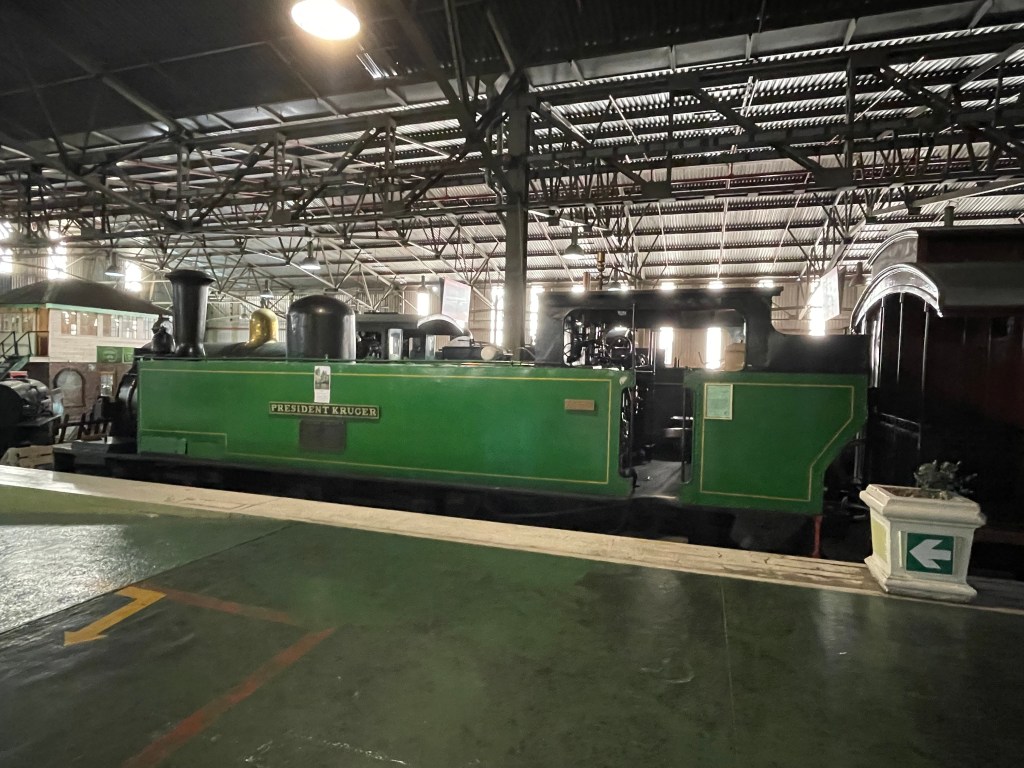
The train known as ‘Roos’, was built by Emil Kessler of Esslingen, Germany, in 1893. She was assembled in East London and worked for the Cape Government Railways on the line between Cape Town and Johannesburg. It is believed that she was used on the Pretoria – Johannesburg line during 1894.

Between 1 January 1895 and 1899 when the Second Anglo Boer War broke out, Roos is believed to have worked the Pretoria – Delagoa Bay line.

On the 17th of August, 1970 the Pretoria – Delagoa Bay railway line, which had been so important to President Kruger and the Transvaalers in their struggle for independence against Britain, celebrated it’s 75th anniversary. The ‘Roos’ was used to haul a special train from Waterval Onder to Waterval Boven. She was temporarily renamed ‘President Kruger’ for this commemorative trip.

In my book A Ghost and His Gold, about the Second Anglo Boer War, President Kruger, affectionately know as Oom Paul, would have fled Pretoria before the fall of the city, in a train just like ‘Roos’ as depicted in this short extract:

May 1900
Oom [Uncle] Paul’s deep-set eyes were underscored by pouches of dark, bruised-looking flesh and new deep lines had etched themselves into the skin of his face.

“Pieter, I’m confiding in you as one of my most loyal and trusted citizens. The government has decided not to defend Pretoria against the Khakis. I’m preparing to leave the city shortly with several my advisors. We’ll establish a provisional capital in Machadodorp.”

“Why has this decision been made, Oom Paul? We have our four forts that were specifically built to defend the city. Why are they not going to be used?”

Oom Paul’s shoulders slumped, and his large frame seemed to crumple momentarily. Then he pulled himself upright and straightened his shoulders. “The government fears that the British will destroy all our beautiful buildings in a bombardment if we attempt to defend the city. For this
reason, we have decided to abandon the city, as was done with Bloemfontein. Johannesburg will not be defended for the same reason and is expected to fall imminently.”

Pieter thought it was a strange decision, but he smiled at the elderly president. “I understand, what do you need of me?”

“I want you to take this, Pieter,” Oom Paul said, pointing to the two heavy sacks on the floor. “The Boers in your area will need it to rehabilitate themselves after the war, whatever the outcome.”

Whatever the outcome. Those are not the words of a man confident of victory.

“Thank you, Oom Paul.”

Two days later, on the 29th of May, Oom Paul had left Pretoria, travelling by train to Machadodorp, which was on the line to Delagoa Bay in neighbouring Mozambique. When it became known a day later that the government had left the city, rumours started to spread among the Pretorians and to the Boers living on the surrounding farms.

One rumour was that the President had made a secret deal with Lord Roberts to hand the city over to him in exchange for a huge financial reward. Pieter had scoffed at that one. The second rumour did not seem to be as groundless.

It was said that the President had taken all the gold from the National Bank with him when he left. This rumour led Pieter to reflect on the sacks that Oom Paul had given to him and to wonder if the Kruger coins they contained had come from the National Bank. He thought that they did.

What’s happened to the rest of the gold? Oom Paul must have given some to other Burghers and not just too me. It’s worth a fortune.

Roberta Writes – Book Review: Testament of Youth by Vera Brittain

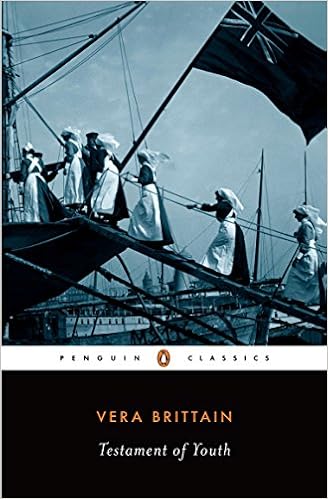
Sally Cronin from Smorgasbord Blog Magazine introduced me to Vera Brittain, a feminist, writer, and poet, who lived through WW1 and lost her fiancé, brother, and two close friends. My own great aunt never married after losing her fiancé during WW1, so Vera’s feelings of loss and displacement after the war gave me a lot of insight into how many women must have felt whose lives were scarred by the Great War and who lived among youngsters who hadn’t experienced its devastation in such a personal way.

You can listen to Sally’s recital of Vera’s poem THE SUPERFLOUOUS WOMAN here: https://smorgasbordinvitation.wordpress.com/2021/11/10/smorgasbord-blog-magazine-poetry-rewind-in-remembrance-the-war-poets-vera-brittain-by-sally-cronin/

It was a stroke of good luck for me to discover Vera Brittain as she wrote the most comprehensive depiction of WW1 from a female perspective that is available. I wasted no time in grabbing a copy of Testament of Youth by Vera Brittain and here is my review:

My review

Testament of Youth is a compelling depiction of a young English woman’s life during the war years from 1914 to 1918. The book is a memoir of Vera’s personal experiences and includes snippets of letters to and from her fiancé, Roland Leighton, her brother, Edward Brittain, and her friends, Victor Richardson, and Geoffrey Thurlow, and extracts from her diary.

For me, one of the best aspects of this book is that it starts well before the war and describes in detail her childhood and girlhood growing up in a middleclass household in Buxton, Derbeyshire. The society in which Vera grew up was still that of the ultra conservative Victorian era and female children were raised to take their places as wives and husbands.

Vera includes her memories of the eventual successful ending by the British troops of the siege of Mafeking in South Africa during the Second Anglo Boer War and the celebrations throughout England when that conflict was resolved with victory for Britain in 1902. This was particularly interesting to me as a South African, and it helped me contextualise the attitudes of British society at the time and how the events that unfolded were perceived from a British context rather than a South African one.

Vera is sent away to boarding school in Surrey when she is 13. The school was run by her aunt and prepared girls for their future roles in English middle-class society. They are educated but were not prepared for a transition to University or any other tertiary educational institution. She is an excellent student with a passion for learning and literature. After she finishes school she is bored and discontent at home in Buxton and partitions her father to pay for her to attend Somerville College, a newly established college for women at Oxford University.

Vera’s struggles to get her family to recognise her talents and ambitions were as important a part of this story as the effect of the war on her life. She was a leader in the education of women in the UK and pushed against the social currents of the time to achieve her ambitions. Having finally achieved her objectives of going to Oxford along with her brother and his friends, the war entered all their lives and everything changed.

Vera became romantically involved with one of her brother’s school friends, Roland, who was also a great scholar with literary ambitions, but their romance was interrupted by the event of the war. Roland, Edward, and most of their friends enlisted and Roland was quickly sent to France.

Having completed her first year at Oxford, Vera decides to delay her degree and to take a job as a Voluntary Aid Detachment (“VADs”). Her motivation for this decision was wrapped up in the fact that all the men in her life were fighting in the war and she wanted to be part of it and do something useful for the war effort.

The detail of the experiences of her fiancé, brother, and friends in this war are depicted in some detail in the book and are sad and emotional. Her own life, working in a horrible position in a hospital as a VAD and being mistreated by some of her superiors who resented the intrusion of the VADs, and taking comfort in the letters she received from the front graphically illustrates the awful waiting the female and aging population of Britain experienced at the time. Notification of the deaths of loved ones often didn’t come for a few days afterwards. Vera’s planned leave to meet up with Roland for Christmas and his non-arrival because he was killed on the 23rd of December illustrated this very poignantly.

Her struggle to cope with the news of Roland’s death and find purpose for her life are very real and she resolves her internal conflict by volunteering to work abroad. Vera is sent to Malta and spends several months working in a hospital there. Once again, the narrow moral ideas of the time are highlighted when an unidentified VAD is seen in a compromising position with a young man, but manages to escape identity. The entire staff of VADs are interviewed and the disgrace the wayward VAD has brought upon them all is highlighted above all else despite the devastation and destruction that is taking place all around them.

Vera goes on to lose both her friends in different battles and works as a VAD near the Western Front in France for some time. The details of the shelling, gassed and disfigured patients, and on-going peril are vivid and compelling. The descriptions of the American soldiers and how they appeared to the war-weary VAD’s were also interesting. They are described as being big men and full of confidence. The German prisoners of war are also treated by Vera while she is in France and they are described as being gray and weary and the same as the British and French injured and dying.

Vera’s brother is killed in action near the end of the war and it is a devastating and disillusioning experience for her.

When the war finally ends, Vera must decide how to pick up the threads of her life. She decides to return to Oxford and study history. Her experiences with the younger generation of students who have not suffered the same loses as a result of the war, and her resulting bitterness, as well as her own PTSD symptoms are well described. My heart broke for her as she felt so unwanted and displaced. Fortunately, Vera was a strong character and she managed to rise above it all and become great friends with Winifred Holtby.

The last section of the book is devoted to Vera’s successful life after the war and how she learns to deal with the pain of her loss and move on to the extent possible. She has a successful career and also gets married and has two children.

For readers interested in WW1 and its impact on the civilian and female population, this book is a must read.

A few quotes from Testament of Youth

“How fortunate we were who still had hope I did not then realise; I could not know how soon the time would come when we should have no more hope, and yet be unable to die”

***

“To my amazement, taut and tearless as I was, I saw him hastily mop his eyes with his handkerchief, and in that moment, when it was too late to respond or to show that I understood, I realised how much more he cared for me than I had supposed or he had ever shown. I felt, too, so bitterly sorry for him because he had to fight against his tears while I had no wish to cry at all, and the intolerable longing to comfort him when there was no more time in which to do it made me furious with the frantic pain of impotent desire.

And then, all at once, the whistle sounded again and the train started. As the noisy group moved away from the door he sprang on to the footboard, clung to my hand and, drawing my face down to his, kissed my lips in a sudden vehemence of despair. And I kissed his, and just managed to whisper ‘Good-bye!’ The next moment he was walking rapidly down the platform, with his head bent and his face very pale. Although I had said that I would not, I stood by the door as the train left the station and watched him moving through the crowd. But he never turned again.”

***

“It is quite impossible to understand,’ I commented afterwards, ‘how we can be such strong individualists, so insistent on the rights and claims of every human soul, and yet at the same time countenance (and if we are English, even take quite calmly) this wholesale murder, which if it were applied to animals or birds or indeed anything except men would fill us with a sickness and repulsion greater than we could endure.”

If you would like to read more about the war poets, my Treasuring Poetry post, Robbie Cheadle discusses the war poets, is available here: https://writingtoberead.com/2022/01/19/treasuring-poetry-2022-robbie-cheadle-discusses-the-war-poets/

About Roberta Eaton Cheadle

Roberta Eaton Cheadle is a South African writer and poet specialising in historical, paranormal, and horror novels and short stories. She is an avid reader in these genres and her writing has been influenced by famous authors including Bram Stoker, Edgar Allan Poe, Amor Towles, Stephen Crane, Enrich Maria Remarque, George Orwell, Stephen King, and Colleen McCullough.

Roberta has short stories and poems in several anthologies and has 2 published novels, Through the Nethergate, a historical supernatural fantasy, and A Ghost and His Gold, a historical paranormal novel set in South Africa.

Roberta has 9 children’s books published under the name Robbie Cheadle.

Roberta was educated at the University of South Africa where she achieved a Bachelor of Accounting Science in 1996 and a Honours Bachelor of Accounting Science in 1997. She was admitted as a member of The South African Institute of Chartered Accountants in 2000.

Roberta has worked in corporate finance from 2001 until the present date and has written 7 publications relating to investing in Africa. She has won several awards over her 20-year career in the category of Transactional Support Services.

TSL Books Page

Lulu.com

Amazon Author Page