Welcome to Thursday Doors, a weekly feature allowing door lovers to come together to admire and share their favorite door photos from around the world. Feel free to join in on the fun by creating your own Thursday Doors post each week and then sharing your link in the comments below, anytime between 12:01 am Thursday morning and Saturday noon (North American eastern time).
During our visit to Ghost Mountain we went on a tour of the local community. The guide was a conservationist and explained the issues the community is facing due to the dry conditions resulting in water shortages, lack of maintenance of chemical toilets in the schools, and issues with alien plants that are spreading like wildfire and which poison the cattle if consumed.
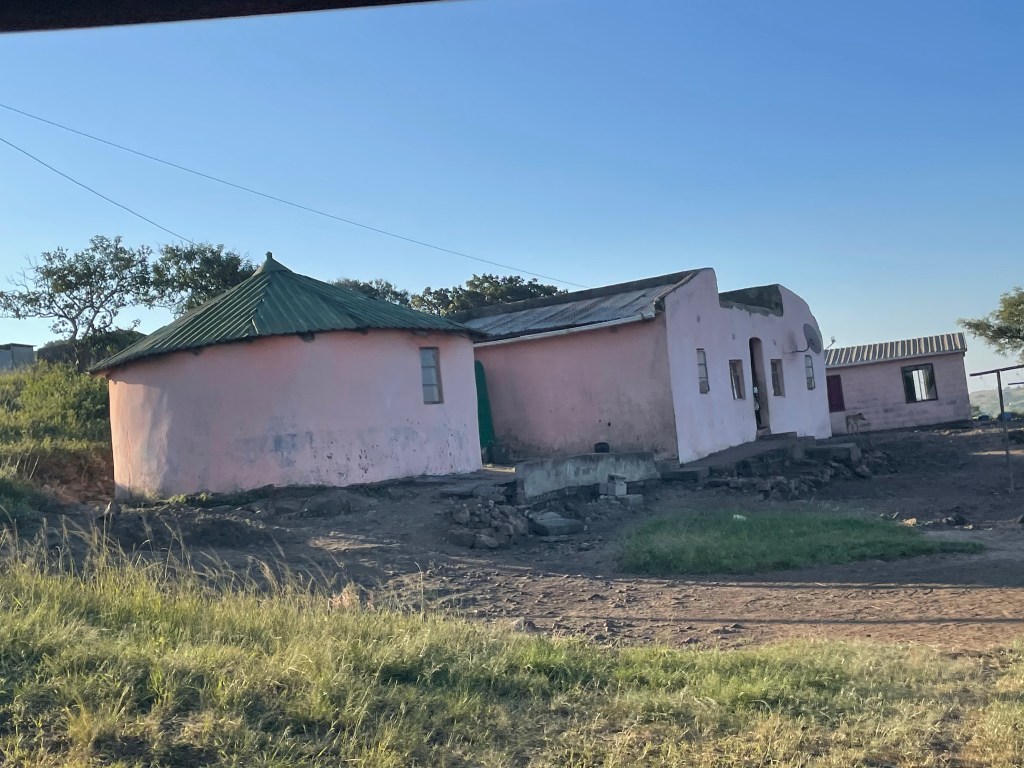
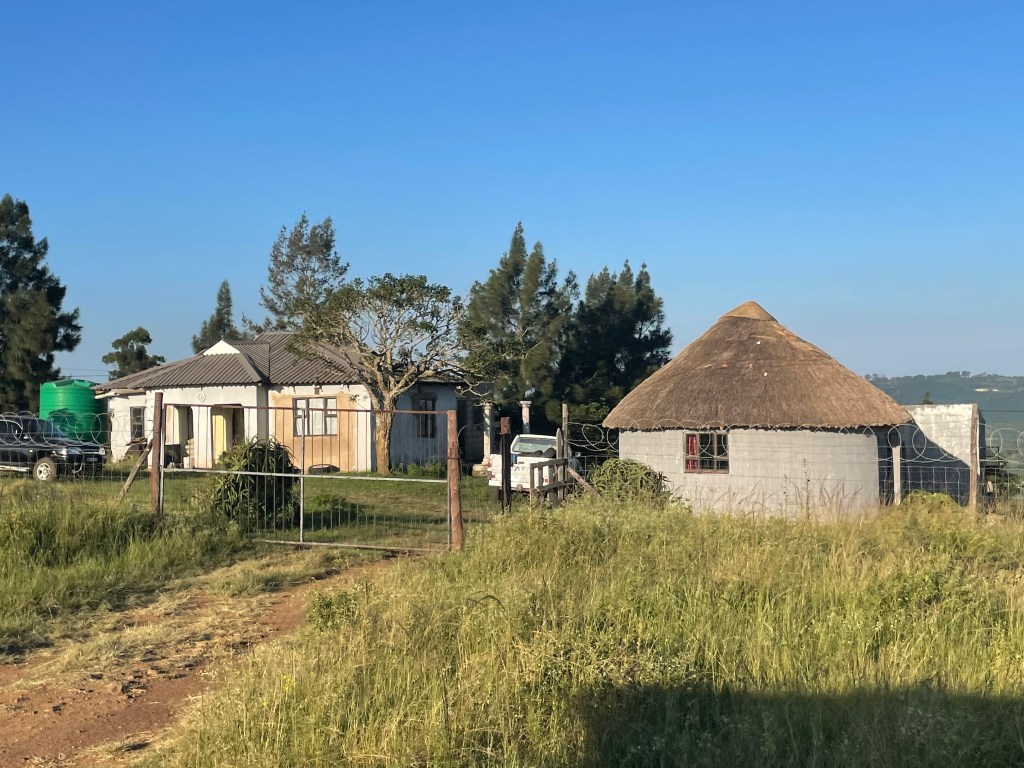
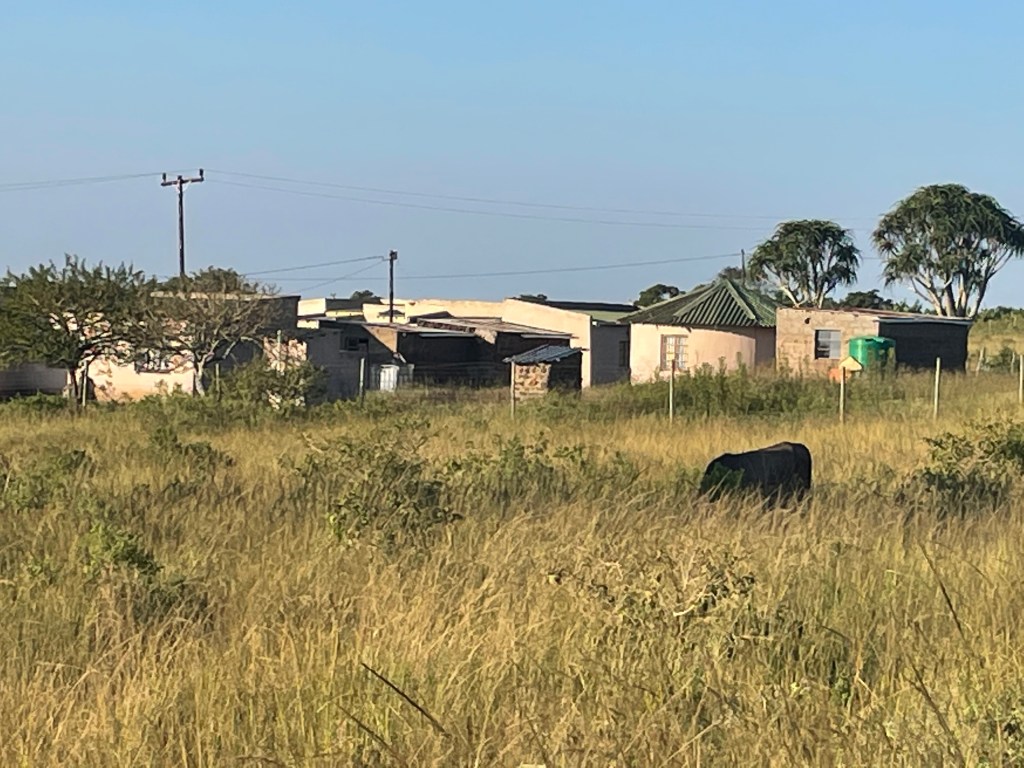
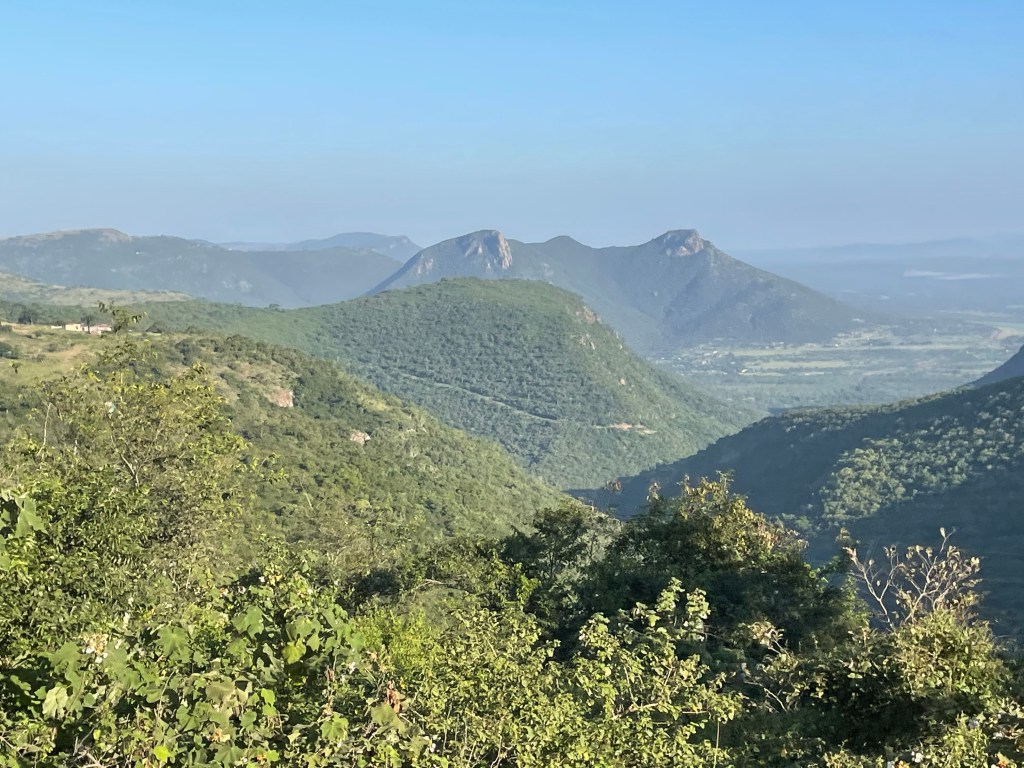
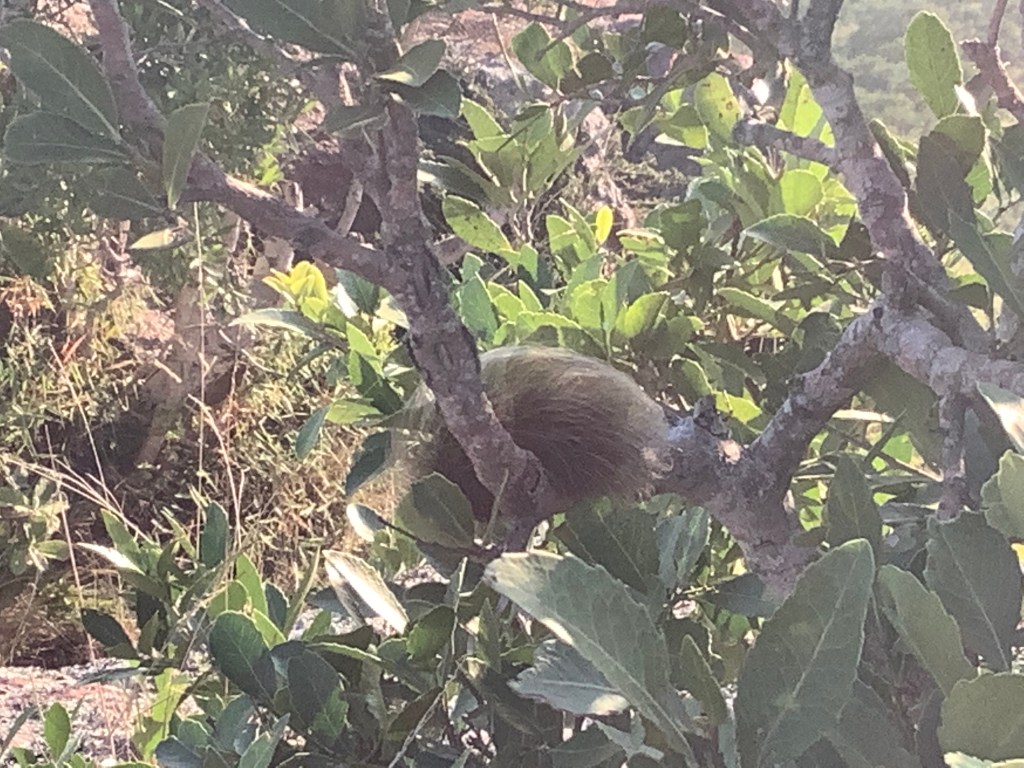
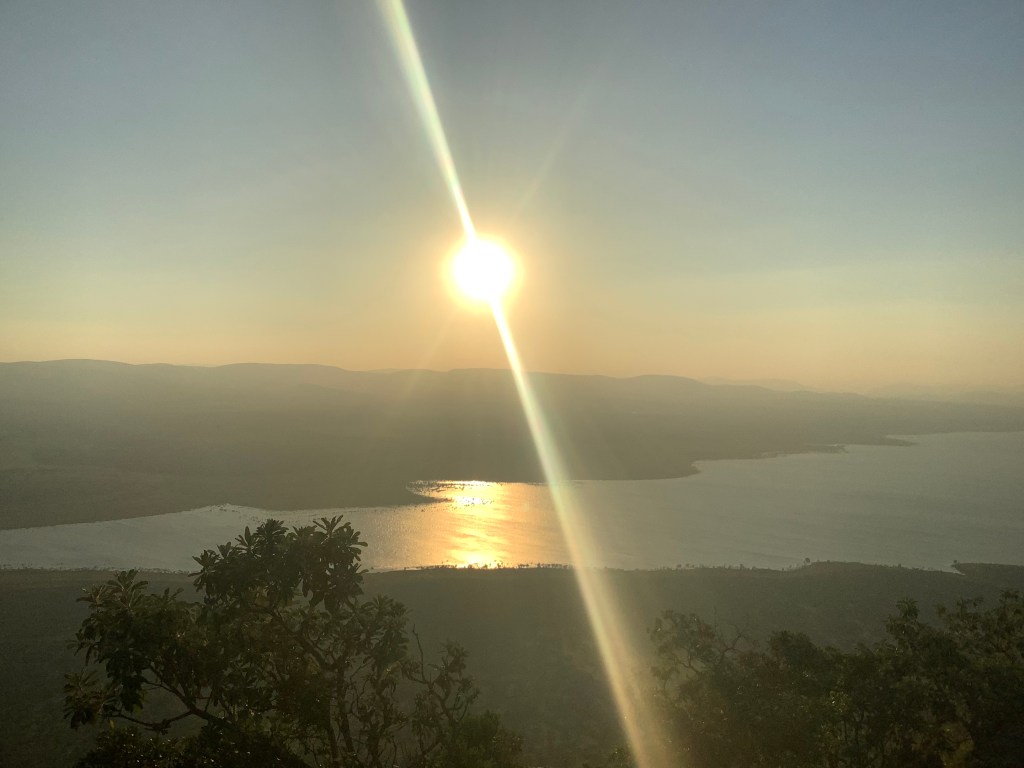
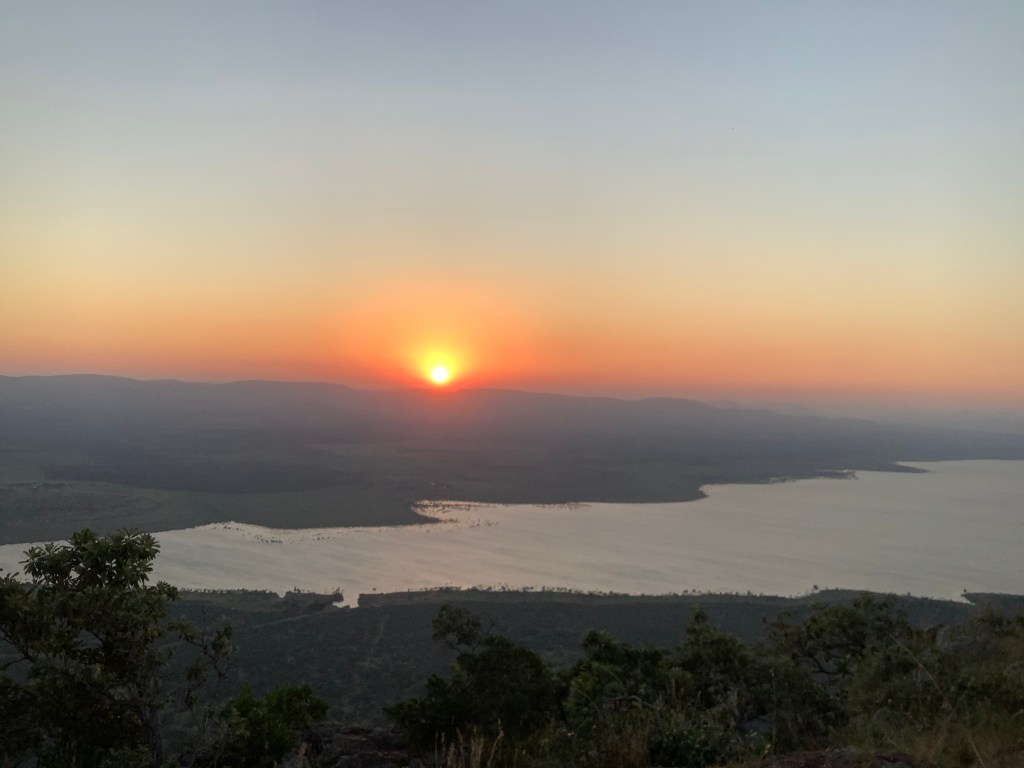
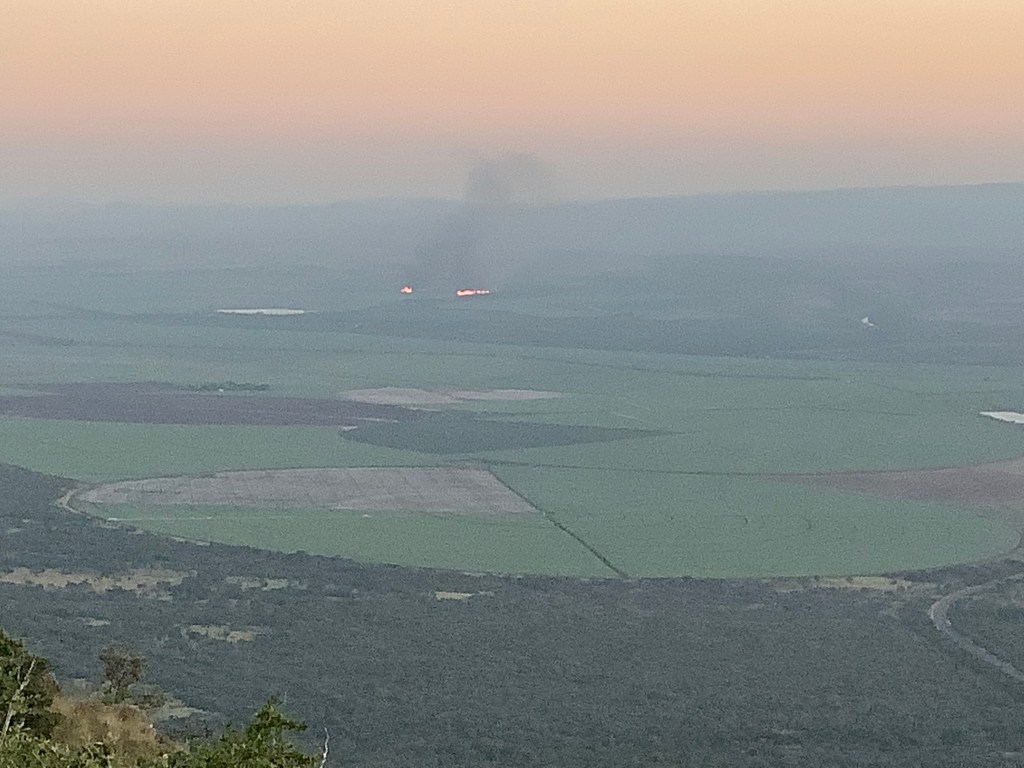
Picture of various houses and their doors in the community. Many of the residents are involved with the communal cattle raising projects or work in the leisure and tourism industry. Over this Covid-19 period, the community has been hard hit with job losses.View from the road going up the mountain. You can see Ghost Mountain in the distance.Giant caterpillar – the hairs are poisonousSunset over the Pongolapoort DamSunset – a bit more advanced – over the Pongolapoort DamBurning the sugarcane plantation to get rid of foliage, snakes and cane rats.
Do pets (or other animals) play an important part in your books? Tell us about them.
Of course they do, pets and animals are a part of our world and they come into my books quite naturally.
How animals and pets are included in my books differs, depending on the book.
Pets and animals can be used to demonstrate certain qualities and personality traits in characters. For example, in my book for older children, While the Bombs Fell, the reader knows that little Elsie loves animals from the way she behaves, as illustrated by this short paragraph:
“The morning after the birth, Elsie would rush to go and see the newborn calf and any other calves in the calf shed. She thought the tiny calves were pretty with their dark brown eyes and soft noses. She used to visit the calves and, if she put her hand out towards one, that calf would suck on her fingers. The strong sucking sometimes gave her a bit of a fright as she struggled to pull her hand free, but it didn’t stop her from repeating this fun over and over again.”
Animals can also be a way of showing the occupation of the characters. The father in While the Bombs Fell is a farmer and the importance of the well being of his livestock is illustrated by this paragraph from the same chapter:
“Quickly, the weaning of the calf off its mother’s milk and onto a mixture of special calves feed, mixed with water, began. Calves ate this diet until they were old enough to be sold. Father cared for the calves well because they were valuable and, when sold, helped feed the family.“
Animals can also be used for scene setting. Certain animals, like black cats, have a reputation for being associated with witches and evil. In my young adult book, Through the Nethergate, I have used a cat to increase the tension of certain settings and scenes.
“Margaret didn’t see the cat lying on the sixth riser from the top. She tripped, grabbing hold of the banister to save herself.
On reaching the top of the stairs, Margaret stood for a moment, breathing heavily. The strange vision in the cellar, combined with the cat on the stairs, had scared her. Adrenalin pumped through her body. It made everything seem sharply focused and almost over bright.
The cat stood up and stretched. It sauntered past Margaret, brushing against her ankles. The feel of the cat made Margaret break out in gooseflesh.“
Animals can also be used to illustrate the harshness of life in a historical time period. This scene from A Ghost and His Gold does that:
“He reminds me of Hansie, he has the same trusting eyes. I miss that dog,” Pieter sighs deeply. “Shooting that dog was one of the hardest things I’ve ever had to do, but what other option did I have? He’d gone blind from the snake venom and a blind dog cannot survive in the veld.”
Estelle visibly shudders. Since Hansie was hit in the eyes by the venom of a Mozambique spitting cobra, she has developed a horror of snakes and won’t go anywhere near them.
Pieter had desperately tried to save the dog’s eyesight by washing his eyes out using water and milk, but he had gone blind anyway. Marta has mentioned several times that she missed knowing Hansie was there to protect them while Pieter was away. His loud and frantic barking acted as an excellent warning system if any humans or wild animals approached the farm.“
Do you incorporate pets and animals into your writing and stories?
You can see what other writers do here:
Rules: 1. Link your blog to this hop. 2. Notify your following that you are participating in this blog hop. 3. Promise to visit/leave a comment on all participants’ blogs. 4. Tweet/or share each person’s blog post. Use #OpenBook when tweeting. 5. Put a banner on your blog that you are participating.
Thank you to Professor Charles French for sharing my thoughts about the classic novel, A Farewell to Arms, written by Ernest Hemingway. This is a love story set during the Italian campaign of World War 1.
Charles has some wonderful books to help aspiring and established writers improve their prose and also has some terrific novels of his own so do take a look while you are there.
Thank you so much to Roberta Eaton Cheadle for creating another entry into the U. L. S., the Underground Library Society! The U. L. S. is an unofficial group of people who are dedicated to the preservation of books and in complete opposition to censorship. The idea is based on the Book People from Ray Bradbury’s Fahrenheit 451.
A Farewell to Arms
A Farewell to Arms, written by Ernest Hemingway, is a love story set during the Italian campaign of World War 1.
The story is narrated by the main character, Fredric Henry, an American medic, who joined the Italian Army at the commencement of war in the capacity of a lieutenant in the ambulance corp. The book details the romance between Fredric and an English nurse, Catherine Barkley, but it is equally a story of Fredric’s personal growth from a young man with foolish notions about the purpose and…
Welcome to Thursday Doors, a weekly feature allowing door lovers to come together to admire and share their favorite door photos from around the world. Feel free to join in on the fun by creating your own Thursday Doors post each week and then sharing your link in the comments below, anytime between 12:01 am Thursday morning and Saturday noon (North American eastern time).
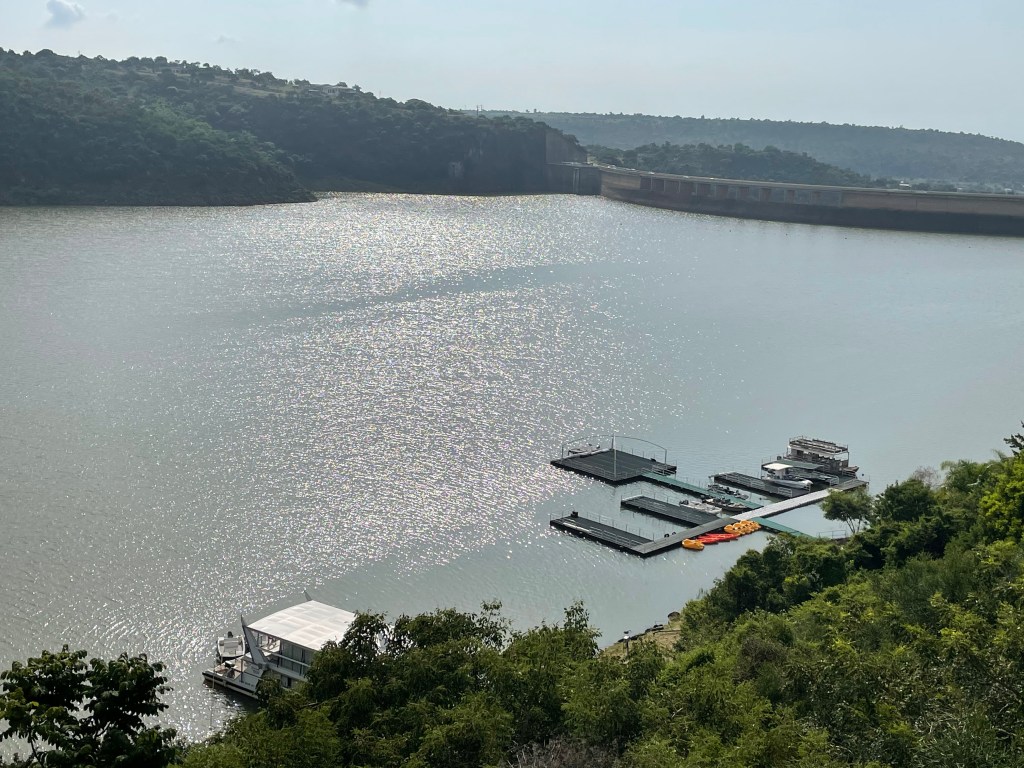
The Pongolapoort Dam, also called Lake Jozini is located on the Pongola River in northern Kwa-Zulu Natal, South Africa.
Prior to the construction of the dam, the land was Africa’s first formally recognised conservation area. The Pongola Game Reserve was created in 1894 by the president of the Transvaal Republic at the time, Paul Kruger.
This move ultimately lead to the proclamation of the Hluhluwe-Imfolozi, Mkuze and Ndumo Game Reserves as well as one of Africa’s greatest wildlife conservation parks, the Kruger National Park.
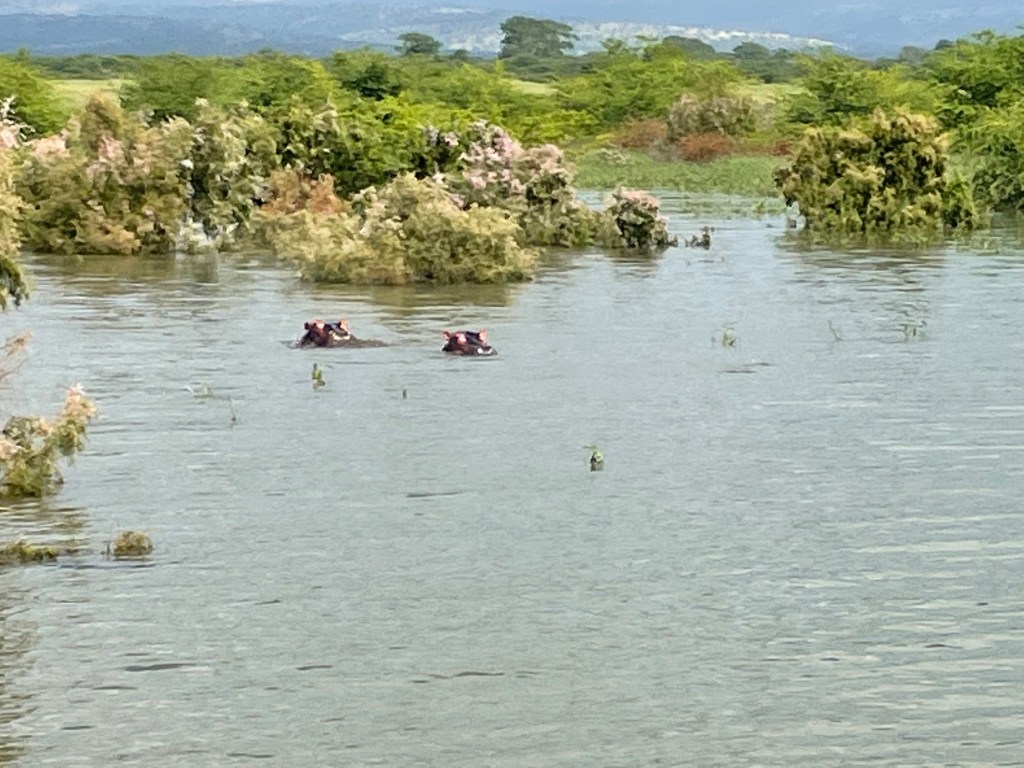
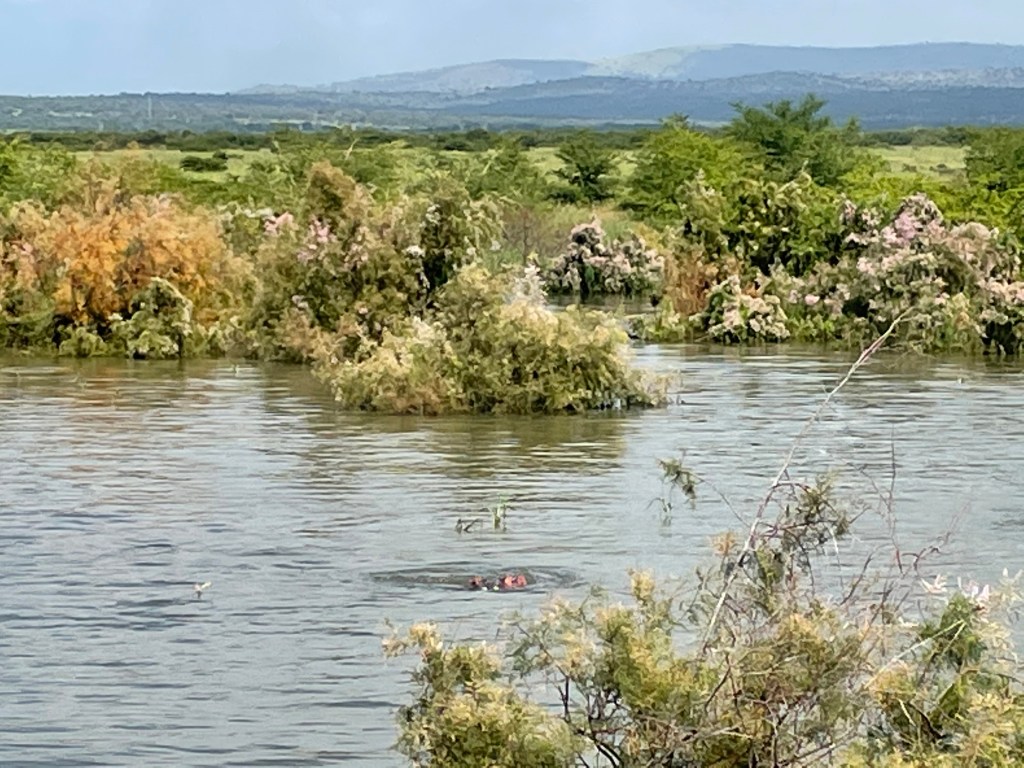
Here are a few pictures from our tour of this dam which contains a lot of hippos. Hippos are hard to capture in photographs as they only pop up for air every five minutes and their time above the surface of the water is very short. They spend up to 16 hours a day submerged under water to keep their bodies cool.
View of the pier with the cruise boats. The on the left has an enclosed area with access doorsA picture of the holiday flats on the shore with glass doors leading onto the balconiesPicture of Tiger Lodge, Jozini, where we met the guide for the cruise
On the Pongolapoort dam
The wake from the boat
This area was dry land until this year. We have had a lot of rain and the trees are underwater.
Two hippos popping up for air
Another hippo popping up
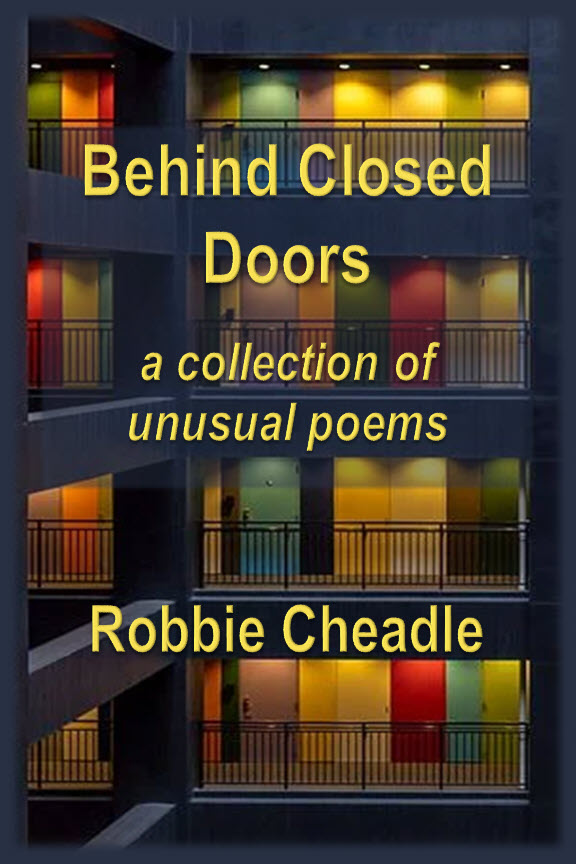
I am busy finishing off a new collection of poetry called Behind Closed Doors. This amazing cover was designed by Teagan Riordain Geneviene.
This month, my Dark Origins post focuses on the famous American tale, The Legend of Sleepy Hollow, which features the well known character, Ichabod Crane. The background to this story is rather interesting. Thank you to Kaye Lynne Booth for hosting this post on Writing to be Read.
The Legend of Sleepy Hollow is a gothic story by American author, Washington Irving, and is included in a collection of 34 essays and short stories entitled The Sketch Book of Geoffrey Crayon, Gent.
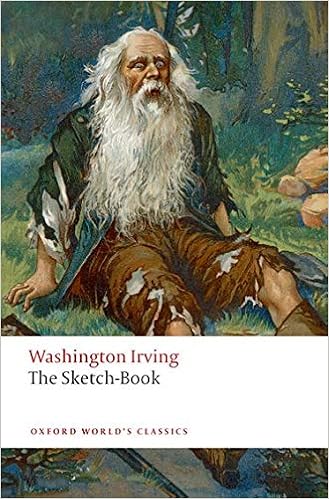
Cover of The Sketch-Book by Washington Irving from Amazon US
The plot
The Headless Horseman Pursuing Ichabod Crane (1858) by John Quidor
The story is set in 1790 in the countryside around the Dutch settlement of Tarry Town, New York. Sleepy Hollow is a secluded glen which is famous for its ghosts and haunting atmosphere.
Ichabod Crane moves to Sleepy Hollow to be the schoolmaster of the village. As was customary at the time, Ichabod earns practically no money, but is provided with lodgings and food on a rotational basis by the local farmers who are also the fathers of the boys he teachers. This arrangement, and the singing lessons he gives on the side, keeps him employed and also gives him numerous opportunities to listen to the many tales about ghosts, haunted spots and twilight superstitions shared by the farmers wives.
This weeks topic is ‘Prologues and Epilogues. Yes or no?’
I have not included either a prologue or an epilogue in any of the books to date. As I only have two full length novels, that doesn’t necessarily mean I never will, but merely that this concept wasn’t useful to me for either of Through the Nethergate or A Ghost and His Gold.
Literary terms describes a prologue as “Some works of literature start with a prologue (pronounced PRO-log), a short introductory section that gives background information or sets the stage for the storyto come. The prologue is usually pretty short, maybe a few pages . But it may be the most important section of the story, and if readers skip it they may be lost for the entire story.”
I had a look at a list of the top 12 novels with prologues that worked and I haven’t read any of them. The only prologue I can distinctly remember was the one in the musical production of War of the Worlds which goes like this:
“No one would have believed in the early years of the 21st century that our world was being watched by intelligences greater than our own. That as men busied themselves about their various concerns, they observed and studied, the way a man with a microscope might observe the creatures that swarm and multiply in a drop of water. With infinite complacency, men went to and fro about the globe, confident of our empire over this world. Yet across the gulf of space, intellects vast and cool and unsympathetic regarded our planet with envious eyes, and slowly, and surely, drew their plans against us.”
I think this prologue definitely worked! Of course, I do admit to loving this book [not the film], so maybe that is why I love this prologue.
Literary terms describes and epilogue as “an optional final chapter of a story, such as in a play or book, and which may serve a variety of purposes—concluding or bringing closure to events, wrapping up loose ends, reporting the eventual fates of characters after the main story, commenting on the events that have unfolded, and or settingup a sequel. It can appear as a speech (especially in a play), a series of scenes, or an essayby the narrator.”
I had more luck thinking of a series which ended with an epilogue – Harry Potter. I remember it because I didn’t feel the epilogue added value to the series and I would have preferred to have drawn my own conclusions about the futures of the characters. In fact, I found the epilogue quite annoying.
In conclusion, maybe my thoughts are quite simple” “maybe a prologue, but never an epilogue.”
Have you written any prologues or epilogues, or do you prefer leaving them out? Add your blog hop post to this one by clicking the blue button below, or just leave a comment.
Rules:
Link your blog to this hop.
Notify your following that you are participating in this blog hop.
Promise to visit/leave a comment on all participants’ blogs.
Tweet/or share each person’s blog post. Use #OpenBook when tweeting.
Put a banner on your blog that you are participating.
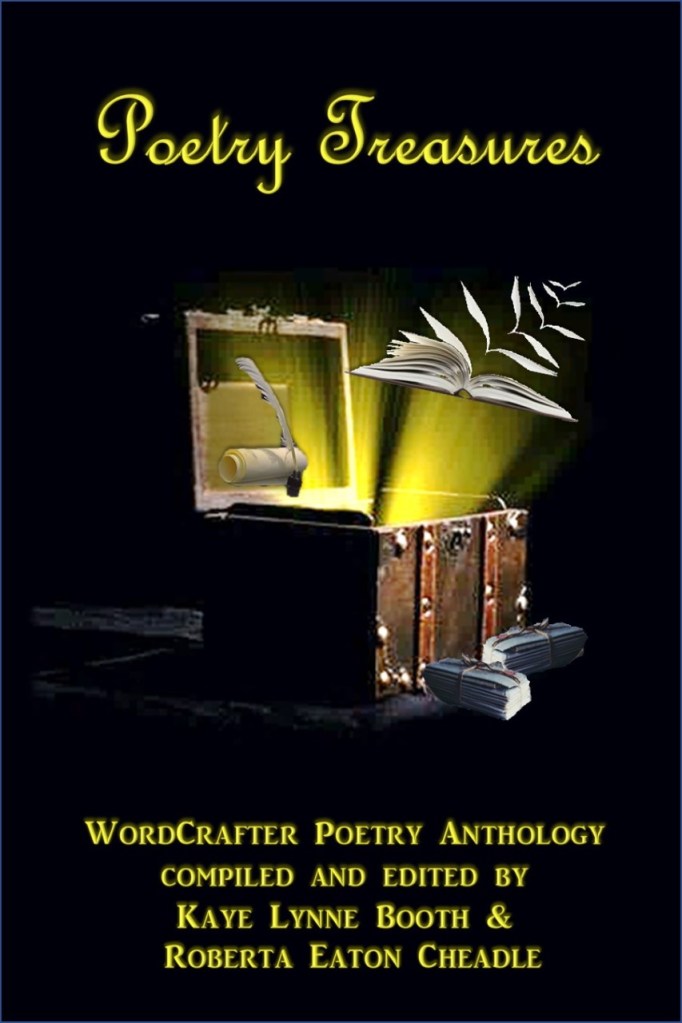
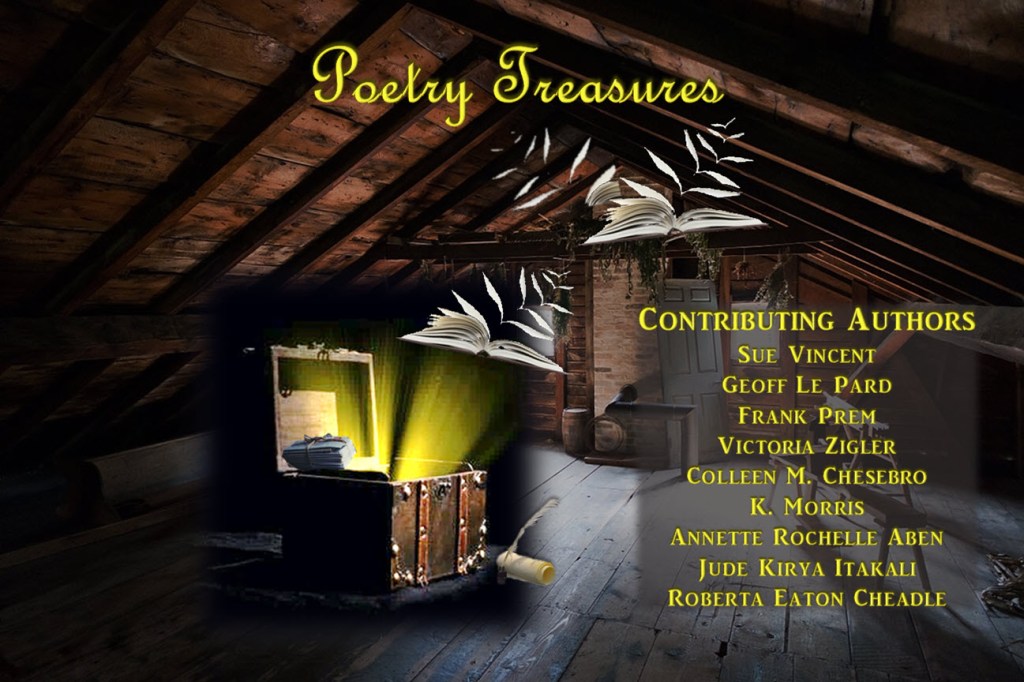
Poetry Treasures is a new WordCrafter poetry anthology with contributions from guests to the 2020 Treasuring Poetry series on Writing to be Read, hosted by Kaye Lynne Booth and myself.
A collection of poetry from the poet/author guests of Robbie Cheadle on the “Treasuring Poetry” blog series on Writing to be Read in 2020. Open the book and discover the poetry treasures of Sue Vincent, Geoff Le Pard, Frank Prem, Victoria (Tori) Zigler, Colleen M. Chesebro, K. Morris, Annette Rochelle Aben, Jude Kitya Itakali, and Roberta Eaton Cheadle.
Welcome to Thursday Doors, a weekly feature allowing door lovers to come together to admire and share their favorite door photos from around the world. Feel free to join in on the fun by creating your own Thursday Doors post each week and then sharing your link in the comments below, anytime between 12:01 am Thursday morning and Saturday noon (North American eastern time).
About Ghost Mountain
“It is a great and strange mountain. It is haunted also and named the Ghost Mountain, and on top of it is a grey peak rudely shaped like the head of an old woman.” So wrote Rider Haggard in his book “Nada the Lily”.
A section of the Ndwandwe tribe, headed by the Gaza family, had their home beneath this mountain until they were conquered by Shaka in 1819 and the head of the family, Soshongane, fled with his followers into Mozambique, where he founded the Shangaan tribe.
From early times it had become customary to bury the bodies of Chiefs on Ghost Mountain. High on its slopes there is a taboo cave, used as a tomb by generations of the Gaza family. Soshongane and his descendants, although they lived many miles away in Mozambique, were carried back to the Ghost Mountain when they died.
Their bodies, mummified and wrapped in the black bull skins, had to be transported by bearers who travelled by night and hid during the day to avoid detection by the Zulus. After the Anglo Zulu War in 1879, when the British tried to rule Zululand by dividing it into 13 separately ruled states, there was a period of chaotic rivalry, feuding and fighting. The two principal rivals were Prince Dinuzulu, the son of the deposed Zulu King Cetshwayo, and his Usuthu warriors, and Zibhebhu, head of the powerful Mandlakazi section of the Zulu nation.
In a series of bloody fights, Zibhebhu gained the upper hand. Dinuzulu, in desperation, enlisted 600 Boers and Germans, led by Louis Botha (later General Louis Botha, who was also to become the first Prime Minister of The Union of South Africa), who were promised rewards of farms for their help. In June 1884 Dinuzulu’s army of Zulus and Europeans invaded Zibhebhu’s territory.
Zibhebhu was a resolute leader and his Mandlakazi section was considered to be made up of the finest warriors, and although he also had a handful of white supporters, including the famous frontiersman, Johan Colenbrander, he had little chance against the opposition.
Zibhebhu made a fighting retreat to the Mkuze River Pass through the Lebombo, and on the 5th of June, in this rugged gorge beneath Ghost Mountain, there was a vicious struggle known as the Battle of Tshaneni. The Mandlakazi fought stubbornly, but heavy rifle fire from Dinuzulu’s army mowed them down and they broke and fled into the dense forest country of Tongaland. The battlefield was littered with thousands of bodies, and of this the late Col. Reitz makes mention in his book “Trekking On”, where he claims that in the early 1920’s he journeyed through skeletons that were still strewn about on the slopes of the Ghost Mountain.
Denys Reitz was made Minister of Lands in 1922 and journeyed up through Zululand to establish the position of a new harbour. His opinion was that Richards Bay would not be suitable but Kosi Bay would be ideal. On this trip he went on a Hippo hunt with, as his book ‘Commando’ states, “The mad Rutherfoord brothers”. This trip is documented in a series of photographs hanging in the Inn. Peter Rutherfoord, the grandson of Richard Hubert, who escorted Denys Reitz on the Hippo hunt, is the present owner of the Ghost Mountain Inn.
Some doors
We had a lovely time at Ghost Mountain Inn and were entertained with various tours during our stay, and some lovely meals, including a braai and a buffet.
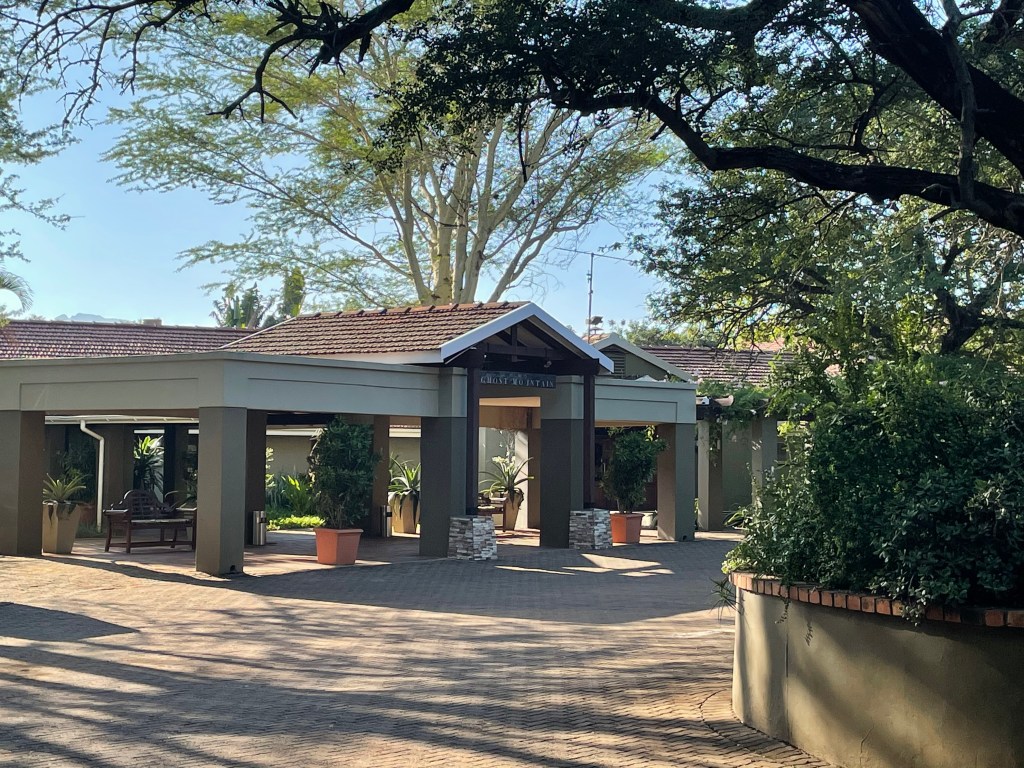
Entrance to Ghost Mountain Inn
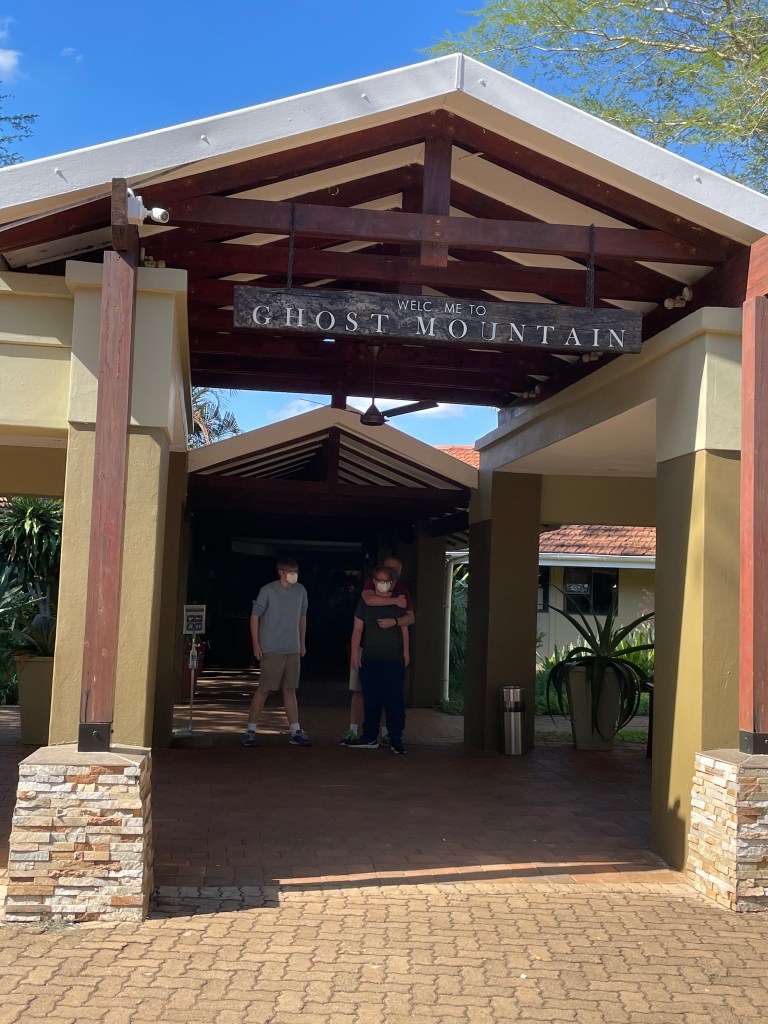
My three ‘men’ standing outside the front door of the Inn
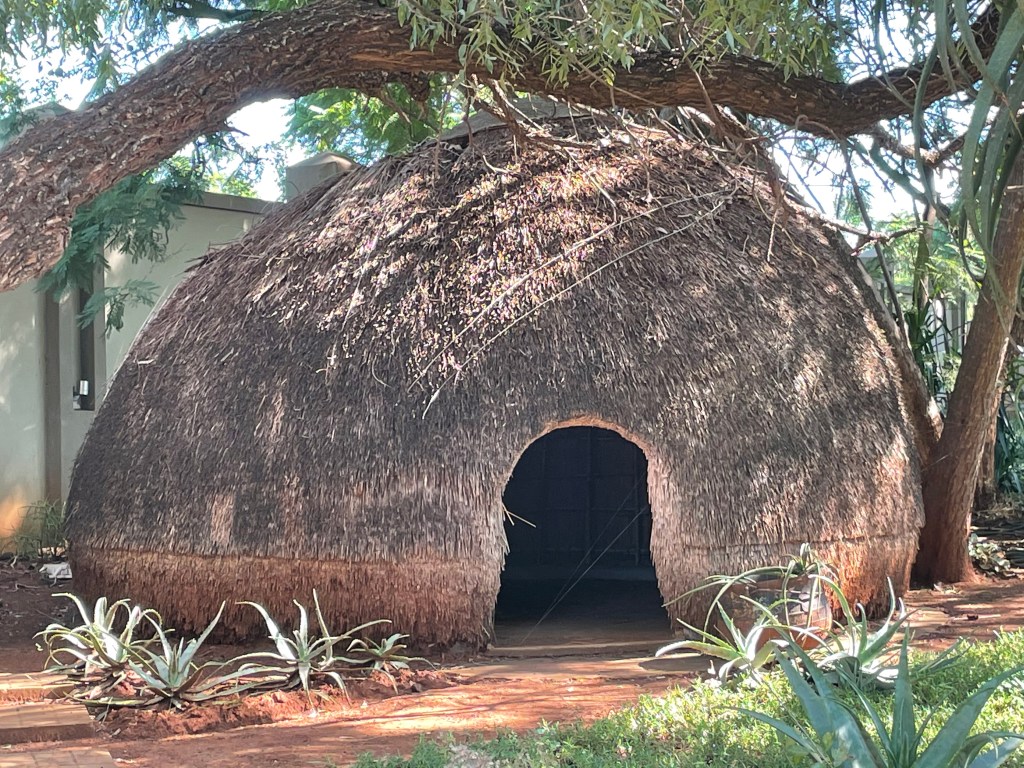
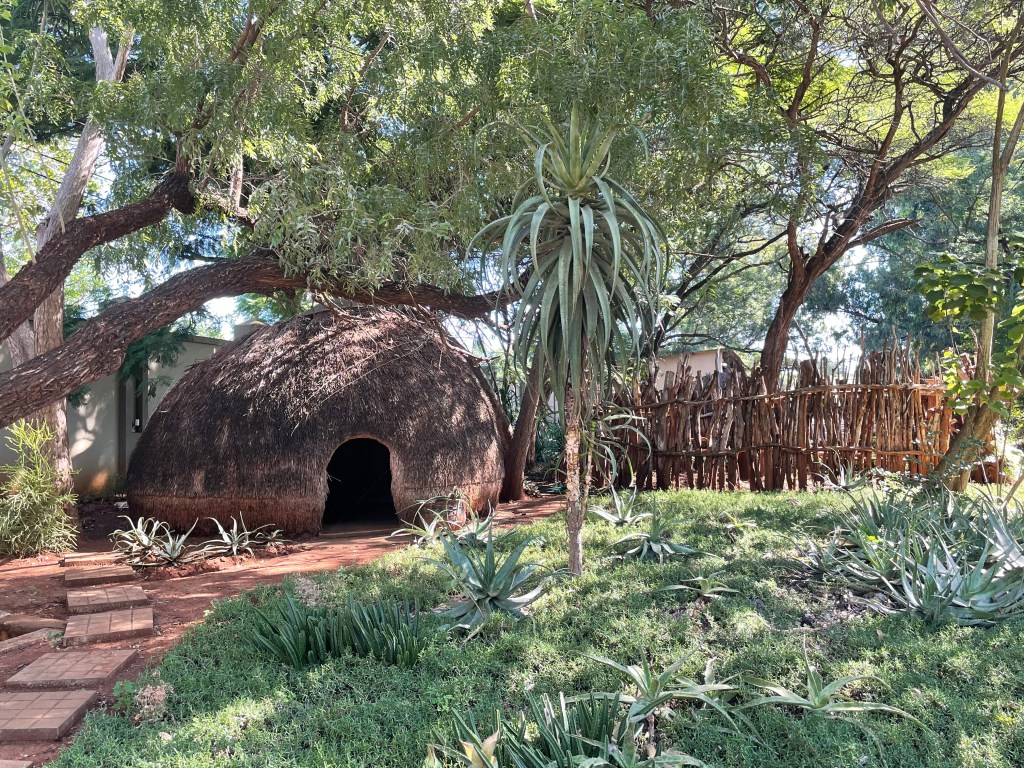
Door into a traditional thatched Zulu hut
Zulu hut with the traditional cattle kraal in the background
Gate to the conference centre
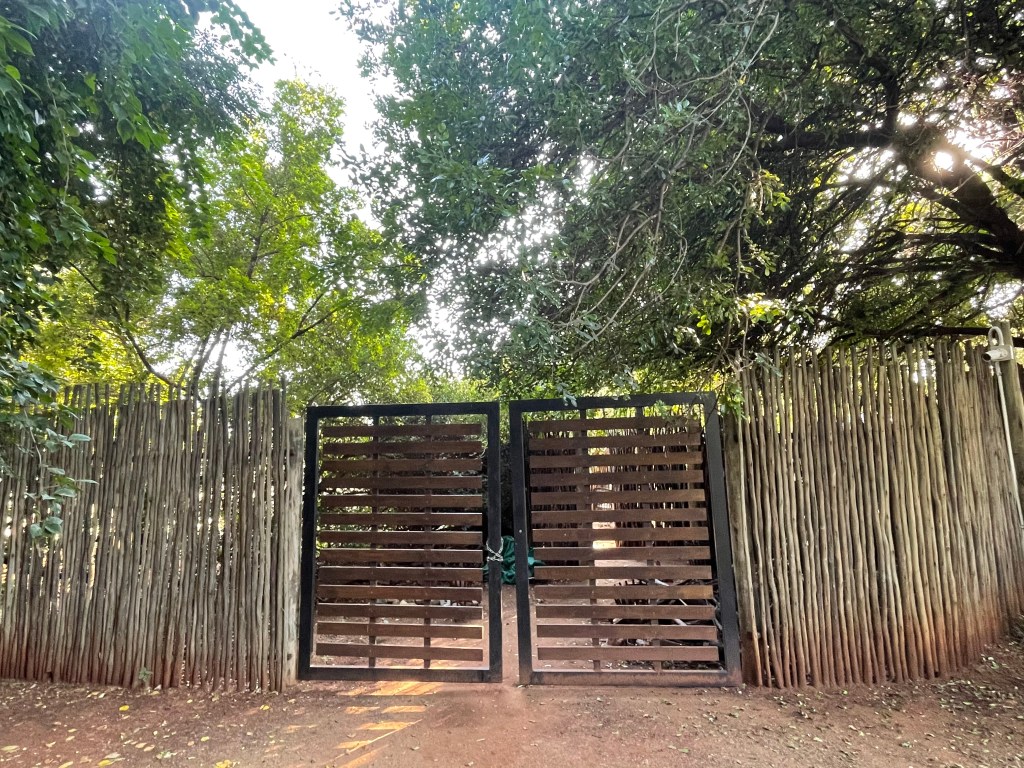
Large front gate to the Inn premises
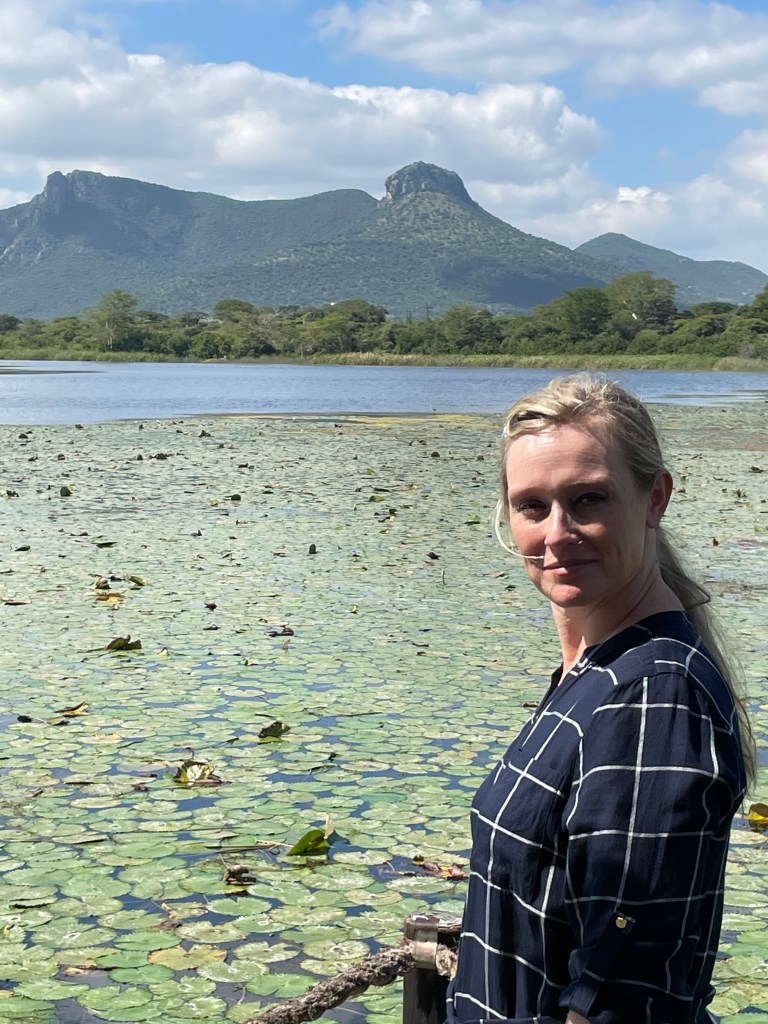
Picture of me with Ghost Mountain in the background. The body of water is Pongopoort Dam, home to numerous hippos and crocodiles. There is a sign telling visitors to beware. This is the back side of Ghost Mountain. I thought it looked like a screaming mouth.
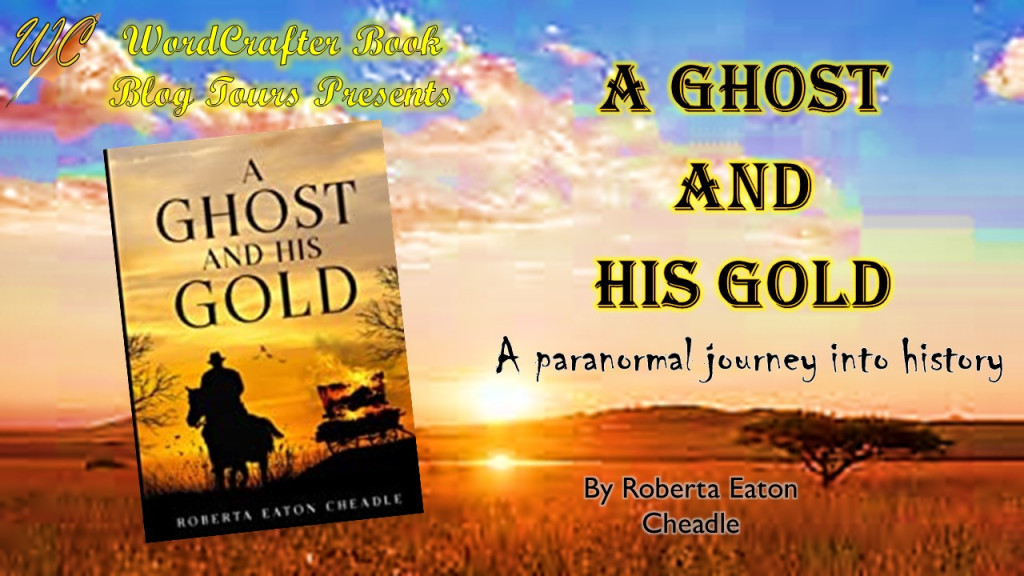
Author, Barbara Spencer, has shared a fun and interesting post about my development as a reader and writer. She has also included some information about Colonel Baden-Powell, one of the real historical figures who features in my novel, A Ghost and His Gold. Thank you, Barbara.
If you type the name Roberta Eaton Cheadle into the computer, up comes details of her ghost story ‘Through the Nethergate.’ Now that is impressive. And then we are treated to details of her early life growing up in South Africa – fascinating!
But the wonders don’t stop there. Take Robbie’s early reading list: L.M. Montgomeery (Anne of Green Gables), The Little House on the Prairie books by Laura Ingalls Wilder, What Katy Did by Susan Coolidge, Chronicles of Narnia by C.S. Lewis, The Hobbit by JRR Tolkien (although strangely he is now always referred to as Tolkien, no using the JRR). Nothing odd about any of those, a typical diet for a young girl starting out on her reading journey. Even after exhausting all the children’s books, which Robbie had by age 11, her diet was still very acceptable: Jane Austen, Charles Dickens and the Bronte Sister’s … that…
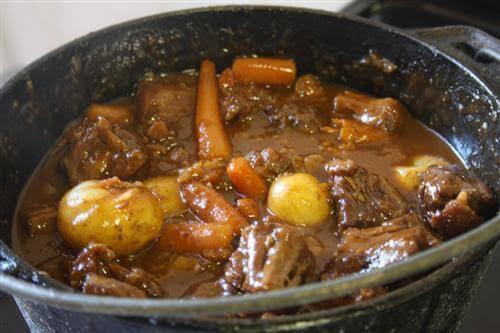
bToday, author Jessica Bakkers has hosted my blog tour post for A Ghost and His Gold. Thank you, Jessica. This post includes a recipe for potjiekos, a traditional South African stew cooked in a three legged cast iron pot over an open fire. Jessica has short stories in Wings & Fire and Shadowland horror anthologies [compiled by Dan Alatorre] and her own book, Guns of Perdition, an excellent and unusual horror story.
I am lucky enough to bring to you, not only a new paranormal history book from Roberta Eaton Cheadle, but also a description of one of the historically accurate meals enjoyed by the folks in “A Ghost and his Gold”…something that sounds delicious, even if I can’t pronounce it! Enjoy and celebrate the tour with Roberta, and check out details below for a great give away offer!!
A Ghost and His Gold Give Away
Each stop on this five-day book blog tour will offer the opportunity to win a $10 Amazon gift voucher. (*Winners must be able to retrieve Amazon US gift vouchers.) Author Roberta Eaton Cheadle will also give away 2 paperback copies of A Ghost and His Gold. All you have to do to enter is drop by each tour stop and leave a comment!



















 roberta-writes.com