My son and I have different opinions on the relevancy of Shakespeare in our modern world. Greg thinks Shakespeare’s works have become irrelevant and would prefer to study more modern writers who have written about issues that have shaped our modern world.
He would rather study 1984 by George Orwell which is about totalitarianism, discrimination, tracking and other issues that, in his opinion, are still a concern today. He sees Fahrenheit 451 by Ray Bradbury as being relevant because he does not see people burning books in Western society.
I disagree with Greg on both counts but I am limiting this post to my thoughts about the relevancy of Shakespeare, who just happens to be one of my favourite authors.
These are the reasons that I think it is still worthwhile for students to study literature:
We all quote Shakespeare all the time
Shakespeare invented over 1700 of our common words. He did this by changing nouns into verbs, changing verbs into adjectives, connecting words never before used together, adding prefixes and suffixes, and devising entirely original words.
Some of my favourite Shakespeare originated words are green-eyed, assassination, bloodstained, lustrous and obscene.
“… Sebastian said: But there is an obstacle, a principle of hers that she’s read of in a book by a woman called Mary Wollstonecraft…” “… Women should be wives and companions to their husbands…”
Did Wollstonecraft, the mother of Mary Shelley, author of ‘Frankenstein’, fill the farm girl’s head with too many ideas of feminism?
When Sally Sefton runs away from Sebastian at the altar on her wedding day there is a desperate chase to find her. Some of her friends think they know why she ran. But only Cathy Priestley thinks she knows where. Her chief bridesmaid suspects Sally may have joined the Christian Israelites. Will they find her before the group sails on a missionary tour abroad? The split causes a bitter dispute between Sebastian and Wesley, her brother. While feelings are running so high there seems to be no hope of reconciliation between the families.
Book One in the series, ‘The Quarry Bank Runaways’, tells the much earlier tale of their fathers when they journeyed on foot to Hackney workhouse in London. They were then boy apprentices who had escaped from the Cheshire cotton mill, desperate to find their destitute mothers.
Book two, ‘Mules; Masters & Mud’, is about what happened to the apprentices during the Industrial Revolution, when they were qualified cotton mule spinners. Serious events, including the Peterloo Massacre, impinge upon the lives of Thomas Priestley and Joseph Sefton.
My review
The Mule Spinners’ Daughters is the third book in the Tales of the Quarry Bank Mill series. I have read all three and particularly enjoyed the introduction of a more female experience and perspective in this latest book.
The book starts by reintroducing the reader to the Sefton and Priestly families and I welcomed the reminder of who the various family members where and the backgrounds of Joseph Sefton and Thomas Priestly.
The story starts with the beautiful Sally Sefton being jilted at the altar by a young man named Sebastian Brewster. Sebastian is a new addition to the story, but the fact that he arrives drunk to his own wedding and decides he’s changed his mind about an aspect of their futures lives he has clearly previously agreed to, immediately makes him a distasteful person, especially if you have read the previous book and already grown to love the sweet but spirited Sally.
The story then regresses to the time when Sally first meets Sebastian, the second son of the local undertaker, Jonas Brewster, when he assists, firstly, with the funeral arrangements for Sally’s father, Joseph, the best friend of Thomas Priestly, and a short while later, her older brother, Gabe. The deaths of these two family members leave Sally and her younger brother, Wesley, to run the farm, together with their Uncle Daniel. It also means that Sally is a woman of some wealth as she owns a share in the farm.
Sebastian and his older brother live firmly beneath the thumb of their domineering and sarcastic father and the sensitive Sebastian chafes under his father’s rude and heavy handed treatment of him. He longs to get away from his father and create his own wealth. When he meets Sally, and learns of her circumstances, marriage to her seems to be the opportunity he has been waiting for. Sebastian has plans for Sally’s money after they are married.
The Priestly family also feature strongly in this book with the focus being on the kind and intelligent Catherine Priestly. Catherine decides she doesn’t want to work in her father’s store and sets her mind to becoming a teacher. Her path to teaching success is beset with some irritations and problems, particularly the seemingly arrogant James Longton, a teacher with more experience than Catherine who is determined to show her the error of her teaching methods.
The two romances are tied together by the false Prophet Wroe, who is much admired by Thomas Priestly who has attended a number of his religious services. Thomas introduces both Catherine and Sally to the Prophet’s church.
I enjoyed the character development in this book. It was lovely to see Catherine growing into an independent young woman with enough strength of character to see the error of her hasty judgement of James and discover his good points. Her loyalty to Sally is also wonderful to read about.
Sally remains strong willed and spirited and appears to have been led astray by the charms of the selfish and snobby Sebastian, but her natural levelheadedness and honesty overcome adversity in the end.
These stories are extremely well research and the author blends the history with the fictional elements of this story seamlessly. If you enjoy reading about life during the early to mid-19th century packaged as an interesting family drama, you will definitely love this book.
Purchase The Mule Spinner’s Daughters
I have also read and enjoyed the first two books in this series.
I am over at Writing to be Read today with a post about the Second Anglo Boer War propaganda poetry and a cover reveal for my forthcoming novel, A Ghost and His Gold, which is about this war. Thank you, Kaye Lynne Booth, for hosting me.
Background
For those of you who do not know, a Boer is the Dutch and Afrikaans word for “farmer”.
Britain occupied the Cape in South Africa in 1795, ending the role of the Dutch East India Company in the region. After the British occupation, the infrastructure in the Cape Colony began to change as English replaced Dutch, the British pound sterling replaced the Dutch rix-dollar and a freehold system of landownership gradually replaced the existing Dutch tenant system.
Between 1835 and 1840, the Great Trek took place when approximately 12 000 Boers from the Cape Colony migrated into the South African interior to escape British control and to acquire cheap land.
Over time, the Boers achieved the independence of their two republics, the South African Republic (Transvaal) and the Orange Free State which shared borders with the British controlled Cape Colony.
When Sir Alfred Milner took over as Governor of the Cape Colony and High Commissioner for Southern Africa in May 1897, relations between Britain and the two Boer republics had been strained for some time. The Boers had already successfully defended the annexation of the Transvaal by the British during the first Anglo Boer War. Milner knew that an independent Transvaal stood in the way of Britain’s ambition to control all of Africa from the Cape to Cairo and that, with the discovery of gold in the Transvaal, the balance of power in South Africa had shifted from Cape Town to Johannesburg.
After the discovery of gold in the Transvaal, thousands of British and other gold seekers called Uitlanders, flocked to the Witwatersrand. The Boers considered that the Uitlanders threated the independence of their republic and refused to give them the vote. Milner used the Uitlander issue as a pretext to provoke the Boer government. The two republics declared war on the British Empire on 11 October 1899 and the second Anglo Boer War started.
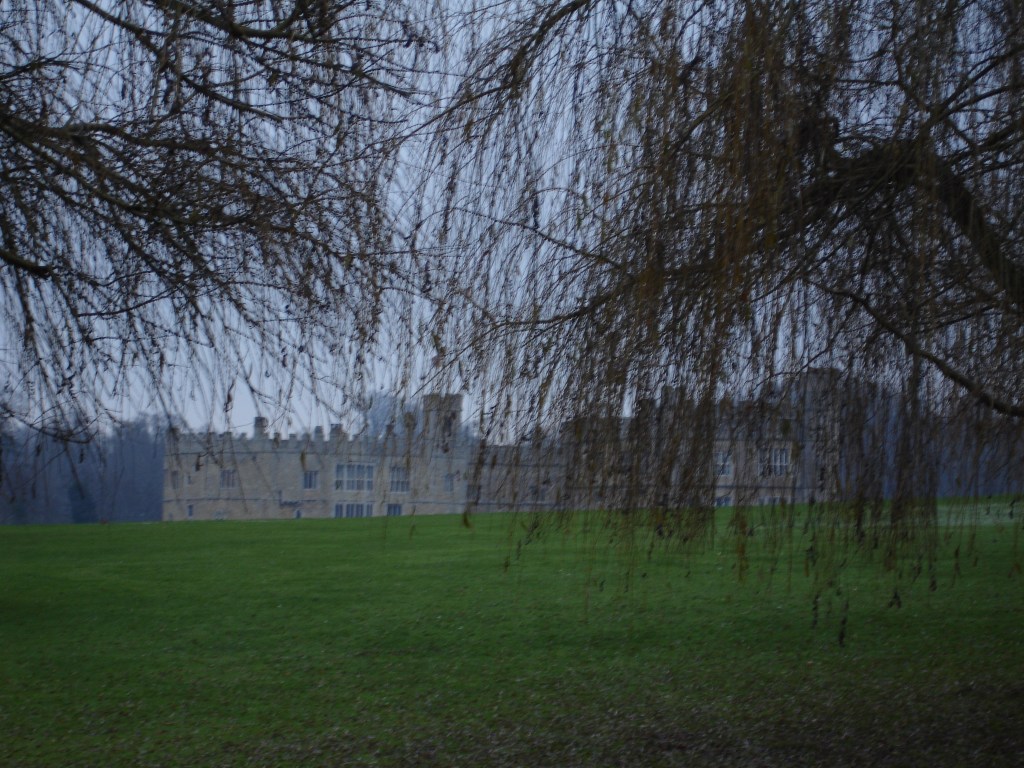
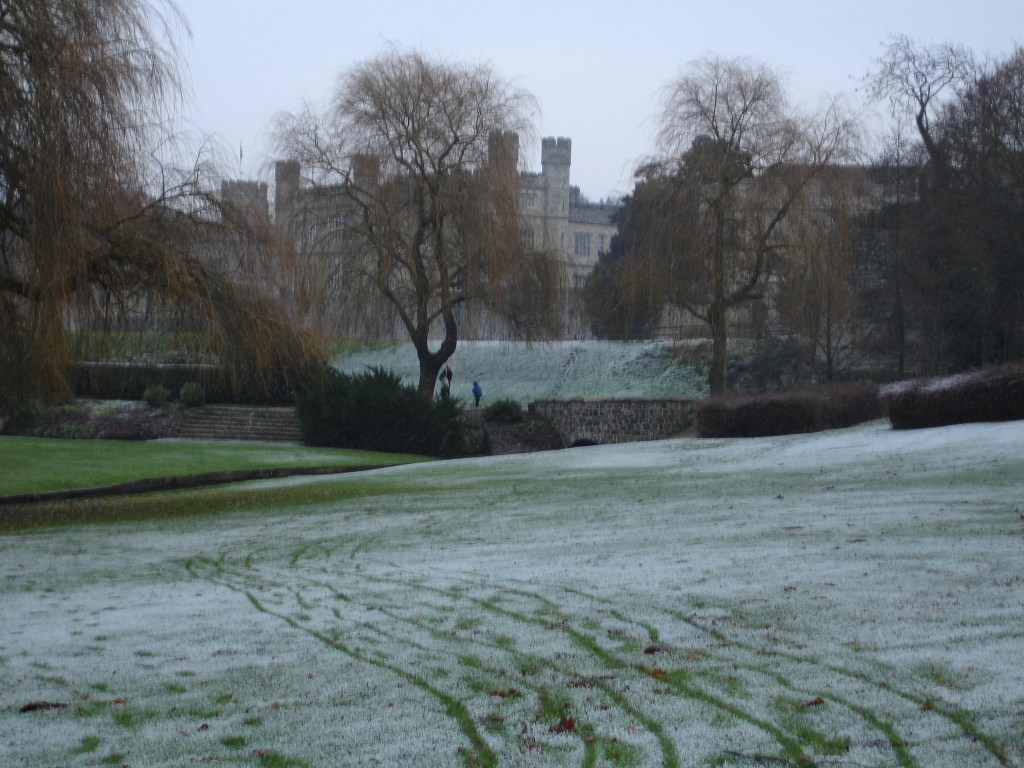
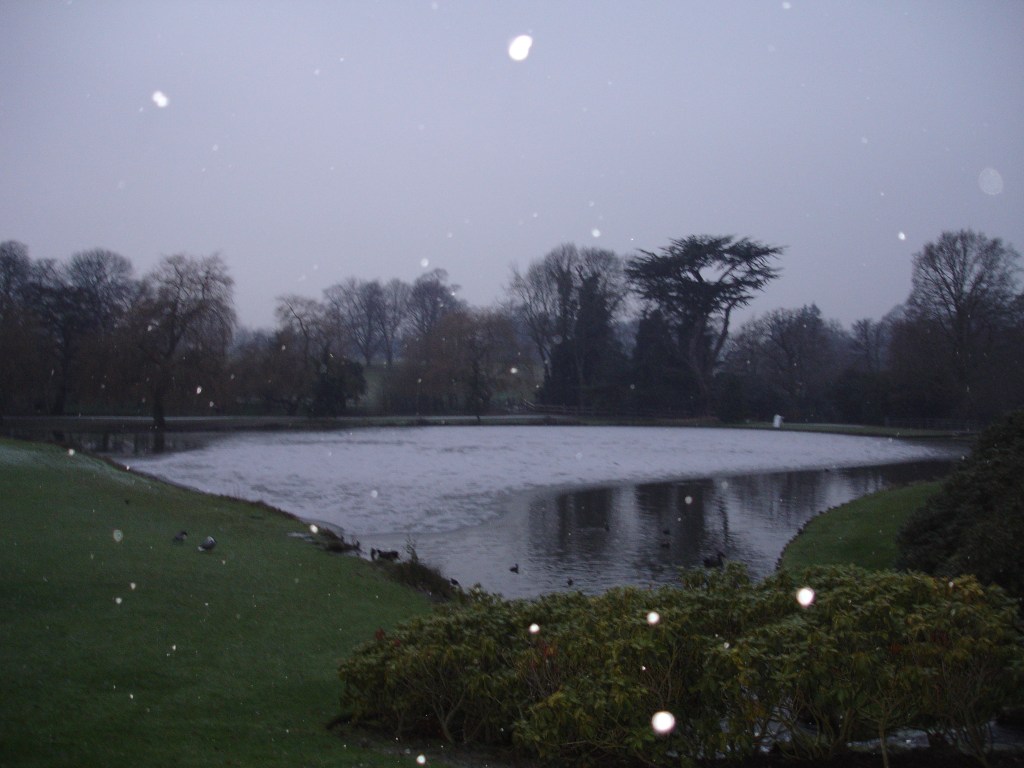
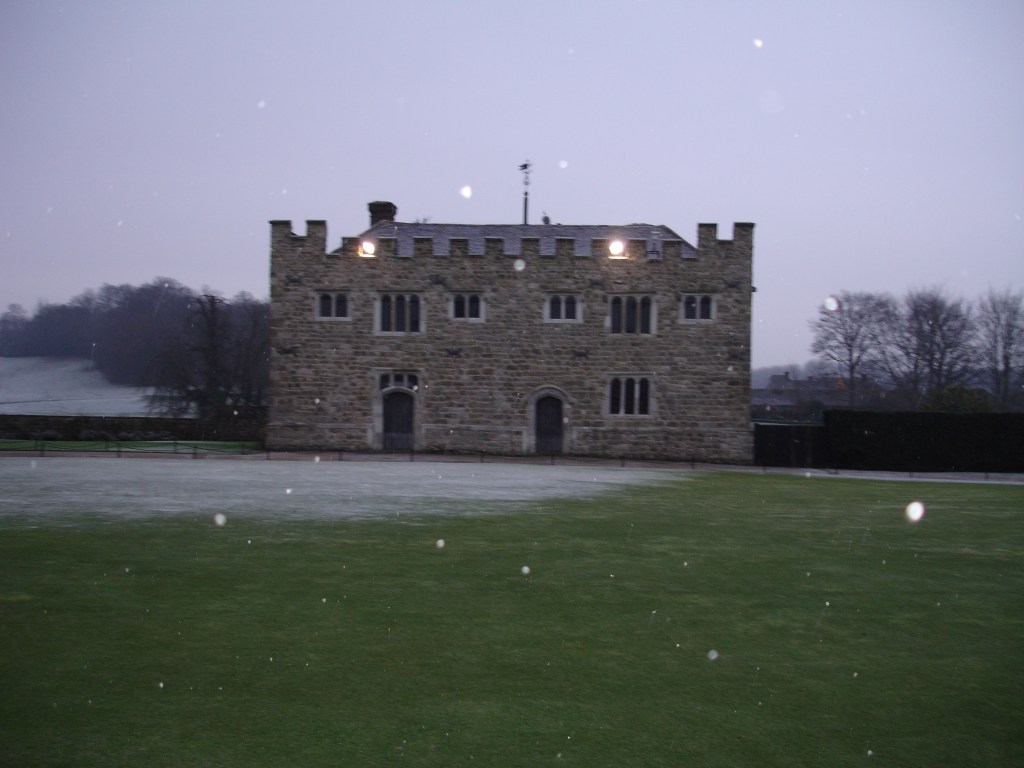
Leeds Castle in Kent, England is built on islands in a lake formed by the River Len to the east of the village of Leeds.
The original castle comprised of a simple stone stronghold and was built in 1119 by Robert de Crevecoeur. It was used as a military post during the time of the Normal intrusions into England. During the 13th century, Leeds Castle belonged to King Edward I and it was one of his favourite residences. King Henry VIII used it as a home for his first wife, Catherine of Aragon.
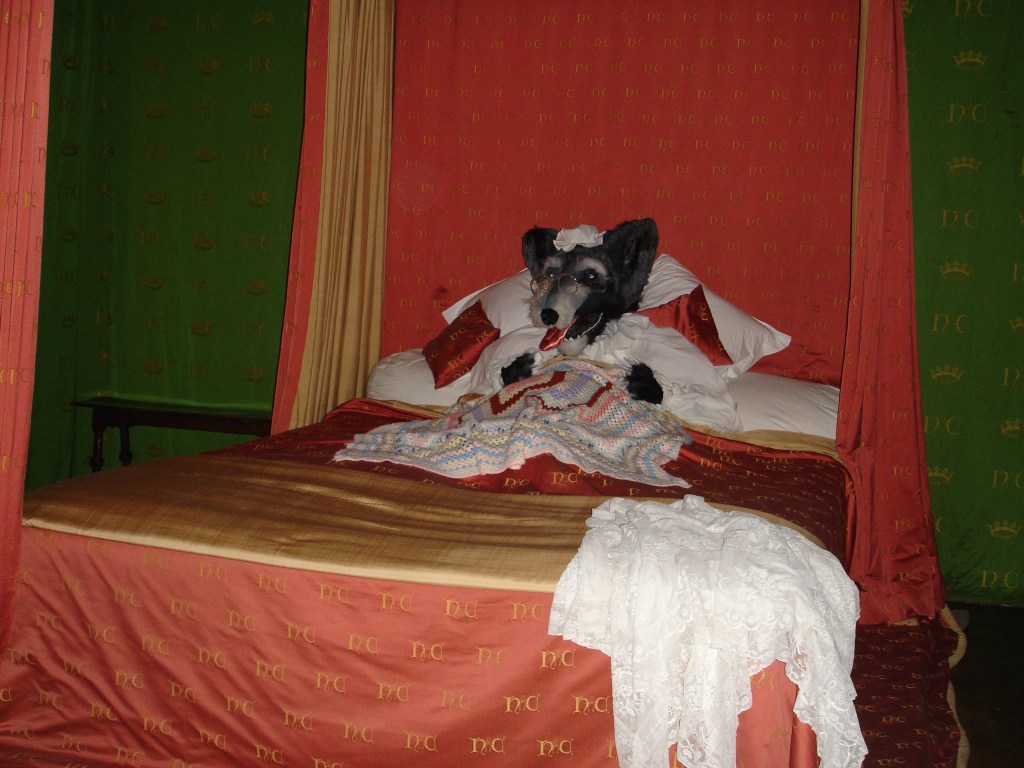
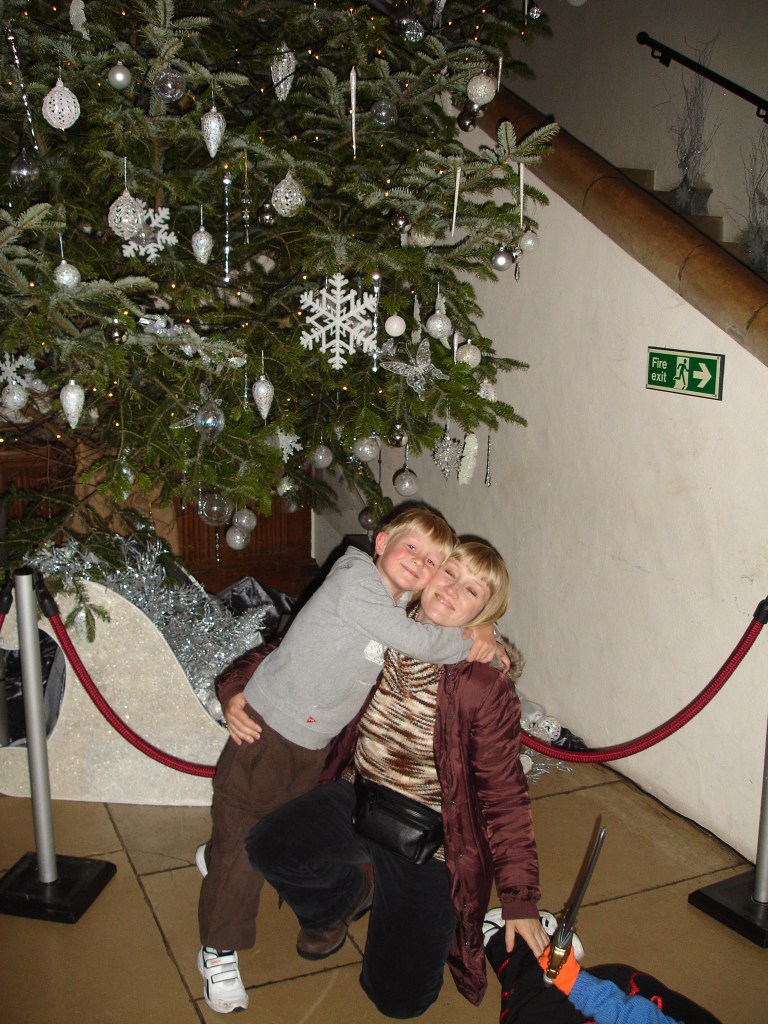
We visited Leeds Castle just before Christmas in December 2009. It was cold and snowy that year and it started to snow at the end of our visit which was very exciting for my boys who had never seen snow before. The castle was decorated with a Disney theme which delighted three-year-old Michael who dreamed of being a knight.
Our first sight of the castleLittle Red Riding Hood themed bedroom in the castleSleeping Beauty themed roomGreg and I in front of the huge Christmas tree with Michael’s ever present sword
Does this question engage you or take you out of your comfort zone? Does it put you on the spot? REFLECTIONS is award-winning author and former educator John Fioravanti’s answer.
Offering his interpretations of fifty quotes by contemporary and ancient thinkers alike, John dives deep below the surface of words and explores the deeper meanings that shape his view of the world.
Deeply personal and presented in a self-effacing manner, these self-aware reflections will encourage you to dig deep within yourself and to discover more about the underlying truths that guide you.
Without trumpets or fanfare of any kind, John Fioravanti aspires to inspire you!
My review
This book is a wonderful collection of quotes from a spectrum of people who have all achieved great success. The manner in which each individual has aspired to his/her goals or greatness is reflected in most of the quotes and the author provides an interesting interpretation of what each quote means, for everyone, but also in terms of his own life, aspirations and achievements.
I related strongly to many of these quotes and enjoyed the variety of thoughts shared in this book. The quotes are attributable to people from all walks of life and from a number of different eras throughout history. It was fascinating to see how many characteristics and driving forces within highly successful people in life are still relevant today. Some of the historical figures whose quotes are included in this book are Florence Nightingale, Aristotle and Anne Frank.
There are also a number of quotes by motivational speakers, writers, poets and political activists all of whom share the common goal of striving towards a better world for all people. I did not know all of the people quoted, as many of them are American, but the author has included a mini autobiography at the beginning of each analysis so I was able to appreciate each persons contribution to society and mankind even if I had not previously heard of them.
A great read and one I highly recommend.
Purchase REFLECTIONS: Inspirational Quotes & Interpretations by John Fioravanti
Have you ever gone on a literary pilgrimage, and if so where and why?
I have done a few literary pilgrimages to visit the homes and other places associated with famous poets and authors I admire. The reasons for my visits are because I am absolutely fascinated by people and how they lived and worked and wrote. I love seeing their homes and learning more about them.
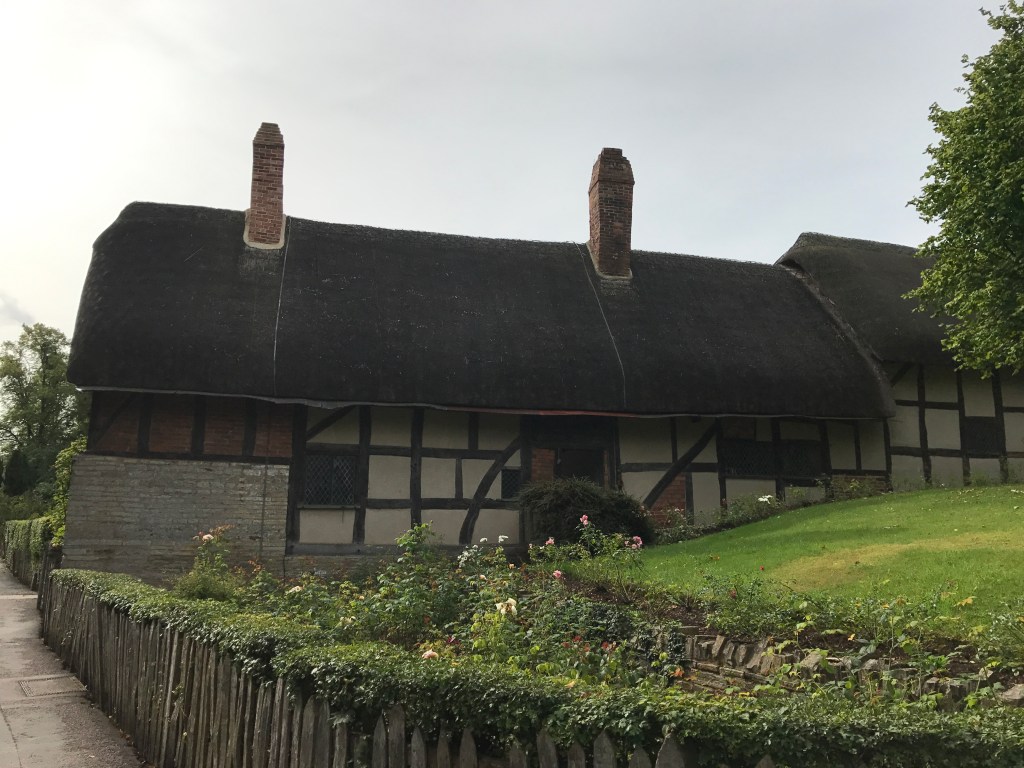
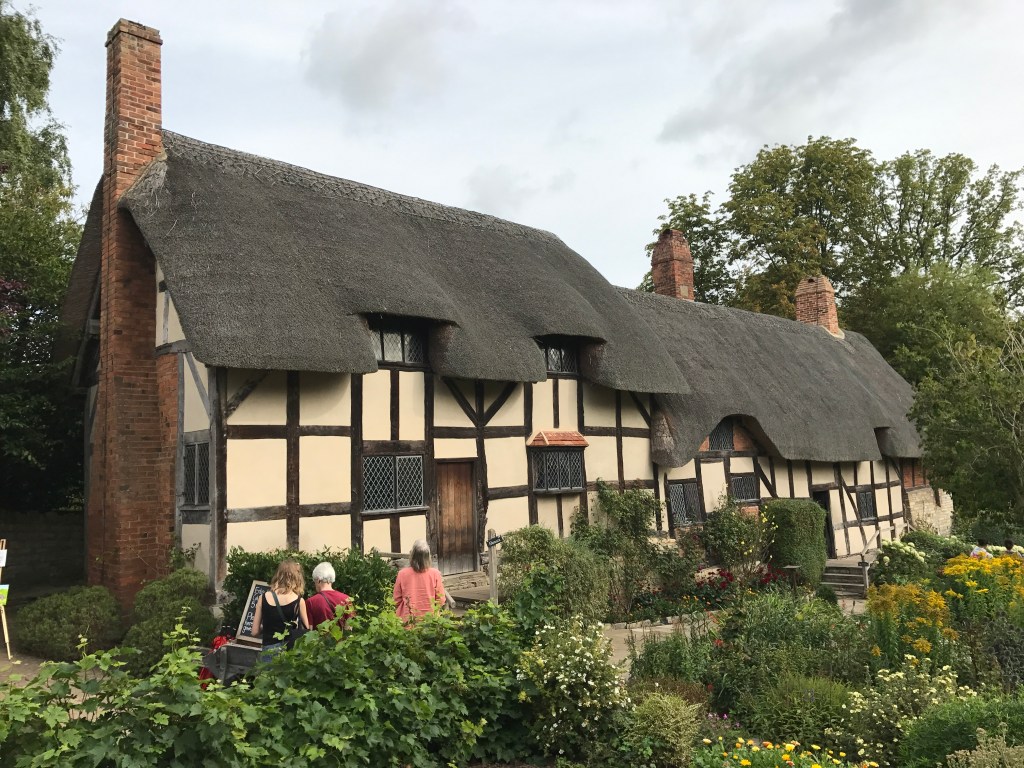
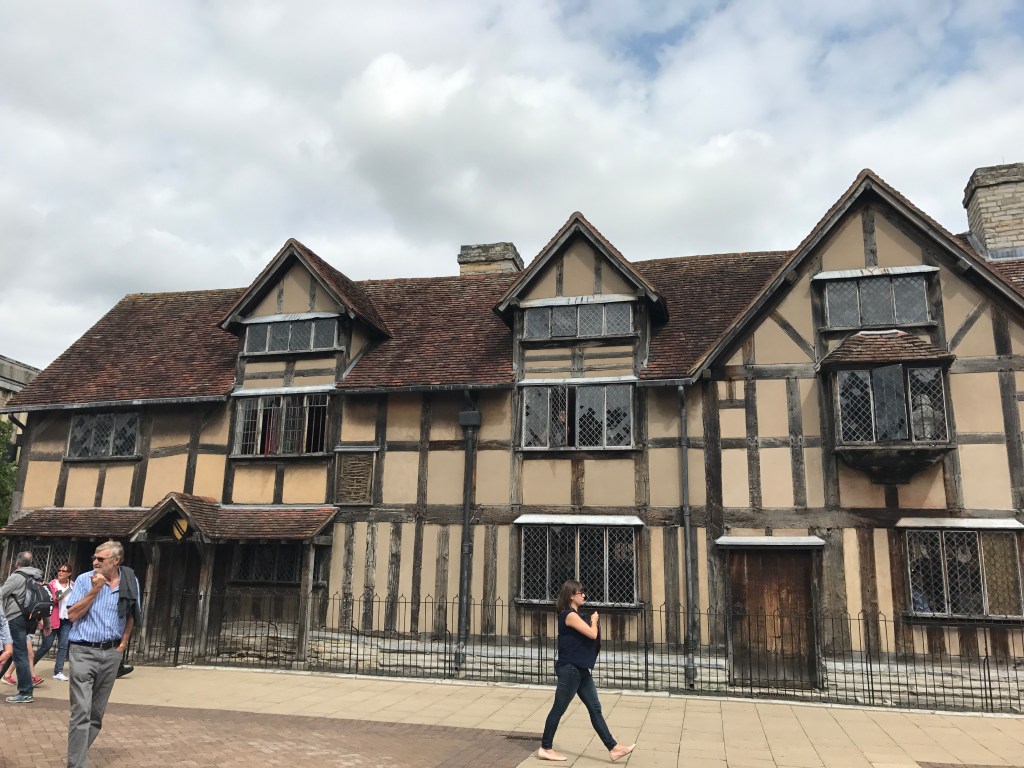
During our trip to the UK in August 2017 we visited Stratford-upon-Avon and visited the home of Anne Hathaway as well as the birth place of William Shakespeare.
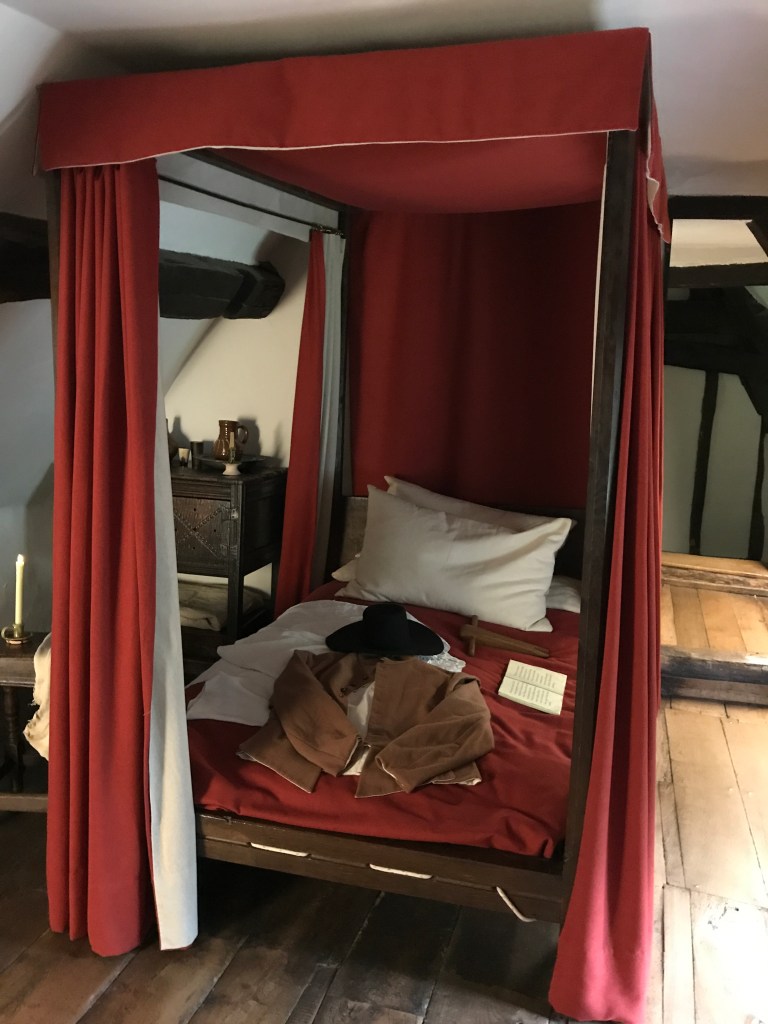
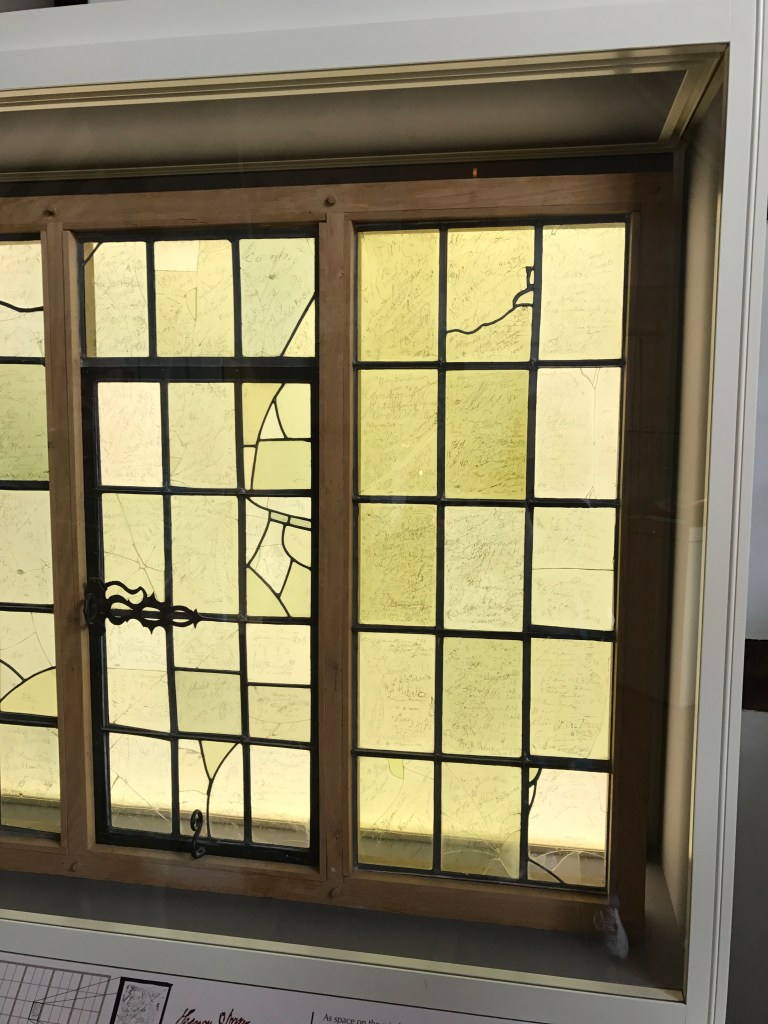
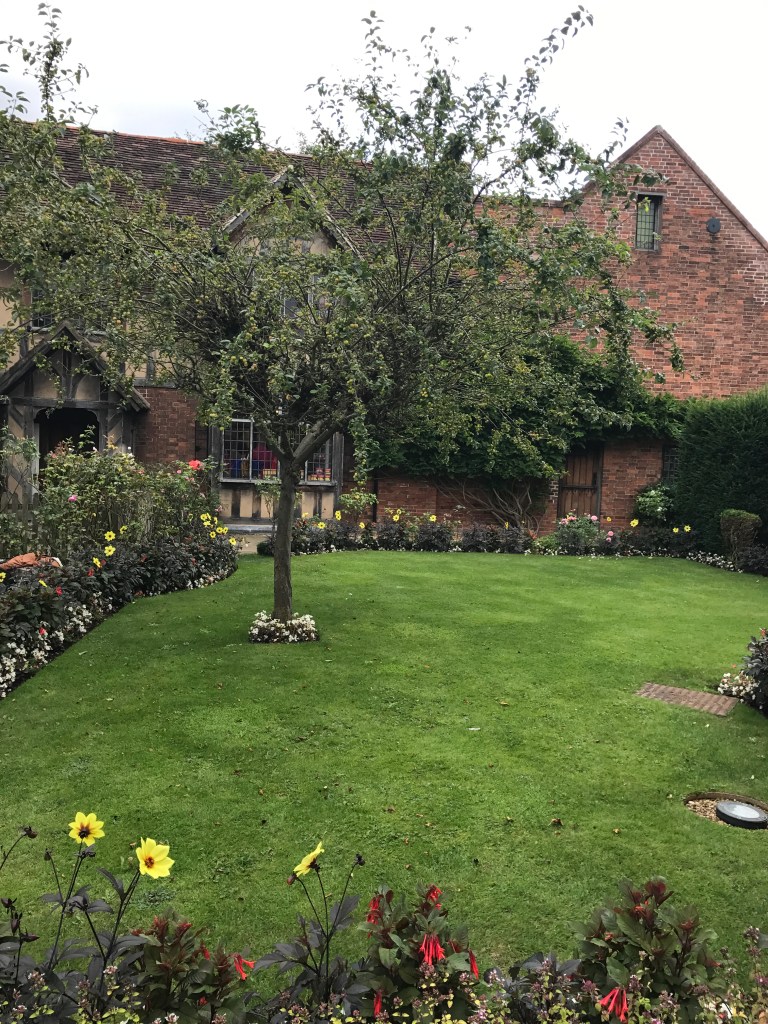
Anne Hathaway’s cottage in Stratford-upon-AvonThe other side of Anne Hathaway’s cottage – so pretty and quaintReplica of the main bedroom at Anne Hathaway’s cottageThe birthplace of William ShakespeareWindow in Shakespeare’s birth place signed by a lot of famous authors including Charles DickensThe garden behind Shakespeare’s birth place. There were a few young aspiring actors practicing their Shakespearean acts in the garden on this particular day which was very nice for us.
Have you visited Stratford-upon-Avon? If you had to go on a literary pilgrimage, whose home would you visit?
I have been to numerous other famous houses including the Bronte Museum, the home of Robert Burns, the home of Charles Darwin, the home of Erasmus Darwin and Sherlock Holmes’ house. We have also visited The Globe Theatre in London which was fascinating.
I would have visited more but we have to be fair during our holidays so it alternates between one female choice of destination and then one male choice. Luckily for me, I am the only female in our family of four. I wonder who decided on the venue selection mechanism – tee hee.
Rules:
Link your blog to this hop.
Notify your following that you are participating in this blog hop.
Promise to visit/leave a comment on all participants’ blogs.
Tweet/or share each person’s blog post. Use #OpenBook when tweeting.
Put a banner on your blog that you are participating.
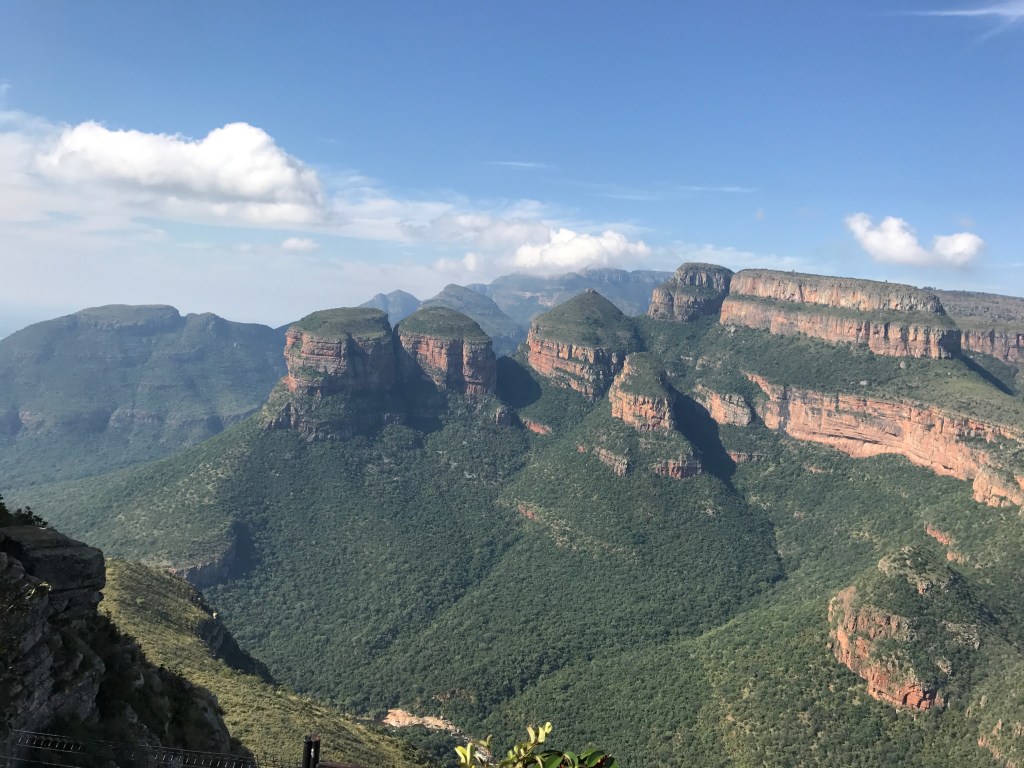
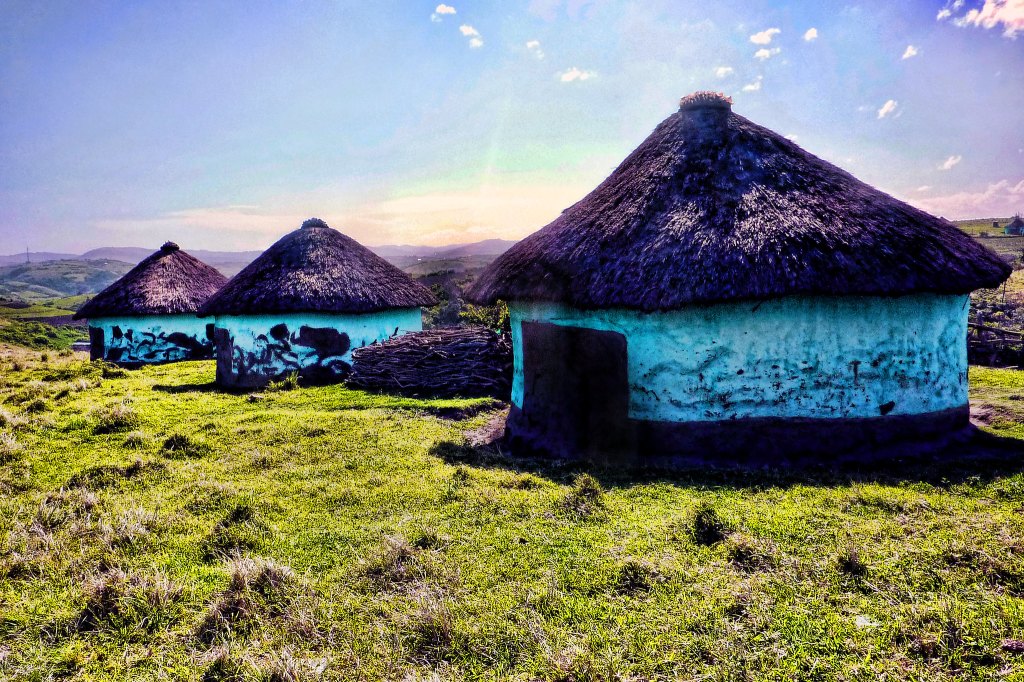
The Three Rondavels in Graskop, Mpumalanga, South Africa, are three round mountain tops with slightly pointed tops. They look similar to the traditional round or oval African homesteads made with local materials called rondavels and this is the reason for the name.
These three geological formations were also once known as ‘The Chief and his Three Wives’. The flat-topped peak was named Mapjaneng (‘the chief’) after a legendary Bapedi chief, Maripi Mashile, who defeated invading Swazis in a great battle near here. The three peaks are named after his three wives (from left to right) – Magabolie, Mogoladikwe and Maseroto.
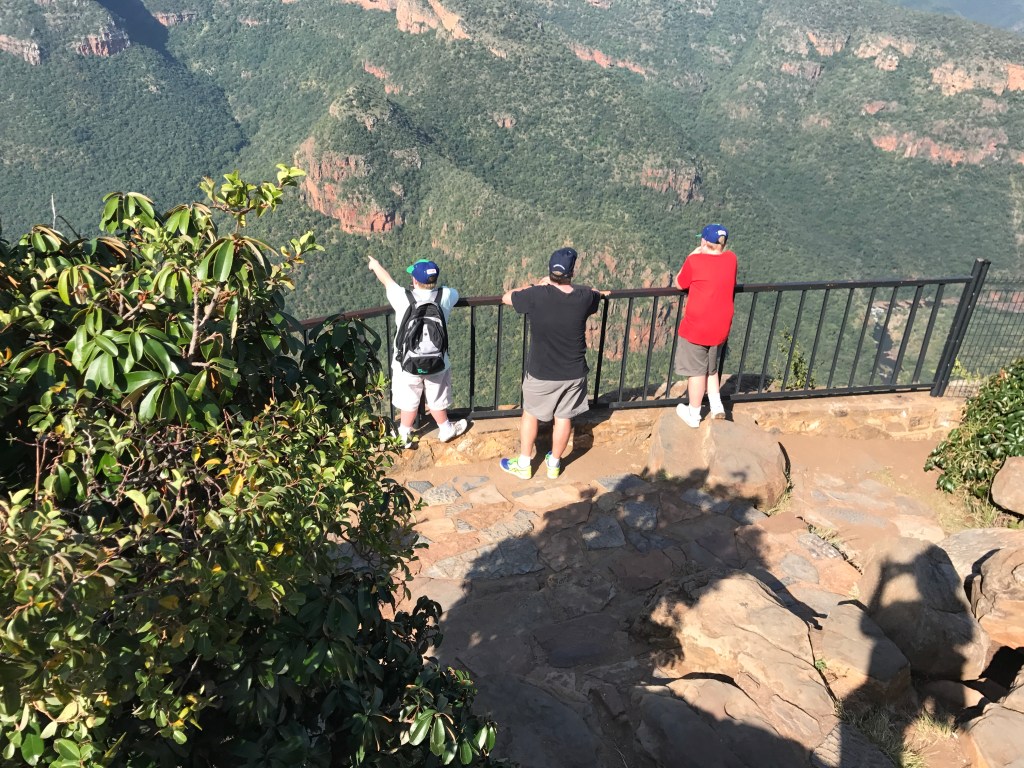
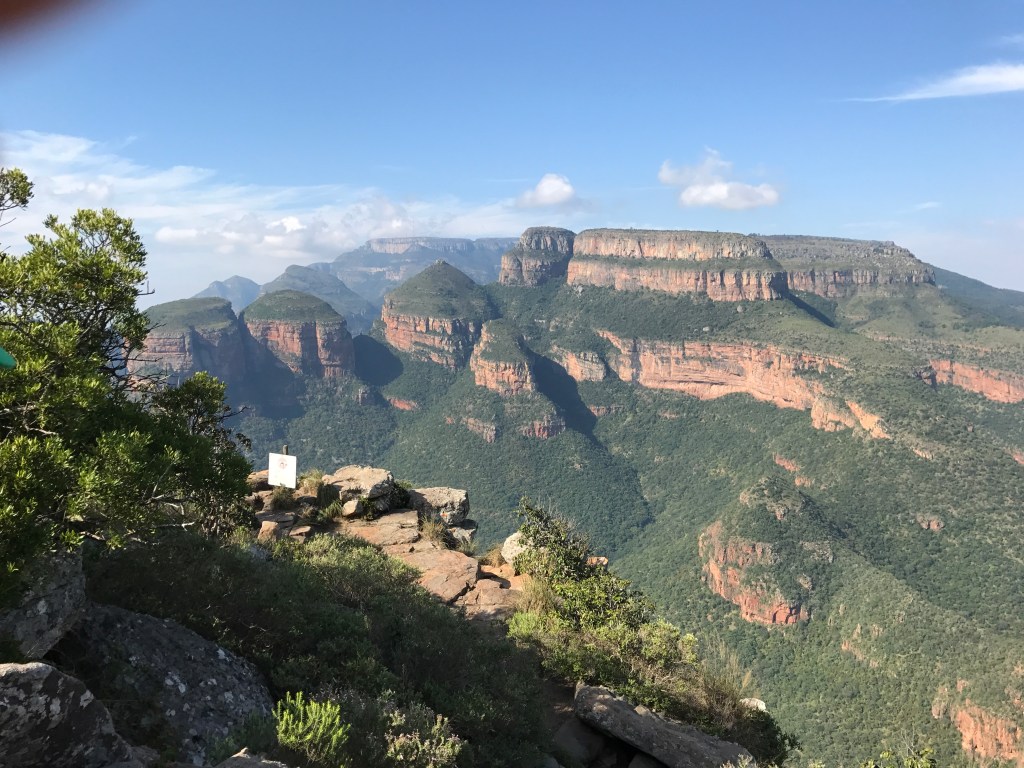
My picture of the Three RondavalsHere are my three boys giving me the Heebie-jeebies by standing so close to the edge – and I know there’s a railing but it doesn’t help!A different viewing point in the areaPicture of an African rondavel by Stephen Gerner Flickr. You can see more of his great work here: https://www.flickr.com/photos/sgerner/7849486272
If you ever find yourself on the Strange Hwy—don’t turn around. Don’t panic. Just. Keep. Going. You never know what you’ll find. You’ll see magic at the fingertips of an autistic young man, •A teen girl’s afternoon, lifetime of loss. •A winged man, an angel? Demon—? •Mother’s recognition, peace to daughter. •Danny’s death, stifled secrets. •Black man’s music, guitar transforms boy. •Dead brother, open confession. •First love, supernatural?—family becomes whole! You can exit the Strange Hwy, and come back any time you want. See, now you know the way in, don’t be a stranger.
My review
Strange Hwy: Short Stories is, as its title suggests, is a collection of intriguing short stories written about those defining moments in the lives of humans when occurrences and situations have unexpected and momentous impacts on individuals and their families. The author has written with deep insight into such occurrences and his accurateness in defining the possible fallout is quite frightening. The reader is pulled right under the skin of each specific character and experiences their fear, pain and suffering.
My three favourite stories were as follows: Alterations: This is a story about a young teenage girl, Madeline, who declares, right up front in the story, that she was indirectly responsible for the death of her father. Madeline comes from a middle class American family and her father works at the near by ship yard, overseeing the building of the ships to the specifications set by the US government. Her mother is conservative and also quite naive and these qualities, together with Madeline’s natural curiosity and sense of adventure, create a terrible situation for the family. A Russian family move in next door and appear to be a father and his daughter. The father plays beautiful music on the piano and Madeline’s mother is keen for her to befriend the daughter in the hope that her father will undertake teaching Madeline. Madeline does befriend the daughter, a woman of the world, with disastrous consequences.
Wordless: I particularly liked this story because of its overarching quality of hopefulness. Jamie Lynn is a bright young girl who is a high achiever at school and in life generally. As a result, she is bullied at school by other girls who feel threatened by her success, but this doesn’t get her down. Jamie Lynn has decided on what she wants from life and worked out the path to achieve her ambitions. She also wants to help her father who is illiterate. Jamie Lynn undertakes to teach her father how to read and sets about this task with great fortitude and determination.
Looking for Lucy: This was my favourite story in the collection. I really enjoyed its paranormal element and the fact that it is also, ultimately, a story of overcoming problems in life and achieving happiness and success. Vrable is the son of a wealthy land-owning farmer who is a bit dull and set in his ways. His mother, a bit of a fun loving woman, strays and has an affair which leads to her moving out of the family home and moving to the city. Vrable goes with her and only sees his father periodically. Vrable is lonely and ends up befriending the granddaughter, Lucy, of their elderly neighbour. Lucy’s parents are both gone, we never found out how or where, and she is being brought up by her grandmother who is sick at the time Vrable meets her. Vrable’s friendship with Lucy gives him a new perspective on life and results in a change in the state of affairs that has befallen his family.
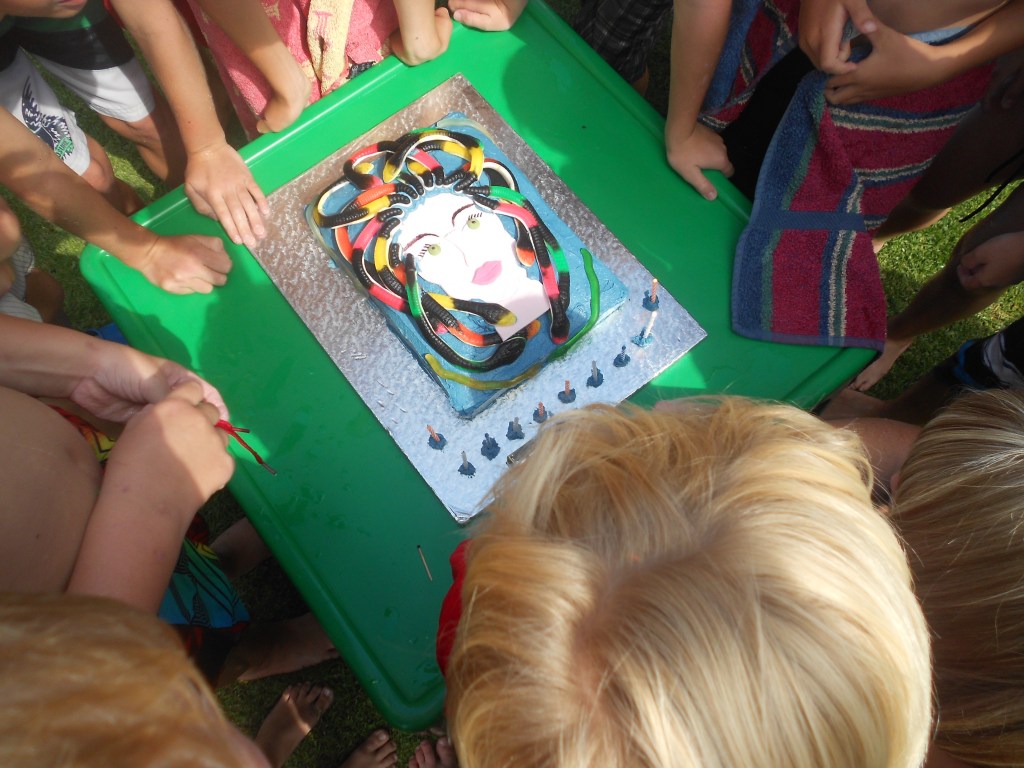
I never thought I would bake my children’s birthday cakes and I never thought I would write a book, let alone twelve
Do you want each book to stand on its own, or are you trying to build a body of work with connections between each book?
This is an interesting question. I would answer immediately that I don’t believe I will ever write a series, but my Sir Chocolate books are a series, so I have written one. I don’t really consider a children’s picture book series to be what this question is all about, and on that basis, I will revert back to my initial response that I don’t think I will ever write a series.
Why? Well, I have two reasons:
I don’t really read book series. I have read the Harry Potter books and The Lord of the Rings (I’m not sure if LOTR’s counts as a series as it is really one book broken into three parts for publishing and printing convenience) and I have read three Indie author series, Hode’s Hill by Mae Clair, some of the Braxton Campus cozy mystery series by James J. Cudney and the Zelda Richardson series by Jennifer S. Alderson. That is the sum of the adult book series I have read. Most of my reading consists of standalone books and I love classics which are usually standalone. As a result, I believe my aspirations are to write a really good standalone book; and
By the end of my books, I have had enough of the characters and the premise they are involved in and I don’t want to revisit it. I need to write part II of my mom’s story, After the Bombs Fell, and I am finding it hard to set my mind to it. When a book finishes for me, that is it, the end of the journey.
On the other hand, me being I, maybe I shouldn’t say never. Who would have thought I would ever write a book in the first place. I trained for seven years to become a chartered accountant and another three years to become a specialist in financial reporting for the Johannesburg Stock Exchange. I have written a number of books about investing in Africa, African stock exchanges and the African debt markets. I have also written articles about corporate governance. I also became accredited as an approved executive for the Johannesburg Stock Exchange and a trainer for the financial reporting requirements of the exchange. I never planned or expected to do any of these things either.
I jumped from this non-fiction writing to writing my rhyming verse Sir Chocolate books with my son, Michael. I then wrote a children’s book for young readers about a male equivalent of My Naughty Little Sister and his trip to Cape Town with his family. I have a poetry book, a fictionalised biography of my mom’s life growing up during world war II, a supernatural fantasy book and I am nearly finished a supernatural historical novel of 110 000 words. I also have horror short stories included in two anthologies, paranormal stories included in one anthology and murder mystery stories included in another.
I can’t guarantee that the urge to write a series won’t descend upon me at some point and then maybe I will write one.
What do other blog-hoppers think about this question? Click on the link below to find out, or just add a comment:
Rules:
Link your blog to this hop.
Notify your following that you are participating in this blog hop.
Promise to visit/leave a comment on all participants’ blogs.
Tweet/or share each person’s blog post. Use #OpenBook when tweeting.
Put a banner on your blog that you are participating.
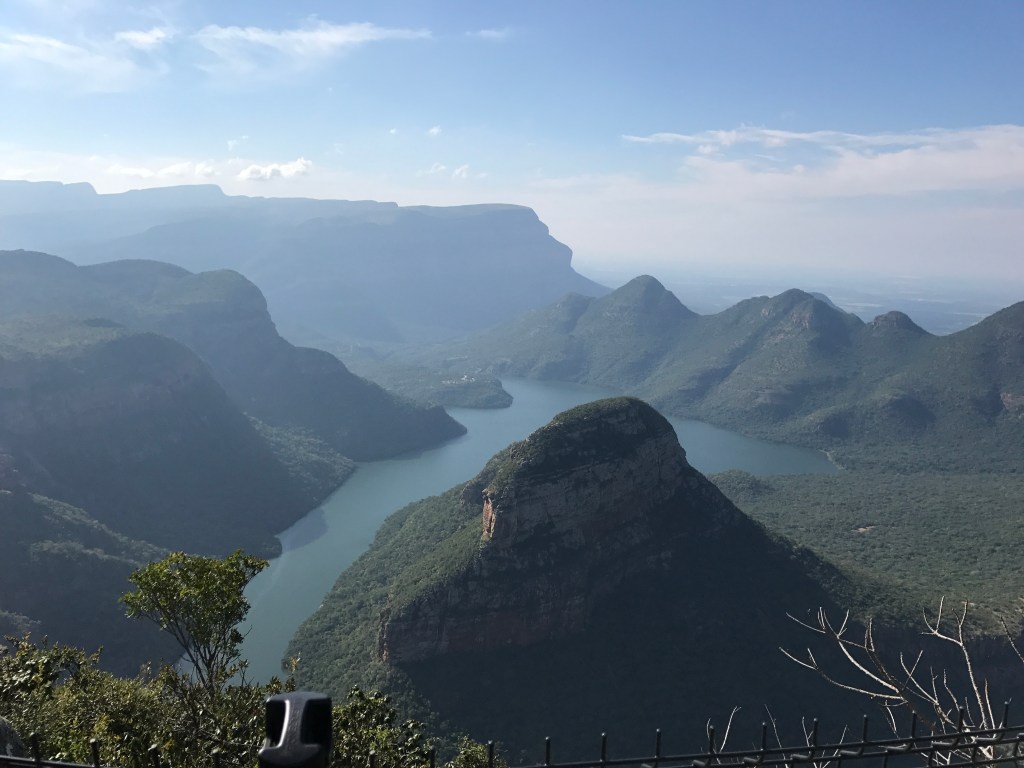
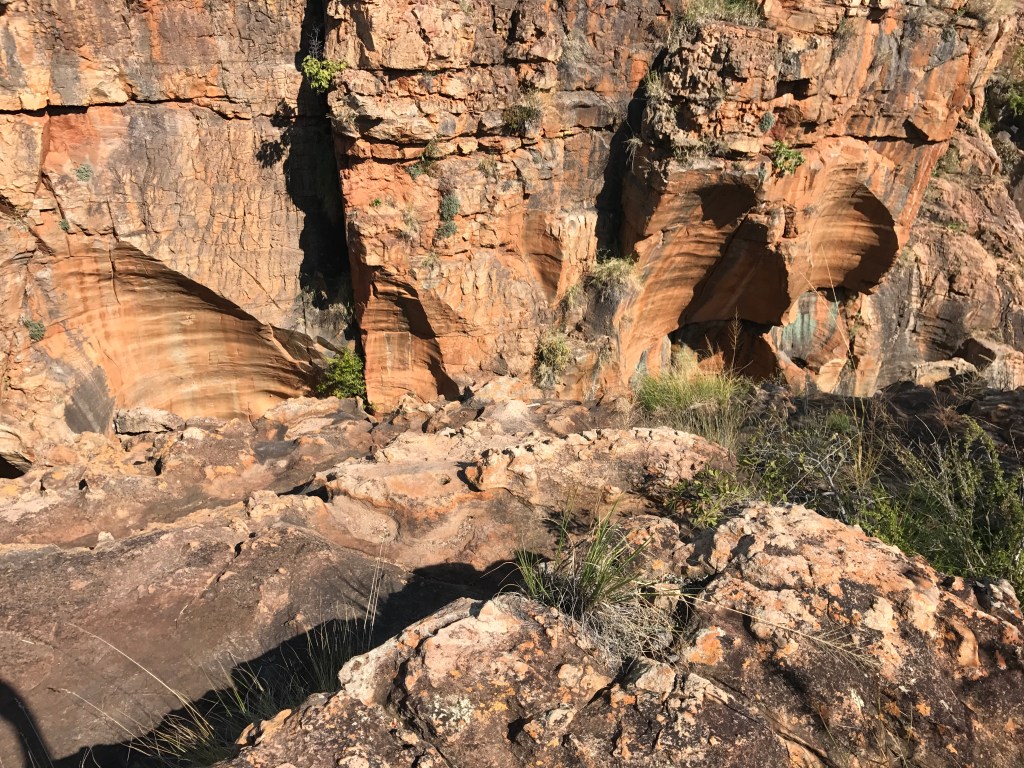
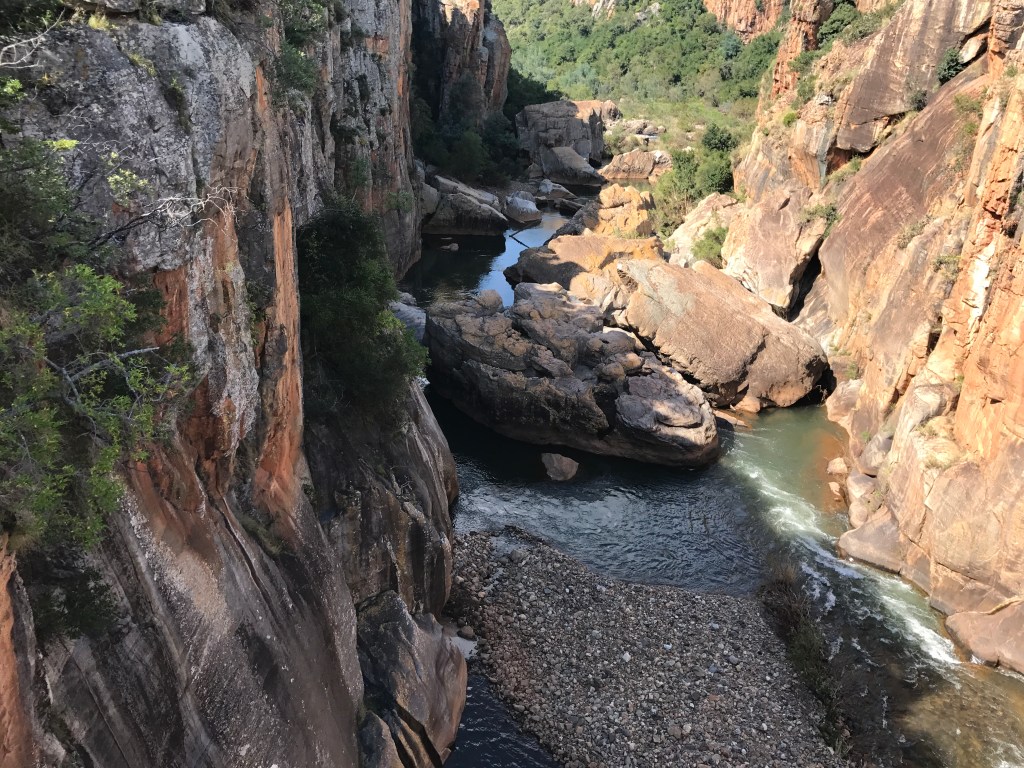
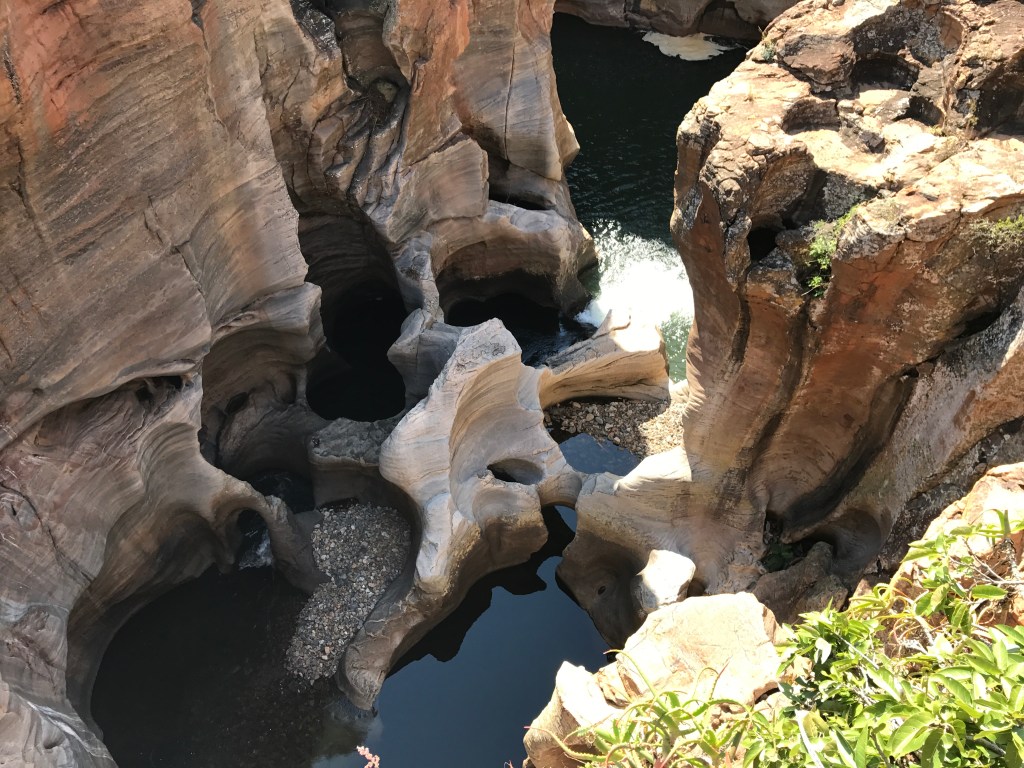
Bourke’s Luck Potholes in Mpumalanga, South Africa, is a natural water features that indicates the beginning of the Blyde River Canyon. These swirling whirlpools have formed over centuries as the Treur River plunges into the Blyde River causing waterborne sand and rock to grind large and cylindrical potholes into the bedrock of the river.
Bourke’s Luck Potholes are named after a gold digger, Tom Burke, who staked a claim nearby. Although his claim did not produce a single ounce of gold, he correctly predicted that large gold deposits would be found in the area.
The photographs below are in the order they were taken during our exploration of this famous natural tourist attraction.






 roberta-writes.com