I love reading about war. Any war is interesting to me and I have read a number of famous war novels over the fast two years including All Quiet on the Western Front, Testament of Youth, A Farewell to Arms, Regeneration, and To The Last Man (WW1), The Red Badge of Courage and Gone with the Wind (American Civil War), A Gentleman in Moscow (Russian Revolution), and For Whom the Bell Tolls (Spanish Revolution). I have over half way through War and Peace but Natasha’s story started irritating me so I put it aside. I will go back to it as I must know what happens when Napoleon attacks Moscow. I am currently reading Captain Corelli’s Mandolin (WW2). I have, of course, read many books about WW2 and I’ve even written one, but that was not in the past two years. I have also read a few books about South African Wars but most of those are non-fiction.
Anyhow, I was reflecting on war recently, possibly because of the war in Ukraine, and thinking that many of our modern battles are not against other nations but rather against more insidious and creeping problems like overpopulation, pollution and global warming both contributed to be consumerism and ultimately greed. I decided it would be interesting to share two poems, one that highlights the horror of battle during WW1 and one that reflects on this creeping change that haunts our modern society.
Here is my recital of The Anxious Dead by John McCrae:
The next poem, is one of my own from my poetry collection, co-authored with Kim Blades, called Open a new door. It’s called The Corporate Giant:
Our modern battles don’t seem so obviously harmful, but given the heat waves, heat domes, cold waves, firestorms, and flooding the world has been experiencing over the past two years, I’m becoming less convinced we are not heading for a situation that is equally devastating.
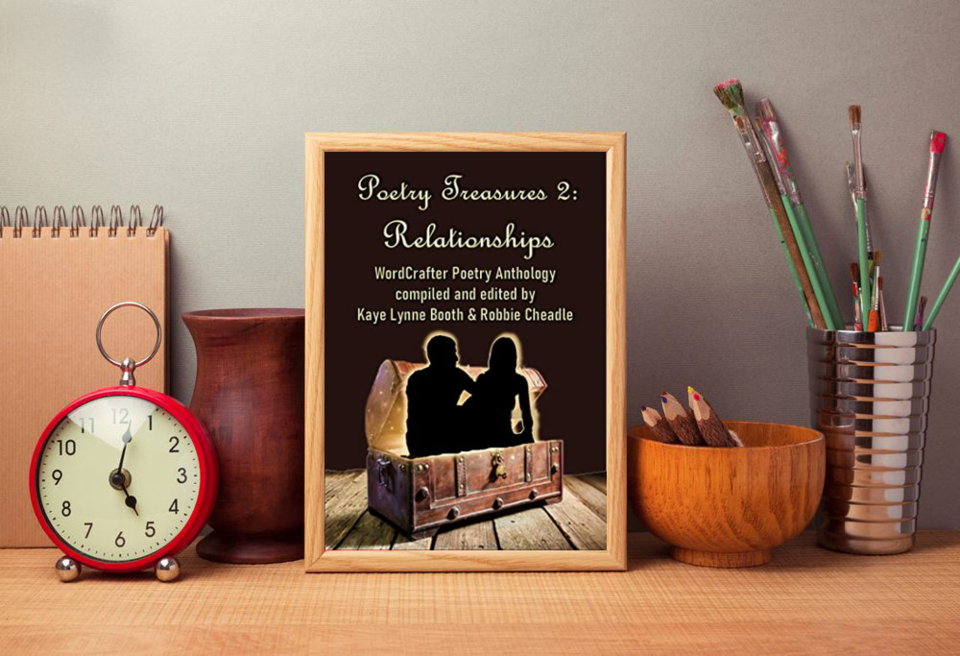
I have six poems in a new poetry anthology called Poetry Treasures 2: Relationships.
Welcome to Thursday Doors, a weekly feature allowing door lovers to come together to admire and share their favorite door photos from around the world. Feel free to join in on the fun by creating your own Thursday Doors post each week and then sharing your link in the comments below, anytime between 12:01 am Thursday morning and Saturday noon (North American eastern time). You can join in Thursday Doors here:
Tomorrow is Good Friday which is an important religious holiday for Christians around the world. Good Friday is followed by Easter Sunday, a day of celebration and joy.
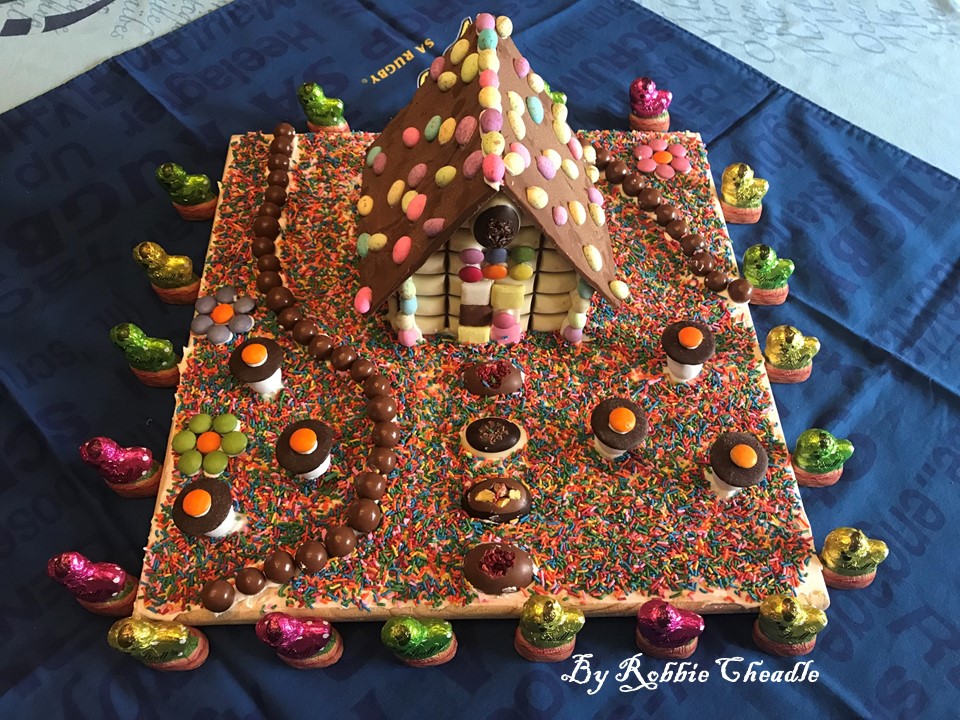
In celebration of Easter, I am sharing my chocolate Easter Swiss Chalet. Please note, it has a door, actually, it has two as there is a similar door at the back of the structure.
I am over at Charles French’s lovely blog with a post about Dante’s Divine Comedy and its relevance to modern readers. This is one of the best books I’ve ever read. Thank you, Charles. Charles shares great quotes, inspiration writing posts, and other writer information so do look around while you are there. Charles also has a wonderful selection of books.
Thank you to Robbie Cheadle, a long time member of the U. L. S. The Underground Library Society!
Dante’s Divine Comedy
Background
Divine Comedy is a narrative poem, written in Italian and translated to English. Dante Alighieri spent twelve years writing this poem which was completed in 1320. The poem is divided into three parts: Inferno, Purgatorio, and Paradiso.
The poem starts with Dante, the protagonist of the poem, finding himself in a dark and wild forest at night. The road towards the sunshine on the other side of a hill is guarded by three beasts which Dante cannot pass. He is in despair when Virgil, a pagan soul from the first circle of Hell, appears and tells him that the beautiful and good Beatrice, a woman who died young and was an object of admiration and desire by Dante, had arrange for him to journey through Hell, Purgatory, and…
Welcome to Thursday Doors, a weekly feature allowing door lovers to come together to admire and share their favorite door photos from around the world. Feel free to join in on the fun by creating your own Thursday Doors post each week and then sharing your link in the comments below, anytime between 12:01 am Thursday morning and Saturday noon (North American eastern time).
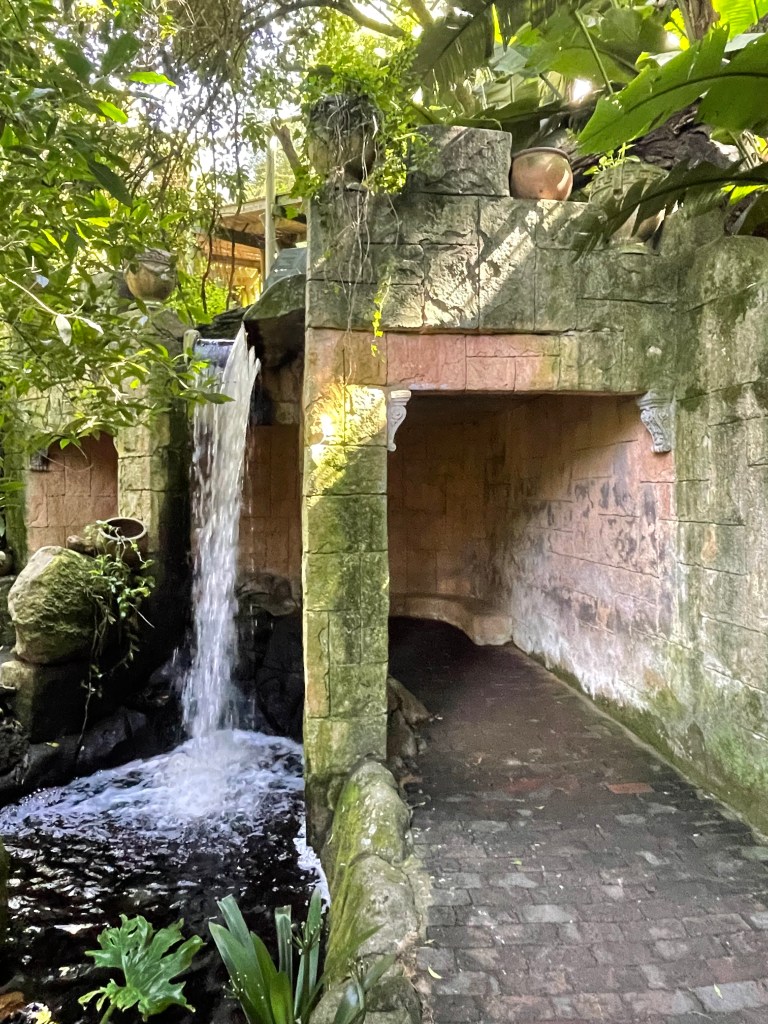
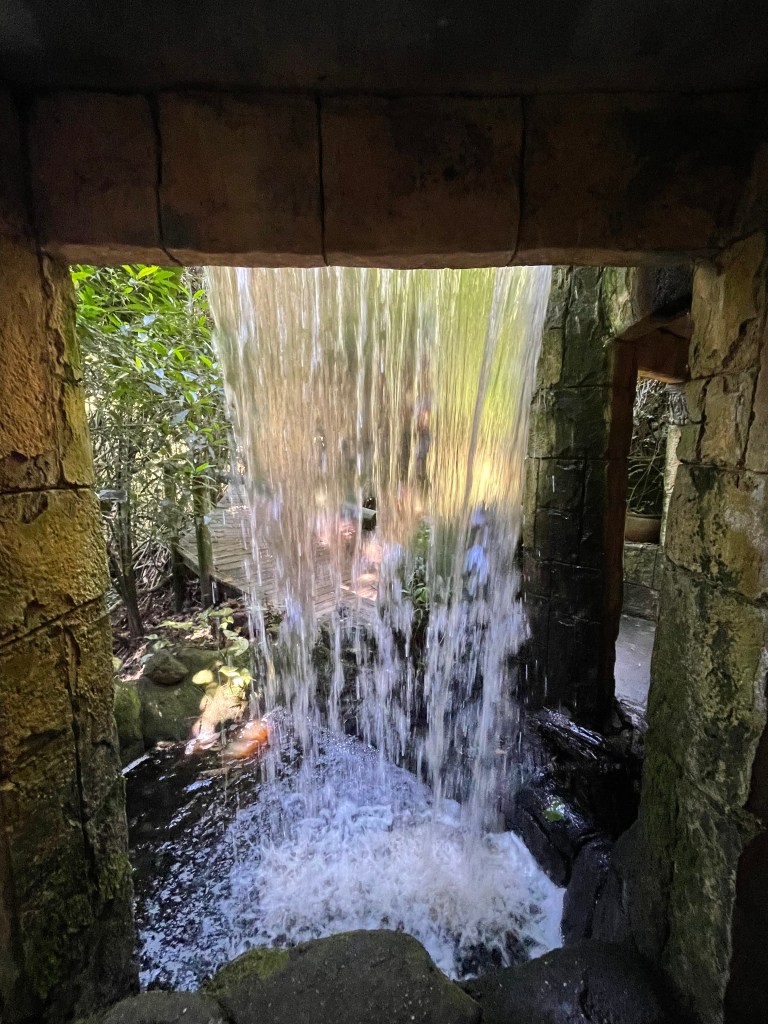
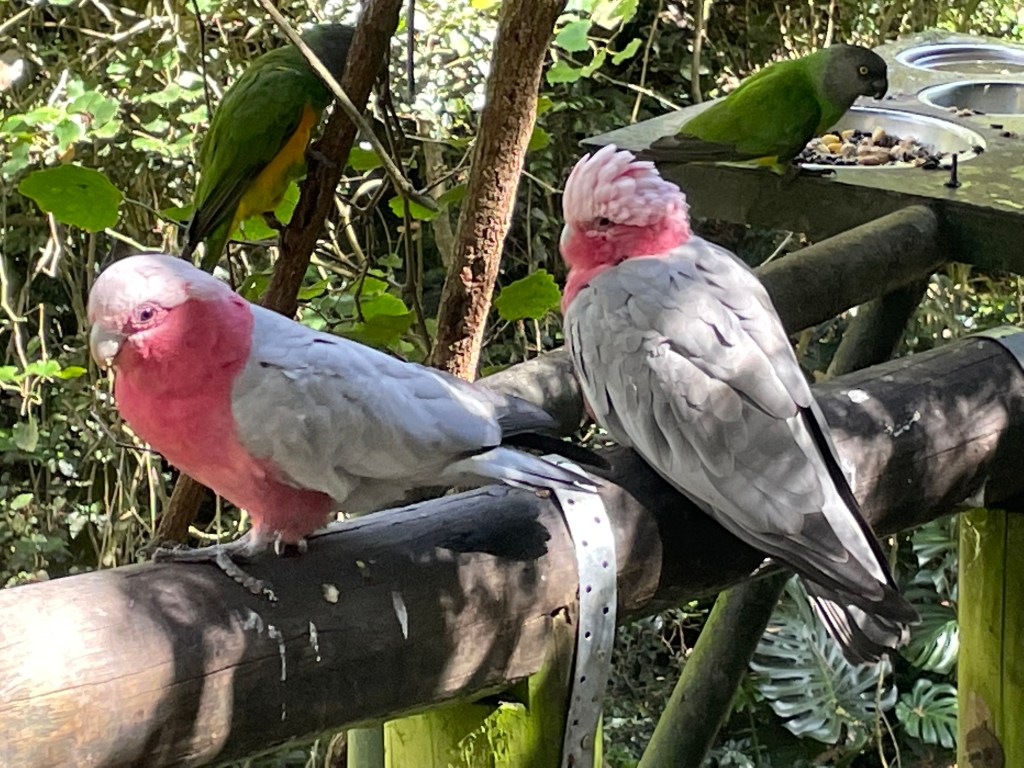
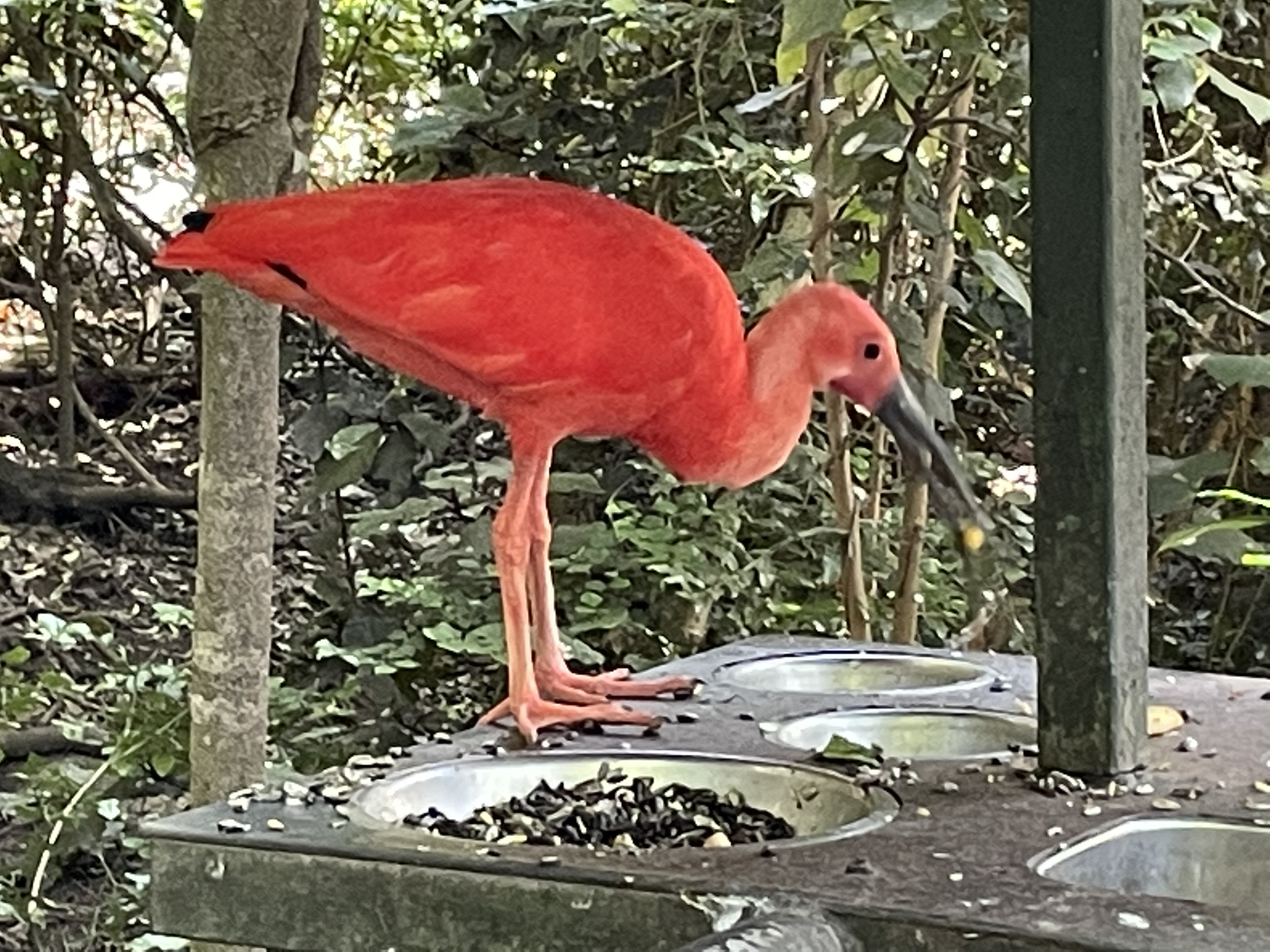
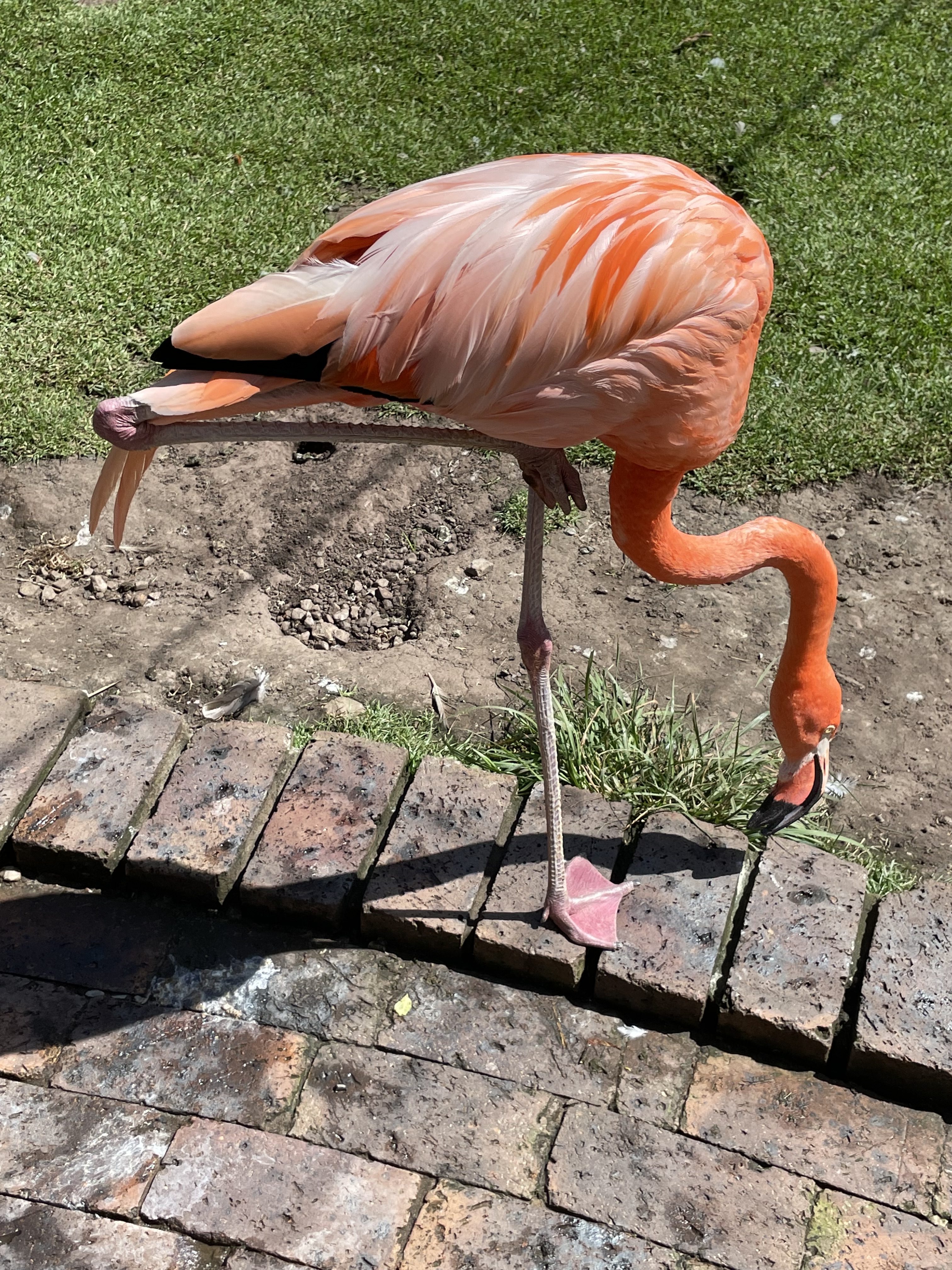
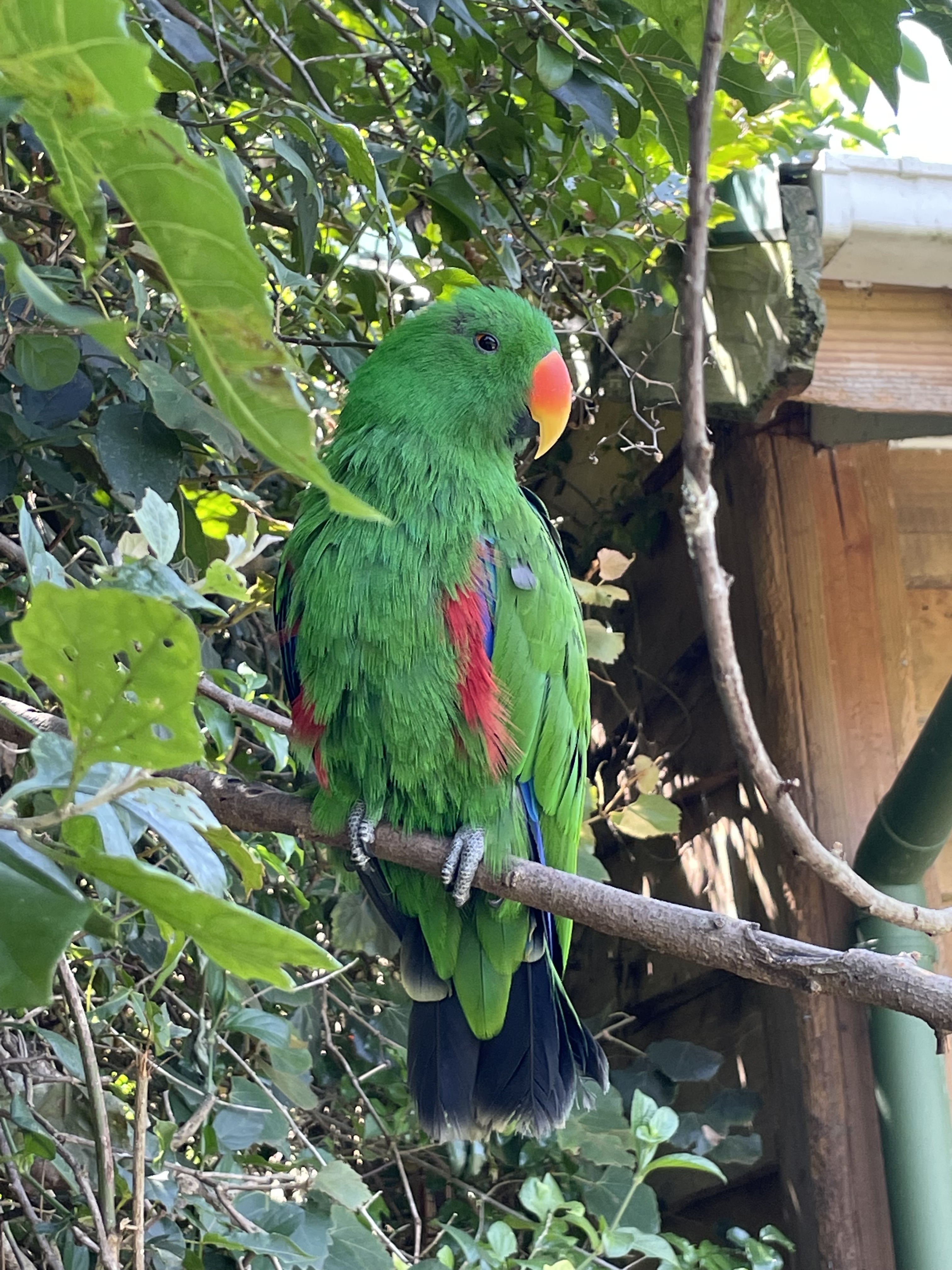
During our recent road trip, we visited the Birds of Eden bird sanctuary in Plettenberg Bay. This is what the website says about the bird sanctuary:
“Birds of Eden’s unique two hectare dome (the world’s largest) spans over a gorge of indigenous forest. Currently it is home to over 3,500 birds from over 220 species, with the main focus being African birds.”
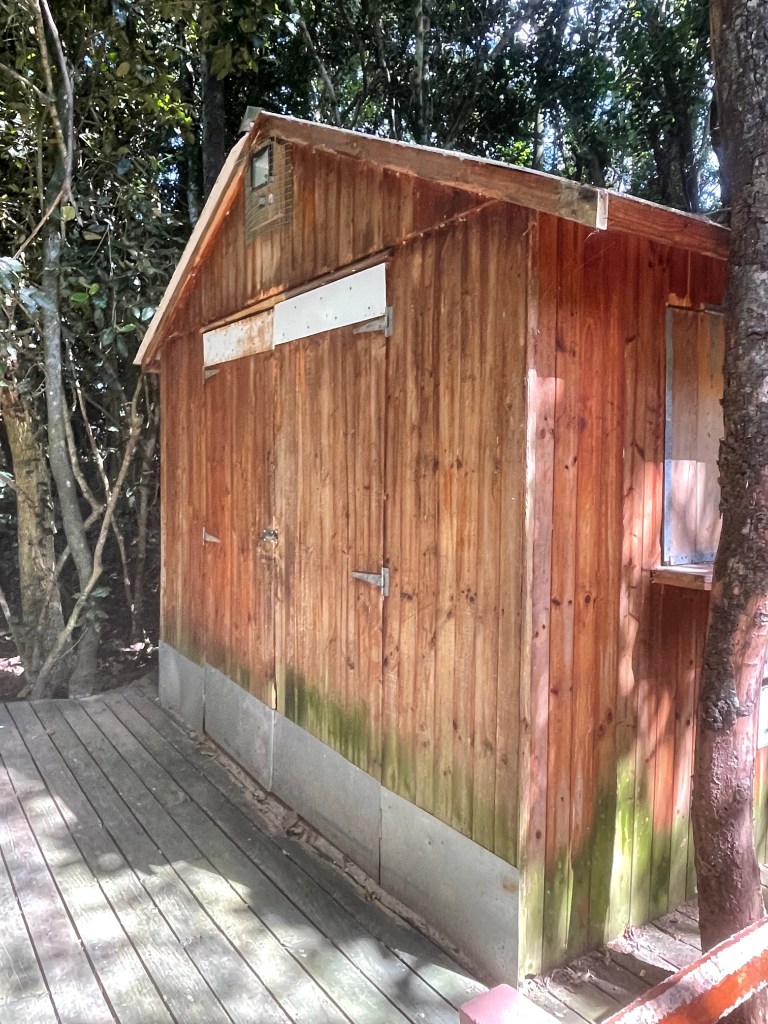
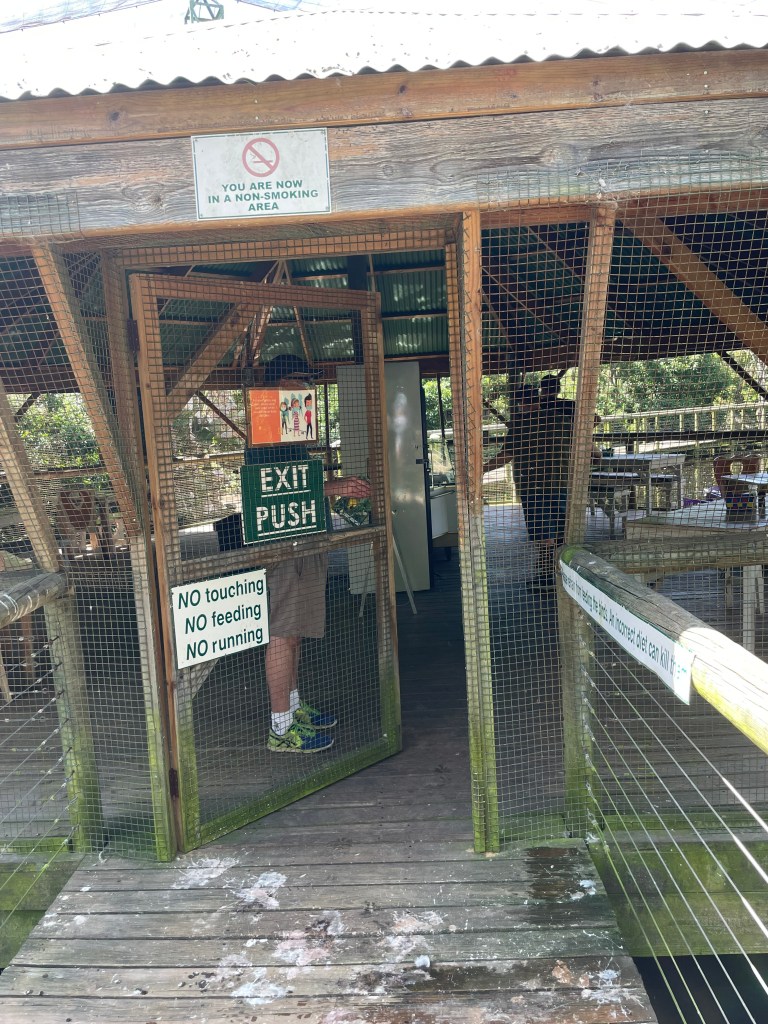
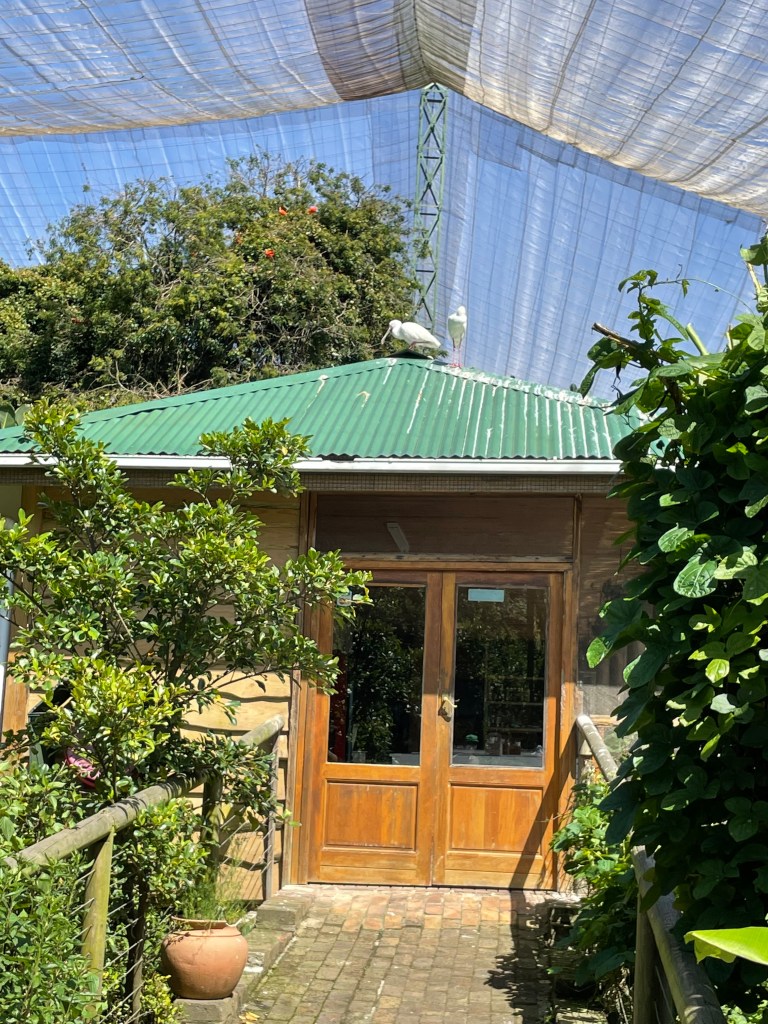
A doorway with no doorA doorway with a waterfall as a doorDoors to a bird feed storage roomSafety doors to ensure the birds don’t escape – they would die in the wildDoor to the gift shop
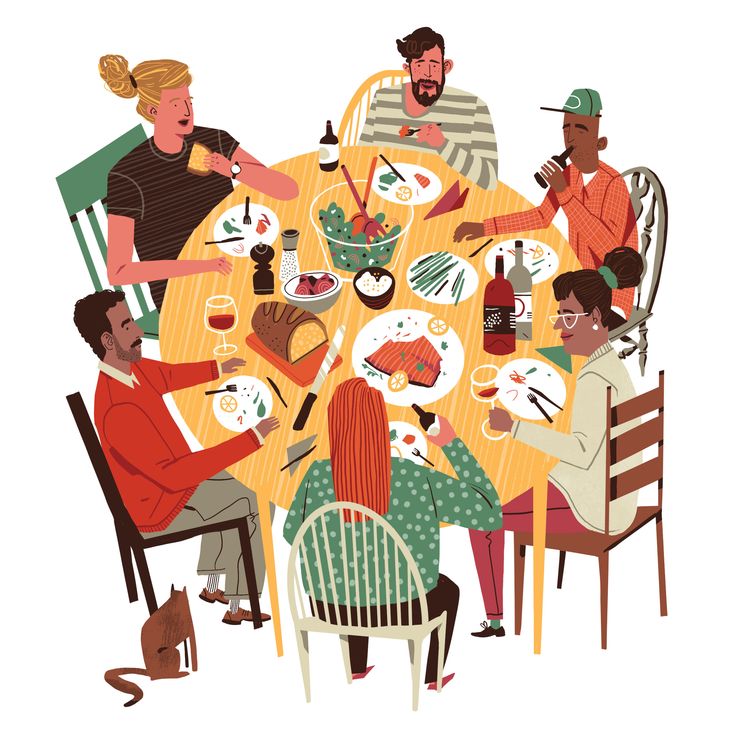
Talented poet and author, Jude Itakali, has created a poetic day of meals around the world. Five bloggers and writers have contributed, including me with dessert (multicoloured chocolate balls). Do go over and enjoy the delicious feast. While you are there, have a look at Jude’s excellent poetry and prose books.
Hello everyone. Five members of our wordpress community contributed to this. I hope you enjoy it.
There are countless things we can tell a dear one Things that guide and things that console Those that admonish or those that praise But at any given time, anything we say can be misunderstood Encouragement taken for being nosy Care misconstrued as judgement and reprimands misinterpreted as hatred
In times of such confusion I start in one place With one universal language A meal prepared A meal shared
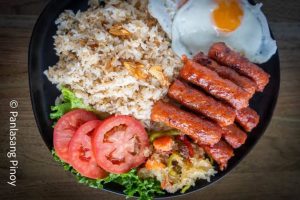
I have heard of breakfast’s supreme importance but I also know of early morning’s rush So I turn to Michaela and listen as she speaks of Filipinos and hearty breakfasts An early meal fairly easy to make and yet so filling She mentions an aroma that wakes the senses And a wholesomeness that fuels one all day long
Welcome to Thursday Doors, a weekly feature allowing door lovers to come together to admire and share their favorite door photos from around the world. Feel free to join in on the fun by creating your own Thursday Doors post each week and then sharing your link in the comments below, anytime between 12:01 am Thursday morning and Saturday noon (North American eastern time).
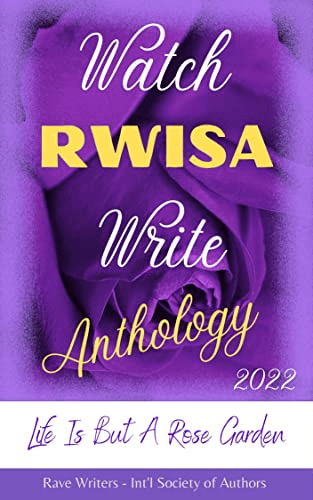
WATCH RWISA WRITE Anthology 2022 : Life Is But A Rose Garden
What Amazon says
If you have ever heard of the organization, RWISA, then you know that it is home to an elite and exceptional group of writers; writers who care deeply about the quality of the work they share with the world, and writers who polish before they publish. That’s RWISA!RWISA writers have the artistic ability to convey information in a flowing and compelling manner, that keeps readers engaged and wanting more and more.
My review
Watch RWISA Write is a great collection of short stories, poems, and non-fiction insights into life during the Covid-19 pandemic as well as other interesting life experiences by the authors.
Harriet Hodgeson has a wonderful collection of six contributions all of which are meaningful and moving non-fiction pieces. The one that I related to the most was Grandma on duty in which she depicts all the various “duties” she undertakes, or roles she plays, as a grandmother. Harriet explains how her experiences in life have helped her continue to make meaningful contributions to society and her family, and to keep growing as a person.
John Fioravanti includes interesting pieces about three excellent quotes, his interpretation of their meaning, and how he applies this understanding to his own life.
Karen Black shares her thoughts and experiences during the past two years of Covid-19 and a frightening short story about a couple who meddle with forces they don’t understand.
Linda Mims has two lovely contributions including a beautiful story about a mother coming to terms with the loss of her chronically ill daughter through interacting with the children in the class her daughter taught.
There are three pieces contributed by Linnea Tanner, a poem, a short story and a non-fiction discussion about how the pandemic and other events over the past two years have influenced her life and her writing. I related strongly to this piece and I think all readers will as none of us have come through the past few years unchanged.
Lisa Kirazian’s piece is a joyous and uplifting commentary about the real meaning of life.
Maura Beth Brennan shares memories of her mother and the things she misses the most about her. A sad but beautiful article.
In true Nonnie style, the poems and pieces contributed by the President of RRBC and RWISA focus on other people and how various circumstances and events have impacted on their lives. Nonnie’s pieces are windows into the human experience and people’s reactions to adversity.
Pat Garcia shares three lovely short stories and a personal piece about Covid-19. My favourite of Pat’s pieces was The Red Wheelbarrow. I loved the development of her character, Jonathan, and the character growth she depicted beautifully through carefully selected words.
PTL Perrin has two lovely pieces featured. My favourite was her poignant story about a grandmother’s last hours with her granddaughter and how her influence extends beyond the grave and influences her granddaughter’s life for the better.
Yvette M. Calleiro reveals her beautiful and caring soul through her delightful observations about the world around her and her personal growth expressed as freestyle poems.
Watch RWISA Writes is a super collection and has something for every reader to enjoy.
Purchase WATCH RWISA WRITE Anthology 2022 : “Life Is But A Rose Garden”
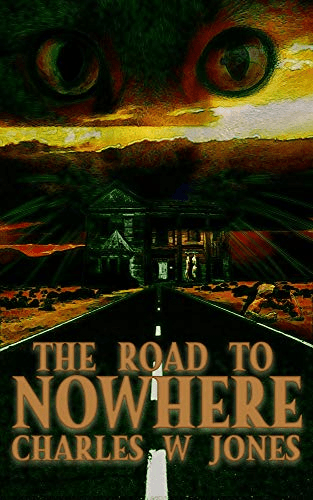
Friends, Steve, Everett, and Reed, are traveling to a lake resort to celebrate Everett’s upcoming wedding when their van breaks down in the middle of nowhere. When they find an old farmhouse, they discover the elderly couple, Aggie and Morty, aren’t as hospitable as they initially thought and find themselves subject to the sadistic and cannibalistic pair. Aggie and Morty will be eating well unless Steve, Everett, and Reed can escape the farmhouse.
My review
I must say right up front that while I really enjoyed this story, it is horror and would not suit all tastes. There are a few scenes that are quite graphically violent and brutal.
Three young male friends are on a road trip when their van breaks down. The trio soon realise they have taken a wrong turn and are lost in a rural and unfamiliar place. They are the sort of youngers that offend old-fashioned and conservative elderly people due to the swear words that liberally sprinkle their speech and the tattoos and pumped up muscles they sport. One of them is gay.
Abandoning their car, they set off in search of a ramshackled house they’d passed earlier in the afternoon. The house is inhabited by two creepy old people who do not own a car or have a working phone. They offer the men a meal and to spend the night as it is now dark and there is no help to be had until the morning. Against their instincts the three accept the invitation.
There are a few hints that the couple are not what they seem. A few well chosen words such as “”There’s always room for one more.” She patted her belly through her yellow floral housecoat” and “His gaze settled on each of them, intensely looking them over as though he were attempting to guess their weight or age like the geeks do at a carnival.”
Of course, everything starts to go a little pear-shaped, and one of the youngers ends up dead. The remaining two must try to escape if they want to see the sun rise.
This is an entertaining and well told horror story that will appeal to readers who enjoy books like Stephen King’s The Raft.
Purchase The Road to Nowhere: A Short Story by Charles W. Jones
Thank you to lovely Sally Cronin of Smorgasbord Blog Magazine for sharing this extract from my book, A Ghost and His Gold. If you don’t know Sally you really are missing out. She has an amazing blog where she shares book reviews, updates about authors and new books, articles about health and recipes, as well as interesting posts about her life. She shares some great joke posts too. Sally also has several excellent books of poetry and prose, as well as some non-fiction books on good health and diet.
In this series you are invited to share an extract of 500 words from your most recent book published within the last 12 months. Details at the end of the post.
The aim of the series
To showcase your latest book and sell some more copies.
Gain more reviews for the book.
Promote a selection of your other books that are available.
The next extract is from the historical novel set in South Africa during the Boer War, A Ghost and His Gold by Roberta Eaton Cheadle – Another book that I can recommend.
About the book
After Tom and Michelle Cleveland move into their recently built, modern townhouse, their housewarming party is disrupted when a drunken game with an Ouija board goes wrong and summonses a sinister poltergeist, Estelle, who died in 1904. Estelle makes her presence known in a series of terrifying events, culminating in her attacking Tom…
Welcome to Thursday Doors, a weekly feature allowing door lovers to come together to admire and share their favorite door photos from around the world. Feel free to join in on the fun by creating your own Thursday Doors post each week and then sharing your link in the comments below, anytime between 12:01 am Thursday morning and Saturday noon (North American eastern time).
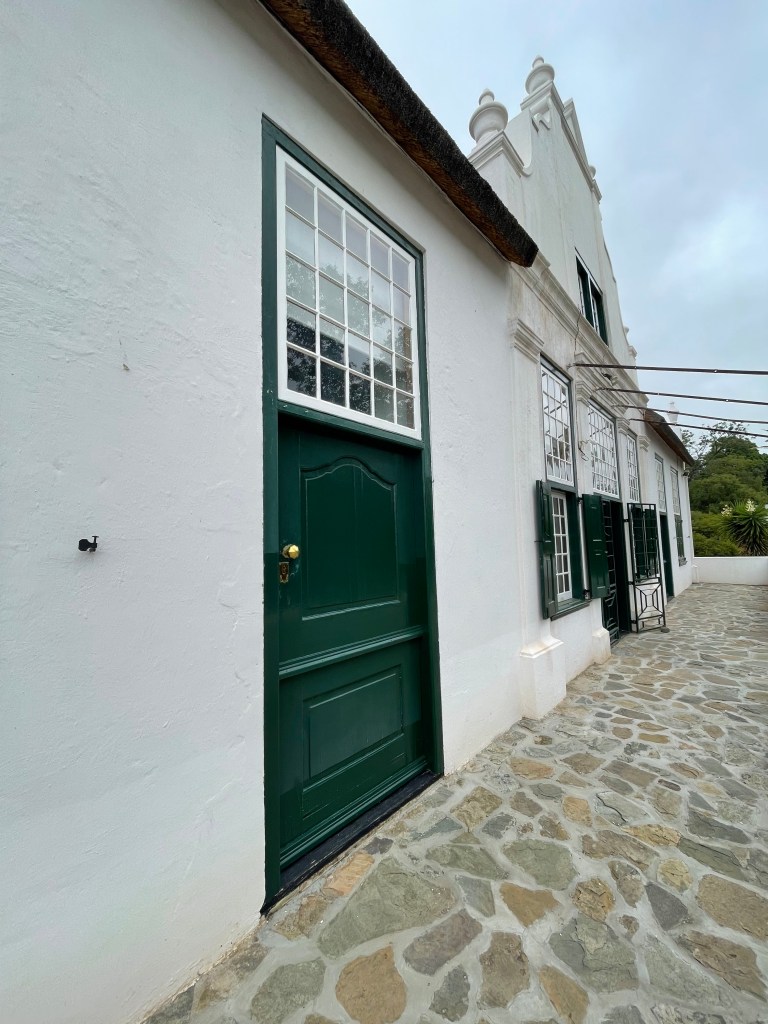
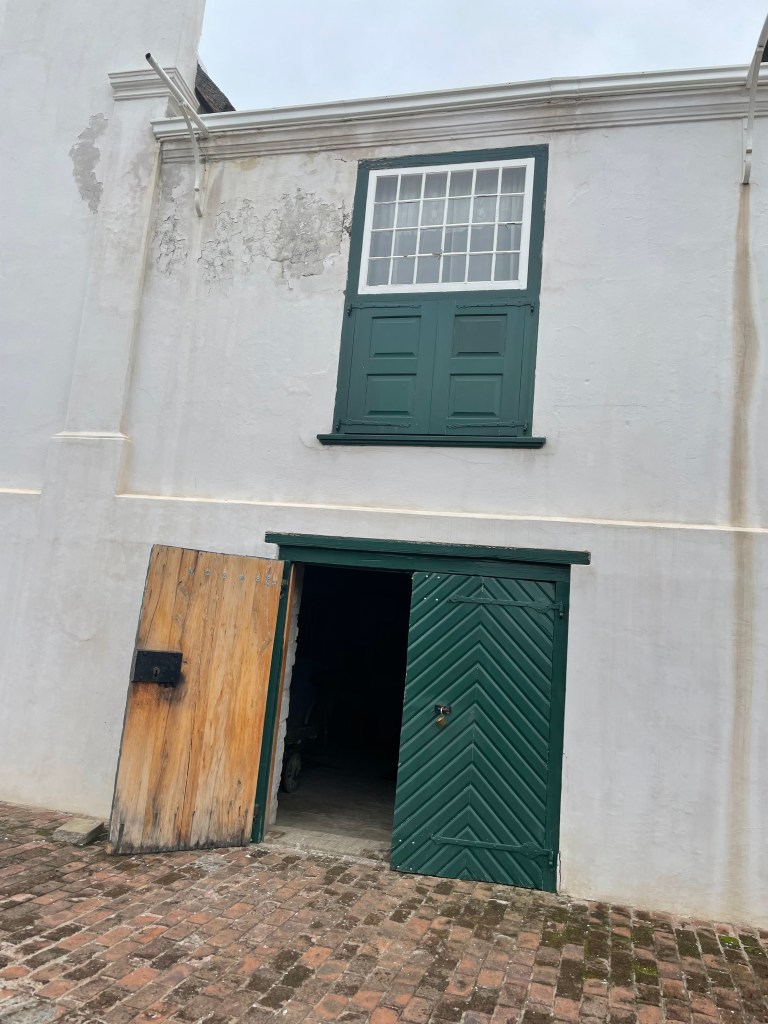
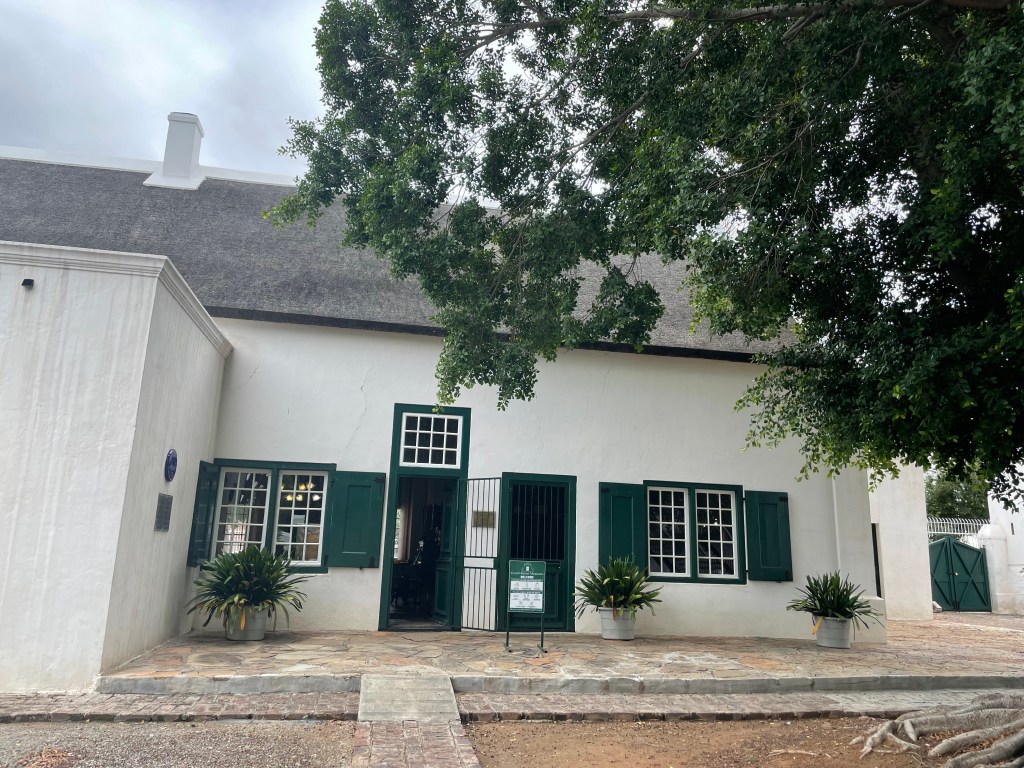
During our brief 24 hours in Graaf-Reinet in January this year, we visited Reinet House which is now a museum.
Reinet House was originally a Dutch Reformed Church parsonage and was built in 1812. The most well know of the ministers who occupied the parsonage were Rev Andrew Murray and his son Charles. Rev Andrew Murray was a writer and teacher in addition to being a minister.
Reinet House which was built in the traditional H shaped Cape Dutch style of the time (1812)A selection of doors in the courtyard and belonging to various outbuildings
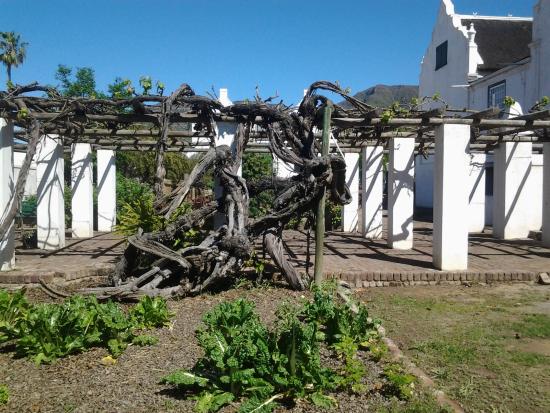
Charles Murray planted a Black Acorn grapevine in 1870 which still survives today. This is the second oldest grapevine in South Africa. The oldest is a Gross Chenin Blanc sown in 1771 that still exists in the central business district of Cape Town.
Black Acorn vine at Reinet House – Picture credit: Trip Advisor
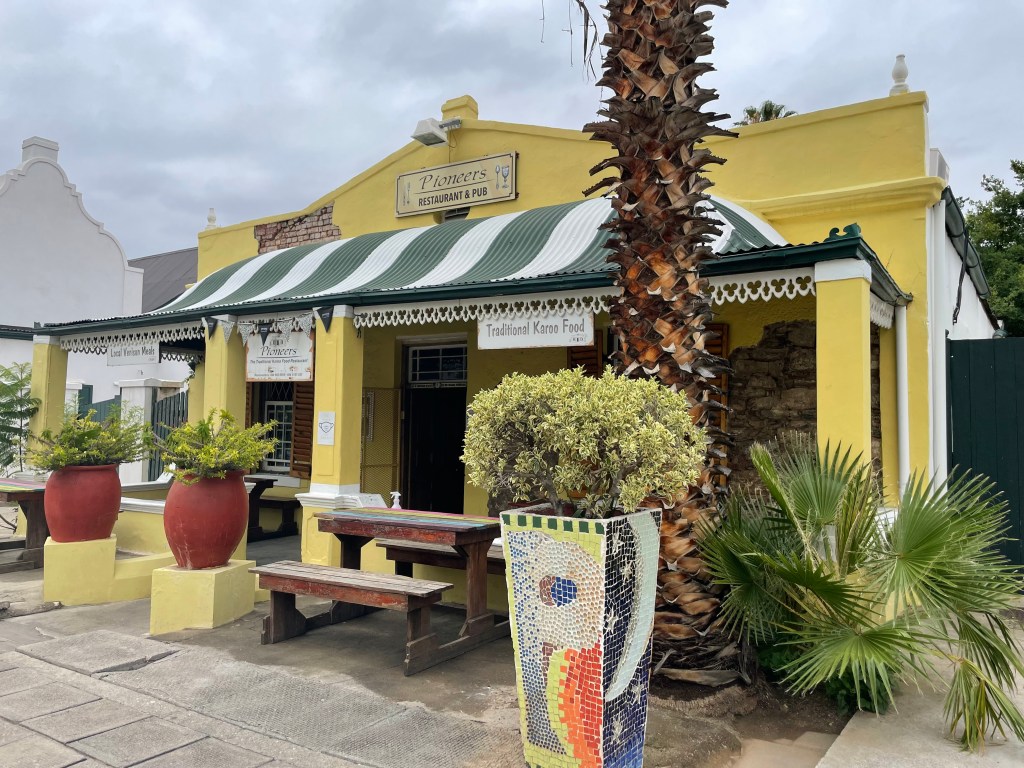
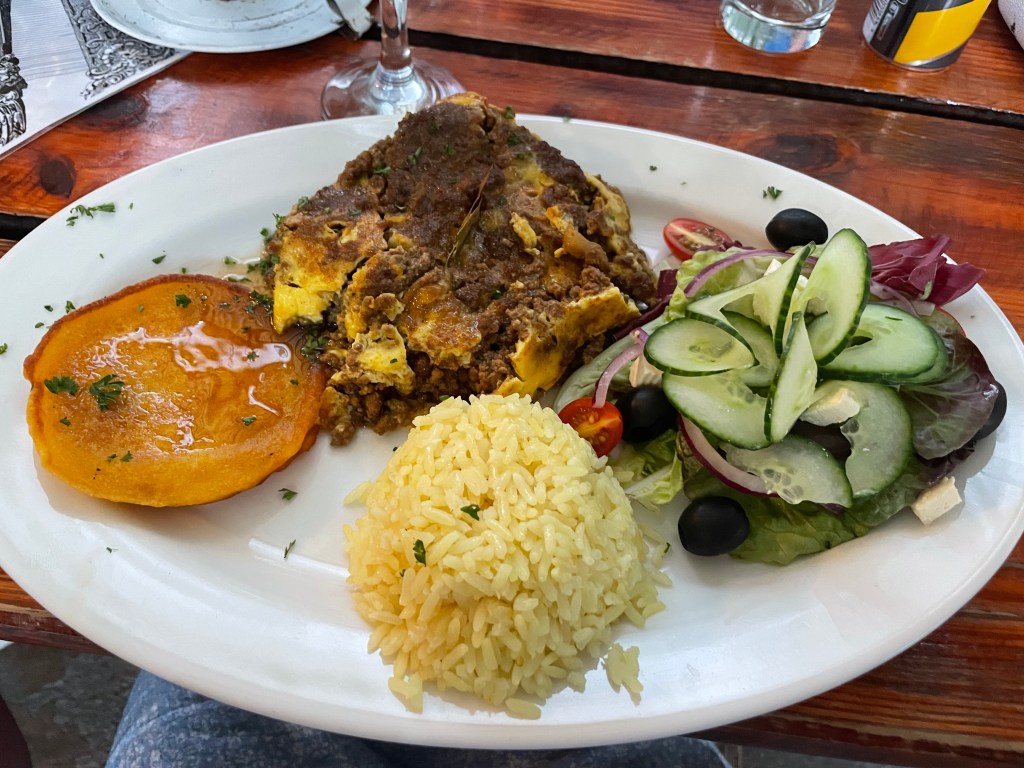
We visited a local restaurant in Graaf-Reinet called Pioneers.
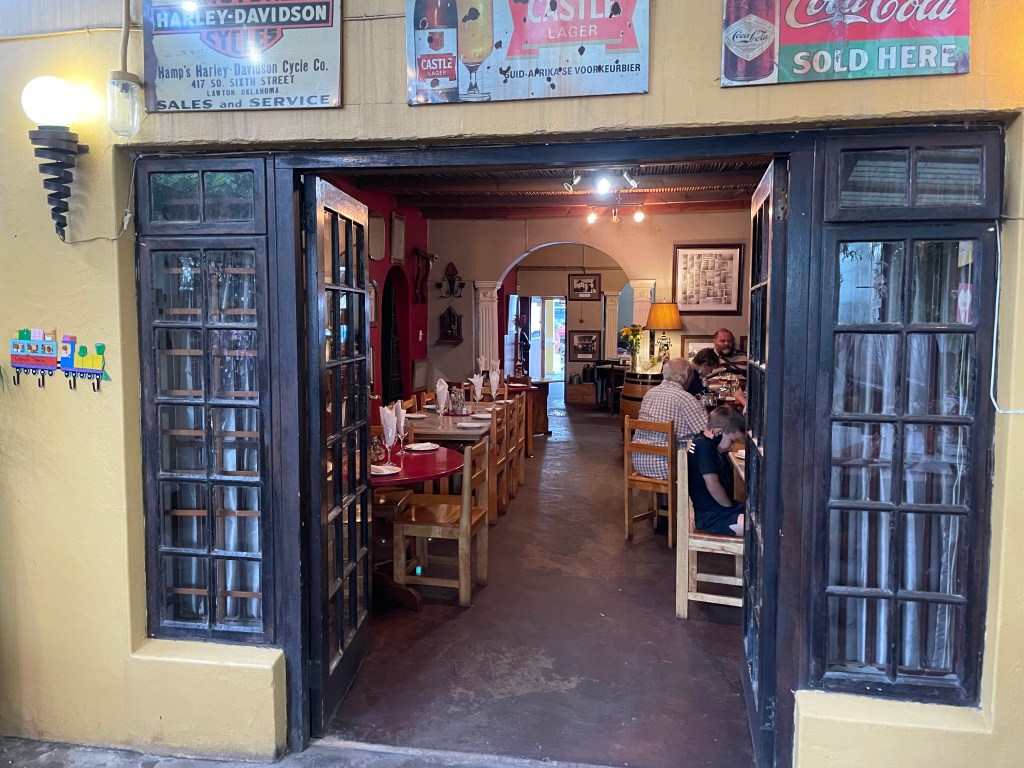
It was a great restaurant with lots of character. This picture is of the back doors out onto the verandah
I had a traditional bobotie which is a South African casserole with curried ground beef at the bottom and a thin layer of egg custard on top.
My Dark Origins post today provides some insight into the religious beliefs of the San (Bushmen), rock art and a YT video of a San Moon Dance. Thanks for hosting, Kaye Lynne Booth.
Today, I am sharing a bit about the traditional religious beliefs of the San.
God and the afterlife
The bushmen traditionally believe in a greater and a lesser Supreme Being or God.
The greater God first created himself and then the land and the food it produces, the air and water. He is generally a positive power and protects, wards off disease and teaches…














 roberta-writes.com