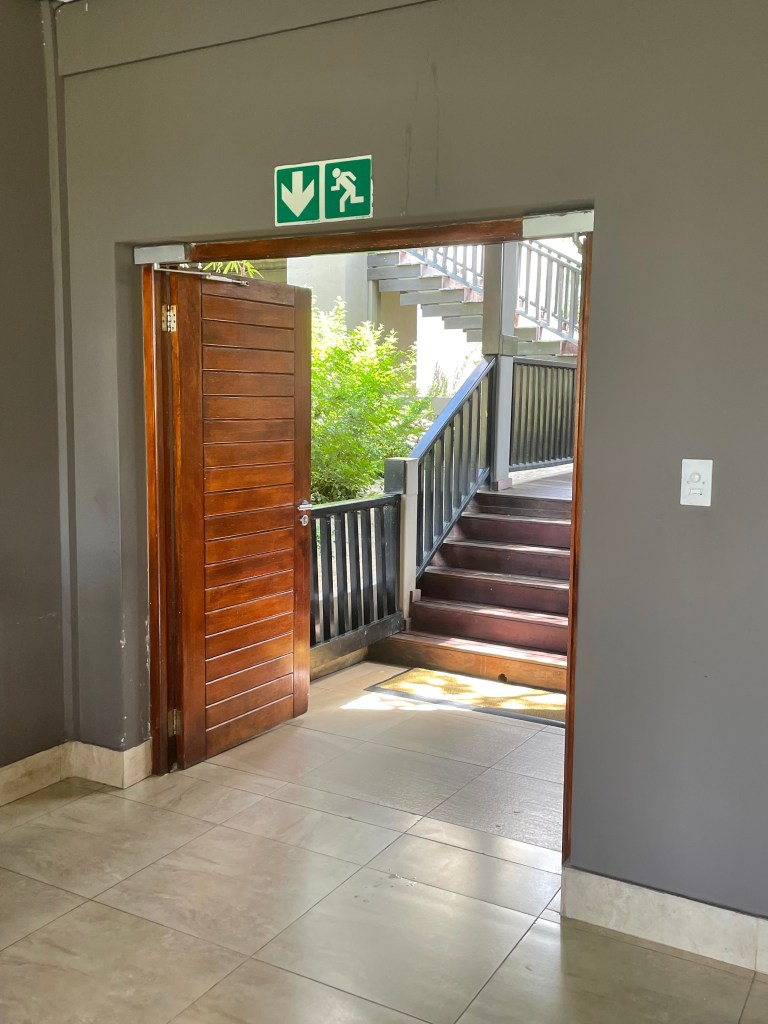
Roberta Writes – Thursday Doors: York Castle Museum, dolls and doll houses

Welcome to Thursday Doors, a weekly feature allowing door lovers to come together to admire and share their favorite door photos from around the world. Feel free to join in on the fun by creating your own Thursday Doors post each week and then sharing your link in the comments below, anytime between 12:01 am Thursday morning and Saturday noon (North American eastern time).

Those of you that follow my other blog, Robbie’s Inspiration, will know that I have a great fashion for dolls and have a big collection. My bigger than my rock and fossil collection [but smaller than my book collection – smile].

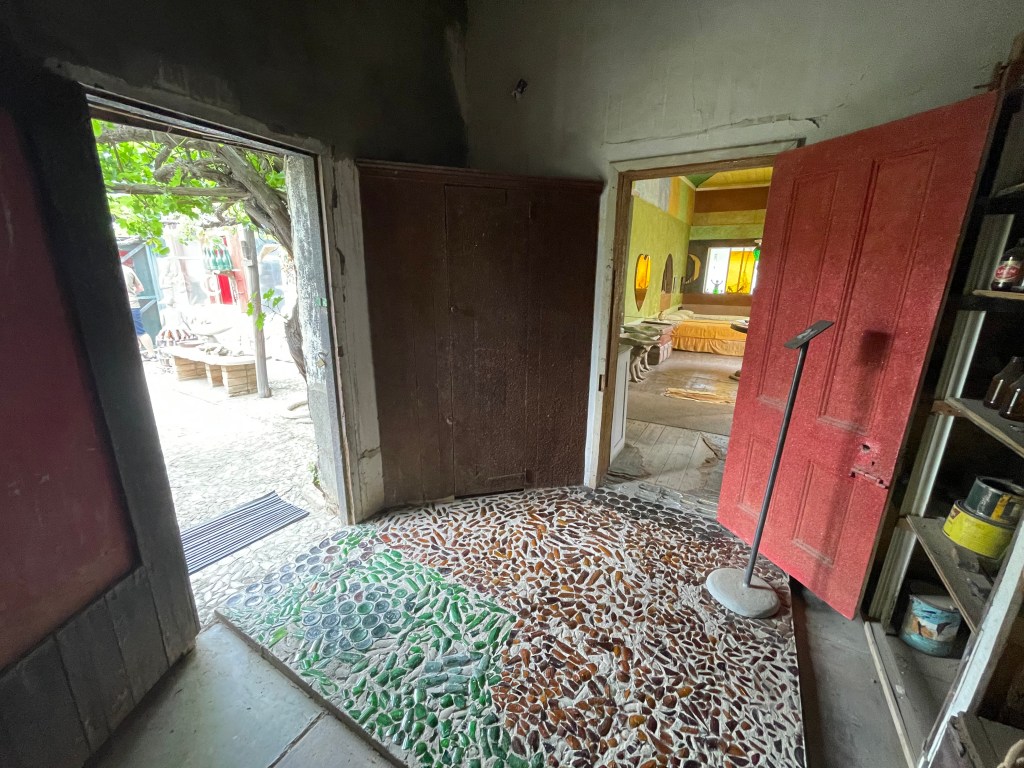
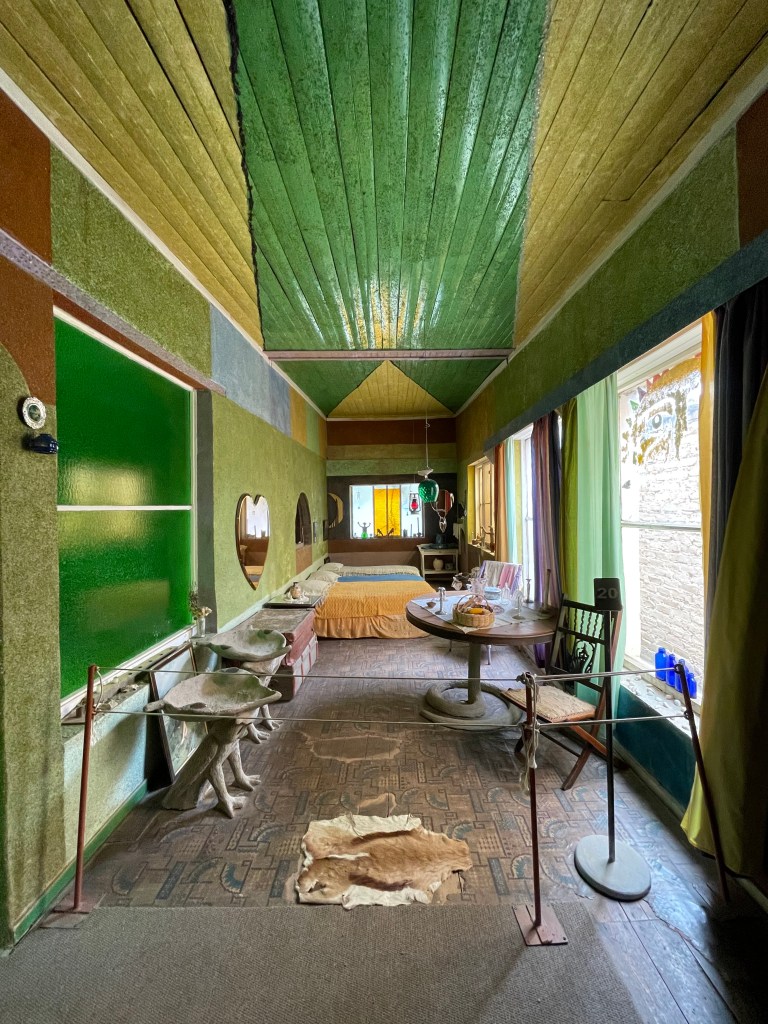
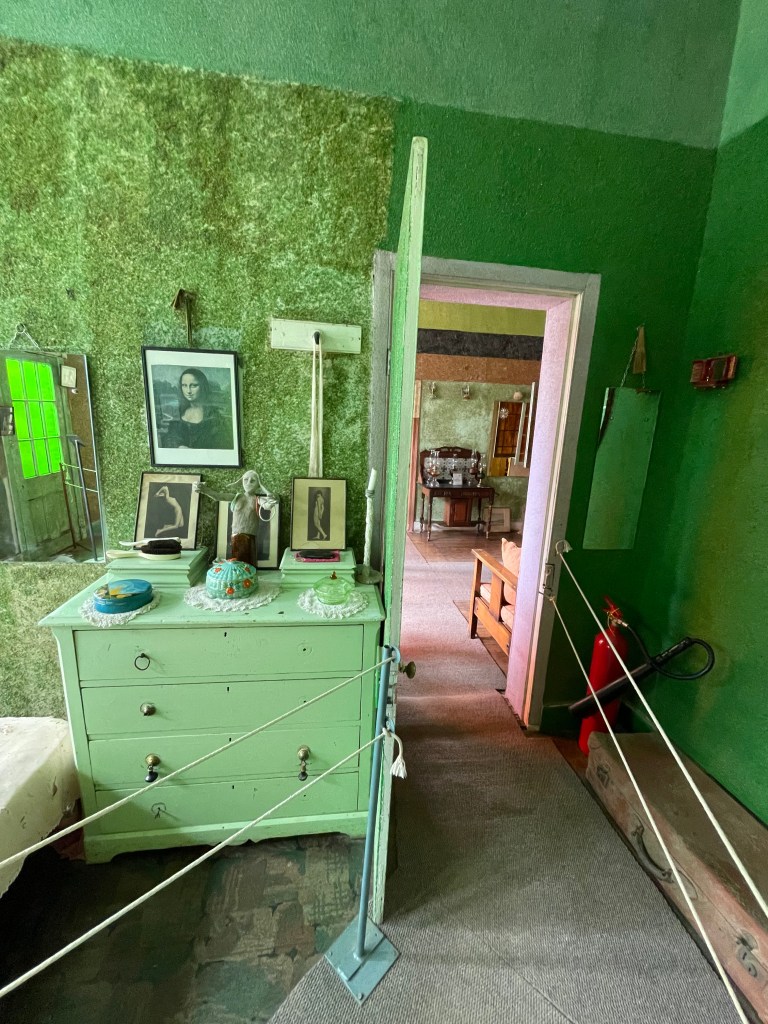
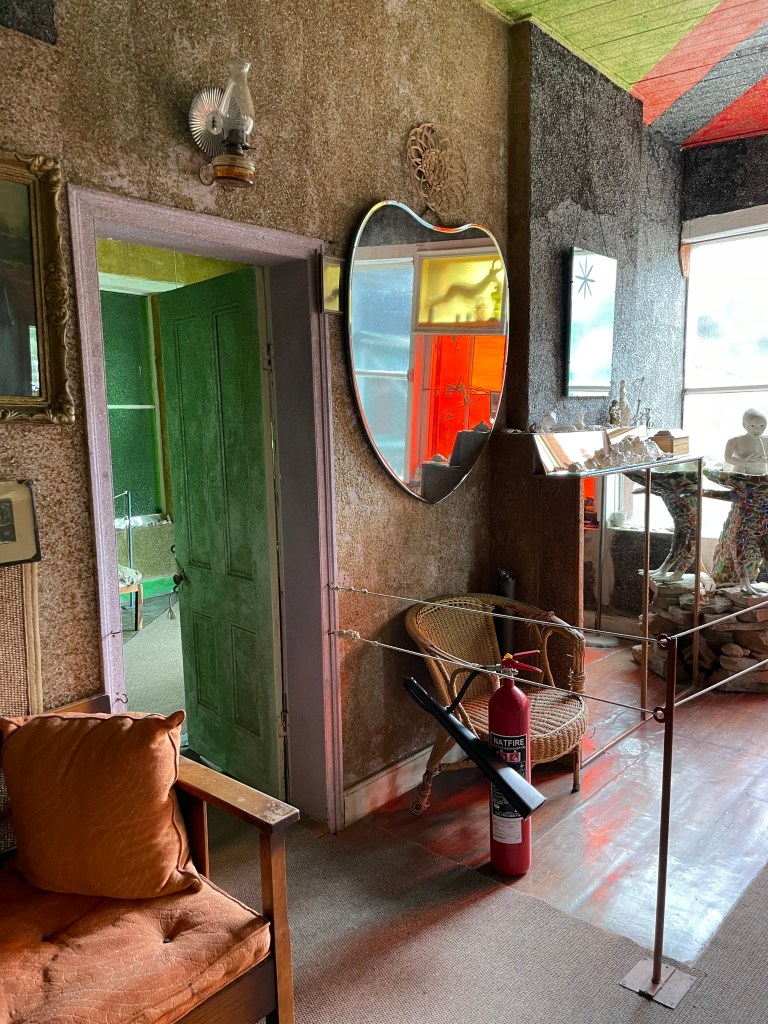
Everywhere I go, I look for dolls. I was lucky enough to visit York Castle Museum in August 2019 and found these wonderful dolls houses [all of which have doors] and some smashing dolls too.

This is a Victorian dolls house. Each section has its own door that opens and closes.

The second dolls house is called ‘Dulce Domum’ which means ‘Sweet Home’. It belonged to 8-year old Phyllis Dulce from Warwich who received it as a gift in 1895. The house had pets, servants, real electric lighting and a working door bell. The furniture came from Britain, Germany and Japan. Some of the bed linen is thought to have been made by Phyllis herself.

In honour of Punch and Judy, this is an extract from What Katy Did Next by Susan Coolidge:

“The first of Katy’s “London sights” came to her next morning before she was out of her bedroom. She heard a bell ring and a queer squeaking little voice utter a speech of which she could not make out a single word. Then came a laugh and a shout, as if several boys were amused at something or other; and altogether her curiosity was roused, so that she finished dressing as fast as she could, and ran to the drawing-room window which commanded a view of the street. Quite a little crowd was collected under the window, and in their midst was a queer box raised high on poles, with little red curtains tied back on either side to form a miniature stage, on which puppets were moving and vociferating. Katy knew in a moment that she was seeing her first Punch and Judy!

The box and the crowd began to move away. Katy in despair ran to Wilkins, the old waiter who was setting the breakfast-table.

“Oh, please stop that man!” she said. “I want to see him.”

“What man is it, Miss?” said Wilkins.

When he reached the window and realized what Katy meant, his sense of propriety seemed to receive a severe shock. He even ventured on remonstrance.

“H’I wouldn’t, Miss, h’if h’I was you. Them Punches are a low lot, Miss; they h’ought to be put down, really they h’ought. Gentlefolks, h’as a general thing, pays no h’attention to them.”

But Katy didn’t care what “gentlefolks” did or did not do, and insisted upon having Punch called back. So Wilkins was forced to swallow his remonstrances and his dignity, and go in pursuit of the objectionable object. Amy came rushing out, with her hair flying and Mabel in her arms; and she and Katy had a real treat of Punch and Judy, with all the well-known scenes, and perhaps a few new ones thrown in for their especial behoof; for the showman seemed to be inspired by the rapturous enjoyment of his little audience of three at the first-floor windows. Punch beat Judy and stole the baby, and Judy banged Punch in return, and the constable came in and Punch outwitted him, and the hangman and the devil made their appearance duly; and it was all perfectly satisfactory, and “just exactly what she hoped it would be, and it quite made up for the muffins,” Katy declared.

Then, when Punch had gone away, the question arose as to what they should choose, out of the many delightful things in London, for their first morning.”

You can join in Thursday doors here: https://nofacilities.com/2021/11/25/duluth-morning-walk/

Dark Origins – Old Mother Hubbard

I am over at Writing to be Read with the November Dark Origins post. This month the focus is Old Mother Hubbard. Wishing all my USA friends a peaceful and happy Thanksgiving tomorrow. Thanks for hosting, Kaye Lynne Booth.

robertawrites235681907's avatarWriting to be Read

Old Mother Hubbard is a popular nursery rhyme but the words are not very child friendly. It is rather long so I am only sharing the first three verses here:

Old Mother Hubbard
Went to the cupboard,
To give the poor dog a bone:
When she came there,
The cupboard was bare,
And so the poor dog had none.

She went to the baker’s
To buy him some bread;
When she came back
The dog was dead!

She went to the undertaker’s
To buy him a coffin;
When she came back
The dog was laughing.

As with most nursery rhymes, it is not possible to peg down its exact origins but I am going to share with you two quite different proposed origins, one being much darker than the other.

Old Mother Hubbard is purported to refer to Cardinal Thomas Wolsey and his failure to obtain an annulment from the…

View original post 520 more words

Roberta Writes – Divine Comedy, Inferno: Canto 12

Virgil and Dante approach the first ring of the Seventh Circle of Hell through a ravine of broken rock. At the end, the poets are threatened by the Minataur, a half-bull, half-human creature of Greek mythology born from a union between a woman and a bull. Virgil taunts the Minataur into a rage and while it is thrashing around randomly, the pair slip past unharmed.

Minotaur, Greek Minotauros (“Minos’s Bull”), in Greek mythology, a fabulous monster of Crete that had the body of a man and the head of a bull. It was the offspring of Pasiphae, the wife of Minos, and a snow-white bull sent to Minos by the god Poseidon for sacrifice. Minos, instead of sacrificing it, kept it alive; Poseidon as a punishment made Pasiphae fall in love with it. Her child by the bull was shut up in the Labyrinth created for Minos by Daedalus.

Extracted from https://www.britannica.com/topic/Minotaur

Minotaur, half man - half bull
Picture credit: https://www.greekmyths-greekmythology.com/myth-of-theseus-and-minotaur/

Virgil explains to Dante that the ravine was caused by a massive earthquake caused when Jesus entered the first circle of hell to rescue certain souls.

Virgil points to the River Phlegethon where those shades who committed violence against others are submerged in boiling blood to the degree that matches up to the amount of violence the shade committed in life. This seems just in terms of the eye for an eye mentality of the Old Testament, but is out of alignment with the doctrine of Christ; what do you think?

All along the banks of the River Phlegethon, Dante sees centaurs (half-man, half-horse creatures, armed with bows and arrows.

A centaur called Nessus stops them, wanting to know their punishments in Hell. Virgil rebukes him and point two other centaurs, Chiron and Pholus to Dante. The centaurs guard the banks of the river to prevent any souls from escaping their punishment.

Chiron notices that Dante is alive as he moves things like rocks when he walks. Virgil explains the two poets Heaven ordained journey through hell and asks for Chiron’s assistance in getting Dante across the river. Chiron says that Dante may ride on Nessus’ back.

While Nessus walks along the riverbank with Dante on his back, Dante looks at some of the souls submerged in the river. Nessus identifies some of the shades including Alexander the Great and Dante Guy de Montfort, who murdered Prince Henry of England. Nessus explains that the river gets deeper and deeper and at its deepest point completely submerges tyrants like Attila the Hun.

The Inferno, Canto 12 - Gustave Dore
Picture caption: https://www.wikiart.org/en/gustave-dore/the-inferno-canto-12-2

Extract from Canto 12

But turn thine eyes down yonder now; for lo,

the stream of blood is drawing near to us,

wherein boils who by violence harms others.”

O blind cupidity, O foolish wrath,

that so dost in our short life goad us on,

and after, in the eternal, steep us thus!

I saw a wide moat curving in an arc,

and such that it embraces all the plain,

according as my Escort had informed me;

and in a file, between it and the bank,

Centaurs were running by, with arrows armed,

as in the world it was their wont to hunt.

Roberta Writes: Thursday Doors – St Charles Borromeo Roman Catholic Parish, Victory Park

Welcome to Thursday Doors, a weekly feature allowing door lovers to come together to admire and share their favorite door photos from around the world. Feel free to join in on the fun by creating your own Thursday Doors post each week and then sharing your link in the comments below, anytime between 12:01 am Thursday morning and Saturday noon (North American eastern time).

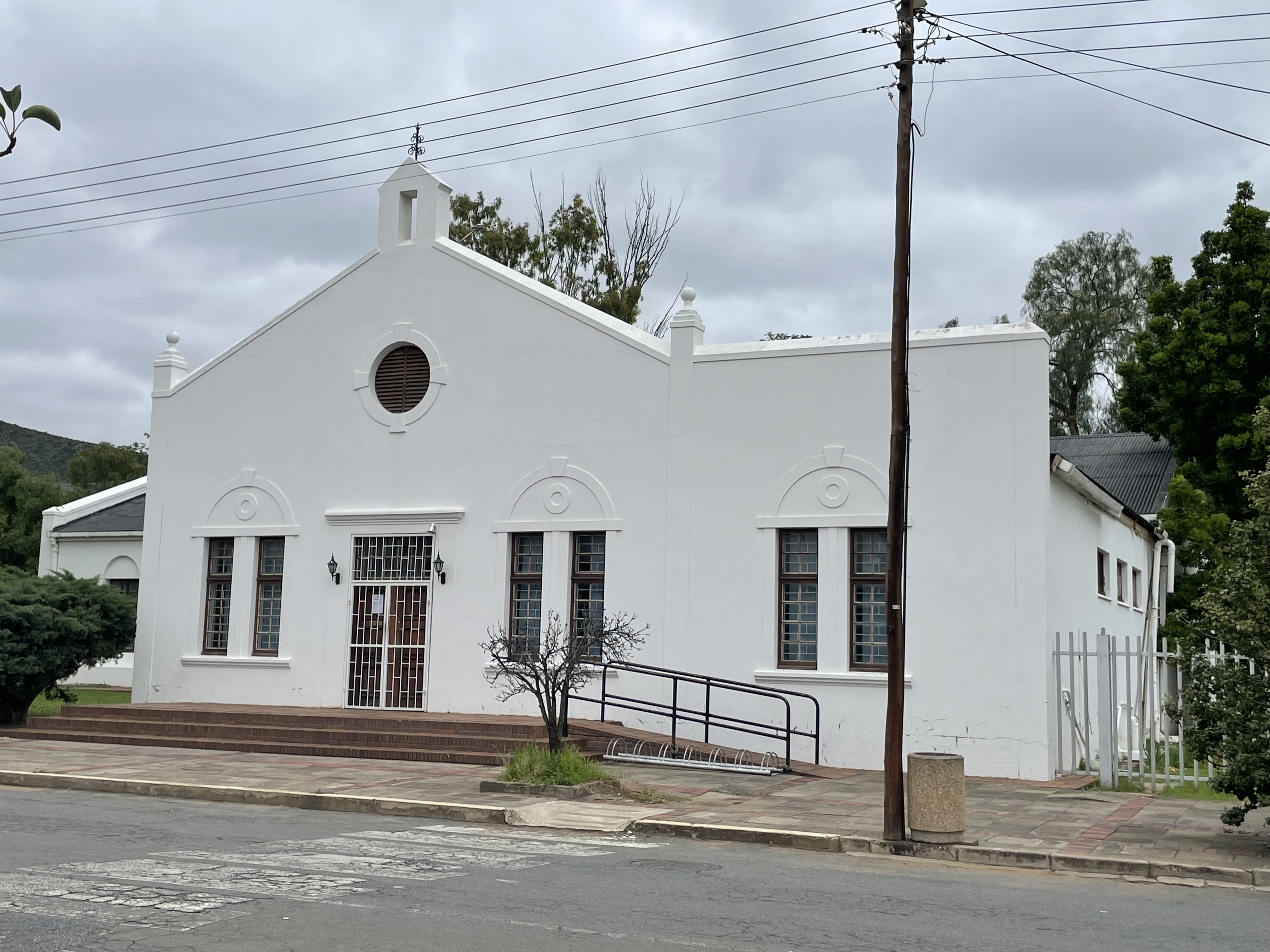
I couldn’t find any history for this particular Catholic Church but it is a well known church and the one my mother and I first attended when we arrived in Johannesburg from the UK. I was 1 year old at the time and my mom rented a flat near this area because my aunt, my mom’s sister, lived nearby.

This church is affectionately called the Lemon Squeezer because of its interesting arcitecture.

You can join in Thursday Doors here: https://nofacilities.com/2021/11/18/duluth-central-high/

Roberta Writes – Book review: Things Old and Forgotten by Mae Clair

Things Old and Forgotten by [Mae Clair]

What Amazon says

A man keeping King Arthur’s dream of Camelot alive.
A Robin Hood battling in a drastically different Sherwood.
A young man facing eternity in the desert.
A genteel southern lady besting a powerful order of genies.
A woman meeting her father decades after his death.

These are but a few of the intriguing tales waiting to be discovered in Things Old and Forgotten. Prepare to be transported to realms of folklore and legend, where magic and wonder linger around every corner, and fantastic possibilities are limited only by imagination.

My review

I have read previous novels by this author and enjoyed their unique flavour and excellent insights into human emotion and behaviour. Mae Clair has been able to apply these same great writing attributes to this collection of short stories and each one is a polished and shining gem in its own right.

My three favourites stories were as follows:

1. Robin of Sherwood – This is a different take on the traditional story of Robin Hood, but retains certain of its best features such Robin’s entertaining ability to run rings around villainous authority figures, and his simmering romance with a maid called Marian. Set in a post-purge future world, the descriptions and settings are fresh and interesting.
2. Desert White – An unusual story about an elderly man and his large white dog who save the life of a youngster, Micah, who has attempted to commit suicide by slitting his wrists in his car parked in the middle of the desert. Over the course of the story, the events of Micah’s life unfold and the circumstances that drove him to attempting suicide are revealed. This is a story of self discovery, forgiveness and redemption.

3. Mrs. Conway – This is the story that touched me the most, perhaps because I know a lot of women who have battled chronic illness. Some have won and some have lost, but all of their fights have been worthy and heroic. In this story a disillusioned art teacher rediscovers his inspiration through the actions of such a woman.

This collection also includes a moving and beautifully written partial memoir about the author’s father and the impact his chronic illness had on her life.

If you like well written, varied, and entertaining short stories, this book is for you.

Purchase Things Old and Forgotten

Amazon US

Mae Clair Amazon Author Page

Roberta Writes – Divine Comedy, Inferno: Canto 11

At the edge of the Seventh Circle of Hell, Virgil and Dante are greeted by a terrible stench. It is so overpowering, they must sit down and wait to adjust to it before moving forward. Dante sees a headstone with an inscription, “I guard Anastasius, once Pope, he whom Photinus led from the straight road.”

Gustave Doré - Dante's Inferno - Canto 11 Verses 6-7
Picture credit: https://spiffingprints.com/products/gustave-dore-dantes-inferno-canto-11-verses-6-7

Virgil explains that the structure of hell and that there are other, smaller circles within the next three circles [7th, 8th, and 9th].

Seventh Circle, which is for violence, is divided into three smaller circles. These three small circles punish sins of violence against one’s neighbour and includes robbers, murderers, and plunderers, sins against one’s self which include suicide or recklessly gambling away one’s possessions or property, or sins against God which include sinners who curse, deny or defame God, as well as usurers and follows of Sodom [the city of Sodom represented unnatural vice].

It is interesting to me that Dante does not distinguish between a sinner who takes another life i.e. a murderer, and someone who damages property, i.e. a arsonist or robber. It also seems rather harsh that a person who charges interest on a loan is treated in the same manner as a murderer.

An extract from Canto 11:

“All the first circle holds the violent;

but since against three persons force is used,

its shape divides it into three great rings.

Both against God, one’s neighbor, and one ’s self

may force be used; against themselves, I mean,

and what is theirs, as clearly shown thou ’lt hear.

By force both death and painful wounds are given

one ’s neighbor, and thereby his property

is ruined, burned, and by extortions robbed;

the first ring, hence, torments in separate troops

all homicides and those that smite with malice,

spoilers of property and highway robbers.”

Welcome to my Magick Theatre has shared a wonderful post including some beautiful paintings of an artist, Pre-Raphaelite Dante Gabriel Rossetti’s, impression of Dante and Beatrice from Divine Comedy: https://carrieannebrownian.wordpress.com/2021/11/15/artwork-of-dante-and-beatrice/

Thursday Doors – Old farm house

Welcome to Thursday Doors, a weekly feature allowing door lovers to come together to admire and share their favorite door photos from around the world. Feel free to join in on the fun by creating your own Thursday Doors post each week and then sharing your link in the comments below, anytime between 12:01 am Thursday morning and Saturday noon (North American eastern time).

I am late again! This happens because I only plan a few of my blog posts each week so when life [or work] happens my plans go out the window. I don’t really know what happened to Thursday and Friday this past week, they are a blur of meetings and reading long weighty documents.

Anyhow, I recently took some pictures of my house which is the original farm house in my area and was built in 1929 which is old by South African standards. I also took some pictures of my favourite pieces of furniture. I have collected these over the past 20 years since I got married.

Original patio doors and the door to the side is to the bathroom. Very convenient for entertaining.

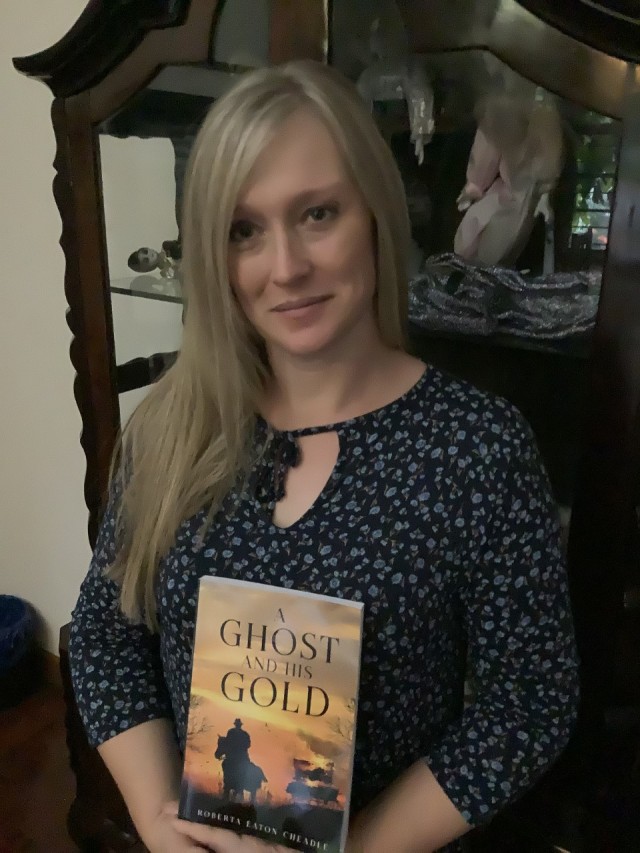
Some of my furniture, and a few of my books, featured in my book, A Ghost and His Gold.

“Glancing around, she also thinks the room is attractive. Against the right-hand wall is an antique sideboard. Michelle recalls her delight when she found it in a local antique shop soon after their move. She’d questioned the owner about its origins.

“It is believed to have belonged to Pieter van Zyl, one of the original Boers in this area,” the shop owner told her. “It comprises of two pieces. A large kist, originally used to store clothing and linen makes up the bottom piece, and a glass fronted display cabinet makes up the top piece.”

She pointed at the legs of the kist which ended in the large paws of a lion. “Just look at the beautifully carved legs of the kist, such wonderful detail.”

The fact that the two pieces came apart interested Michelle, and she asked about it.

Delighted at her interest, the shop owner shared a bit more about the history of the Boers. “A lot of Boer furniture was designed so that it could be easily disassembled and packed into an ox wagon when they trekked from one area to another.”

***

“The dining room also holds an eight-seater Rhodesian teak dining room table and matching chairs, as well as a vintage book cabinet made from stinkwood. Michelle’s taste runs to the old and unusual and stinkwood furniture is now rare. Owning a piece of furniture made from this endangered wood, native to South Africa, appealed to her and she’d paid the high asking price unhesitatingly.

Behind the glass inlayed doors of the cabinet, her prized books, including a vintage copy of The Collected Works of Herman Charles Bosman, a well-known collection of short stories about the Transvaal at the turn of nineteenth century, stand in a neat row.

Michelle smiles when she remembers Tom gifting her this heavy book for Christmas.

It is wonderful when your husband knows exactly how to please you.

Tonight, the dining room table is covered by an antique tablecloth, gifted to Michelle by her grandmother. Candles in a pretty silver candlestick holder, a wedding present from her mother, illuminate the room. The highly polished wood of the table and cabinet gleams softly in the mellow light which also picks up the embroidered detail on the cream silk
curtains and the rich patterning of the floral tablecloth.

The curtains, made to her specifications by her father, are deeply satisfying.”

You can join in Thursday Doors here: https://nofacilities.com/2021/11/11/doors-on-veterans-day/

Roberta Writes – The Yellow Wallpaper by Charlotte Perkins Gilman

My blogging friend and talented author, Liz Gauffreau, recommended this book to me as an excellent depiction of a slow descent into madness. It is a short read, but very worthwhile.

Overview

The Yellow Wallpaper is a short story by American writer Charlotte Perkins Gilman and first published in the New England Magazine in January 1892.

Narrated in the first person through a series of journal entries, The Yellow Wallpaper is the story of a young middleclass woman’s gradual descend into psychosis.

The story opens with the narrator, who remains unnamed, describing her move into a rented country estate for the summer. Her husband, John, who is a physician of high standing has prescribed this move so that she can have complete rest and overcome her post-natal depression.  Her husband’s controlling nature quickly becomes apparent as she is not allowed to choose their room but is subjected to John’s choice of a disused nursery on the top floor. He imposed his decision despite her telling him that she does not like the wallpaper in the room, a strange and damaged paper of various shades of yellow. The nursery is described in terms applicable to a prison and has bars over the windows and a large bed that is manacled to the wall.

His treatment further entails taking her baby away from her and confining her to the nursery. He tells her not to read, write or do any other form of ‘work’ and only to rest so that she can become well again.

During her countless hours in the nursery, the narrator becomes more and more obsessed with the yellow wallpaper, imagining she can see things in its pattern. Gradually she sees a woman, just like herself, trapped behind the first layer of wallpaper.

Origin of The Yellow Wallpaper

The Yellow Wallpaper is considered to be an important early work of American feminist literature for its illustrations of the attitudes of men towards the mental and physical health of women during the 19th century.

Gilman was writing about her own horrible experience in this short story. Five years prior to penning this story, she experienced chronic post-natal depression following the birth of her daughter. She was sent away for treatment to Dr. Silas Weir, America’s leading expert on women’s mental health at the time. His ‘rest’ cure involved strict bed rest with no reading, writing, or painting. He was of the school of thought that if women could be forced to be happy with their lot in life and stop hankering after things like education, the vote, and work, their discontent and mental ailments would be cured.
Gilman wrote later that her treatment was like a prison sentence and she ‘came perilously close to losing [her] mind.’

Themes of The Yellow Wallpaper

The themes of The Yellow Wallpaper are set out below with a quote to demonstrate their application in the story.

Women’s role in marriage

“There comes John’s sister. Such a dear girl as she is, and so careful of me! I must not let her find me writing. She is a perfect and enthusiastic housekeeper, and hopes for no better profession. I verily believe she thinks it is the writing which made me sick!”

Identity and self-expression

“I always fancy I see people walking in these numerous paths and arbors, but John has cautioned me not to give way to fancy in the least. He says that with my imaginative power and habit of story-making, a nervous weakness like mine is sure to lead to all manner of excited fancies, and that I ought to use my will and good sense to check the tendency. So I try.

I think sometimes that if I were only well enough to write a little it would relieve the press of ideas and rest me.”

The Rest Cure

“So I take phosphates or phosphites—whichever it is, and tonics, and journeys, and air, and exercise, and am absolutely forbidden to “work” until I am well again. Personally, I disagree with their ideas.”

Symbolism of The Yellow Wallpaper

The narrator is disgusted and fascinated by the yellow wallpaper and these feelings grow over the course of the story.

The yellow wallpaper becomes her primary object of analysis and stimulation as all other stimulus is forbidden to her by John. The pattern eventually takes on the appearance of bars and the narrator imagines that she sees a woman trapped behind them.

The narrator’s deteriorating mental condition in relation to the yellow wallpaper is demonstrated by the following three quotes which are in order of appearance in the story:

Quote 1: “It is dull enough to confuse the eye in following, pronounced enough to constantly irritate and provoke study, and when you follow the lame uncertain curves for a little distance they suddenly commit suicide—plunge off at outrageous angles, destroy themselves in unheard of contradictions.

The color is repellent, almost revolting; a smouldering unclean yellow, strangely faded by the slow-turning sunlight.”

Quote 2: “This paper looks to me as if it knew what a vicious influence it had! There is a recurrent spot where the pattern lolls like a broken neck and two bulbous eyes stare at you upside-down.”

Quote 3: “There are things in that paper which nobody knows but me, or ever will. Behind that outside pattern the dim shapes get clearer every day. It is always the same shape, only very numerous. And it is like a woman stooping down and creeping about behind that pattern. I don’t like it a bit. I wonder—I begin to think—I wish John would take me away from here!”

99300

Purchase The Yellow Wallpaper here:

Amazon US

Roberta Writes – Remembrance Day and an extract from The Soldier and the Radium Girl

This morning I read a post by Sally Cronin from Smorgasbord Blog Magazine about the War Poets. Sally shared this lovely post in anticipation of Remembrance Day which is on Thursday, 11 November. You can read it here: https://smorgasbordinvitation.wordpress.com/2021/11/08/smorgasbord-blog-magazine-podcast-in-remembrance-the-war-poets-in-sawnlees-once-and-can-you-remember-edmund-blunden/

Remembrance Day was first observed in 1919 throughout the British Commonwealth. It was originally called “Armistice Day” to commemorate armistice agreement that ended the First World War on Monday, November 11, 1918, at 11 a.m.—on the eleventh hour of the eleventh day of the eleventh month.

I am currently writing about the entrance of the USA into WW1 in April 1917. I thought today would be a good day to share a small extract of what I’ve been working on.

Enlisting in haste, repenting at leisure

The diary of Jake Tanner

16 October 1917

It’s raining. It’s always raining in this godforsaken place miles away from home.

I’m sitting propped up against my bulging backpack with my inadequate covering tucked around my shoulders. The rough grey wool of the army-issue blanket reeks of mold and feels clammy to the touch, but these small discomforts ceased to bother me days ago.  

The light of my small piece of candle flickers and dances in tribute to the icy wind sidling through the gaps caused by the ill-fitting tent flap. Fat droplets drum steadily on the waterlogged canvas exterior of the tent, and I shudder at the thought of the icy rivulets I know are streaming down its sides. The trenches Mike and I dug to stop the water from flooding our sleeping quarters were already full to overflowing last night.

The five other inhabitants of the tent are still asleep. Their noses, closed eyes, and greasy hair are poking out of the tops of their rolled-up blankets. Heavy breathing, punctuated by occasional snorts, blends with the rain into a dull and monotonous duet.

Pigs in blankets. That’s what they are.

Hands clenched so tightly my ragged nails dig into the soft flesh of my palm, I choke back the laughter.

They’ll be really pissed if I laugh and wake them.

I would prefer to be asleep. When I’m asleep I don’t feel cold or hungry, but this morning the rumbling of my empty belly dragged me reluctantly from its comforting embrace.

We have been here for six days already and most of the fellows are anxiously waiting for the order to entrain for Southhampton Docks.

“We want to get to France. We’re missing all the action sitting around here waiting for transport,” they cried.

I don’t mind being here.  There are a lot of British ‘Tommies’, Canadian, Australian, and New Zealand troops convalescing at the base hospital. They are happy to share about their experiences at the front and how they were wounded.

There was also a young man from South Africa. He was in the Somme offensive last year.

“I was part of the infantry brigade which captured Delville Wood on the 15th of July. I lost some good friends in that battle.” His dark eyes stared unseeing into the distance as if he were watching out for the return of his fellow combatants.

“I survived unscathed but took a bullet in the leg in West Flanders. My leg is healing well, and I’ll be going back when my convalescent leave ends in three weeks.”

“Where will you be going?”

The disconnected look returned, and his strangely dead eyes sent shivers down my spine. “Back to the Western Front I expect.”

The South African would say no more about his experiences in either Delville Wood or West Flanders, but he did confirm that France is also muddy and cold.

“Very different from South Africa. The sun shines most days in my home city of Pretoria, even during the winter.”

The Australians are friendly, but they do exaggerate. Their stories about life in the trenches are dramatic and we don’t believe it can be that bad.

The downside is that we are billeted in tents and this place is a sea of mud.

“This is typical English October weather,” one of the Tommies said. “It’ll be the same in France so prepare yourselves.”

We are wet and dirty all the time and I’ve become used to going to bed in my wet, muddy clothes and sleeping between damp blankets.

There is also a shortage of rations. We’ve explored several of the nearby towns looking for more food. We don’t have a lot of money, but the people are willing to trade our small trinkets for food, so it all works out well. 

Yesterday, I gave my food away to a kid on the side of the road. His tired, hungry looking face tugged at my heart and I gave him what I’d managed to barter.

My buddies laughed: “You’ll be sorry”.

I’m hungry this morning, but I’m not sorry.

This beautiful cover reveal picture was created for me by Teagan Riordain Geneviene who designed the cover.

Roberta Writes: Thursday Doors, The South African Military Museum – Tanks

Welcome to Thursday Doors, a weekly feature allowing door lovers to come together to admire and share their favorite door photos from around the world. Feel free to join in on the fun by creating your own Thursday Doors post each week and then sharing your link in the comments below, anytime between 12:01 am Thursday morning and Saturday noon (North American eastern time).

Last week, I wrote about my visit to the South African Military Museum and shared pictures of the aeroplanes I saw there. This week, I am sharing pictures of the tanks. They are amazing and so huge! Best of all, they all have doors.

Terence next to the wheel of a tank. It’s nearly as big as him.

“Tanks, which used to be objects of ridicule, have become a major weapon. They come rolling forward in a long line, heavily armoured, and they embody the horror of war for us more than anything else.

We cannot see the gun batteries that are bombarding us, and the oncoming waves of enemy attackers are human beings just like we are – but tanks are machines, and their caterpillar tracks run on as endlessly as the war itself. They spell out annihilation when they roll without feeling into the shell holes and then climb out again, inexorably, a fleet of roaring, fire-spitting ironclads, invulnerable steel beasts that crush the dead and wounded.”

From All Quiet on the Western Front by Erich Maria Remarque.

You can join in Thursday Doors here: https://nofacilities.com/2021/11/04/st-scholastica-doors/