If you could choose one author, living or dead, to be your beta partner, who would it be and why?
What is a beta reader?
A beta reader is usually a test reader of an unreleased work of literature or other writing, who gives feedback from the point of view of an average reader to the author. This feedback is used by the writer to fix any issues with plot, pacing and consistency.
This sounds very good and all writers should have their books beta read.
This declaration being made, I have never actually asked anyone to beta read one of my books. I have, however, beta read other authors books.
The reason I have not asked anyone to beta read my books is because, to date, I have considered that they require more than beta reading to get them into suitable shape for publishing. I did not study creative writing at university [in fact, as most of you know, I studied accountancy which is probably about as far away from creative writing as anyone could get] and I felt that I need to make a solid financial and learning investment in my writing if I want to learn the tools of writing. My view was that I couldn’t expect to get the extensive advice and help I felt I needed from someone who kindly volunteered to read a draft of my book. That just didn’t feel right to me; it felt like I would be taking advantage of the volunteer.
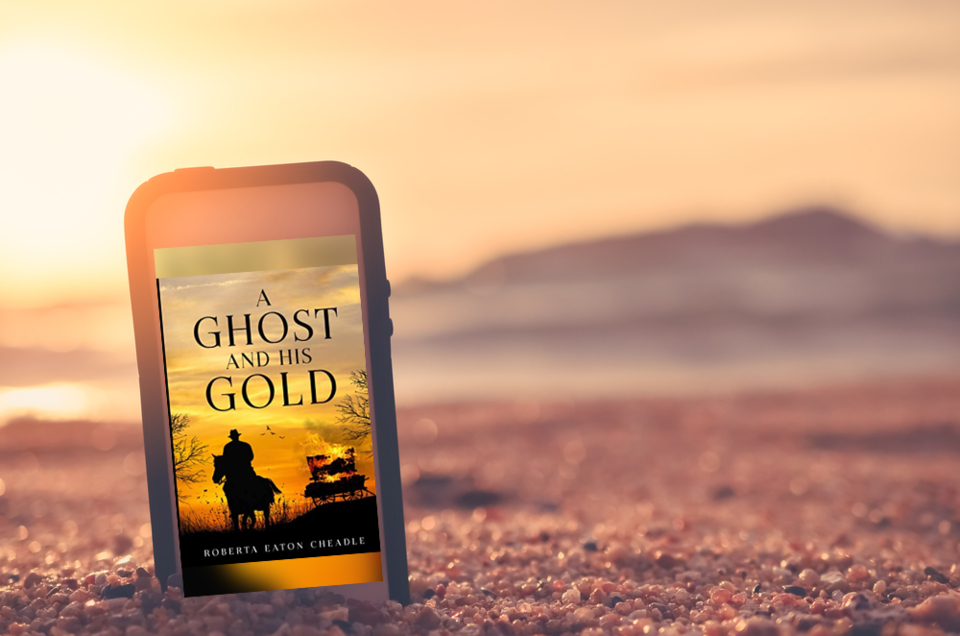
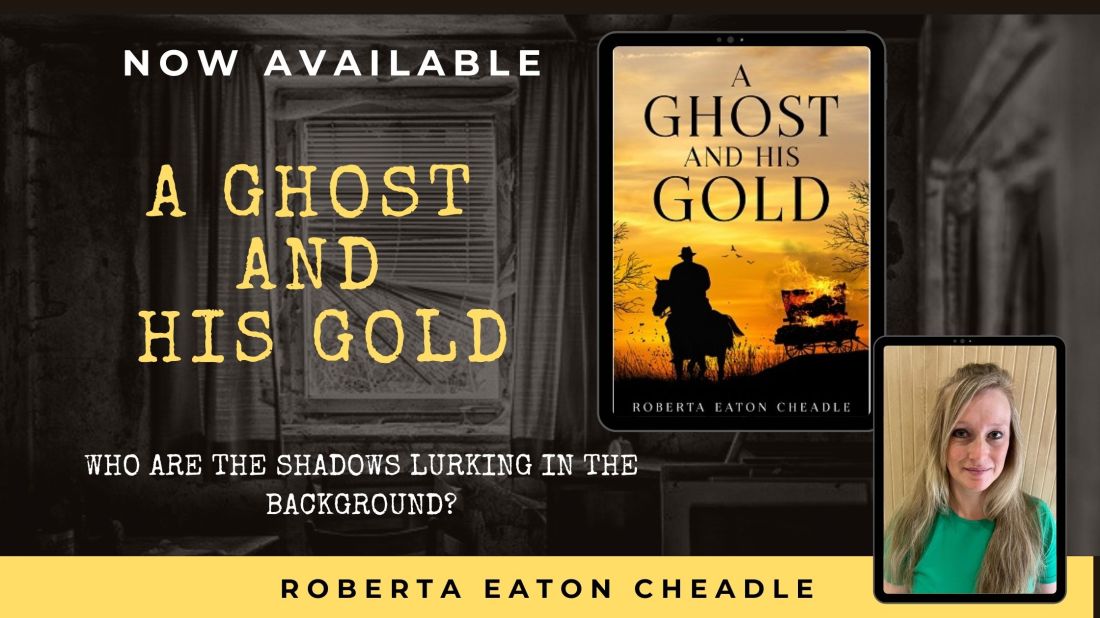
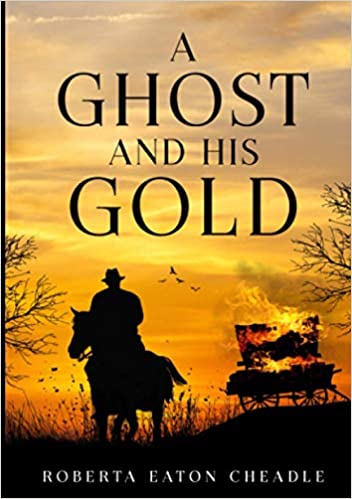
To this end, I engaged the services of a developmental editor to read and comment on each of my three books, While the Bombs Fell, Through the Nethergate, and A Ghost and His Gold.
What an absolutely worthwhile investment it has been for me. I learned so much from Charli Mills, who developmentally edited While the Bombs Fell, and Esther Chilton, who developmentally edited Through the Nethergate and A Ghost and His Gold, I could never do them justice no matter how much praise I give them.
Between the two of them, they taught me about timelines in stories, how to include research without information dumping, how to spot lose ends in my plot threads and tie them up, how to expand and develop and idea to make it richer, flow better, and more interesting and attention garnering.
One of the pieces of advice I was given was to carefully reads the works of other authors whose writing I admire and who I aspire to emulate and to learn from the way they wrote, developed ideas, described things, and wrote dialogue. In response to this great advice, I have dived into many books to see how the writer shaped his/her ideas. You can learn so much from other writers.
Once my books have been developmentally edited and effectively re-written, I give them to my mother to read. My mother is an ordinary reader and she is very quick to point out things like when I insert my own [strong] opinions to overtly into my books, when I think some concept is adequately explained but she can’t make head or tale of it, and other similar problems. I understand that Robert Jordan’s wife performed a similar service for him as he got carried away with ideas that sometimes made no sense to a reader.
I have gained more confidence with my writing over the past few years and I have recently acquired a beta partner who I am working with on my new novel. I will probably still use the services of a developmental editor though, as I have found it to be such a worthwhile investment for me.
In summary, I would probably not want any historical or current famous author to beta read my books, but I will continue to look to the works of great writers like Stephen King, Bram Stoker, Margaret Mitchell, C.S. Lewis, H.G. Wells, John Wyndham, and Edgar Allan Poe, to name but a few, for inspiration and guidance.
Who author would other blog-hoppers choose to be their beta partner? Click on the link below to find out.
Rules:
- Link your blog to this hop.
- Notify your following that you are participating in this blog hop.
- Promise to visit/leave a comment on all participants’ blogs.
- Tweet/or share each person’s blog post. Use #OpenBook when tweeting.
- Put a banner on your blog that you are participating.
You are invited to the Inlinkz link party!Click here to enter








 Background