Thank you, Sally Cronin, for this lovely post about my new novel, A Ghost and His Gold. Sally has so many marvelous books and a wonderful magazine styled blog, so do visit her and have a look around.
What’s That Book? A Gentleman in Moscow by Amor Towles
Thank you to Barbara Vitelli from Book Club Mom blog for hosting me with a discussion about A Gentleman in Moscow by Amor Towles. What a fantastic book. Here is a powerful quote: “For the times do, in fact, change. They change relentlessly. Inevitably. Inventively. And as they change, they set into bright relief not only outmoded honorifics and hunting horns, but silver summoners and mother-of-pearl opera glasses and all manner of carefully crafted things that have outlived their usefulness.” Thank you for hosting me, Barbara.


Welcome to What’s That Book, sharing book recommendations from readers and bloggers. Today’s guest reviewer is Roberta Eaton Cheadle.

Title: A Gentleman in Moscow
Author: Amor Towles
Genre: Historical Fiction
What’s it about? This book tells the story of the journey of the Bolsheviks and the Russian people from the Russian Revolution in 1917 to 1954 through the eyes of Count Alexander Ilyich Rostov, who becomes an ex-person, namely, a person who was previously a member of the Russian aristocracy.
Alexander was raised on an estate in Nizhny Novgorod province. His parents died when he was ten years old and he and his sister, Helena, were raised by his grandmother, the Countess. After the revolution in 1917 and the assassination of the Tsar, Alexander, who has been in exile in France due to rash and hot-headed behavior in his early 20s…
View original post 694 more words
A Ghost And His Gold by Roberta Eaton Cheadle
I am over at Charles F French’s fabulous blog today with a post about the South African Concentration Camps that feature in my new book, A Ghost and His Gold. It is finally on Amazon as a paperback. Charles has some great supernatural books as well as books about writing so do have a look around while you are there.


South African Concentration Camps
Background
Following the British defeat of the Boers at Diamond Hill near Pretoria on the 12th of June 1900, the Transvaal officers (Boers) held a war council meeting at Balmoral where a new policy of guerrilla warfare tactics was accepted.
In response to the new methods introduced by the Boers, Lord Kitchener devised a scorched-earth policy against the Boer commandos and the rural population who supported them. Kitchener’s countertactics involved destroying arms, blockading the countryside, burning farms, and placing the civilian population in concentration camps.
The destruction of the farms left the women and children without shelter, food or protection from individuals and groups who roamed the veld looking for unprotected targets.
The British were forced to build concentration camps to house and feed these refugees. At least 40 camps were constructed to house approximately 150,000 Boer refugees and another 60 camps to house…
View original post 173 more words
Dark Origins – Little Jack Horner, a nursery rhyme
I am over at Writing to be Read with a another Dark Origins post about the nursery rhyme Little Jack Horner. It seems such an innocent little rhyme … but its not. Thank you Kaye Lynne Booth for hosting me.

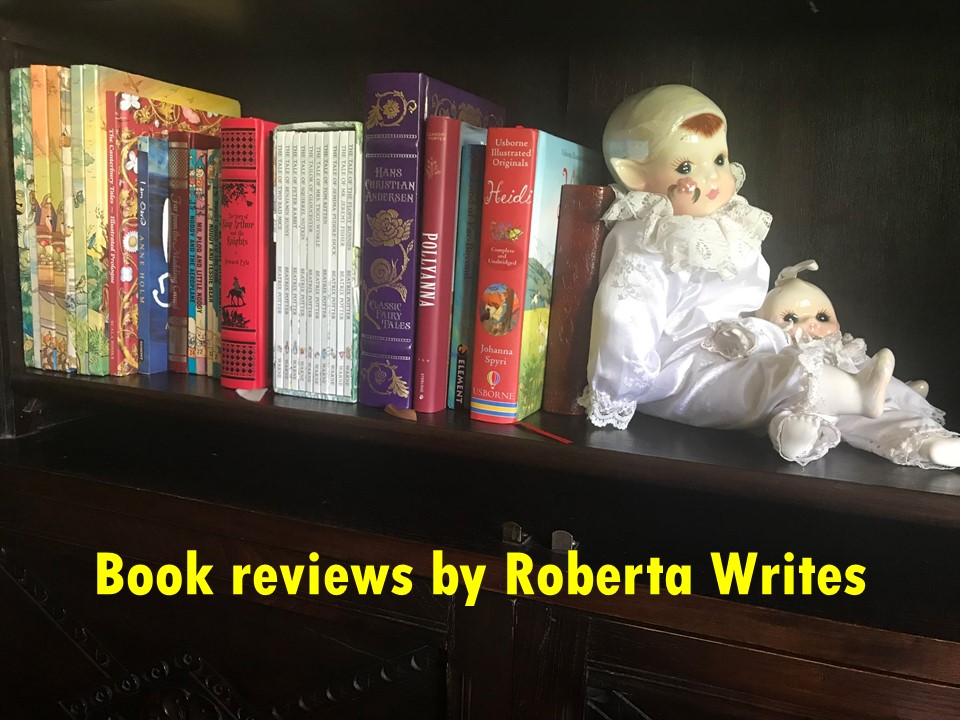
When I was a girl I loved nursery rhymes. I had a beautiful Mother Goose book which I used to read often. Over the years that book disintegrated from frequent use and it was eventually disposed of. When my oldest son was born, I replaced it with a few new nursery rhyme books, all of which are beautifully illustrated.
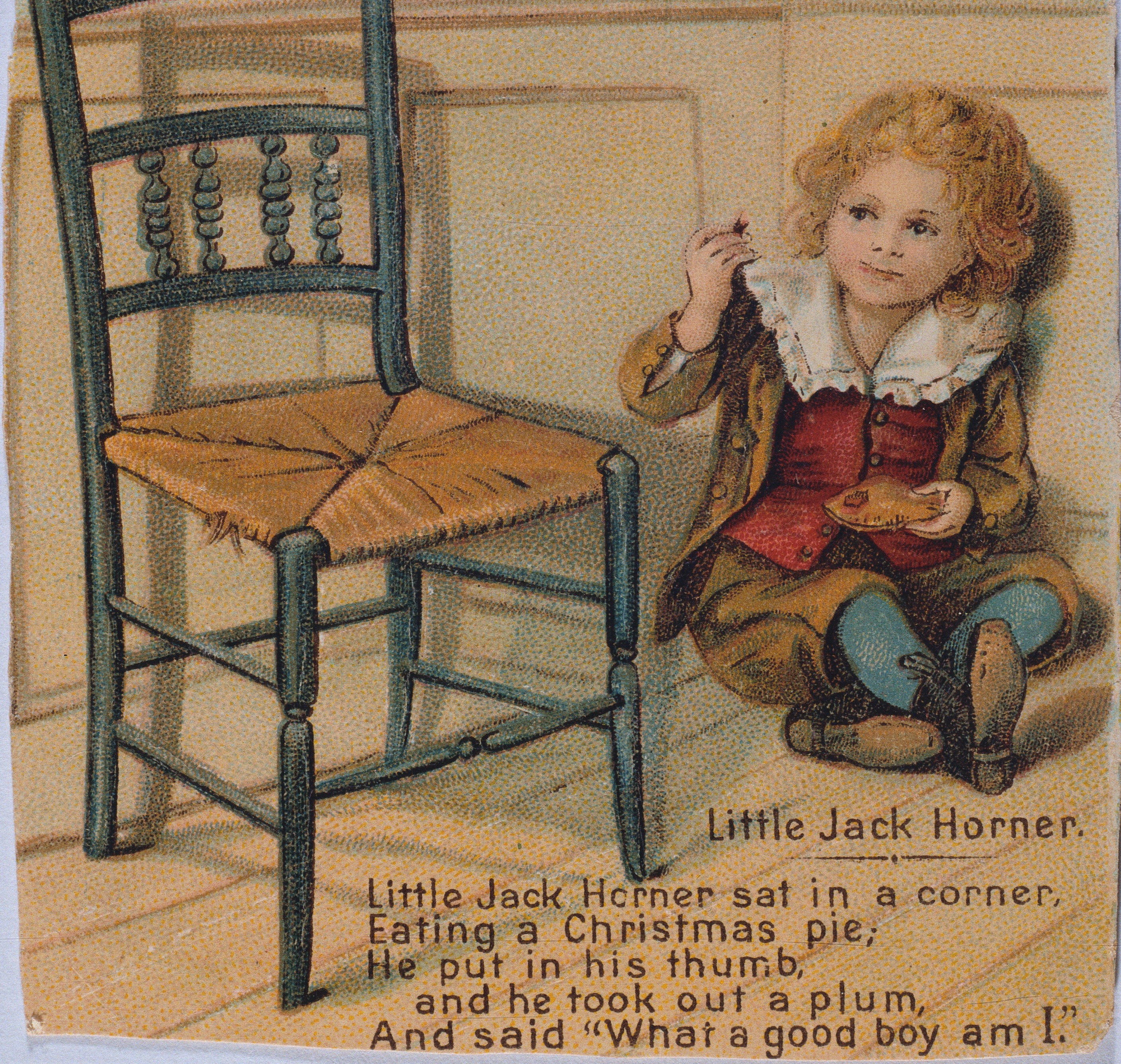
One of my favourite nursery rhymes is Little Jack Horner. The modern version goes like this:
Little Jack Horner.
Sat in the corner,
Eating a Christmas pie;
He put in his thumb,
And pulled out plum,
And said “What a good boy am I.”
The text of the original nursery rhyme is somewhat different and is believed to have originated in 1538 during the English Reformation. During the years 1536 to 1541, King Henry VIII set about an administrative and legal process whereby he disbanded monasteries, priories, convents…
View original post 887 more words
#Bookreview – Last Call and Other Short Fiction by Kaye Lynne Booth
What Amazon says
Six premium short stories by author Kaye Lynne Booth. Stories in this collection has something for everyone with a mixture of time travel, suspense, humor, origins and speculative fiction.
Last Call – (Time travel science fiction) – Things aren’t going too good for Derek and he thinks his life is over, until he stops in for a Last Call. Will a bar in the middle of nowhere turn out to be his curse or his salvation?
Terror on the Mountain Trail – (Suspense) – It’s a perfect spring day until Kellie and Randy are attacked by a crazed man in the wilderness.
Earth Mother – (Origin Story)
A Turn of the Tables – (Speculative fiction) – Are vampires really invincible? One vampire is about to find out.
A True Hero – (Humor) – Heroes come in all shapes and sizes. This one is heroic indeed.
Man of Her Dreams – (Speculative fiction) – Will what Aaron at first believes to be a curse, turn out to be a blessing? She won’t know until she finds the man of her dreams.
A Woman’s World – (Humor) – Wouldn’t it be great if a woman could rule the U.S.? Or would it? – Satyrical comment on current affairs of days past.
My review
Last Call and other Short Fiction is a collection of 7 short stories for adults. The stories are varied as to themes and storylines and I thought a few of them were very unusual and clever.
Last Call, this was my favourite story in the collection and the one for which the book is named. Luke is a mild mannered man who is on the run from his bullying ex-partner, Vicky. Vicky’s stalking behaviour and tantrums have caused Luke to be fired from his job and also be requested to vacate his apartment. Luke is depressed and aimless, and having packed his meagre possessions into his truck, and set off on the highway towards and unknown destination. When he pulls into the ‘Last Call Tavern’ he doesn’t even know where he is. Luke’s life is about to change and it will be up to him to ride the wave of change or to continue with is existing dismal existence.
Terror on the Mountain Trail was a well written, tension filled short story about a couple who run into unexpected trouble in the mountain. Are they adequately prepared to defend themselves? You’ll have to read the story to find out.
Earth mother is an imaginative and interesting re-telling of the story of creation. There are some lovely descriptive passages in this story, my favourite being “Her coughing spasms caused hot spittle to fly across the expanse, sprinkling it with billions of tiny sparking orbs from one end to the other.”
A Turn of the Tables is a vampire tale which is quite different from any other I have read. This story has a strong sexual undertone, but it is cleverly done.
A True Hero is an interesting look at the differences in perspective between a mother and her older teenage son. It made me smile as the pair negotiated the minefield of misunderstandings between generations.
Man of Her Dreams is also a vampire story with an unusual twist. This story also has sexual undertones but it is tastefully done. This was another favourites story of mine, I enjoyed how the tables were turned in this tale.
A Woman’s World was a rather interesting idea and a bit bizarre from my perspective, as a mother of two sons. It was, however, an entertaining read and I was intrigued to read the author’s thoughts about a world dominated by women.
Purchase Last Call and Other Short Fiction by Kaye Lynne Booth
Photographic portraits – are they art?
One again my blogging friend, Rebecca Budd, has tantalized me with an interesting question about whether photographic portraits are art in the same way as a painting is art. You can read her post here: https://chasingart.com/2021/03/19/fridaypainting-english-photographer-portrait-of-virginia-woolf/
I have always thought that photographs count as art, but that could be because I grew up with photographs. My dad had a camera and we always had our pictures taken. Some were spontaneous and some were posed. He didn’t take as many pictures as people take now with digital cameras, but we still have a fair number .
Are all these photographs art? Well no, I don’t think just any picture is necessarily art, it could be a family memory, but certain photographs capture a moment in time or a setting in a unique way that makes them art in my mind’s eye.
Here are a few pictures of mine that I think of as being more along the lines of photographic art:


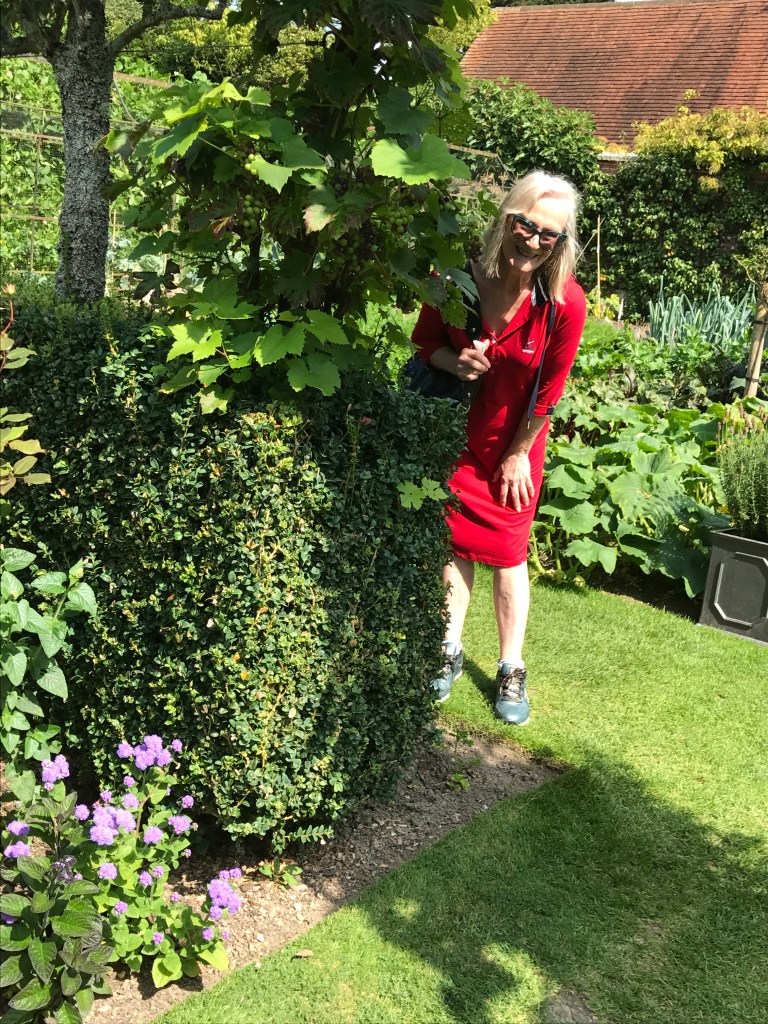

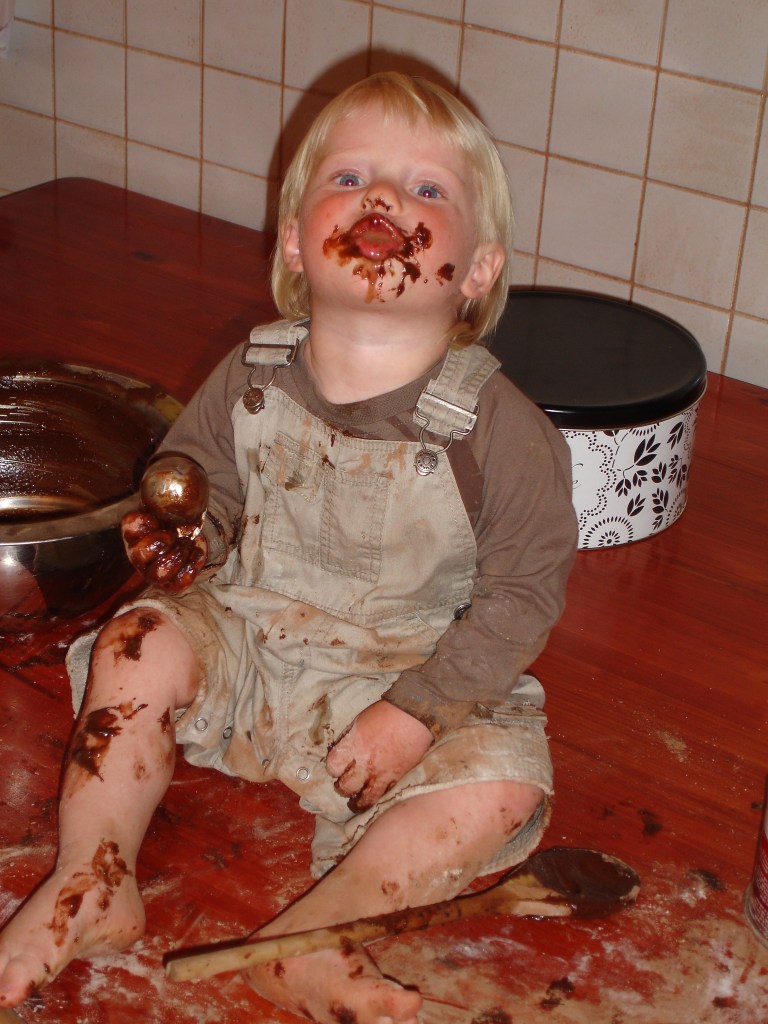
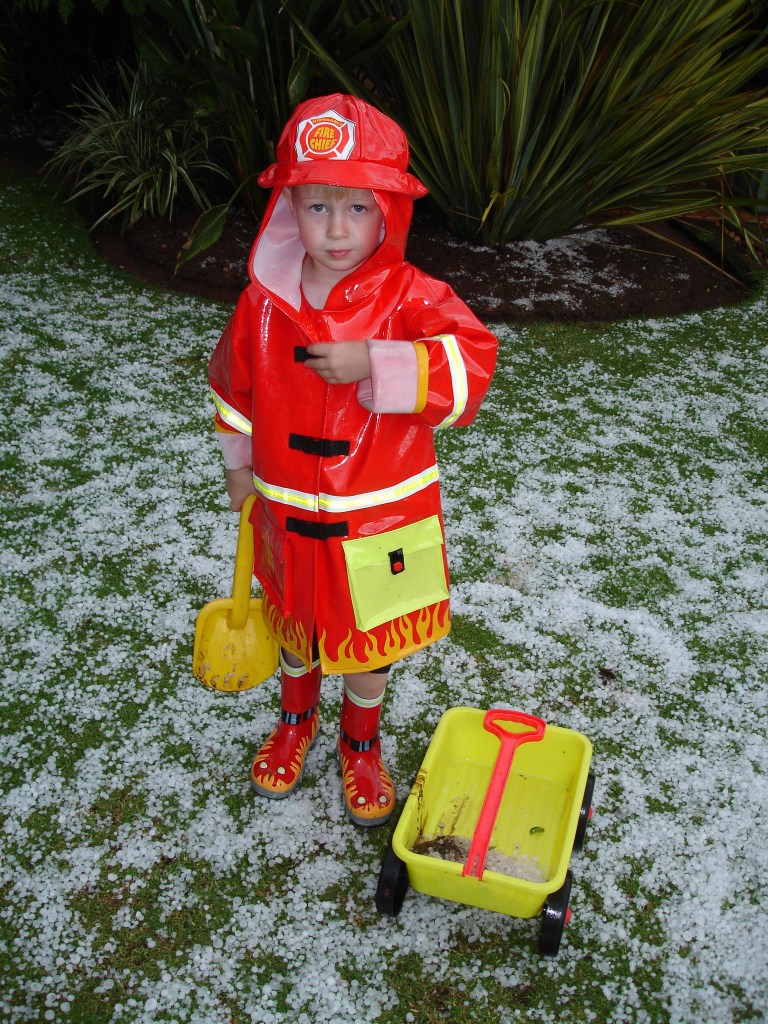
Do you think photographs can be art?
A peep into The Soldier and the Radium Girl
Some of you will remember that I am working on a novella called The Soldier and the Radium Girl, but I don’t think I mentioned that I am writing it in the form of letters, journal and diary entries just like my literary hero, Bram Stoker.
I have been working quite hard on it this weekend and thought I would share my beginning. It’s not fully edited yet, but it’s a good start.
Letter from Private Jake Tanner to his fiancé, Kate Henderson
20 October 1917
My dearest Kate
I can hardly believe that it has already been six weeks since I last held you in my arms. So much has happened in this short time, I feel as if a lifetime has passed.
As you know, my troop ship left Harlem Station in New York on the 25th of September and sailed up the coast to Halifax, Nova Scotia, Canada.
Despite the excitement of my fellow soldiers who were singing and laughing and treating the whole ‘going off to war’ experience as a wonderful game, I felt sad when the ship swung slowly past the Statue of Liberty. I watched as this symbol of American freedom faded out of sight and prayed that I would return to you and my family.
At Halifax, my ship met up with a dozen other troop ships and several navy destroyers whose job was to protect us from attack by German ‘Hun’ submarines. The ships formed themselves into a convoy and set off together across the seemingly endless expanse of cold, dark ocean on the 1st of October. I must confess dear Kate, that the thought of hostile submarines, hiding out of sight beneath the waves and waiting to attack the convey, was disconcerting.
The voyage lasted nine days and it wasn’t an easy one. With so many men being transported, my ship was crowed. The bunks were stacked several layers high and I had only the tiniest of spaces to store my equipment. It was cramped and uncomfortable and each group of men was only allowed to go up on deck once or twice a day for exercise and lifeboat drills.
The ship pitched and rolled and lots of the men were seasick. Some were so bad they couldn’t get out of their bunks for days. I wasn’t that bad, but the endless rocking did make it difficult for me to write in my journal. I am trying to keep a daily record of everything that is happening.
Our convey was lucky. Although a few submarines were sighted on route and one of the ships passed within twenty feet a floating mine, the voyage was uneventful. We were not attacked, nor did we encounter any big storms.
In hindsight, despite the continuous threat of attack by Hun submarines, having to adapt to English food and customs ended up being the hardest part of the trip for most of the troops. We ate nothing but boiled pork and boiled rabbit and you cannot imagine the stuffy pompousness of the British and French officers.
It was a great relief for all of us when, two days out of Liverpool, we were met by a flotilla of English submarine chasers which guided and guarded our way into port.
On the 8th of October, the Irish coastline was spotted and the next day the coastline of English was sighted. It was an exciting moment for most of us to see our destination at last. A few hours later, the convoy sailed passed the lighthouse at the mouth of Liverpool Harbour. We had arrived.
At Liverpool, my ship was boarded by American staff officers. All of us Yankees were delighted to see their smiling faces and hear their familiar American accents. Some of the men were immediately entrained for Southampton, but I was among the troops who were sent by train to a so-called rest camp at Oxney Camp, Bordon Haunts near Kingsley. My Battalion spent a week there waiting for transportation to Le Harve in France.
Our time at Oxney Camp was informative. We interacted with British “Tommies”, Canadians, Australians and New Zealanders, most of whom had been wounded at the front and were convalescing at the base hospital. The Australians, in particular, are friendly, but they do exaggerate. Their stories about life in the trenches are dramatic and we don’t believe it can be that bad.
We were billeted in tents which would have been alright, but the place was sea of mud. It rained most of the time, apparently this is usual for England at this time of year, and we’ve spent a good deal of time wet and dirty. At night, we go to bed with wet, muddy clothes and sleep on wet blankets. The rain drums down on the tents, runs down the sides, and collects in overflowing moats around them.
There are also ration shortages which have prompted us to explore several of the nearby towns. We don’t have much money, but the people are willing to trade our small trinkets for food, so it all works out well.
Yesterday, I again found myself on a train, this time travelling to Southhampton Port. I am mailing this letter to you today and tonight I will be boarding a channel boat and crossing the English Channel to Le Havre. The next time I write to you, I will be in France.
This is all my news for now, dear. I hope you and your family are well and your mother has recovered from her illness.
Write to me soon and tell me all your news. I am keen to know everything that is happening at home, it makes you all feel closer to you, somehow. Also let me know if you’ve moved to Orange yet. I have your aunt’s address and will send my letter there.
Your loving
Jake
I came across this song today when I was doing some research. I know bits and pieces of this song from my childhood but I didn’t know it was a WW1 marching song.
Guest author: Roberta Eaton ~ Beliefs and myths of southern Africa – The bushmen
Early in 2019 I wrote this series of posts about the Beliefs and myths of southern Africa which Sue Vincent kindly hosted on her lovely blog, Sue Vincent’s Daily Echo. A few blogging friends have expressed some interest in southern African religion and culture and so I thought I would re-share this series. This first post is about the San (previously the Bushmen).
#Bookreview – Hiding Cracked Glass by James J. Cudney
What Amazon says
A blackmail letter arrives at an inopportune moment, and the recipient’s name is blurred out. Who is the ruthless missive meant for?
In the powerful sequel to Watching Glass Shatter, Olivia is the first to read the nasty threat. When the mysterious letter falls into the wrong hands, her sons try to figure out who’s seeking revenge on them.
Across the span of eight hours, members of the Glass family contemplate whether to confess their hidden secrets, or find a way to bury them forever. Some didn’t learn an important lesson last time, and as each hour ticks by, the family has to come to terms with what happened in the previous months.
Their lives are about to shatter into pieces once again, and this time the stakes are even higher.
My review
Hiding Cracked Glass is the second book in the Perceptions of Glass series. I have read the first book and while you can read and enjoy this book as a standalone novel, having the background to the characters and the deaths of Ben, the patriarchal figure, and Ethan, the youngest and most loving and loved brother of the five Glass sons, is helpful.
Olivia returns home after a trip to Italy with her sister, Diana. Her plans are to continue to disengage from the family home which is now occupied by her son, Matthew, his wife and four daughters. Matthew and his family have settled in and even employed a housekeeper, who is hugely unsuitable in Olivia’s opinion. Pilar is far to attractive and also inexperienced for the position. Will Olivia be proved correct?
Diana has recently separated from her husband of many years and met an attractive man on holiday, which is, in Olivia’s view, a good thing for her. Diana’s divorce has not, however, as yet been agreed to by George who is being exceptionally greedy and wants half of her inheritance from Ben’s estate.
Olivia and Diana plan to move in together and have great plans for the future, but first Olivia must celebrate her birthday with her family. Her four surviving sons will all gather for the evening; Caleb, his husband, Jake, and their new baby, Teddy and his wife, Sarah, whose baby’s birth is imminent, Zach, who has recently won custody of his daughter from his drug addict ex-girlfriend, and Matthew, who is still recovering from drug addiction and the loss of his job due to corporate theft.
A letter arrives during the course of the afternoon of the birthday but the addressee is obscured. Olivia receives the letter and plans to keep it to herself, believing its blackmailing message is for her, but the letter is accidentally read out with the birthday messages and every member of the Glass family believes it is addressed to them. Who is the foul message really for?
Olivia is just as cold and self absorbed in this book as she was previously. The loss of her husband and son did result in her taking an inventory of her life and those of her sons and reaching out to try to reunite and heal her broken family, but this hasn’t changed her innate nature. Olivia is not a person who is loving and giving, everything she does is considered and planned. She is wracked with guilt about her perceived failings as a mother, but she struggles to move on and truly right the wrongs of the past.
Diana is a lovely woman who made an unfortunate marriage. It is lovely seeing Diana coming into her own in this book and the ultimate outcome of her negative engagements with her husband are very satisfying. Diana is the person who the Glass boys turn to for comfort and support, especially Teddy.
Teddy is my favourite of the Glass sons. He is the oldest of five sons and his father was a successful, self made man. I have met men like this during my corporate working life and I always feel empathy for the burden such men carry. They feel driven to step up and perform and to at a minimum follow in their father’s illustrious footsteps. Teddy has spent his whole life proving to the world that he is worthy to be his father’s heir and is able to carry the mantle of leadership. Although Teddy faces some new traumas in this book, he is able to make peace with his life and I am hoping to see him move on to better and more positive things in a future book.
Zach is attracted to his dead brother’s wife, Emma. This is an impossible situation and the author handles this in the only real possible way. Zach is pulling his life together and is a good dad to his lovely daughter. Zach is also a great character and I look forward to reading more about him in the future.
Caleb finds his new role as a father a bit of a struggle and is distracted by the allure of sexy men who offer a glimpse of his old, pre-baby life. Caleb needs to thrash out what he really wants from life and who is important to him.
Matthew is my least favourite character as I find him spoiled and selfish. He seeks to blame others for the hash he’s made of his life and doesn’t want to face up to his mistakes. I felt sorry for his wife who has four young children to raise and also needs to offer endless support to her husband and keep him on the straight and narrow. Matt does improve over the course of the book and also start to realise that no-one is entitled to anything in life that they haven’t proved themselves worthy of having. It will be interesting to see if Matt can keep on the straight and narrow as this series progresses.
Hiding Cracked Glass is a compelling family drama with a strong central story line and many interesting threads that all weave together in the end to form a detailed and fascinating story.
Purchase Hiding Cracked Glass by James J. Cudney
My African paintings
My good blogging friend, Rebecca Budd, shares some lovely posts about famous paintings on her blog Chasing Art. You can read her latest article here: https://chasingart.com/2021/03/12/fridaypainting-alfred-henry-maurer-model-with-a-japanese-fan/
I had a brief chat with Rebecca in the comments on her blog, about her choices in artworks and she mentioned that she has been sharing a lot of portraits lately. I said that I am a fan of landscapes but they need to include a human element by either featuring houses, cars, boats or people. I don’t like landscapes the only feature nature. I also like painting that have warm tones and steer clear of dark paintings that feature mainly blues and greens.
I thought I would share a few of my favourite local paintings. These were done by lessor known African artists and I haven’t been able to track them down again or find any website or other way of finding more of their work.
These three are by Adolph who is a South African artist. Adolph paints typical scenes from squatter camps and rural South Africa.


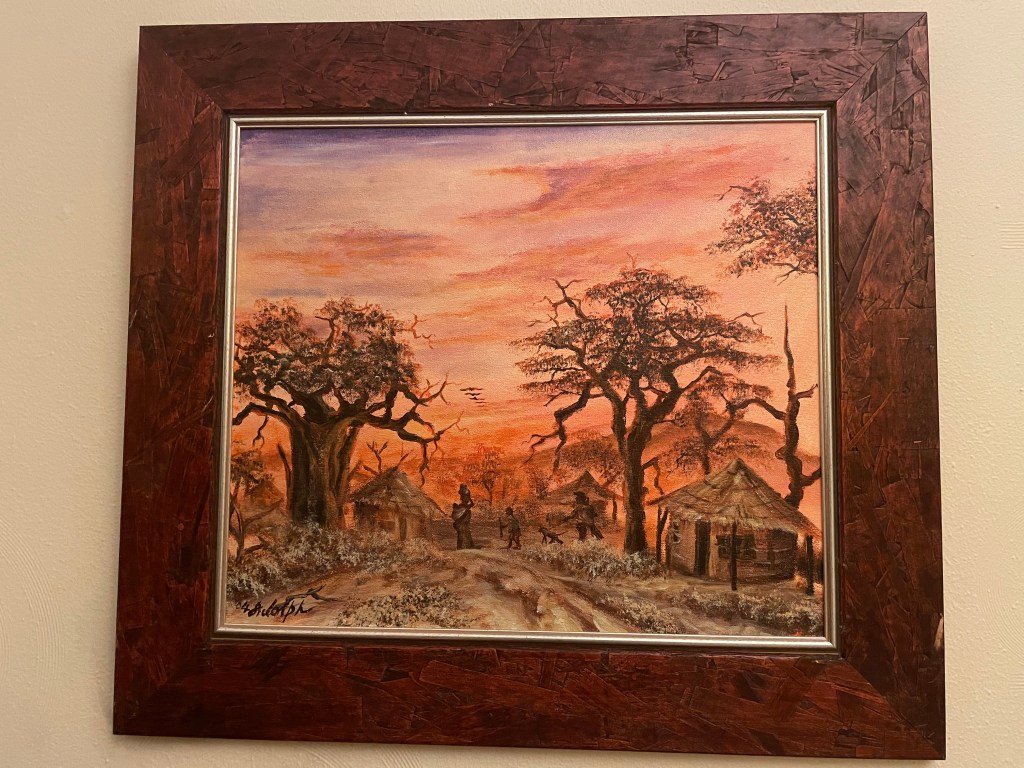
I love these pictures.
These next two paintings were done by a Zimbabwean artist living in South Africa. They both depict typical rural African scenes.


I love these pictures too.
What kind of paintings do you enjoy?
 roberta-writes.com