Roberta Writes – Sneak peak into my WIP, The Soldier and the Radium Girl

I have returned to working on my WIP after setting it aside for three months following contracting Covid in early March. I finally found the enthusiasm to return to this novel and have added over 6,000 words in the last 2 weeks. This is a short extract which also serves as a warning about the tragic consequences of illegal abortions, a topic which has taken central stage on social media recently. It still needs some work and editing, but I am fairly happy with the structure and content of this piece.

Just for a little context, Grace Fryer is the Radium Girl who led the other girls in the prosecution of their previous employer, the United States Radium Corporation. This was one of the cases in the USA which was significant in the development of occupational safety and health standards. I am of the view she was an young women with an interest in politics and the social issues of the time.

Letter from Kate Henderson to Martha Tanner  

17 May 1918

Dear Martha

The most dreadful thing has happened. One of my co-workers at the studio has died of sepsis and I am so terribly distressed.

Mary’s death was so unnecessary and came about because she found herself in the family way and tried to solve her problem by visiting an illicit doctor.

The doctor perforated her bowel during the procedure, and she developed sepsis. I’d never heard of sepsis before, it is poisoning of the blood, and you die horribly, in the most awful pain.

Charlotte and I went to visit her at the hospital the evening after she sickened. The nurse wouldn’t let us see her because she was delirious with fever and pain.

We went again the following evening, just before she died. The nurse allowed us to go in for a few minutes. She knew Mary was dying, although she never said a word, and I think she wanted to let us say goodbye.

I’ve never seen anyone look so awful. The bones of her face pushed through her waxy skin making her look like a skeleton. Her eyes, she had beautiful eyes, had sunk deeply into their sockets. It made me feel so scared and helpless.

My friend, Grace, was angry about Mary’s death. “Mary’s is an unnecessary and pointless death brought about by the lack of rights for women in this country.”

Grace has been in a state of feverish anticipation ever since the Constitutional Amendment granting women the right to vote was passed by the House on the 10th of January. The vote of the Senate on the matter is to take place later this year. Grace frequently reminds us of the importance of this vote to women.

“Jeannette Rankin did such a splendid job of presenting the case for women’s suffrage to the House. She is right when she says that American women should have a chance to serve their country. Look at us, we are serving America by painting dials for the war effort.”

I must tell you, dear Martha, that it is all confusing and anxiety producing for me. I know from Grace that the New York State Court of Appeals expanded the reasons physicians can use to prescribe contraceptives to married people in January. The use of contraceptives by unmarried couples is illegal and I find it difficult to argue this differently.

Father Baker would be horrified if he knew about the conversations on contraception I witness at the studio. I can’t bear the thought that I’m disappointing him, and I try not to listen. It’s difficult though when we’re all at the same table. Of course, these discussions only occur when Miss Rooney is on the other side of the room and take place in hushed tones. This subterfuge makes me even more uncomfortable.

I wonder what Jake would say about it all. I wish he was here so that I could discuss it with him. I have written to him about some of the discussions at the studio. My friend, Grace, has strong views on women’s suffrage and women in politics and I asked him his views on these issues. He wrote me the kindest and most supportive letter and said he was not against women having the vote. It did help put my mind at ease about being a silent participant in these discussions. Well, I’m not really a participant, I’m more of an observer, but I can’t help hearing what is said.

He did point out that these ideas would not be well received in Millinocket, and I shouldn’t say anything about them to either my parents or yours. Of course, I know quite well that these ideas would not be welcome at home, but I am grateful for his advice and thoughtfulness.

Jake’s last two letters have been short, and he didn’t mention the fighting at all. I know the 26th Division is in the Toul Sector and I read the newspaper articles about the Battle at Seicheprey a few weeks ago with concern. I know the battle was a success for us, but the list of the dead, wounded, and captured was long, so it must have been a tough win.

All Jake said in his letter was that the front lines, including those of the 103rd Regiment, were heavily attacked by the Germans. He said that at first the Bosch secured some of the advanced trenches but that the U.S. counterattacks had succeeded in driving them back and re-establishing the line. Maybe he can’t say much because of the censoring. All his letters have words and sentences that have been blacked out so that is probably the reason. It is a bit frustrating though. I don’t really know what he’s experiencing and can’t offer him any support.

He does complain about the rain and the mud. It sounds dreadful. He said it had rained steadily for five days and nights the previous week and the trenches were full of water.

“We are covered with mud from the tops of our helmets to the bottom of our boots,” he wrote. “It runs off our overcoats and slickers like water.” It makes me shudder to think of him living under those conditions.

On the brighter side, the men keep themselves occupied by playing cards and having competitions about who can shoot the most rats. Jake says he is good at both and wrote about his wins most enthusiastically.

How is everyone at home? How is Mr Tanner? Has his cough improved with the warmer weather? I’m looking forward to hearing from you soon, dear Martha.

I do get a little lonely here in the city, so far away from you all. All the city girls are so worldly and enjoy getting out and about. I am often overwhelmed, and I feel like a country mouse.

Love to you all.

Kate

Thursday Doors – A visit to Eilean Donan Castle and my review of Knuckleheads by Daniel Antion #Scotland #Castle #Bookreview

Welcome to Thursday Doors, a weekly feature allowing door lovers to come together to admire and share their favorite door photos from around the world. Feel free to join in on the fun by creating your own Thursday Doors post each week and then sharing your link in the comments below, anytime between 12:01 am Thursday morning and Saturday noon (North American eastern time).

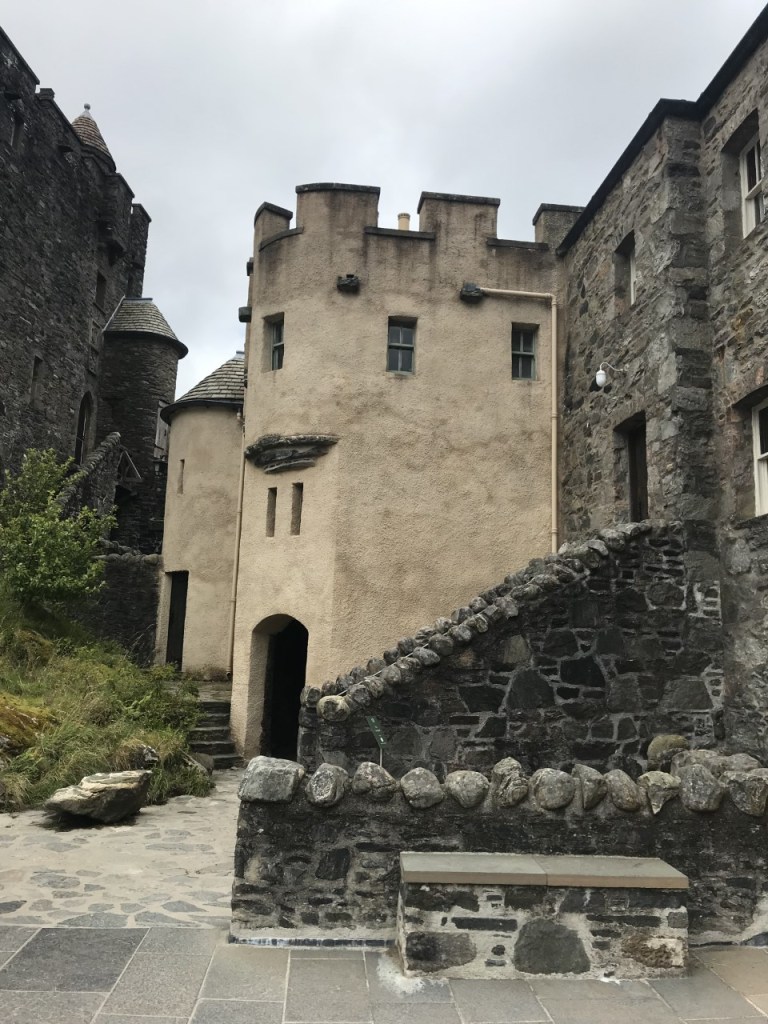
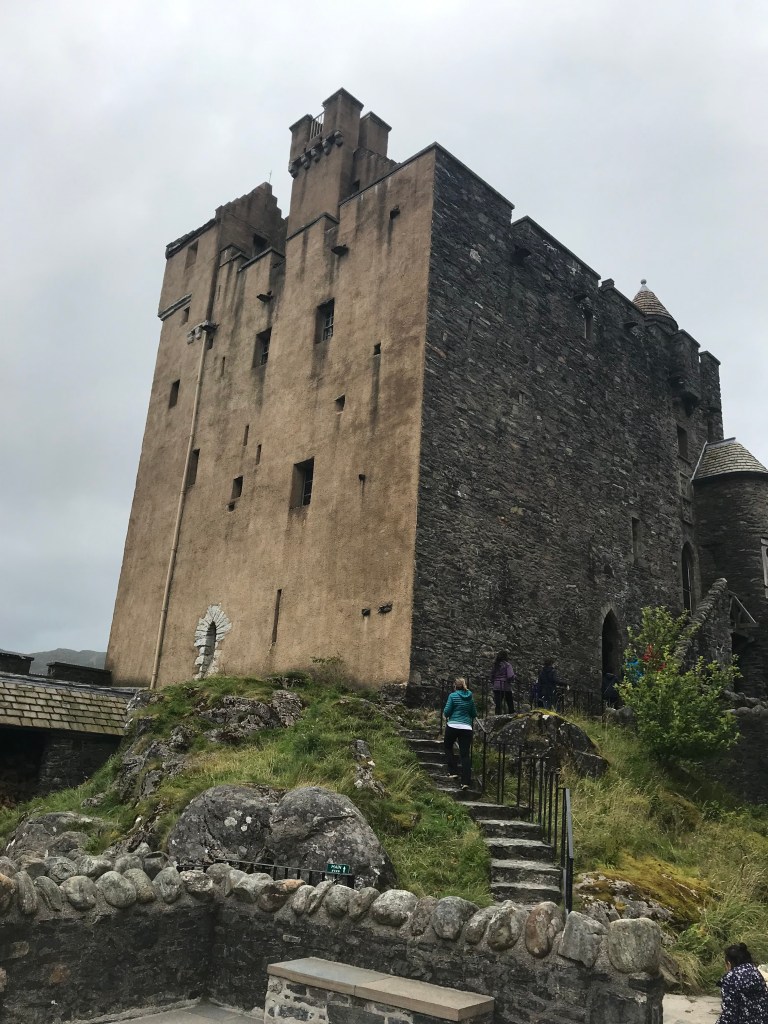
During my trip to Scotland in September 2019, I visited Eilean Donan Castle. It is a lovely castle with a fascinating history. In particular, it was destroyed in 1719.

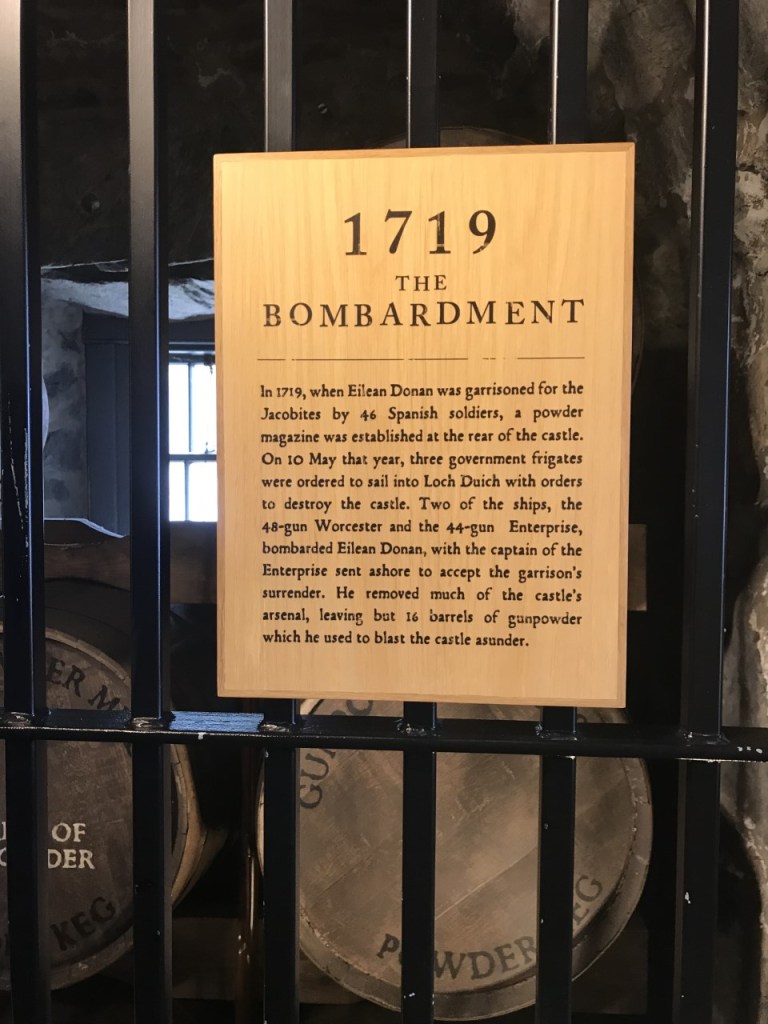
This is the information I found about the castle’s destruction:

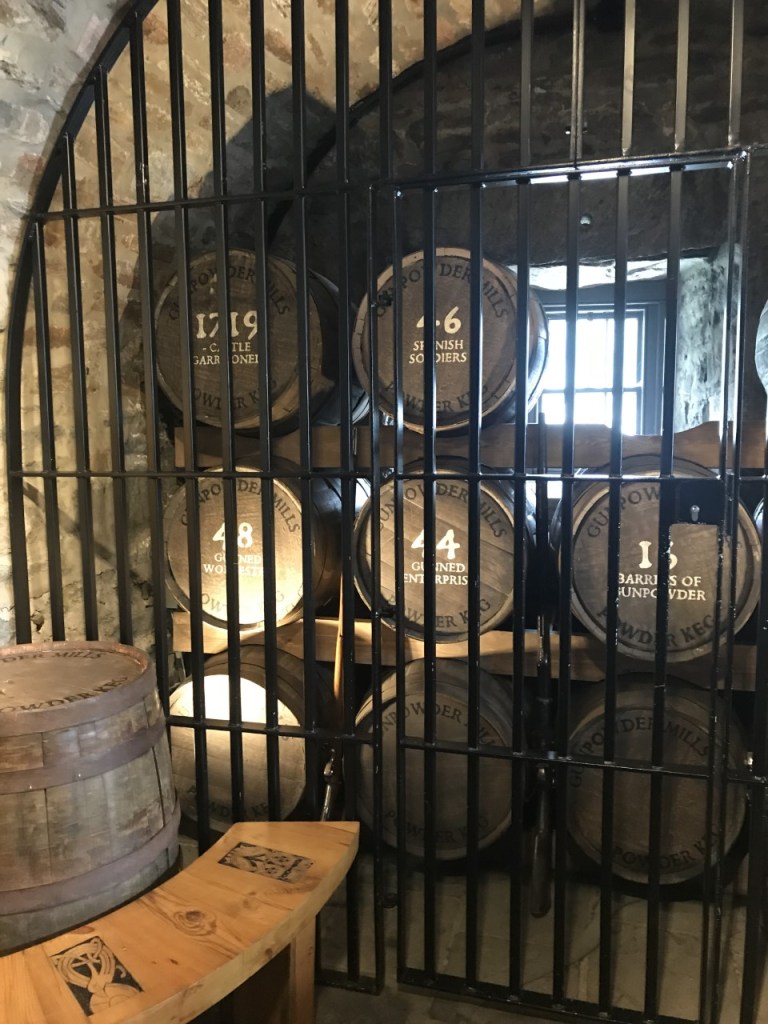
“In 1719 the castle was garrisoned by 46 Spanish soldiers who were supporting the Jacobites. They had established a magazine of gunpowder, and were awaiting the delivery of weapons and cannon from Spain. The English Government caught wind of the intended uprising and sent three heavily armed frigates The Flamborough, The Worcester, and The Enterprise to quell matters. The bombardment of the castle lasted three days, though met with limited success due to the enormity of the castle walls, which in some places are up to 14 feet thick. Finally, Captain Herdman of The Enterprise sent his men ashore and over-whelmed the Spanish defenders. Following the surrender, the government troops discovered the magazine of 343 barrels of gunpowder which was then used to blow up what had remained from the bombardment…

For the best part of 200 years, the stark ruins of Eilean Donan lay neglected, abandoned and open to the elements, until Lt Colonel John Macrae-Gilstrap bought the island in 1911. Along with his Clerk of Works, Farquar Macrae, he dedicated the next 20 years of his life to the reconstruction of Eilean Donan, restoring her to her former glory. The castle was rebuilt according to the surviving ground plan of earlier phases and was formally completed in the July of 1932.”

You can read more about it here: https://www.eileandonancastle.com/about/history/

Here is a picture of the bridge we crossed to get to the castle:

Here are some pictures of the castle and its doors:

The bombardment re-enactment:

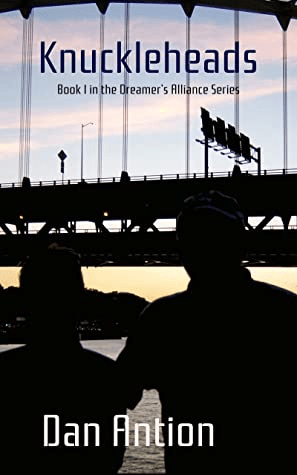
Knuckleheads by Daniel Antion

What Amazon says

Zach and Billy didn’t ask for the paranormal powers that were beyond their capacity to understand, or control. Zach, interacting with his lucid dreams, and Billy, “gifted “with shadowy glimpses of the future struggle to make sense of the world around them. Adults in authority in the nineteen sixties have no time for what they consider mental outliers of the baby-boom.

The boys are institutionalized, marginalized, and ignored. Zach’s father learns of the challenges they face as children and knows the dangers they will face as adults. With no way to comprehend how these boys perceive and move within their world, he must find a way to guide them.

If you like speculative fiction with a touch of technology, humanity and a bit of sarcasm shared among men, you will enjoy this book.

My review

This book is an interesting coming of age story about two boys growing up in Pittsburg. Zach and Billy appear to live ordinary lives going to school, doing chores at home, and holding down part-time jobs, but they both have extraordinary abilities. Zach has vivid dreams about places he has visited and is able, over time and through practice, to participate in his dreams in a very real way. Billy is able to see the future, not in a clear and exact way, but he has strong feelings about what is going to happen to people. Zach is able to hide his ability to a large extent, although he does have a bad interlude at school due to a slip up on his part, but Billy is weighed down by his gift and his odd behaviour earns him the label ‘retard’ during a time when little slack was cut to students who did not fit the ‘average’ mould in the school environment.

Knuckleheads delves deeply into everyday life in an American city and gives insight into relationships and interactions in the church, at school and, as Zach’s father owns a bowling alley and part of the story is set there, it also provides an overview of this popular form of entertainment at that point in time. Even the pitfalls of owning a building and the trials and tribulations of difficult customers and the legal system are explored and I found it fascinating.

The style of writing of this book is also unusual in that the entire story comprises a series of conversations between the older, retired Zach and his daughter, Abbie. Abbie is engaged in the conversation about her father’s childhood and unusual gift and asks lots of questions, the answers to which move the story along nicely and provide additional details. There are a few interesting aspects to the relationships in this story. One is that Abbie’s deceased mother, Ronnie, Zach’s former wife, plays a small role in this novel. Zach has a strong relationship with his daughter and Abbie doesn’t seem to feel emotionally deprived by not having a mother figure in her life. My distinct impression was that Zach had filled the hole left by the death of his wife very well. The second, is that Zach’s father plays the role of confidant and nurturer to his son as he learns to control his ability. In fact, Zach’s father fills this role for Billy too after his mother dies and his grandparents become to old to cope with his perceived strangeness. I thought this was a rather unique take on relationships between fathers and their children.

This is a character driven book and it was entertaining and fulfilling to watch the two boys, Zach and Billy, adapt to their unusual situations and learn to make the most of life’s opportunities. Both of them end up pursuing careers that are well suited to their needs and emotional and intellectual make-ups.

This is an enjoyable coming of age story with an interesting paranormal twist.

Purchase Knuckleheads by Daniel Antion

Amazon US

Dan Antion Amazon Author Page

Priorhouse interview – Roberta Eaton Cheadle

Yvette from Priorhouse blog was kind enough to invite me over for a guest interview. Yvette created the most beautiful post and she also asked some excellent questions. Thank you, Yvette.
If you don’t know Yvette, she blogs about art, museums, books, and also posts intriguing interviews with authors and bloggers. She also participates in a number of photograph challenges with her excellent photographs.

Today’s Interview features Roberta (Robbie) Eaton Cheadle, who is a South African author. She has worked in finance since 2001 and she also writes fiction and poetry.  In addition to having short stories and poems in numerous anthologies, Robbie has published ten children’s books and two novels:
Through the Nethergate, a historical supernatural fantasy

A Ghost and His Gold, a historical paranormal novel set in South Africa.

Now most readers of the Priorhouse blog know that I don’t read horror stories and I stay away from paranormal material – (just my preference for personal and spiritual reasons)-  but Robbie and I still connect through a variety of topics! And I am glad to have been blog friends with her for many years now!


Robbie blogs about books, shares her poetry, features authors, and provides book reviews. She recently provided an excellent review, here, about The Midnight Library by Matt Haig.  She also posts about food! I enjoy her recipe posts because they are hearty and often include real meat! She often includes a little backstory to why she made the dish or how she modified the recipe.

That leads to our first question in this interview – it relates to food and what you would bring to a potluck.

Priorhouse: I am reading a literary trivia book from Mental Floss (2021), which had a section on what famous authors liked to eat and what they “might” bring to a literary potluck.

  • Sylvia Plath: Tomato Soup Cake
  • John Steinbeck: Posole (can of chili and can of hominy)
  • F. Scott Fitzgerald: Turkey Leftovers
  • Harper Lee: Crackling Bread (made with pig skin)
  • Pearl S. Buck: Sweet and Sour Fish

Continue reading here: https://priorhouse.blog/2022/07/03/priorhouse-interview-robbie-eaton-cheadle/

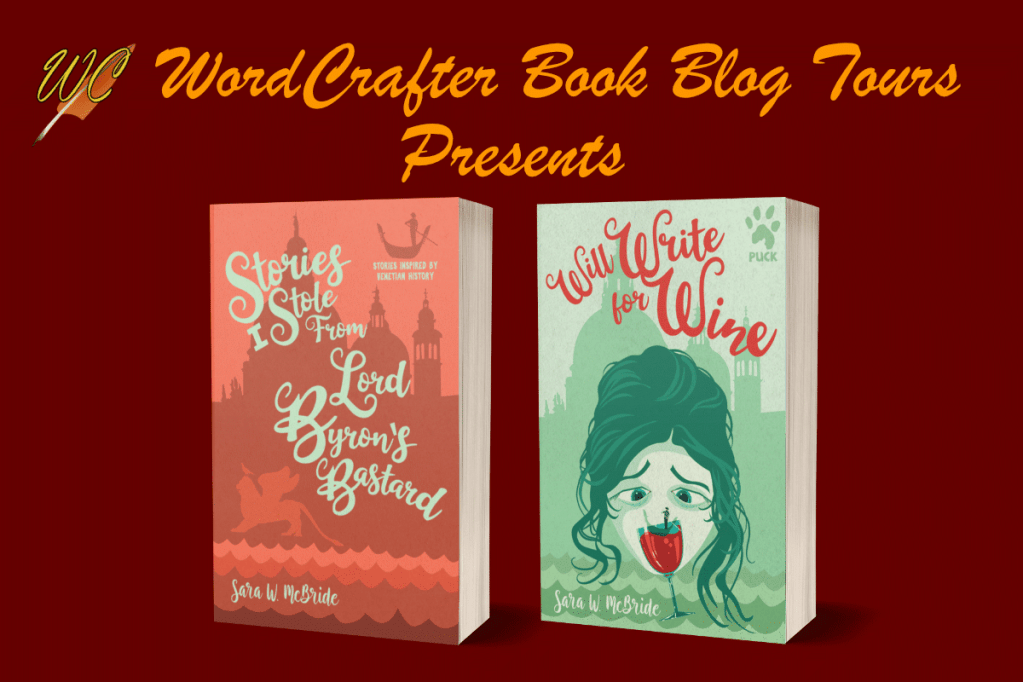
Roberta Writes – WordCrafter Book Blog Tours: Will Write For Wine & Stories I Stole From Lord Byron’s Bastard by Sara McBride

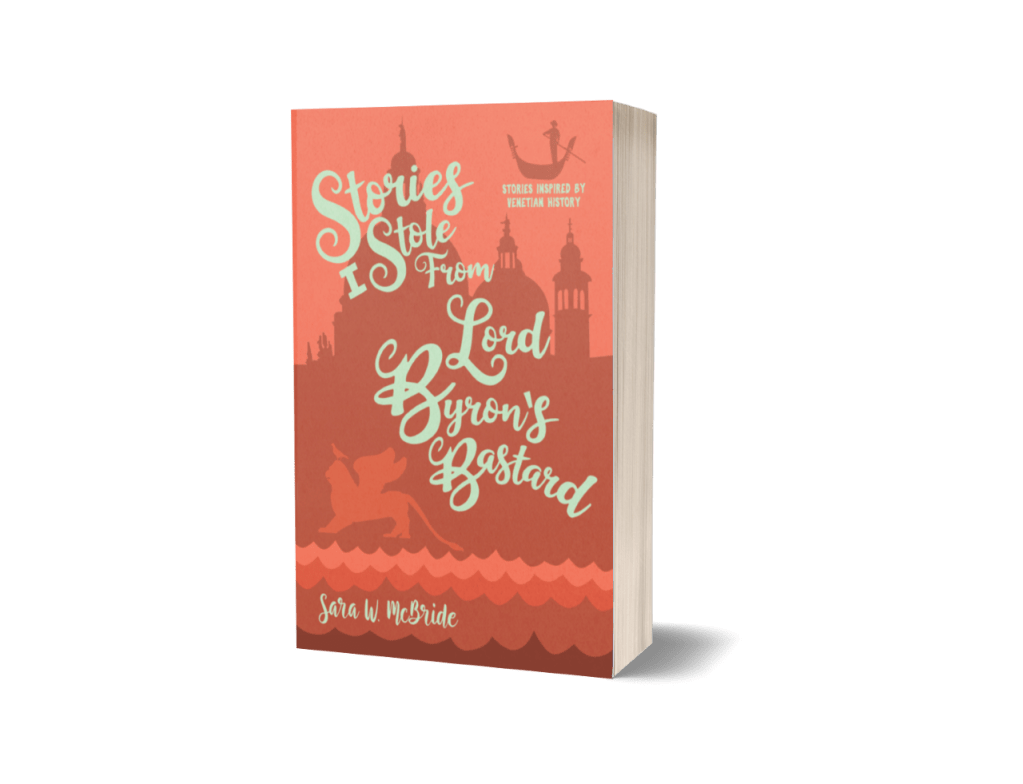
Stories I Stole from Lord Byron’s Bastard is a collection inspired by Venetian history. The fictional character, Alexis Lynn, wrote these stories in the novel Will Write for Wine by Sara W. McBride, but they are fun stand-alone adventures to be enjoyed with an excellent glass of Italian wine.

https://www.puckpublishing.com

Giveaway

In addidtion, to the awesome guests posts, interview, and reviews at each tour stop, Sara is offerin a chance to win a digital copy of each book, Will Write For Wine & Stories I Stole From Lord Byron’s Bastard. Leave a comment and click on the link below to enter for a chance to win:

http://www.rafflecopter.com/rafl/display/d9280cae1/?

Inspiration for the story ‘The Secret Vault’ – Guest post by author Sara W. McBride

Image of Soave with Castle in background
Credit: Photo by Michael Martinelli on Unsplash

What inspired the story, “The Secret Vault?”

            The story, “The Secret Vault,” was inspired by Venice’s Jewish Ghetto. But how did I get from the elevated ramparts of Soave castle to Venice’s Jewish Ghetto? The history behind this short story spans decades, but the story takes place in less than 72 hours. This was definitely the most challenging story to write in the collection and it also had the double duty of leading to an argument between the two main characters in the novel Will Write for Wine, where Alexis Lynn is the “author” of these stories.

          On my first visit to Venice in 2005, I was shocked by the fact that the leading cosmopolitan trading city of the Renaissance, with its extreme religious tolerance—by 16th century standards—established the first Jewish ghetto. Actually, the first was in Frankfurt, Germany, but the second was in Venice, and the Venetian ghetto became the template for all other ghetto’s around the world. The word “ghetto” was founded by Venice, as ghèto was the word for the copper foundry that originally stood on the small seven acre island in the Cannaregio district, which in 1516, became the Gheto Novo, or New Ghetto.   

In the 15th and 16th century, Venice was a safe haven for Jewish refugees escaping many parts of Europe, including other regions of Italy. Jews were allowed to operate businesses in Venice, but were not allowed to reside in Venice. Why?

In this story, I speculated that the patricians, the noble families of Venice, often led by Francesco Cornaro’s father, Giorgio Cornaro (1452-1527, aka: Corner), might have had personal financial reasons for suppressing Jewish freedom. The wealth of the Cornaro/Corner family was created by their money-lending practices, amongst other pursuits. I speculated that if Giorgio Cornaro’s son, Francesco, returned with a story of military loss and murder, orchestrated by a Jew, then it might persuade the other members in the Council of Ten to continue their suppression of Jews and oppose residency.

However, in 1516, the Jewish community in Venice negotiated for residency within the city of Venice, and the Senate designated the old copper foundry, the ghèto, as a Jewish residence, and the bridge gates surrounding the island were locked each night. It was an interesting way to simultaneously include and exclude the Jews from Venetian society. After only twelve short years, the Jews felt secure enough in their new residence to build synagogues, so even if they had to wear a yellow insignia or hat to distinguish themselves from Christians, Jews embraced their city residence. Their community grew, and they created more living spaces by building upwards on their small prison island.

I speculated that the old Venetian Patrician families were not anti-Semitic, but felt financially threatened by some of the Jewish merchants and moneylenders. Many of the Patrician families owned and operated banks. Several other powerful families had amassed enormous debts, and some were indebted to Jews. Suppressing the Jews meant maintaining power within the wealthy Patrician class.    

So how does Soave Castle fit into this and does it really have secret tunnels?

The fabulous Castle of Soave really did have a tunnel connecting its main keep to a wine vault. Whether an additional tunnel led from the vault, under the city wall, and eventually opened in a monastery a half mile away, is speculative based on other European castles where such escape tunnels existed.

The general outline of the events in this story is true. Maximillian I, who the Warrior Pope, Julius II (Papal reign 1503-13–the Pope who tortured Michelangelo under a famous ceiling), declared as the Holy Roman Emperor without a proper church coronation, led the League of Cambria, essentially armies gathered from Europe, against Northern Italy. Soave Castle was a stronghold protecting the Veneto region and Venice from invasion. The castle is a gorgeous sight to behold, especially at sunrise or sunset. You should check it out and partake in some excellent wine tasting within the walled city of Soave.

From the history page of the castle’s website:

https://www.castellodisoave.it/en

It was the year 1509 when the army of the Lega di Cambrai, led by imperor Massimiliano I° d’Asburgo, defeated the fortress resistance.

Short after, the castle was regained by Venetians guided by Paolo Gradenigo, but just until the spring of 1510, when the imperial troops reconquered it.

In September of the same year, Soave’s people, led by Antonio Marogna, revolted and after, as chronicle states, ‘having chopped to pieces’ the imperial guards they handed over the fortress to the Venetians by opening its doors.

Massimiliano I, d’Asburgo (aka: Maximillian I of the house of Habsburg) passed the “Imperial Confiscation Mandate,” which ordered the destruction of all Jewish literature apart from the Bible. So, did a Jew really work for him? Yes!

The character of Abraham is a real figure from history. Abraham ben Moses Jaffe of Bohemia (1450-1535) was a prominent 16th century Bohemian Jewish banker and money lender and lent money to European and German royalty and nobility—like the House of Habsburg—in exchange for social privileges. He is known to have leant money to Maximilian I during the League of Cambria wars. It is also true that Abraham’s mother, Margolioth bat Samuel HaLevi, was considered an extremely educated woman, and so respected in the Jewish community that some of her descendants, like Abraham’s brother, adopted the second surname Margolioth.

Instead of following his mother’s example of studied wisdom, in 1512 he persuaded the King of Poland to pronounce him Prefect over the Jewish community and to become the tax collector for the Jewish poll tax in Poland. This enriched both the King and Abraham. The Jewish community of Kraków was so disgusted by Abraham’s mistreatment of his own people, they banned him from their society.

For the story, I speculated that Abraham was a man who solely protected his own self-interest and not that of the Jewish community, as his historical actions demonstrated shortly after the battle at Soave in 1510.

While visiting Venice or Northern Italy, I highly recommend a day trip to Soave. The landscape is breathtaking and the wine is delicious. And perhaps you’ll meet a ghost from one of the many bloody battles fought within Castello di Soave.

Stories I Stole From Lord Byron’s Bastard

“If you’re wondering about the story that made Manu so angry he banished me from Venice, it’s in here.” –Alexis Lynn

Get ready for a fun evening of stories inspired by Venetian history. Thrill to the adventures of money-laundering plague nuns, a pregnant Renaissance man, a demonic Doge at the Devil’s Bridge, and other tales of ghosts, art, and love. 

Following in the footsteps of Lord Byron’s obsession with Venetian history, Alexis Lynn wrote these stories in the novel, Will Write for Wine. We proudly share these standalone stories with you over the objection of her paramour Manu, a modern-day Casanova and illegitimate descendent of Lord Byron himself. 

So, pour yourself a glass of your favorite vino, let your dog or cat curl up at your feet (or let your cat do whatever it wants), and settle into these mostly … partly … somewhat true tales. 

In vino est fictio.

Purchase Link:https://www.amazon.com/Stories-Stole-Lord-Byrons-Bastard-ebook/dp/B0B27TS5GL

Will Write For Wine

Alexis Lynn is tired of living for others. She chucks her twenty year scientific career, and possibly her marriage, to write full time in Venice, Italy. But when Alexis gets involved with a flirtatious Venetian, a man who champions her writing, events spiral out of control. The old Alexis knows she should salvage her marriage, but the new Alexis is quickly falling for the charms of this modern day Casanova. And she doesn’t know which Alexis will prevail. This is going to require a whole lot of wine.

Purchase Link: https://www.amazon.com/Will-Write-Wine-Alexis-Novel/dp/0990767043

About Sara W. McBride

Sara W. McBride, like many modern-day biological researchers, invents new swear words to sling at million-dollar machines while locked in a dark hole of a decaying academic hall. This has caused her to witness ghosts and create a romantic fantasy life within her head, which she now puts down on very non-technological paper with her favorite Jane Austen style quill pen. 

Her first novel in the Alexis Lynn series, Will Write for Wine, and the companion short story collection, Stories I Stole from Lord Byron’s Bastard, both set in Venice, Italy, were recently released by Puck Publishing. She’s hard at work on the second Alexis Lynn novel, a Regency mystery series, and a haunted play. She strongly feels the world needs more haunted plays.

Blog Tour Schedule

Monday, June 27 – Opening Day Post – Writing to be Read – Guest Post: Inspiration for the Devil’s Bridge” & Review of Stories I Stole From Lord Byron’s Bastard

Tuesday, June 28 – Showers of Blessings – Guest PostInspiration for “Stealing Georgione’s Mistress”

Wednesday June 29 – Carla Loves to Read – Guest Post: Inspiration for “The Masked Kiss”

Thursday, June 30 – Writing to be Read – Guest Post: Inspiration for “A Dowry for Safron” & Interview with Sara W. McBride

Friday, July 1 – Zigler’s News – Guest Post: Inspiration for “The Pregnant Man” & Review of Stories I Stole From Lord Byron’s Bastard

Saturday, July 2 – Annette Rochelle Aben– – Guest Post: Inspiration for “The Haunted Palazzo”

Sunday, July 3 – Roberta Writes – Guest Post: Inspiration for “The Secret Vault”

Monday, July 4 – Wrap-Up Post – Writing to be Read – Guest Post: Inspiration for Will Write for Wine & Review of Will Write for Wine

Roberta Writes – Book Review: The Midnight Library by Matt Haig

What Amazon says

THE SUNDAY TIMES NUMBER ONE BESTSELLING WORLDWIDE PHENOMENON
READERS’ MOST LOVED BOOK OF 2021
WINNER OF THE GOODREADS CHOICE AWARD FOR FICTION

‘BEAUTIFUL’ Jodi Picoult, ‘UPLIFTING’ i, ‘BRILLIANT’ Daily Mail, ‘AMAZING’ Joanna Cannon, ‘ABSORBING’ New York Times, ‘THOUGHT-PROVOKING’ Independent

Nora’s life has been going from bad to worse. Then at the stroke of midnight on her last day on earth she finds herself transported to a library. There she is given the chance to undo her regrets and try out each of the other lives she might have lived. Which raises the ultimate question: with infinite choices, what is the best way to live?

My review

Nora Seed is a sad and depressed thirty-something woman who has a multitude of regrets about the choices she made in her life. She feels alienated from her brother and best friend as a result of past decisions that impacted on them as well as herself. She believes that they bear a grudge against her and she is weighted down by a huge burden of guilt. In addition, she feels guilty about breaking off her engagement a short time before the wedding and secretly questions whether she did the right thing.

On the day the story starts, a series of negative events in her personal life push Nora over the edge and she decides to take an overdose of pills and end it all.

Nora wakes up in the “Midnight Library”, a place for souls suspended between life and death. In the Midnight Library, Nora becomes reacquainted with Mrs Elm, the librarian from her days at the local primary school, and a person who gave her a lot of emotional support when she most needed it. Mrs Elm also gave Nora some advice on her future career and life decisions at the time. Mrs Elm’s role in the library is to offer the same sort of counselling and support to Nora as she explores her options prior to the ultimate death or survival of her body. She also points out that if Nora dies, her time in the Midnight Library will end and her ability to make a choice to live will also end.

Mrs Elm explains to Nora that the Midnight Library contains a book of regrets which sets out all of the decisions, big and small, that Nora has made and come to regret at the time of her death. She also points out shelf after shelf of books which all contain different variations of Nora’s ‘core’ life which pivot on a change in her life decisions. There are thousands and thousands of different lives that Nora could have lived, some greatly different from her core life and some not as different, depending on the nature of the life choice made the precipitated the change in direction.

Nora is tasked with trying out different lives until she finds the one she thinks is the ‘perfect’ life for her. When she finds it, she will be able to stay in that life and will eventually assimilate into it.

I enjoyed the Nora’s journey in this book and watching her gradually come to terms with the outcome of her past decisions and how her life could have been different. It was fascinating to watch her realise that there is no real ‘perfect’ life and that every life choice comes with a set of pros and cons which you have to live with. It was also interesting to witness her reaction to the realisation that her life choices impacted on other people around her, not only the major players in her life, but also the smaller players, for example, her elderly neighbour, and a teenage boy she was teaching to play the piano.

I thought it was very clever how the author used the different ‘life’ backgrounds to illustrate these fundamental thoughts about life and it was fun to contemplate all the different variations a single life could take based on decisions and their knock on effects. I really appreciated this book and it has given me food for thought for my own life.

This book has an uplifting ending and is an insightful voyage through the thought processes and emotions of the main character as she comes to terms with her real thoughts about her life.

I have never suffered from depression so I can’t comment on the accuracy with which depression is depicted in this book. The descriptions of the hopelessness instilled by depression and the feeling of not being able to escape your own thoughts and emotions seem well done to me, but I do think that depression isn’t something that could easily be resolved through a realisation of the greater meaning of life. I am of the view that chronic depression is an illness and is very difficult to address. As a result, that part of this book did seem a little white-washed to me and it is the reason I gave the book 4 stars and not 5.

Otherwise, this is a great and through provoking story and I enjoyed it very much. 

A few quotes I enjoyed from this book:

“It is not the lives we regret not living that are the real problem. It is the regret itself. It’s the regret that makes us shrivel and wither and feel like our own and other people’s worst enemy. We can’t tell if any of those other versions would have been better or worse. Those lives are happening, it is true, but you are happening as well, and that is the happening we have to focus on.”

“If you aim to be something you are not, you will always fail. Aim to be you. Aim to look and act and think like you. Aim to be the truest version of you. Embrace that you-ness. Endorse it. Love it. Work hard at it. And don’t give a second thought when people mock it or ridicule it. Most gossip is envy in disguise.”

“Of course, we can’t visit every place or meet every person or do every job, yet most of what we’d feel in any life is still available. We don’t have to play every game to know what winning feels like. We don’t have to hear every piece of music in the world to understand music. We don’t have to have tried every variety of grape from every vineyard to know the pleasure of wine. Love and laughter and fear and pain are universal currencies. We just have to close our eyes and savour the taste of the drink in front of us and listen to the song as it plays. We are as completely and utterly alive as we are in any other life and have access to the same emotional spectrum.”

Purchase The Midnight Library

Amazon US

PS, I’m not crazy about this cover, what do you think of it?

Roberta Writes – Writing! Writing! Writing! My year to date and ahead

2022 has been a very busy year for me, both from a work perspective and from a writing perspective. A lot of work and no-one to help me, combined with contracting Covid-19 in March and taking a month to recover, have resulted in my putting my draft novel on hold in the short term. I am just returning to The Soldier and the Radium Girl now, 3 and 1/2 months after I was diagnosed with Covid.

I may not have felt included to work on my novel, but I have not been idle. I have been working on a number of poems, short stories, and a children’s book, all of which will be published over the course of this year in some form or another.

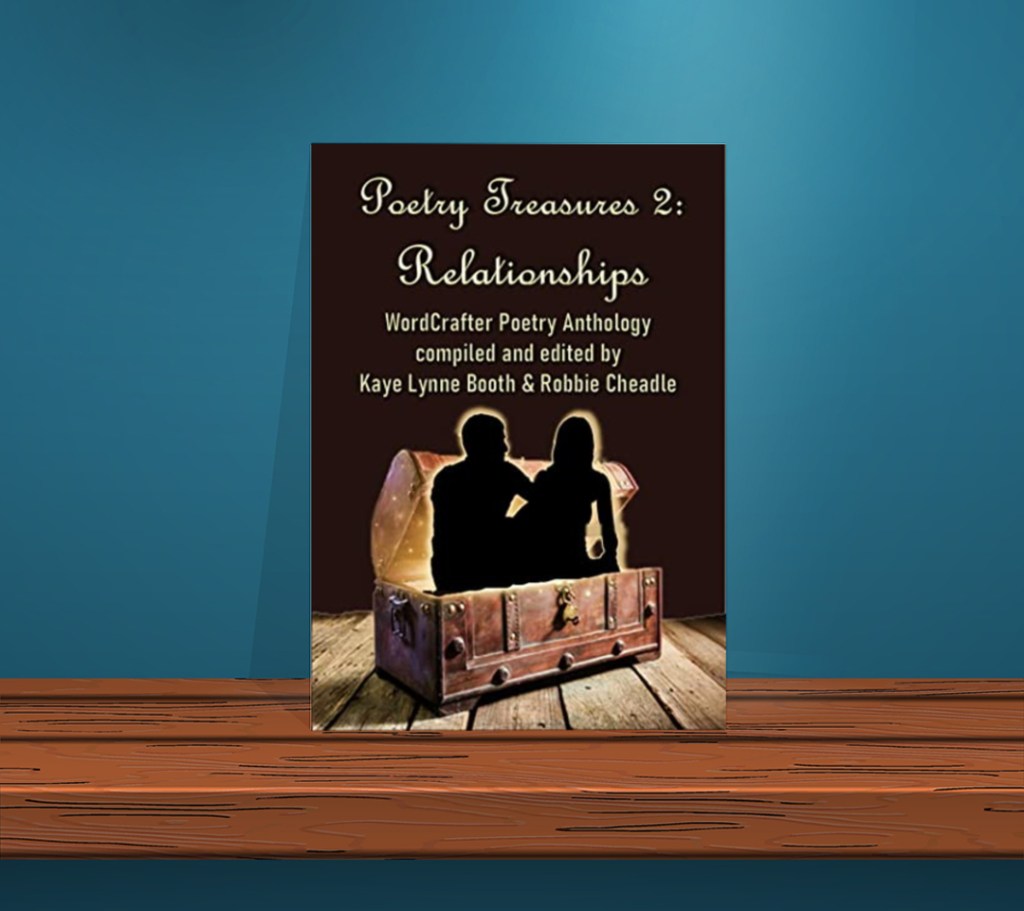
Poetry Treasures 2: Relationships, WordCrafter Poetry Anthology

I have six poems in Poetry Treasures 2: Relationships a poetry anthology I edited and compiled together with author and publisher, Kaye Lynne Booth.

UBL: https://books2read.com/u/3kP8aK

If you would like to read an ARC copy of Poetry Treasures 2: Relationships, please email me at sirchoc[at]outlook[dot]com.

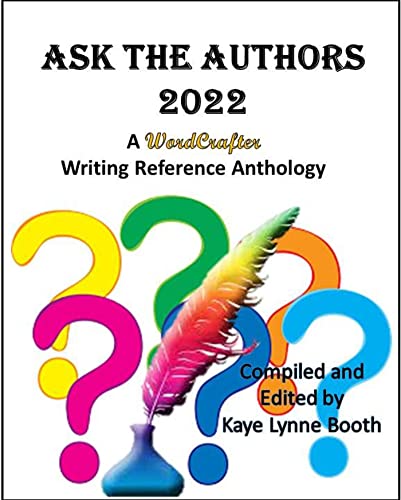
Ask the Authors 2022, A WordCrafter Writing Reference Anthology

I contributed an essay entitled My Writing and Publishing Journey and answers to most of the questions posted about writing and publishing, to Ask the Authors 2022, compiled and edited by Kaye Lynne Booth. You can find out more about this Writing Reference Anthology here: https://writingtoberead.com/2022/06/25/ask-the-authors-2022-book-blog-series-editing-revision/

UBL: https://books2read.com/u/3LnK8e

If you would like to read an ARC copy of this book, please email me at sirchoc[at]outlook[dot]com.

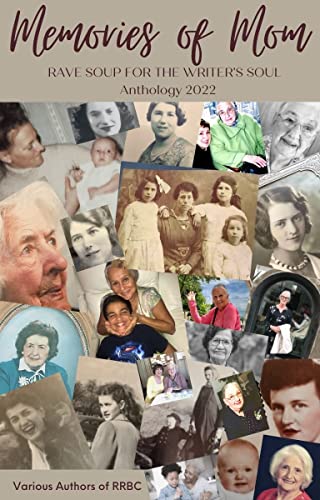
MEMORIES OF MOM: Rave Soup For The Writer’s Soul Anthology, 2022

I contributed a story entitled The New Baby to this Memories of Mom Rave Soup for the Writer’s Soul Anthology 2022 compiled and edited by author, Nonnie Jules.

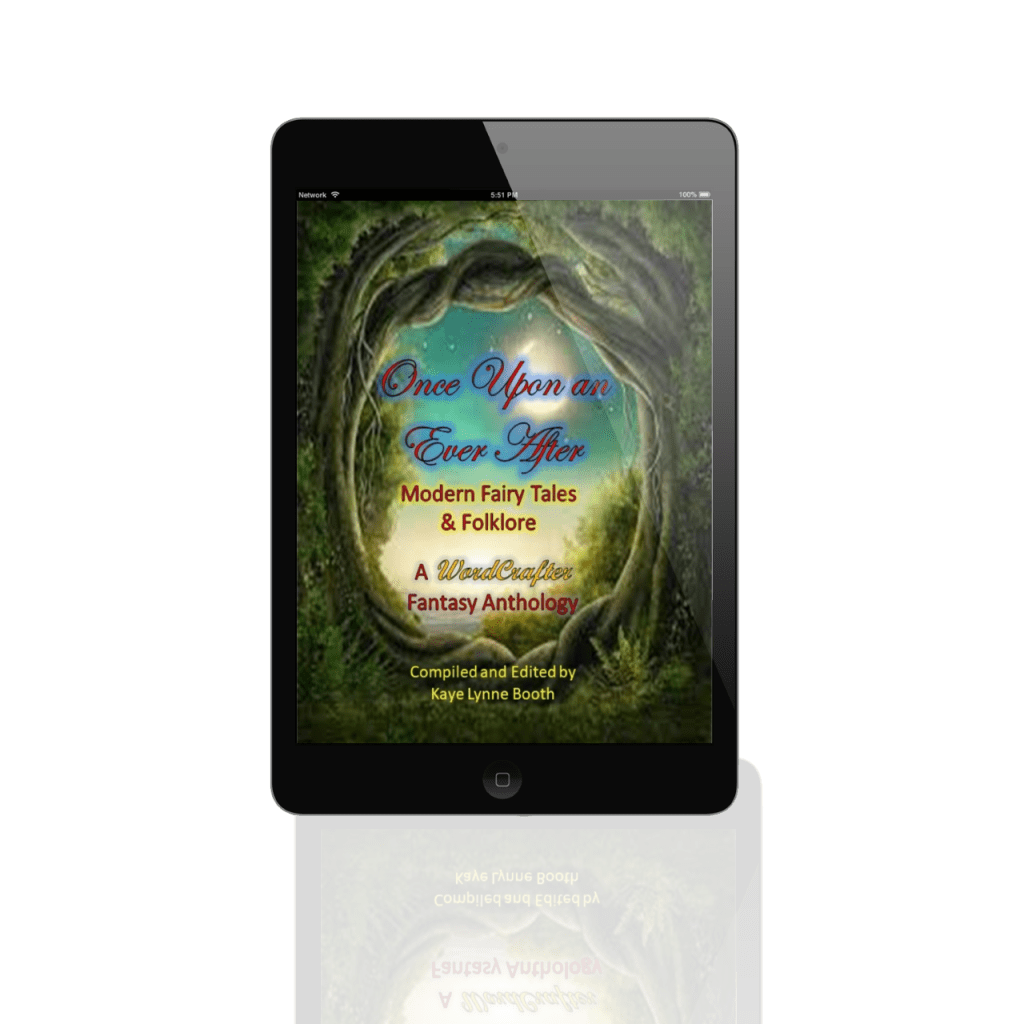
Once Upon an Ever After, A WordCrafter Fantasy Anthology

I contributed a short story called The War Babies to this interesting WordCrafter fantasy anthology, compiled and edited by Kaye Lynne Booth.

My story features the British women, nicknamed ‘the canary girls’ who worked in munitions manufacturing trinitrotoluene shells during the First World War. In accordance with the them of this anthology, my story also has a strong link to a well-known fairy tale by Hans Christian Anderson called The Storks.

This anthology is available for pre-order here: https://books2read.com/u/mKdWGV

You can learn more about it here: https://writingtoberead.com/2022/06/24/once-upon-an-ever-after-available-for-digital-pre-order-now/

Visions, a WordCrafter Anthology

I contributed a short story called The Bite to this anthology which will be available later this year. My story was the winning entry for 2022 WordCrafter Short Fiction Contest which is incredibly exciting for me. You can read more about it here: https://writingtoberead.com/2022/06/10/and-the-winner-is/

Lastly, I have a new children’s book coming

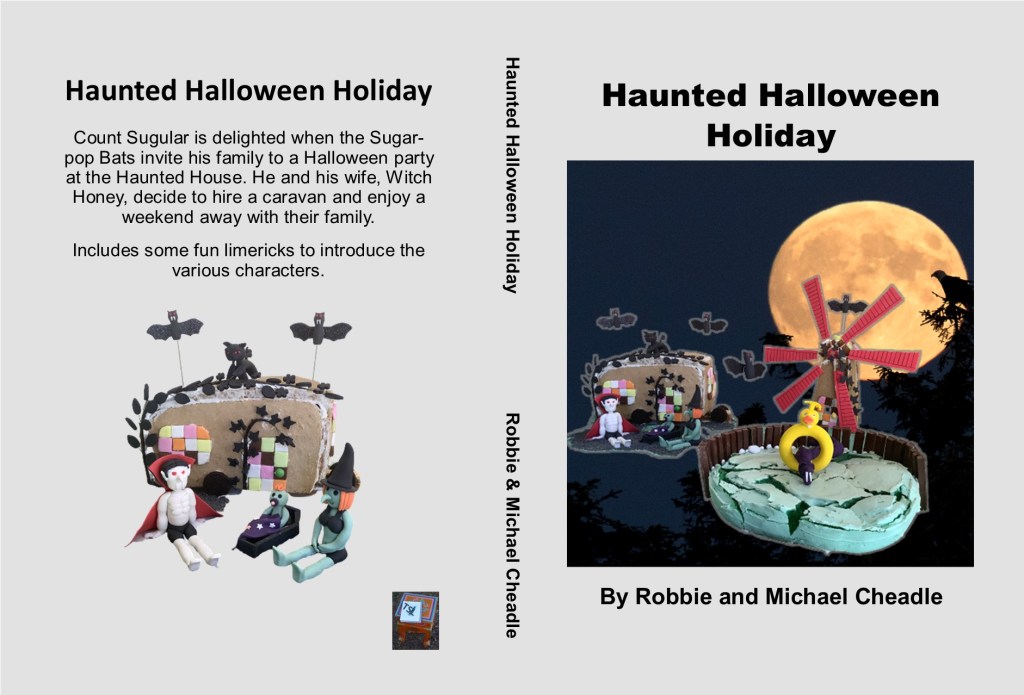
While I had Covid, I wrote a new children’s book called Haunted Halloween Holiday. This book is approximately 3,600 words in length, so a lot longer than my children’s picture books, and also includes a number of fun limericks about the various characters.

Haunted Halloween Holiday includes some of my fondant and cake art, including my Haunted Halloween Holiday Hextravaganza creation which one first prize in a gingerbread Halloween competition last year.

The photographs of the moon which form the background for some of my artwork in this book were taken by talented photographer Wayne from Tofino Photography, Professional Wildlife, Landscape and Seascape Photography. You can view some of Wayne’s amazing pictures in his gallery here: https://www.gotofino.com/tofinogallery/

Lovely blogger and good friend, Bella Shah from Thoughts ‘n Life blog assisted me with compiling the illustrations. You can find Bella here: https://thoughtsnlifeblog.com/

This book is due for publication by TSL Publications in August 2022.

This is the cover:

Roberta Writes – Thursday Doors: Seoul, South Korea #skiing #southkorea

Welcome to Thursday Doors, a weekly feature allowing door lovers to come together to admire and share their favorite door photos from around the world. Feel free to join in on the fun by creating your own Thursday Doors post each week and then sharing your link in the comments below, anytime between 12:01 am Thursday morning and Saturday noon (North American eastern time).

You can join in this weeks challenge here: https://nofacilities.com/2022/06/23/carnival-doors/

This week, Dan has linked up with Cee from Cee’s Photo Challenges. Her challenge is doors in B&W. You can join in here: https://ceenphotography.com/2022/06/23/cbwc-doors-and-drawers/

A long time ago in a galaxy far, far away, a great adventure took place …

Well, not that long ago and not another galaxy, but in 1995 I went to South Korea, and for me, it was a great adventure.

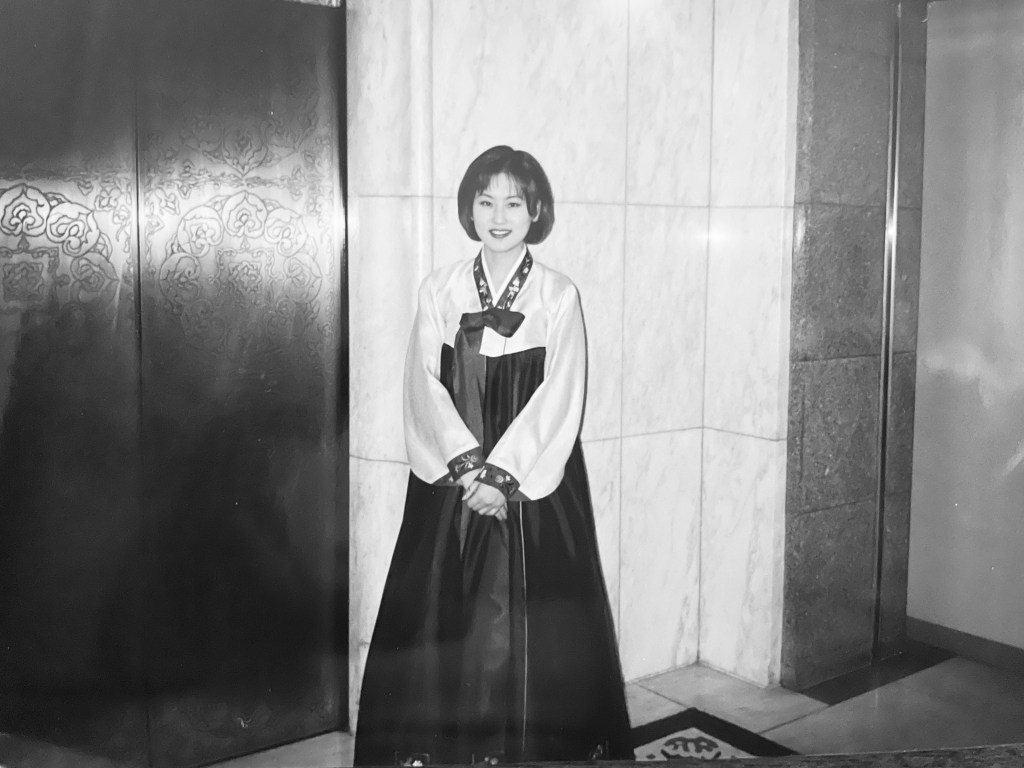
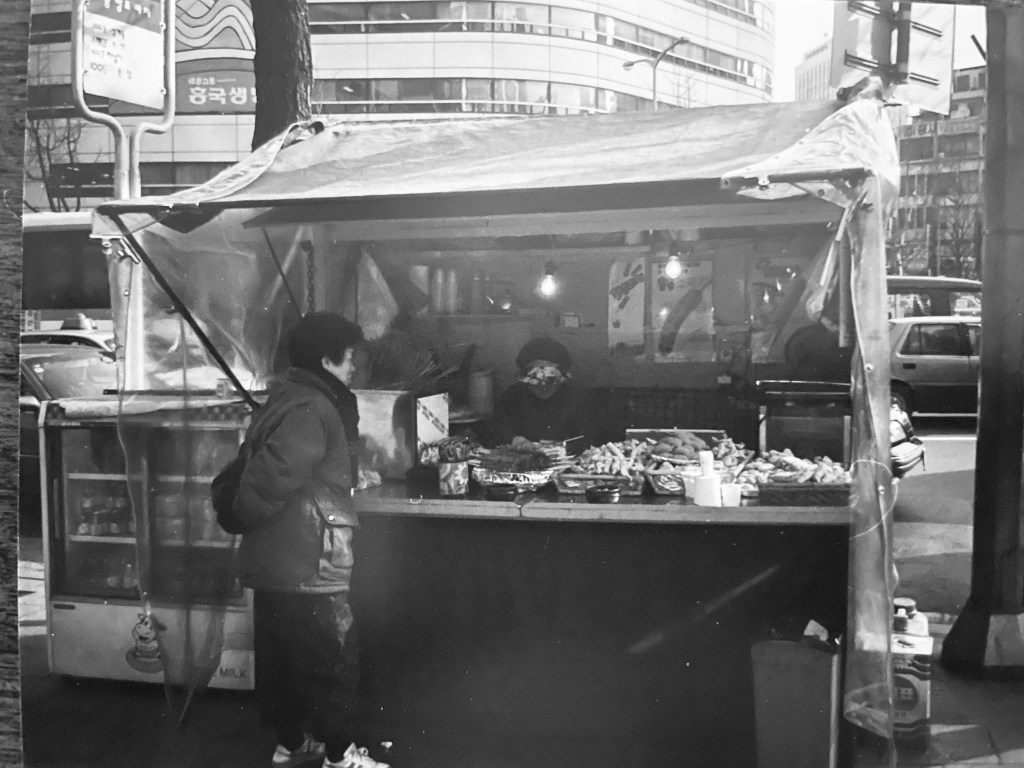
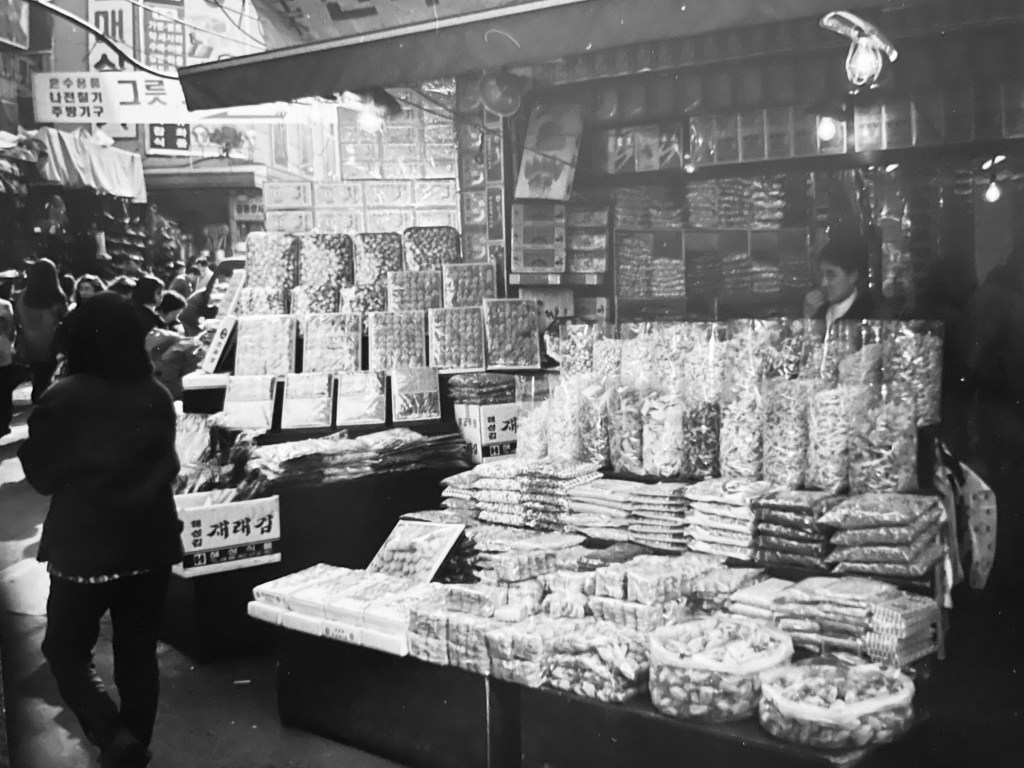
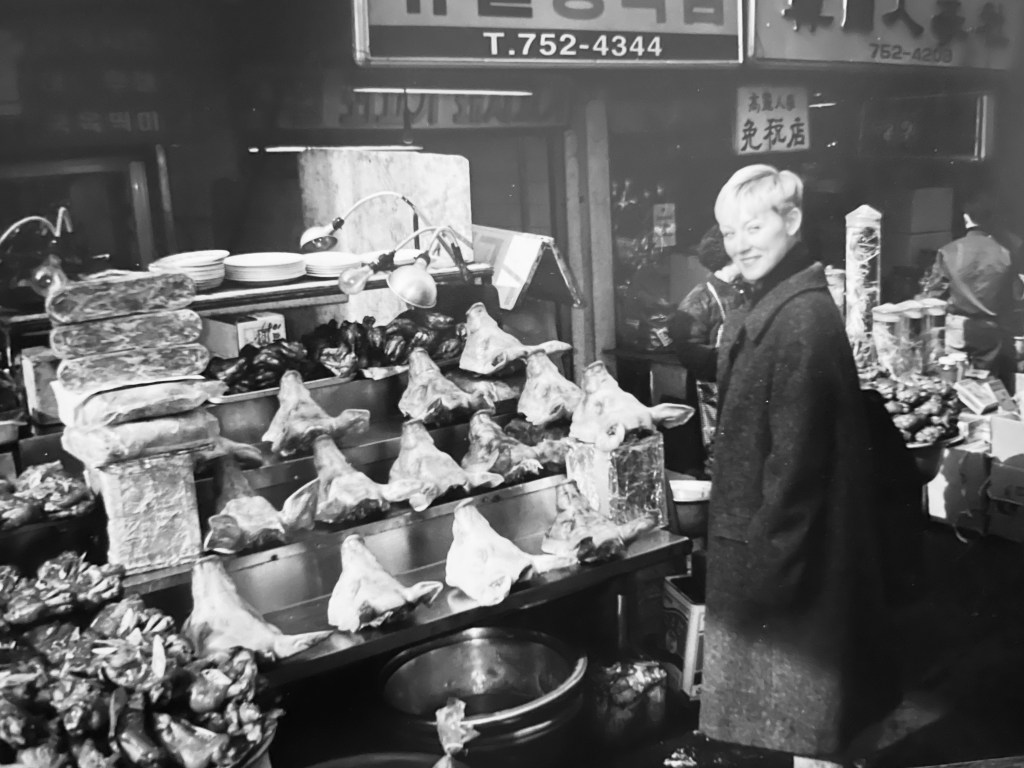
These are a few pictures, in black and white, from that trip. of course some of them include doors.

A traditional building
A woman in traditional attire outside the lift in a hotel

The above pictures were taken on the streets. The first picture is of a street vendor. The second picture is of a roadside shop (both pictures have doors if you look carefully). The last picture is of a stall selling pigs heads.

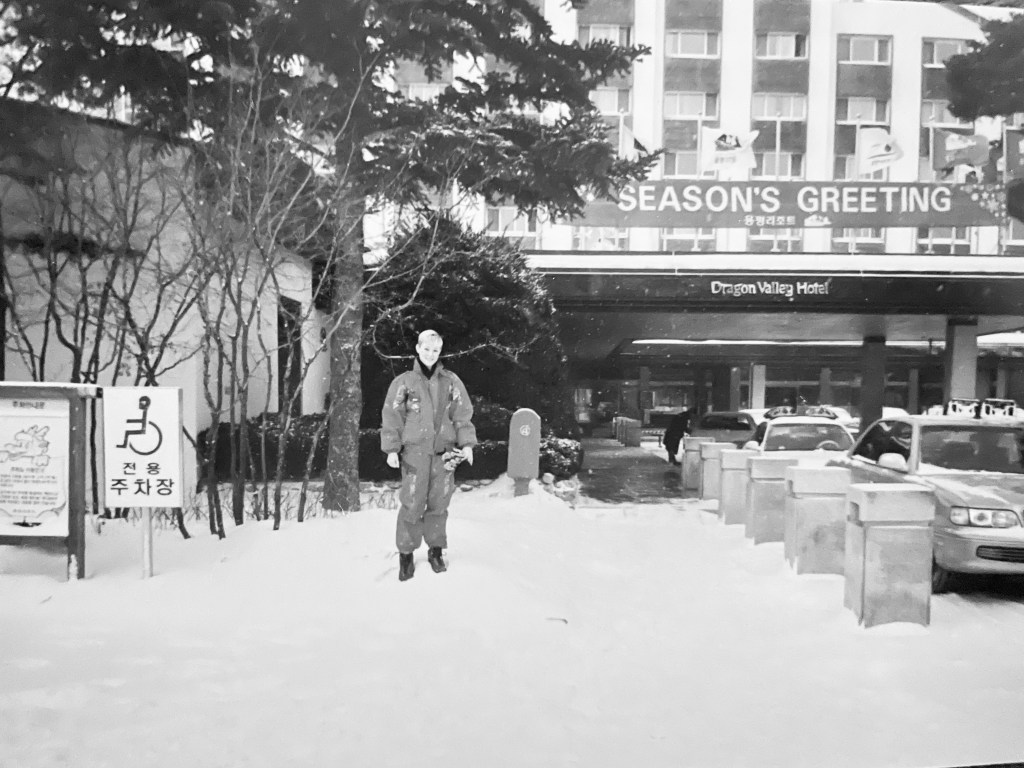
This final picture, is of me outside a ski resort wearing a ski suit.

Dark Origins: African myths and legends – The Zulus Part 3 #Zulucreationmyth #sausagetree

This month’s Dark Origin’s article concludes the trio of posts about the Zulu people of South Africa. This articles shares some information about the traditional Zulu myth of Creation and a story in that regard as well as about the Sausage Tree and the myth surrounding it. Thanks for hosting, Kaye Lynne Booth.

robertawrites235681907's avatarWriting to be Read

The Zulu Creation Myth

The Zulu myth on the creation of mankind and the world is as follows:

The Ancient One, known as Unkulunkulu, came from the reeds and from them he created the people and the cattle. Unkulunkula created the mountains, streams, and all creatures, both wild and domesticated.

He taught the Zulu’s how to hunt, how to make fire, and how to grow food.

You can listen to me read the Zulu myth: The Story of Creation here:

The Sausage Tree and Zulu mythology

When I visited Ghost Mountain in Kwa-Zulu Natal in March 2021, I learned about the iconic Sausage Tree which grows in this area.

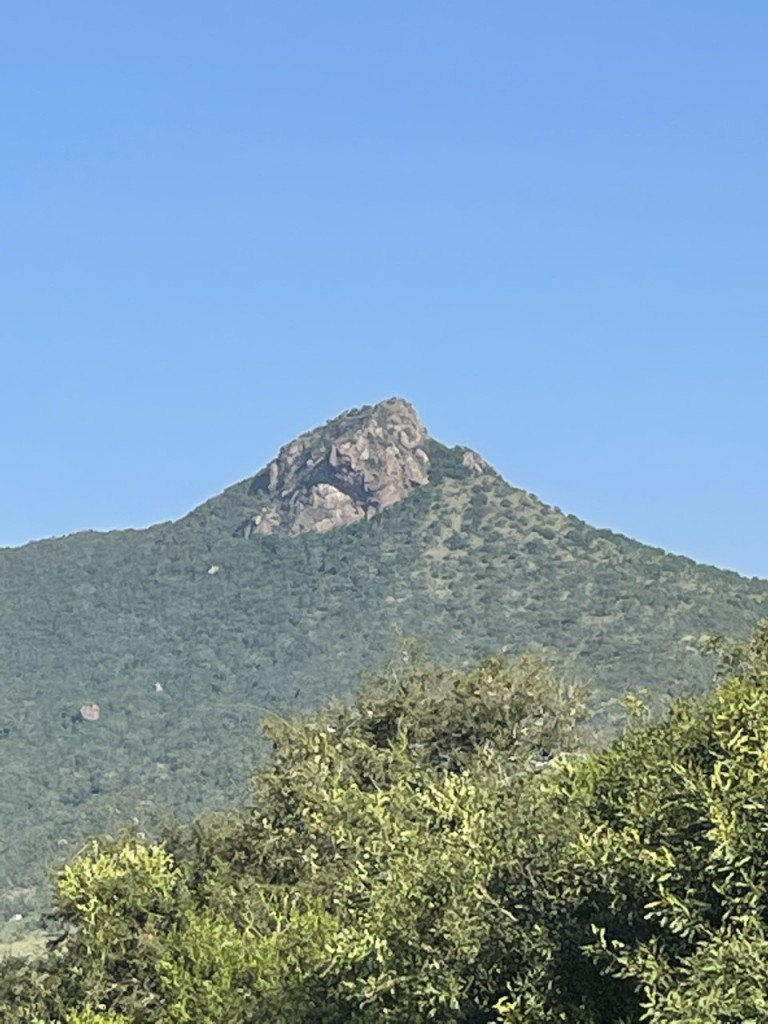
This is a picture of Ghost Mountain, doesn’t it look just like a screaming head?

This tree’s incredible sausage-shaped fruit weighs between 5 and 10 kilograms and can get to 3 feet in length. The unripe fruit is poisonous, especially to…

View original post 769 more words

Roberta Writes – Thursday Doors: Leeds Castle #castle #winter #Christmas

Welcome to Thursday Doors, a weekly feature allowing door lovers to come together to admire and share their favorite door photos from around the world. Feel free to join in on the fun by creating your own Thursday Doors post each week and then sharing your link in the comments below, anytime between 12:01 am Thursday morning and Saturday noon (North American eastern time).

You can join in Thursday Doors here: https://nofacilities.com/2022/06/16/squires-tavern/

It is quite cold in June in South Africa. Colder than most people think it gets in this country because it has been labelled Sunny South Africa. It is true that it can be hot in the day time during our winters and the sun usually shines, but the nights are very cold and we get sub-zero temperatures and frost. Our houses are not designed for cold weather so it can be quite a miserable three months for many people. I am always thankful that we have a lovely fireplace and I know how to build excellent fires. This supplements our electric heaters.

Anyhow, the cold weather this week reminded me of my family’s trip to the UK in December 2009/Jan 2010. It snowed heavily that year and the Eurostar got stuck in the tunnel. We were on the train before the one that got stuck and I am so grateful we got through okay. My boys are three and six then and it wouldn’t have been fun at all stuck on a cold train in the dark.

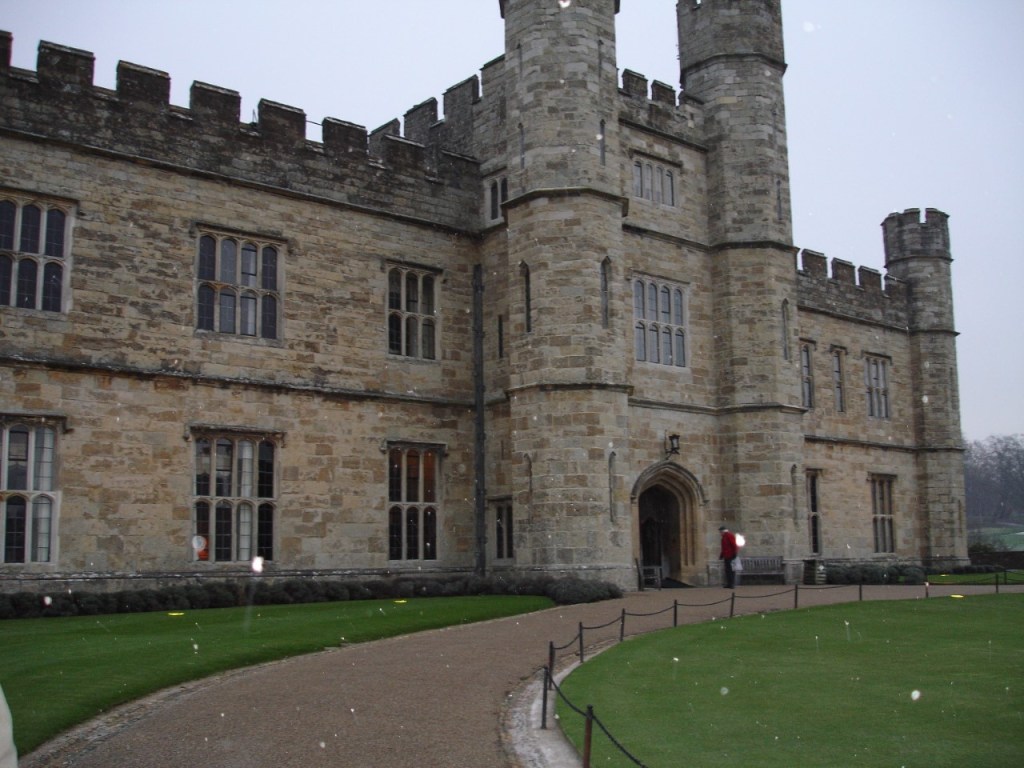
During this trip, we went to Leeds Castle. That was the day it started to snow and we had a lot of fun as it was the first time my boys ever saw snow.

This is what Historic UK has to say about Leeds Castle:

Leeds Castle in Kent, England, has been called the “loveliest castle in the world”. Listed in the Domesday Book, this castle has been a Norman stronghold, a royal residence and a royal palace. It’s situation is stunning, set on two islands in a magnificent lake.

The Royal Manor was originally built in 857AD and owned by a Saxon royal family. After the Norman Conquest, work began on building the first stone castle on the site.

In 1278 the Castle became a royal palace for Edward I and his Queen, Eleanor of Castile. Major improvements were made to the castle during the reign of Edward I. The Barbican, constructed during this time, is unique in that it is made up of three parts, each having its own entrance, drawbridge, gateway and portcullis. The medieval Keep, incorporating the Great Hall, is called the Gloriette, in honour of Queen Eleanor.

Roberta Writes – WordCrafter “Hope for the Tarnished” book blog tour and guest post

Today, I am delighted to welcome poet, Ann Chiappetta, as part of her WordCrafter Hope for the Tarnished Book Blog Tour, with a guest post.

Here’s the tour schedule so you don’t have to miss any of the stops:

Day 1: Writing to be Read – Introduction and Review

Day 2: Patty’s World – Guest Post by Ann Chiappetta

Day 3: Writing to be Read – Interview with Ann Chiappetta

Day 4: Roberta Writes – Guest Post by Ann Chiappetta

Day 5: Zigler’s News – Guest Post by Ann Chiappetta and Review

Welcome Ann Chiappetta

Wow, this has been great. I am getting to know so many more people in the blogosphere, thanks to Kaye and the WordCrafter “Hope for the Tarnished” Book Blog Tour.

I am drawn to stories that include a  great supporting character, and like it even more when that character is a dog, horse, or cat. I don’t mean anthropomorphizing them. Just  allowing them to be what they are, an additional layer of meaning. Abbie’s love for and grief over the deaths of her beloved dog and cat  were part of  her emotional growth, and Angel healed  Abbie’s heart of some of the pain, along with those little devils in Pomeranian suits. It was a less graphic way for Abbie to experience death without it being the loss of her human family.

About Hope for the Tarnished

Young Abbie struggles to cope with the traumatic experiences in her life. Ripped from everything familiar after her parents’ divorce, she is dropped into a strange neighborhood and is emotionally abandoned by her unstable mother. Abbie is caught up in the cruel nature   of one sister’s addictions and often rescued by her other sister’s sense of familial responsibility and love.

The story takes place in the 1970s, revealing family secrets   and the shift of cultural norms as Abbie leaves her doubts in the past, embracing a bright future.

$11.50/3.99 Purchasing links: Amazon/Kindle Smashwords

About Ann Chiappetta

Ann is an artist and often refers to her love of words as a natural compensation after losing her vision in 1993. Once a designer of acrylic displays and furniture, Ann trained her creative senses to flow over from the visual to the literary arts. Years later, she has become a poet and author, honing her talent in various mediums, including web content for nonprofits, regular bylines for online literary publications, poetry, anthologies and guest editing in online literary journals, just to name a few projects of which she has contributed.

The author of five independently published books, Ann possesses a Master of Science in Marriage and family therapy from Iona College and an undergraduate degree from the College of New Rochelle, both located in Westchester County, New York.  A consultant and guest presenter, Ann visits schools promoting awareness and equality for people with disabilities.  She is the 2015 recipient of the WDOM Spirit of Independence award and the 2019 recipient of the GDUI Leiberg-Metz award for writing.

Find everything Annie on the web: www.annchiappetta.com

Book your WordCrafter Book Blog Tour here: https://writingtoberead.com/wordcrafter-quality-writing-author-services/wc-book-blog-tours-2/