Given the recent news about the Titanic and the implosion of the Titan submarine, I decided to discuss the novel, The Second Mrs Astor, for my July Dark Origins post. I have considered high society in the late 1800s and early 1900s and the sinking of the Titanic. Thanks for hosting, Kaye Lynne Booth.
The Second Mrs Astor is a work of historical fiction by Shana Abe. It depicts the romance between the hugely wealthy John Jacob Astor IV and his second and very young wife, Madeleine Force Astor.
There are two aspects to this extraordinarily fine piece of fictionalised history that caught my attention: the snotty and superior attitudes of New York society created by John Astor IV’s mother, Caroline Schermerhorn Astor, and the sinking of the Titanic which claimed the lives of John Astor IV, his valet, and his dog, Kitty. Madeleine Force Astor…
I participated in the Dickens Novella Challenge which finished on 16 June 2023. I am completely delighted to share that I was the winner of one of the three $25 Amazon gift card prizes for the challenge.
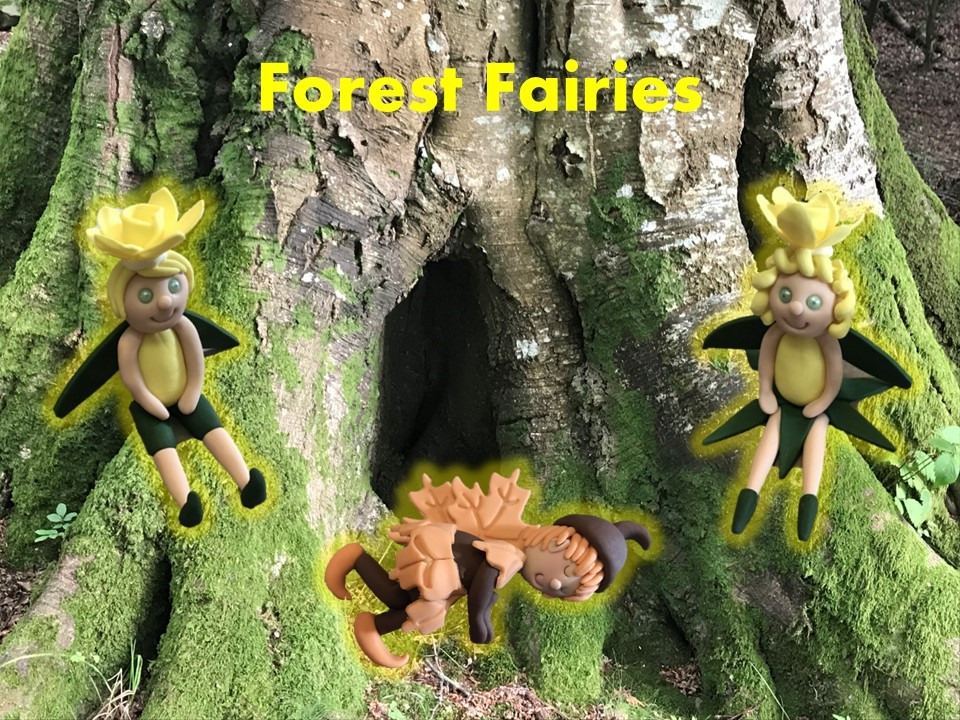
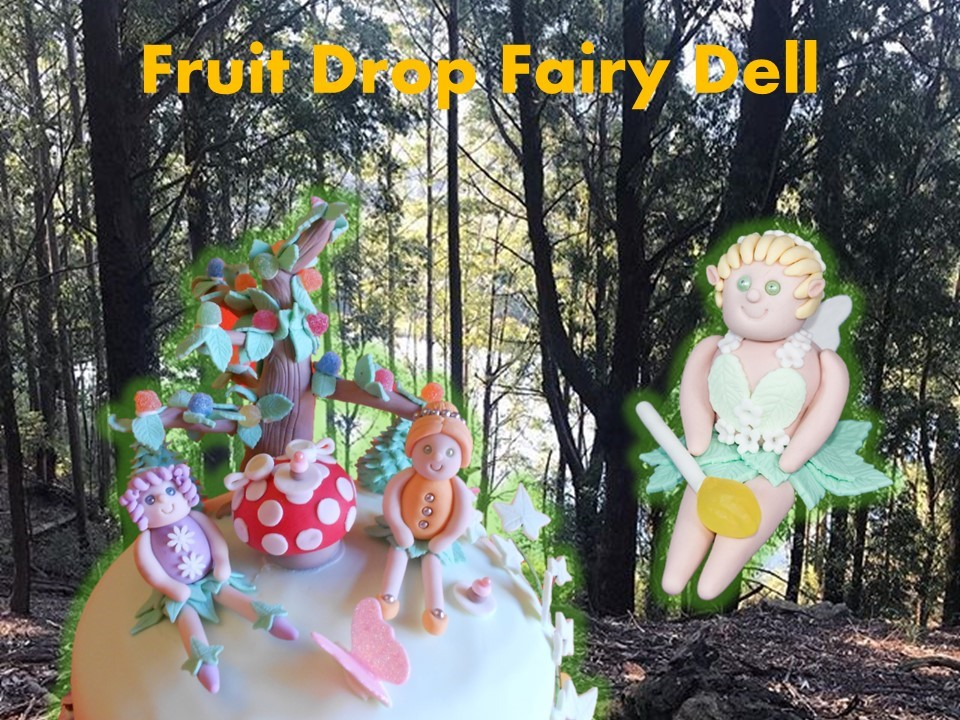
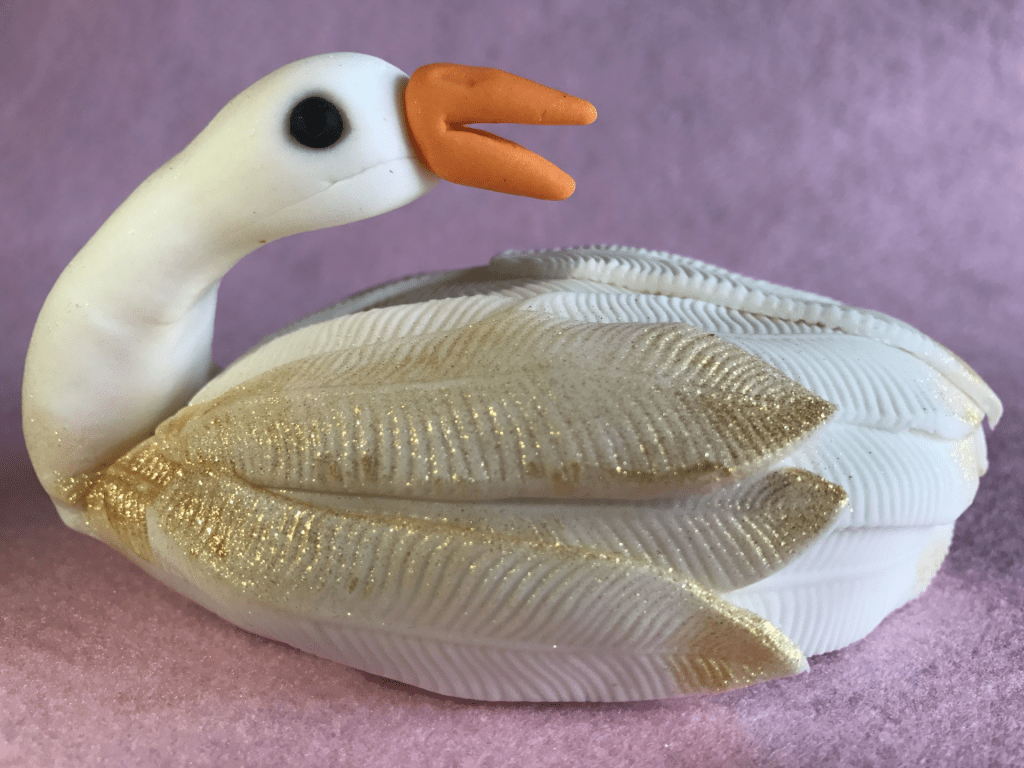
My blogging friend, John from A Northeast Ohio Garden blog posts marvelous pictures of daylilies. I am sure flower fairies live in his amazing garden and create this beautiful flowers. As a tribute to John, I am sharing a few pictures of my fondant flower fairies for Cee’s CFFC: Whole o one item challenge.
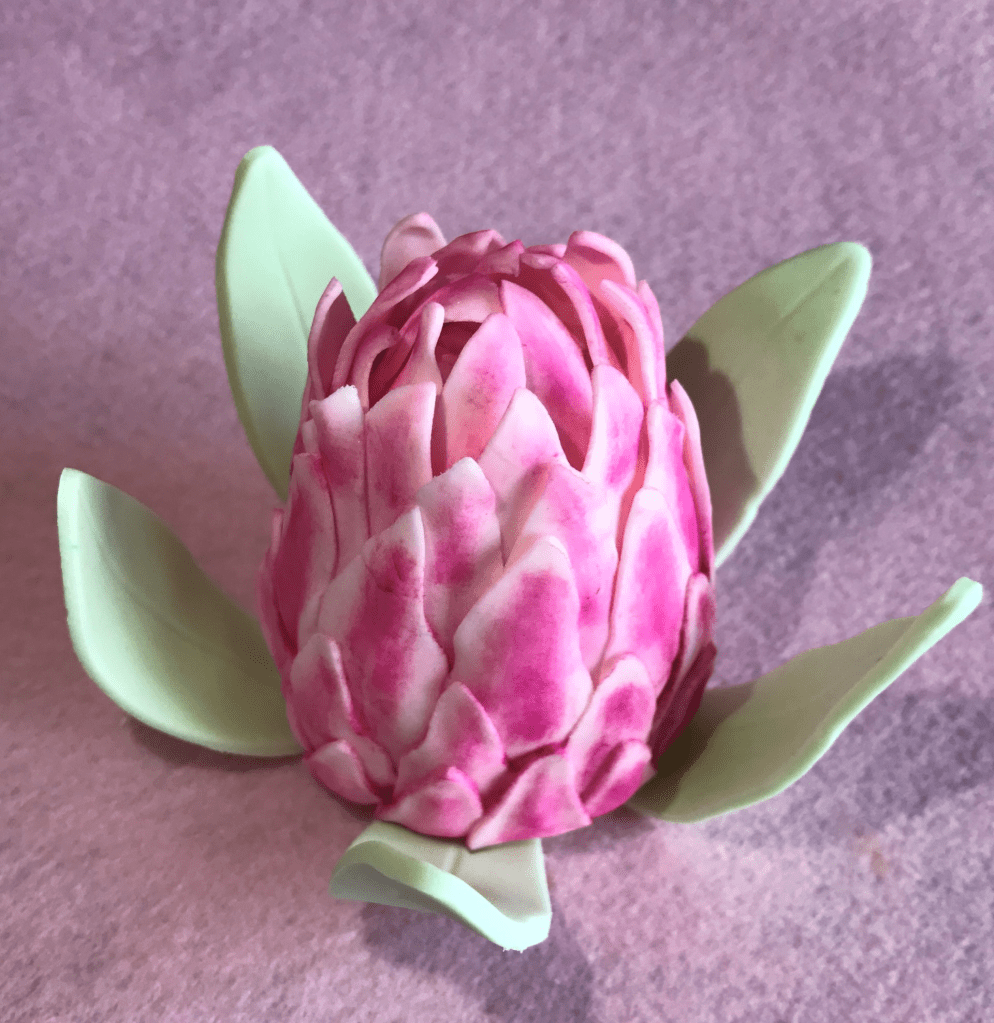
This is a picture of my fondant daylily:
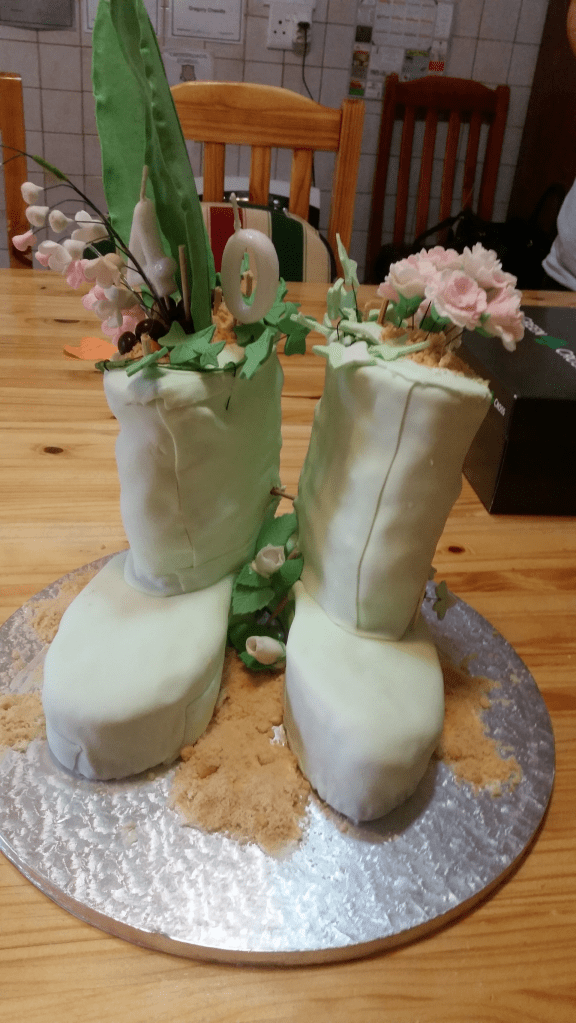
This is a picture of a pair of gardening boots cake filled with flowers that I made for my sister’s 40th birthday. This was early in my baking career and before I started photographing my fondant work for sharing so the background is a bit messy, but it was a great cake.
Using the painting and the video as your inspiration, please write a Japanese poetry form: haiku, senryu, tanka, gogyohka, haibun, tanka prose, renga, or a chōka.
Be mindful of the rules of the particular forms. Find the forms on the cheat sheet HERE.
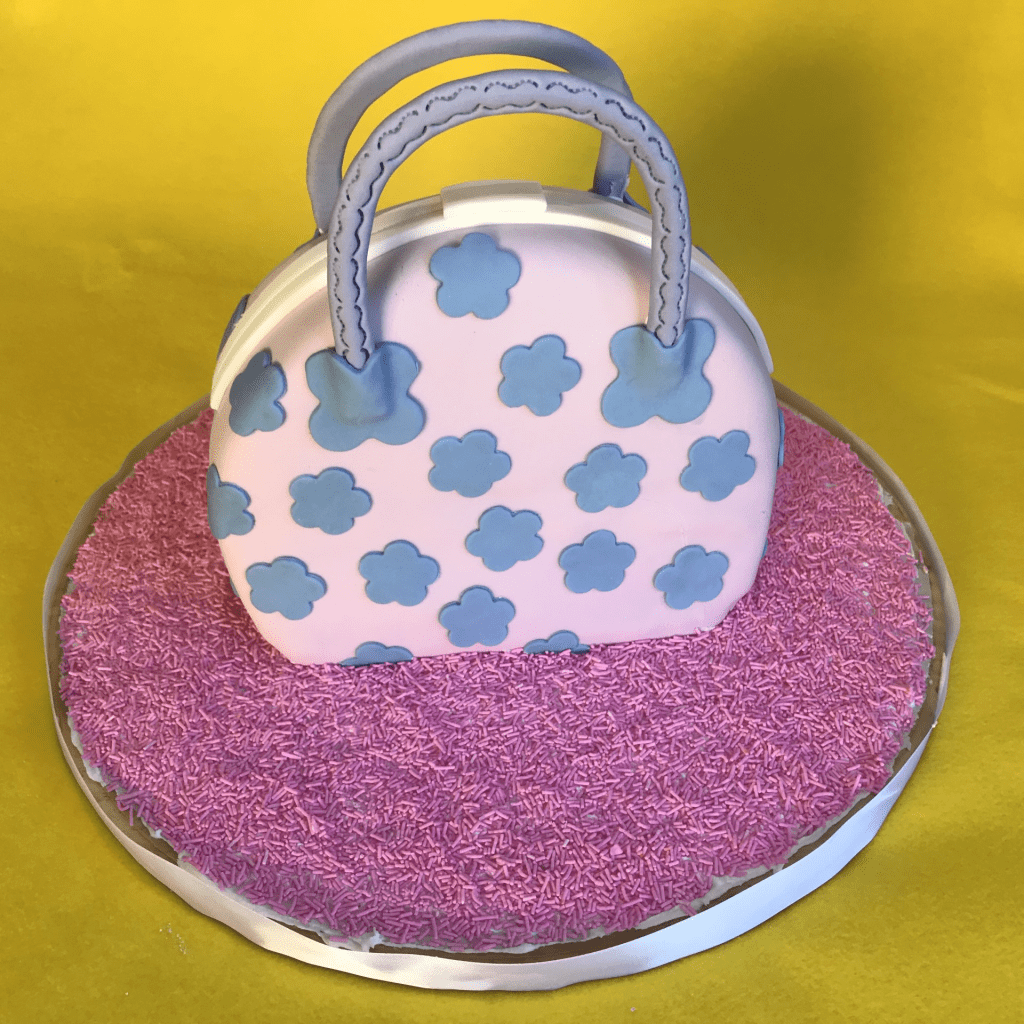
Pretty in Pink handbag cakePink fondant humming bird and pink and white carnations. Dedicated to fabulous designer and author, Teagan Geneviene. Teagan has recommenced her book cover design service and you can view her ready made covers here: https://teagansbooks.com/other-things/.
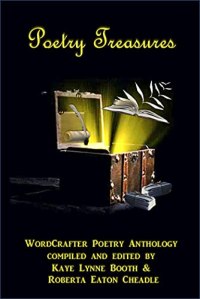
Teagan designed all three of the Poetry Treasures series covers. The most recent, Poetry Treasures 3: Passions is an extraordinary work of art with a picture of a passion inserted into each bubble on the cover. You can purchase the Poetry Treasures books here: https://www.amazon.com/stores/Kaye-Lynne-Booth/author/B071791Y9W
This is my fourth post about The Battle of Life, A love story. It is also my last as I just can’t read The Haunted Man. I’ve tried three times and I can’t get into it. If you would like to read more about that particular story, you can find other readers contributions here: https://alwayswrite.blog/2023/06/09/2023-dickens-challenge-ending-soon/
The Battle of Life, a love story by Charles Dickens
The Battle of Life is a love story by Charles Dickens that was first published in 1846. It is the fourth of Dickens’ five Christmas Books. It is the only story in the collection that does not have a supernatural element.
The story is set in an English village which many years earlier had been the scene of a horrific battle. Some of the characters in the story compare life’s struggles with that battle.
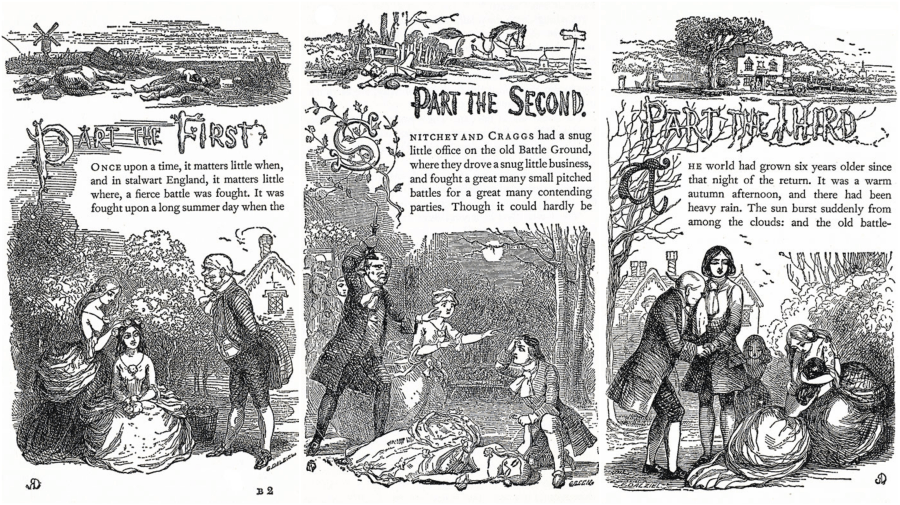
The outstanding part of this story for me was the introduction. Dickens’ description of the great battle was amazing and has stayed with me. This is the first paragraph:
“Once upon a time, it matters little when, and in stalwart England, it matters little where, a fierce battle was fought. It was fought upon a long summer day when the waving grass was green. Many a wild flower formed by the Almighty Hand to be a perfumed goblet for the dew, felt its enamelled cup fill high with blood that day, and shrinking dropped. Many an insect deriving its delicate color from harmless leaves and herbs, was stained anew that day by dying men, and marked its frightened way with an unnatural track. The painted butterfly took blood into the air upon the edges of its wings. The stream ran red. The trodden ground became a quagmire, whence, from sullen pools collected in the prints of human feet and horses’ hoofs, the one prevailing hue still lowered and glimmered at the sun.”
This scene is so vivid I have it in my mind to draw it with oil pastels. Sadly, true to my character, I now have so many art projects on the go (an elephant, a hippo, a dancing girl’s head, and an orchid), my plan has gone on a back burner.
Plot summary
Two sisters, Grace and Marion, live in a village built on the great battlefield. Their father, Dr Jeddler, a good natured widower, is rather an unusual character and lightens the problems in his own and his daughters lives with exaggerated humour and jest. Dr Jeddler is the guardian to Alfred Heathfield, a lovely young man who is engaged to Marion and who, at the beginning of the story, is leaving for London to complete his studies to become a doctor. When taking his leave of the family, Alfred entrusts the care of Marion to her older sister, Grace. It is clear from an early stage in the book that Grace is in love with Alfred but is prepared to sacrifice her love due to her loyalty and love for Marion. The family is tended to by two servants, Clemency Newcome and Ben Britain.
During the time that Alfred is away, Marion befriends another young man, Michael Warden. Michael has run through a lot of his inherited wealth due to ‘bad’ living and his two solicitors, Snitchey and Craggs, are helping him sort out his affairs. they have advised Michael to leave and be away for about six years. The two lawyers believe that Michael has talked Marion into eloping with him, but they make no comment to him in this regard. Clemency is also of the opinion that Marion is in love with Michael having seen her having a clandestine meeting with Michael late one evening. On the day Alfred is due to return, Marion disappears and it is assumed she has eloped with Michael Warden.
Six years pass and Clemency has married Ben and set up an tavern in the village.. Alfred has fallen in love with Grace and the pair have married and have a daughter called Marion. Michael Warden comes back to the village and is unmarried. He reveals that he asked Marion to marry him but she had said no and had gone away to live with her Aunt Martha. Marion knew that Grace loved Alfred far more than she did and had sacrificed her own love and life to enable Alfred to fall in love with Grace.
Marion returns to the village and is reunited with her family and with Michael Warden whom she ends up marrying.
For me, the storyline was a little unrealistic as I don’t believe young girls of Marion’s age make such huge personal sacrifices. They are too young to be so empathetic and selfless. However, it was still a good story and the beginning was superb.
I believe, Mr. Snitchey,’ said Alfred, ‘there are quiet victories and struggles, great sacrifices of self, and noble acts of heroism, in it – even in many of its apparent lightnesses and contradictions – not the less difficult to achieve, because they have no earthly chronicle or audience – done every day in nooks and corners, and in little households, and in men’s and women’s hearts – any one of which might reconcile the sternest man to such a world, and fill him with belief and hope in it.”
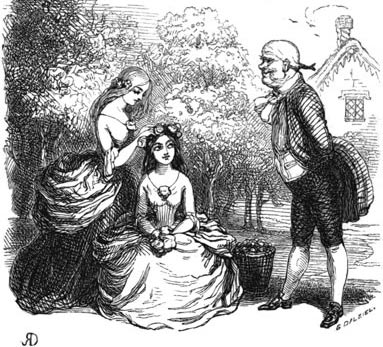
“For a long time, no village girl would dress her hair or bosom with the sweetest flower from that field of death: and after many a year had come and gone, the berries growing there, were still believed to leave too deep a stain upon the hand that plucked them.”
“We part with tender relations stretching far behind us, that never can be exactly renewed, and with others dawning – yet before us.”
Do you enjoy Dickens? Have you read these Christmas novellas? Let me know in the comments.
Welcome to Thursday Doors! This is a weekly challenge for people who love doors and architecture to come together to admire and share their favorite door photos, drawings, or other images or stories from around the world. If you’d like to join us, simply create your own Thursday Doors post each (or any) week and then share a link to your post in the comments below, anytime between 12:01 am Thursday morning and Saturday noon (North American eastern time). If you like, you can add our badge to your post.
My husband was declared completely recovered and able to travel in early May. On 27 May he boarded a plane for Dubai and then a second flight to Turkey. He went to Istanbul for work. I would have liked to go with him but both my sons were preparing for exams and they both started writing this week. I needed to stay home to help Michael prepare and be available for Greg to off load all his anxieties on. Greg has been achieving unbelievable marks in the high nineties and even four or five 100%. The higher his marks, the higher his anxiety. Weird but true.
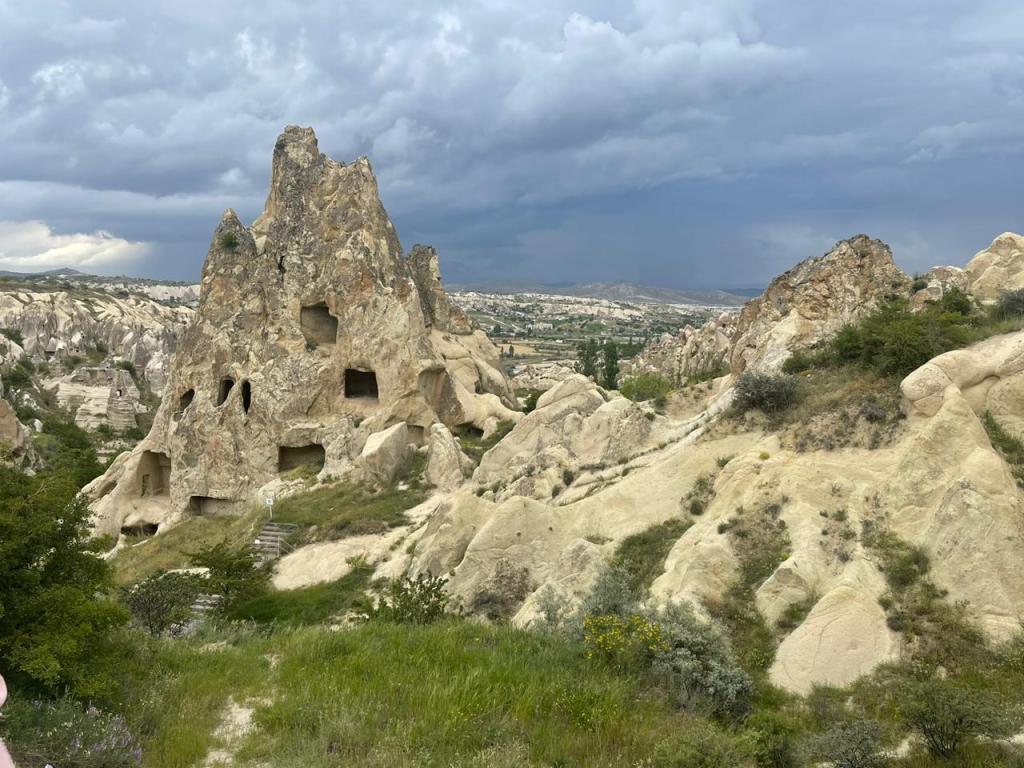
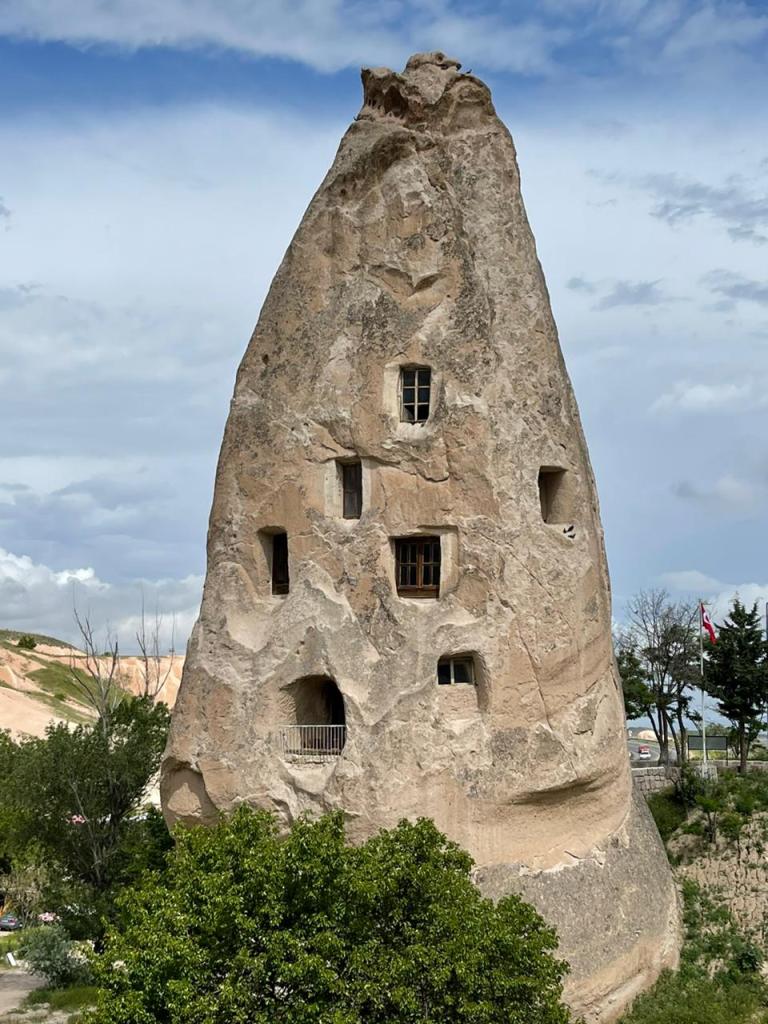
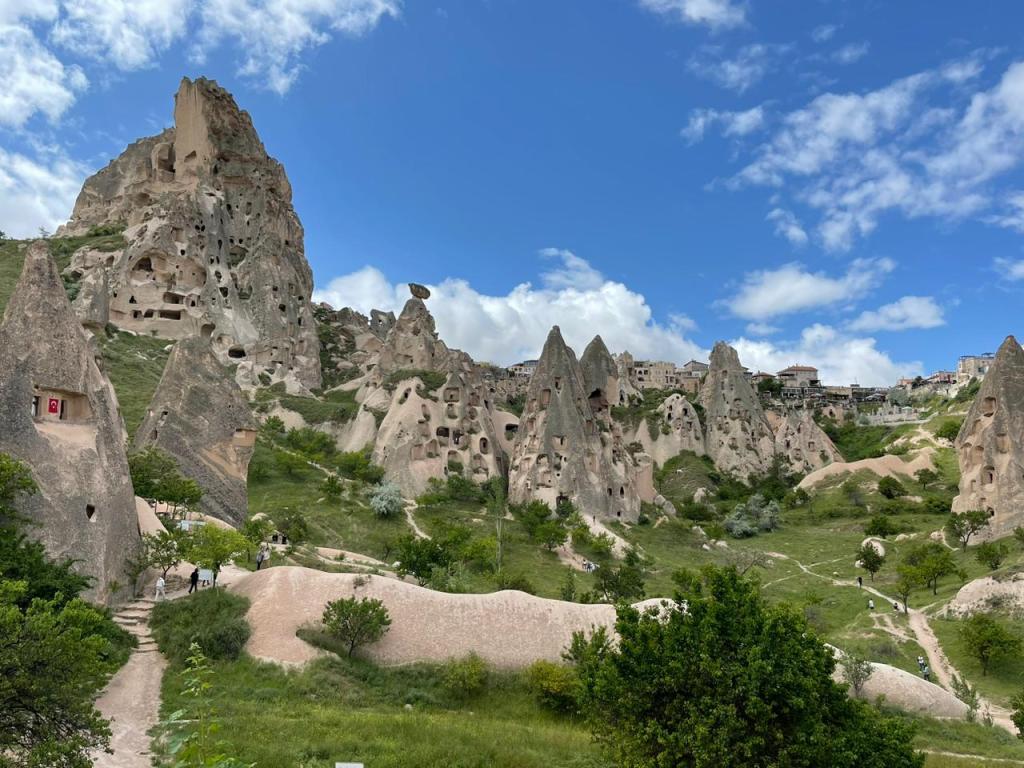
Anyhow, TC headed off on his own and spent his one weekend in Turkey touring Cappadocia and the Derinkuyu underground city.
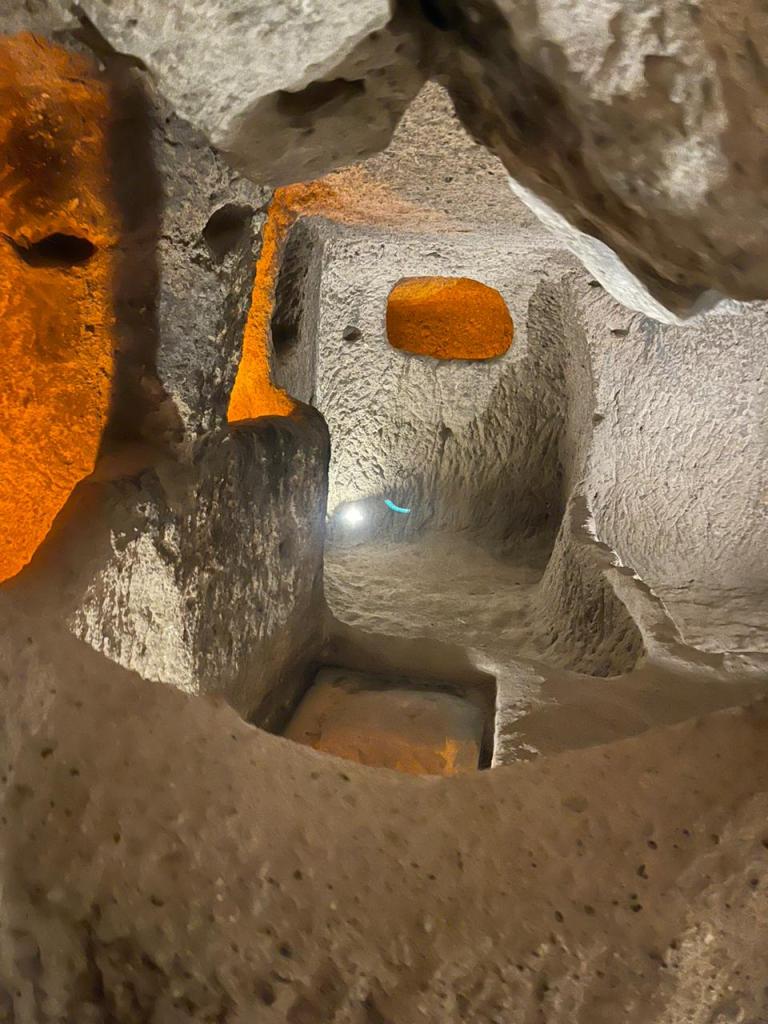
This is what Wikipedia says about Derinkuyu:
“The Derinkuyu underground city is an ancient multi-level underground city of the Median Empire in the town of Derinkuyu in Nevşehir Province, Turkey, extending to a depth of approximately 85 metres (280 ft). It is large enough to have sheltered as many as 20,000 people together with their livestock and food stores. It is the largest excavated underground city in Turkey and is one of several underground complexes found throughout Cappadocia.
The underground city at Derinkuyu could be closed from the inside with large rolling stone doors. Each floor could be closed off separately.”
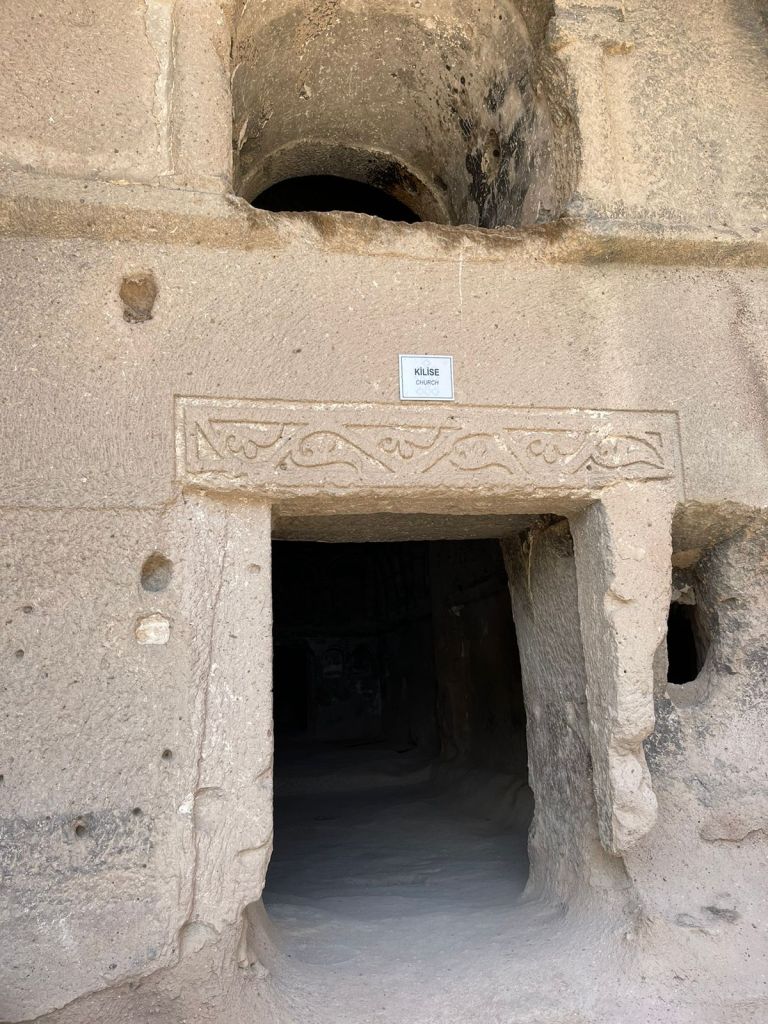
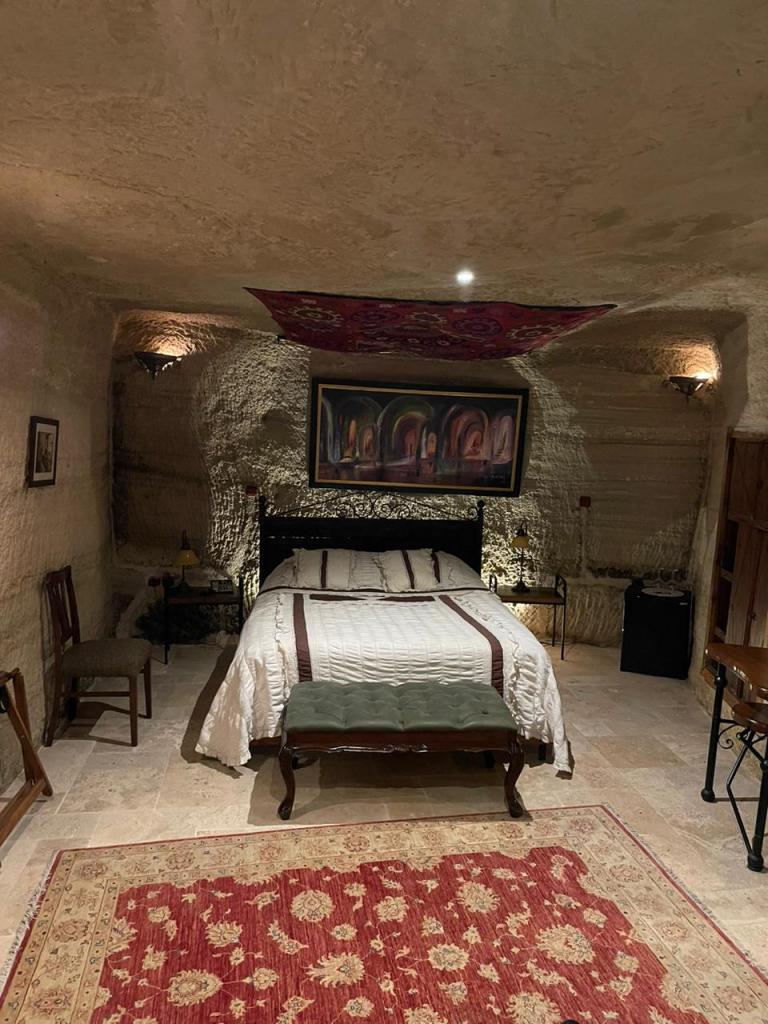
This time, he took proper photographs with context (I gave him very clear instructions beforehand – haha!) and here they are:
A picture of the cityAn ancient monasteryA residential houseAnother residential houseAn ancient castleResidences built into the side of the mountainThe hotel
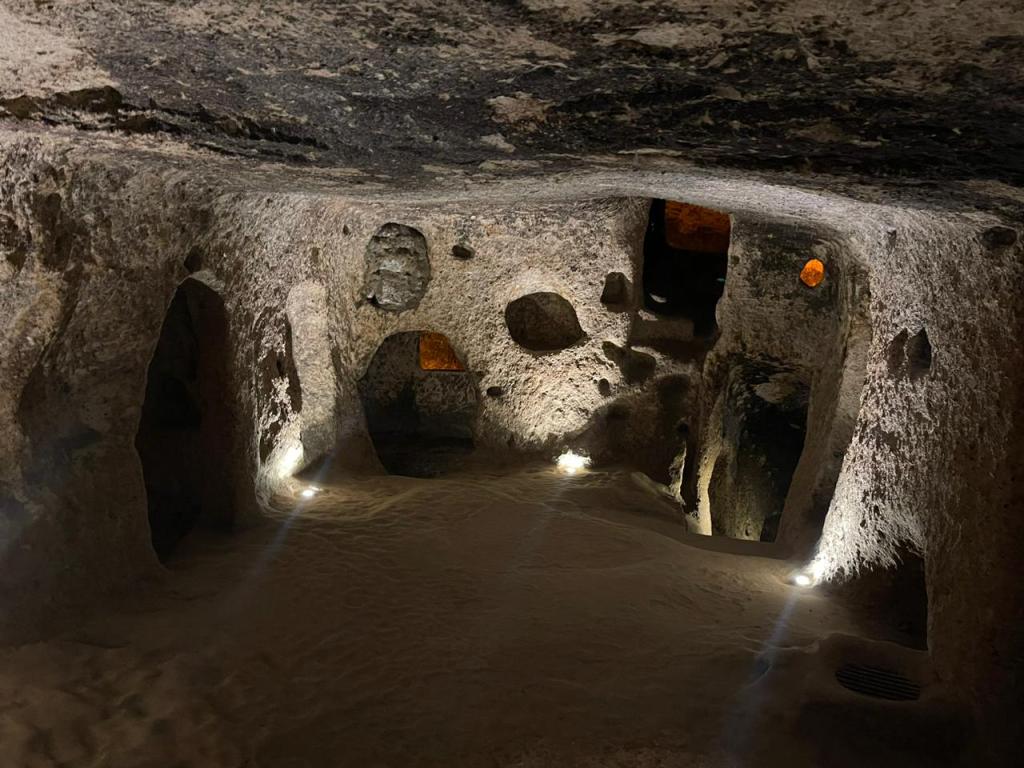
The following pictures are inside the underground city:
Here are two of my cake art displays relating to rivers:
The dried river bed from Sir Chocolate and the Condensed Milk River story and cookbookSleeping boy on a raft
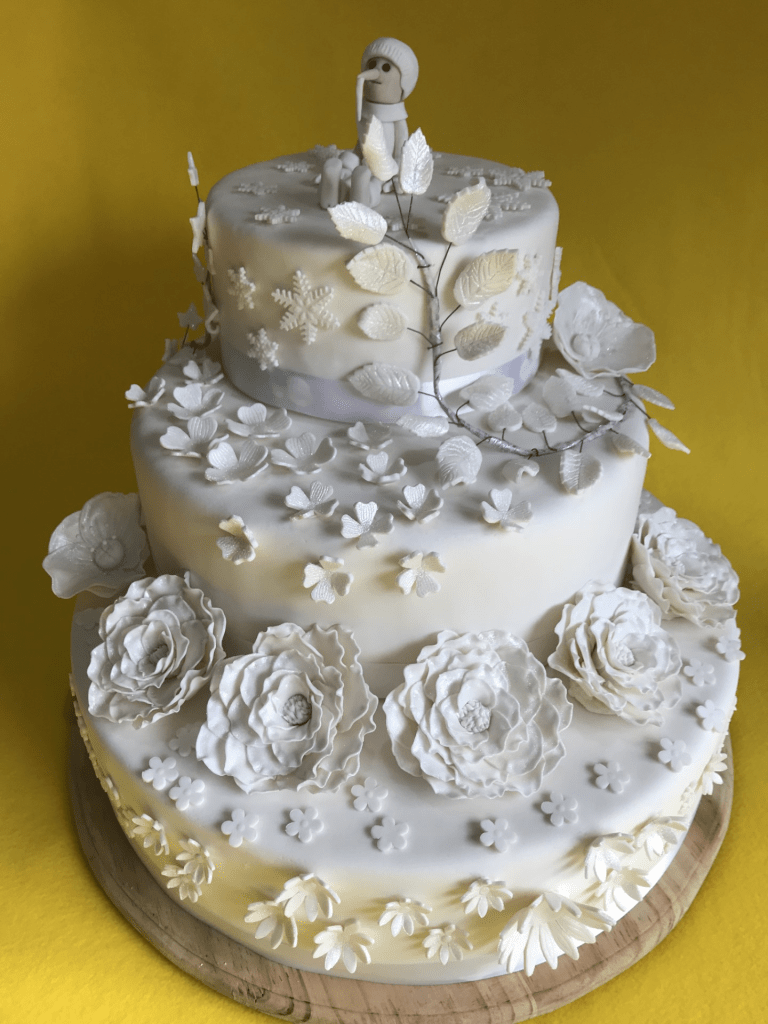
The following picture is cake art in monochrome:
Jack Frost from Haunted Halloween Holiday
Tanka Tuesday
This week, Colleen has provided a quiz which each poet must take to determine their spirit animal. The poems should be about the spirit animal.
My spirit animal is a butterfly.
Love’s price
Butterfly
Wings spotted with blood
Reminder
Of battles
Often fought and sometimes won
The high price of love
Strength in fragility
Butterfly
Delicate looking
Graceful
Wings fragile
Yet sturdy and flexible
Enabling fast flight
by Robbie Cheadle
Lastly, I entered five poems in Freya Pickard’s Pure Haiku Orchid challenge and three were selected for publication. This is the link to the first haiku: https://purehaiku.wordpress.com/2023/05/30/5-30-4/
Thank you to talented artist and costume designer, Resa McConaghy, for this wonderful review of Lion Scream. Resa’s lovely blog, “Graffit Lux and Murals”, showcases street art from all over the world so do pop over and take a look around.
Lion Scream – by Robbie Cheadle
I thought I knew what was happening to earth’s animals. Now I know what I knew, but better.
Through the use of syllabic poetry, photography, video and text, Robbie takes us on a learning tour of South Africa’s creatures and their environment. I even learned a new term: Sixth Mass extinction.
I don’t know much about poetic structures, but I know what poetry I like when I read it. I like all of Robbie’s poems, even when the message is haunting.
I also know I love animals. Please enjoy Robbie’s videos! They are only a few seconds long.
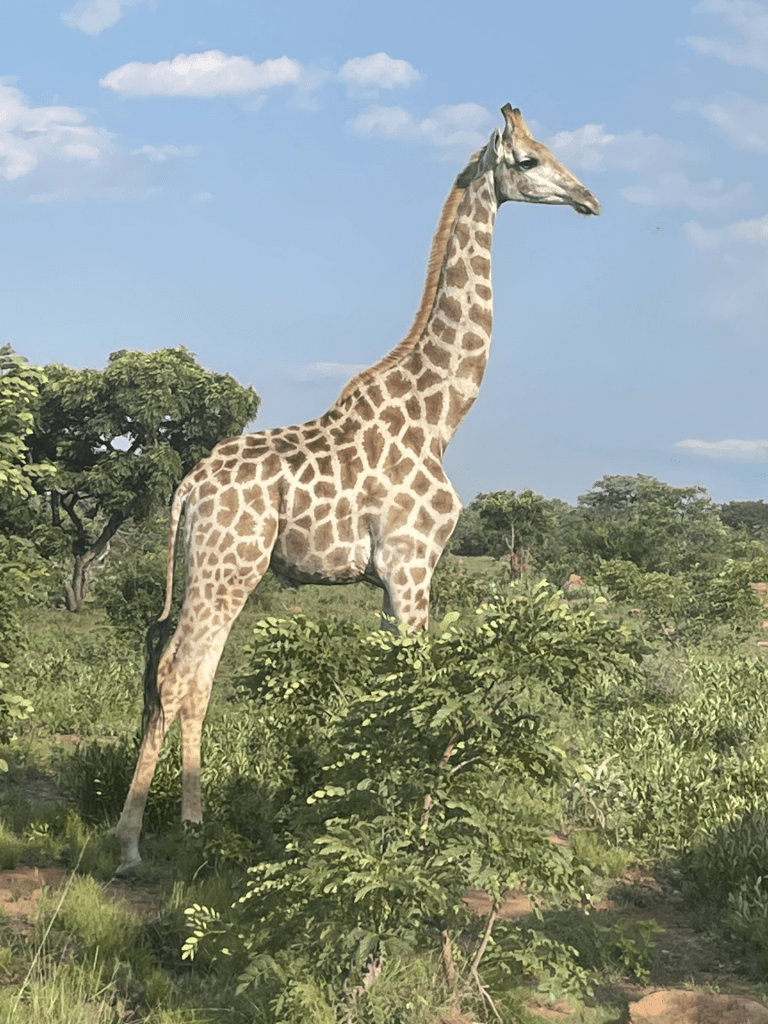
Robbie teaches about the BIG FIVE: Rhinos, Lions, Elephants, Leopards and African Buffalo.
Did you know Rhinos cry tears when poachers dehorn them?
This month, I have delved into the origin of children’s fantasy story, The Adventures of Pinocchio. The original story itself is very dark and includes hanging Pinocchio by his neck until he dies. The movies have removed some of the darker aspects. Thanks for hosting, Kaye Lynne Booth.
The Adventures of Pinocchio is a children’s fantasy novel by Italian author, Carlo Collodi.
The story was originally published as a serial called The Story of a Puppet in the Giornale per I bambini, one of the earliest Italian weekly magazines for children starting from 7 July 1881. Originally, the story stopped after 8 episodes (published over 4 months) at Chapter 15. Due to popular demand, the episodes were resumed on 16 February 1882 and the following year, the story was published as a single book.
The storyline
In Tuscany, Italy, a carpenter named Master Antonio finds a block of wood which he immediately plans to carve into a table let. The log cries out when he cuts it. Master Antonio falls to the floor as a result of shock and just at that moment his extremely poor neighbour, Geppetto, knocks on the door. The piece of wood instigates an…





























 roberta-writes.com