The year is 1970, and the story follows the two soldiers – impressionable Detroit teenagers – during their long night in a Listening Post (‘LP’), some 200 meters beyond the bunker line of the new firebase. Their assignment as a “human early warning system”, is to listen for enemy activity and forewarn the base of any potential dangers. As they were new to the “Iron Triangle” and its reputation, little did they know that units before them lost dozens of soldiers in this nightly high-risk task and referred to those assigned as “bait for the enemy” and “sacrificial lambs”.
Sitting in the pitch black tropical jungle – with visibility at less than two feet – John’s imagination takes hold throughout the agonizing night, and at times, transports him back to some of his most vivid childhood memories – innocent, but equally terrifying at the time.
As kids, we instinctively run as fast as we can to escape imaginary or perceived danger, but as soldiers, men are trained to conquer their fears and develop the confidence to stand their ground and fight. Running is not an option.
My review
I have recently learned a lot more about the war in Vietnam so when I saw this book I grabbed the opportunity to read about the experiences of a veteran. I was not disappointed. When Can I Stop Running is an account of one night in the lives of two American soldiers, Polack and L.G. in the jungle outside of the base camp.
The pair are assigned to Listening Patrol which entails hiding in the jungle all night and acting as a human warning system for any unusual activity from the enemy. The reader quickly realises that this is not a popular duty among the men and the descriptions of the heavy and dense blackness of night in the jungle make it obvious as to why. It is awful to imagine being in such complete blackness, where you can’t see anything, and waiting and listening for the sounds of enemy soldiers all night long.
Polack and L.G. have some unpleasant experiences during the night, including a group of enemy soldiers stopping for a meal not far from their chosen hiding spot and being attacked by apes with rocks.
The experiences of the two soldiers is alternated with flashbacks, by Polack, to his childhood when he faced something that frightened him. These flashback’s ranged from when Polack was a young lad of eight years old attending holiday camp to an encounter with some neighbourhood witches a few years before he joined the army and was posted to Vietnam.
The two different perspectives, those of the child and teenage Polack, who uses flight as his saving grace when faced with something scary, and Polack the young adult soldier who cannot run and has to face his fears is poignant and striking.
I enjoyed this thought provoking book and would recommend it to people who like to read books about human drama, courage and the life of a soldier.
Tell us what you love the most about your work(s) in progress.
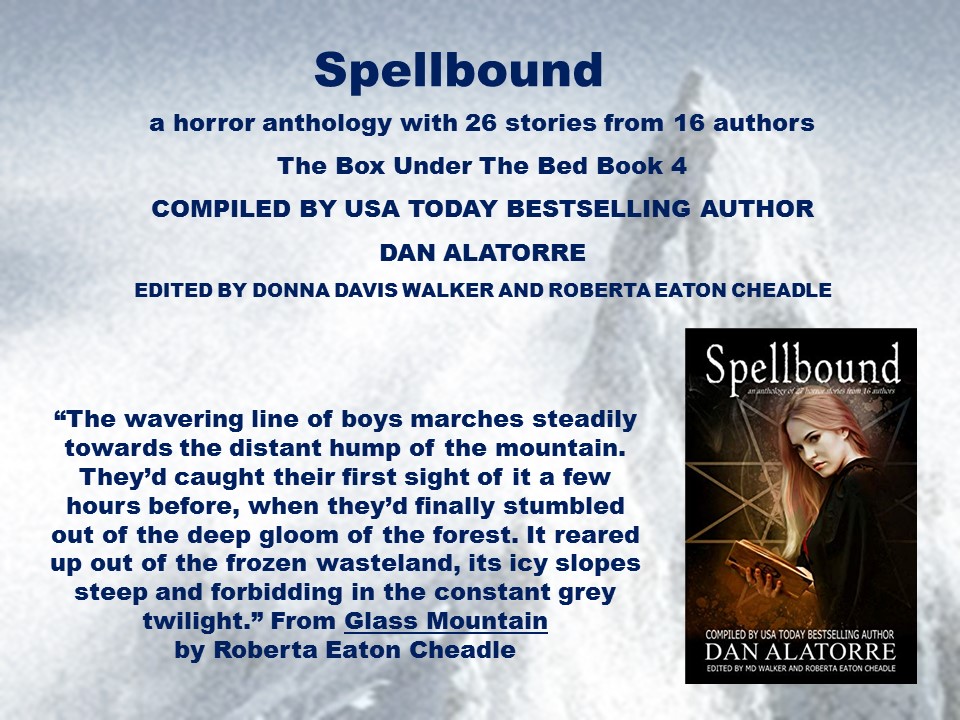
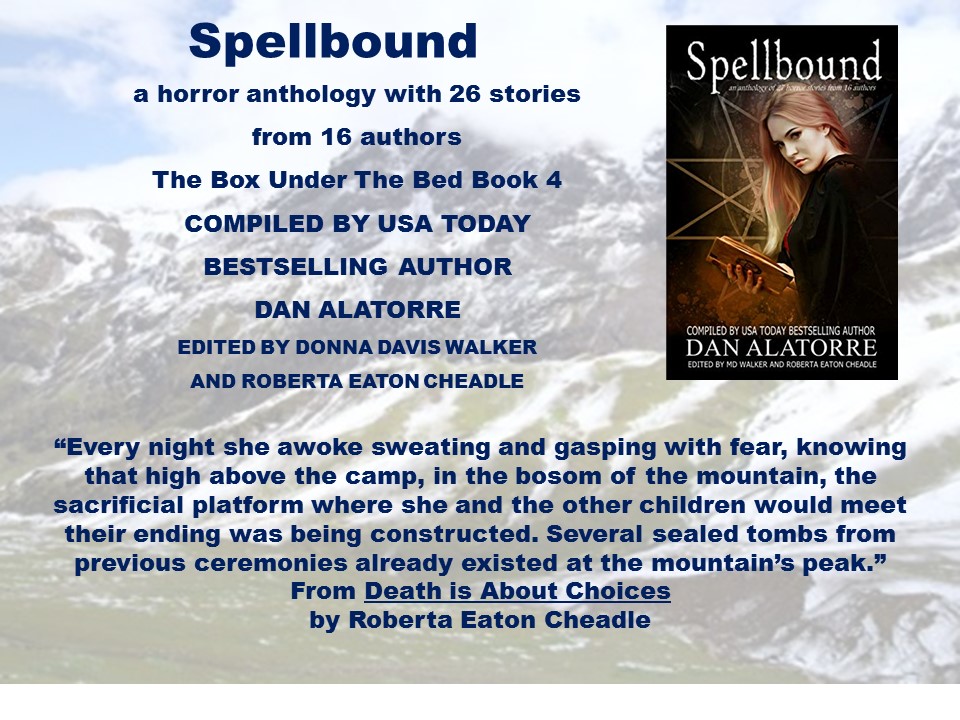
I am currently participating in a horror anthology called Spellbound, featuring 27 stories from 16 authors. This is the third horror anthology in the Box Under the Bed series, compiled by Dan Alatorre, that I have been involved with and I really do enjoy it.
There are a few reasons I like participating in anthologies:
Firstly, I enjoy writing short stories from time-to-time. Short stories require a different writing approach to a book as you have much less time to flesh out your characters and develop your plot. I enjoy the challenge of writing short stories and, as horror and supernatural are my favourite genres, that is also a big plus for me. I also like short stories because your can write and finish one in a week. That makes a nice change from the twelve to eighteen months I need to write a book.
Secondly, I enjoy engaging with a group of other writers to create an anthology and I also enjoy assisting with some of the editing and proofreading of the stories. I have found that I learn an awful lot from carefully reading other peoples work with a sharp editing and proof reading eye. I have started to pick up filter words and word echoes and other writing faux pas in other people’s writing. This has made me more aware of these writing technique errors and I try to avoid them as I write now rather than having to do a huge editing exercise at the end of a book.
Thirdly, I believe that I benefit from being part of an anthology and being exposed to a wider readership. If sixteen authors all participate in a book and they all have readers of their books, short stories, blogs and social media, you are bound to meet some new readers. Some of these readers are likely to enjoy at least one of my stories and that puts my name on their radar for the future.
I have two short stories in Spellbound, one is called Death Is About Choices and has a historical supernatural steer, while the other, Glass Mountain, is pure horror [in my opinion]. I know that both these stories have a common theme of fear of death. In both stories, the young main characters are put in a situation where death is likely, even expected. I have en deavoured to delve a little bit into the psychology of impending death in a young person [teenager]. I wonder if any readers will pick up on this common theme.
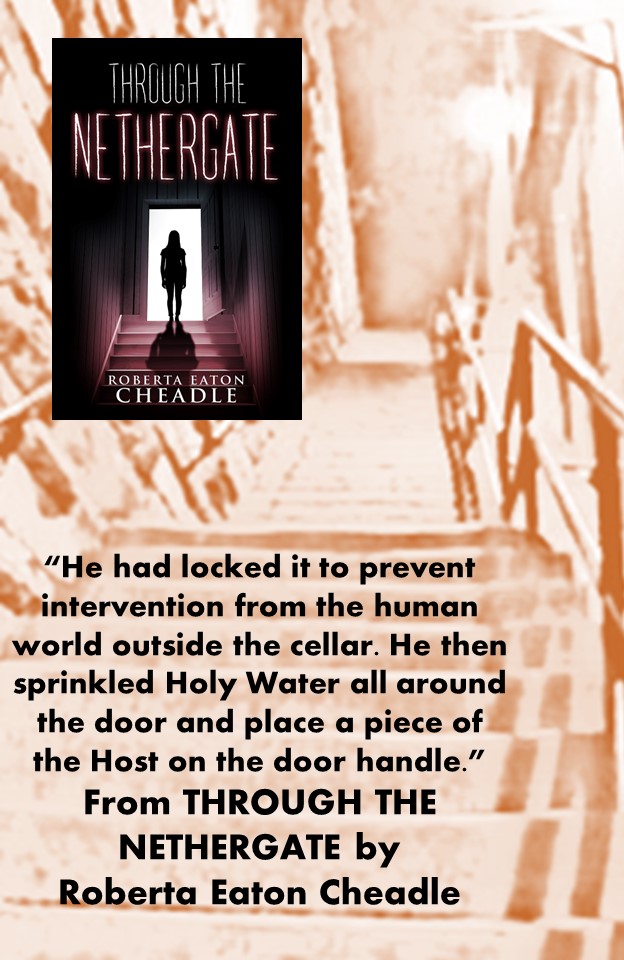
I created the following adverts and GIF for this new book.
Rules: 1. Link your blog to this hop. 2. Notify your following that you are participating in this blog hop. 3. Promise to visit/leave a comment on all participants’ blogs. 4. Tweet/or share each person’s blog post. Use #OpenBook when tweeting. 5. Put a banner on your blog that you are participating.
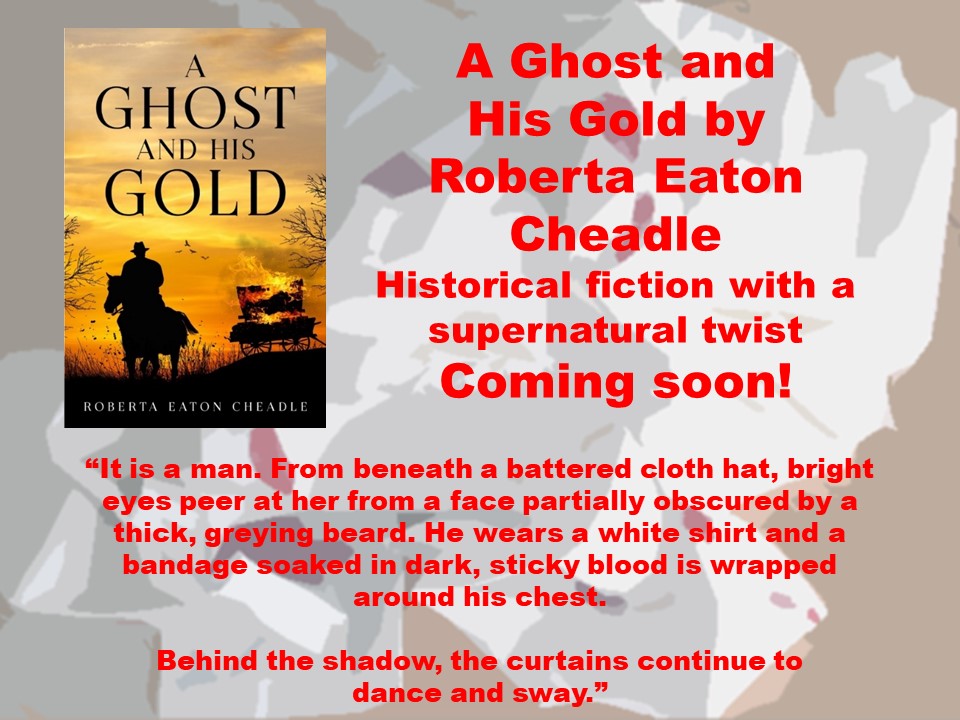
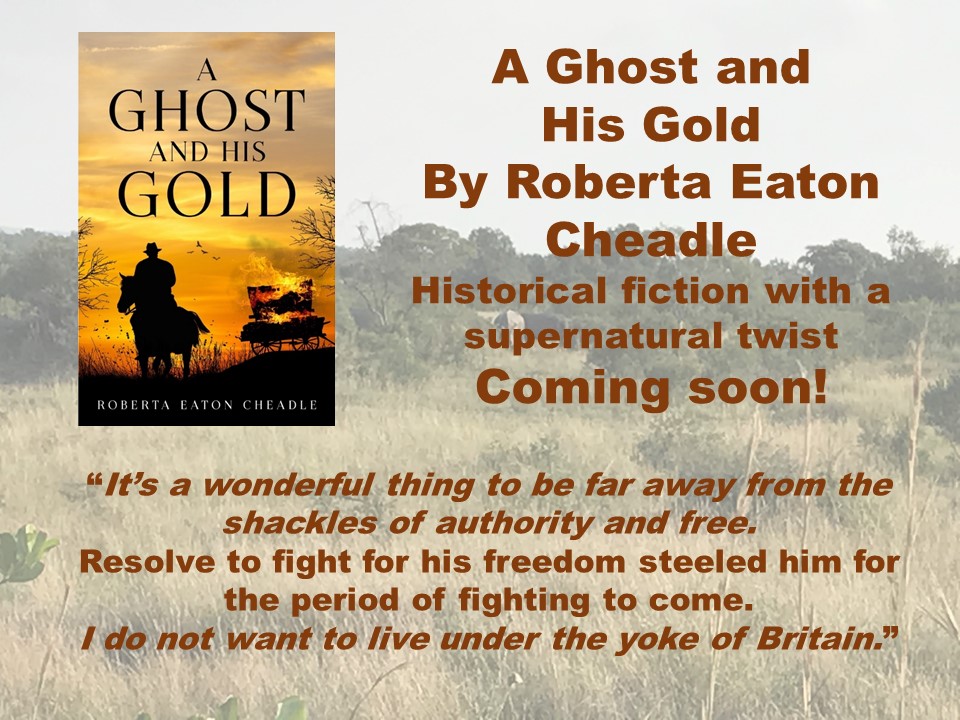
I have finished A Ghost and His Gold in all is nearly 118 000 words of glory. I have re-read it several times and I have decided not to shorten it as everything is relevant in this tale of three ghosts, all of whom died during or soon after the Second Anglo Boer War in South Africa between Great Britain and the Orange Free State and the South Africa Republic. This war raged between 1899 and 1902 and changed the course of South African history.
My main objective with writing this book has been to delve into the physiology of what was almost a civil war at the time and how it impacted on all the people of South Africa, to the extent such historical information is recorded and available.
This book should be available on Amazon in January 2021.
Here is the blurb:
After Tom and Michelle Cleveland move into their recently built, modern townhouse, their housewarming party is disrupted when a drunken game with an Ouija board goes wrong and a sinister poltergeist, Estelle, who died in 1904, is summoned.
Estelle makes her presence known in a series of terrifying events, culminating in her attacking Tom in his sleep with a knife. But, Estelle isn’t alone. Who are the shadows lurking in the background? – one in an old-fashioned slouch hat and the other, a soldier, carrying a rifle. Discovering their house has been built on the site of one of the original farms in Irene, Michelle becomes convinced that the answer to her horrifying visions lies in the past. She must unravel the stories of the three phantoms’ lives, and the circumstances surrounding their untimely deaths during the Second Anglo Boer War, in order to understand how they are tied together and why they are trapped in the world of ghosts between life and death. As the reasons behind Estelle’s malevolent behaviour towards Tom unfold, Michelle’s marriage comes under severe pressure and both their lives are threatened.
Here are a few extracts from this book:
Do the extracts and the blurb entice you? Let me know in the comments.
If you would like to Beta read a copy, then please email me at sirchoc[at]outlook[dot]com
Thursday Doors is a weekly feature allowing door lovers to come together to admire and share their favorite door photos from around the world. Feel free to join in on the fun by creating your own Thursday Doors post each week and then sharing your link in the comments below, anytime between Thursday morning and Saturday noon (North American eastern time).
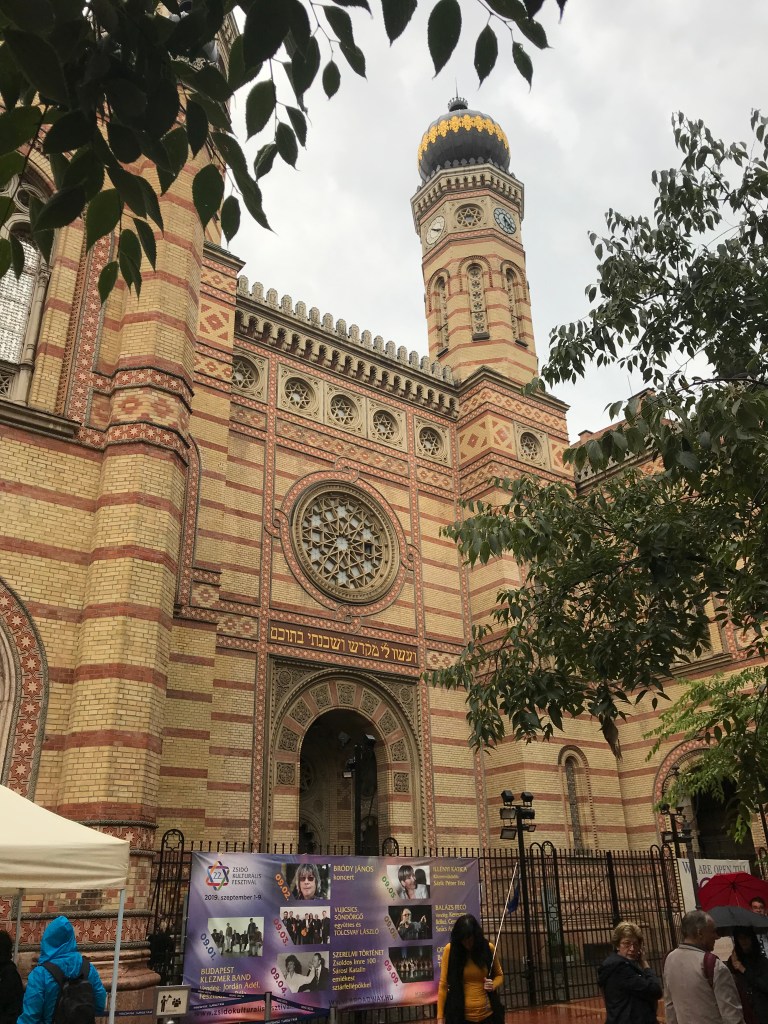
The Dohány Street Synagogue complex consists of the Great Synagogue, the Heroes’ Temple, the graveyard, the Memorial and the Jewish Museum. Dohány Street has strong Holocaust connotations as it constituted the border of the Budapest Ghetto.
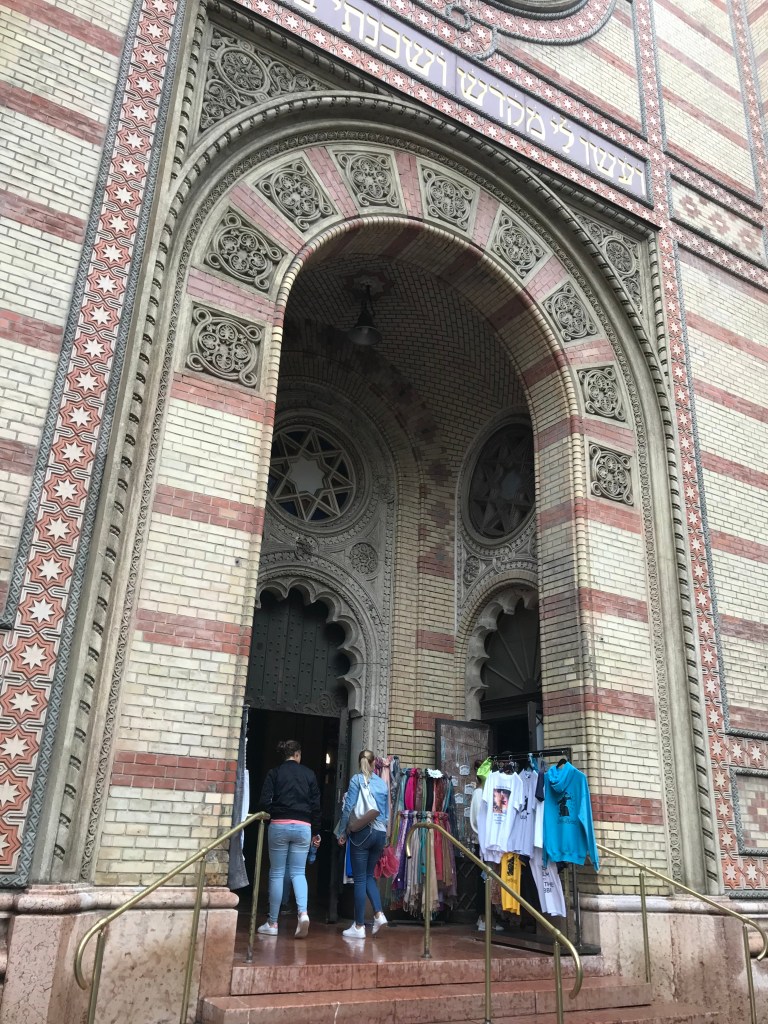
The Dohány Street Synagogue in Budapest The main entrance
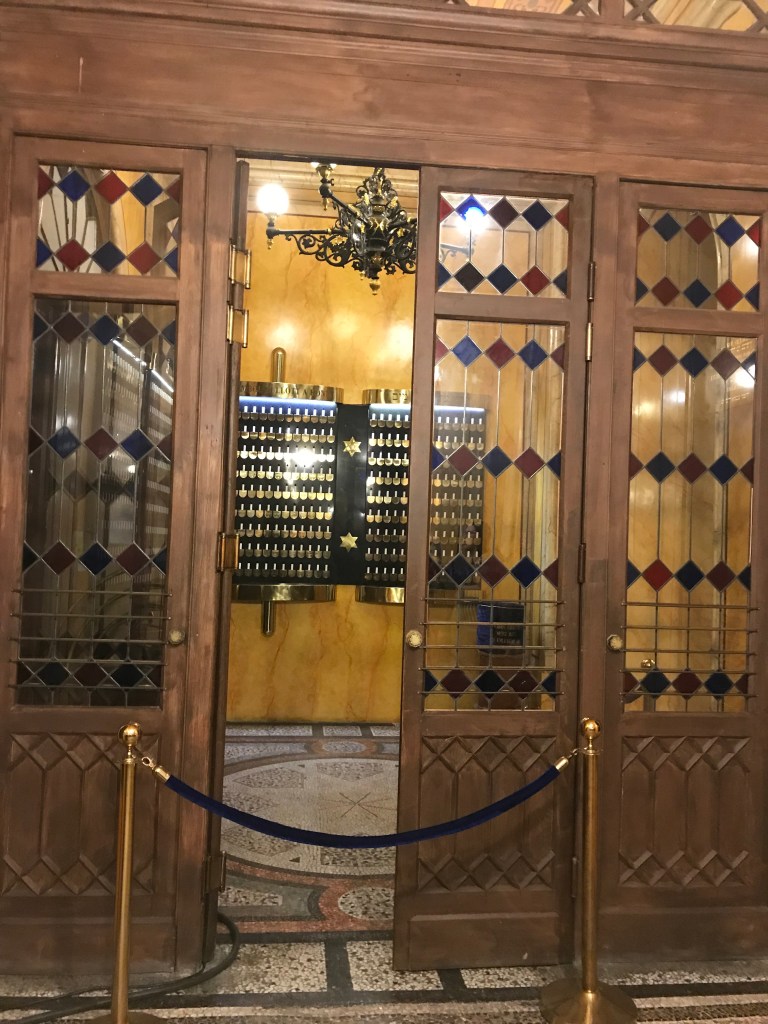
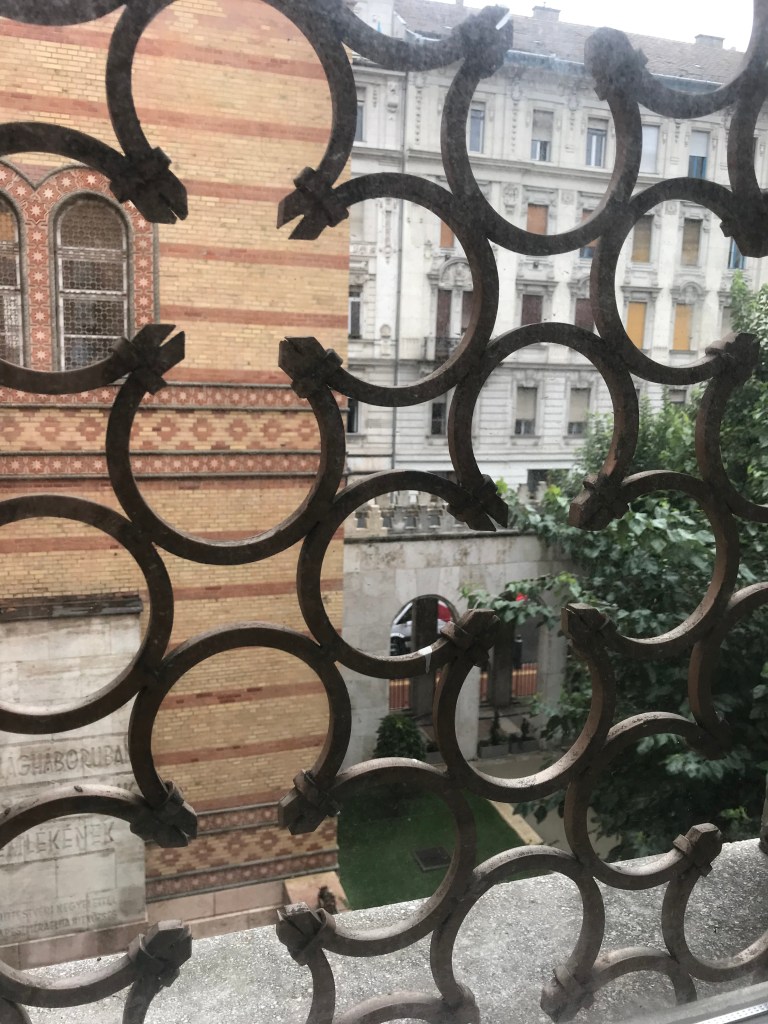
An internal doorThis is a shot of the inside of the synagogue. The Torah is behind the little doors behind the altarThis is a picture of the Garden of Remembrance through a window in the Jewish Museum. You can see the arched doorways into the garden.
Even if you knew you would never sell another book, would you keep writing?
An interesting topic this week and one I’ve had to think about. I’ve reflected on this on and off all day as I work towards finalising the editing of my new novel, A Ghost and His Gold. This book has been a huge exercise for me with all the research and effort I’ve put in to try and ensure it ticks all the writing criteria. I’ve checked for filter words, read and re-read the dialogue, tied up a few loose strings that my editor pointed out, checked spelling and punctuation and generally spent many hours perfecting this book. Writing is a real labour of love and one most writers willingly do, even it they know they won’t necessary generate a lot of sales.
But no sales! None at all! Hmmm! I’m not sure if I would continue to write if I had absolutely no encouragement at all. My need in this regard doesn’t necessarily translate into sales, but I would like to believe that at least a few people out there read my work and enjoyed it. I find reviews quite rewarding and would not like to have absolutely none at all. I do believe I would find that disheartening and I’m not sure if I would put so much effort in if this was the case.
I tend to write about topics that one, interest me, and two, I am passionate about so I accept that I am unlikely to ever be traditionally published. I could never write to a formula or curtail my writing to fit a purely commercial mould. That being said, I like to think there is a market for unconventional and different books like mine.
I think I will always write poetry as it is like a pressure valve for me. It is a way for me to release emotional stress and strain that might otherwise result in confrontations or arguments that would serve no real purpose and produce no positive change in my life. Some things are just to big to change and you have to accept them in life.
Would other blog-hoppers still write if they never sold another book? Click on the link below to find out:
Rules:
Link your blog to this hop.
Notify your following that you are participating in this blog hop.
Promise to visit/leave a comment on all participants’ blogs.
Tweet/or share each person’s blog post. Use #OpenBook when tweeting.
Put a banner on your blog that you are participating.
Resentment and anger made poor bedfellows . They stole the pleasure from the day, creeping relentlessly across her mind like a slow eclipse of the sun. It was time to take back control of her life. Time to make a change.
She never imagined her life could become this unfulfilling and frustrating. Getting up early every day and trying to behave as if everything was normal.
Outside the walls of her home, the world had turned itself upside down. Masked strangers roamed the streets, ringing on doorbells asking for food to fill empty bellies or trying to sell some unnecessary and unwanted item to the impatient and irritated inhabitants of the houses. There were no jobs and the poor and uneducated were desperate and verging on starvation.
Within the walls of her familiar home, her own life had become a nightmare of relentless stress as her working days grew longer and longer. More and more demands were made on her until one day she’d awoken to the unexpected realisation that exploitation and abuse of human rights comes in many forms. The shocking understanding dawned that she was a pathetic pawn in the corporate game where no-one mattered and no employee ever won.
Pressing the send button, her resignation letter left her email box.
Thursday Doors is a weekly feature allowing door lovers to come together to admire and share their favorite door photos from around the world. Feel free to join in on the fun by creating your own Thursday Doors post each week and then sharing your link in the comments below, anytime between Thursday morning and Saturday noon (North American eastern time).
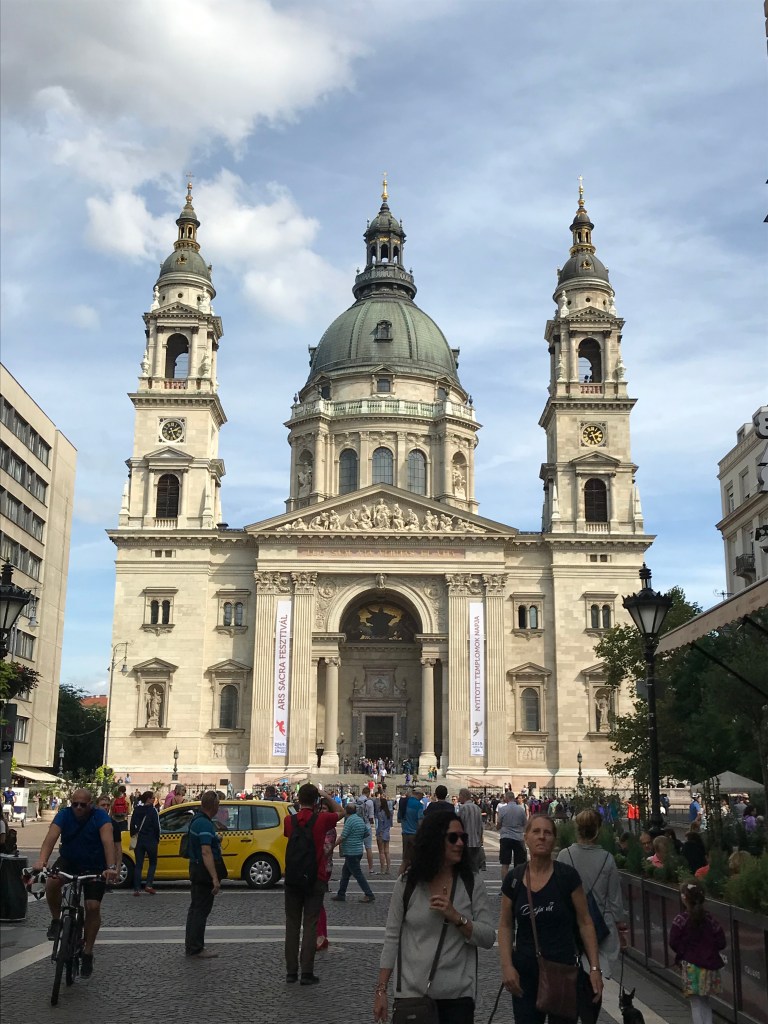
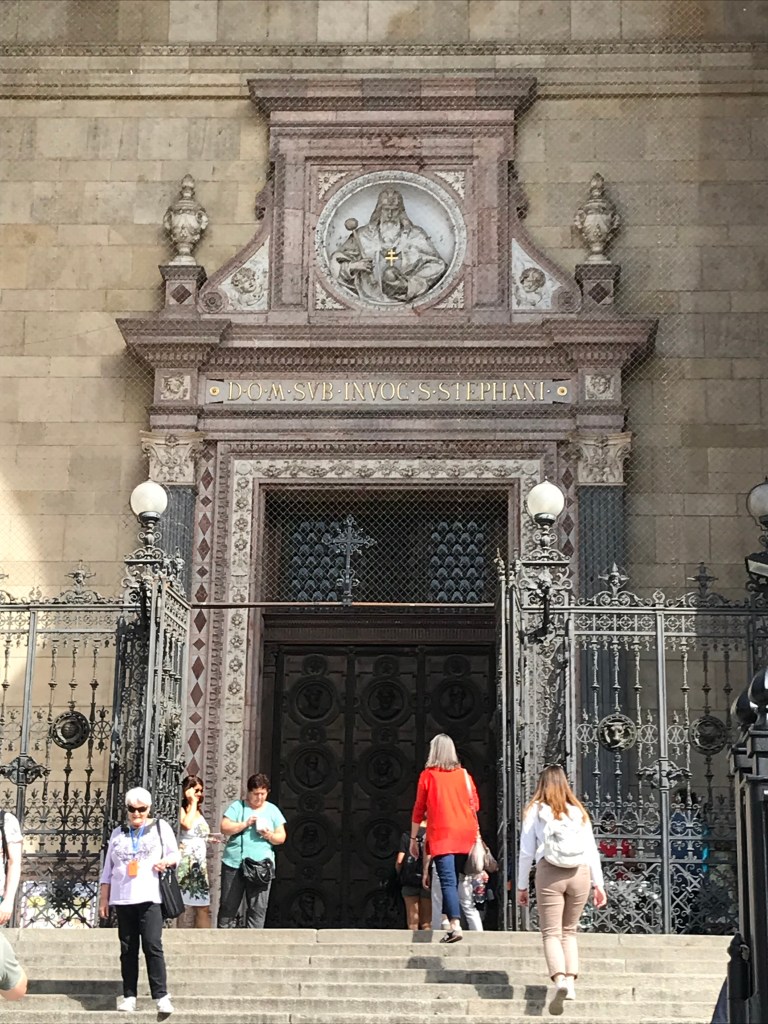
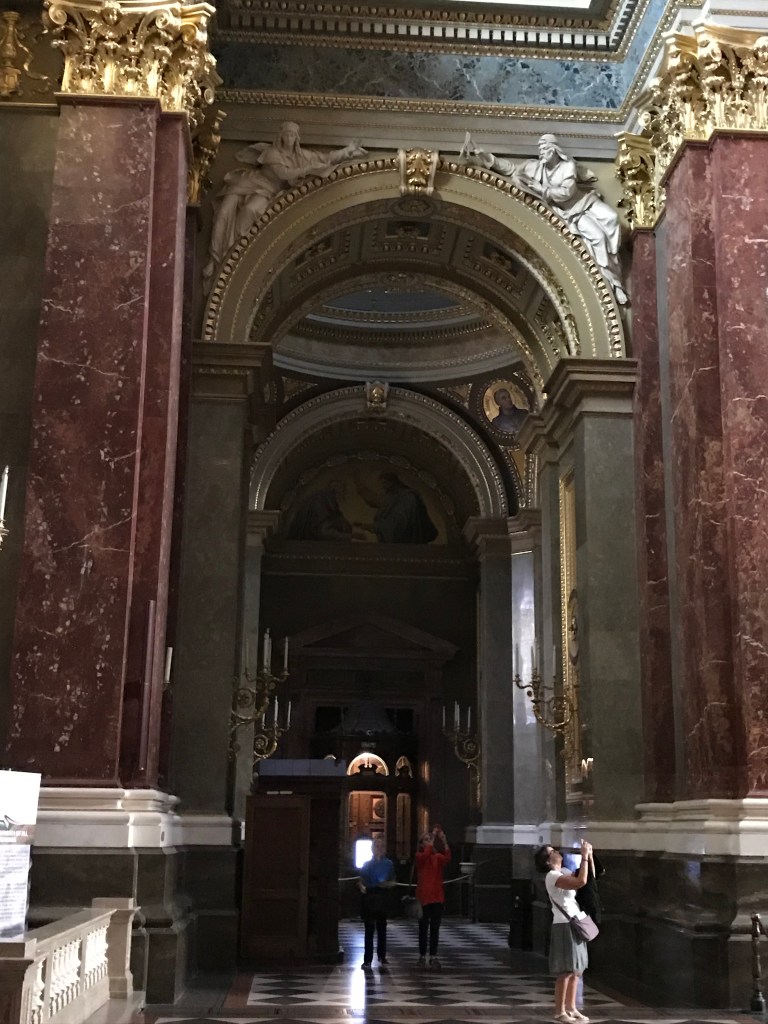
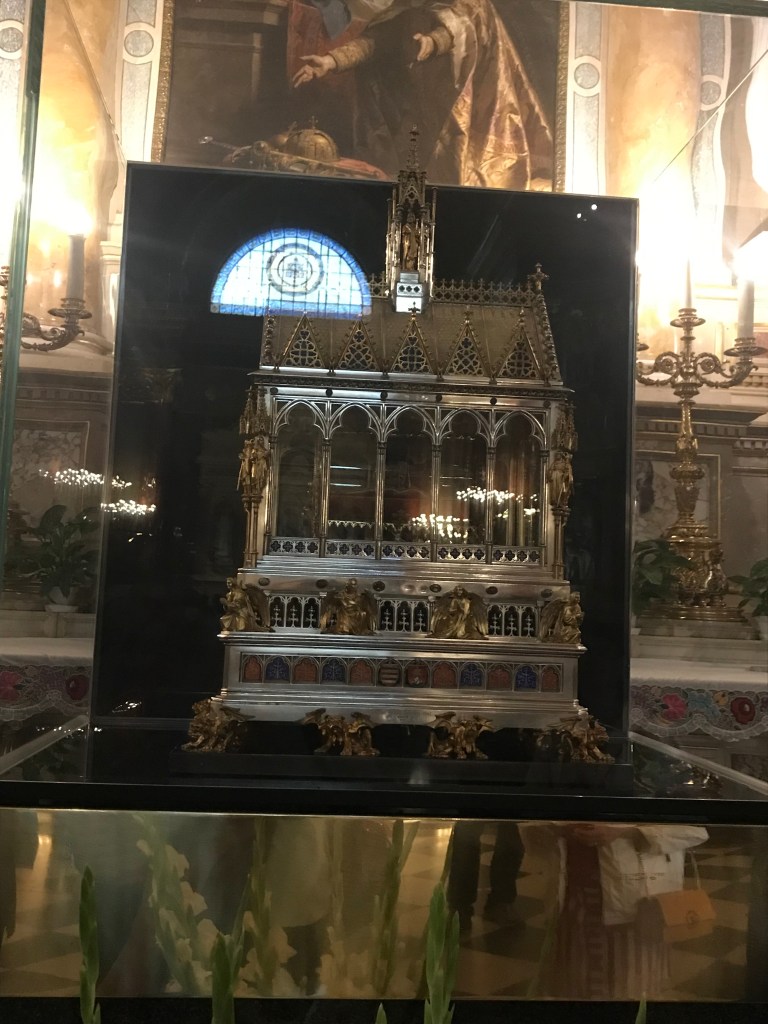
This week, I’m featuring St Stephen’s Basilica in Budapest.
The church is named after Saint Stephen I of Hungary, the first King of Hungary (c. 975–1038), whose “incorruptible” right hand is housed in the reliquary.
St Stephen’s Basilica, BudapestBeautiful front door of the BasilicaOne of the elaborate inside doorsAnother gorgeous inside doorThe reliquary or shrine containing St Stephen’s right hand
In this compelling, richly researched novel, author Andrew Joyce tells a story of determination and grit as the Mahoney clan fights to gain a foothold in America. From the first page to the last, fans of Edward Rutherfurd and W. Michael Gear will enjoy this riveting, historically accurate tale of adventure, endurance, and hope.
In the second year of an Gorta Mhór—the Great Famine—nineteen-year-old Devin Mahoney lies on the dirt floor of his small, dark cabin. He has not eaten in five days. His only hope of survival is to get to America, the land of milk and honey. After surviving disease and storms at sea that decimate crew and passengers alike, Devin’s ship limps into New York Harbor three days before Christmas, 1849. Thus starts an epic journey that will take him and his descendants through one hundred and fourteen years of American history, including the Civil War, the Wild West, and the Great Depression.
My review
I listened to the audio book of Mahoney, narrated by Michael R.L. Kern. The narrator did a great job with this book and had the right voice and inflections of tone for this particular story.
Mahoney is a fascinating story of the lives of Devin Mahoney, a poverty stricken farming tenant in Ireland who travels to America during the famine, and his son and grandson.
This book is well researched and shares intricate details relating to a variety of contraversial topics including: the lives of the tenant farmers in Ireland during the family and the shocking treatment they received at the hands of their English overlords, the journey by sea of Irish immigrants to America on board the “death ships”, life for the Irish immigrants on their arrival in the “promised land”, the circumstances of the civil war in America, life in the wild west of America for a young man from the East and his journey to becoming a marshal and an incredible fast gun, the life of the wealthy in New York before the Great Depression, the plight of the poor during the Great Depression and the circumstances of African Americans living in the south during the late 1930s and 1940s.
The list above gives a taste of the insights and depth and breath of this wonderful book which I enjoyed tremendously. Although I had some knowledge of most of these periods in history, the level of detail shared in this book, and the way the author wove the history seamlessly into the story, resulted in a great learning experience for me, together with a fantastic and engaging story.
Mahoney is divided into three parts with each part devoted to the development of one generation of the Mahoney family. There are elements of high adventure and romance in each character’s specific tale.
My favourite character was Devin because he was so spirited and determined. He overcame incredible difficulties to travel to America and start a new life there. The revelations about life on board the ships used to transport Irish immigrants to America were an eye opener, as was Devin’s positive attitude and determination to do whatever it took to succeed. He worked hard labouring jobs in order to establish his reputation as a solid and reliable worker and I found that very admirable. I also loved his love interest, Mary, who aside from being beautiful, was also resourceful and hard working. Their romance was sweet and made me feel good.
Dillon also has an amazing life but there were some things about his character that were a bit unfortunate in the long run. This didn’t make him less interesting and enjoyable as a main character but it did set the scene for his son, the third generation.
It is often said the the first generation builds everything and the third generation destroys it and, initially, this would seem to be the case in this book. David Mahoney, however, evolves into a most unusual and dedicated man and his story is also unusual and revealing about certain aspects of life in America.
This book is well written and highly entertaining. I would recommend it to anyone who enjoys history and books about human drama, with a touch of romance thrown in for good measure.
Rex Bacon was a real person and he did died as described in the book. His ghost is said to haunt one of the inns in Bungay. I fictionalised the circumstances surrounding his death in this extract:
THE MAN UNDER THE STAIRS As he set off along the pathway towards the town, Rex Bacon could feel the rage building inside him. It was a balmy summer afternoon and it was Saturday. He had finished his milk deliveries in record time and had a rare half afternoon free.
“Alfie saw them going up the stairs to the bed chambers,” Tom had said. “It’s not the first time he’s known them to meet at the Inn.”
All along the path, the wildflowers grew in a profusion of bright colours: blue, purple, yellow and white. Breathless, from his tightly constricted chest and fast pace, he remembered the last early afternoon he had walked this path. He had bent down to gather a colourful bouquet for Katheryn, binding them together with the pink ribbon he kept in his pocket for this purpose.
At the top of the rise, he stopped. The woodlands fell away on both sides of the path. On the right he could see the town including the two Market Crosses, St Mary’s Church, the Grammar School, and all the principal houses and shops that comprised the town centre, and on the other he could see his cottage – their cottage. It was tiny and ramshackle, but it was theirs. It looked just the same as it had that morning when he left home before the sun rose. There was no difference, none at all.
He swiftly descended the slope and walked to the door, the summer crickets jumping around his shoes. “Katheryn,” he shouted as he entered the one roomed cottage and stopped. A part of him hoped she would be there, that it was all an elaborate lie. She wasn’t.
Rex walked over to the pegs inside the cottage door and deliberately took down a coiled rope. He bent and grabbed a couple of the sharpened stakes he had leaned against the wall, in readiness for the weekend’s planting. Slinging the rope over his shoulder and with the stakes held loosely in his hands, he stepped through the doorway and closed the door gently behind him.
Ø Ø Ø
“Well, this is a surprise,” a harsh voice rasped.
Katheryn sat up in the bed, her dark eyes wide with shock. The blanket was pulled up over her chest and her shoulders, plump and white, rose above it. The young man lying next to her in the bed also sat up. He had a mop of vibrant and lustrous dark hair. His cheeks were flushed and his naked skin glowed with vigour and life.
“Rex,” said Katheryn. Her voice was soft and timid. Rex’s eyes rolled in their sockets, filling with hideous rage.
An inhuman force seemed to have taken over his mind, roaring in his ears, commanding him to destroy the figures in the bed. He lunged forward.
“Don’t!” whispered Katheryn. Her lover’s face drained to an ashy white. He had not moved but was whining, deep in his throat. The sound seemed to go on and on.
Rex’s eyes locked with the man in the bed as he drove the sharpened end of the stake into his neck. The man’s attempt to shout out was cut off as Rex wrenched the stake free and a fountain of blood poured from the resultant hole. The body toppled slowly sideways.
He turned to Katheryn, sitting frozen with shock and horror, and drove the stake deep into her heart. She gasped, and her eyes rolled back in her head as she died instantly.
Ø Ø Ø
Richard looked up as Rex, huddled in an enormous coat despite the warm day, walked into the hall and sat down at a rough wooden table in the corner.
“Strong ale, Rex?” he called. Normally customers had to approach the counter to order but, as the hall was empty at this time of the afternoon, Richard didn’t mind taking Rex’s mug over to him.
Setting his drink down on the table, Richard noted the younger man’s darkly glittering eyes and straight, unsmiling mouth. He watched Rex overtly as he drained his mug.
“Are you okay?” Richard asked. Rex smiled, a horrible twisted smile, and looked at him out of eyes that looked years older than his actual age.
“I’ve had some bad news. It will pass. All things pass in the end,” he replied.
Richard was to recall these words later.
Ø Ø Ø
Thirty minutes later, Rex left the hall. Picking up an ale barrel that stood discarded in the entrance, he walked purposefully towards the stairs that led to the upstairs chambers. It was dark and dingy in the narrow landing at the top of the stairs. Shrugging off the dead man’s coat, he exchanged it for the coil of rope he had hidden there earlier. His shirt and trousers were a mess of blood.
He bled like a stuck pig, thought Rex as he threw the rope deftly over the heavy wooden ceiling beam. Reaching up, he grabbed the end and threaded it through the loop he had made on the opposite end. He pulled gently and the loop ran up the length of the rope and drew tightly around the beam. Standing back, he admired his efforts.
The barrel shook as he clambered onto it. He formed the loose end of the rope into a noose and placed it over his head. Closing
his eyes he pictured Katheryn, his darling, and kicked out his legs. The barrel wobbled and fell over.
Death did not come easily. The drop was short and Rex dangled helplessly from the end of the rope as it compressed his trachea and the arteries and blood vessels in his neck. The excruciating pain was unexpected as his survival instincts took over and his body struggled for air against the compression of the noose and the weight of his own body.
As the darkness descended over Rex’s mind, he heard a voice calling, “Rex, look at me, Rex.” It took all of Rex’s will power to focus on the apparition in front of him. Thickset and powerful, the monster had vicious teeth and claws. Its eyes struck terror into Rex’s fading heart. The glaring, red eyes were the last thing Rex recognised as he slipped into unconsciousness.
Ø Ø Ø
His heart blackened with rage and resentment as his spirit hovered above the stairs, listening to the black dog’s convincing lies and watching his body being roughly hacked down. The naked bodies of Katheryn and her lover had already been discovered and the men were making ribald comments about Rex and his inability to satisfy his wife’s needs. The glowing red light that flowed up from the depths of the Underworld faded as Rex shambled after his new master.
If genetic engineering could guarantee you and your family perfect health and unparalleled beauty, would you pay top dollar for it? Would you kill for it?
Residents of the Colony would. And do.
Only the Insurgents can stop them.
Seventeen-year-old Asher Solomon is a premier operative with the Insurgents. He and his team have rescued countless hostages, saving them from painful deaths in Colony labs as desirable genetic traits are stripped from their bodies.
He’s also suffered more losses than anyone should have to.
Then Asher gets intel that might give his people the upper hand. The Colony is searching for Subject A36. If the Insurgents determine the subject’s identity first, they might be able to turn the tide of the war.
Asher and his team embark on their riskiest mission ever, and the stakes have never been higher. But even if he survives the physical dangers, the devastating secrets he uncovers might destroy him.
My review
Subject A36 is a fascinating story about genetic engineering taken to an extreme. I have done research about the not so futuristic concept of “Designer children”, where parents are able to chose their children’s characteristics from eye colour to increased IQ and sporting skills, and so the ideas in this book had the distinct ring of possibility. This made the story line very frightening.
Asher lives in a world where no-one gets sick. All people have been genetically enhanced not to get sick. The wealthy in this new society, live a privileged and sheltered life in The Colony, while the less fortunate citizens of the planet, live as outsiders constantly on the lookout for Colony soldiers. As payment for their disease free existence, the children of the outsiders, and sometimes the whole family, are randomly selected and taken to Colony laboratories where their desirable genetic traits are stripped from them and given to the wealthy. Unfortunately, the so called donors, don’t survive this process.
Asher’s family are among those taken for genetic stripping, but due to his father’s foresight, he is able to escape the soldiers and join up with another family of resistors to this oppressive system. Years later, Asher is entrenched in the resistance and is one of their key operators when the go out on missions to try to save the unfortunates who have been selected for gene stripping.
Asher is an interesting character. From the beginning of the story, the reader is aware that Asher has unusual physical traits. He is taller and stronger than other men his age and is able to get by on very little sleep. He is an intense and passionate person and is in love with Brynn, the daughter of the family he found shelter with after his own family was taken. Asher has never fully recovered from the loss of his family and feels immeasurably guilty about the fact he had to leave his two sisters behind when they were on the run from the soldiers. Asher was following his father’s instructions but he doesn’t know why his father was so determined that he escape at all costs. I really enjoyed Asher’s intensity, intelligence and focus.
Brynn is a wonderful female lead character and is a good role model for modern girls. She is strong and tough but she has retained the understanding and nurturing qualities innate to a good mother and wife. Brynn is the person who helps Asher deal with the pain of his loss and his feelings of guilt and inadequacy.
This is a fast paced book about a topical subject. The author has done her research well and the medical and bio-technical aspects are well presented and believable. Her characterisations are excellent and Ms Polen manages to spring some big surprises on her readers when characters chose the lower moral and ethical road, rather than the high one. These portrayals help make the story believable as she portrays the full range of human characteristics from greed, selfishness, ambition and heartlessness to devotion, empathy and loyalty.