Welcome to Thursday Doors, a weekly feature allowing door lovers to come together to admire and share their favorite door photos from around the world. Feel free to join in on the fun by creating your own Thursday Doors post each week and then sharing your link in the comments below, anytime between 12:01 am Thursday morning and Saturday noon (North American eastern time).
St Andrew’s is a town near Edinburgh in Scotland. The town is famous for the University of St Andrews and is known as the worldwide ‘home of golf’.
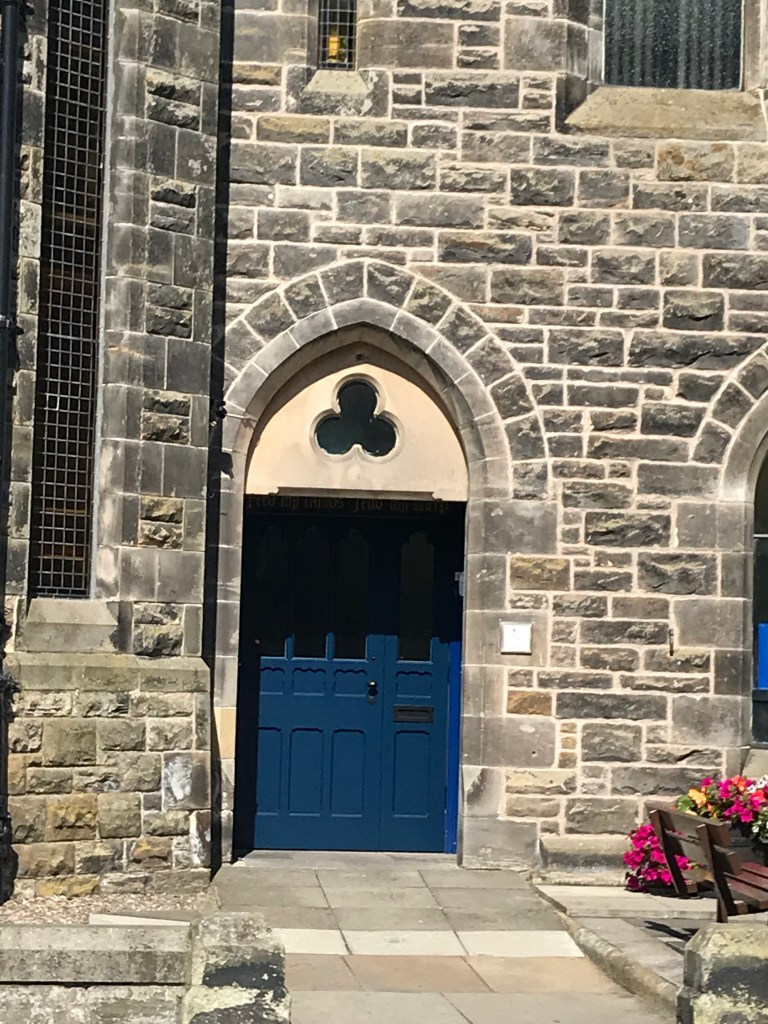
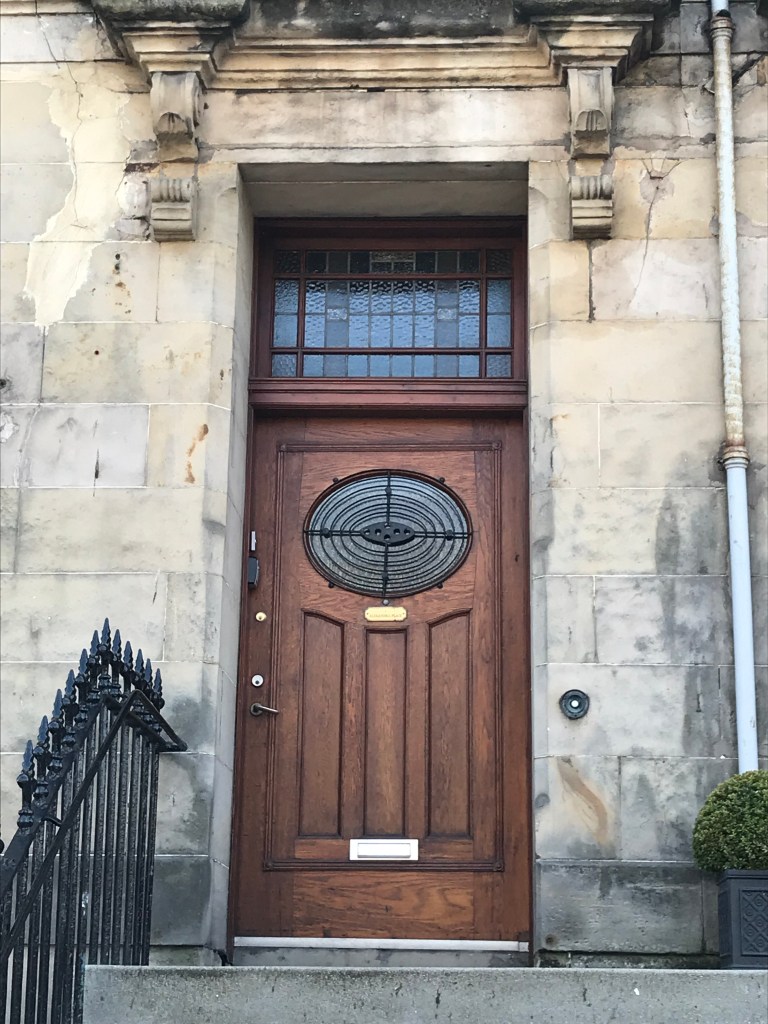
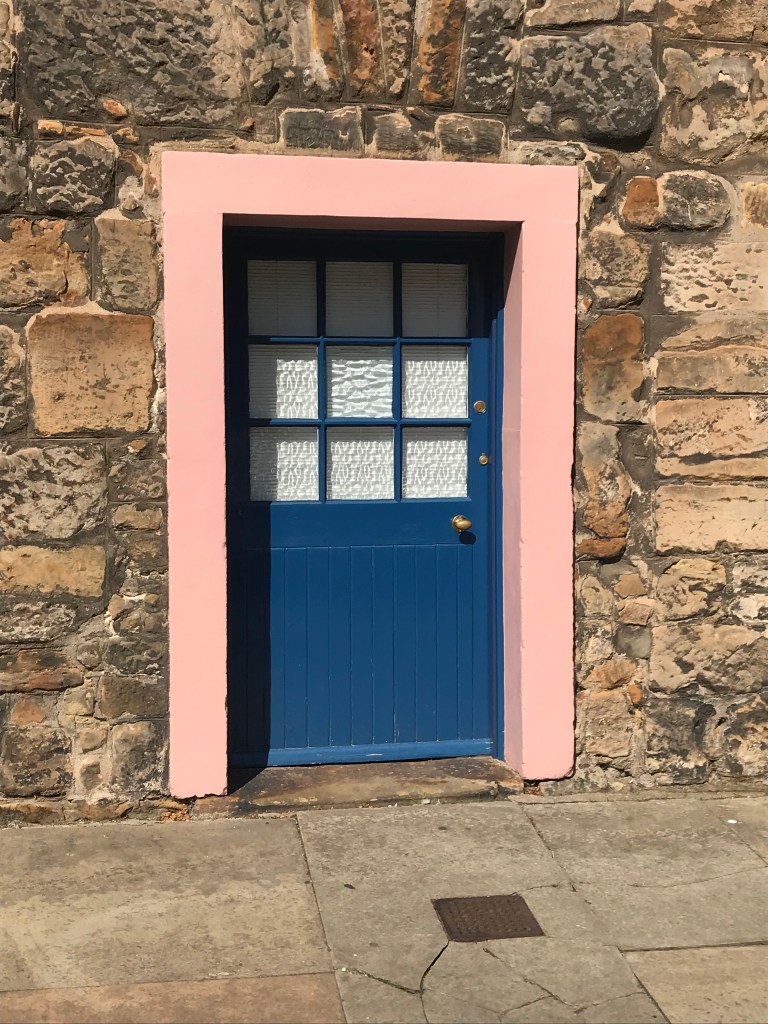
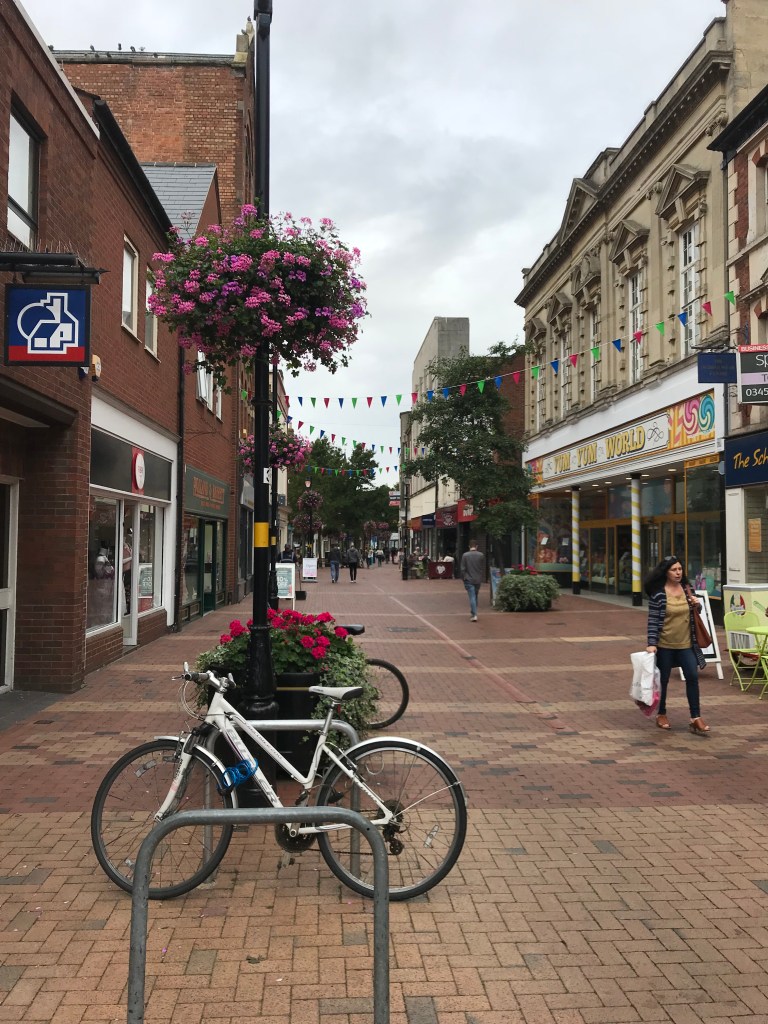
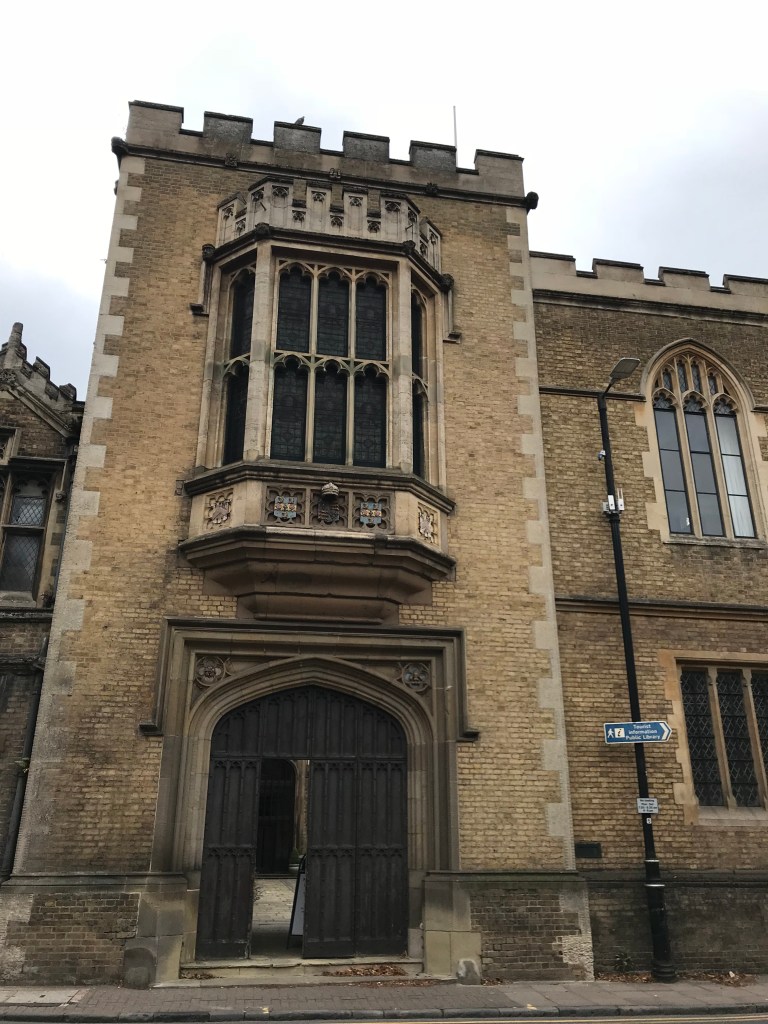
Here are a few pictures of the doors around St Andrews town:
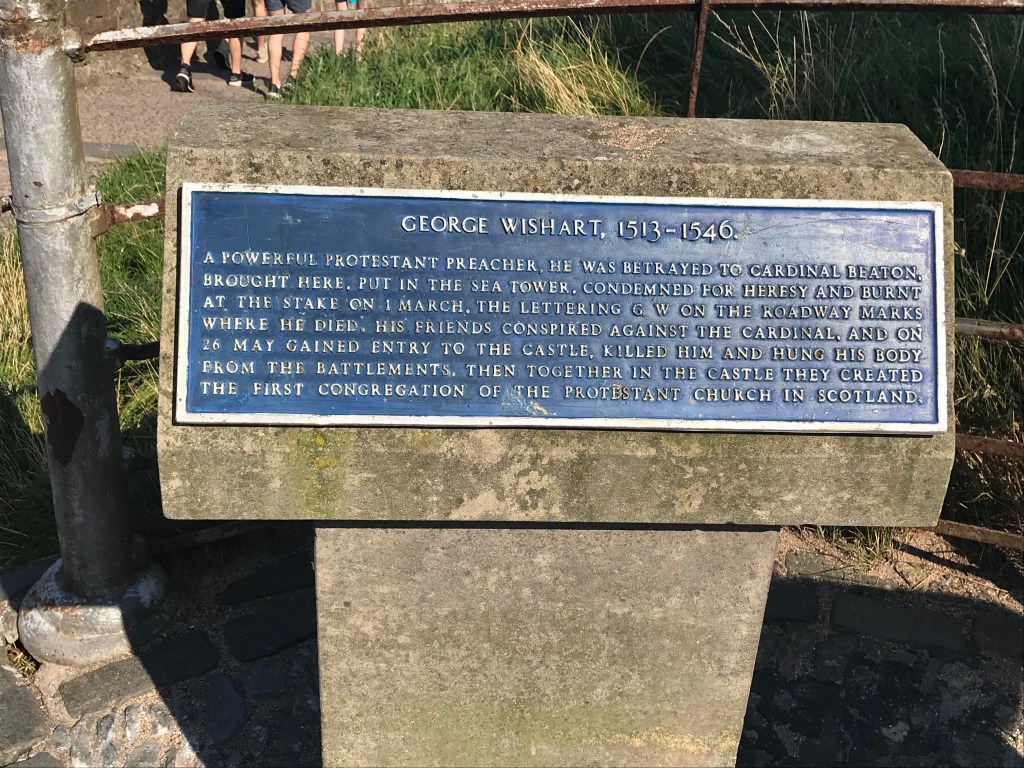
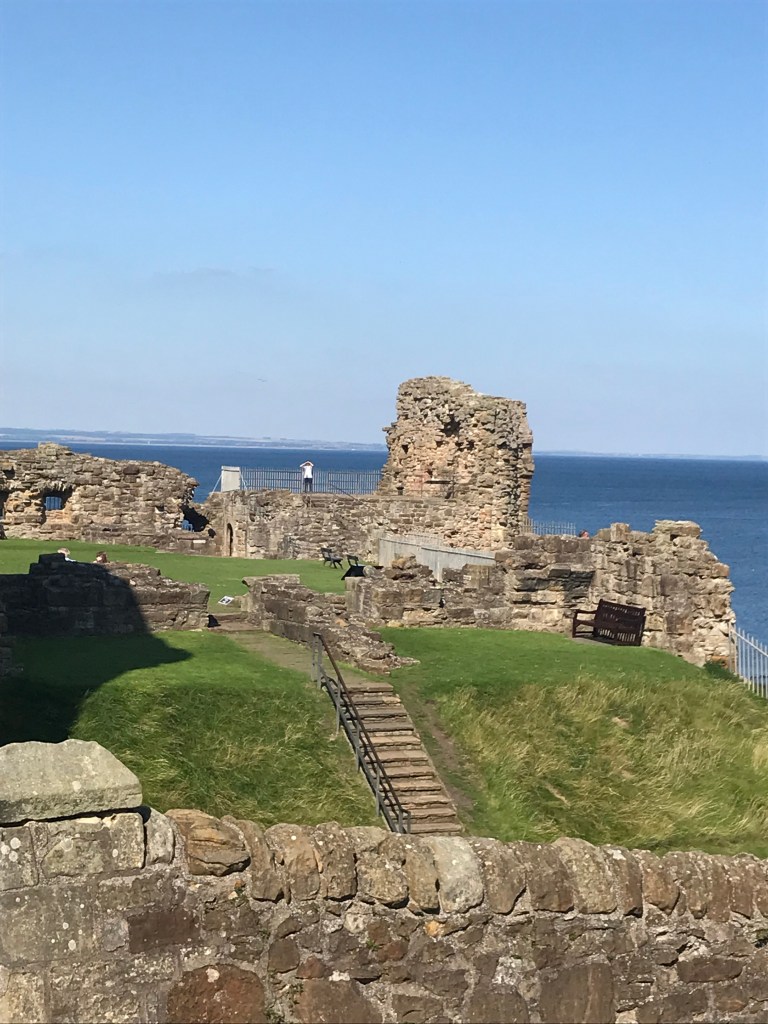
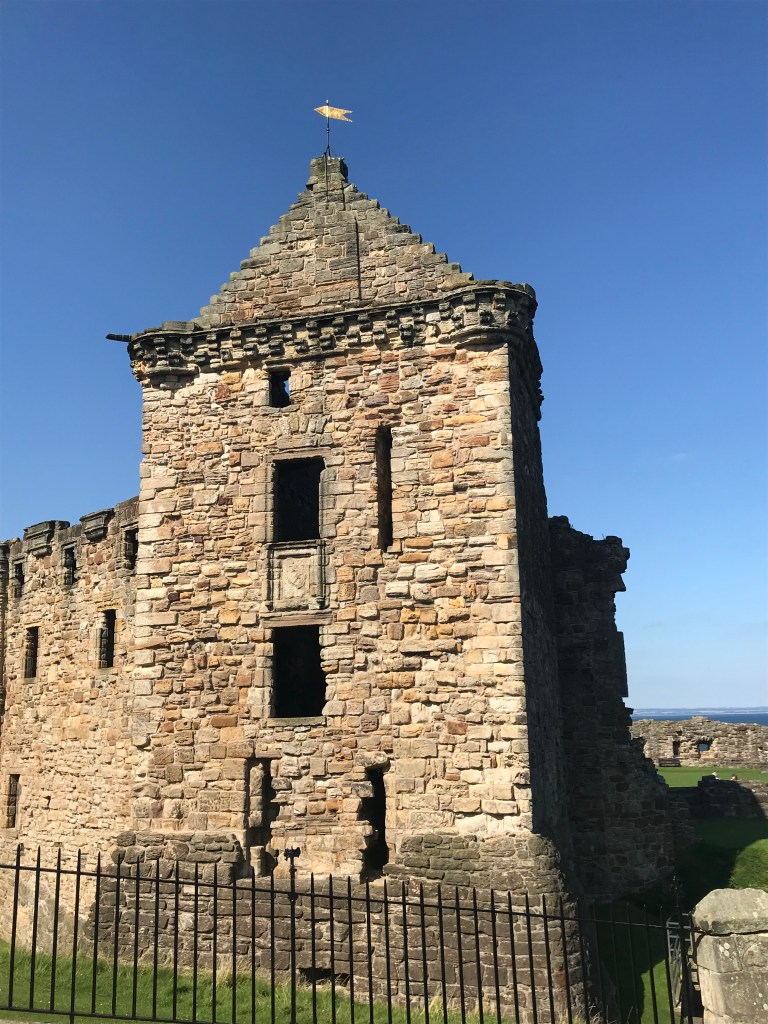
St Andrews Castle
Wikepedia says:
The ruins of St Andrews Castle are situated on a cliff-top to the north of the town. The castle was first erected around 1200 as the residence, prison and fortress of the bishops of the diocese. Several reconstructions occurred in subsequent centuries, most notably due to damage incurred in the Wars of Scottish Independence.
The castle was occupied, besieged and stormed during The Rough Wooing and was severely damaged in the process.
The majority of the castle seen today dates to between 1549 and 1571. The work was commissioned by John Hamilton (archbishop of St Andrews) in a renaissance style which made the building a comfortable, palatial residence while still remaining well-fortified. After the Reformation, the castle passed to several owners, who could not maintain its structure and the building deteriorated into a ruin. The castle is now a scheduled monument administered by Historic Environment Scotland.
I am over at Writing to be Read with a post about the dark origins of Here We Go Round the Mulberry Bush. Thank you for hosting me, Kaye Lynne Booth.
My dad was diagnosed yesterday with a cluster of blood clots in the pulmonary artery near the lungs. He can’t be admitted into ICU in a hospital because we are in the midst of the third wave of Covid and it is to dangerous for him, so we are treating him at home with injections of a strong blood thinner. Fortunately, it is not difficult to learn how to give injections and we are monitoring him for side effects. He had a better today. Thank you to all of you for all your kind comments and support.
Do you know the nursery rhyme Here We Go Round the Mulberry Bush?
I remember it from when I was a girl. The girls used to hold hands and dance in a circle singing the lyrics and doing the actions.
These are the first two stanzas of the most modern version:
Here we go round the mulberry bush, The mulberry bush, The mulberry bush. Here we go round the mulberry bush On a cold and frosty morning.
This is the way we wash our face, Wash our face, Wash our face. This is the way we wash our face On a cold and frosty morning.
The rhyme was first recorded by James Orchard Halliwell, an English Shakespearean scholar, antiquarian, and a collection of English nursery rhymes and fairy tales, as an English children’s game in the mid-nineteenth century.
The song and associated game are traditional in England and different…
Without punctuation, writing would be unkempt and wild
Do you use said or asked after a ? or tag your interruptions? Any punctuation that bugs you? What’s the hardest for you to get right?
“Dialogue tags are those short little phrases in dialogue that identify the speaker. Remember the main function of a dialogue tag—to identify who’s speaking.”
When I started writing this is what I was told – stick to said, and that is pretty much what I do if I use a dialogue tag. It does make sense to me that dialogue tags are there for clarification purposes, so that readers know who is speaking, and no other purpose. Drawing attention to them by using other words does not seem necessary.
However, said can also be overused and repetitive. I recently listed to the audio book of Last Man Standing by Jeff Shaara. He used said so often that I began to notice it and it became an irritating distraction in the story. I started counting all the saids. Last Man Standing is a brilliant story but I deduced a star because of the said over usage and how much it irritated me by the end of the book.
Having been told by the very wise Charli Mills to watch for word repetition when I write, I try not to beat said to death in my books. I try to introduce the speaker by showing what they are doing before the speak.
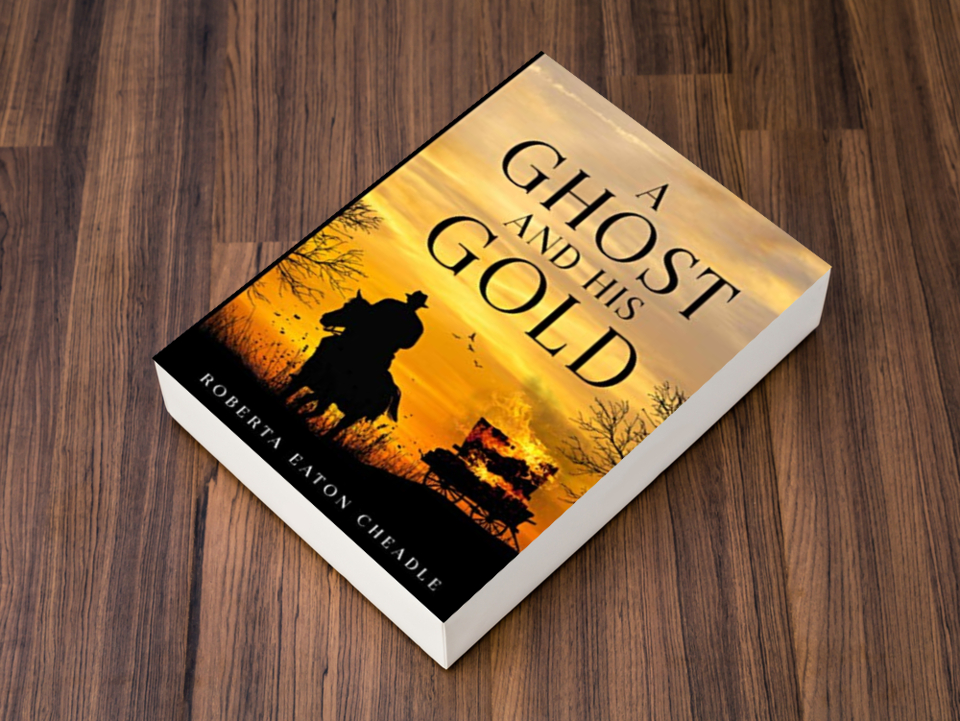
A few examples of how I’ve used this technique in A Ghost and HIs Gold are as follows:
“These sausage rolls are amazing.” Carl stuffs another one into his large mouth.
“You have a Ouija board?” Sue’s eyebrows rise.
Pieter drains his mug. “I need to see to some business and then we must get ready to trek.”
As you can see from the second short quote, I use this same technique for questions.
Other punctuation?
I am a fan of punctuation. Poor punctuation makes a book much more difficult to read and can result in misunderstandings. I try very hard to get punctuation correct in my books and use the services of an editor to help me get it as correct as possible. I have accepted that it is never possible to get everything 100% correct in a book so I am for 95% plus.
How do you feel about the use of dialogue tags. Should writers stick to said or get inventive.
Update on my dad
Thank you to everyone who has sent messages of support or left kind comments. This is a difficult time for my family and the fact we are in the middle of the third wave of Covid and it is the Delta variant is not making life easy.
My dad saw a cardiologist yesterday and we had a serious of tests afterwards – extensive blood work and an x-ray. He has been diagnosed with a pulmonary artery embolism or blood clot in the artery near the lungs. This blockage has damaged his heart, especially on the right hand side. Tomorrow I am taking him to the hospital early for a CT scan so they can assess the size of the clot and extent of the damage. He then sees the cardiologist for a treatment plan. Please hold thumbs for the best possible outcome.
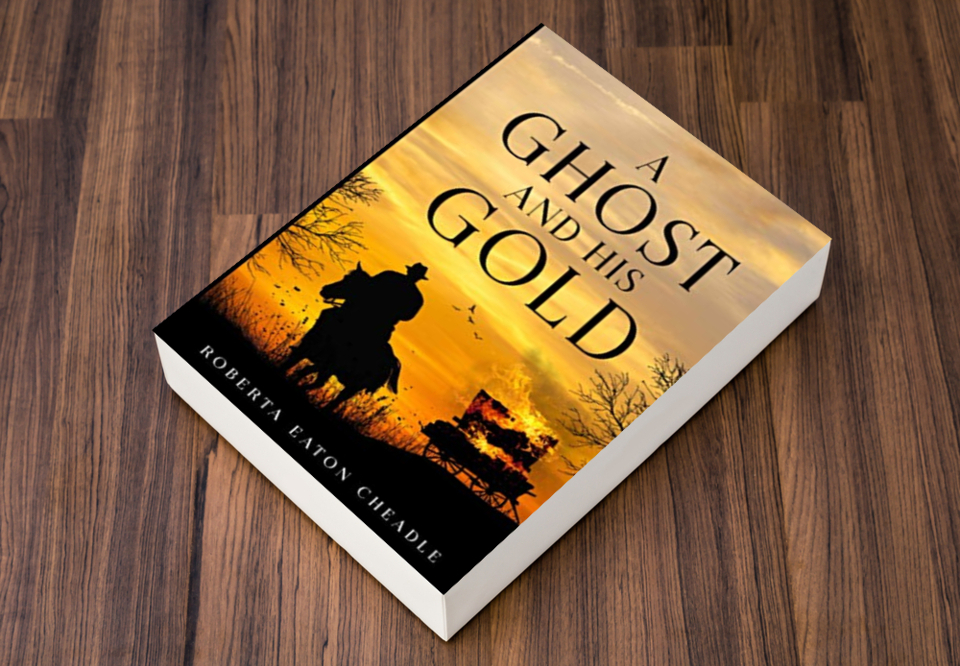
Darlene Foster, author of the Amanda series of books, has written a lovely review of A Ghost and His Gold. Thank you, Darlene. While you are visiting her blog, take a look at her lovely collection of Amanda books. They are great adventures for middle school children.
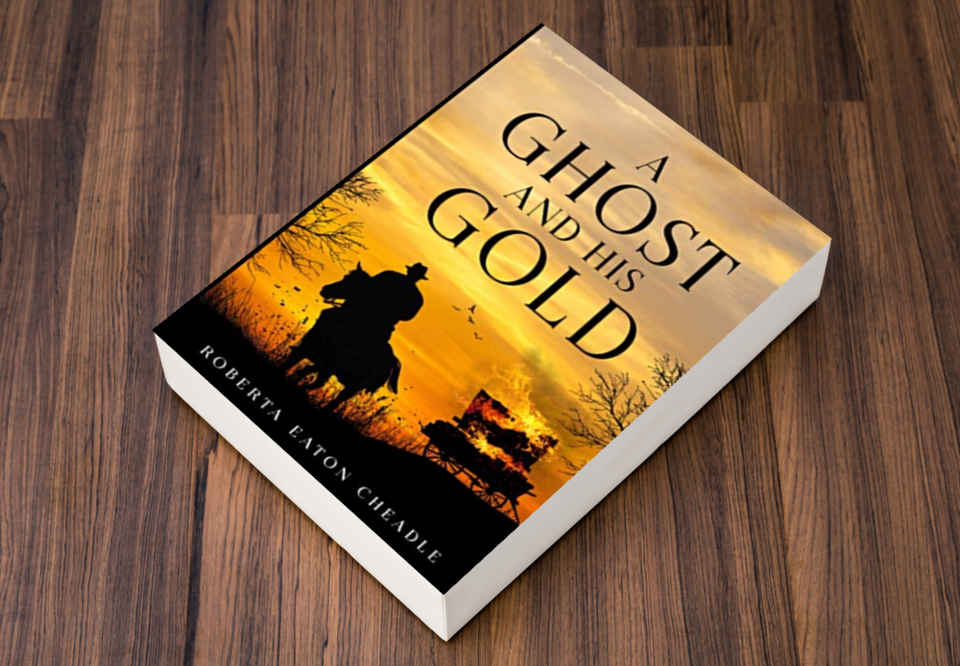
The title and the cover of this book caught my attention immediately. I love books set in another country, especially if the story contains part of the history of that country. A Ghost and His Gold by prolific author, Roberta Eaton Cheadle takes place in her home country of South Africa during the Second Anglo Boer War between 1899 and 1902. But this isn’t just a historical novel, it also takes place in modern times with a paranormal twist. How the two time periods connect makes this a thrilling story.
Here is the blurb.
After Tom and Michelle Cleveland move into their recently built, modern townhouse, their housewarming party is disrupted when a drunken game with an Ouija board goes wrong and summonses a sinister poltergeist, Estelle, who died in 1904.
Estelle makes her presence known in a series of terrifying events, culminating in her attacking Tom in his sleep…
Welcome to Thursday Doors, a weekly feature allowing door lovers to come together to admire and share their favorite door photos from around the world. Feel free to join in on the fun by creating your own Thursday Doors post each week and then sharing your link in the comments below, anytime between 12:01 am Thursday morning and Saturday noon (North American eastern time).
I am late with my post this week. The reason is that my dad is very unwell. He is in heart failure and is currently bed ridden. My mom and I are looking after him and I am also trying to ensure my mom doesn’t overdo it and make herself ill. His condition is stable, but we have to wait for the medicine to bring about improvements, if it is going to work.
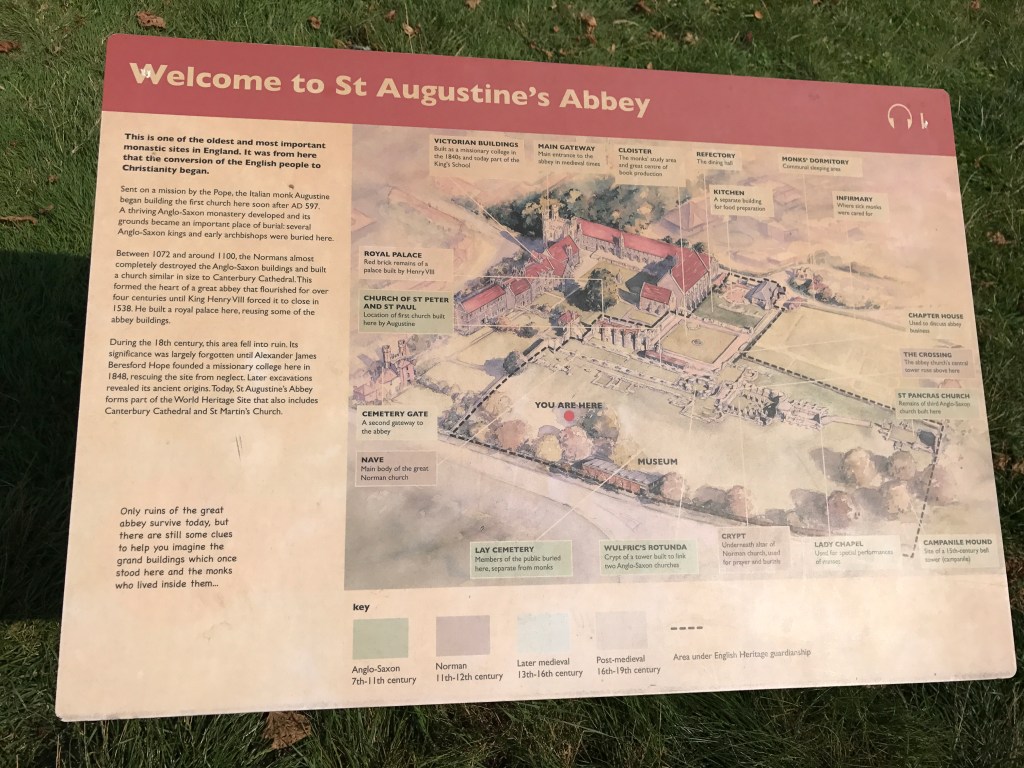
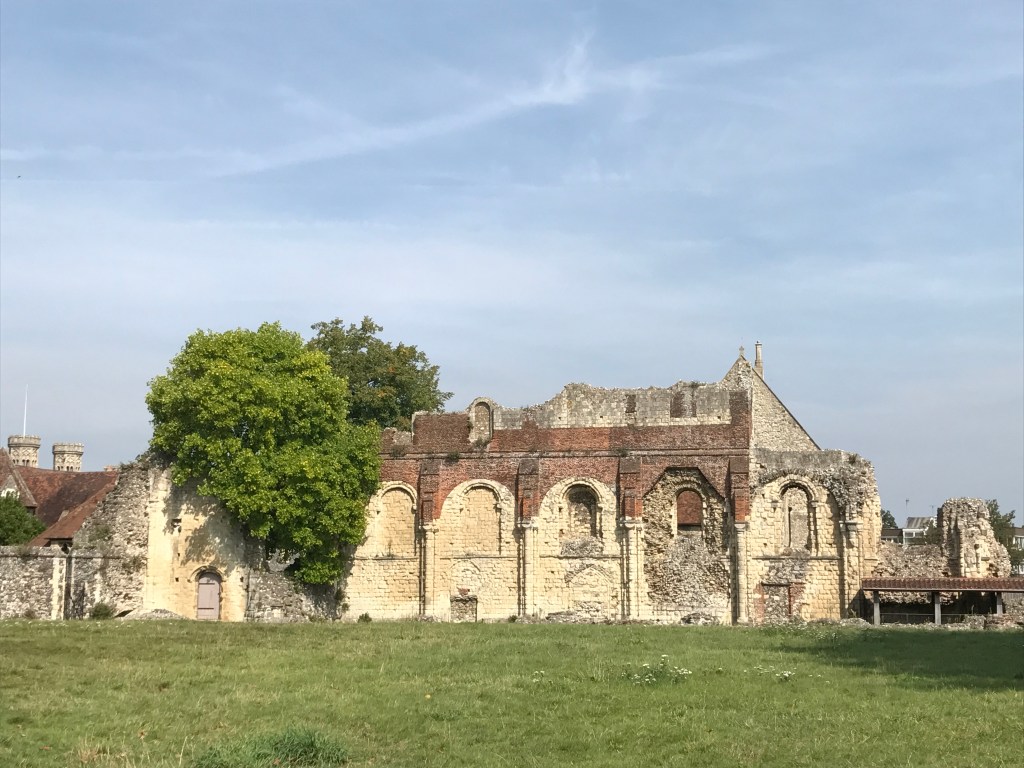
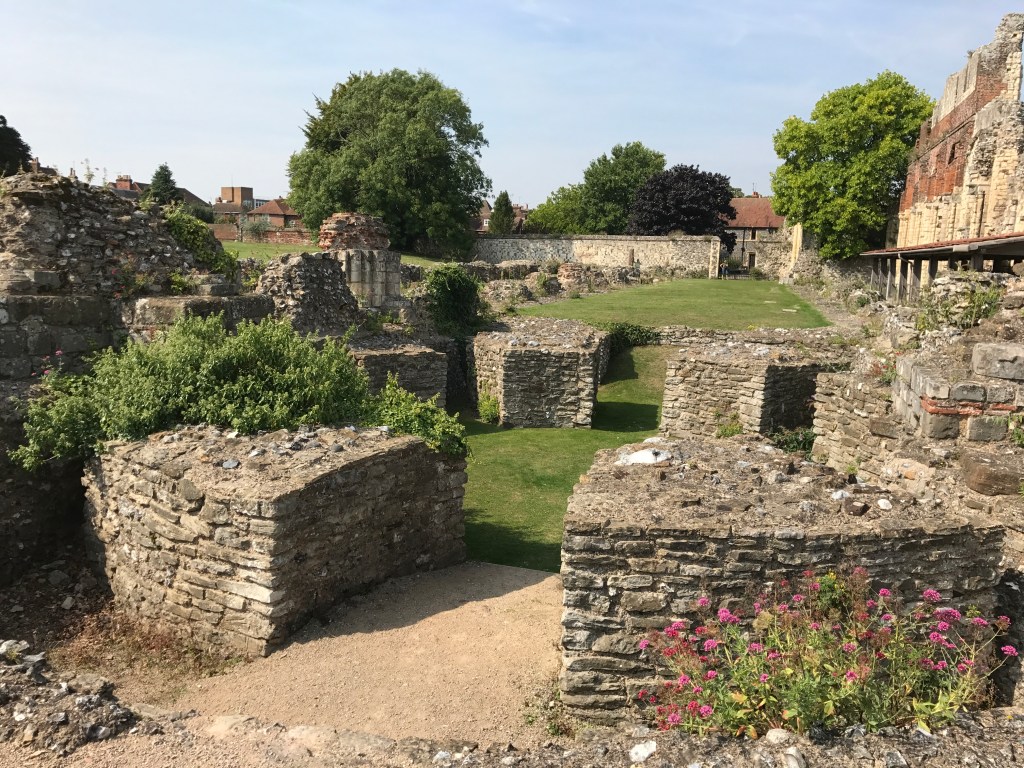
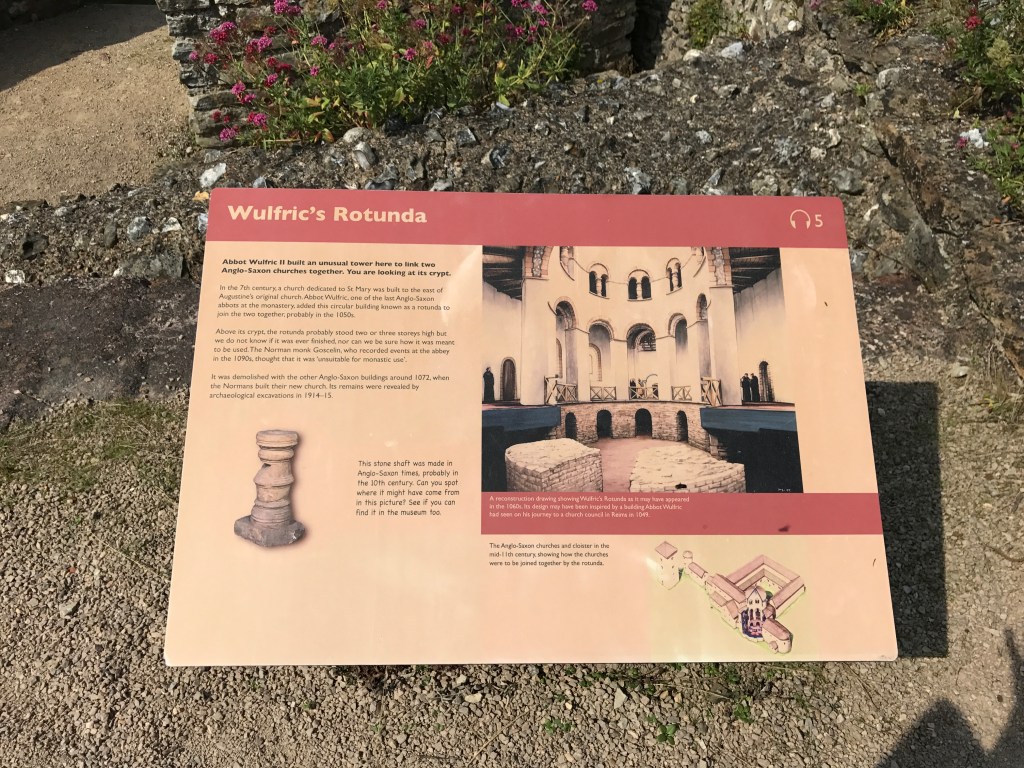
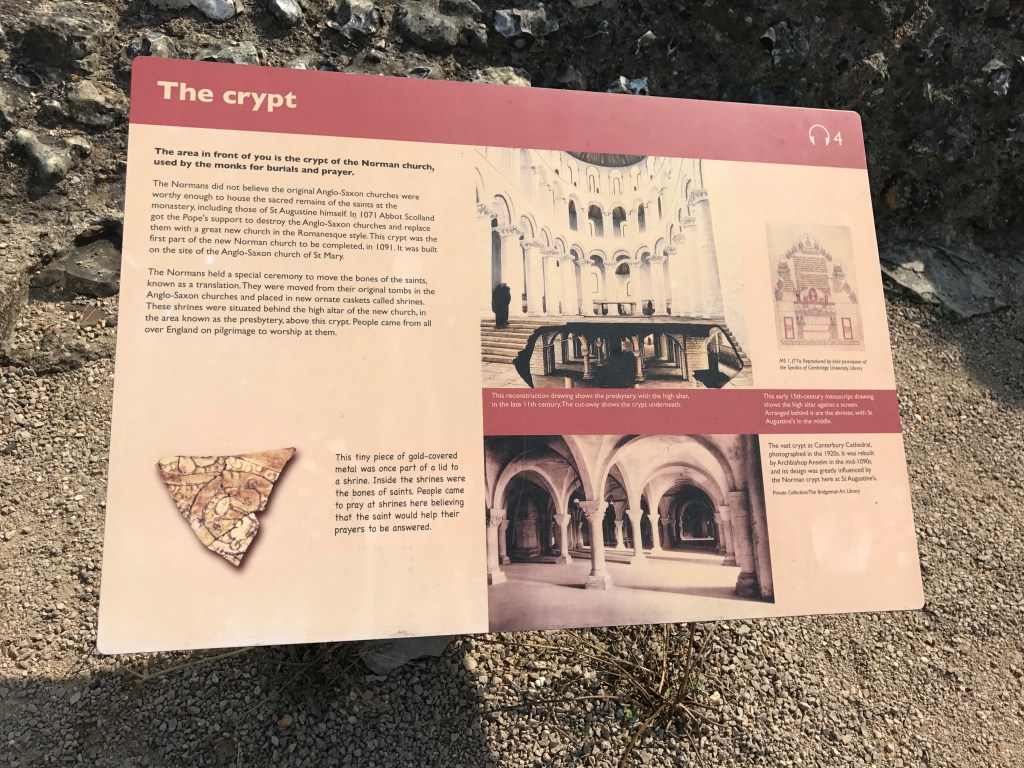
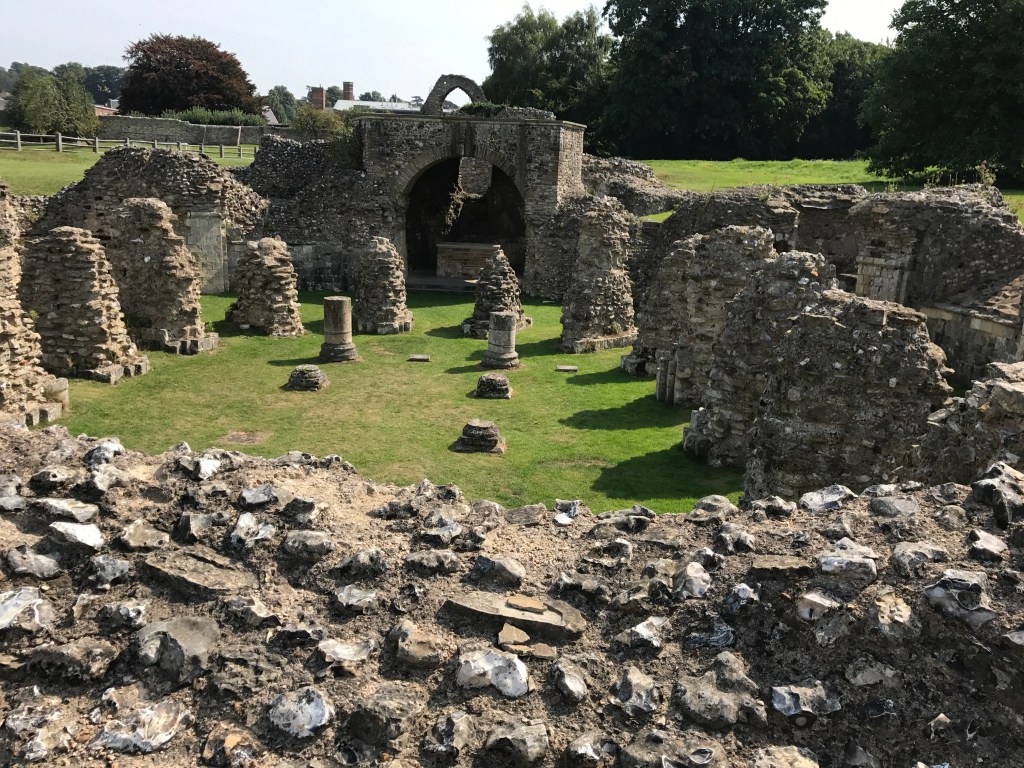
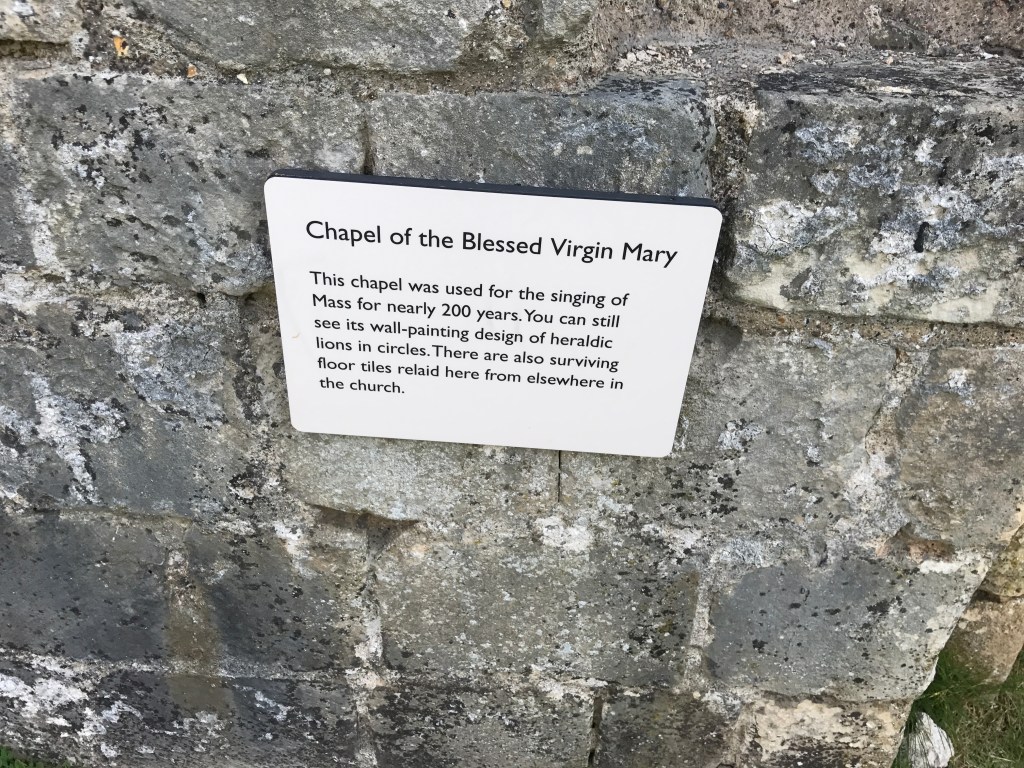
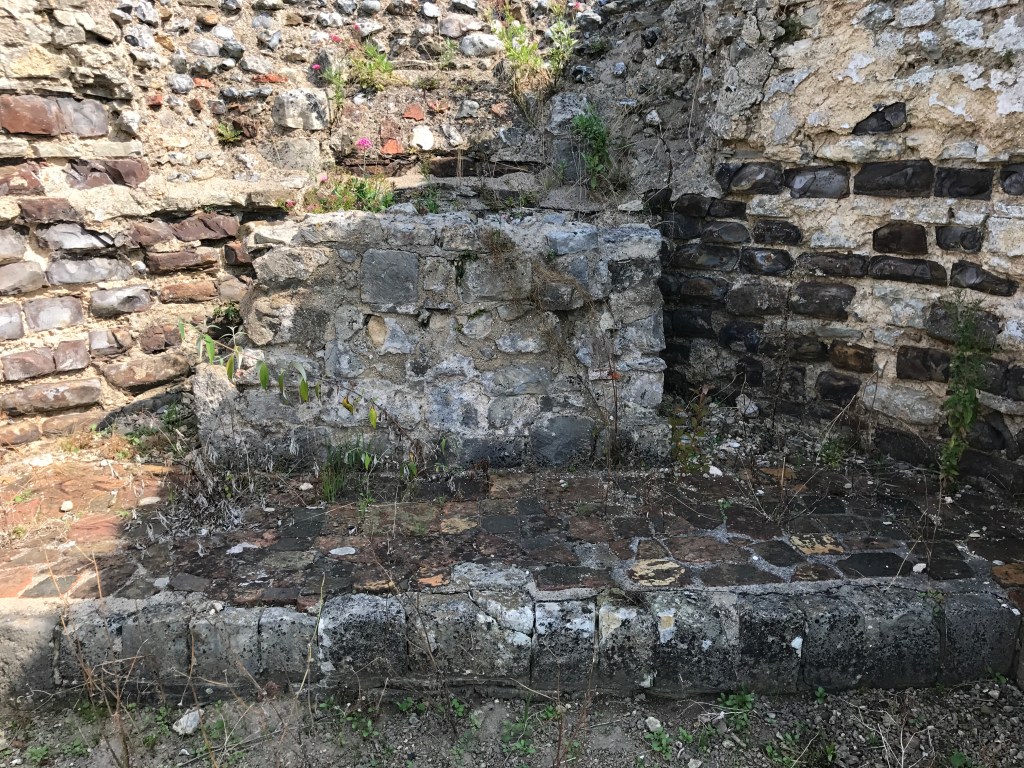
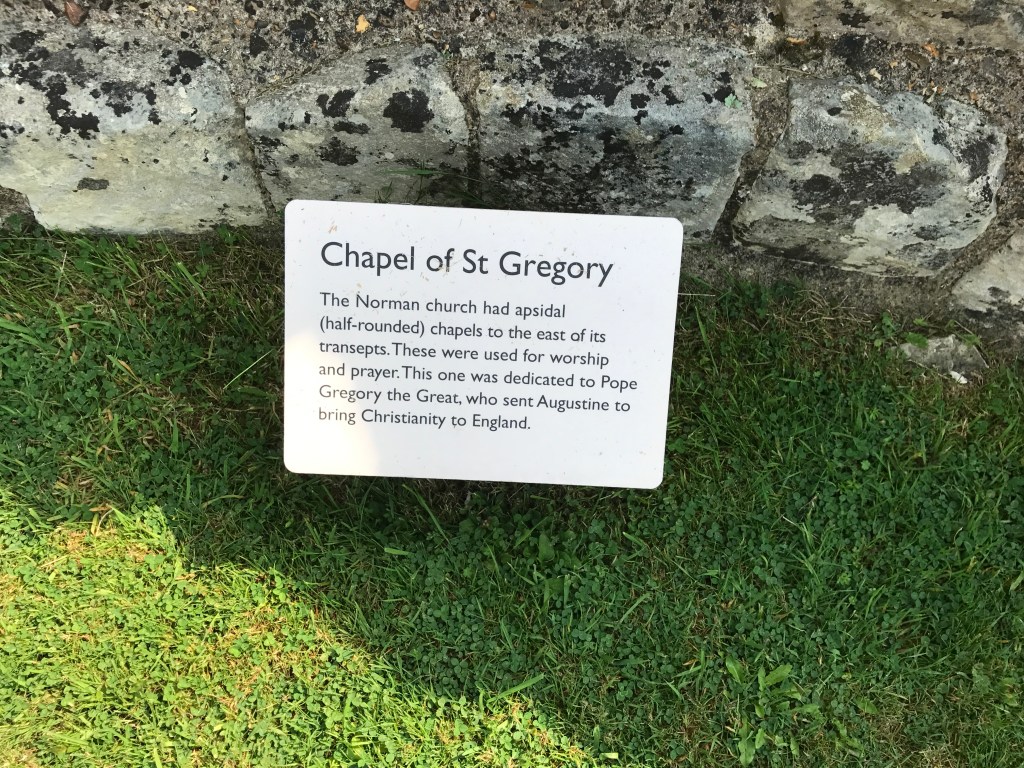
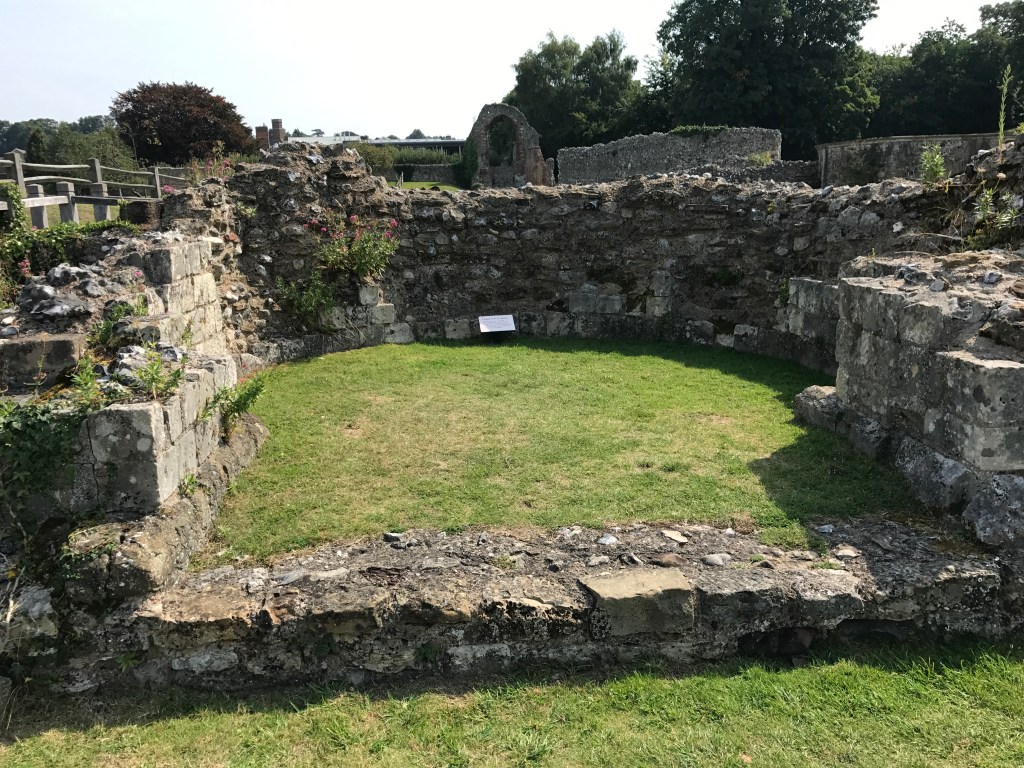
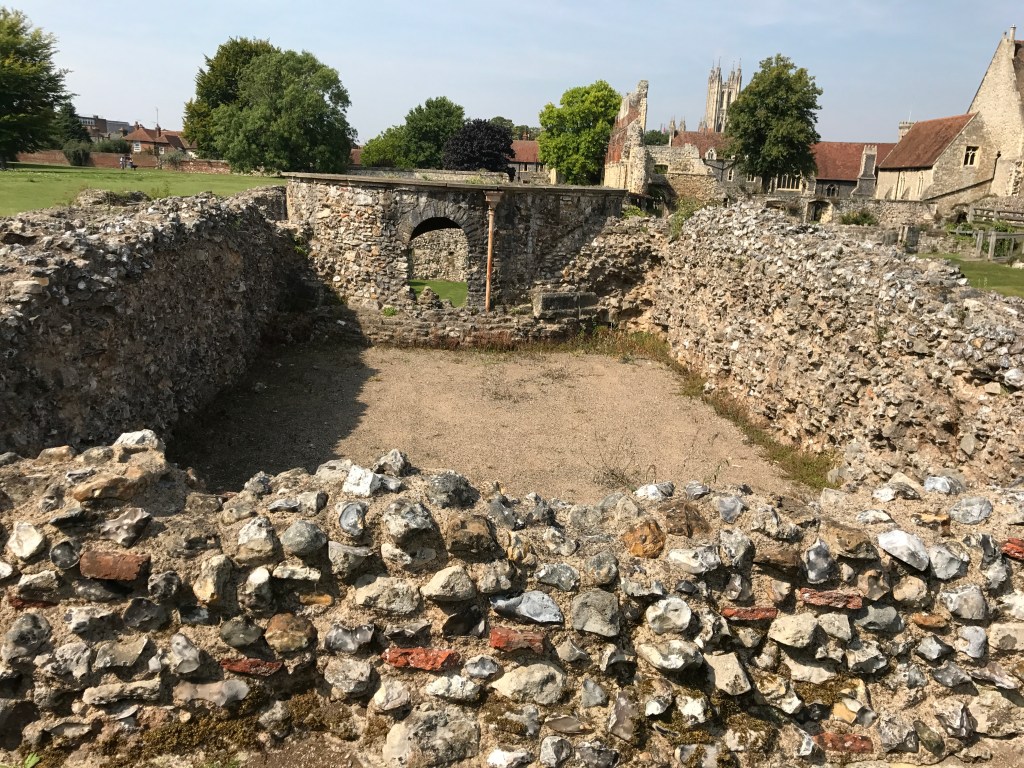
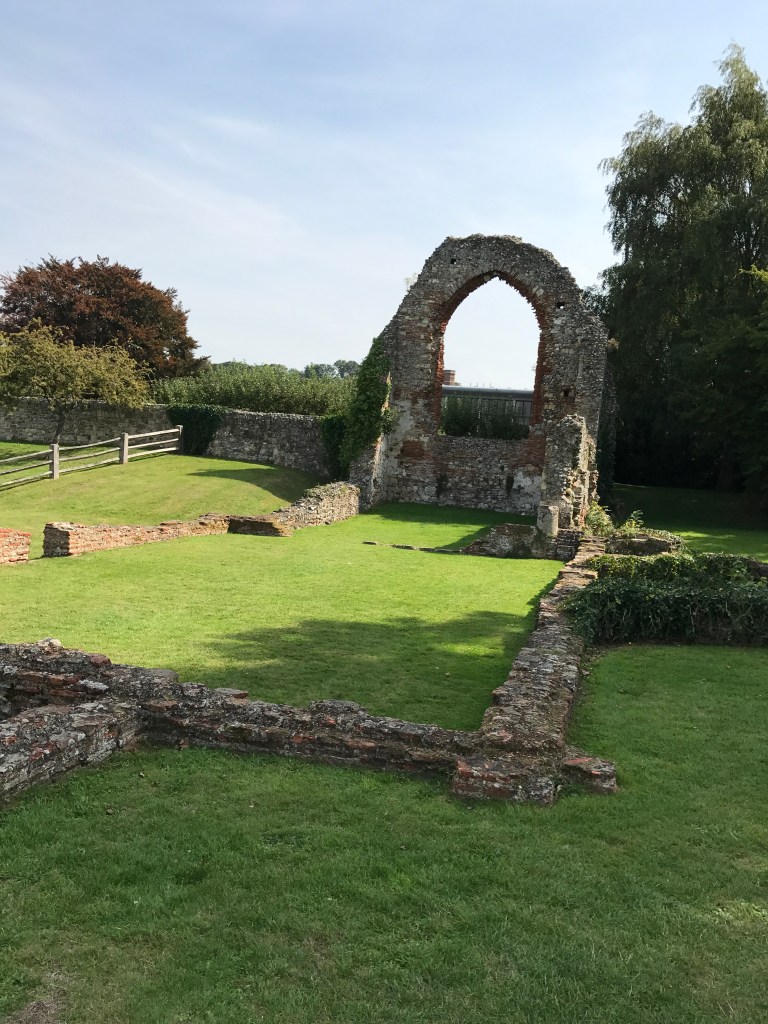
Today, my post is about St Augustine’s Abbey. I had said I was going to post about St Andrew’s but I haven’t had a chance this week to find those pictures.
This is what English Heritage has got to say about St Augustine’s Abbey:
“St Augustine’s Abbey was one of the most important monasteries in medieval England. For almost 1,000 years, it was a centre of learning and spirituality. Established as the result of the mission to bring Christianity to England, it was reduced to ruins during Henry VIII’s Suppression of the Monasteries.”
Tombs of kings and archbishops referred to in the previous picture
I am over at Tea, Toast and Trivia hosted by Rebecca Budd with a podcast about my writing process and research for A Ghost and His Gold and a reading from this book. Thank you, Rebecca.
Welcome to Tea, Toast and Trivia.
Thank you for listening in.
Roberta Eaton Cheadle
Bookstores, libraries, and coffee shops are great places for book readings. There is something extraordinary about hearing the voice of an author reading their stories. Their voice and intonation are nuanced by the many hours of effort putting pen to paper. They created the characters, structured the plot, and lived every twist and turn that creates bumps in the storyline.
Living in the reality of Covid-19, book readings at public libraries and bookstores have been curtailed. We are learning to embrace technology in new ways. Welcome the podcast series, “Authors Reading their Books”, which will recreate the reading spaces in a virtual venue. I invite you to put the kettle on and join the conversation on Tea Toast & Trivia. I am your host Rebecca Budd, and I am looking forward to sharing this moment with you.
I am thrilled to introduce Roberta Eaton Cheadle who has graciously agreed to be our guest author reading from her novel, “A Ghost and his Gold.” Roberta is a South African writer specializing in historical, paranormal and horror novels and short stories. Keep your lights on because we are about to meet up with a sinister poltergeist.
If you could choose one author, living or dead, to be your beta partner, who would it be and why?
What is a beta reader?
A beta reader is usually a test reader of an unreleased work of literature or other writing, who gives feedback from the point of view of an average reader to the author. This feedback is used by the writer to fix any issues with plot, pacing and consistency.
This sounds very good and all writers should have their books beta read.
This declaration being made, I have never actually asked anyone to beta read one of my books. I have, however, beta read other authors books.
The reason I have not asked anyone to beta read my books is because, to date, I have considered that they require more than beta reading to get them into suitable shape for publishing. I did not study creative writing at university [in fact, as most of you know, I studied accountancy which is probably about as far away from creative writing as anyone could get] and I felt that I need to make a solid financial and learning investment in my writing if I want to learn the tools of writing. My view was that I couldn’t expect to get the extensive advice and help I felt I needed from someone who kindly volunteered to read a draft of my book. That just didn’t feel right to me; it felt like I would be taking advantage of the volunteer.
To this end, I engaged the services of a developmental editor to read and comment on each of my three books, While the Bombs Fell, Through the Nethergate, and A Ghost and His Gold.
What an absolutely worthwhile investment it has been for me. I learned so much from Charli Mills, who developmentally edited While the Bombs Fell, and Esther Chilton, who developmentally edited Through the Nethergate and A Ghost and His Gold, I could never do them justice no matter how much praise I give them.
Between the two of them, they taught me about timelines in stories, how to include research without information dumping, how to spot lose ends in my plot threads and tie them up, how to expand and develop and idea to make it richer, flow better, and more interesting and attention garnering.
One of the pieces of advice I was given was to carefully reads the works of other authors whose writing I admire and who I aspire to emulate and to learn from the way they wrote, developed ideas, described things, and wrote dialogue. In response to this great advice, I have dived into many books to see how the writer shaped his/her ideas. You can learn so much from other writers.
Once my books have been developmentally edited and effectively re-written, I give them to my mother to read. My mother is an ordinary reader and she is very quick to point out things like when I insert my own [strong] opinions to overtly into my books, when I think some concept is adequately explained but she can’t make head or tale of it, and other similar problems. I understand that Robert Jordan’s wife performed a similar service for him as he got carried away with ideas that sometimes made no sense to a reader.
I have gained more confidence with my writing over the past few years and I have recently acquired a beta partner who I am working with on my new novel. I will probably still use the services of a developmental editor though, as I have found it to be such a worthwhile investment for me.
In summary, I would probably not want any historical or current famous author to beta read my books, but I will continue to look to the works of great writers like Stephen King, Bram Stoker, Margaret Mitchell, C.S. Lewis, H.G. Wells, John Wyndham, and Edgar Allan Poe, to name but a few, for inspiration and guidance.
Who author would other blog-hoppers choose to be their beta partner? Click on the link below to find out.
Rules:
Link your blog to this hop.
Notify your following that you are participating in this blog hop.
Promise to visit/leave a comment on all participants’ blogs.
Tweet/or share each person’s blog post. Use #OpenBook when tweeting.
Put a banner on your blog that you are participating.
Welcome to Thursday Doors, a weekly feature allowing door lovers to come together to admire and share their favorite door photos from around the world. Feel free to join in on the fun by creating your own Thursday Doors post each week and then sharing your link in the comments below, anytime between 12:01 am Thursday morning and Saturday noon (North American eastern time).
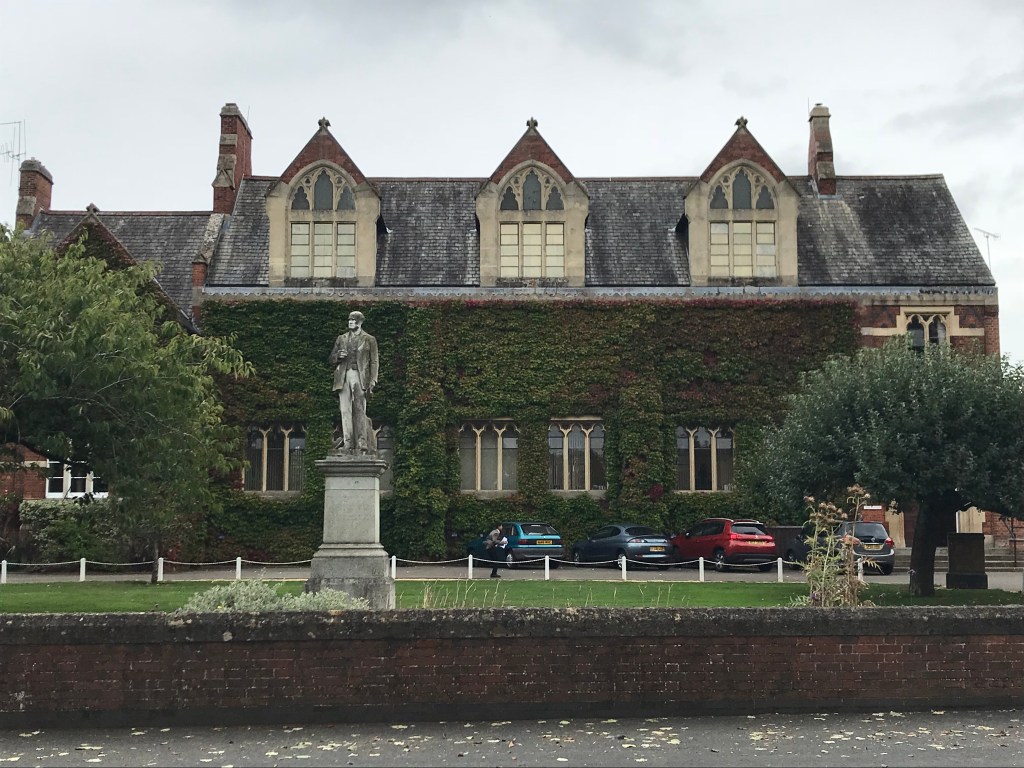
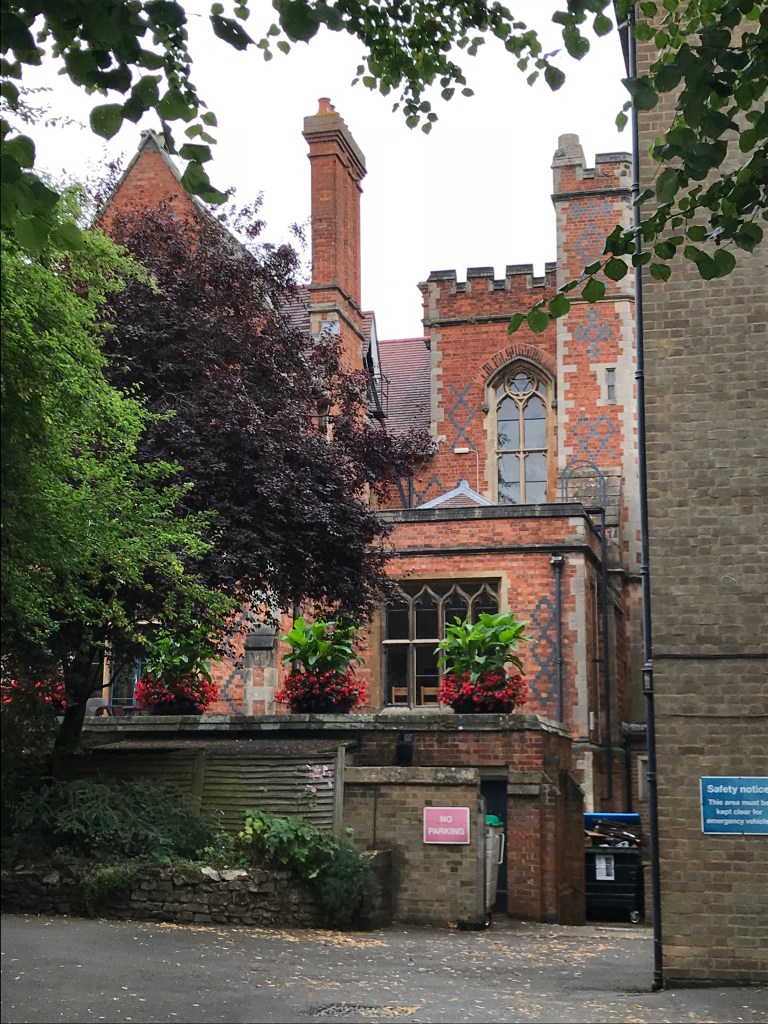
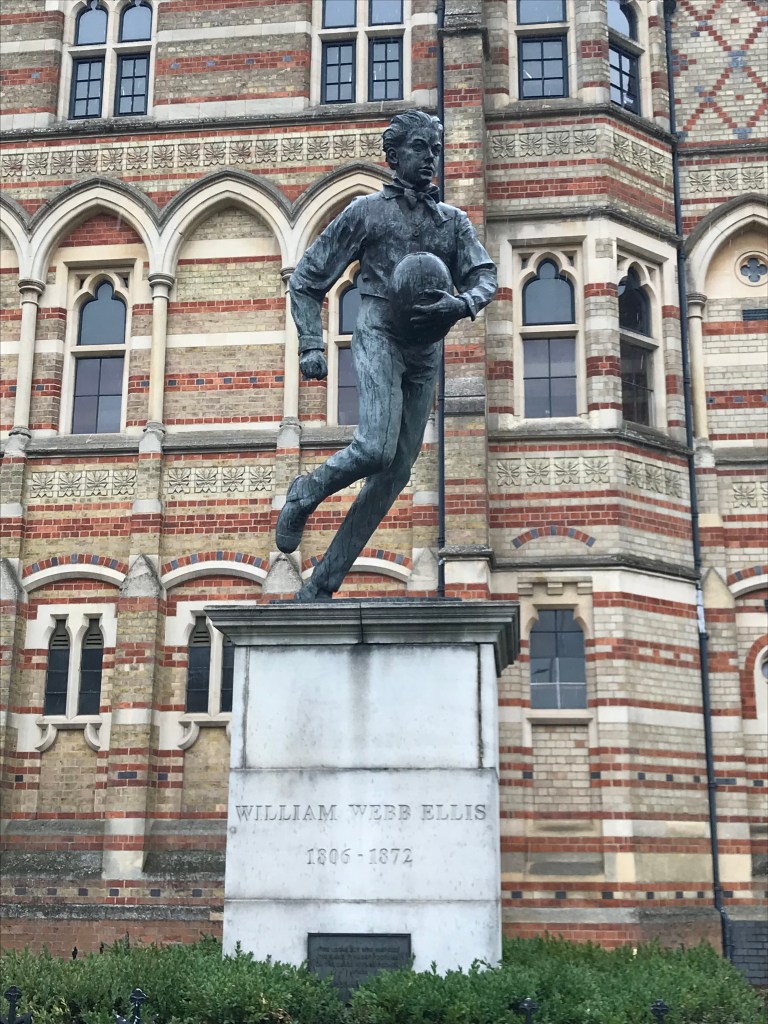
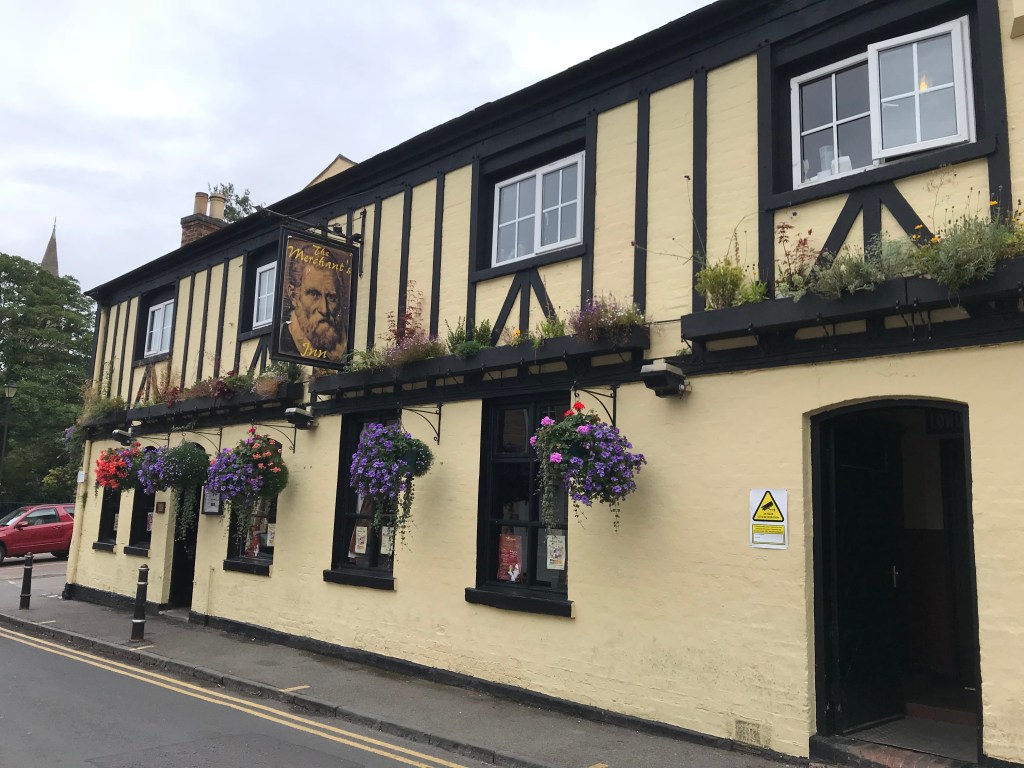
In 2019, Terence and I visited the town of Rugby in Warwickshire. This lovely town is home to Rugby School which is the birthplace of Rugby football. According to legend, Rugby football was invented in 1823 by a schoolboy from the school called William Webb Ellis.
This article about Divine Comedy by Dante Alighieri was first published in August 2018, a few weeks after I started this blog. I thought about the Divine Comedy for the first time in ages today when I listened to a terrific podcast about this magnificent poem on Tea, Toast and Trivia hosted by Rebecca Bud. You can listen to the podcast here: https://teatoasttrivia.com/2021/06/10/season-3-episode-24-liz-humphreys-on-14-weeks-with-dante-alighieri/. I decided to share an amended version of the post I originally wrote.
When my writing of Through the Nethergate led me down the path of Margaret being kidnapped by Hugh Bigod and taken to Hell in the phantom coach, I immediately thought of Dante’s Inferno, the first part of Dante Alighieri’s 14th century epic poem called Divine Comedy.
The reason I thought of The Inferno, which tells the story of Dante’s journey through Hell guided by the ancient Roman poet Virgil, is because of of its association in mind with the Hell I learned about at school.
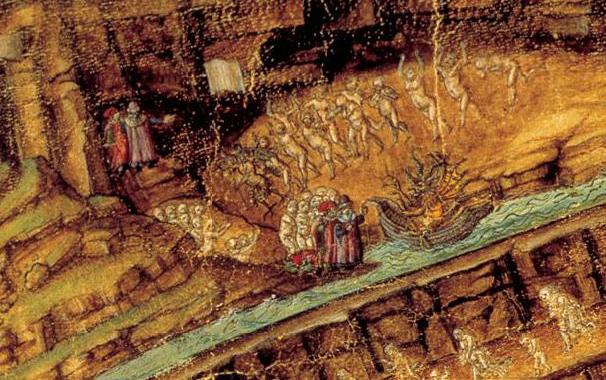
Although I had heard of Dante, I knew more about the various artworks which have illustrated the Divine Comedy than the actual poem itself. These paintings and etchings scared me to death when I was a little girl. I remember sitting and looking at my dad’s book including these pictures, eyes as big as saucers, and having nightmares afterwards.
To augment my thoughts and depictions of Hell, I looked into Dante’s descriptions and read the whole of the Inferno. I was fascinated to discover that in the Inferno, Hell is described as nine concentric circles of torment, located deep within the Earth. The poem starts with the poet lost in a dark wood where he has strayed from the right way of salvation. He attempts to climb a small mountain but his path is blocked by three beasts which he can’t circumvent. The three beasts are said to symbolize the three kinds of sin that bring the unrepentant soul into one of the three major divisions of Hell. These three categories of sin are incontinence which means lacking in moderation or self-control, especially as it relates to sexual desire, violence and bestiality and fraud and malice.
The nine concentric circles are said to infer a gradual increase in wickedness and ultimately end in the centre of the Earth where Satan is held in bondage. The poem further explains that sinners within each circle are punished for all eternity in a way that befits their particular sin with the punishments become harsher towards the centre.
In the central [ninth] circle are sinners, trapped in a large frozen lake of ice, who are guilty of treachery against others ranging from betrayal of family ties, betrayal of community ties, betrayal of guests and betrayal of lords. Trapped in the very centre of Hell is the Devil. Condemned for his ultimate sin of personal treachery against God. The Devil is described as a giant and terrifying beast trapped waist-deep in the ice. The Devil has three faces, each a different colour: red, pale yellow and black.
I thought the depth of thought and meaning in this ancient poem was incredible and have incorporated a bit of this newly found knowledge into my book, Through the Nethergate as follows:
“Who or what is the devil? Will he kill us all as we come out of the elevator?
Her fertile mind conjured up images of the devil. Dante Alighieri’s 14th-century epic poem entitled Divine Comedy came into her head. She had discovered this poem last term at school when her art teacher had shown her class the illustrations created by French illustrator Gustave Doré. These pictures had so captivated her that she had looked up the poem and found it to be equally fascinating.
She particularly enjoyed the first part when Inferno tells of Dante’s journey through Hell. She had re-read this part so many times, she knew parts of it off by heart. In the poem, Hell is depicted as nine concentric circles of torment located within the bowels of the earth.
She thought about the devil, found in the very centre of Hell, condemned for committing the ultimate sin of personal treachery against God. In the poem, the devil is a giant and terrifying beast trapped waist-deep in ice from which he cannot escape. He has three faces, each a different colour: the one on the right is a pale yellow, the one in the middle is red and the one on the left is black.
Remembered words from the poem filled Margaret’s mind:
… he had three faces: one in front bloodred;
and then another two that, just above,
the midpoint of each shoulder, joined the first;
and at the crown, all three were reattached;
the right looked somewhat yellow, somewhat white;
the left in its appearance was like those,
who come from where the Nile, descending, flows.
Margaret shuddered, her heart filled with trepidation at what she was about to see.
The doors of the elevator slid open. Hugh Bigod reached out and grasped Margaret’s wrist in a vice grip. He stepped out into the penthouse, dragging a reluctant Margaret with him.”
My ideas of Hell are very different but I thought it created a great contrast to include the more traditional thoughts and ideas as expressed by Dante too.
This is a part of my description of Hell:
“She hesitated on the threshold, gazing at the interior of the huge hall. Her stomach twisted and writhed in shock.
It was packed with row after row of cubicles. The walls were high enough to prevent any distracting exchanges or conversations between the occupants of the cubicles. The intense lighting gave the scene a clinical and sterile look, but the cubicles reminded Margaret of the multitude of six-sided cells that make up a honeycomb. There was no relief from the heat inside the building although it was not moist and oppressive.
What is this place?
Each cubicle had a nametag stating the name of its occupant in black capital letters. They were all equipped with a keyboard, computer, second screen and mouse. The glass walls of the hall were dominated by enormous screens. Each screen showed an outline map and row after row of words and figures moved up the sides of the maps.
It was not noisy, but Margaret could hear the occupants. Not voices or breathing, although it was a living sound. Again, she thought of a beehive. The underlying sound, she could sense more than hear, was like the continuous hum of worker bees as they go about their jobs, their lives dedicated to the survival of the queen.
In a beehive, each worker bee has its own role to play and everything is done in a strict pattern. The queen produces a “queen substance”, which controls the behaviour of the worker bees and keeps them together as an orderly community.
It’s the sound of souls. The sudden thought, like a lightning flash, illuminated Margaret’s mind.
There was a sense of timelessness about the scene, as if this brightly lit hall and its occupants would remain here, unchanged, for all of eternity. She had a vision of the souls, working like honey bees into perpetuity, their actions facilitating the continuous expansion of the hive and maintenance of the queen. Who is the queen bee? The possible answer caused Margaret to raise her hands to cover her eyes, blocking out the room, before her mind tumbled into a black void of horror and despair from which there would be no return.”
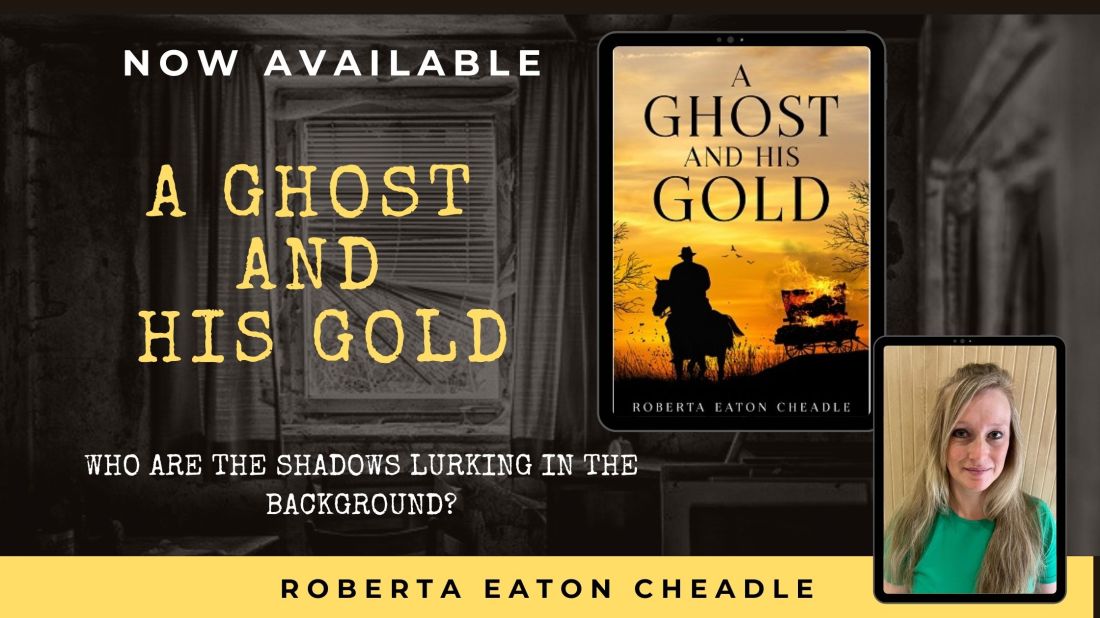
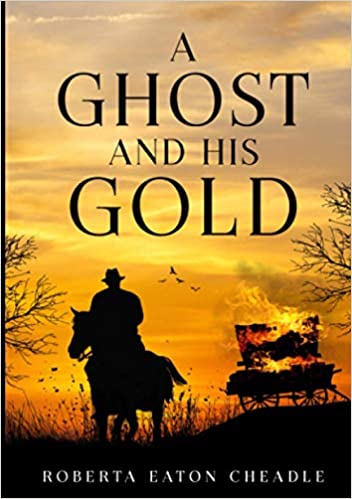
A Ghost and His Gold available as an ebook from Amazon
Thank you to Jacqui Murray from Worddreams blog for hosting me with a post about the role of women in the Second Anglo Boer War. Jacqui writes wonderful books and has a well research and fascinating series of books about early man. Do take a look around while you are there.
Robbie Cheadle’s latest book, A Ghost and his Gold, takes place during the Boer Wars, two important South African conflicts that few outside the country understand. They were between the Brits fighting for the Crown and Dutch settlers (called Boers) fighting for their way of life. The First resulted in Boer victory and the eventual independence of the South African Republic in 1884. But the discovery of gold reignited British Imperial interests and in 1899, the Second Anglo Boer War broke out. The Boer women played an important role and eventually, the British leadership realised that subduing them was the only way to a successful end to the war.
Robbie’s book takes place during the Second of these two…
The role of women in the Second Anglo Boer War
Background
At the end of the 19th century when the Second Anglo Boer War broke out, the European…




















 Background
 roberta-writes.com