Category: Uncategorized
Roberta Writes – Reblog: Treasuring Poetry – Meet poet and blogger Dwight Roth and a review
Thank you to Dwight Roth for being a wonderful guest. Thanks for hosting Kaye Lynne Booth.
Roberta Writes – d’Verse – poetics, W3, Bird of the week, and Thursday Doors
d’Verse, W3 & Bird of the week
I’ve put all three of these challenges together this week.
Dora’s d’Verse poetics challenge is something borrowed, something blue. You can join in here: https://dversepoets.com/2026/06/02/poetics-something-borrowed-something-blue/
Deanna’s W3 challenge is to include a character from a nursery rhyme. You can join in here: https://skepticskaddish.com/2026/06/03/w3-prompt-214-weave-written-weekly/
You can join in the bird of the week challenge here: https://anotherglobaleater.wordpress.com/2026/06/02/tufted-duck-birds-of-the-week-invitation-clxxi/
I have written five syllabic poems, on for each component of Dora’s challenge. Each verse includes a character from a nursery rhyme as well as a bird.
Something Old (American cinquain)
hungry
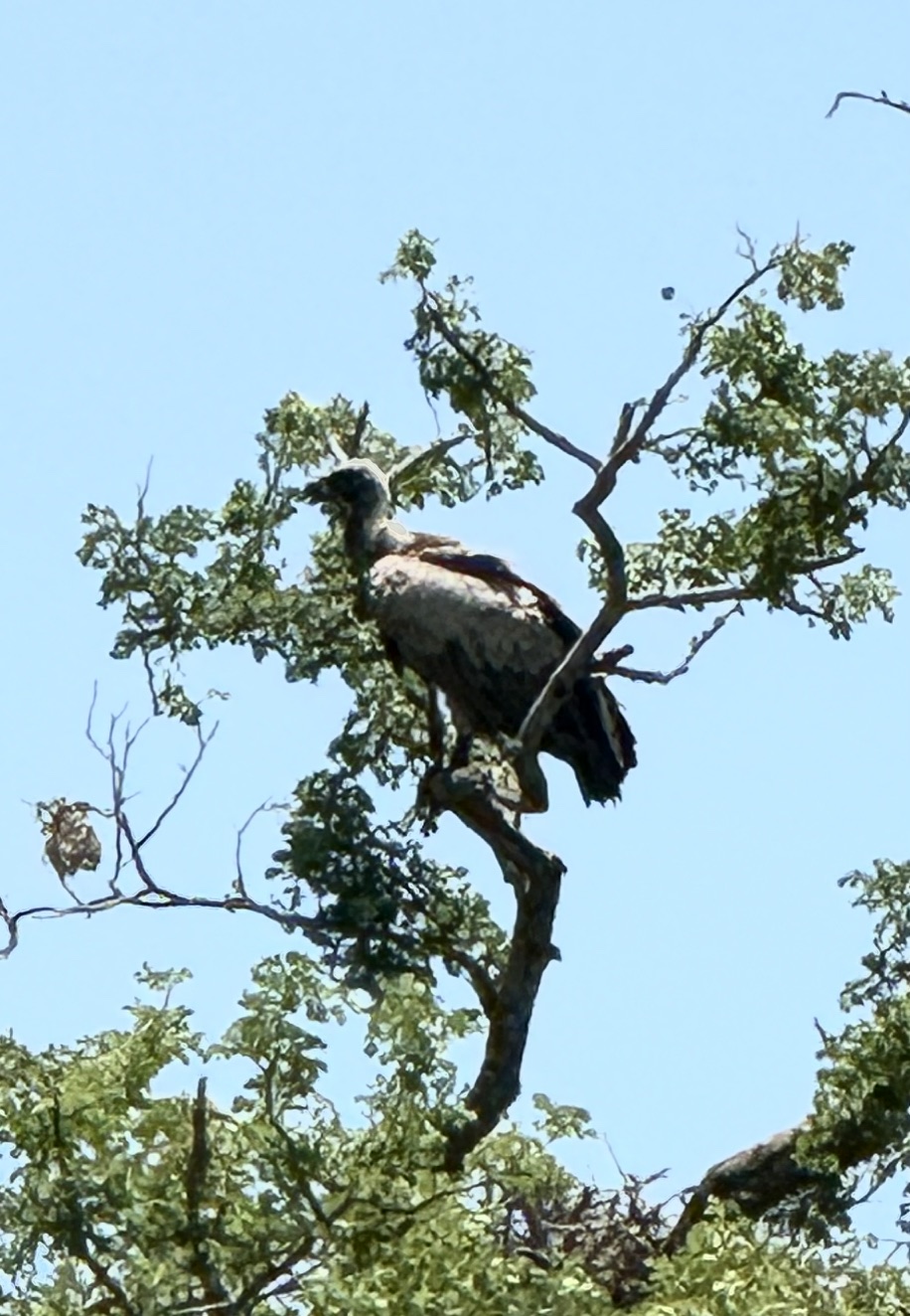
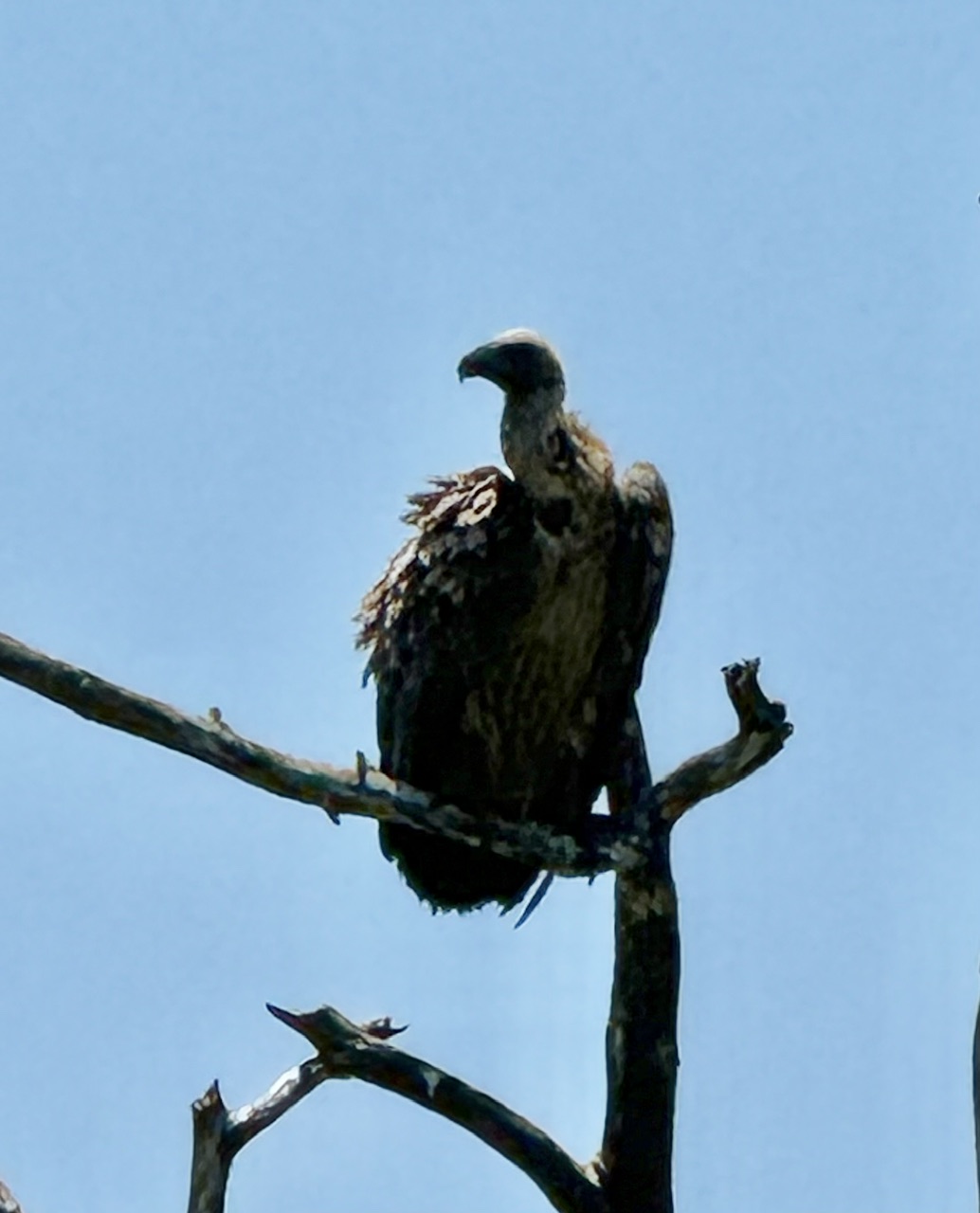
white backed vulture
Old Mother Hubbard like
searching surrounding area
for bones
Below are two of my photographs of a white backed vulture taken in the Hluhluwe National Game Reserve in Kwa-Zulu Natal, South Africa.
Something New (American cinquain)
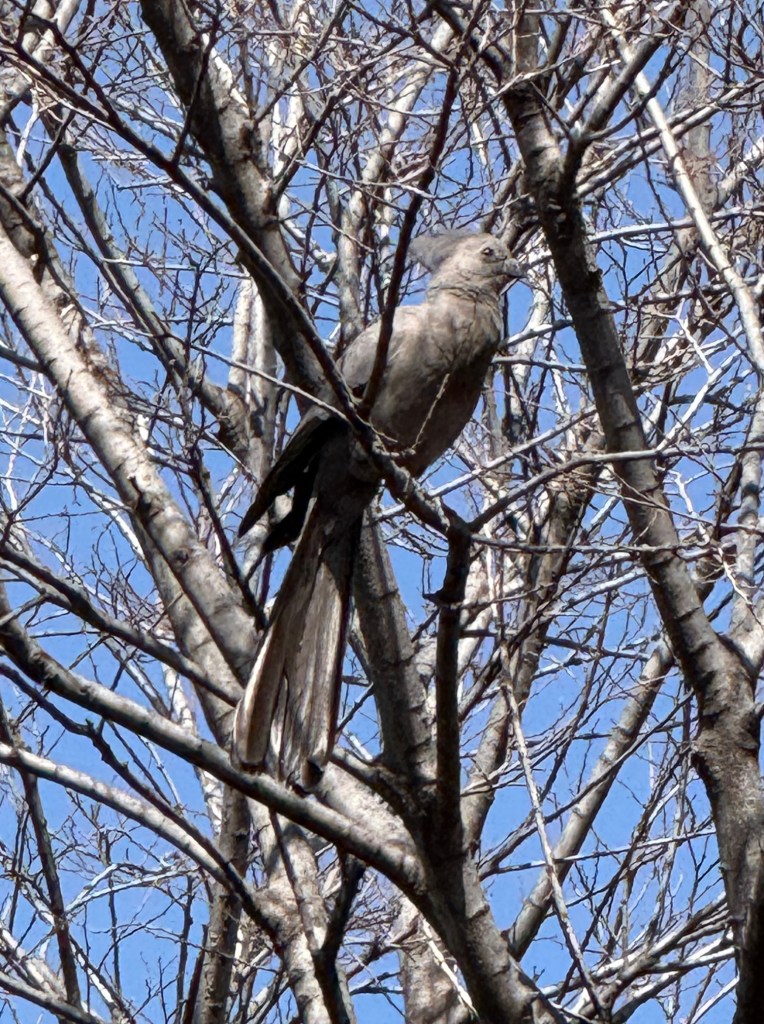
loeries
propagators
of seeds; gardeners like
Mary, Mary Quite Contrary
green birds
Something Borrowed (tanka)
greater honeyguide
lays its eggs in foreign nests
bold brood parasite
runs away like Knave of Hearts
but she bypasses capture
Something Blue (tanka)
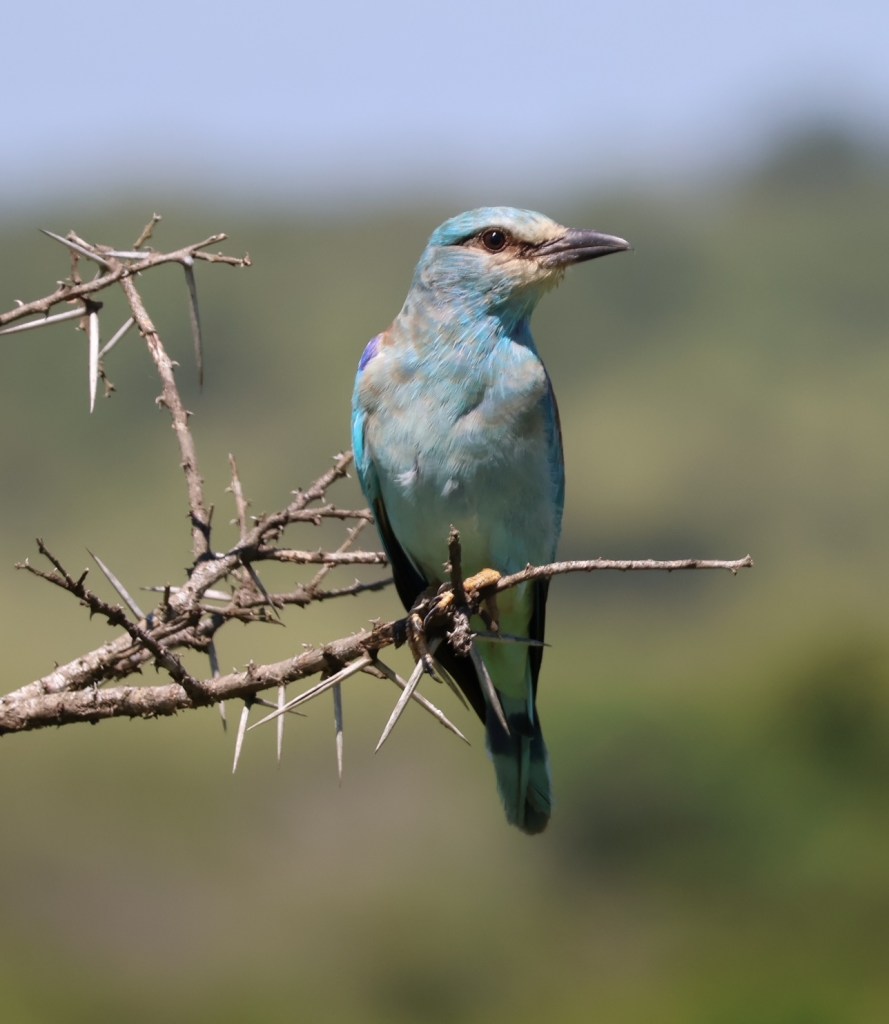
flash of brilliance
Little Boy Blue look alike
European roller
favours warm, open country
at home in meadows and fields
Sixpence in Her Shoe (shadorma)
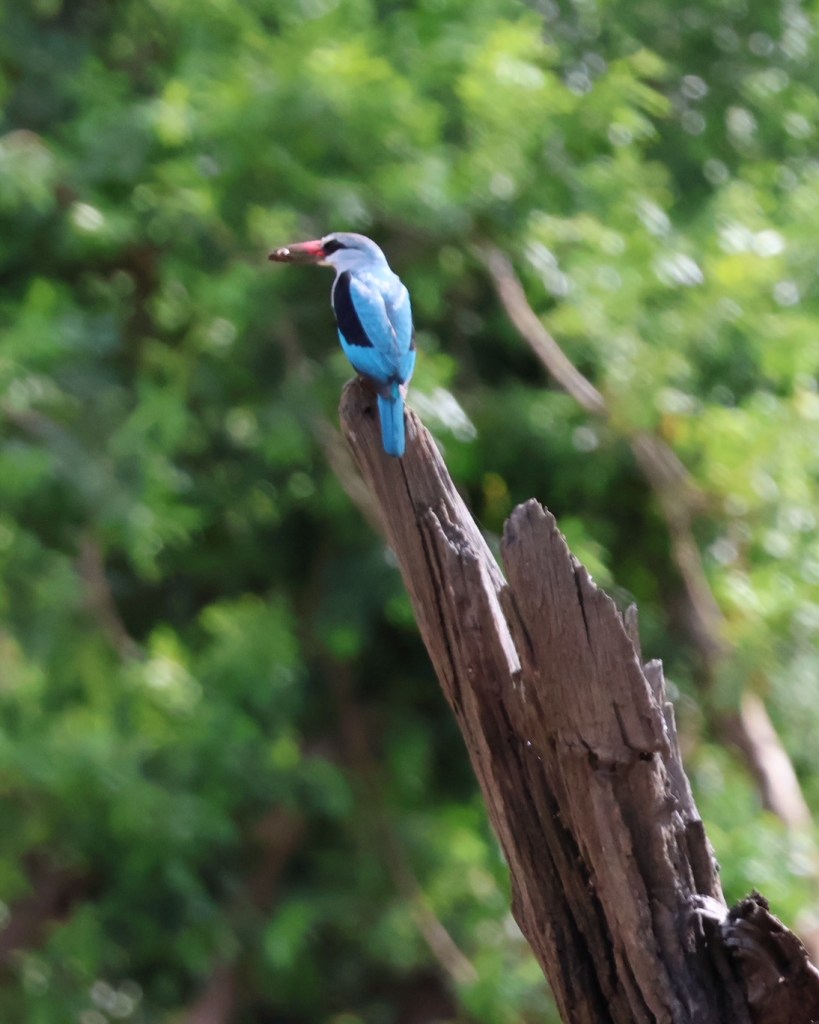
kingfisher
excavates tunnels
laying eggs
its treasure
better than a golden pear
or silver nutmeg
Thursday Doors
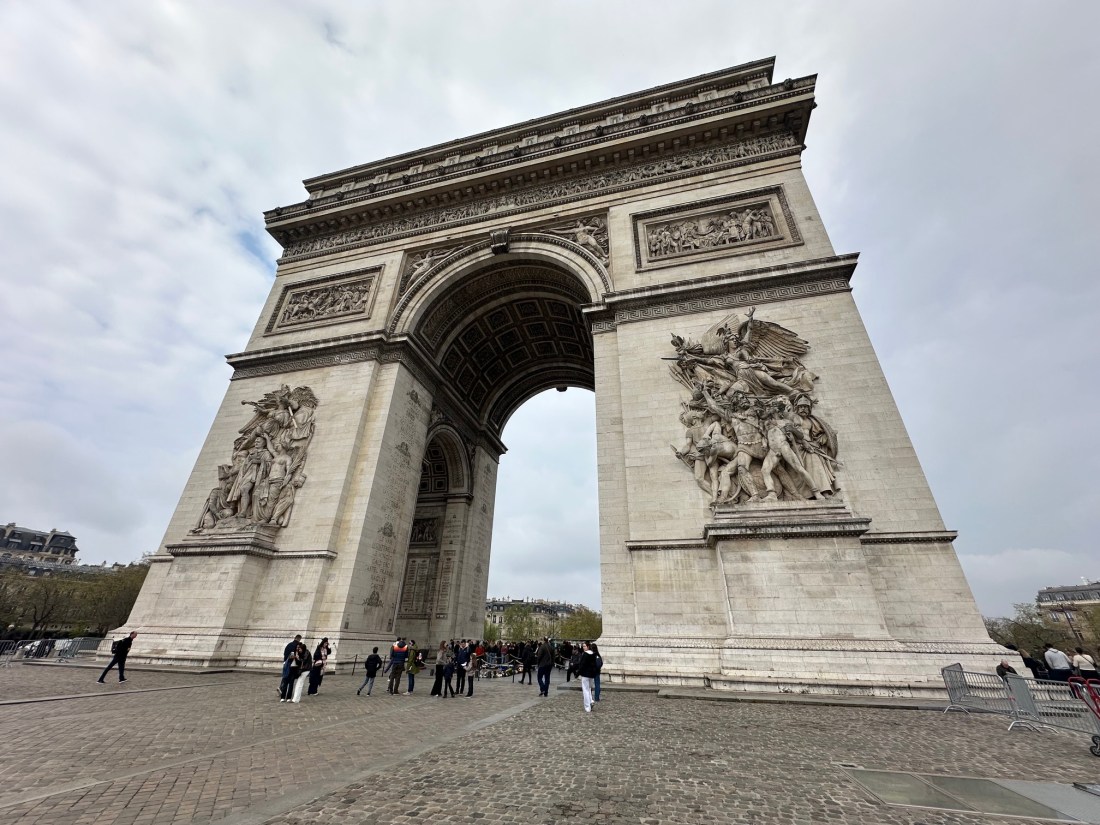
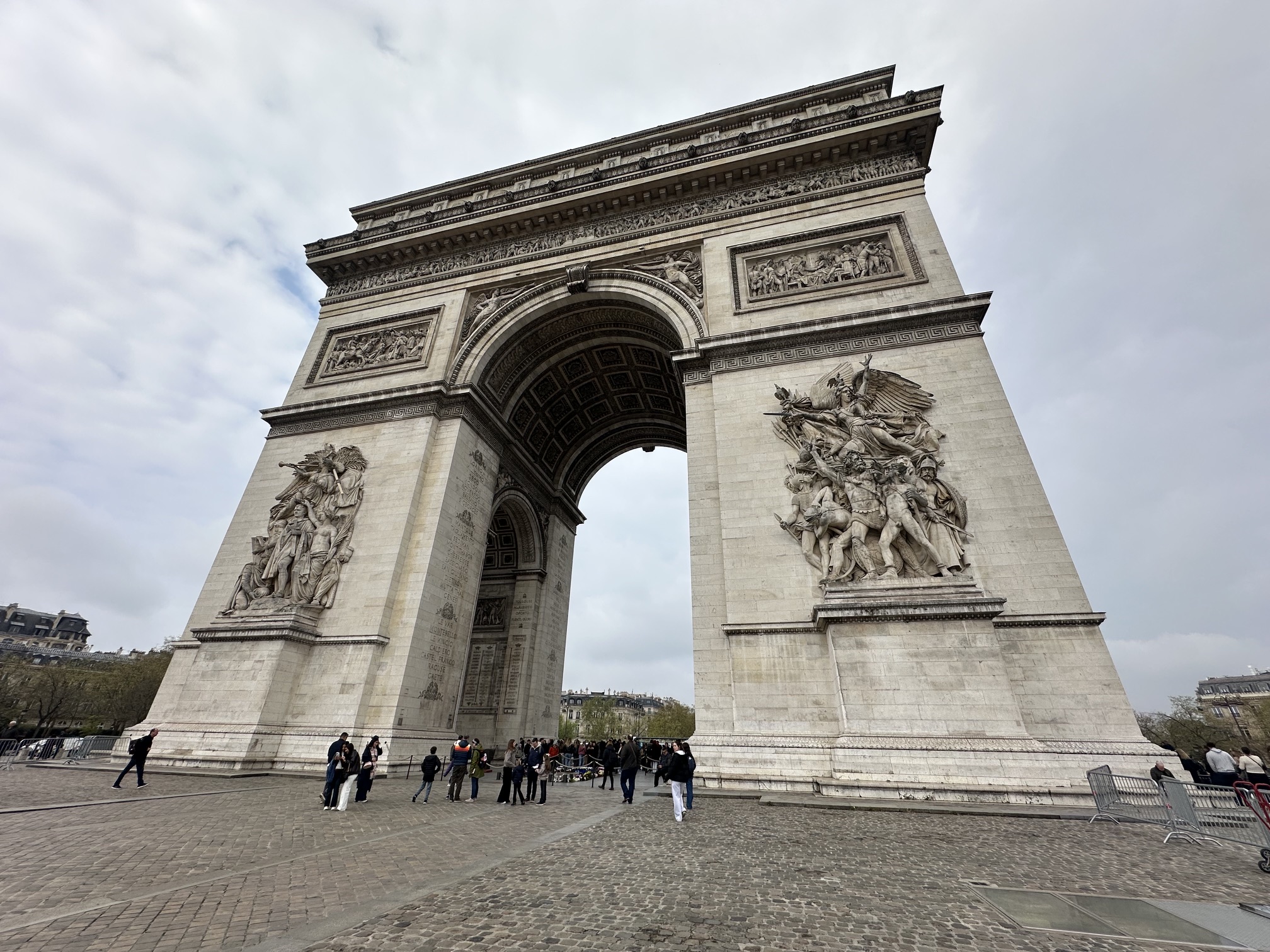
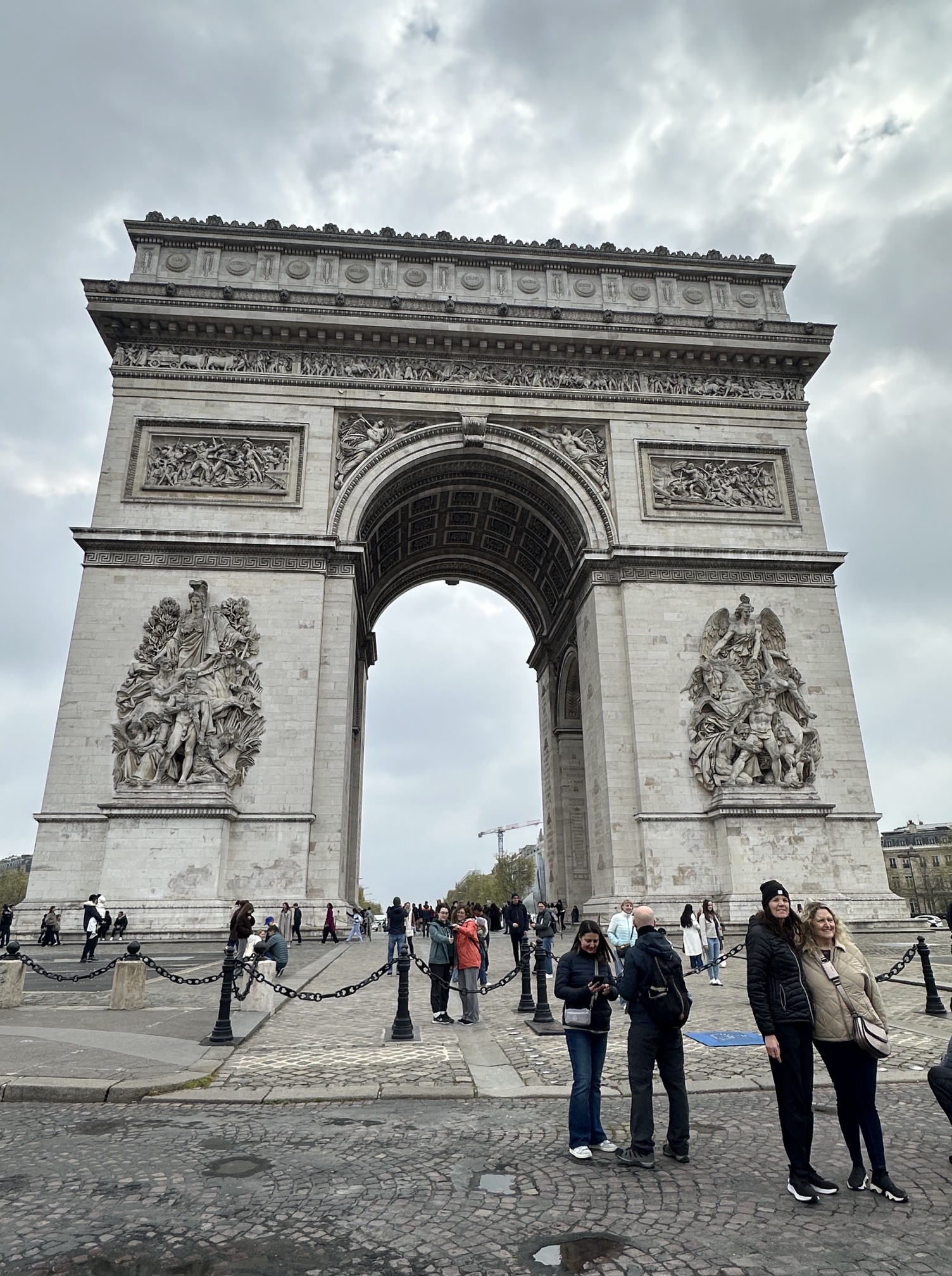
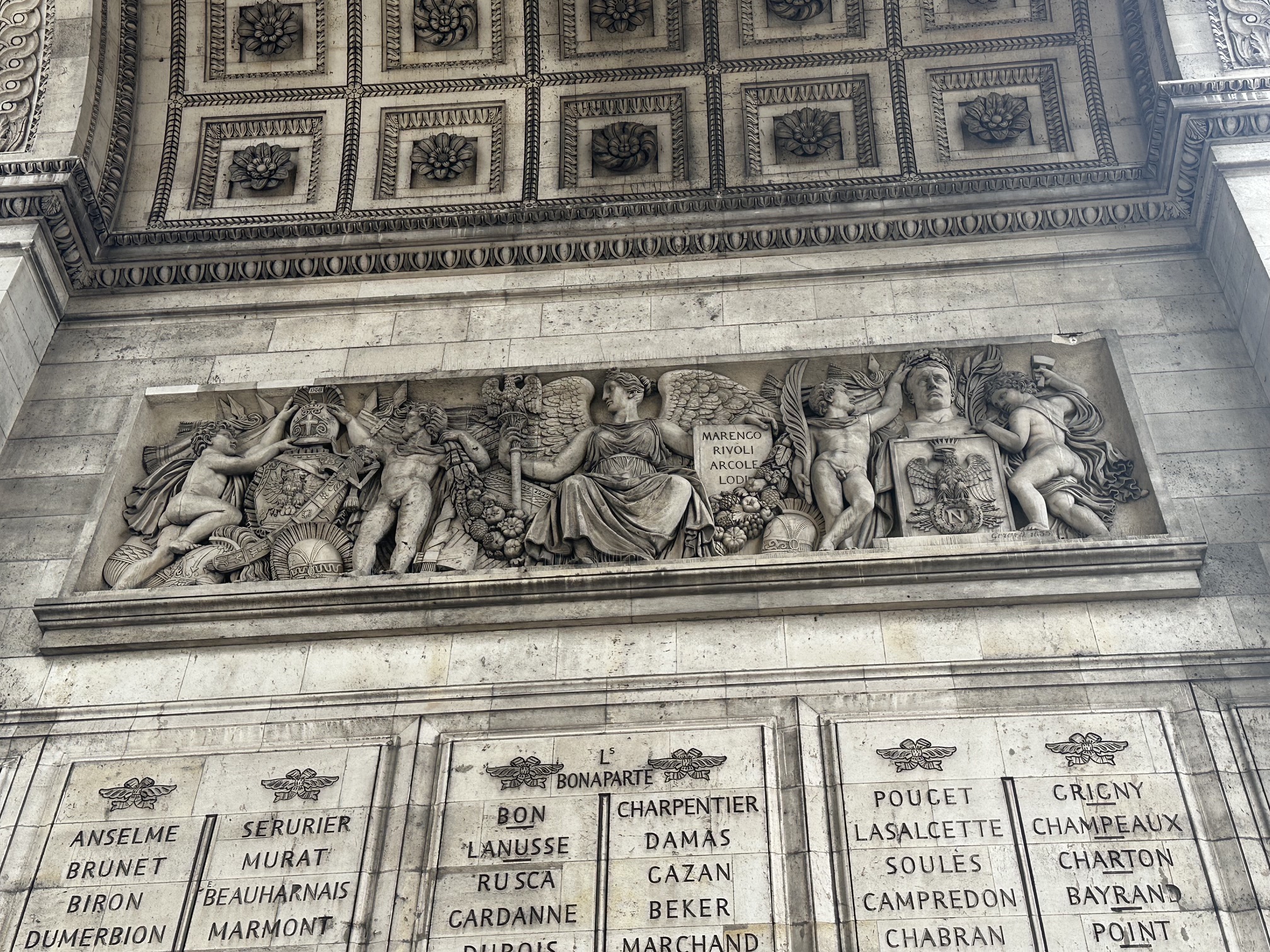
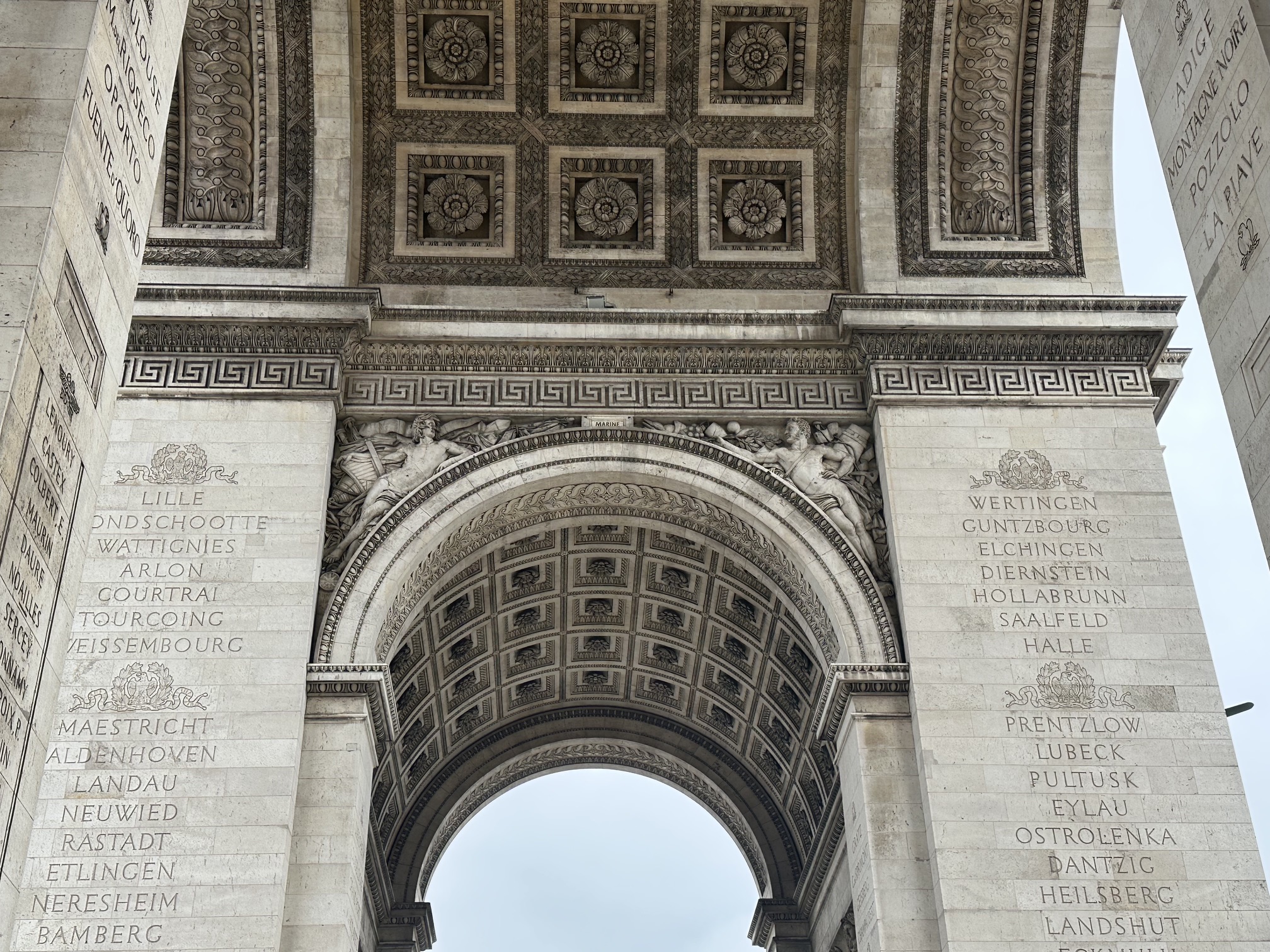
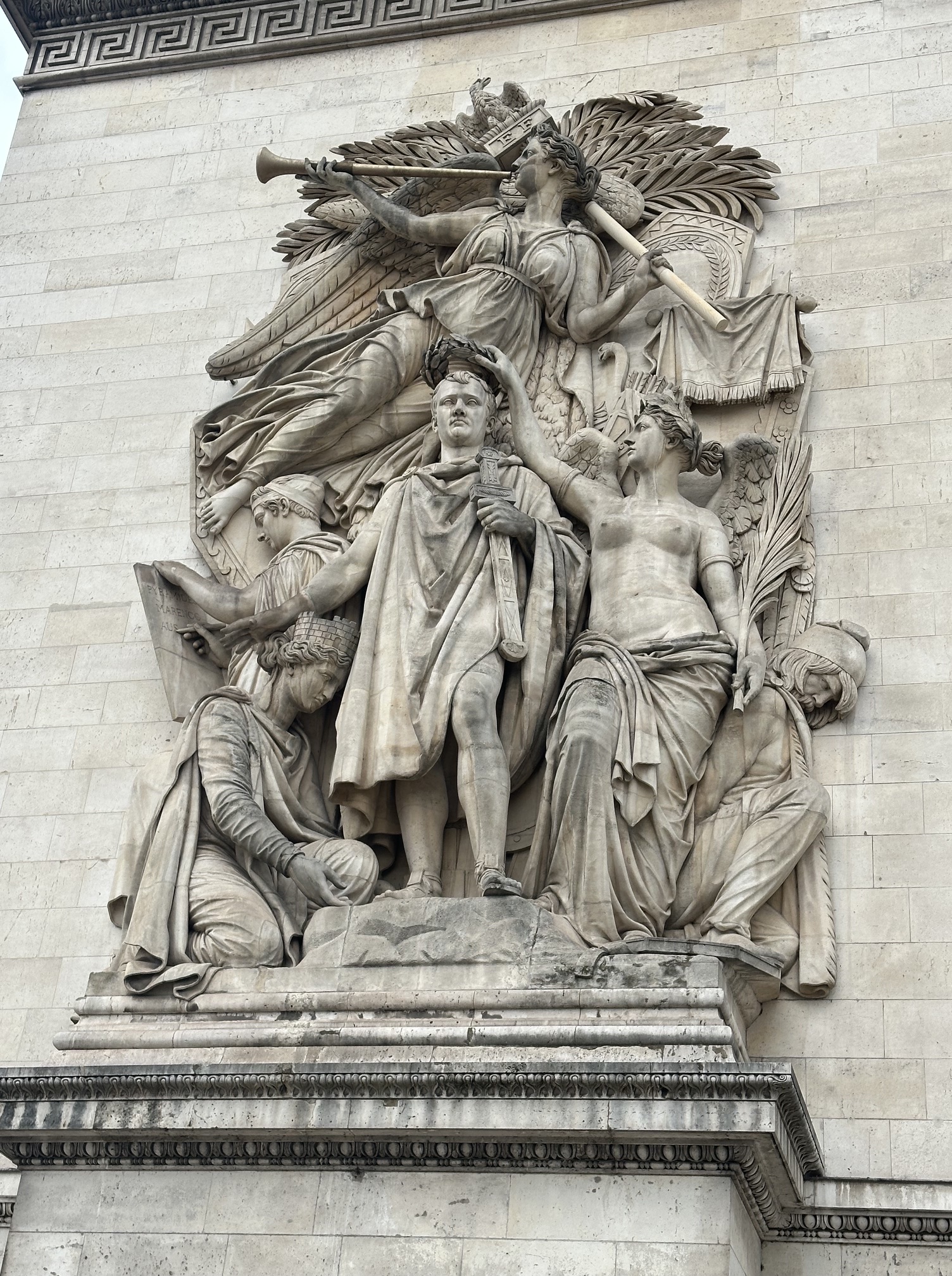
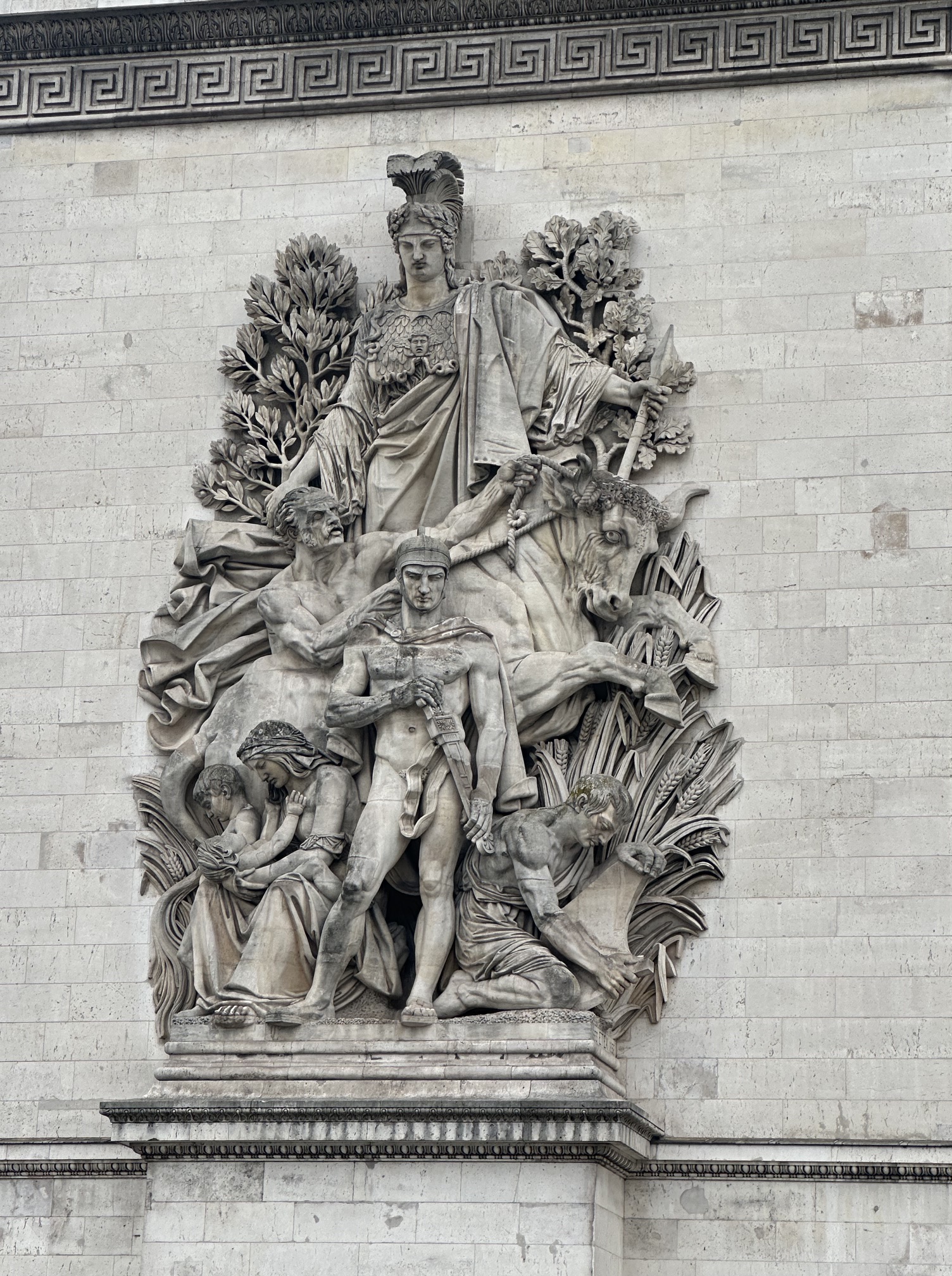
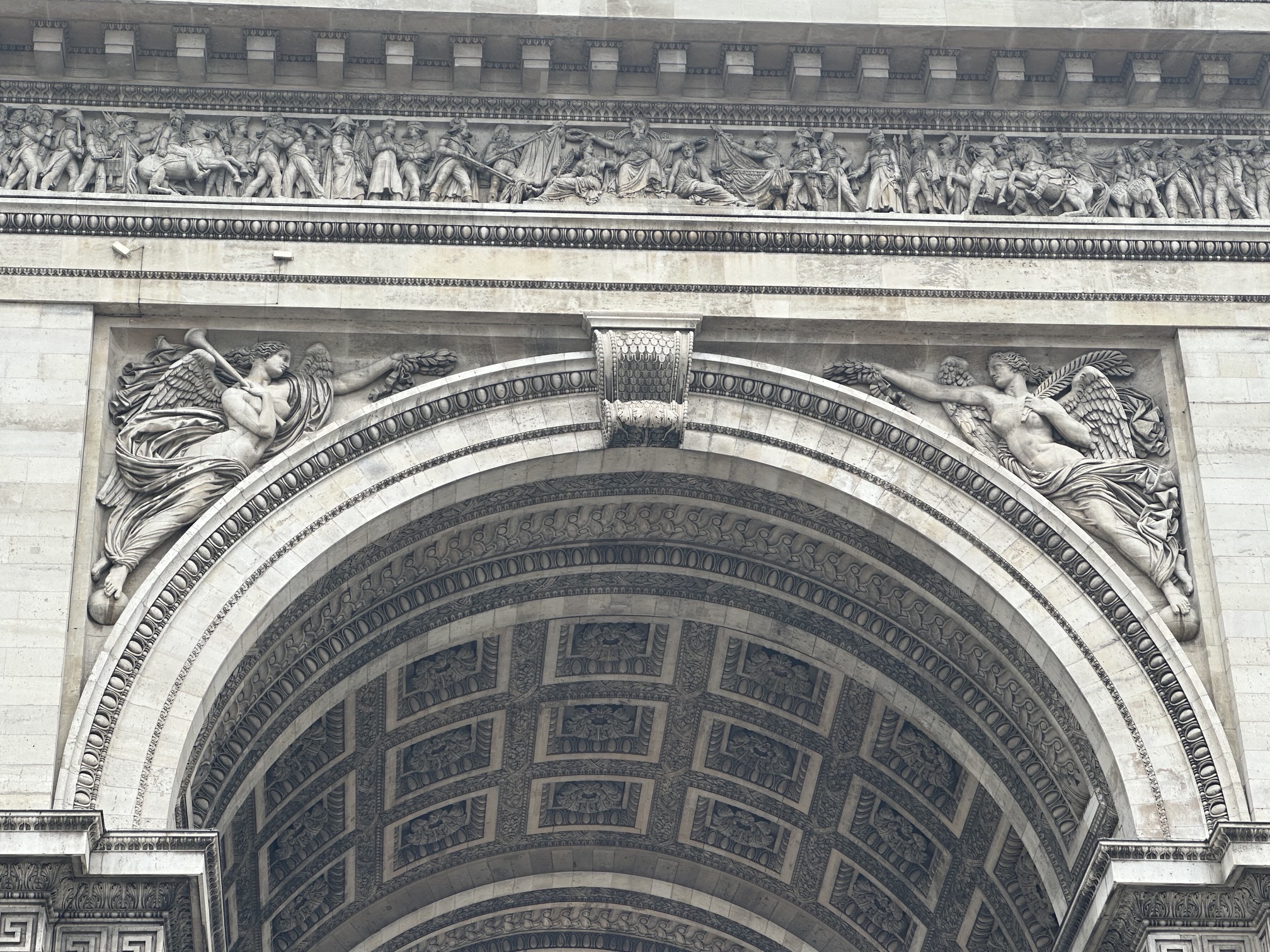
Today I’m sharing photographs of the Arc de Triomphe in Paris. You can join in Thursday Doors here:
This is what Wikipedia says about the Arc de Triomphe: https://nofacilities.com/2026/06/04/iowa-doors-2/
The Arc de Triomphe, is one of the most famous monuments in Paris, France. It is located at the western end of the Champs-Élysées, at the centre of the Place Charles de Gaulle—formerly known as the Place de l’Étoile—named for the star-shaped configuration formed by the convergence of twelve radiating avenues. The monument is situated at the intersection of three arrondissements: the 16th (to the south and west), the 17th (to the north), and the 8th (to the east). Commissioned to honor those who fought and died for France during the French Revolutionary and Napoleonic Wars, the Arc bears the names of French victories and generals engraved on its inner and outer surfaces. Beneath its vault lies the Tomb of the Unknown Soldier from World War I, marked by an eternal flame commemorating unidentified fallen soldiers.

Roberta Writes – Reblog: Photography – Jackpot: Boats and Ships
In Touch with Nature – The Animal Performance, a song parody of Cabaret
Thanks for Kaye Lynne Booth for hosting this post.
It is my grand finale for Dan Antion’s TDWC26 which you can join here: https://nofacilities.com/thursday-doors-writing-challenge-2026/
Roberta Writes – Book Blog Tour: The Dark Horse Waits in Boulder by Lindsey Martin- Bowen
Introduction
Today I’m delighted to welcome poet and author Lindsey Martin-Bowen to Roberta Writes. Lindsey is showcasing her latest book, The Dark Horse Waits in Boulder, a romantic comedy.
The Giveaway
We’re giving away three digital copies of The Dark Horse Waits in Boulder in a random giveaway.
Leave a comment to enter.
Opportunity for an entry at every stop.
Tour Schedule
Mon. 5/11 – “Inspirational backgrounds for The Dark Horse Waits in Boulder”
Post – Poetry by Mich: Hotel by Masticadores: Masticadores Phillipines:
Tues. 5/12 – “Phase Two – Sunny-Side Up” Reading – Roberta Writes:
Wed. 5/13 – “Charli’s Character” Post – Carla Loves to Read:
Thurs. 5/14 – “Phase Fourteen – Let Me Know the Way” Reading – Patty’s Worlds:
Fri. 5/15 – “About the Dark Horse (the black stallion with blue eyes)” Post – Writing to be Read
About The Dark Horse Waits in Boulder
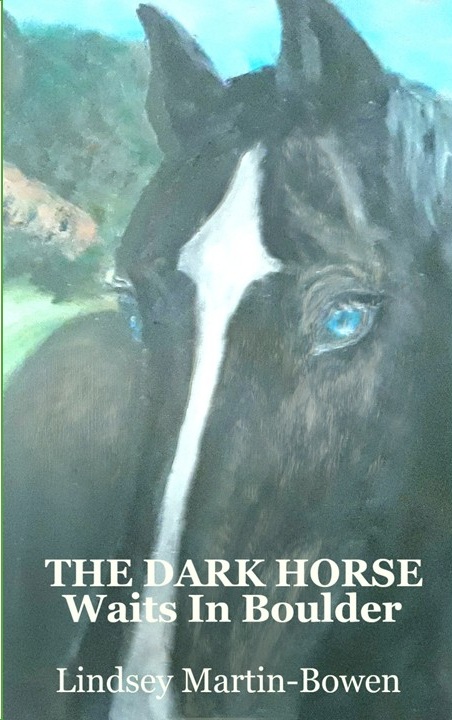
Recently divorced Charli Erickson arrives in Boulder, Colorado during the 1970s—a wild time for that city—where she hopes to develop her “rock poet” talent and find the perfect mate. Instead, she links up with the imperfect Ched Lyons, a Boulder native who leads her in a multitude of adventures, including scaling a mountain and a 1,200-mile motorcycle ride to southeastern Utah. While she intermittently envisions a black stallion with blue eyes, who puzzles and enchants her, she also strives to make sense of its appearance.
Through Charli’s snarky humor recounting her tales, readers will enjoy this Rom-Com doubling as a woman’s adventure story and may relate to scenes from the wild, zany era that followed the serious, revolutionary 1960s.
Purchase Link: https://books2read.com/The-Dark-Horse-Waits-in-Boulder
Reading: Phase Two – Sunny-Side Up
About Lindsey Martin-Bowen
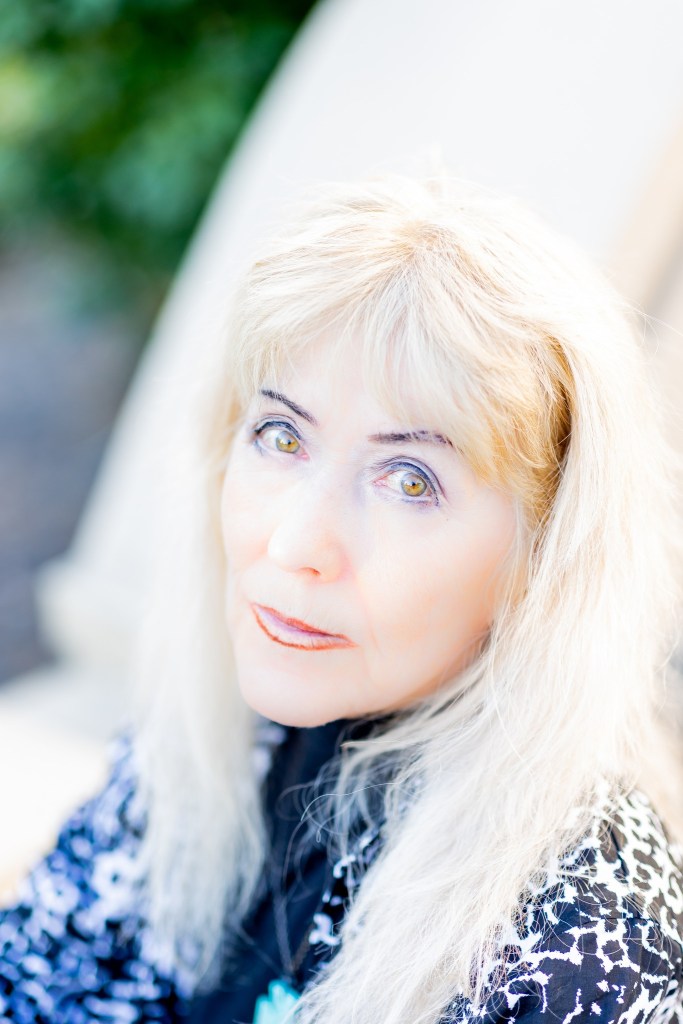
On Halloween 2023, redbat books released Lindsey Martin-Bowen’s 7th poetry collection, CASHING CHECKS with Jim Morrison. Her 4 th collection, Where Water Meets the Rock, was nominated for a Pulitzer; her 3rd, CROSSING KANSAS with Jim Morrison was a finalist in the QuillsEdge Press 2015-2016 Contest. In 2017, it won the Kansas Writers Assn award, “Looks Like a Million.” Writer’s Digest gave her “Vegetable Linguistics” an Honorable Mention in its 85th Annual (2017) Contest. Her Inside Virgil’s Garage (Chatter House Press 2013) was a runner-up in the 2015 Nelson Poetry Book Award. McClatchy Newspapers named her Standing on the Edge of the World (Woodley Press/Washburn University) was one of the Ten Top Poetry Books of 2008. It was nominated for a Pen Award.
Book your WordCrafter Book Blog Tour today!
Roberta Writes – Reblog: Art Quiz – The Impressionists
Roberta Writes – d’Verse, Tanka Tuesday, Thursday Doors, CFFC, and The Flower Hour
d’Verse, a quadrille
Punam’s d’Verse challenge is to write a quadrille about digging. You can join in here: https://dversepoets.com/2026/04/20/quadrille-246-lets-get-digging/
Digging for Victory
World War Two
Opportunity for women
To demonstrate their worth
Operating heavy machinery
Working as blacksmiths,
welders, pipefitters, and masons
Driving trucks and ambulances
Serving in the navy and air force
Growing crops and caring for animals
Land Girls, digging their way to victory
Tanka Tuesday
Yvette’s challenge is to write a syllabic poem about sisterly love. You can join in here: https://tankatuesday.com/2026/04/21/tankatuesday-poetry-challenge-no-61-sisterly-love-04-21-26/
I’ve written a rensaku poem.
Poor Dad
poor Dad, five females
all talking and giggling
sharing is caring
usually at the same time
high pitched chatter
***
all eager to please
baking challenges galore
father chief taster
but, he mustn’t put on weight
poor Dad, five females
***
phone always ringing
chittering and chattering
boyfriends and girlfriends
parties and socials
poor Dad, five females
***
clothes on the floor
wet knickers and pantihose
hanging in bathroom
makeup stains on the carpet
poor Dad, five females
***
sick in hospital
poor Dad, five females
visit, plump up his pillows
bring sweets, crisps, and fizzy drinks
drive nurses crazy
Thursday Doors, CFFC – View From a Bridge, The Flower Hour
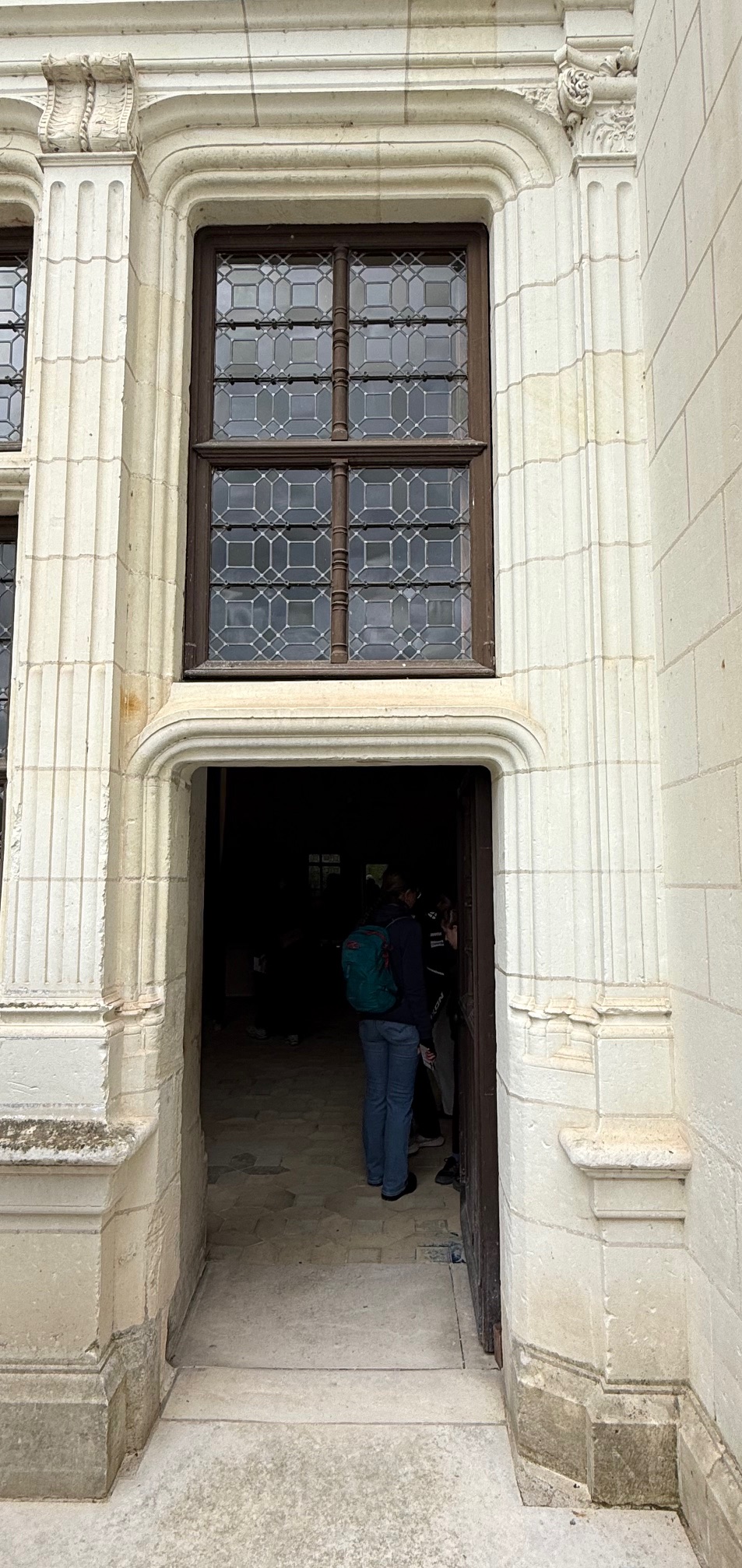
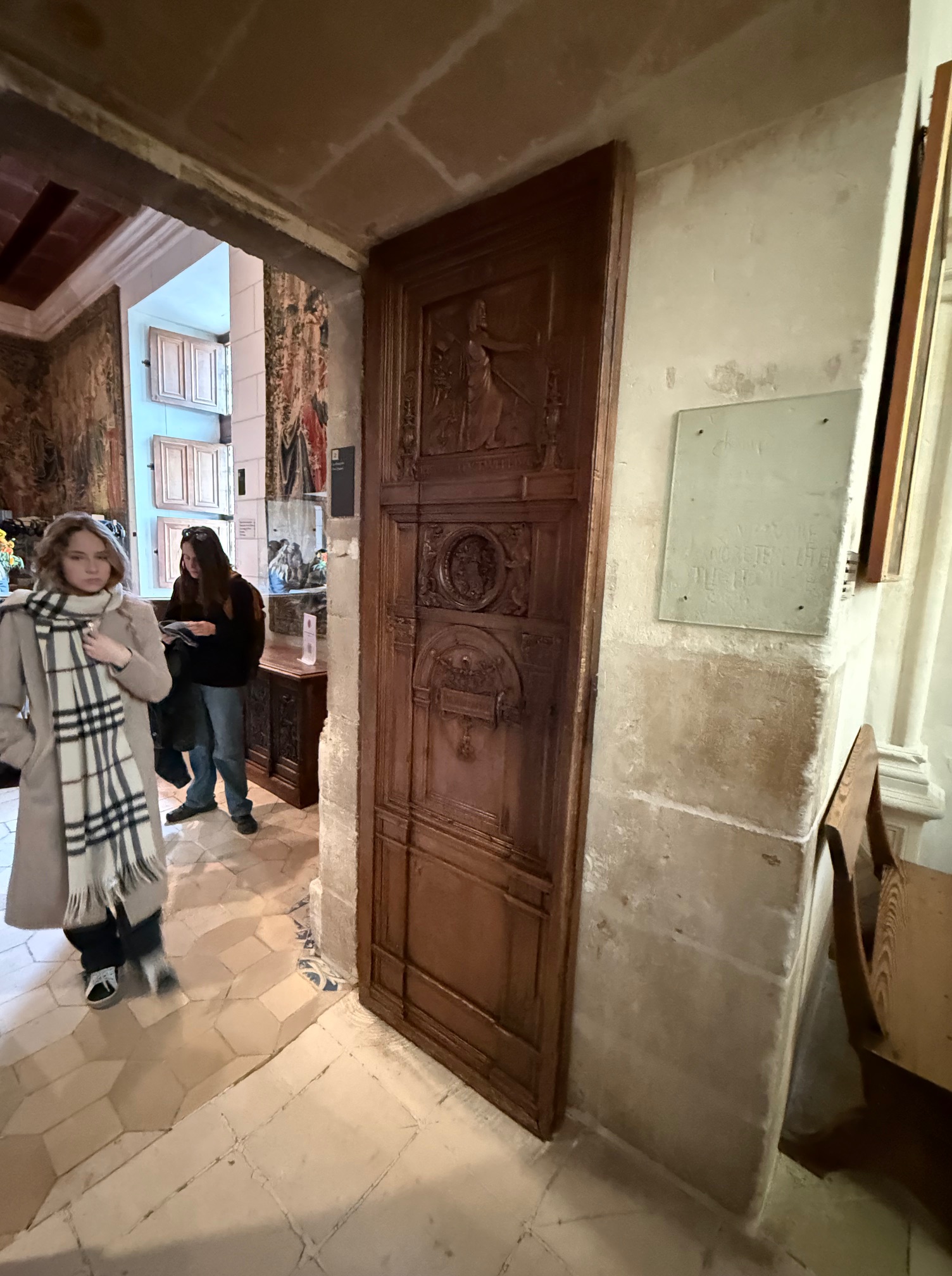
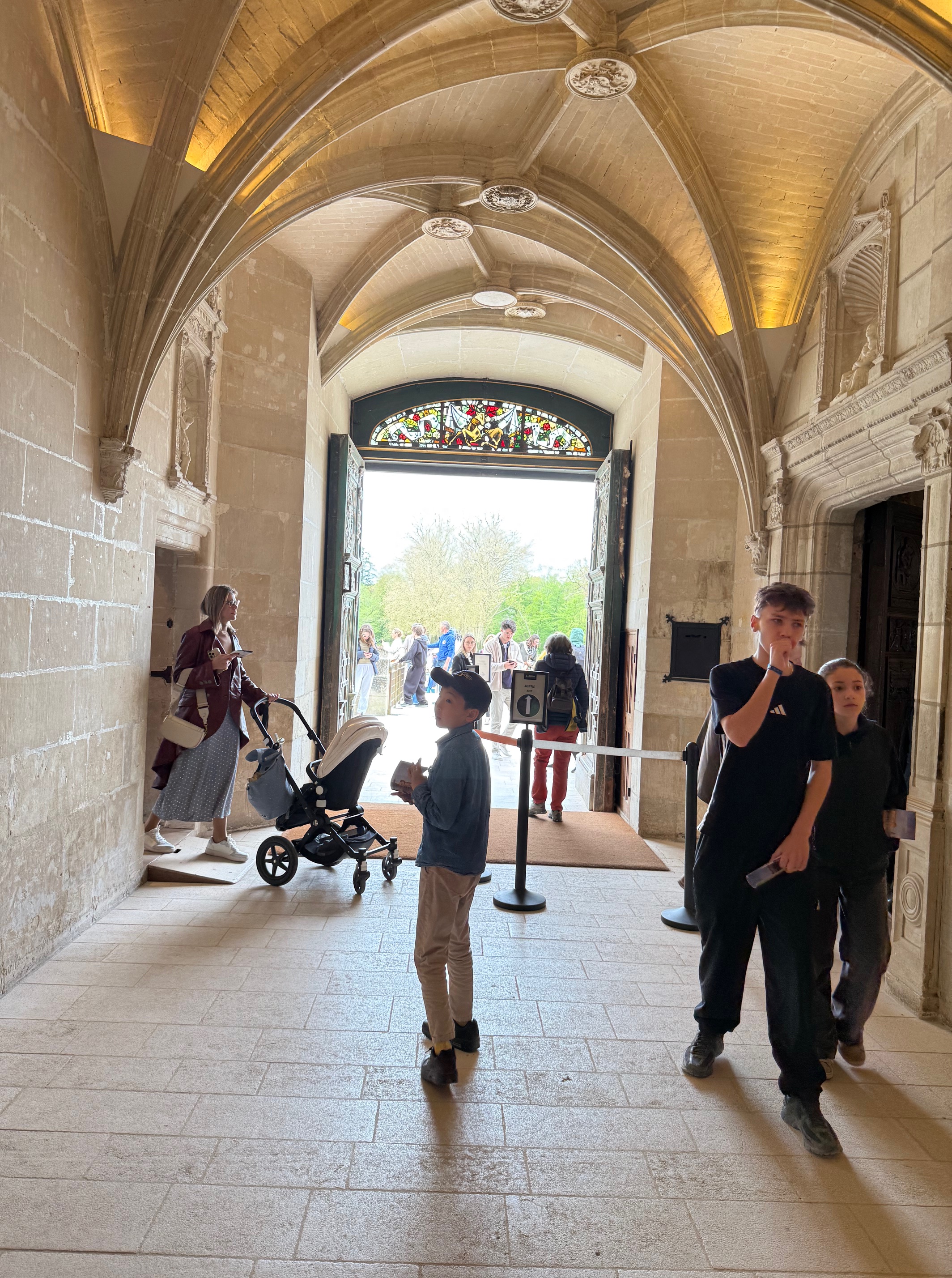
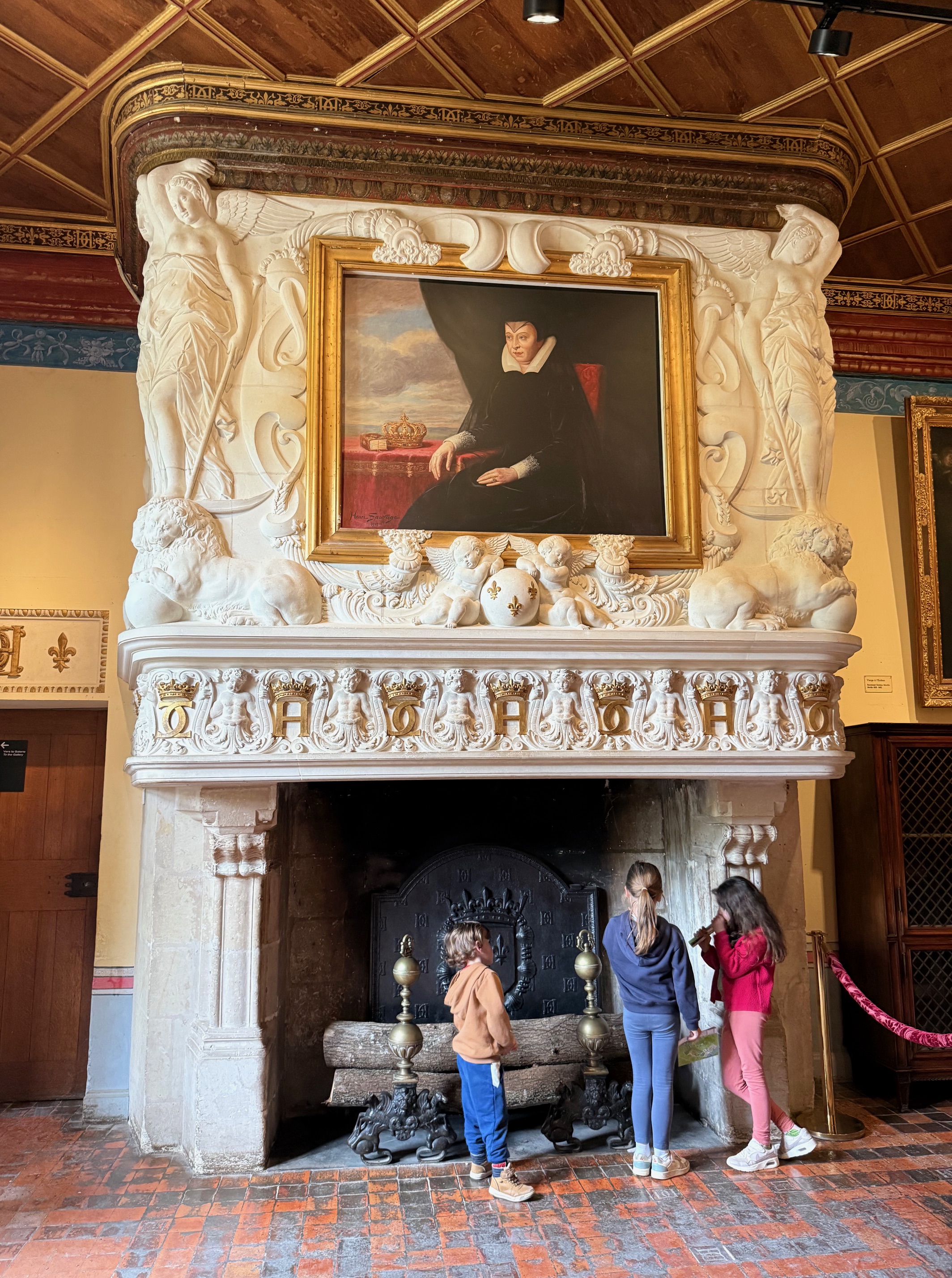
For Thursday Doors, I am continuing the virtual tour of Chateau de Chenonceau in Loire Valley France. The photographs are from inside the Chateau. You can join in Thursday Doors here: https://nofacilities.com/2026/04/23/the-carnegie-carnegie/
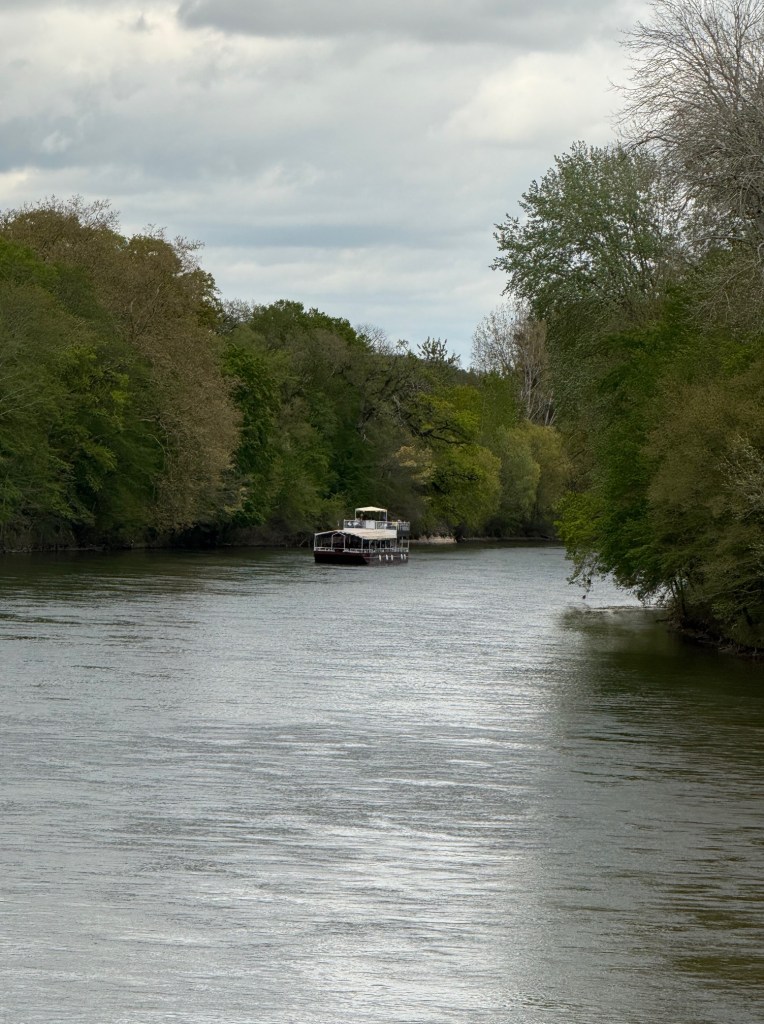
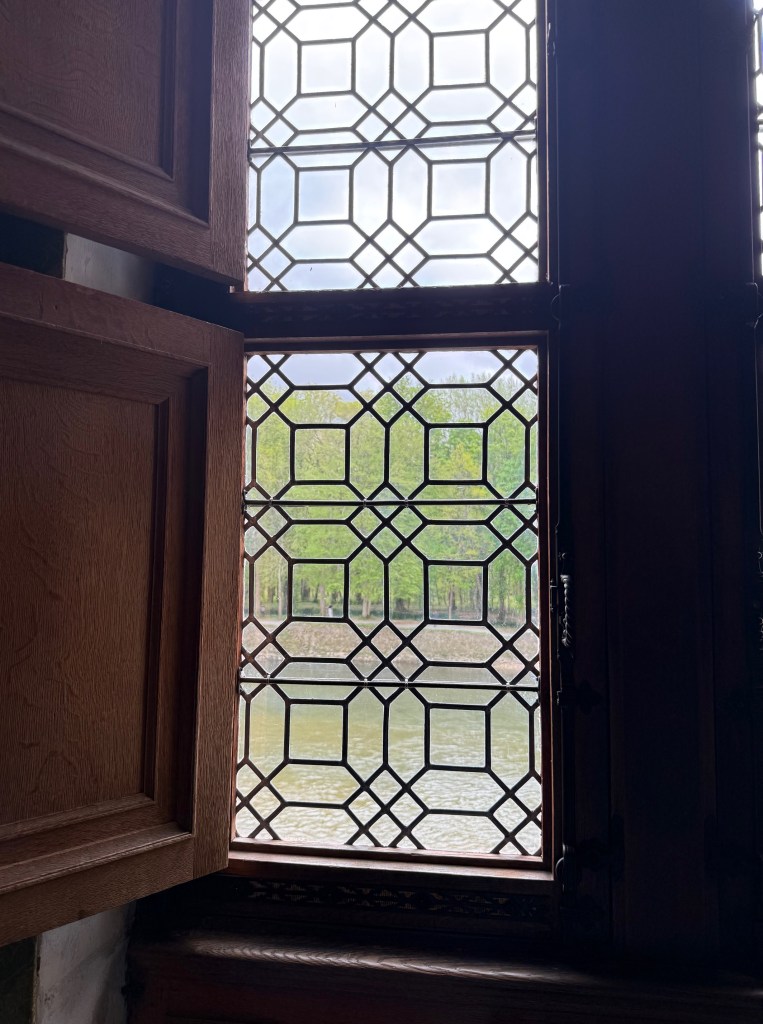
For View From a Bridge, I am sharing some pictures of the River Cher from the bridge that forms part of Chateau de Chenonceau. You can join in CFFC here: https://nofacilities.com/2026/04/20/view-from-a-bridge-or-elevated-walkway-cffc/
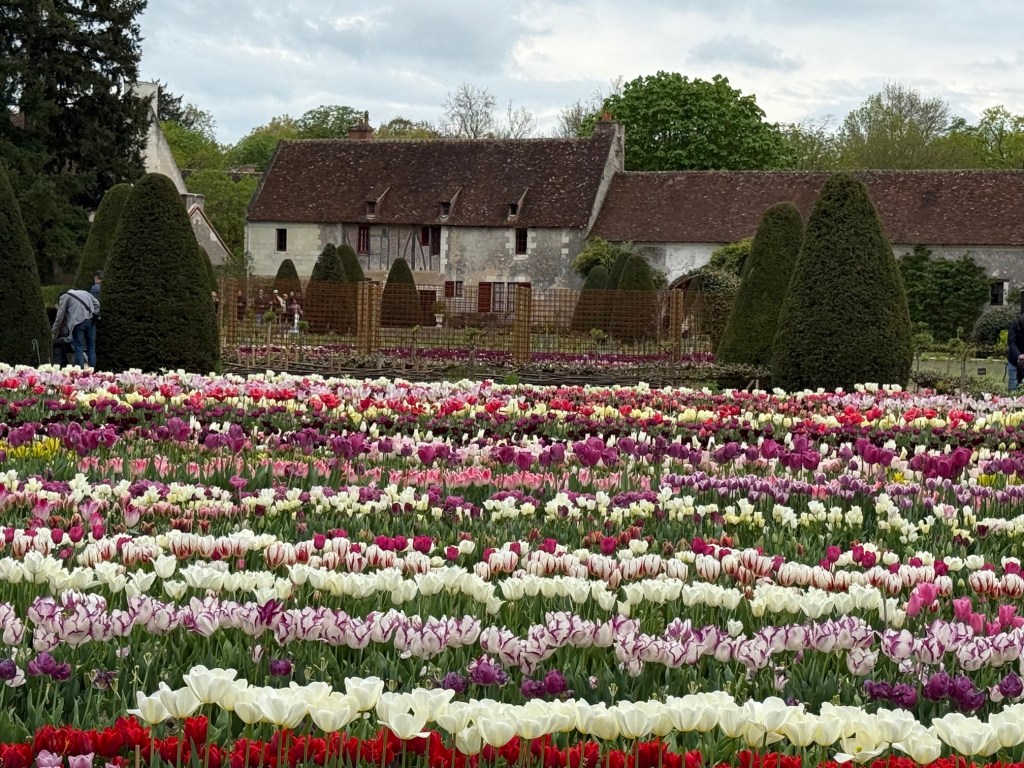
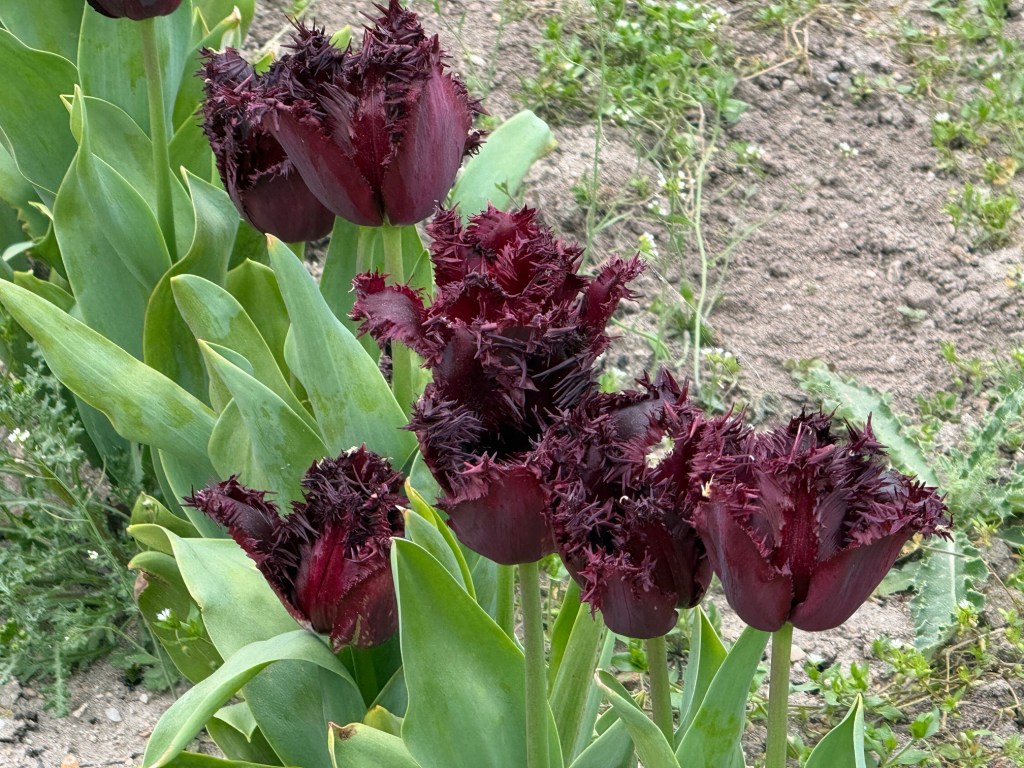
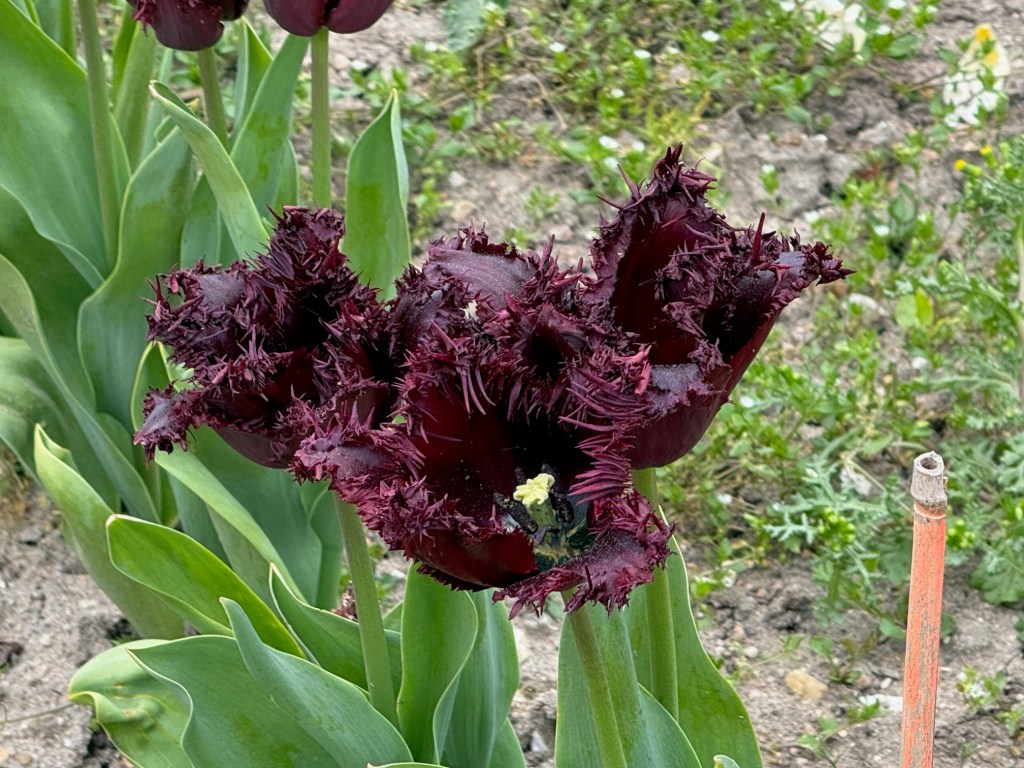
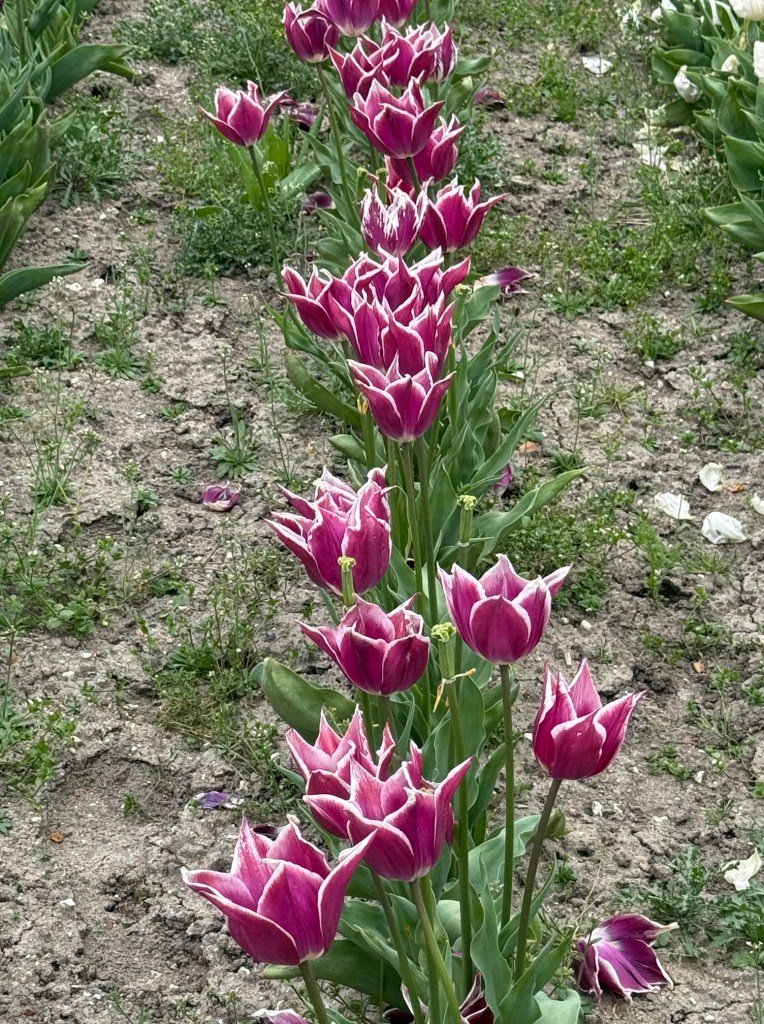
I am sharing more flowers from the garden for Terri’s The Flower Hour which you can join here: https://secondwindleisure.com/2026/04/21/the-flower-hour-27-daffodils-celebrate-earth-day/
Interior doors inside Chateau de Chenonceau
Interesting household articles
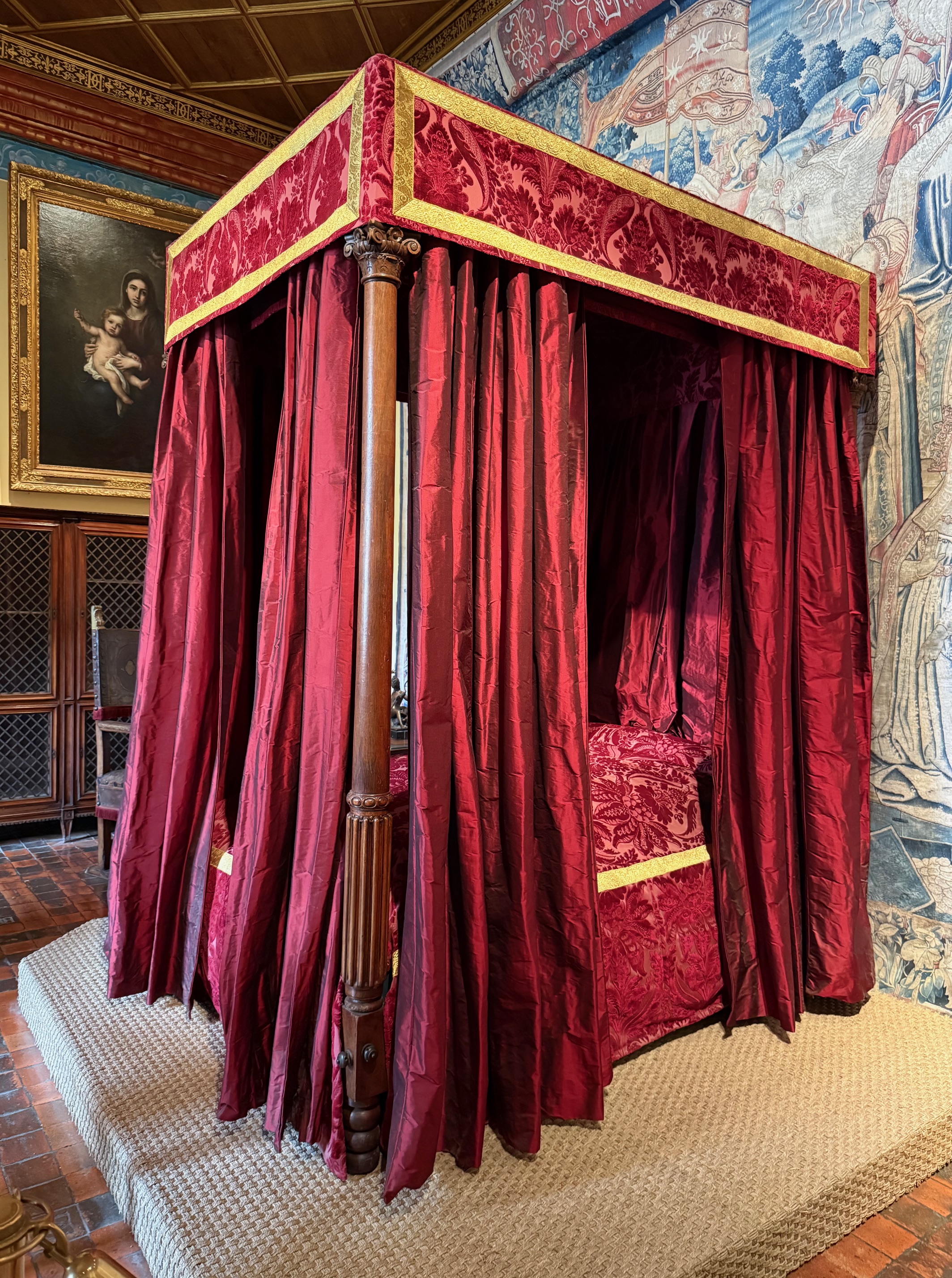
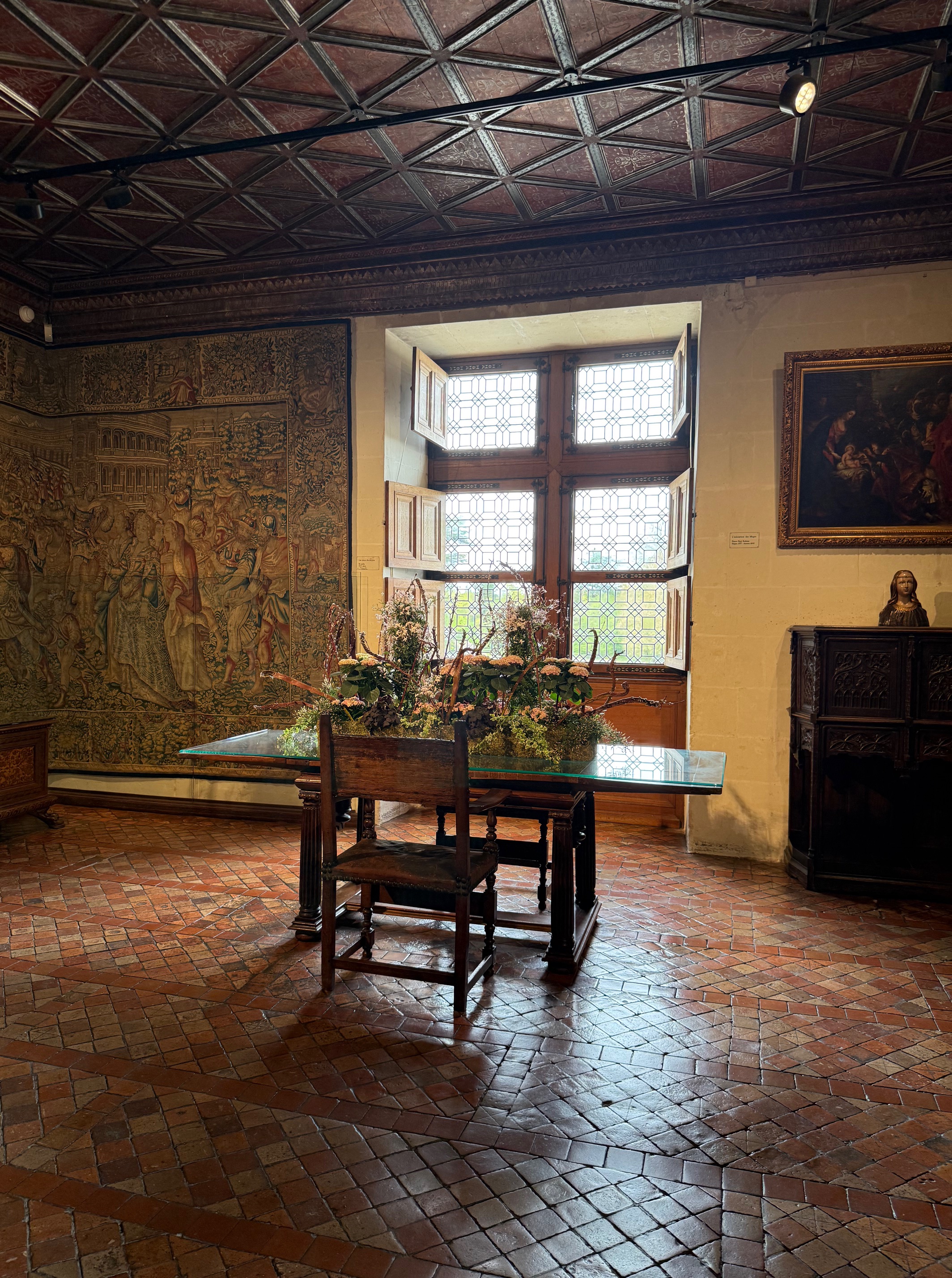
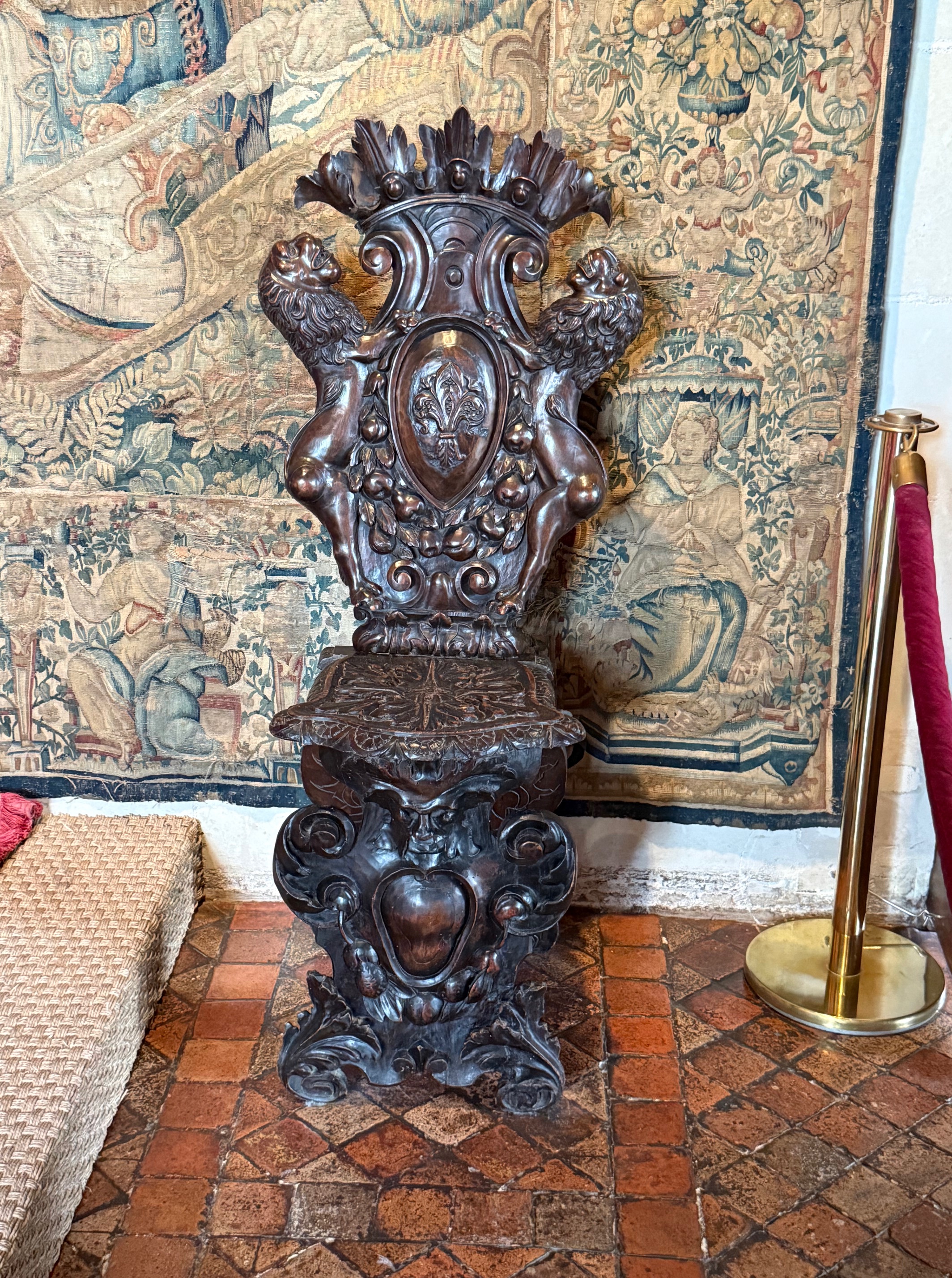
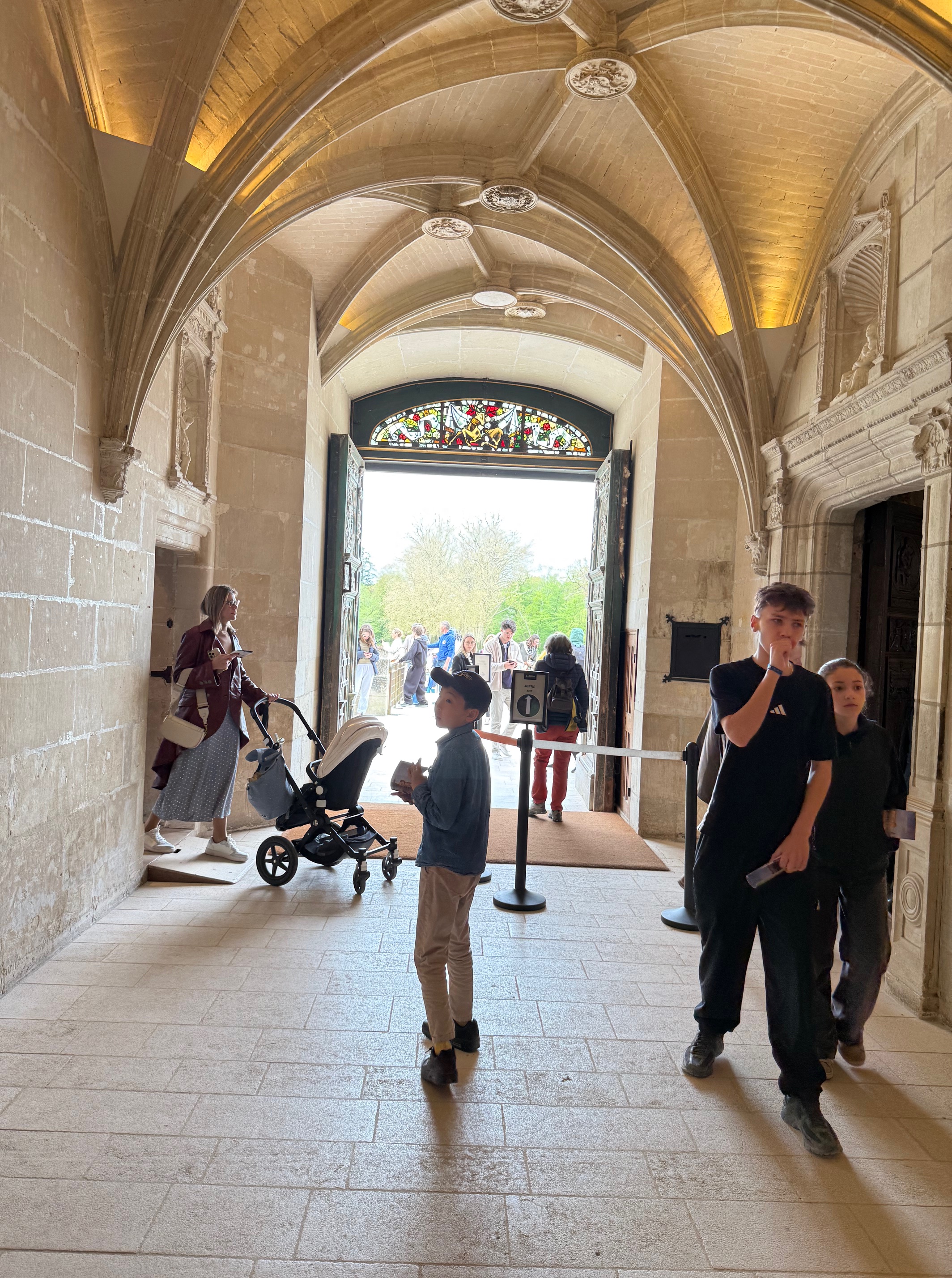
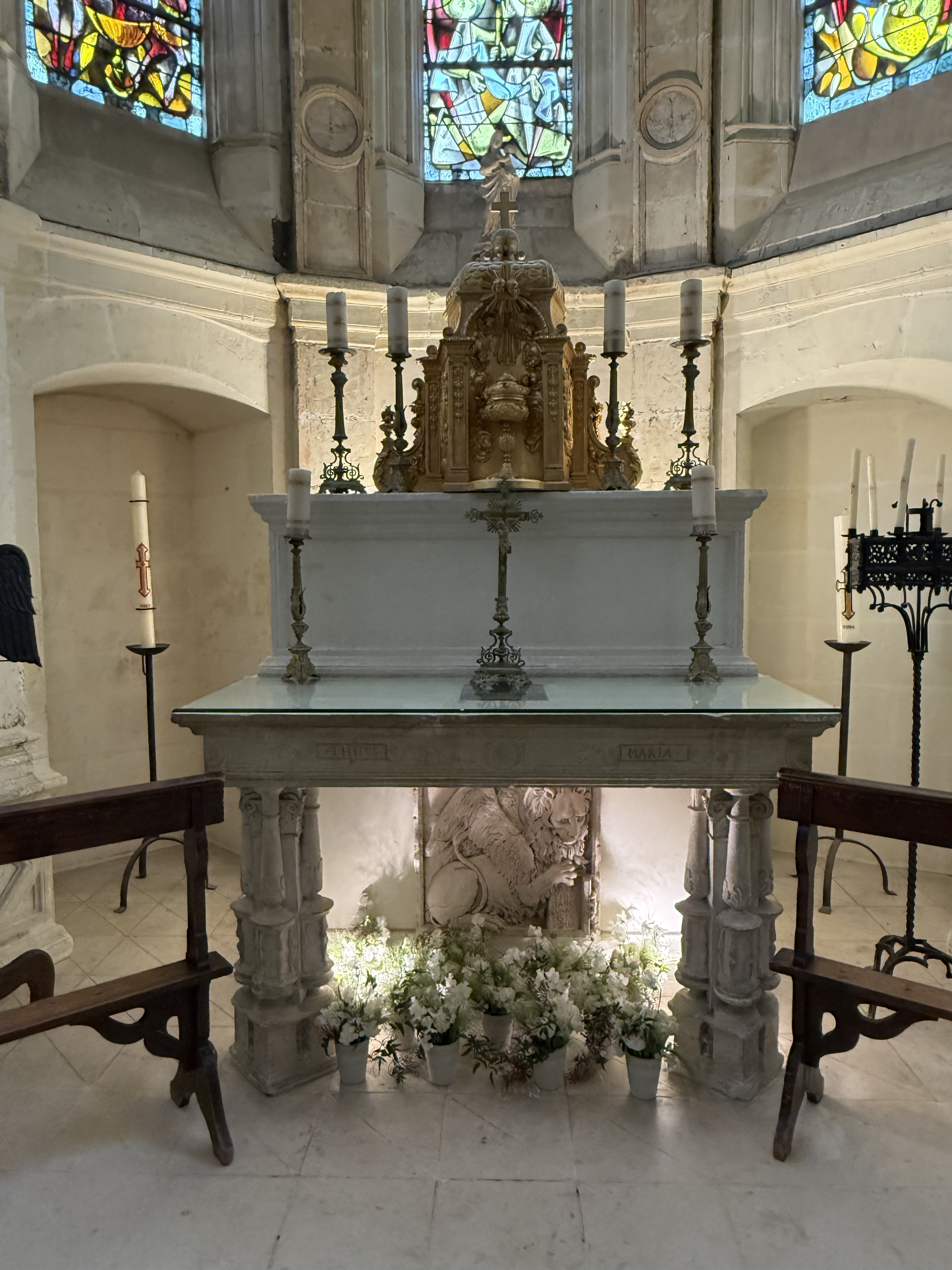
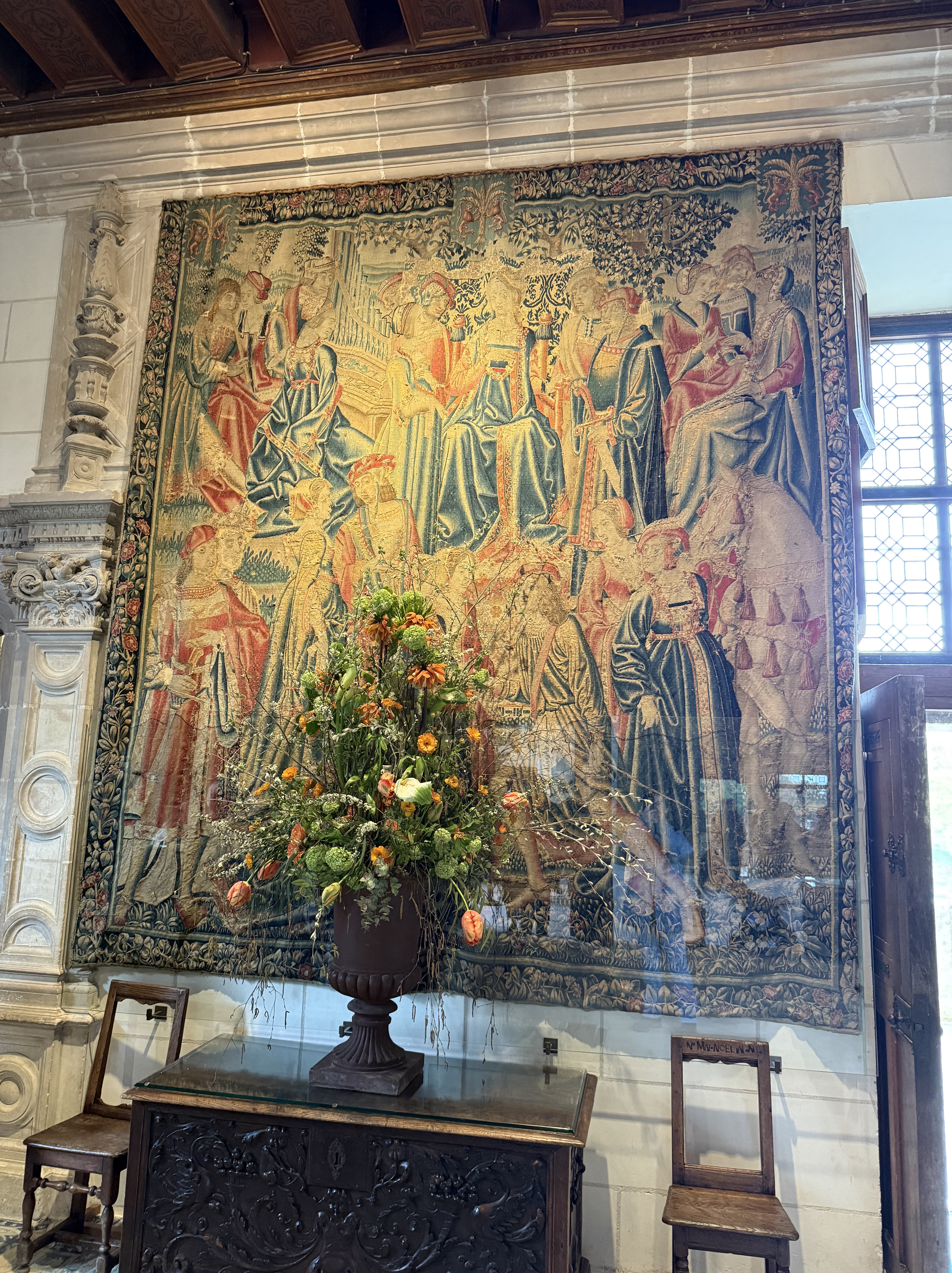
The slideshow below includes two photographs of the River Cher. The first is from the bridge and the second is from a bedroom inside the chateau.
These are some more amazing flowers from the garden. I loved the shaggy purple tulips.
Roberta Writes – In Touch with Nature: The Magnificent Male Leopard
Roberta Writes – Reblog: Day 1 of the WordCrafter “Poetry Treasures 6: Seasons” Book Blog Tour – Cindy Georgakas and Kevin Morris
Thank you to Michelle Ayon Navajas for hosting Day 1 of the WordCrafter Poetry Treasures 6: Seasons book blog tour.

