We coined our writing process when we started down this path, as literary ping pong. We do have a patent pending on that, which we hope to hear on soon. What, you might ask, is literary ping pong? Where to begin, hmmm, at the start of course.
When we started writing we had many goals. Being strong opinionate souls, we never failed to convey our point of view. As you can image, any two people outside of perhaps twins are going to look at a subject and write it differently. Heck that’s why good teachers can spot plagiarism a mile away. We found that when we each write something and then bat it back and forth it helps to make it a better, stronger story one chapter at a time.
For example, Breakfield has been known to wake up and pound onto the keyboard this epiphany he’d dreamed about overnight. Okay, sometimes it has no relationship to the targeted chapter he signed up for, but it is always great. So, he lobs it over to Burkey to read and review, which it where it gets interesting. Burkey has a goal of making it fit somewhere into the current story. Out of the roughly 103 times it has occurred every one of these lobs have found their way into the story being worked at the time. Currently there are eleven books in the series, so you do the math.
Once it is reviewed and edited for the current story it gets hit right back over to Breakfield to see if he likes the treatment it has been given. Then back and forth it goes until both of us are delighted with the end result. Burkey had one instance where a chapter was pushed down later in the story at least 6 times before finding the perfect home for it. That was in The Enigma Always and if you can identify the chapter in discussion, heck we’ll add your name as a character in our next book. Of course that means you are agreeing to be an evil genius in our next book.
To be fair, that has occurred in the opposite direction, where Breakfield calls up and says WTF, you want this chapter you wrote to go where? You do know that WTF is Whiskey Tango Foxtrot and is used as a pilot communication in identification of his aircraft in The Enigma Wraith. It’s the little tidbits of information that are so much fun, isn’t it?
Sometimes our afternoon story discussion sessions can spin up some really crazy ideas that helps to push our story editing efforts to the extreme. Burkey will coax Breakfield to recount some of the dumb stuff he did as a teenager or from last week, then voilà a new short story or chapter is born. Somehow after we run these ideas through the literary ping pong process they become more outrageous than the original event. Story writing begins with what and who you know as foundational to your next story.
One of our best real character-based stories is The Enigma Rising. Nothing like having actually met a bank robber looking to invest with you or the FBI discussing with you the real estate client you were trying to work with who was a drug dealer that murdered his wife to launch his drug operations. Or two bad boys all moms warn their daughters to avoid. Yeah, we know… good times.
Take care – Breakfield and Burkey
Bio
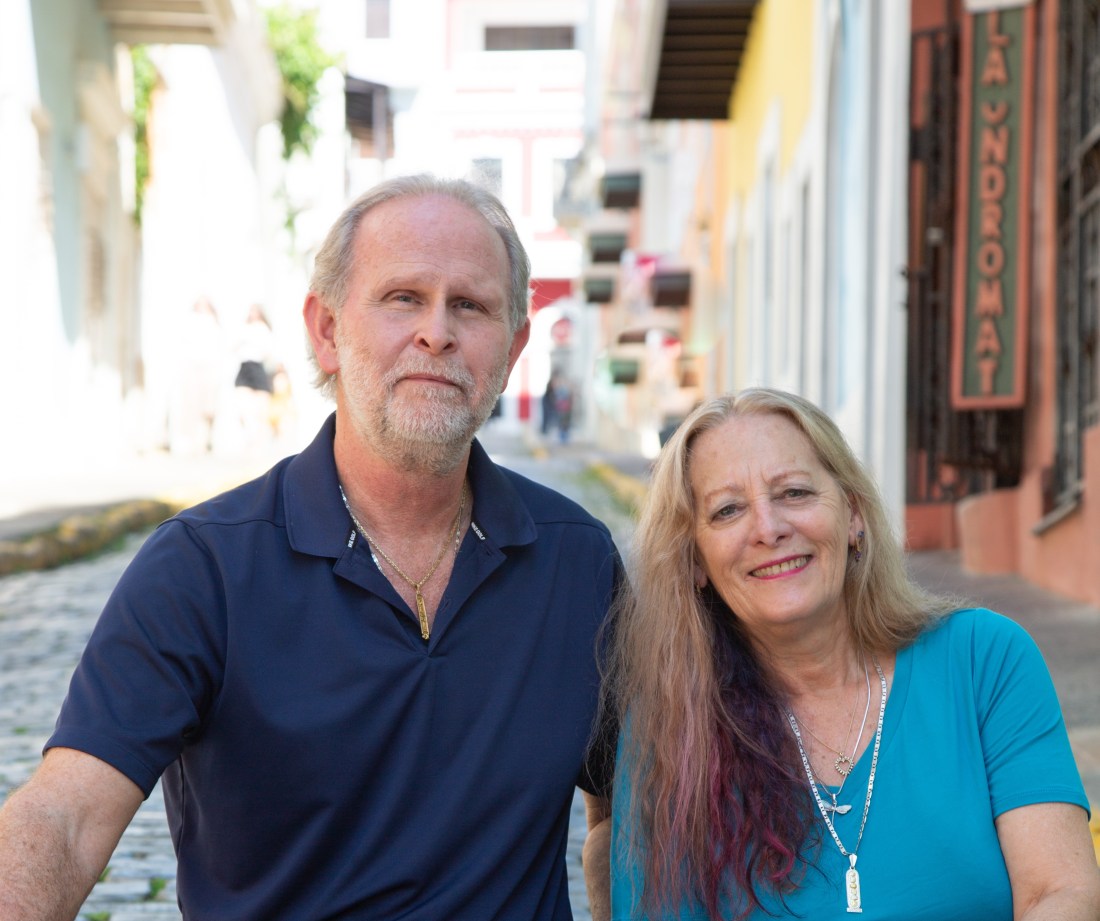
Breakfield, is a 25+ year technology expert in security, networking, voice and anything digital. He enjoys writing, studying World War II history, travel, and cultural exchanges. He’s also a fan of wine tastings, wine-making, Harley riding, cooking extravaganzas, and woodworking.
Burkey, a 25+ year applied technology professional who excels at optimizing technology and business investments for customers all over the world with a focus on optimized customer experiences. She writes white papers and documentation, but has a marked preference for fiction.
Together they create award-winning stories that resonate with males and females, young and experienced adults, and bring a fresh new view to technology possibilities today https://www.EnigmaBookSeries.com.
WHEN THE WORLD WAS FORCED TO A STOP by P. T. L. Perrin
…it immediately created a toilet paper shortage. No restrictions had yet been put into place the day I went shopping at Walmart. As always, the items I needed were available. I loaded my cart and headed for the paper aisle. Wait! What the heck happened? A single pack of toilet paper sat on the otherwise empty shelves, left there, most likely, because of a tear in the packaging. I grabbed it. The paper wouldn’t spoil because the package was ripped.
Two women, one elderly and one a younger version of her, stopped in shock, just like I did. I couldn’t help myself. Tears filled the older woman’s eyes, and I had to do something. I handed her daughter the pack, fully expecting to find one somewhere else. Besides, we were okay for a while. How could Walmart, of all places, be out of TOILET PAPER? And why THAT item and no others?
In the coming weeks, when nary a roll was to be found anywhere, I fantasized about the hoarders having to eat it. Roasted TP. Grilled TP. TP Soup. TP pie. I hoped they choked; until I realized that some of them might be families with kids, and they’d be up the creek without a paddle if they hadn’t bought it all up that first week. I began to wish them well and decided to order some online. The next available delivery date was sometime in June, in two months, but it wasn’t guaranteed. A friend suggested I search Amazon for a bidet.
Having lived in Italy in the late ‘60s, early ‘70s, I was familiar with bidets, simple low basins separate from the toilet with shower nozzles that sprayed upward. Back then, they were a place to float toy boats, complete with a fountain in the middle. I did not know their true purpose until I was much older and no longer living there. We had plenty of toilet paper back then.
The bidets I found online ranged from a hand-held sprayer, which can double as a cloth diaper cleaner (for those with babies who still use cloth diapers), to a seat attachment that requires no aiming. It appears that the sprayer might take some practice in order to avoid a wet bathroom. But then, if you turn on the no-aiming-required spray without your rear end covering the inside opening of the toilet seat, you could give your ceiling a wash. At least you could with the Italian ones. Amazingly, the guaranteed delivery date was in three days. I clicked the button, quite satisfied with myself.
Neighbors drive to a local farm, where a box of fresh veggies is placed in their trunk, and they drop some off at our front porch. Other neighbors are busy sewing facemasks for a local nursing home. I gave them some colorful fabric and a treasure trove of elastic left over from my long-ago sewing days. Kids ride their bikes in the quiet streets, six feet apart from each other most of the time. Couples walk holding hands (come on…they live together!) and greet other walkers, keeping their distance and using their ‘outside’ voices. Everyone asks everyone else, “How are you doing? Need anything?”
The air smells fresher, the office is gradually getting cleaned out, and my tennis-pro husband burns off energy doing yard work and cutting the hedge shorter and shorter. By the time this is over, it’ll be six inches tall. We’re finally using up the canned goods in the pantry, at least those whose expiration dates are newer than July 2015.
The worst part of this for most people is the loss of jobs and income, although we’re all hoping it’s temporary. We hope to scrounge enough to pay the mortgage for the next couple months, until the tennis courts open and people take lessons again. Younger people with families at home are worried, including our children with their families. Some can work from home, others cannot.
The systems that should facilitate what the government has done to ease the burden are broken and scrambling to find fixes. When this happens again, hopefully in the far distant future, they should be prepared, and the process should run smoother. The same goes for medical supplies and personal protection equipment. There were no stockpiles when this virus shut us down. After this, there will be.
We pray for the sick, that they will recover, and for those who’ve lost loved ones. We pray for those who are feeling the pain of lost income, especially those with young children. We pray for the teachers who have poured themselves into making lessons their students can do from home, and we pray for the parents of those students. We pray for the homeless and the prisoners who have little choice in anything. We pray for Bill’s mom in a nursing home, and for all those who live and work there. We pray for doctors, nurses, hospital staff, first responders…everyone helping others though this.
We were both sick in January, and so were some of our kids and grandkids. Could it have been this virus, this invisible scourge, that made us miserable for a while and then left us to recover? Perhaps. Perhaps many people have had it unknowingly and are now immune, with antibodies that can help someone who is seriously ill to recover. In time, we may all be tested, and then we’ll know for sure.
For now, we practice social distancing. We stay home and catch up on things we’d been meaning to do for the last twenty years, and thank the good Lord we have a home to shelter in. We follow the rules, not to protect ourselves, but to protect the people around us, known and not known, just in case. We are witnessing the spirit of the people who live here, who, when faced with calamity, reach out and help their neighbors. We have never been prouder to be Americans than we are right now.
The bidet arrived right on time. It looks nice in its box, which will remain closed until we run out of toilet paper, an unlikely issue with our kids and neighbors watching out for us. Neighbors, if you run out, we have some to share. I want to try that bidet.
Now about those toilet paper hoarders…
Giveaway
Thank you for supporting today’s RWISA author along the RWISA “RISE-UP” Blog Tour! To follow along with the rest of the tour, please visit the main RWISA“RISE-UP” Blog Tour page on the RWISA site. For a chance to win a bundle of15 e-books along with a $5 Amazon gift card, please leave a comment on the main RWISA“RISE-UP”Blog Tour page! Once you’re there, it would be nice to also leave the author a personal note on their dedicated tour page, as well. Thank you, and good luck!
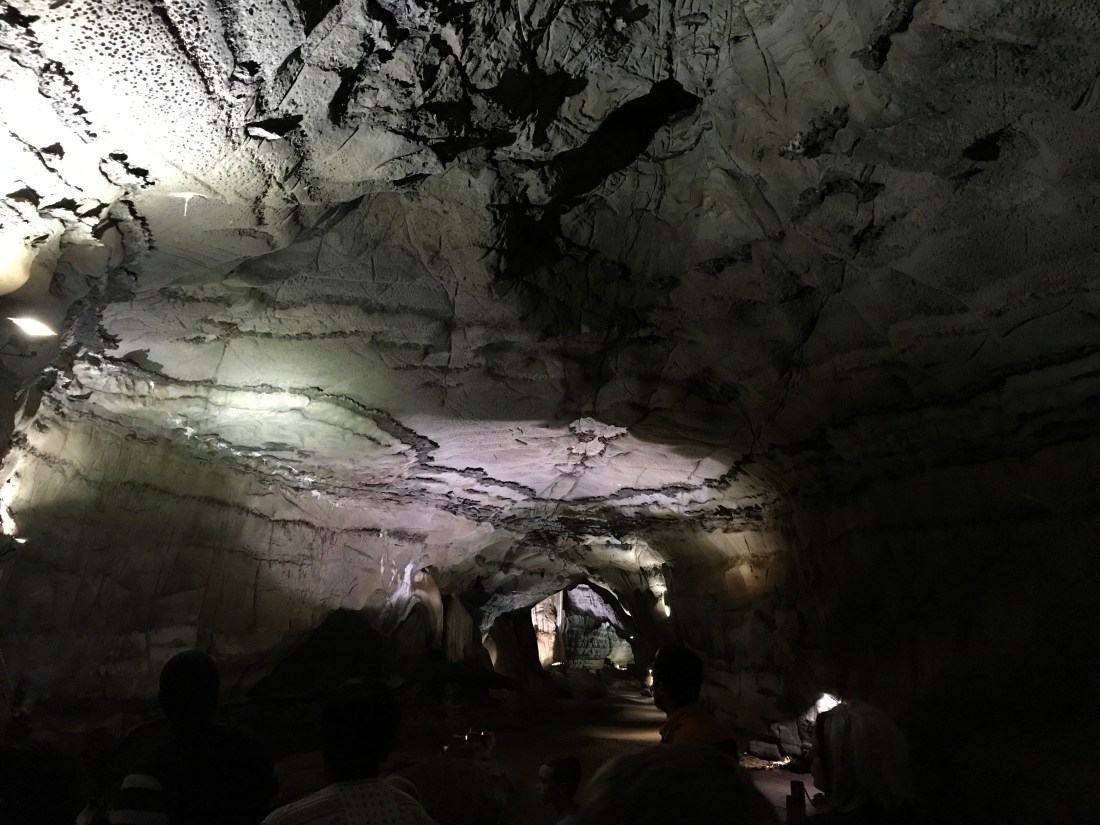
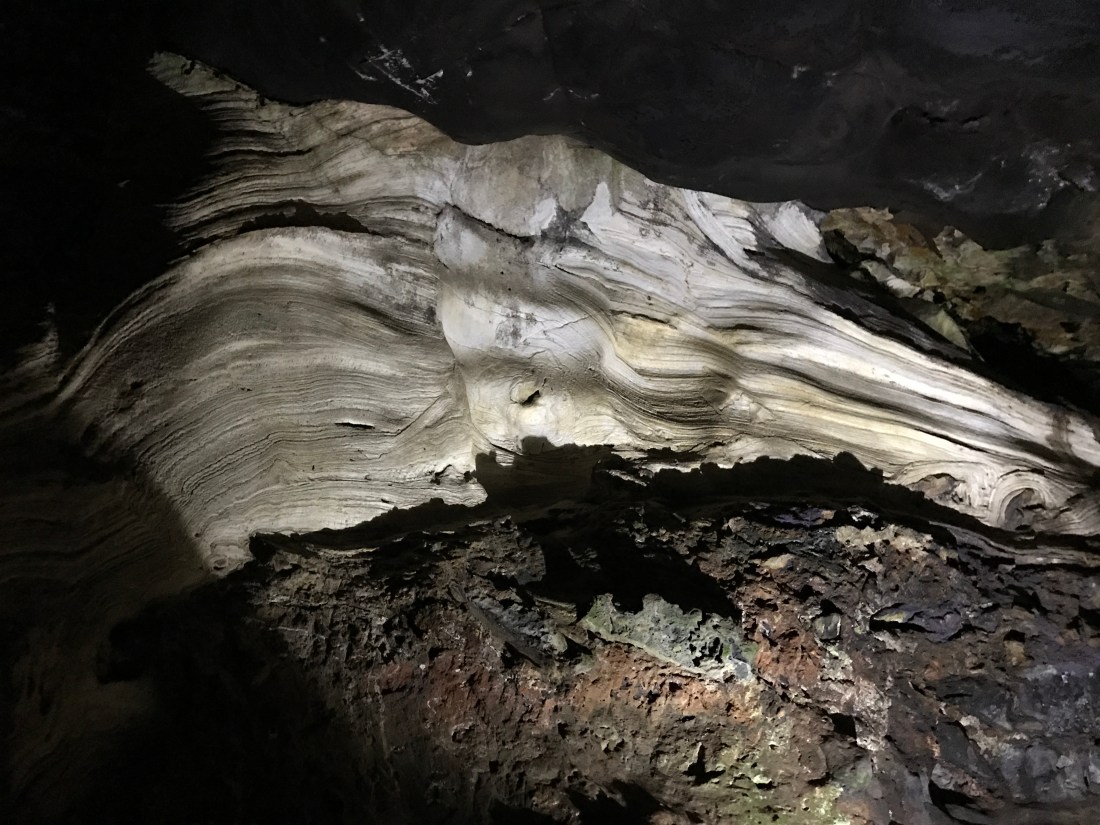
The Sudwala Caves in Mpumalanga, South Africa, are set in Precambrian (the earliest part of Earth’s history) dolomite rock, which was first laid down about 2800 million years ago, when Africa was still part of Gondwana (a super continent that existed 550 million years ago). The caves themselves formed about 240 million years ago.
The Sudwala Caves was used by the Boers (Afrikaans farmers) to store ammunition for their 94-pounder Long Tom guns during the Second Anglo Boer War. There is also a rumour that President Kruger hid the legendary Kruger millions in the cave during his flight from Pretoria to Lourenço Marques during this same war. I came across this interesting information while researching the area and this war for my forthcoming novel, A Ghost and His Gold.
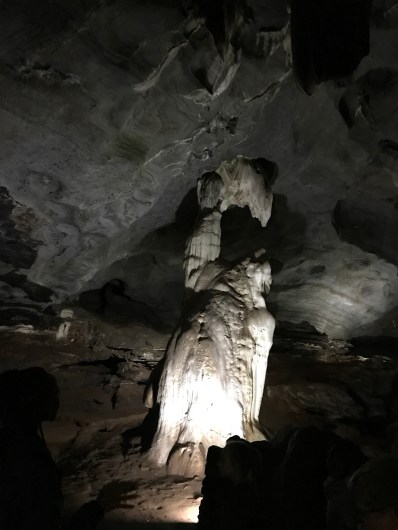
My family visited the Sudwala Caves a few years ago when we did a road trip of this area. The caves are beautifully maintained and have some amazing rock formations. I had only ever visited limestone caves before this one and the dolomite is quite different.
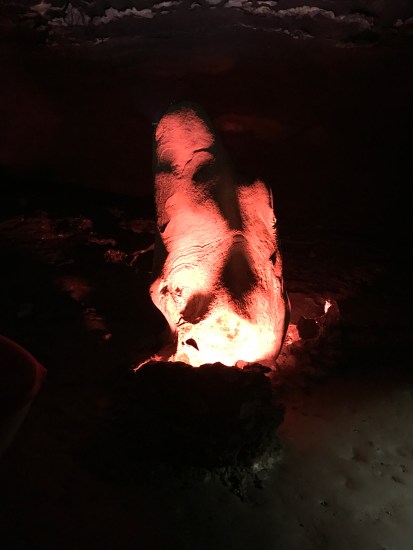
I have included some pictures of the various rock formations we saw below.
Welcome Jan Sikes to Roberta Writes. I am delighted to have you over today with your post for the 2020 RWISA “RISE-UP” Blog Tour! and to have an opportunity to showcase your writing.
A beautiful song by Jan Sikes about her mother and her life:
DEPRESSION SOUP by Jan Sikes
She stood in a line her head bowed low
There was nowhere to run, no place to go
With clothes that were ragged
And shoes that were worn
There were millions just like her
She wasn’t alone
America’s Great Depression had stolen their homes
Took its toll on their bodies
Tried to squash their souls
But she squared her shoulders, raised her eyes
Fierce determination replaced her sighs
She’d fight to survive, that much was true
Although many times, she’d be sad and blue
Someday there would be plenty
But for now, she was caught in a loop
She held out her bowl
For another serving
Of Depression Soup
Born in Missouri in 1917, my mom, Marian Edith Clark, learned about hardships at a young age.
Her mother, my grandmother, Sarah Jane, was sickly. The household chores fell on my mom’s shoulders when she was still a child. She shared memories of having to stand on a box so she could reach the stove to cook their meals.
My mom blue eyes sparkled, and her smile could light up a midnight sky. She started school in Treece, Kansas. Her family were migrant workers. Anytime they found an abandoned house, even if it was spooky, they moved in. Eventually, they landed in Pitcher, Oklahoma, where her father found a job in the iron and ore mines. She was in the ninth grade when he had an accident in the mines, and she had to quit school to help make a living for the family.
Her father became a bootlegger in Oklahoma. He would often get caught and wind up in jail for six months at a time, leaving the family to fend for themselves.
They eventually moved to Arkansas, where they had kinfolk who were sharecroppers. They picked cotton, and in Mom’s words, “Nearly starved to death.”
When she was around fourteen, her dad took the family to the Texas cotton fields. The whole family could pick, and they would make twenty-five cents for every hundred pounds of cotton.
We found this story written in a journal after Mom passed away.
“My last school was in Walnut Ridge, Arkansas, population around 2,000. We lived two miles out in the country. I went to a two-room school. A man and his wife were both teachers. He taught in one room and her in the other. The man teacher went crazy and tried to kill his wife. When she got away, she came to our house. I’ll never forget how bloody her head was. When the police found him, he had crawled up under their house. So, they put him in a mental hospital.”
The Great Depression hit America in 1929, wiping out any semblance of a prospering economy. It was during that catastrophic era that my mom and dad met in Sayre, Oklahoma. At the time, she was babysitting for one of Dad’s sisters, and living in a government migrant camp with her family.
She was only seventeen, but they fell head-over-heels in love and decided to marry.
Mom had no shoes to wear for the ceremony, and a woman next to them in the camp loaned her a pair of shoes.
On April 14, 1934, they said their wedding vows in a preacher’s living room and began life together.
There were no pictures, no fanfare, no parties, and no honeymoon.
They spent their first night as newlyweds, sharing a bed with some of my dad’s younger brothers and sisters.
Their first home was an old farmhouse with nothing in it but a wood stove, a bed, and a table. Mom had no broom to sweep the floors, and when snakes crawled across, they left trails in the dirt.
Through the years, she shared many harrowing stories of how they survived as transients. They stayed within their family group and moved from the strawberry fields in Missouri, to potato fields in Kansas, to cotton fields in Texas. Often, they had no shelter from the elements, sleeping outdoors under a shade tree. Other times, they managed to have a tent or share a tent with other family members.
Mom and Dad’s life together, began under this umbrella of hopeless poverty.
Hunger was a constant companion. My mom had an older brother who often would go out at night and steal a chicken or watermelon.
Enmeshed in daily survival, they could see no future.
Sometime around late 1934, they moved to Fort Smith, Arkansas not knowing it was in the middle of an epidemic. They were lucky enough to find housing in a WPA camp. My dad got a job digging graves for fifty cents a week, plus a small amount of food. A man working with him warned him to stay clear of the hospital; that no one came out alive.
However, the hospital laundry was the only place Mom found work. Automation wasn’t yet widespread, and especially not in Arkansas, so all of the washing had to be done by hand on rub boards.
A large scowling woman marched up and down behind the workers with a blackjack in hand. If she thought they weren’t working hard enough or fast enough, she’d whack them across the shoulders.
During this time, my mom fell ill with Scarlet Fever and they quarantined her. They kept her in a room under lock and key. My worried dad climbed to her window with food. It became apparent that they had to get out of there, or Mom would die. One night when all was quiet, she tied bedsheets together and lowered herself from the two-story window to the ground, where Dad waited.
They caught a ride to Oklahoma on the back of a flatbed truck, and Mom eventually recovered. They never went back to Fort Smith, Arkansas.
As the years passed, much of my dad’s family migrated to California, the land of milk and honey. But Mom and Dad didn’t go with them due to my grandmother’s failing health, and a younger sister who was inseparable from my mom. They all stuck together. My grandmother passed away in 1942 in Roswell, New Mexico. Pictures show a large goiter on her throat. She died long before I was born.
Mom gave birth to my siblings with help from family and friends. I was the only one to arrive in a hospital setting.
By 1951, the year I was born, Mom and Dad had settled in Hobbs, New Mexico, and purchased a lot on Avenue A. They stretched their tent and immediately started building a house. They put down roots and said goodbye to the transient life they’d known.
Like everything else in their lives, they built our house themselves. A place not too far from Hobbs, The Caprock, had an abundance of large flat rocks. Every day Dad wasn’t working, he’d head up and bring back a load of rocks to cover the sides of the house. That house withstood many storms, and still stands today.
When I was around twelve, I distinctly remember watching Mom climb up and down a ladder with bundles of shingles to roof the house. And she did this alone.
I believe I can declare with all certainty that no two people worked harder than my mom and dad.
Mom was a fantastic cook, having learned from necessity at a young age. She had a sweet tooth and loved to bake. Her specialty was pies. She could make a peach cobbler that would melt in your mouth.
She never measured anything. She’d throw in a handful of this and a pinch of that, and it turned out perfectly every time.
Mom was not a worrier. Her philosophy was, “If I can’t fix it, there’s no need to waste time worrying about it.”
I’ve strived to adopt that same philosophy.
She lived by these seven wisdoms:
Count your blessings every day.
Don’t whine or throw a fit if things don’t go your way.
Take whatever trials God sees fit to give you and make the best of it. Never sit down and give up.
Believe in yourself and your dreams, and they’ll come true.
Love life and live for God.
Hard work never killed anyone. Try your best and don’t get discouraged if it doesn’t turn out the way you first thought.
Treat everyone with dignity and respect.
I didn’t always see eye-to-eye with my mom, as you know if you’ve read my books. But I never forgot her teachings, her strength, and her determination. And for the last thirty years of her life, we were close.
She was the best grandmother my two little girls ever could have hoped for. She adored them as much as they loved her.
I watch my daughters now and see them practice some of Mom’s ways with their own children, and it makes me happy.
So, here’s to my mom – the strongest woman I ever knew.
Giveaway
Thank you for supporting today’s RWISA author along the RWISA “RISE-UP” Blog Tour! To follow along with the rest of the tour, please visit the main RWISA“RISE-UP” Blog Tour page on the RWISA site. For a chance to win a bundle of15 e-books along with a $5 Amazon gift card, please leave a comment on the main RWISA“RISE-UP” Blog Tour page! Once you’re there, it would be nice to also leave the author a personal note on their dedicated tour page, as well. Thank you, and good luck!
Tenochtitlan, 1519. Strange, pale-skinned people have arrived on the coast of the One World. They hail from a faraway land called Spain and fight for the mysterious Hernando Cortes. To confront Cortes’ forces would be dangerous, but inaction may be even more dangerous.
The Mexica are the most powerful people in all the One World and regard the uncouth interlopers with a mixture of curiosity and distrust. Keen to discover their intentions, the Mexica send an official envoy to the coast. What they learn is most troubling. The Spanish possess weapons that have no equal and may have designs on Tenochtitlan.
The conflict that follows will tear an entire region asunder and give birth to an empire of globe-spanning proportions. Combining the political intrigue of Wolf Hall with the gripping battles of The Last Kingdom, this award-winning historical novel meticulously reconstructs a long-lost world in order to faithfully recount an event still unique to this day: the epic collision of two civilizations separated for over ten thousand years.
Editorial Reviews
“The epic encounter of Aztecs and conquistadors has attracted—and tested—many a novelist. The challenge is one of staying believably true to the historical tale and its Mexican setting, while at the same time offering the reader some surprises. Rickford rises to that challenge with considerable aplomb, balancing evidence with imagination, research with flights of fiction. Fueled by a complex narrative tension and a deft deployment of detail, The Serpent and the Eagle is unpredictable in all the right ways.”
—Matthew Restall, Professor of Colonial Latin American history, Director of Latin American studies at Penn State, author of When Montezuma Met Cortés
“Edward Rickford knows his history. The Serpent and the Eagle is a masterpiece of historical fiction. It’s filled with surprises and heart-rending characters, but it’s Rickford’s attention to cultural details, both native Mexica and Spanish, that puts this book one step above its competition. Plan a long weekend of reading. You’re going to love this book.”
—Kathleen O’Neal Gear, New York Times bestselling author of People of the Canyons
“A captivating, well-plotted, bicultural dramatization of the months prior to Motecuhzoma’s meeting with Cortés, deftly transporting the reader 500 years back into the eyes and intimate relationships of key participants—Mesoamerican and European, emperor and counselor, conqueror and slave.”
—Andrew Rowen, author of Encounters Unforeseen: 1492 Retold
“Difficult to put down. Well-written, fascinating, and full of wonderfully diverse points of view!”
—Zoe Saadia, author of the Pre-Aztec Trilogy and the Rise of the Aztec Series
“A wonderful premier novel.”
—N.D. Jones, USA Today bestselling author
“When two cultures collide, there are always multiple versions of history. A brave and expansive look into the bygone era of exploration by the Spaniards into Aztec lands. A thinking person’s novel. Fascinating!”
—Chanticleer Reviews
“The Serpent and the Eagle is another literary text that may offer the reader exits out of the colonial wound of indignity and entrances into the enunciative reclamation of silenced historical, social, and cultural spaces.”
—C.T. Mexica, Ph. D, Arizona State University
“The story weaves a rich tapestry of Spanish conquistadors and native Mexica—commonly known as the Aztecs—as well as the neighboring native tribes, that transports readers to the lush jungles and grand cities of pre-Hispanic Mexico. The writing is clear and easy to read, with just enough Spanish and Nahuatl to add deep flavors without slowing the pace.”
—Casey Robb, author of The Devil’s Grip
Grand Prize Winner in the 2018 Chaucer Book Awards.
Winner of Five-Star Review from Readers’ Favorite contest.
Discovered Diamond award.
My review
This book is my first reading encounter with the history of the arrival of the Spanish explorers/conquerors in Mexica and their encounters with the Aztec (called Mexica) people. I do not know the history of South America well, but this book came across as being exceptionally well researched and is based on real events and people, including the leader of the expedition, Cortes, the missionary and interpreter, Aguilar and the young native Mexica slave, Malintze, who becomes and interpreter for Cortes when he realises she speaks more than one of the Mexica languages.
In the early 16th century, the Aztec world, called the One World, which comprises of a large number of different native peoples, who inhabit the various cities and villages and who speak a spectrum of languages, are all united under one cruel and dominant leader, Motecuhzoma or the King. The OneWorld is described as operating as a federation with each area retaining its own language and culture and being ruled by their own leader but all falling under the central leadership of Motecuhzoma in his main city of Tenochtitlan. The Mexica are wealthy and have discovered the aesthetic pleasures of creating artworks from gold, jade and exotic feathers. The have a robust religion which requires them to make numerous human sacrifices to their many gods. They actively engage in slavery, particularly of young girls who are sold by their families if they cannot pay their tributes to the King. Motecuhzoma’s people collect tributes from all of the areas/provinces in his domain and under his dominance. Motecuhzoma is described as a typical feudal lord and he and his favoured courtiers live a life of comfort and luxury while their subjects like in poverty and fear.
The descriptions of the Mexica life makes it difficult for the reader to sympathise with Motecuhzoma and his courtiers, even though you know they are ultimately going to be crushed by the Spanish, due to their harsh and cruel behaviors. The Spanish, who are God fearing Catholics, are not much better and are also violent and determined in both taking what they want from the locals and attempting to introduce Christianity to the native people.
Cortes is described as being a great leader of men, they type who could lead his followers off a cliff, but who is driven by a determination to better himself and gain recognition by the King in Spain, and these characteristics drive him even more than his lust for gold. He wants gold mainly to further his goals of acceptance and power.
Aguilar comes across as weak and pathetic and is a poor example of a man of God. He is jealous of Cortes engagement of Malintze as an additional interpreter. Other Spanish men are also depicted as being frightened and diminished beings, including the Jewish Vitale, who is desperately anxious to reveal his heritage and New Christian status.
I love history and I really enjoyed this book from a historical perspective. It submerges the reader in the culture and atmosphere of the time and I learned a great deal about both the Spanish and the Mexica way of life at that time. My comment on the overall plot line, however, is that the plot is driven only by the history and is not really strong enough, in my opinion, to support a trilogy. I felt this first book moved rather slowly and I kept expecting Cortes to make a move on Motecuhzoma and his famous city but that didn’t happen. I was left the book ended rather abruptly and left the reader hanging and this was rather disappointing.
As COVID-19 spread across the land, Americans were directed to stay home. This news led to all sorts of questions. What will we do for entertainment? How will we teach the kids? Will we run out of food? As weeks passed, many Americans felt confined, even imprisoned. Not me. A freelancer for 38+ years, I was used to working at home.
My husband and I have been married for 62 years. “I love you more today than yesterday,” I often say. Staying home with him was a blessing. Pulitzer Prize winner Mary Oliver, in one of her poems, uses the phrase “with hands clasped.” I lived her words with hands clasped in memory, in caregiving, in creativeness, in gratefulness, and in hope.
In memory . . .
When World War II started, I was four years old. COVID-19 made me anxious and scared. These feelings caused war memories to become vivid again: food rationing, gas rationing, digging potatoes in our Victory Garden, Mom working in a wartime factory, and air raid blackouts. Odd that a pandemic would cause memories to resurface, yet a world war and world virus are similar. Many experts compared fighting the virus to a war, one we would win.
In caregiving . . .
I have cared for three generations of family members. This is my 23rd year in the caregiving trenches. In 2013 my husband’s aorta dissected and he had three emergency operations. When he woke up, he was paraplegic, unable to use his lower body or legs. The night I drove him to the hospital, I became his caregiver, and believe caregiving is love in action. Retired doctors and nurses rallied to fight COVID-19. I added virus protection to my caregiving To Do list.
In creativeness . . .
I have always been a creative person. While I sheltered at home, I revised two workbooks I wrote for grieving kids, edited a children’s picture book, explored doodle art, baked up a storm, and emailed publishers. So far, I have written thousands of articles and 38 books. Two publishers accepted the children’s books. Because of the pandemic, however, production of the grief books is on hold. The children’s picture book is still in production.
In gratefulness . . .
Americans are interdependent and need each other. COVID-19 showed that truckers, store clerks, housekeepers, home sewers, lab techs and countless others are heroes too. Staying home made me realize, yet again, that little things, such as the first robin of spring, are big things. As usual, I was grateful for my wacky sense of humor. (Yes, I laugh at my own jokes.)
Since I could not be physically close to others, I reached out in different ways. I sent surprise gifts to some, was a guest on blog talk radio, signed up for another show, posted book videos on social media, increased email to family members, gave books to friends and strangers. Though I am a kind person, I tried to be kinder, a lesson many learned from the virus. I also vowed to slow down a bit.
In hope . . .
I have survived cancer surgery and open-heart surgery. Each morning, when I awaken, I ask myself, “How can I make the most of the miracle of my life?” At age 84 I am still discovering pieces of my unknown self. Thanks to experience, I know how to adapt to the changes of life. I also know some changes are easy, and others test the soul.
Poet John O’Donohue, in his book To Bless the Space Between Us, refers to changes as thresholds. Thresholds can make emotions like confusion, fear, excitement, sadness, and hope come alive. It is wise to recognize and acknowledge thresholds, O’Donohue continues, and I have tried to do this.
The pandemic pushed America to a threshold, one that will define our nation. Let us cross this threshold together with kindness, dignity, and mutual respect. Let us cross with hands clasped in love.
Thank you for supporting today’s RWISA author along the RWISA “RISE-UP” Blog Tour! To follow along with the rest of the tour, please visit the main RWISA“RISE-UP” Blog Tour page on the RWISA site. For a chance to win a bundle of15 e-books along with a $5 Amazon gift card, please leave a comment on the main RWISA“RISE-UP”Blog Tour page! Thank you and good luck!
May 4 2020 is the unofficial Star Wars Day. What other days should be recognised as holidays but aren’t?
South Africa has twelve public holidays which seems to be more than many other countries. The holidays fall on specified dates which means that they can occur on any day of the week including weekend days. South Africa also has a traditional holiday shut down period of about three weeks over the Christmas period. Many business close between 16 December (a public holiday) and the end of the first week in January.
It is nice to have holidays but they can result in a loss of productivity especially when more than one holiday occur in the same week or when the public holiday occurs mid-week. When this happens, many people take a whole week’s leave and that does create strain when a lot of people are all away at the same time and there is work to be done. I work with a lot of advisors, lawyers and teams from London and the US, so I rarely get to take any extra time off over these periods. I frequently work on the public holidays and sometimes over the weekends too. Easter, particularly, seems to be a busy time in my life and I nearly always need to work at least one, but more often two, of the four-day holiday period. For the past four years, I have been working on international transactions over the Christmas shutdown period too so I have also worked during this traditional holiday time.
I don’t mind working over holiday periods, as I am glad to have work and be busy. There are lots of people who don’t have work especially in our weak economic environment. I thought when Covid-19 came along recently, I might not be busy. I was wrong and I am busier than ever. My firm was closed last week but I worked every day.
Back to the question, should there be more holidays? No, not in South Africa. This is a developing country and our economy is ailing. People here need to work hard to get our businesses up and running again, especially after this unfortunate lock down period. If public holidays are necessary, then they should be on a Monday only, like they are in the UK. At least then the entire week isn’t disrupted because one of the days is a holiday.
I do believe that people need breaks from work and I think that these breaks should be in the form of a continuous break of at least two, but preferably, three weeks. This allows people to have a proper change and unwind from all the accumulated stress of their daily work and lives. I also think that people should not be disturbed by their work places at all during their holiday times. If I work for even one or two hours on a holiday day, all the benefit of the relaxation is gone and I am all stressed and tense again. I haven’t had a holiday where I haven’t had to work for at least two or three days out of a fourteen day holiday period, in over ten years. Based on my own experiences, I don’t think this is good for a person’s general health. You get stale with your job and it starts to wear you down.
This is what I think but I am a chartered accountant with a strong interest in African and other developing economies. I would like to see more job creation and a better life for people in these countries and, I believe, that takes hard work and sacrifice with specified beneficial breaks for workers to recover and recharge.
What about you?
Do you think there should be more holidays? Click on the link below to find out, or even add a comment.
Rules:
Link your blog to this hop.
Notify your following that you are participating in this blog hop.
Promise to visit/leave a comment on all participants’ blogs.
Tweet/or share each person’s blog post. Use #OpenBook when tweeting.
Put a banner on your blog that you are participating.
Anyone who knows me well will tell you that I am not good at following directions. Actually, I can’t get from A to B even with a map and a GPS, TomTom or whatever other instructional, direction providing device there is out there. I always get lost. I could get lost driving home from the office if I happened to get into a panic on the way. Anxiety overwhelms all landmarks and familiar roads and sights on my route.
Maybe my inability to follow directions has something to do with my obstreperous personality. I was not good at following directions at school and I am not particularly good at following directions in my job either. I like to think backwards instead of forwards and so I come up with the solution and then work backwards to determine the mechanics of a transaction. It makes perfect sense to me. I want to get here and then, how can I get there? I nearly always works I am pleased to say and I think there is quite a lot to recommend my slightly unusual approach in corporate finance. Thinking out of the box is what we are told to do.
When I bake and make fondant creations, I usually don’t follow the recipe or instructions that closely either. After all, I want my own version, don’t I? Luckily for me, 99% of the time my attempts work out. The birds get the 1% disaster.
A robbery in London. The murder of a priest at the end of World War Two. A genocide in Namibia. The discovery of the remains of Hitler’s secretary.
Something connects all this. Former British spy Jack Price knows the answer, and he’s willing to die to keep the secret. The problem? He’s not the only one who knows.
It’s the lies that are not heard, but kept as secrets, that own us all. Deep in the world of espionage and deception, how far is Jack willing to go to fulfill his mission?
Praise:
★★★★★ – “A great spy novel with plenty of surprises and plot twists.”
★★★★★ – “Reminded me of Robert Ludlum. A very good read.”
My review
What Happened in Vienna, Jack? is a magnificent story of espionage set in Britain and true to that country, its people and reputation down to the very last detail. Daniel Kemp has certainly rivaled Ian Fleming with his brilliant portrayal of the British government’s secret service and his version of James Bond, in the split form of the older veteran, Jack Price, and the younger and debonair Irishman, Patrick West, who together must solve some deeply hidden mysteries of the past that have never been satisfactorily resolved.
Patrick is the innocent who is identified by his superiors for a specific job and is unwittingly drawn into their spiderweb of lies, confusion and cover-ups. He is an idealistic young man who is keen to stretch his wings and take on the burden of unwinding the muddled threads of the past in an effort to achieve his understanding of justice. His character is complex and interesting as the reader follows his journey from youthful naivety to a gradual realisation that their is no perfect justice or resolution in this world. Men are not perfect and their actions are never performed with any pure intent of either good or evil, but are always a mixture, in varying degrees of both purposes.
Jack Price is highly intelligent and has pulled himself up by his proverbial bootstraps, escaping a hand-to-mouth existence to becoming a leading, albeit controversial, figure in Britain’s intelligence forces. The career limitations imposed on him as a result of his background rankle and influence some of his later decisions resulting in his being manipulated, unknowingly, by others in high places. Jack is determined and dedicated to his cause and has identified Patrick as being a man with the right looks and characteristics to eventually take over from him. Before he makes his exit from his career and life, Jack is intent on solving an old crime from the beginning of world war II. It is unfortunate that some of the information he has is flawed.
The author’s command of English and clever descriptions and depictions make this book a fascinating read although it is not a book you can read without a good measure of concentration. There is a large caste of characters, all of whom add insight into the story and its eventual outcome, so you need to keep your reading wits about you to fully appreciate the intricacies of this complex story.
I thoroughly enjoyed this book and will certainly be reading more books by this author.
This weeks topic is: ‘What are your pet peeves regarding grammar and spelling?’
I’ll tell you a secret, I am a forgiving reader. If a book has an engaging and interesting story line and I enjoy the characters I frequently don’t even notice small things like the odd spelling error or punctuation hiccups.
My own spelling has never been a strong point although I do try to ensure my spelling in posts is correct. I often type quickly and then I can make careless mistakes, but that is a function of my always trying to do to many things at the same time. Did I ever tell you that I read both of my blogs at the same time, one on each of my computers. I also read both of my twitter accounts at the same time. It usually works for me, but occasionally I get into a small muddle.
The most important thing about a book for me is a unique plot. There are so many books out there that are a rehash of old story-lines and, as I have been reading avidly all my life and have read thousands of books, that is a turn off for me. I was reading a book of short stories compiled by Roald Dahl the other day and I came across a story that reminded me of Stephen King’s book The Dark Half. I wondered if he’d ever read this story.
I do like a book to be well written and appreciate good English and descriptive language. Those of you who read my blog regularly know I have a passion for classic books and enjoy books with a strong dystopian and political message [even if I don’t necessarily agree with the message]. I have always found classic books to be well written even if they contain the odd typing or spelling error.
I have been most fortunate in my writing and blogging community and nearly all of the books I have read by Indie authors have been properly edited and mistakes are rare. I often pick up at least one error but that does not bother me and I certainly wouldn’t point out one or two minor errors in a book review. I will comment if the book is full of errors, obviously, as that would become annoying and I would feel obligated to do so.
What are your pet peeves with writing and reading? Please click on the link below to find out what other writers think about this topic.
Rules:
Link your blog to this hop.
Notify your following that you are participating in this blog hop.
Promise to visit/leave a comment on all participants’ blogs.
Tweet/or share each person’s blog post. Use #OpenBook when tweeting.
Put a banner on your blog that you are participating.











 roberta-writes.com