Frank has given d’Verse poets Halloween as his Haibun Monday challenge. You can read other poets work here: https://dversepoets.com/2025/10/27/haibun-monday-10-27-25-halloween/
By way of background to this haibun, erosion in the Inxu Valley, Eastern Cape of South Africa, is a significant environmental problem, primarily in the form of widespread and severe gully erosion. There are many physical factors that have resulted in this situation. This haibun is, however, about a local myth that attributes this extensive erosion to the cure of Nonqaba.
The Curse of Nonqaba (haibun)
2,000 Years ago, the Bantu-speaking Mpondomise people arrived in the Inxu Valley of the Eastern Cape. Here, they encountered a strange and elusive people comprising of scattered families. These people are now known as the San (previously Bushmen), and they were traditionally hunter-gatherers. The Mpondomise had good relations with the San until the early 1940s and there was a lot of integration between the two groups. There were, however, San people who loved nature, lived in rock shelters, and could live entirely off the land. These independent San were regarded as the masters of mysterious powers by the Mpondomise who were dependent upon their crops and domestic animals for their survival.
The Mpondomise recognised the San as the first owners of the land and provided them gifts of grain and livestock. The San were also regarded as ‘rainmakers’. During times of extreme drought, the Mpondomise elders would send a deputation to the San respectfully requesting them to make rain for the people. This relationship between the San and the Mpondomise based on rain-making and reciprocity continued for centuries until the 1940s.
By 1943, missionaries had brought Christianity to this area and conflict arose between the Christianised Mpondomise who preferred to pray for rain in a church and traditionalists who still made use of the San rainmakers. When the chief of the Mpondomise died, his second-eldest son, Lushetu, was appointed acting chief while his older brother was being educated by the missionaries in London. Lushetu felt threatened by the rainmakers’ powers and was jealous of their popularity. During a large beer festival held in the Inxu Valley, Lutshetu approached the rainmaker, Nonqaba, aggressively demanded rain from him and then proceeded to beat him up.
Subsequent to this public disgrace, Nonqaba called all the San in the area together and recommended they leave the Mpondomise as a group. Before they left, however, the San cursed the land of the Mpondomise.
Following the disappearance of the San, it ceased to rain in the Inxu Valley region for three years. Gradually, all the lush vegetation disappeared and the Mpondomise’s cattle died of starvation. This terrible period of extreme drought was followed by tremendous downpours of rain which washed away the topsoil for hundreds of kilometres, depositing it in the ocean. Sheet and donga erosion set in and the once fertile valley was transformed into a desert. Many Mpondomise people were forced to leave their traditional homeland and travel to the cities in search of work. The curse of Nonqaba is stilled blamed for the devastation of this area.
worst of emotions
jealousy of your neighbour
true green-eyed monster
Thursday Doors
You can join in Thursday Doors here: https://nofacilities.com/2025/10/30/hartford-doors-and-street-art/
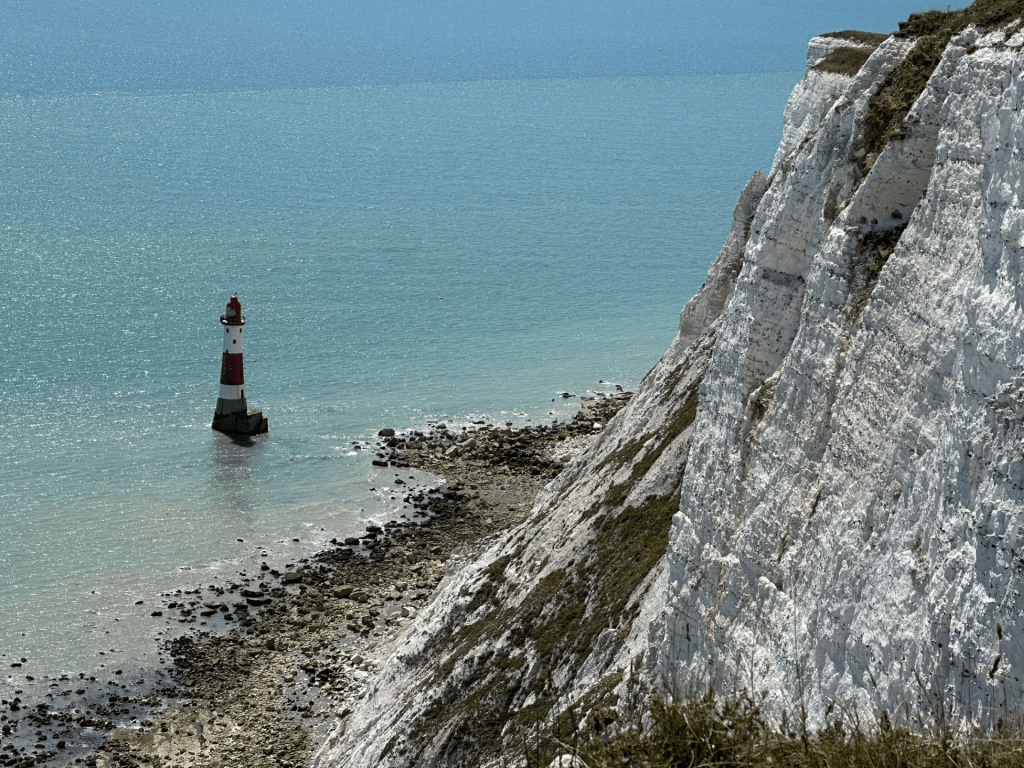
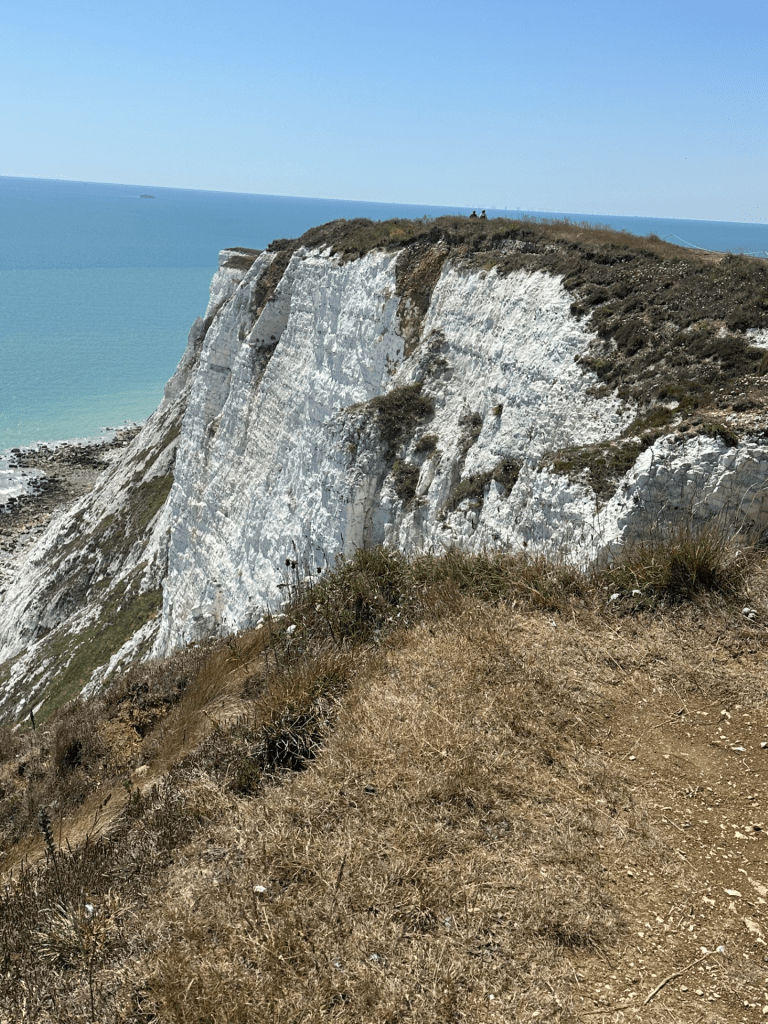
These are a few pictures of the lighthouse we saw on our day visit to the Brighton area in the UK. My phone tells me this is Eastborne – Beachy Head.

This is my Youtube video of this area:
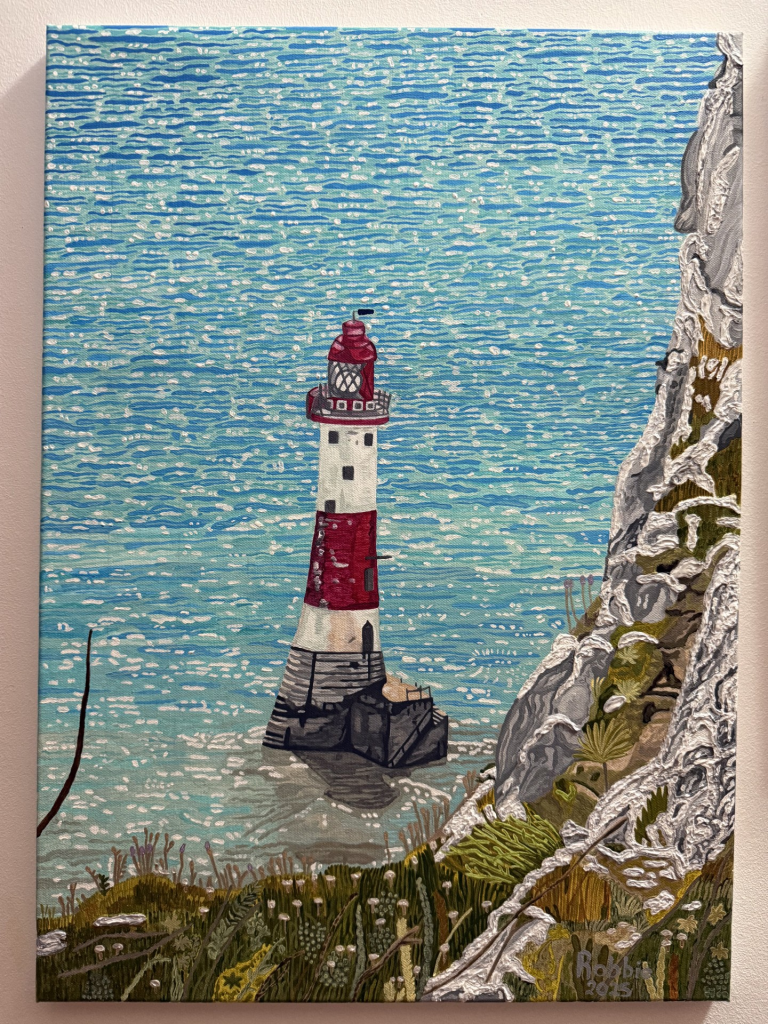
Naturally, this setting called to be painted. I gifted this painting to my mother for her birthday.
This is my Youtube video of the above painting:

 roberta-writes.com
The painting is incredible! Well done. I enjoyed the legend as well.
LikeLike
Thank you, Darlene
LikeLiked by 1 person
I love your painting Robbie and it was interesting to read the backstory to the curse.
LikeLike
Hi Brad, myths and legends are always interesting. I’m delighted you like this painting.
LikeLiked by 1 person
Thanks.
LikeLike
💖
LikeLiked by 1 person
Your painting is stunning Robbie, love it.
Thank you for sharing the backstory of the curse, very interesting.
LikeLike
Thank you, Maggie. I like painting water 💗
LikeLiked by 1 person
My pleasure always Robbie 💖
LikeLike
💗
LikeLiked by 1 person
I’ve never heard of the Inxu Valley, so it was interesting to read a bit of history behind it. And that’s a fantastic painting. I really like how you painting the ripples in the water. That must’ve taken you a while to do!
LikeLike
Hi Dave, I enjoy African mythology. I am a very detailed painter so they all take a few months to complete. I am never in a rush when I paint 💓. Thank you
LikeLiked by 1 person
How interesting, Robbie. I like these old myths. 🧡
LikeLike
Me too. Most people don’t know African myths and legends
LikeLike
Robbie, wonderful post and love the painting. What a magnificent place on earth.
LikeLike
Hi Lisa, it was a most inspiring scene which is why I painted it. Thank you.
LikeLiked by 1 person
You’re very welcome.
LikeLike
That curse sounds true to me.
And I love lighthouses. Great photo and painting. (K)
LikeLike
Hi Kerfe, there is a lot of real history built into this story. The San may well have sensed drought was coming as they are very close to the natural world.
LikeLiked by 1 person
That makes sense too. The land speaks, if you know the language.
LikeLike
The Curse of Nonqaba is fascinating, Robbie. The pictures and videos are lovely, particularly the painting.
LikeLike
Hi Tim, I’m pleased you enjoyed this post. Thank you 💜
LikeLiked by 1 person
You’re welcome, Robbie. 😊
LikeLike
I had never heard of this myth. Interesting! Fantastic painting, Robbie, and a beautiful lighthouse/setting.
LikeLike
Hi Priscilla. Thank you. The area around this lighthouse was captivating for me.
LikeLiked by 1 person
Interesting story about the curse. During a beer festival you say? Funny I don’t associate beer with Africa! I guess it’s all over the world. I like your technique on that lighthouse pic. You really caught the sparkling water.
LikeLike
Hi Jan, oh yes, African has its own beer made from sorghum. It is huge here. The water is why I painted this scene. I love light on water.
LikeLike
Wonderful tale. I love the lighthouse, and you’re painting fantastically. Those cliffs are so cool.
LikeLike
Hi Timothy. I’m delighted you like the painting. I used texture acrylic paste for the cliffs.
LikeLiked by 1 person
The textured paint did well for you.
LikeLiked by 1 person
Beautiful painting Robbie!
LikeLike
Thank you, Wayne
LikeLiked by 1 person
I enjoyed reading the story of your local legend. Your lighthouse painting is stunning! I’ll bet your mother was thrilled to receive it.
LikeLike
Hi Liz, I’m glad you like this legend. Mom does like this painting. She doesn’t like animals.
LikeLiked by 1 person
What I mean is she wouldn’t want a painting of an animal so I had to find a different subject matter.
LikeLiked by 1 person
You chose the different subject matter well.
LikeLike
What a beautiful painting, Robbie!
LikeLike
Thank you, Brenda 💜
LikeLike
Your mom is so lucky to get that beautiful painting from you, Robbie!
LikeLike
Thank you, Terri, mom does like the painting.
LikeLiked by 1 person
Jealousy of your neighbour is indeed an ugly emotion and the root of a lot of evil. The Curse of Nonqaba is indeed a very captivating story. I am wondering if it is true or based on history. The photos and the videos are beautiful.
LikeLiked by 1 person
Hi Thomas, I am sure this story is based on history and I think the San knew drought was coming and that’s part of why they life. The San are very close to nature and its rhythms.
LikeLiked by 1 person
Thank you so much Robbie
LikeLike
Such a fascinating legend that ties so many elements–history, cultures, religion, and the environment together. With their close knowledge of their environment, I can’t help but wonder if Nonqaba and other San sensed something about the climate before they left.
Lovely photos and artwork, Robbie! I’m sure your mother loved the gift!
LikeLike
Hi Merril, you could be right about the San. They live very close to nature and can sense change. My mother does love this painting 💞
LikeLiked by 1 person
You’re welcome, Robbie! 💙
LikeLike
I love every bit of this post, Robbie. The history of the curse is summed up well in your poem. I love the lighthouse, and your painting is beautiful.
LikeLike
Hi Dan, I’m so pleased you enjoyed this myth and the lighthouse. I found this landscape utterly captivating.
LikeLiked by 1 person
Hi Roberta
Thanks for telling us this legend, which, like any legend, has a lot of meanings.
At the south coast of England, we also have such erosions and a lighthouse similarly situated at the Seven Sisters (East Sussex).
The Fab Four of Cley
🙂 🙂 🙂 🙂
LikeLike
Hi Klausbernd, we also visited Seven Sisters. That is next weeks post🩷
LikeLiked by 1 person
I enjoyed reading the legend about the curse, Robbie. I love learning things about different places around the world. Your painting is beautiful, and so depicts the area in your video.
LikeLike
Hi Carla, I’m glad you enjoyed reading this myth. I came across it in a book on legends of South Africa and thought it was interesting.
LikeLiked by 1 person
Thank you very much Roberta for this absolutely interesting story called “The Curse of Nonqaba” as well as the pictures, which remind me of your country!
LikeLike
Hi Martina, thank you for your comment. There are some fascinating myths and legends among the various peoples of South Africa. The San have a long history of 10,000 years in this region.
LikeLike
:):)
LikeLike
Is there anything Christianity has taken into its clutches that they have not destroyed? Sorry for the outburst but this just makes me so mad! Your verse and painting are lovely though, Roberta – and I think your musical accompaniment on the video is spot on!
LikeLike
HI Violet, thank you for your lovely comment. I’m pleased you like the poem and the painting. I made this video just after I’d been to see a Candlelight Concert featuring instrumental versions of selected Queen and Beatles songs. I agree about religion in general and that is why I do not belong to a church. I do not think the manmade instruments of the church are necessary to be spiritual.
LikeLike
LOVE the lighthouses. and the metaphorical lighthouse energy in the story. We learn more, when we seek direction from the light as opposed to the dark.
LikeLike
HI Annette, this is a fact and it is proven over and over again. Thank you for bringing your sunshine to this post.
LikeLiked by 1 person
Your painting was a lovely gift! The legend of the rain and the distrust is a real parable, isn’t it?
LikeLike
Hi Maureen, my mom was pleased with the painting. Yes, parable is a good description. Thank you 🩵
LikeLiked by 1 person
I believe in the curse. What a shame. Your poetry is spot on. Thank you for the story. Your painting is wonderful; your mother must have been thrilled.
LikeLike
Hi Jennie, Mom was pleased with the painting. The San live very close to nature and this is an interesting legend.
LikeLiked by 1 person
I’m glad she liked the painting. Legends are always interesting.
LikeLike
Thank you for sharing this interesting story, Robbie. As always, your art and photography is magnificent.
LikeLike
Hi Dora, I do enjoy sharing about Southern Africa 🩵
LikeLiked by 1 person