d’Verse – Celebrating groundhog day
Frank is d’Verse’s host for today and this is his prompt: Had enough Arctic cold? Buried under unseasonable snow? Or, for those living south of the equator, are you enjoying an arid summer? Well, whatever your situation, you might have heard about a certain rodent prognostication. Frank Tassone, here, & honored to be your host for another Haibun Monday, where we blend prose and haiku together. Today, let’s celebrate an American, weather-predicting tradition with Northern European roots: Groundhog’s Day.
You can join in the d’Verse challenge here: https://dversepoets.com/2025/02/03/haibun-monday-2-3-25-celebrating-groundhog-day/
You can find Frank’s poem here: https://frankjtassone.com/2025/02/03/groundhog-night/
As I live in southern Africa and it is summer here and we don’t have Groundhog’s Day, I have Africanised the prompt and incorporated two Zulu mythological creatures that bring the rain, thunder and lightening. In South Africa we get rain during late spring and summer and nothing at all during late autumn and winter. We can go up to eight months in a normal year without rain so by the time it arrives, we are desperate for relief from the heat and dryness.
The Forsaken
The angry sun savaged the land. Pouring its heat down onto the earth that cracked and broke under the relentless assault. The cattle grew thin, sharp ribs poking through their scraggy hides, while clouds of flies buzzed around their dry eyes and mouths. The crops withered in the fields and the people lay lethargic and parched inside their thatched huts. The milk in the breasts of the young mothers dried up and the babies cried themselves into early graves.
Unkulunkulu — “The One Who Carries Heavy Blows”, also called Rainbull, kept his mighty horns pointed at the sky, forcing the clouds to withhold their rain. He watched the daily passage of the boiling sun across the sky and dreamed about the cloudless nights when the bright stars performed undisturbed against a velvety blackness.
One scorching day, he shook his massive head and his horns accidently pointed towards the land below. The opportunistic rain seized the moment and flooded down in sheets accompanied by Impundulu, Lightening Bird, who summonsed thunder and lightening through the force of its wings and sharp talons.
The parched earth, unable to absorb the deluge, regurgitated the water creating flash floods across the land. People, animals, trees, and bushes all disappeared into the swirling brown whirlpool while Unkulunkulu, faced with his gross neglect, stamped his great hooves and cried pools of tears.
Unkulunkulu
Why have you forsaken us?
Direct your horns well
If you are interested in the Zuly Rainbull myth, you can read it here: https://medium.com/mythology-journal/the-spectacular-story-of-zenzele-and-the-rain-bull-0732de860a33
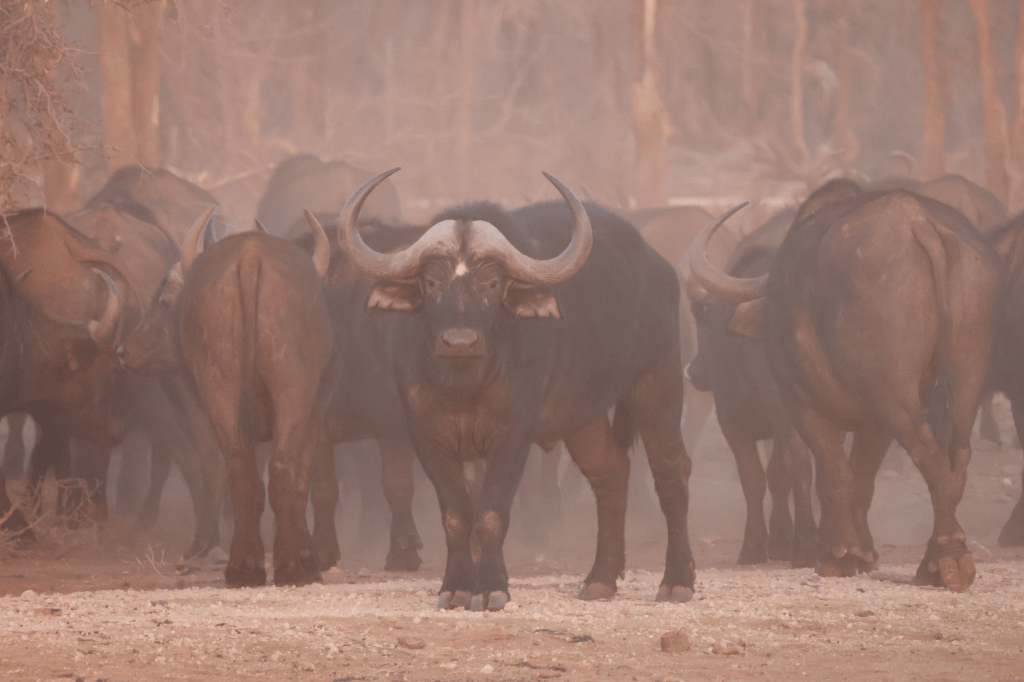
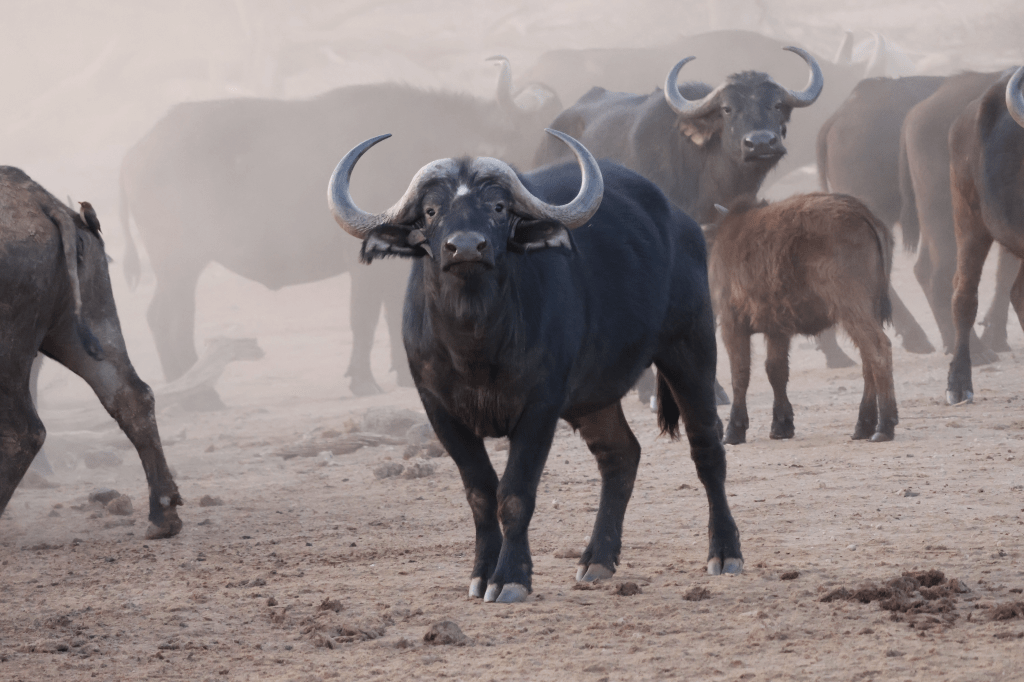
Last August, TC and I visited Jaci’s Treehouse Lodge in Madikwe Game Reserve. These pictures demonstrate how dry and dead everything looks at that time of your in this part of the world:


Story Chat
Talented writer, Marsha Ingrao, is the brain behind the innovative Story Chat series of blog posts. Story Chat involves the submission of a story or a poem which is published on Marsha’s blog, Always Write, and open to constructive discussion by her blog supporters. It is a most informative and interesting process and well worth considering for all poets and writers. You can find out more about Story Chat and find the schedule and submission process here: https://alwayswrite.blog/2024/11/22/story-chat-2025-schedule/
Marsha was kind enough to publish my poem, Invisible People, as part of her Poetry Day for Story Chat Digest 2025.

 roberta-writes.com
Oh wow.. this was quite good, Robbie. So descriptive.. filled with energy. Lived the incorporation of the myths and storytelling style to the piece.
LikeLike
Thank you, Nigel. I like to write about my home environment and local mythology.
LikeLiked by 1 person
As you should… it makes storytelling so much more vibrant when we are connected to what we are writing about. I really enjoyed this piece, Robbie.
LikeLike
I love the way you Africanised the prompt and incorporated Zulu mythological creatures that bring rain, thunder and lightning, as opposed to spring or more snow, Robbie. No snow in South Africa. I admire the way you set the vivid and awful scenes in the opening and closing paragraphs – so evocative and devastating.
LikeLike
Hi Kim, that is right – no snow in Africa. We do have a very harsh climate and it results in a wild and untamed environment. I’m really pleased you enjoyed this poem.
LikeLiked by 1 person
My pleasure, Robbie.
LikeLike
You’ve Africanized the prompt very nicely Robbie. Lovely Haibun.
LikeLike
Thank you, SAdje. They say you should write what you know. I don’t know groundhogs, but I do know African mythology.
LikeLiked by 1 person
I don’t know anything about a ground hog either.
LikeLike
I love your African stories of animals connected to the weather just like the Groundhog…
LikeLike
Hi Bjorn, I’m so glad you liked this piece. I was a little worried I was taking to much poetic license in terms of the groundhog prompt.
LikeLike
This is an incredible post.
I was quite moved by itâs beauty.
Iâll be in touch about it off blog.
Thanks so much.
LikeLike
HI Patty, I’m delighted you enjoyed this post. Thank you.
LikeLike
You’re most welcome. It touched a spot in me. Love much.
LikeLike
That is really lovely to know.
LikeLike
Hi, Robbie and All.
Yes, what Robbie says is true. It is wonderful when we as writers are aware that we’ve touched someone with their words.
It’s why I try without much success to get people to comment on my blog or use the email link to contact.
Be sure to write to one another and let them know you’re reading.
LikeLike
Thank you, Patty.
LikeLike
This is wonderful Robbie !
So enjoyed.
Thank you for sharing.
LikeLike
It’s my pleasure, Maggie. I’m sure you learned some new things about your birth country. Smile.
LikeLiked by 1 person
I did Robbie
Always 💝
LikeLike
An interesting look at a country to which I’ve never been, and your photos are fantastic, Robbie, they really bring your words to life.
LikeLiked by 1 person
HI Clive, I am so pleased you enjoyed this post. I love my animals.
LikeLiked by 1 person
I know you do – it’s very clear from your posts 😊
LikeLike
Entertaining and informative, you do this so very well and it is MOST appreciated!
LikeLiked by 1 person
Hi Annette, your lovely support is appreciated. Hugs.
LikeLiked by 1 person
I can feel the dryness in those pictures.
LikeLike
I know. I am covered in dust after winter bush drives and I have to use eye drops because of the dust even though I wear glasses.
LikeLiked by 1 person
Wonderful post. I love the photos. I can relate to the dryness.
LikeLike
Yes, you can and it can be terrible. I love rain but not floods.
LikeLiked by 1 person
Wonderful photos and journey with you Robbie.
LikeLike
Thank you so much, Brad.
LikeLiked by 1 person
The Zulu mythology you incorporated was so interesting. It’s unfamiliar to me. It made for an evocative piece, Robbie.
LikeLike
HI Merril, I am planning to include a bit of southern African mythology into my poems when the opportunity presents itself. It is very interesting.
LikeLiked by 1 person
Cool.
LikeLike
I love your haibun, Robbie! (I need a drink of water now.)
LikeLike
Hi Liz, living in such a hot and dry climate, I am very good at writing about it.
LikeLiked by 1 person
I can see that!
LikeLike
Very interesting Roberta! It is interesting how people explain experiences in nature. Extremes are not usually a good thing whether in politics or with the weather!
LikeLike
HI Dwight, you are right. Extreme weather is very destructive, as is extreme politics. Often, we have little control over either.
LikeLiked by 1 person
Do love dropping in on African life
LikeLike
Thank you, Jacqui. I love sharing about my home country.
LikeLiked by 1 person
I love your descriptions and ai feel like I’m there with you, Robbie 🙂
LikeLike
Thank you, Denise, this is a lovely compliment.
LikeLiked by 1 person
Vividly described in your haibun, and shown in the photos. Whoo, that’s really dry.
LikeLike
Hi Dave, yes, it gets really, really dry during the winter. October is referred to as suicide month here because it is so hot and dry. Our rains usually come in early November.
LikeLiked by 1 person
Stunning images and strong words
LikeLike
Thank you, Esther. This piece may go into the short stories collection.
LikeLiked by 1 person
A great idea.
LikeLike
I’m pleased you think so. I have three poems already.
LikeLiked by 1 person
That’s brilliant.
LikeLike
Your writeup is very sad Robbie. Sending you joyous vibes.
I get very annoyed with the Groundhog so called legend/superstition here, because it is so far removed from how the superstition began — yet everywhere stated as being “the” one.
Anyhow, wishing you a wonderful week. Hugs.
LikeLike
Hi Teagan, the story of the Rainbull is a sad one. I just wrote my own version with my own descriptions. I never knew this legend at all so it is all new to me.
LikeLike
Flash floods, deluges, that sounds like home both in CA and AZ where the weather can be so dry for such a long time. I love the way you described it, “The parched earth, unable to absorb the deluge, regurgitated the water creating flash floods across the land.” That is exactly what it seems like.
Thanks for the shout out for Story Chat, and the complimentary words. You didn’t mention that your poem caused lots of important chatter. It is an amazing work of art, Robbie. I think it might be your best work ever. (And that’s saying a lot!)
LikeLike
Hi Marsha, CA and AZ sound relatable to South Africa n this regard. I prefer soft rain but that isn’t Africa at all. Africa is wild and untamed. My please to share about Story Chat. I’ll come over and see if anyone commented on the post.
LikeLiked by 1 person
I agree with you, soft rain is much preferred. I talked to a friend of mine last night. A couple of years ago, which I wrote the poem about the talking bridge, they had a horse that stepped into an area where the water had been regurgitated. (I thought of your poem.) He was buried in mud over his back. Only his head was out of the mud. It took almost all the firetrucks in the county to free him, but they did. The video went viral, I guess, but I didn’t even know about it until last night.
LikeLike
Wow, poor horse, it must have been very frightened. I have had floods on my mind recently as we have been experiencing some. Our weather is erratic.
LikeLiked by 1 person
I imagine that erratic weather is very hard on the wild animals. Do they have dams that contain the water during flood times? We have ponding basins everywhere in Visalia because the Kaweah River forms a delta when it gets off the mountain. So we are like the Nile River delta, only smaller with dozens of small streams running off the River. The River is dammed, or Visalia would be flooded every ten years or so, bridges are ruined etc. Even with the dam, we lost bridges and that happened to poor Fred. So I can understand the damage of flash floods and erratic weather. 🙂
LikeLike
This game reserve is near the Kalahari Desert so it is a semi desert region. There are a large number of dams in and around the reserve to capture rain when it comes.
LikeLiked by 1 person
That’s good. 🙂
LikeLike
I love the folklore story, Robbie. And your poem on Story Chat is fantastic, as I have already commented. Fantastic sharing!
LikeLike
Thank you, Jan. I’m pleased you liked this little tale.
LikeLiked by 1 person
Fantastic, Robbie, with mesmerizing Zulu mythology. Those pictures are wonderful. Seeing those buffalo in the dry season is captivating, and the man-made waterhole is a blessing for them.
LikeLike
Hi Tim, the man made waterhole is necessary because although the reserve is very big, it is still an enclosure so they can’t go in search of water in the most natural way. I’m delighted you enjoyed this piece.
LikeLiked by 1 person
Great writing to go with your excellent photos of a land many of us have not seen.
LikeLike
Thank you, Janet. I try to capture the unusual in my photographs.
LikeLiked by 1 person
Lovely stuff…so well written…fascinating..
LikeLike
Thank you, I’m glad you enjoyed this piece.
LikeLiked by 1 person
Great photos and beautifully written with terrific imagery
LikeLike
Hi John, I’m pleased you enjoyed this piece.
LikeLiked by 1 person
Hi, Robbie – Your haibun is absolutely captivating! I love how you’ve taken the Groundhog Day prompt and infused it with the rich mythology of southern Africa. Congratulations on your feature in Story Chat!
LikeLike
Hi Donna, I am so pleased you enjoyed this piece. I am deliberately planning to incorporate more African mythology into my writing.
LikeLike
I am having a hard time posting comments today. Let’s see if this one goes through. Anyway, I liked the Unkulunkulu story and I loved the photos. Here in north Texas / Dallas it has not been very cold lately but rather unusually warm. It was 82 degrees yesterday (28 Celsius). I have not yet gotten used to the groundhog day tradition. It is a tradition that is somewhat strange and before I arrived in the US I had never heard of it.
LikeLike
Hi Thomas, I have also had issues with commenting on some posts. It’s painful. I didn’t know the groundhog story either. I thought groundhog day was an endlessly repeating cycle of events like the movie of this name.
LikeLiked by 1 person
Good use of the prompt Robbie. We are so dependent on the weather, it’s no wonder we have so many myths attached to it. (K)
LikeLike
Yes, the San people (previously Bushmen) also have a lot of myths that are similar.
LikeLiked by 1 person
such preposterously beautiful animals; loved the poetry too —
LikeLike
I think they are beautiful too. Thank you, John
LikeLiked by 1 person
I love your story. So atmospheric .
LikeLike
Thank you, I’m so pleased to know that.
LikeLiked by 1 person
Thank you for sharing some South African folklore, Robbie. I love that. And the photos are spectacular, dry and dusty, but that adds a magical sepia tone to them – especially the middle two of the buffaloes. Gorgeous shots. And congrats again on the Story Chat poem, which you know I loved.
LikeLike
HI Diana, I am pleased you like those pictures. I was trying to capture the effect of the dust. I’m glad you enjoyed the poems. Poems just seem to come and come lately.
LikeLiked by 1 person
I can tell. And all wonderful. Your muse is in sync!
LikeLike
OMG! The first 2 pics of buffalo look like paintings. Is that the dry giving it that look?
The Forsaken is a terrific tale, folklore at its finest.
I’ll head over to Marsha’s blog, after a read a post or 2 more here!
Thanks Robbie!
LikeLike
Hi Resa, I try to take unusual pictures that depict Africa as it really is, the good and the bad. I am pleased you enjoyed The Forsaken. I am planning to include more southern African folklore into my poetry and writing this year.
LikeLiked by 1 person
Great idea, I look forward to that!
Also, I’ll be putting a repost of the previous post with the Japanese street art when I do the post about your book.
“While the Bombs Fell” I have 1 or 2 questions. I’ll send a mail soon!
LikeLike
Robbie,
I went over and read Invisible. It is most brilliant and painfully honest, a wonderful piece of writing.
I didn’t leave a comment there (I did “like”), as WP has been doing weird things when I comment, both on blogs I have commented on before, and definitely have not.
These WP gremlin things usually clear up on their own.
LikeLike
HI Resa, I am so happy you appreciated that poem. I think it is one of my best. Thank you. WP is doing weird things with comments and I found 3 of yours in Spam – why? I will have to remember to check Spam more often. You should be fine now though. I’ve also had some issues where WP says my comment hasn’t been approved and I have to rewrite it. Now I copy my comments before I submit.
LikeLiked by 1 person
Thank you for freeing me!!!!!
I check spam every few days. It is ridiculous who I find in there time to time.
I am copying all my comments, too!
Just love the the Japanese street art post!!
LikeLike
My heart goes out to the critters in S Africa in the dry season. Wonderful photos, as always.
LikeLike
Thank you, Lisa. Because they are effectively enclosed, despite it being a very large enclosure, they cannot roam as they should naturally. As a result, manmade interventions with regards to water must be made.
LikeLiked by 1 person
Robbie, I’m guessing the enclosures are to keep them safe. The backlash is they are also made vulnerable because of it. I’m so glad interventions with water are made!
LikeLike
That was a phenomenal haibun, Robbie! And congrats on getting highlighted at Story Chat!
Yvette M Calleiro 🙂
http://yvettemcalleiro.blogspot.com
LikeLike
Thank you, Yvette. I am delighted to be part of this wonderful on-line poetry community.
LikeLiked by 1 person
The background to the haibun is fascinating, Robbie, and the haibun itself paints a picture as vivid as your art on the toll the scorching heat takes on the living.
LikeLike
This is informative as it is creative.
LikeLike
I’m glad you enjoyed this post.
LikeLike
This was so refreshing, great write and a great read Roberta ❤️
LikeLike
Thank you, Paul. I’m pleased you enjoyed them.
LikeLiked by 1 person
My pleasure
LikeLike
🧡
LikeLiked by 1 person
I’m sorry I’m so late, Roberta! I love how you adapted the prompt with your myth-telling haibun! Beautifully done!
LikeLike
Thank you, Frank. No worries,I was late posting this 🌈
LikeLike