Sally Cronin has written a most compelling and wonderful review of A Ghost and His Gold. I am completely delighted by her complete understanding of this story and my writing goals and intentions. Thank you, Sally.
This week my review for the recent release A Ghost and His Gold by Roberta Eaton Cheadle
About the book
After Tom and Michelle Cleveland move into their recently built, modern townhouse, their housewarming party is disrupted when a drunken game with an Ouija board goes wrong and summonses a sinister poltergeist, Estelle, who died in 1904. Estelle makes her presence known in a series of terrifying events, culminating in her attacking Tom in his sleep with a knife. But, Estelle isn’t alone. Who are the shadows lurking in the background – one in an old-fashioned slouch hat and the other, a soldier, carrying a rifle?
After discovering their house has been built on the site of one of the original farms in Irene, Michelle becomes convinced that the answer to her horrifying visions lie in the past. She must unravel the stories of the three phantoms’ lives, and the…
Welcome to Thursday Doors, a weekly feature allowing door lovers to come together to admire and share their favorite door photos from around the world. Feel free to join in on the fun by creating your own Thursday Doors post each week and then sharing your link in the comments below, anytime between 12:01 am Thursday morning and Saturday noon (North American eastern time).
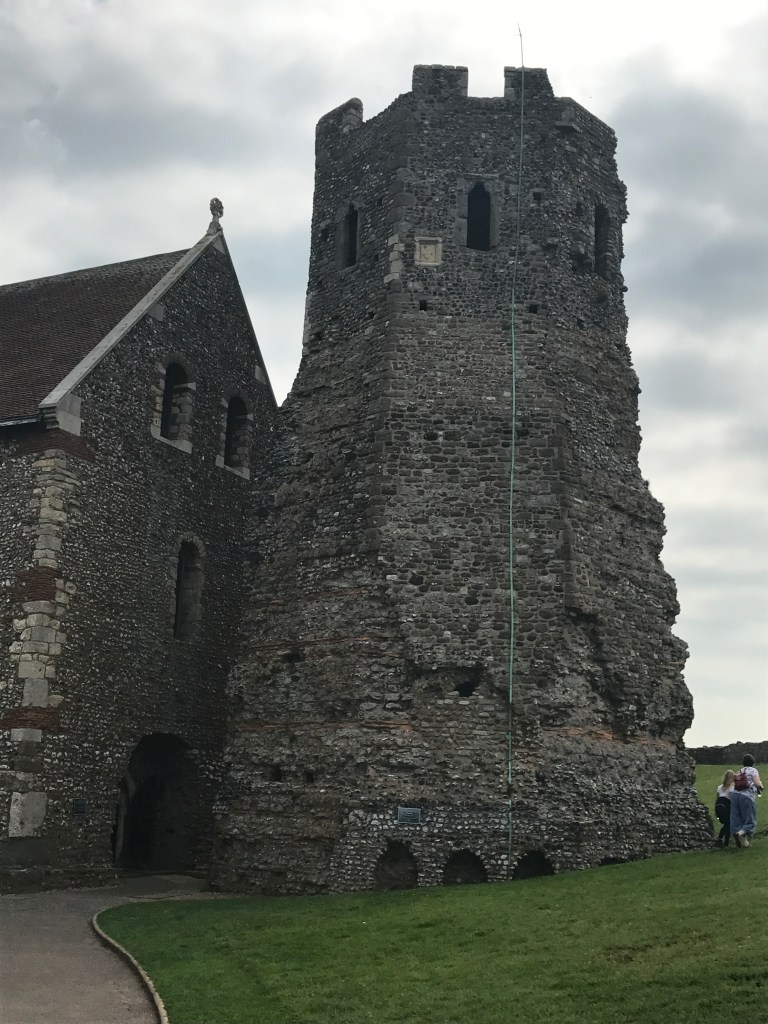
Last week, I shared some of my pictures of Dover Castle in Kent. This week I am sharing my pictures of the Roman lighthouse and the Saxon Church that are both built on the site of Dover Castle.
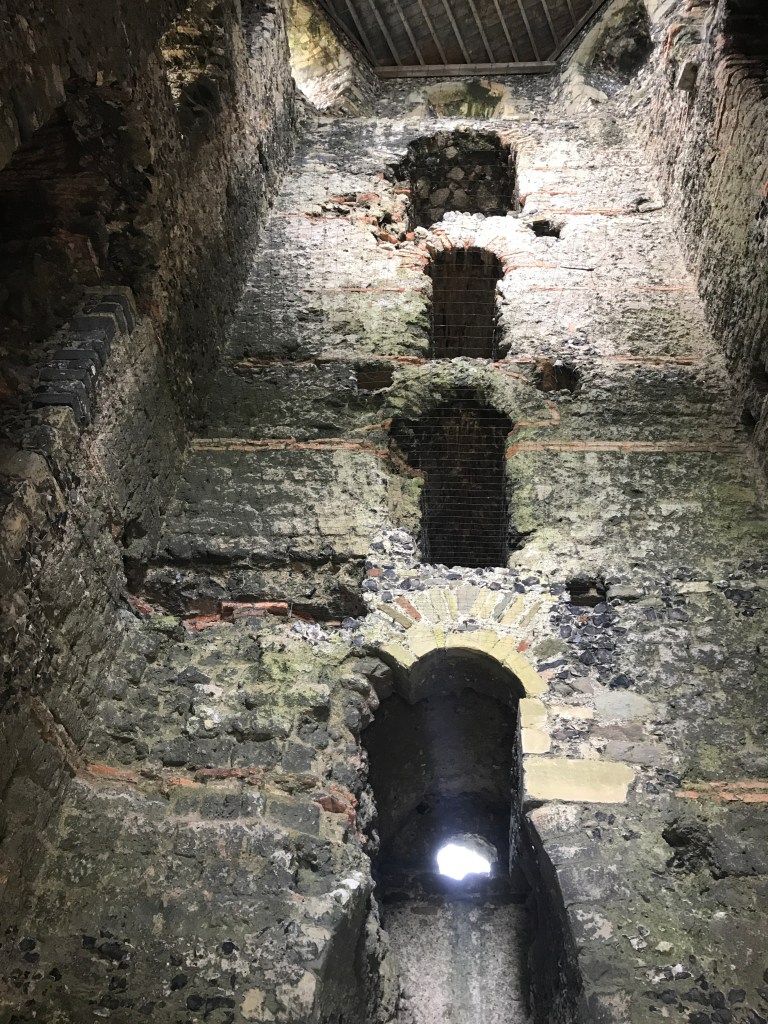
Roman lighthouse
The Roman lighthouse at Dover Castle is one of two such lighthouses in Dover and one of only three surviving Roman-era lighthouses in the world. This lighthouse is the tallest and most complete standing Roman structure in England and is claimed to be Britain’s oldest standing building. The lighthouse survived after being converted into a belltower for the adjacent church in the Saxon era when a new upper layer was added.
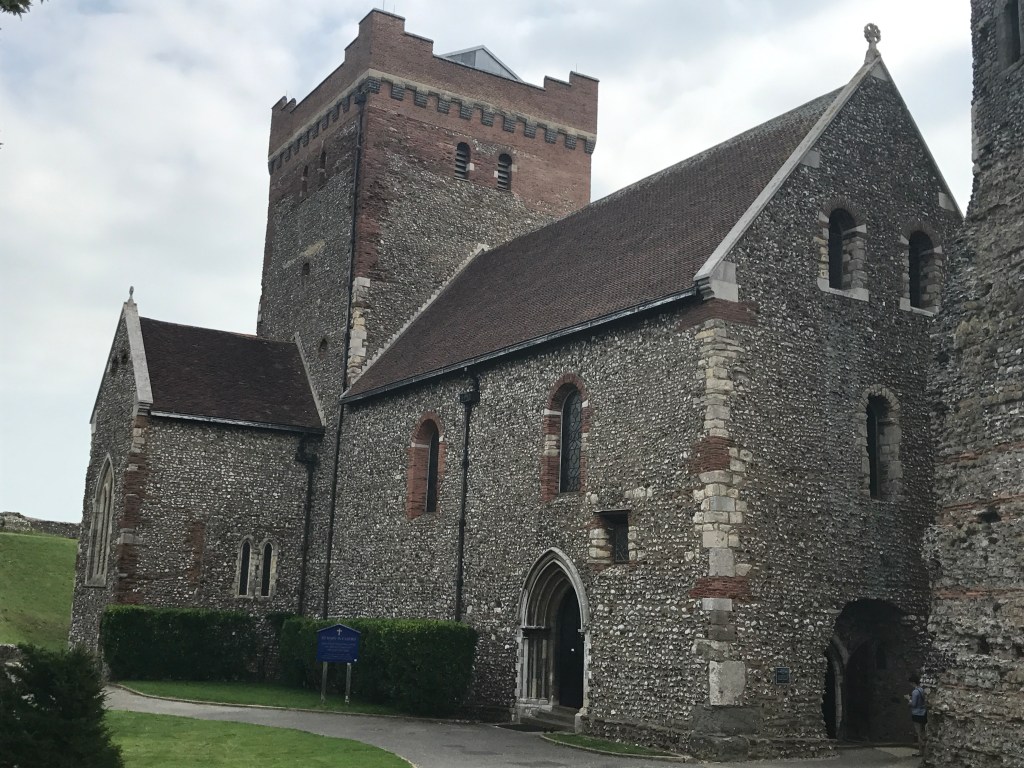
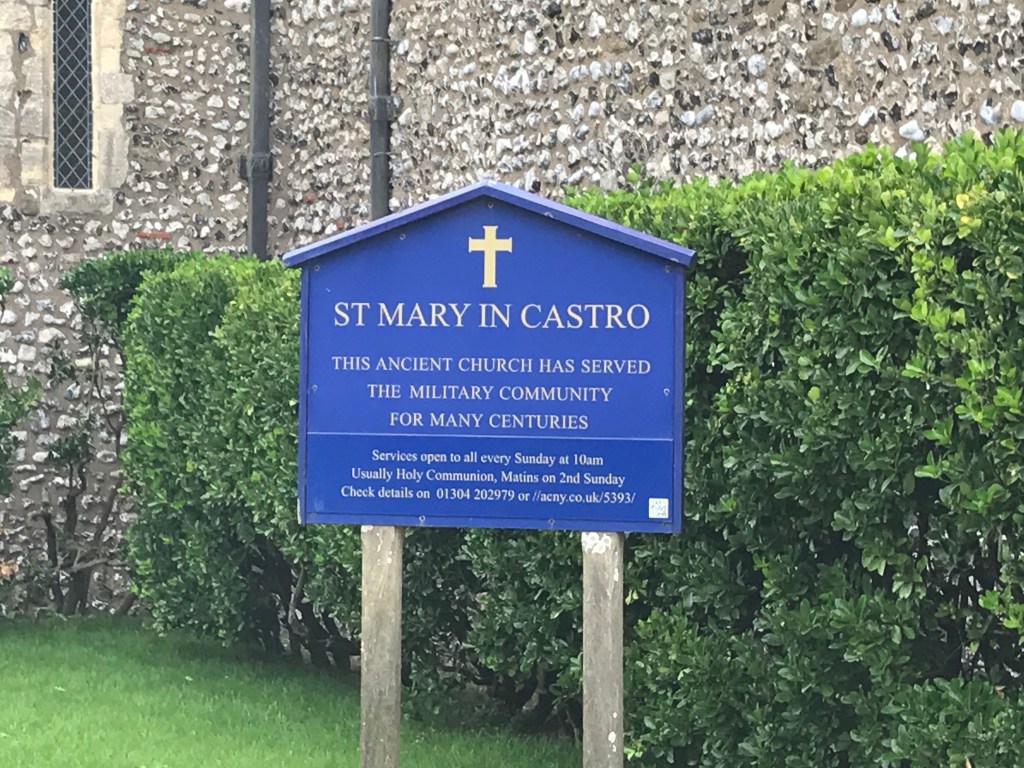
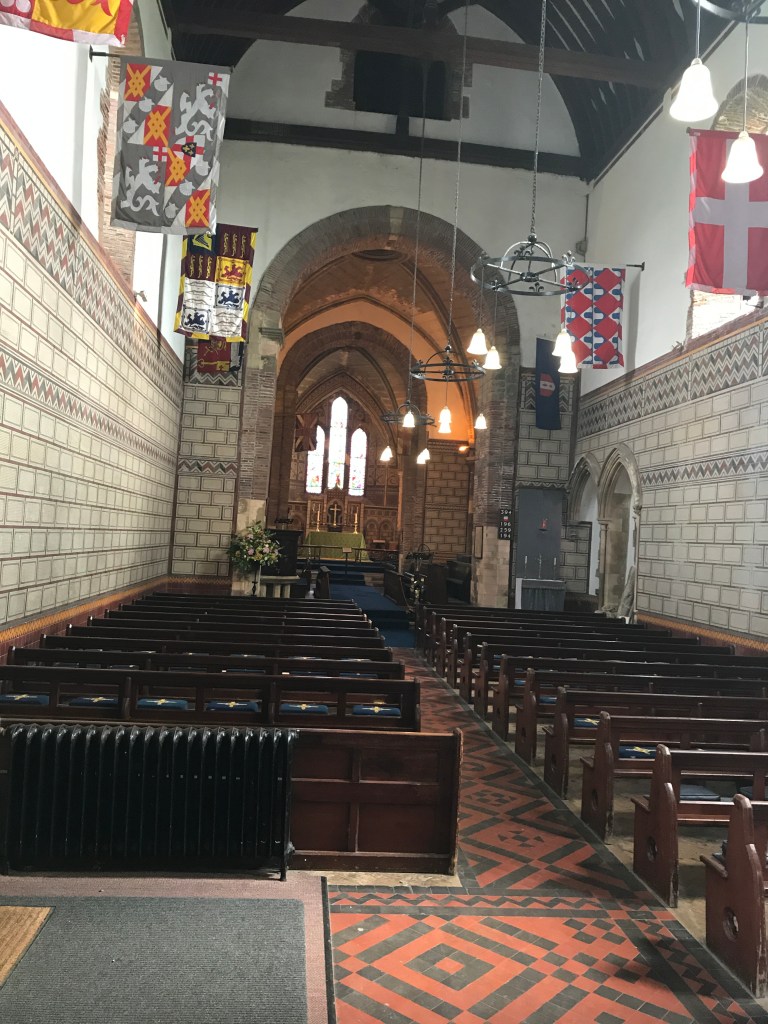
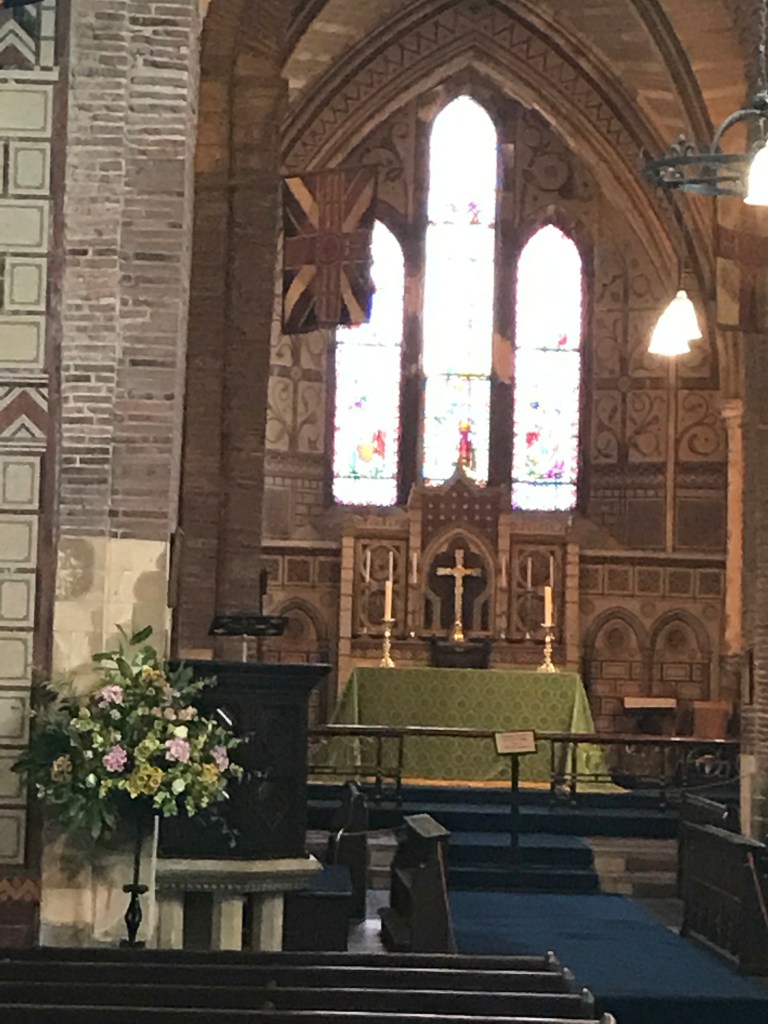
Saxon church – St Mary in Castro
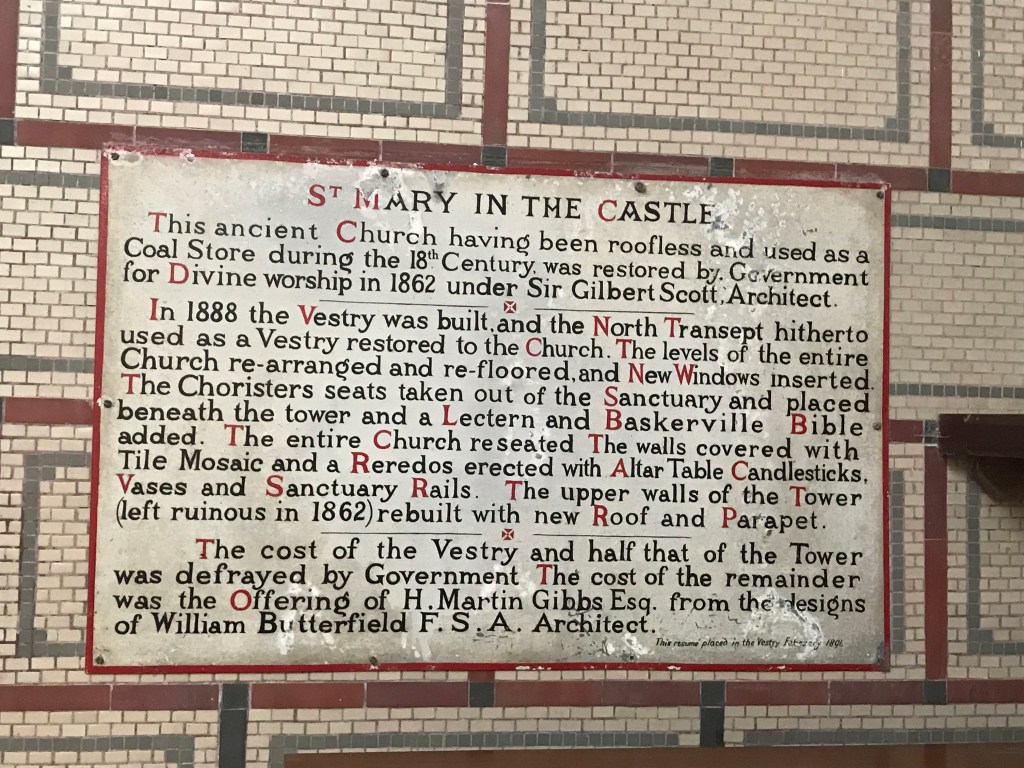
St Mary in Castro or St Mary de Castro is a heavily restored originally Saxon structure which is built next to the Roman lighthouse which became its belltower.
There are records which indicate that this church was build by Eadbald of Kent in the 630s, but this is not a proven fact. The existence of a large, late-Saxon cemetery around the restored church does support this theory. The present Saxon church was built around AD1,000.
Jeff Shaara has enthralled readers with his New York Times bestselling novels set during the Civil War and the American Revolution. Now the acclaimed author turns to World War I, bringing to life the sweeping, emotional story of the war that devastated a generation and established America as a world power.
Spring 1916: the horror of a stalemate on Europe’s western front. France and Great Britain are on one side of the barbed wire, a fierce German army is on the other. Shaara opens the window onto the otherworldly tableau of trench warfare as seen through the eyes of a typical British soldier who experiences the bizarre and the horrible–a “Tommy” whose innocent youth is cast into the hell of a terrifying war.
In the skies, meanwhile, technology has provided a devastating new tool, the aeroplane, and with it a different kind of hero emerges–the flying ace. Soaring high above the chaos on the ground, these solitary knights duel in the splendor and terror of the skies, their courage and steel tested with every flight.
My review
I listened to the 30 hour audio book of To the Last Man. It was well narrated and the narrator, Paul Michael, had a pleasant voice which is important for such a long listen.
I bought this book because I wanted to learn more about the USA’s involvement in WW1 and it certainly surpassed my expectations in that regard.
The first half of the book is devoted to the role of aviators in this terrible war and focuses on the establishment of the American escadrille, called the Lafayette Escadrille, comprising of American pilots who flew for France prior to America’s late entrance into the war.
Raoul Lufbery is the central character for the telling of this perspective. Lufbery is not a war hero I’d heard of before reading this book, but he was my favourite character. Through Lufbery’s eyes, the reader meets other American aviation heroes from this flying corp including Kiffin Rockwell, Victor Chapman, Norman Prince, William Thaw, and others. I found the descriptions of the in air fights, different aeroplanes and guns, and attitudes and attire of the pilots fascinating. This is exactly the sort of detail I enjoy in a historical novel as it makes the people and events very real.
This section of the book also presents the German aviation perspective through the eyes of the famous Red Baron. I had, of course, heard of Manfred Von Richthofen, but I didn’t know all the details presented in this book. I thought the Red Baron and the attitudes and culture of the German military were well described.
The second half of this book was devoted to the story of America’s entry into the war and the appointment of General John Pershing to head up the USA army. The first part of this section included a lot of detail about the politics of America’s entrance into the war both internally, and among the British and the French. I found it very intriguing.
The last part of the book details the experiences of an American farm boy turned doughboy and his experiences in The trenches and on the ground in France. The details about the tanks, weapons and battles were extraordinarily well researched and the fights and battles vivid and horrifying.
These are two short extracts which illustrate the detailed descriptions of life for soldiers in this war:
“Soaked and thoroughly embarrassed, they were given soft blobs of foul-smelling soup that carried away the last remnants of the creatures who had taken up residence on the skin and hair of each man, and then, more hoses.”
“The darkness was complete, a slow march into a black, wet hell. He was the last man in the short column, one part of a line of twenty men, guided by the low sounds in front of him, soft thumps, boots on the sagging duckboards.”
The reason I am allocating 4 stars to this book is because the short clipped style of writing was a bit irritating in some parts. There was also a relentless usage of the word – said. I found it quite distracting and started listening for it.
For me, the disclosures about ‘the doughboy’ Roscoe Temples feelings of complete displacement and worry he’ll never fit in at home again we’re realistic and vivid. I was glad, however, that the book ended on a bit of a high note after all the misery and loss.
This book is a must read for people interested in learning more about America’s participation in the war.
If you are interested, you can listen to my review and a short extract from this book here:


 About the book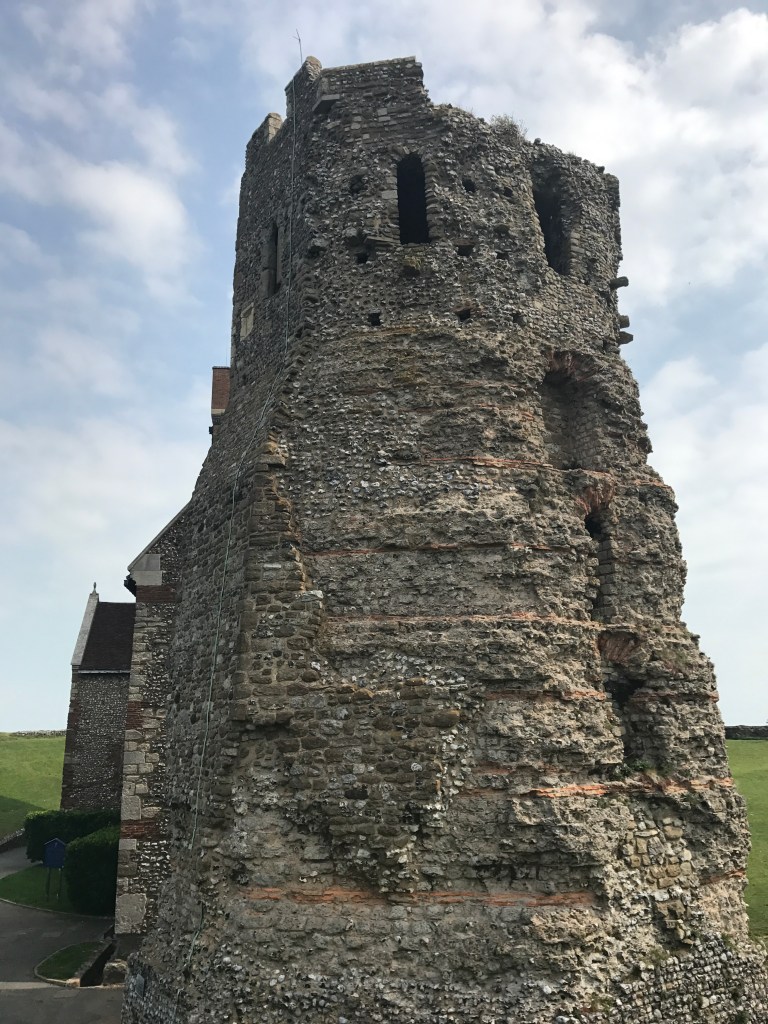


 roberta-writes.com