This poem is another contribution to my Paris Diaries Poems.
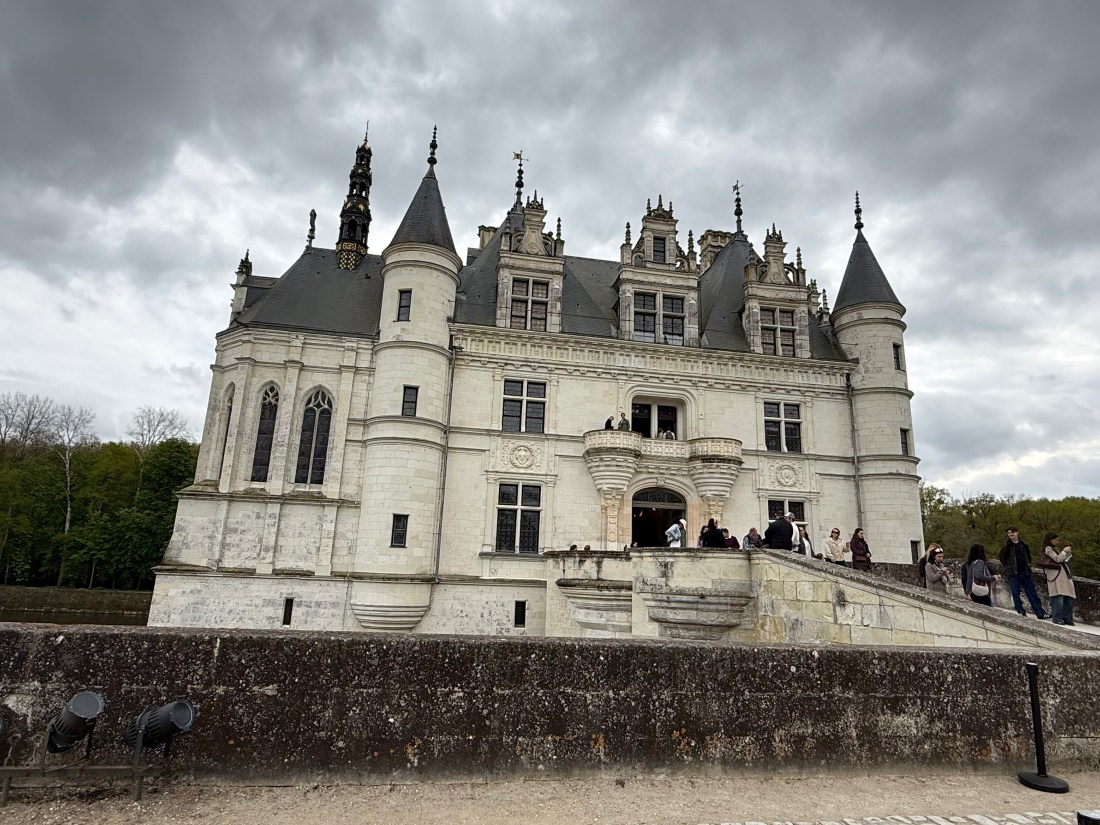
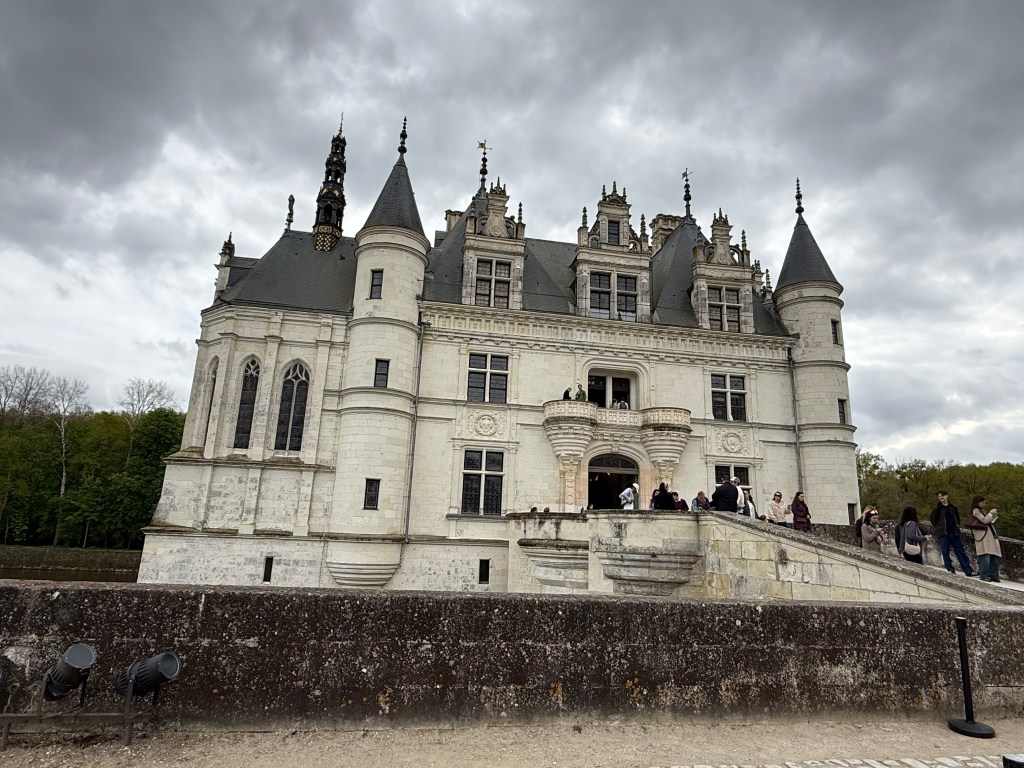
Chateau de Chenonceau (Loire Valley, France)
A survivor of the French Revolution
Five-arched bridge its saving grace
Not sacked; it survived dissolution
Ladies chateau of flowers and lace
Due to it’s owner’s quick actions
It’s now a major tourist attraction
***
Famous for its facade of white stone
And spectacular gardens with terraces
Diana de Poitiers lived there alone
The first of its female heiresses
She planted flowerbeds, vegetables
And an orchard before the entrance
***
King Henry II favoured his mistress
Causing resentment by his jealous wife
When he died after a short illness
Catherine de Medici changed her life
Evicting Diana from castle and court
Queen Regent her vengeance wrought
***
The chateau received an Italian facelift
And a grand gallery over the bridge
Catherine was a notorious spendthrift
Living a life of splendour and privilege
Installing beautiful historic tapestries
While France fell deeper into anarchy
***
Madame Louise Dupin saved the castle
Nicknamed ‘goddess of beauty and music’
She advocated the bridge’s use for travel
Utilising her popularity and good ethics
In spring, the gardens still flourish
It’s natural beauty the soul does nourish
Thursday Doors and The Flower Hour
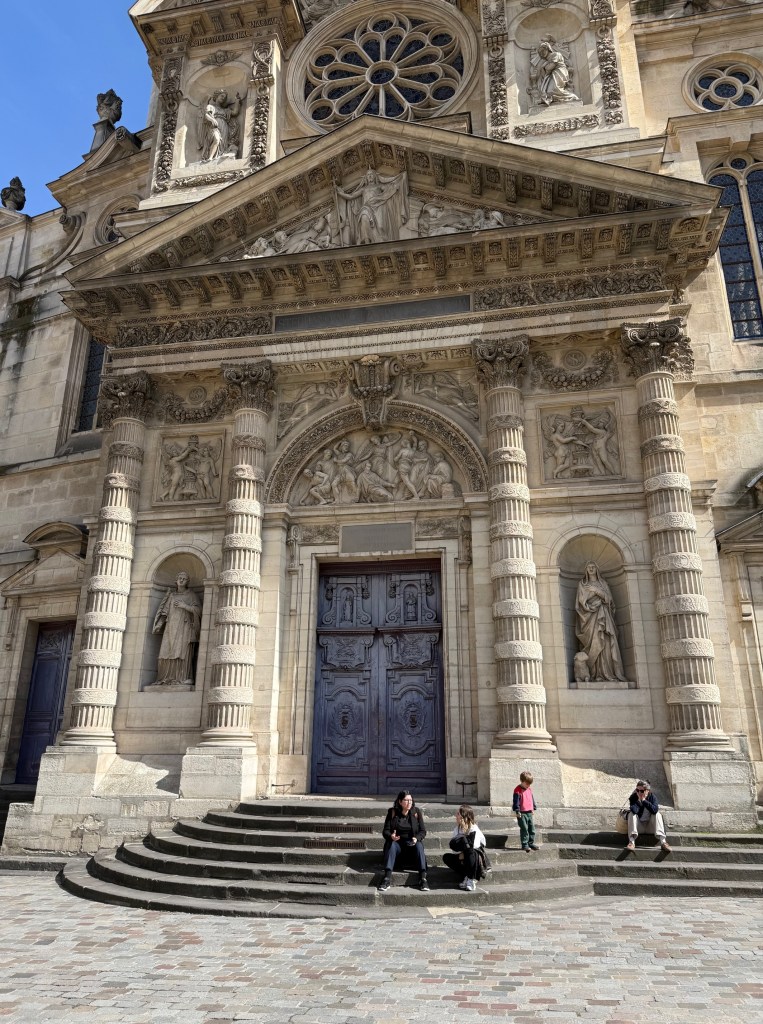
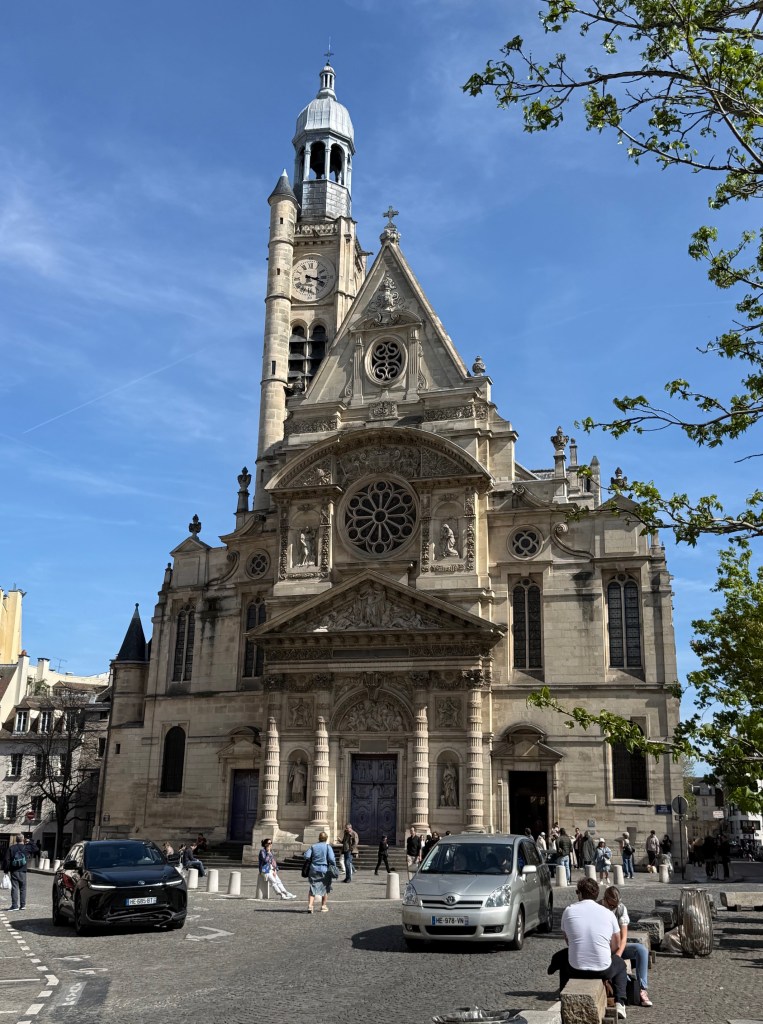
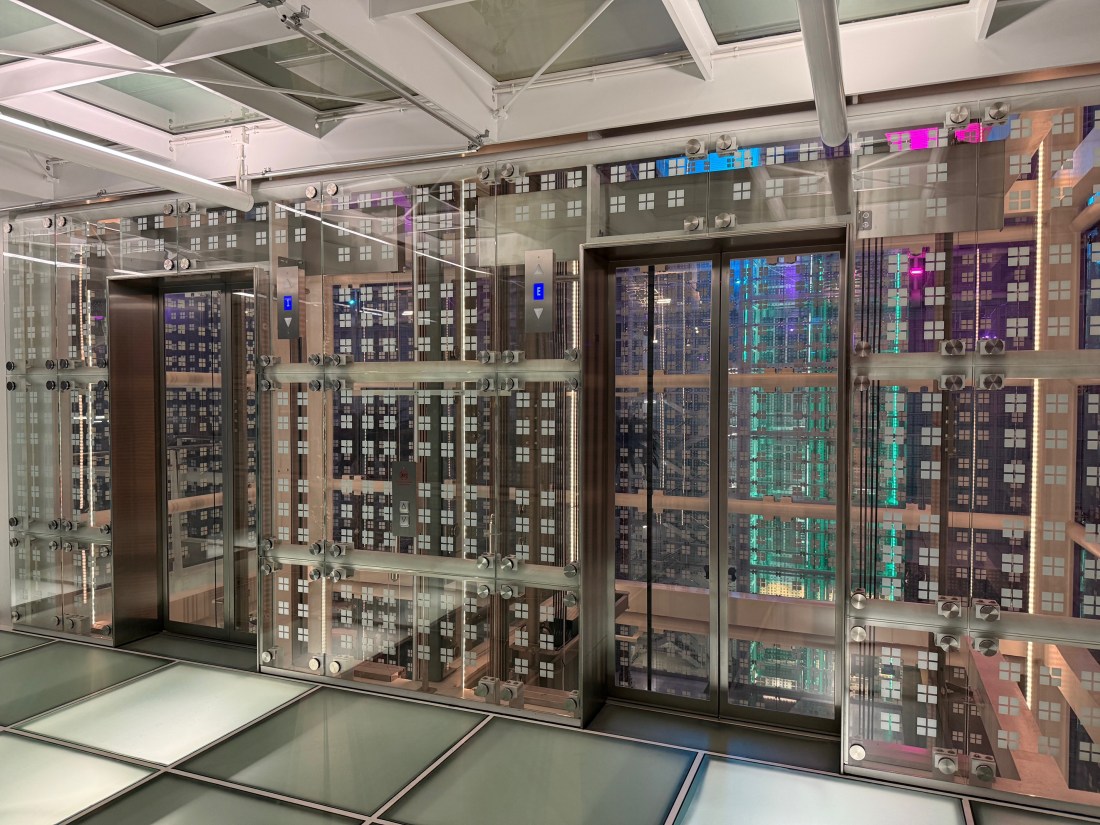
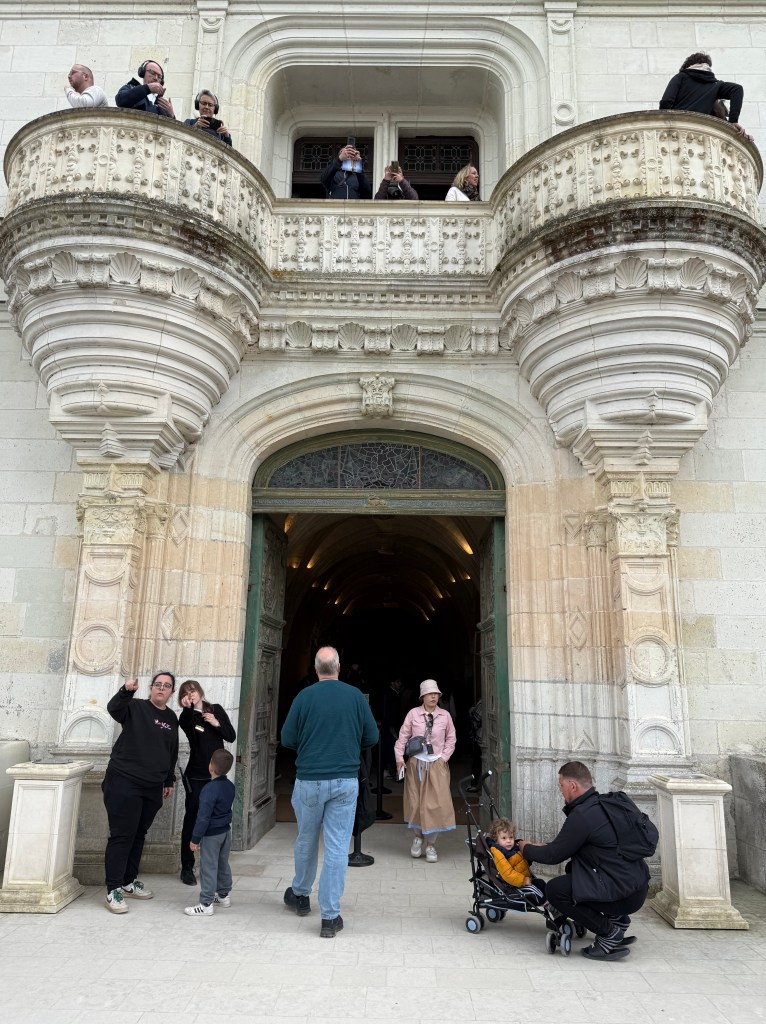
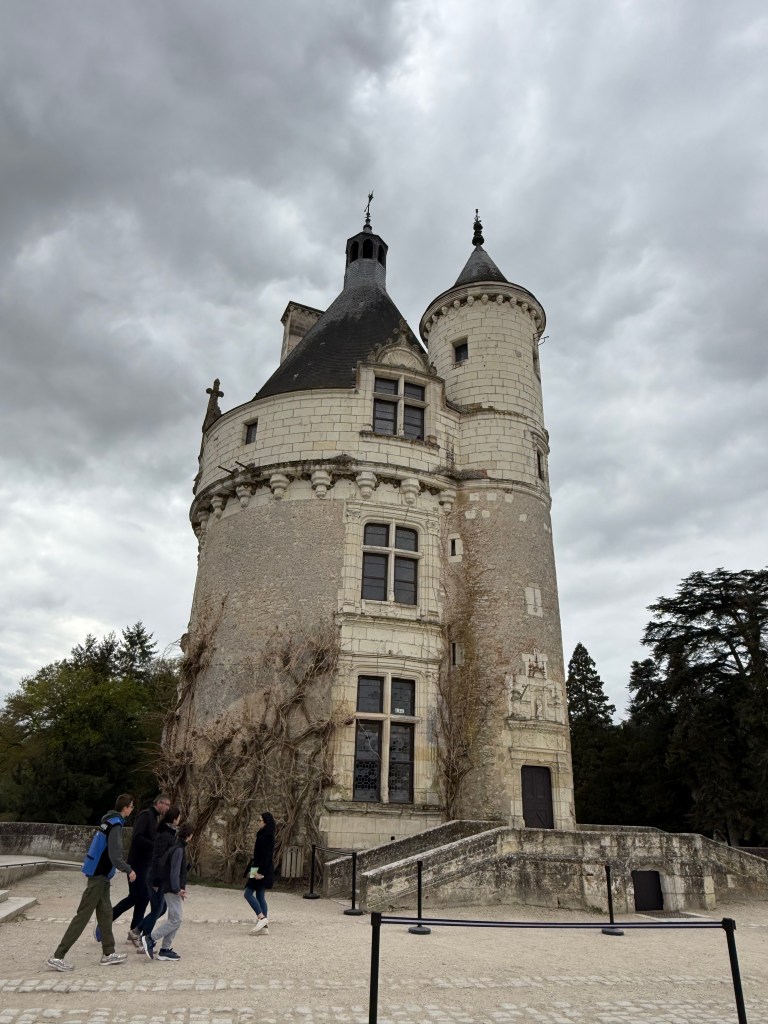
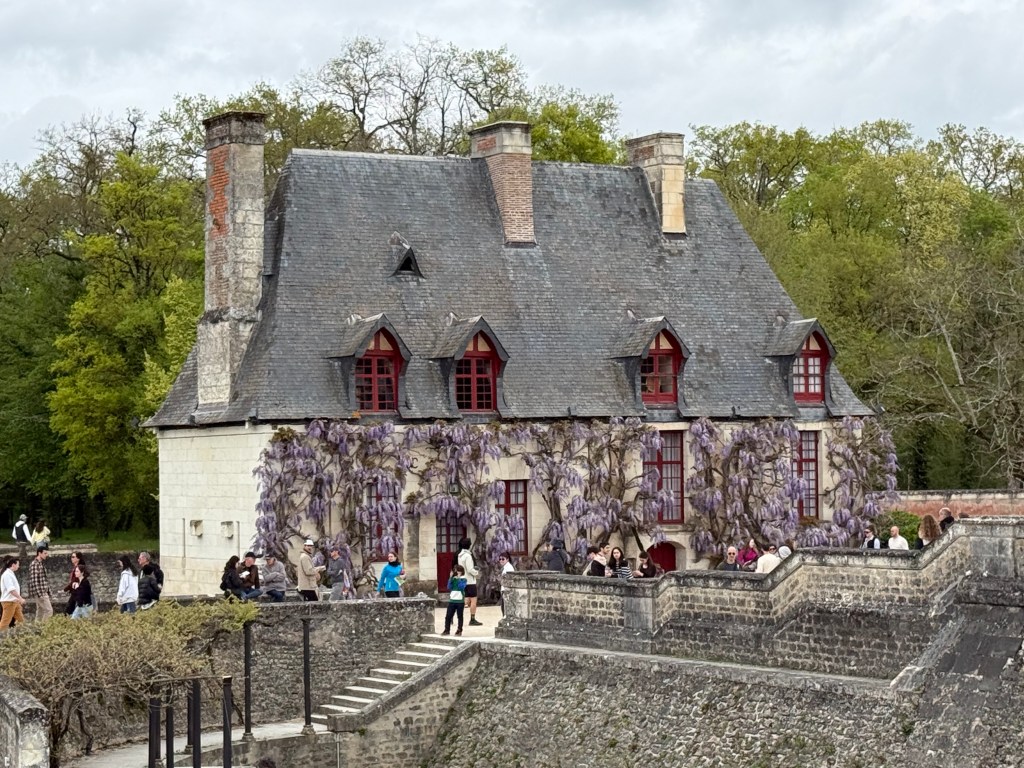
For Dan’s Thursday Doors I am showing you the exterior of the Chateau de Chenonceau and the separate tower as well as an outside cottage. You’ll have to wait until next week to see inside. You can join Dan’s Thursday Doors here: https://nofacilities.com/2026/04/16/the-hungarian-room/
Thank you, Robbie, for allowing me to take over your blog and talk about my new book, Fringes, Heartstrings, and Lyrics.
Once I had the title for this collection, I knew the Lyrics section would need to be poems. As I thought about that, I wanted to include more than my own work. So, I spent hours combing through a folder of my late husband’s writings from the 1960s looking for things to share. I found much more than I had room for. Then, my fourteen-year-old-granddaughter began reading some of her poems to me as I drove her to dance classes, and I was compelled to include some of those as well.
Here is a teaser from each of us. I hope you enjoy!
I Am You – You Are Me by Jan Sikes
I don’t know how it came to be That we, in spirit love were joined Somewhere out in eternity Then split apart like a germinating seed And placed on earth, each other to seek
Angels Are Perfect by Rick Sikes
The snow falls, and I am plagued with loneliness As much as any man can possess But my mind strays to bright summer days When I knew your fond caress
Society by Sidney Klein
Welcome to society We hope you enjoy your stay You can do anything you want As long as you do it our way
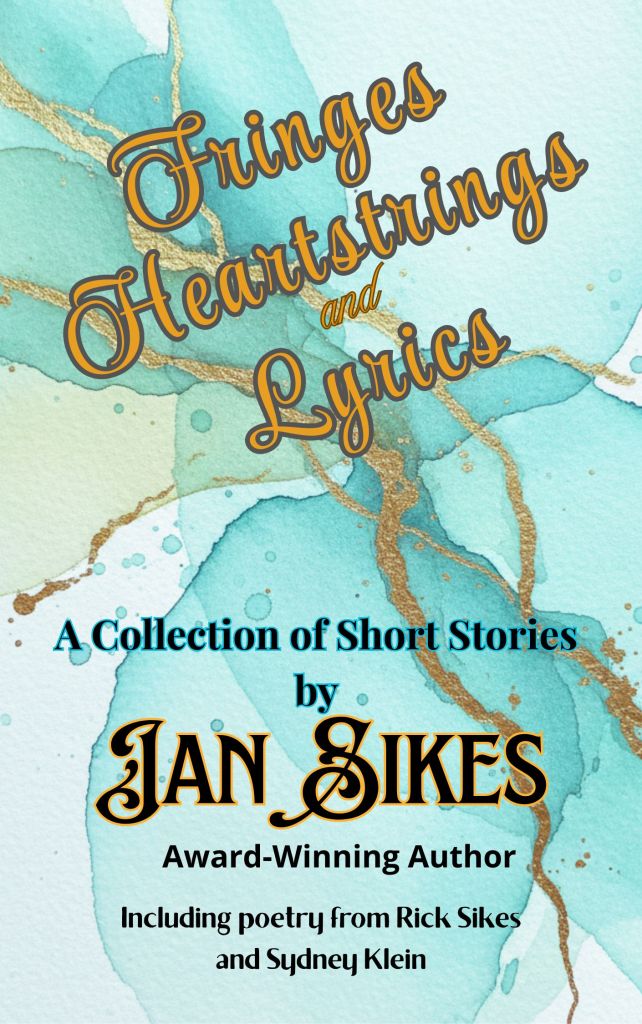
Picture caption: Cover of Fringes, Heartstrings and Lyrics by Jan Sikes
Book Blurb
At the edge of the world, and the center of the heart, you’ll find stories that linger.
Fringes explores dystopian futures where survival is uncertain and hope is fragile. In A Foreign World, The Forgotten, and Yearning for Paradise, humanity is pushed to its limits.
Heartstrings turns toward the warmth of love, resilience, and second chances. Stories such as A Promise Broken – A Promise Kept, She Dances with a Memory, and When Love Isn’t Enough remind us that the human spirit endures.
Lyrics captures life in poetry—moments of longing, faith, and reflection in pieces like Comes the Dawn, Society, and The Blind Man in the Night.
From chilling possibilities to comforting truths, Fringes, Heartstrings & Lyrics is a genre-blending collection of short fiction and poetry that will make you think, feel, and return again and again.
Picture caption: Meme featuring Fringes, Heartstrings and Lyrics book cover and the words Poetry transforms emotions into palpable words
Jan Sikes is a multi-award-winning author, who writes compelling and creative stories from the heart.
She openly admits that she never set out in life to be an author, although she’s been an avid reader all her life. But she had a story to tell—Not just any story, but a true story to rival any fiction creation. She brought the powerful true story to life through fictitious characters in an intricately woven tale that encompasses four books, accompanying music CDs, and a book of poetry and art.
And now, this author can’t put down the pen. She continues to write fiction in a variety of genres and has published many award-winning short stories and novels. She is an active blogger, a member of the Story Empire group, loves to support indie artists (both literary and musical) and is the grandmother of five beautiful souls. Find out more at http://www.jansikes.com
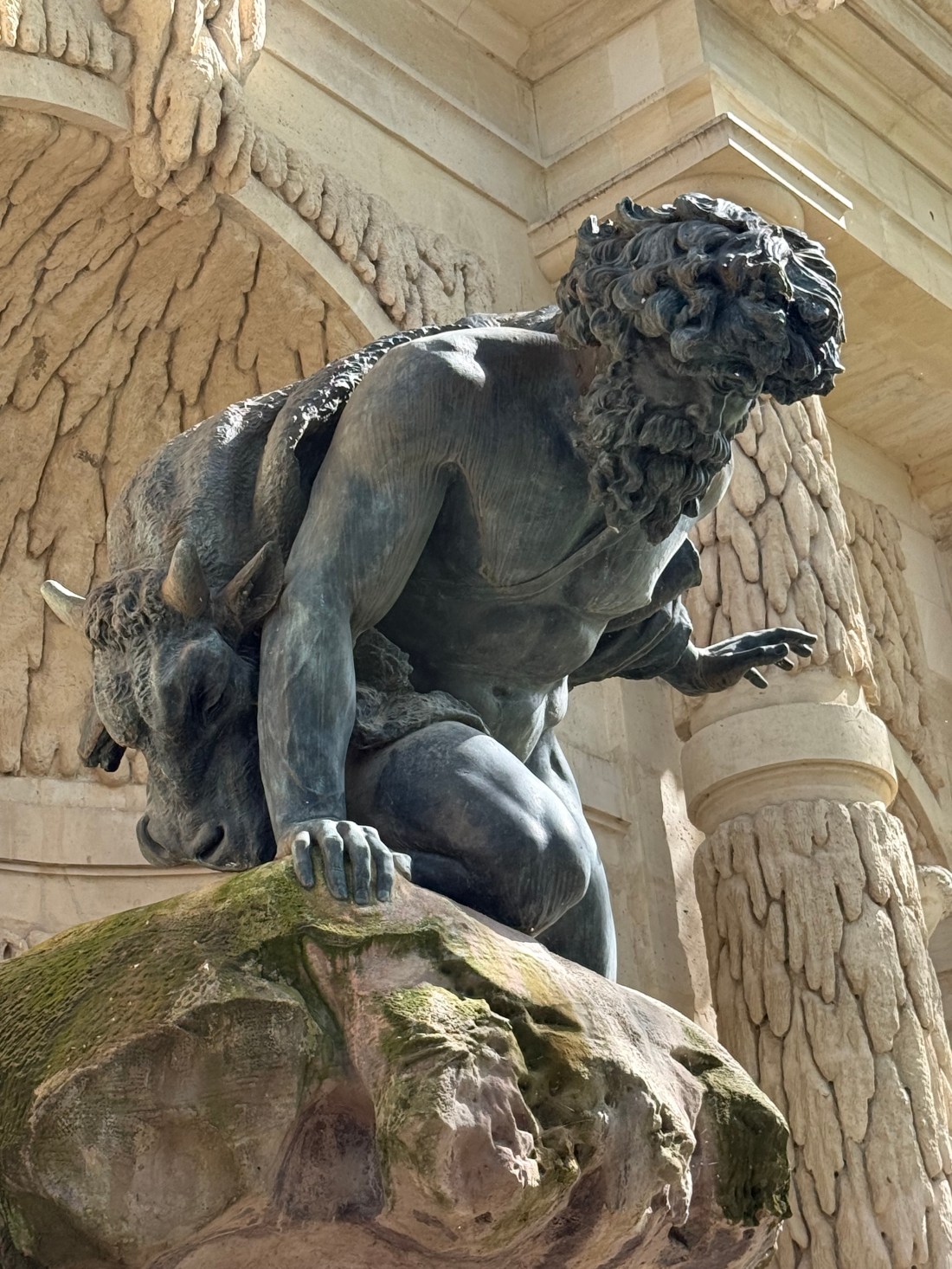
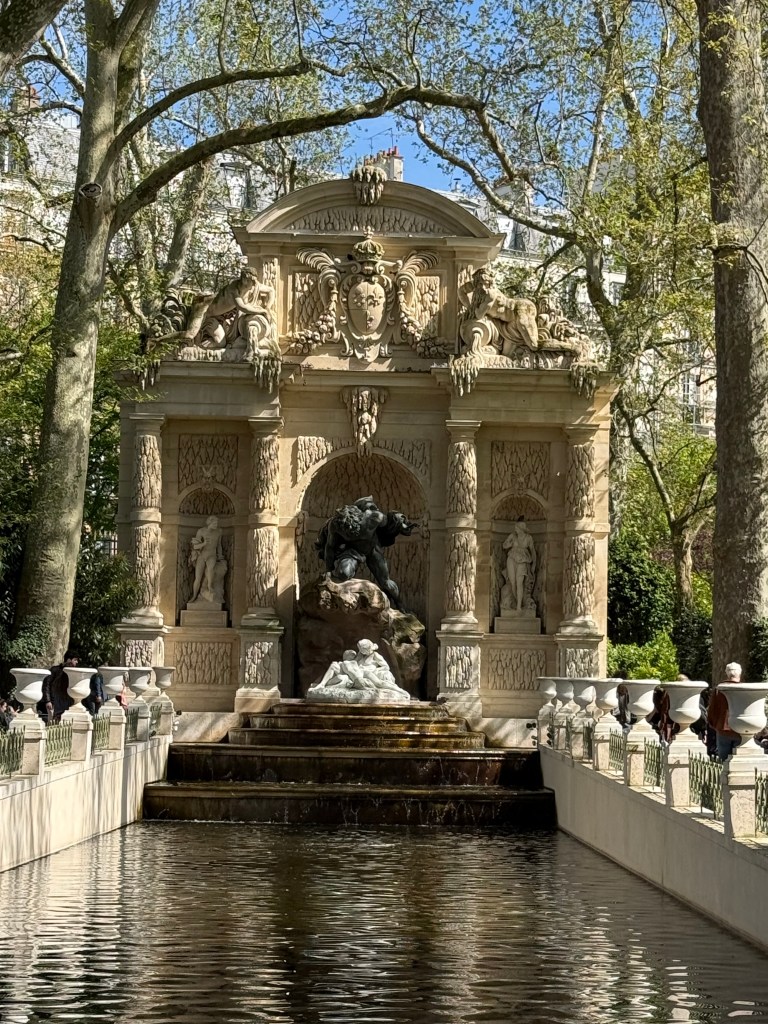
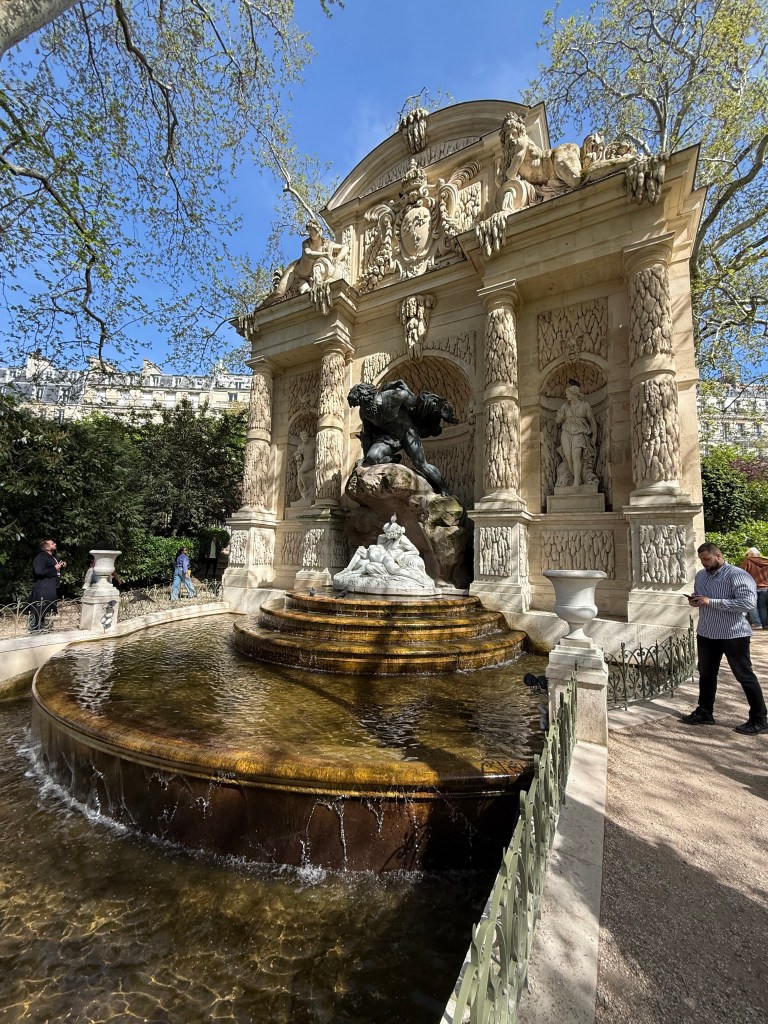
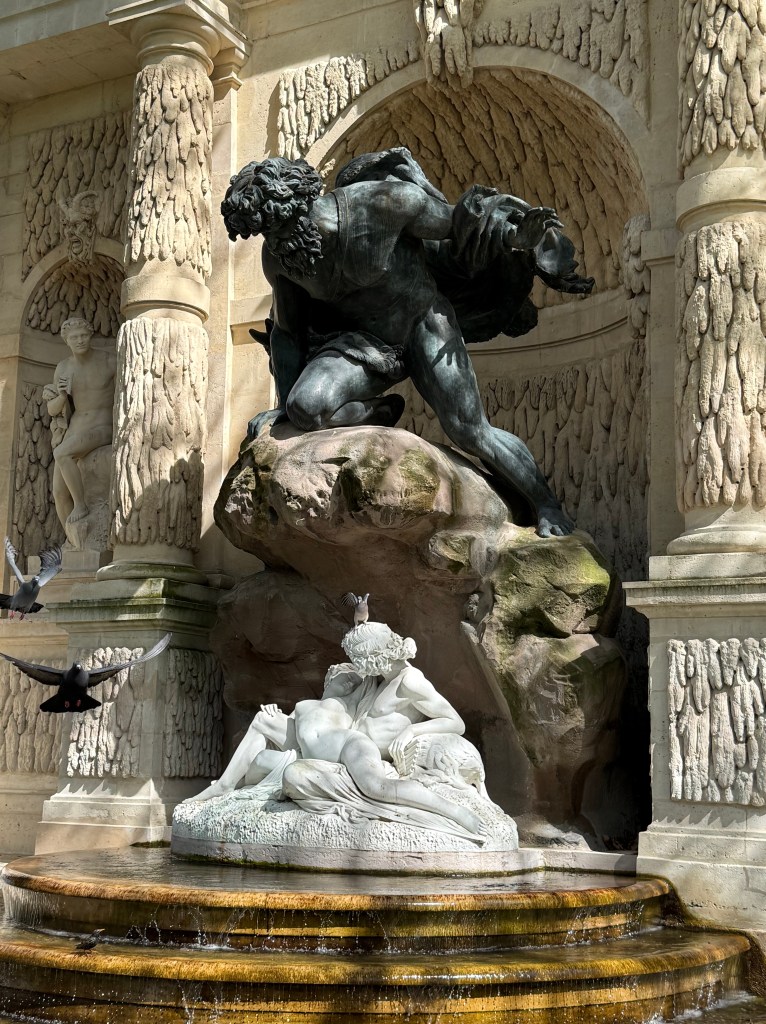
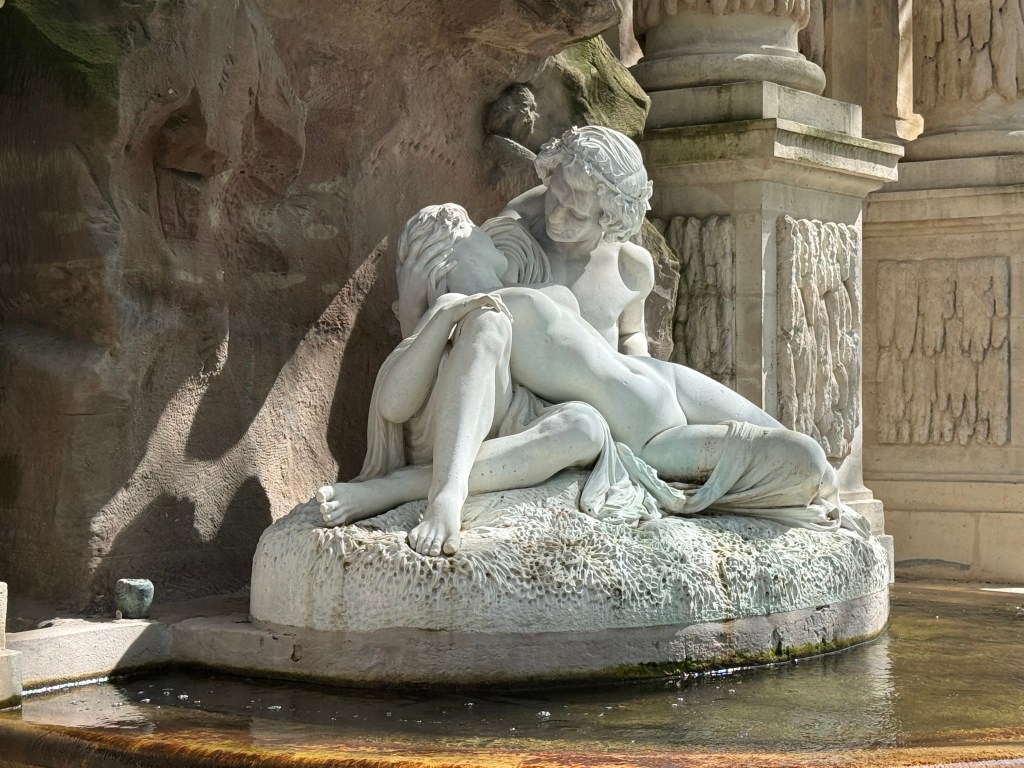
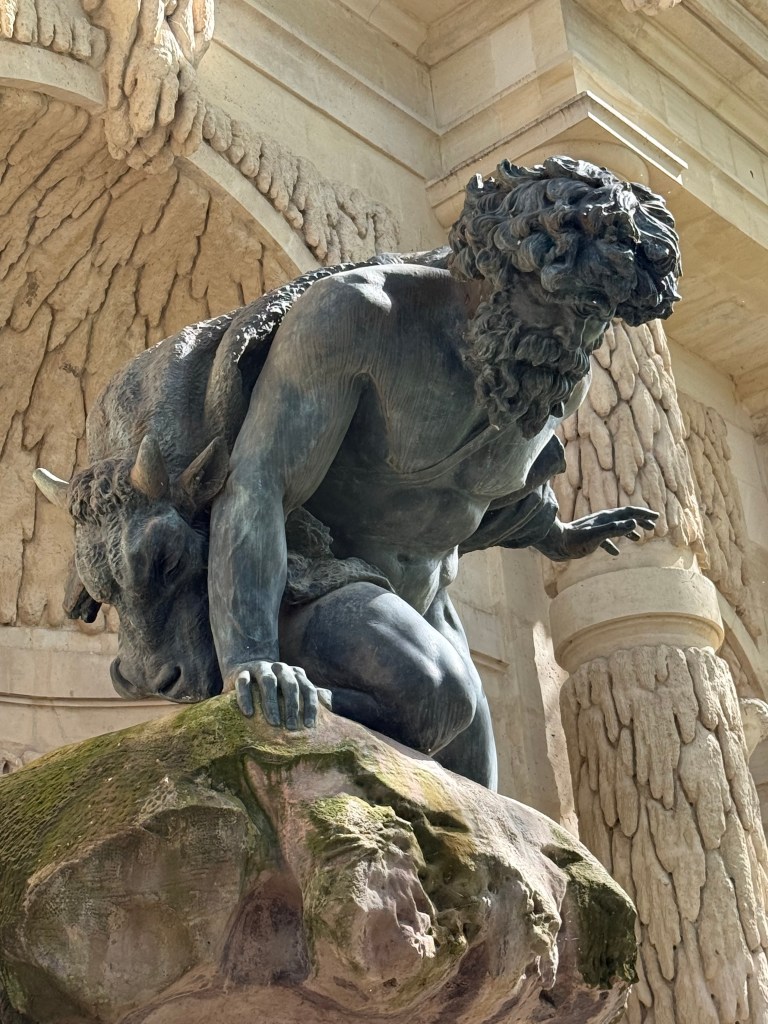
My photographs of Medici Fountain and closeups of the sculptures are in the slideshow below.
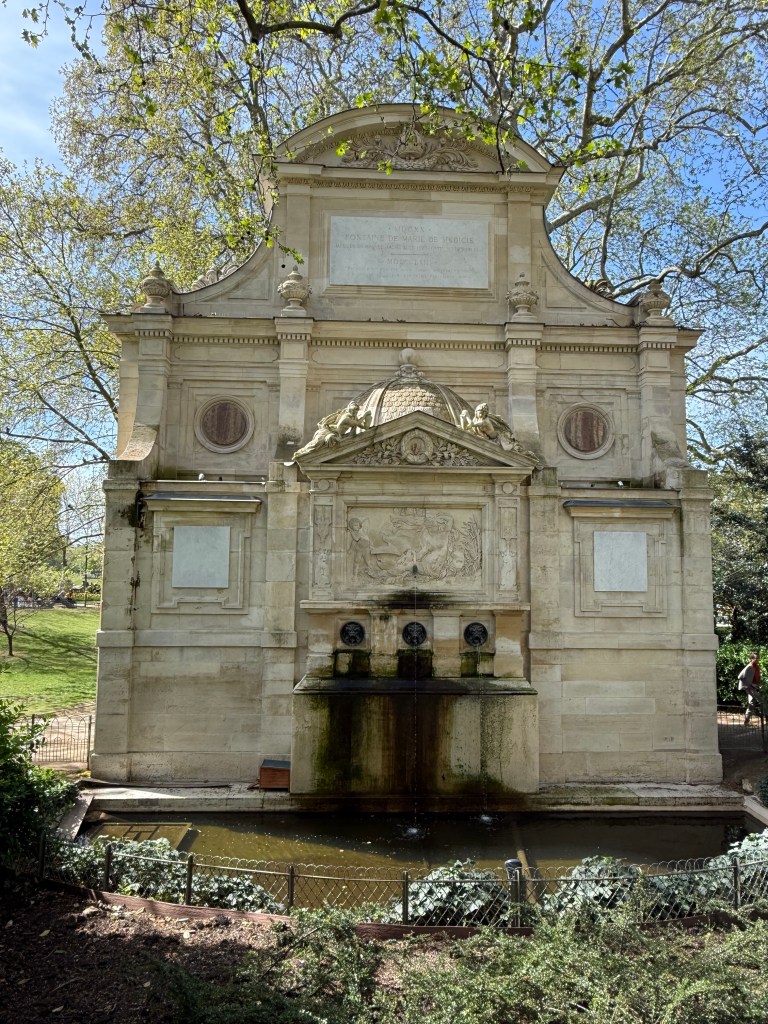
Side view of the Medici Fountain
Close up of Polyphemus looking down on the lovers, Galatea and Acis
Close up of Galatea and Acis
Close up of Polyphemus with the dead bull across his back
My Youtube video of the Medici Fountain.
Fountaine de Leda (at the back)
Fontaine de Leda
hidden fountain
depicting in stone
the seduction of Aetolian princess, Leda
by sky and thunder god, Zeus
in the form of a swan
Leda holds the bird
on her knees while
water flows from its bronze beak
the pair, encircled by roses
are shot by an arrow
from Cupid, lurking in the corner
The Fountaine de Leda is at the back of the Medici Fountain and a lot of people miss it. I saw it because I walked around the back of the Medici Fountain to get photographs on the other side.
Tanka Tuesday
My prompt for this week was to use onomatopoeia in a poem. I’ve written a tautogram poem using onomatopoeia using the American cinquain form.
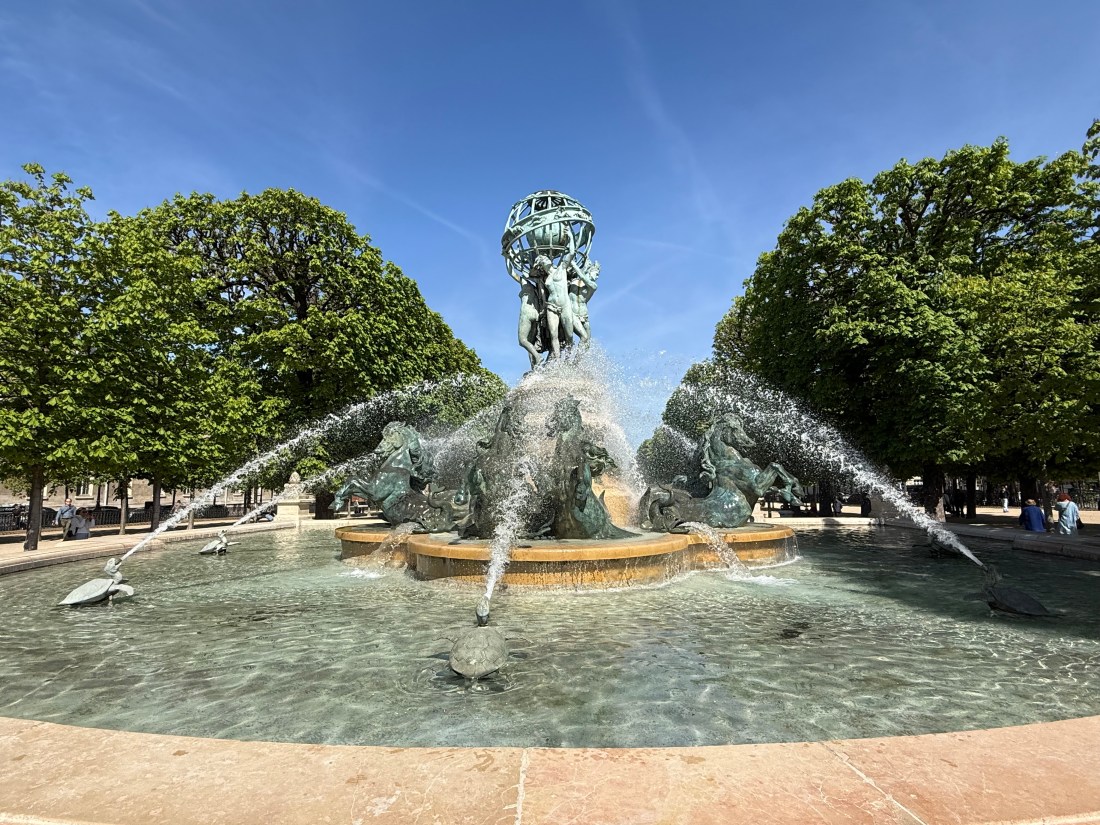
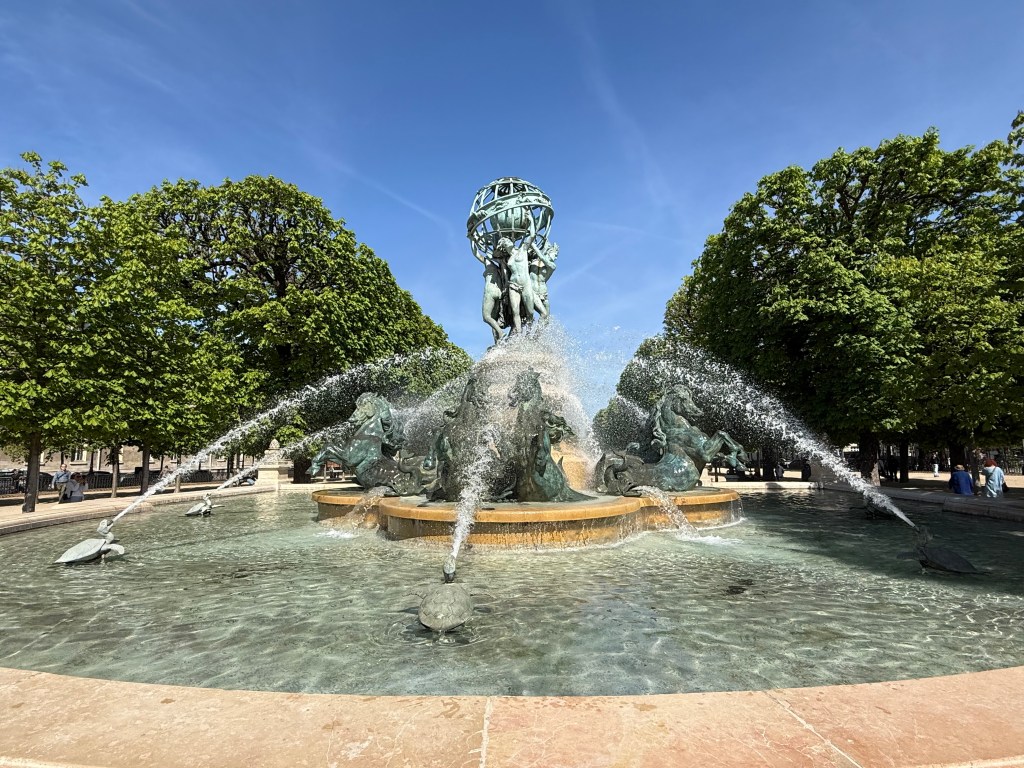
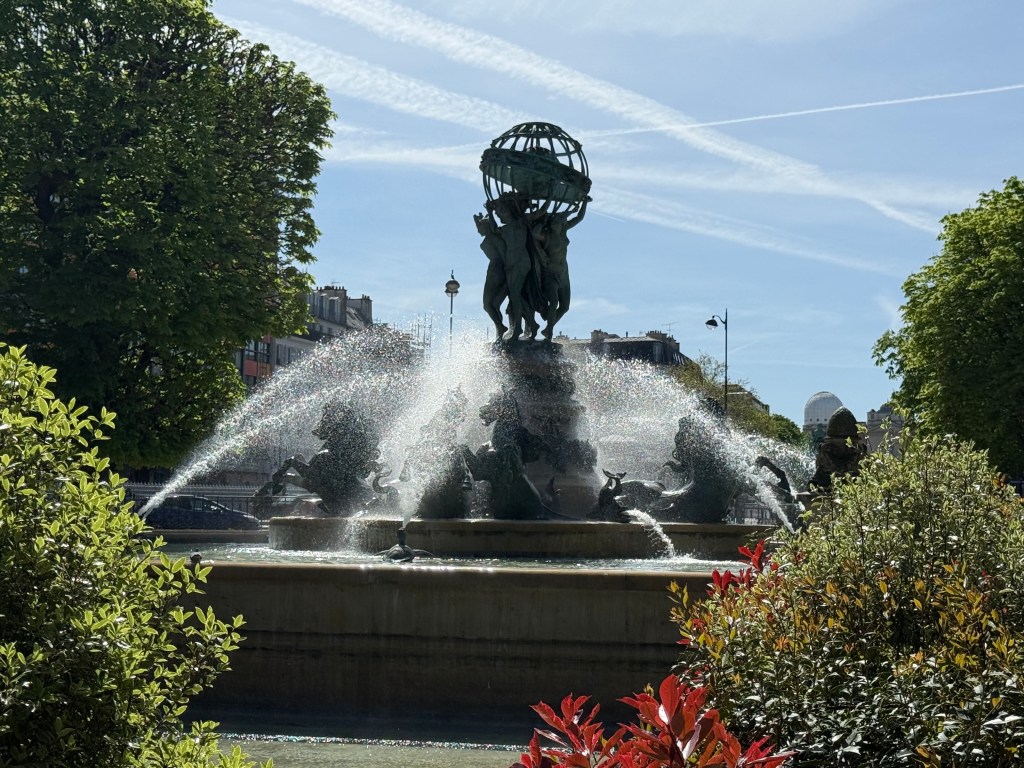
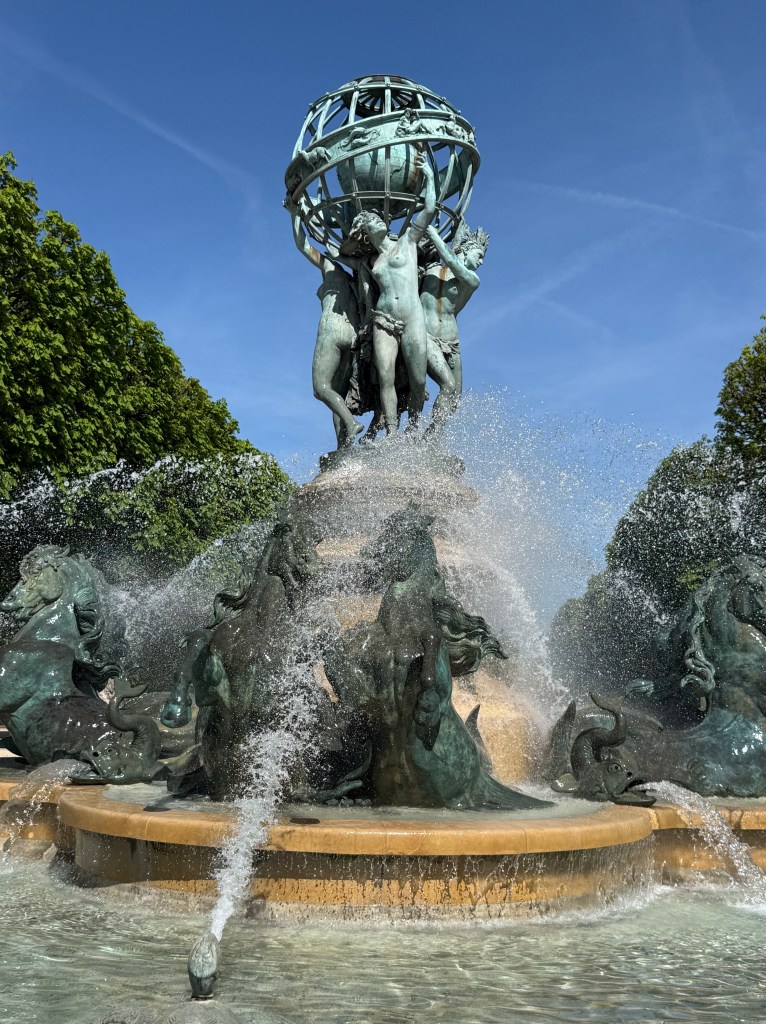
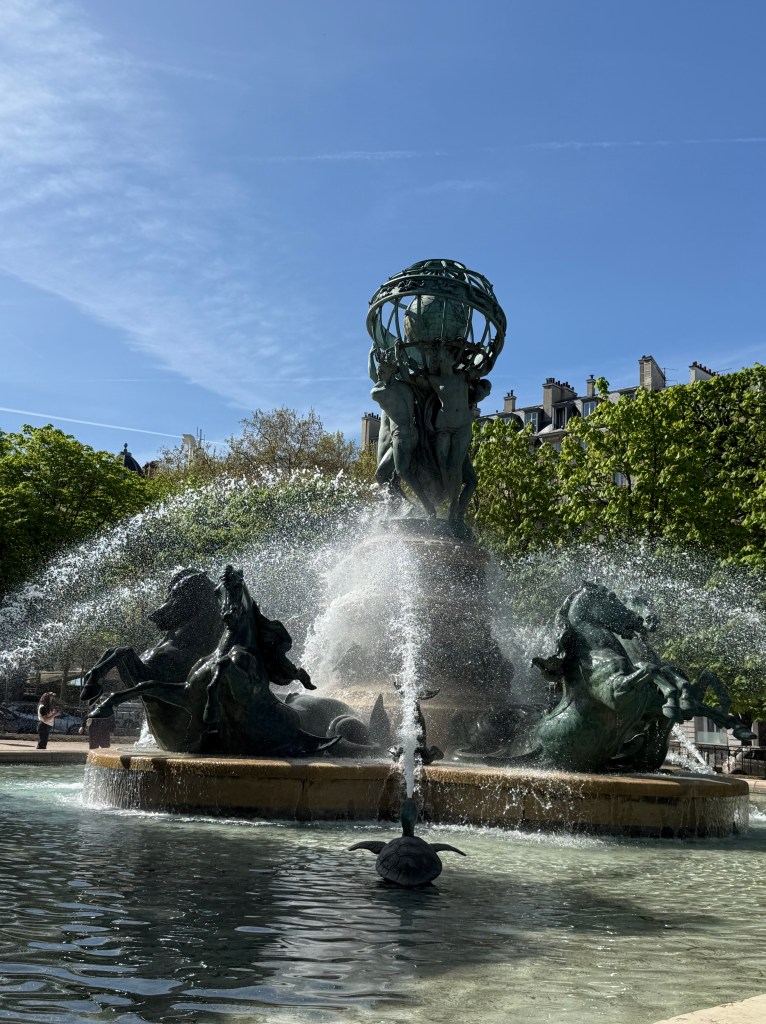
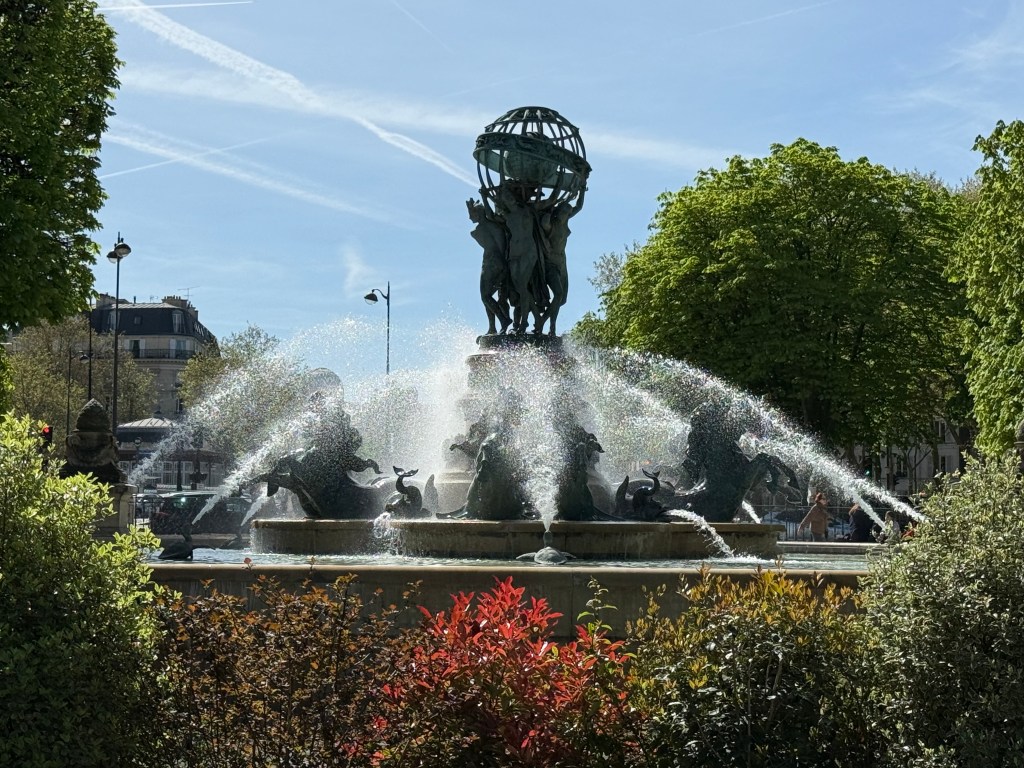
The Jardin du Luxembourg was created in 1612 when Marie de’ Medici, the widow of King Henry IV, constructed the Luxembourg Palace as her new residence. This is the number one garden in Paris and is known for its lawns, tree-lined promenades, tennis courts, flowerbeds, model sailboats on its octagonal Grand Bassin. It is also home to the Fontaine de l’Observatoire and Medici Fountain. I’m showcasing the Fontaine de l’Observatoire today.
Click on the slideshow to see the Fontaine de l’Observatoire:
This is one of my Youtube videos of this fountain:
You can see more of my Paris Youtube videos on my channel.
Thursday Doors
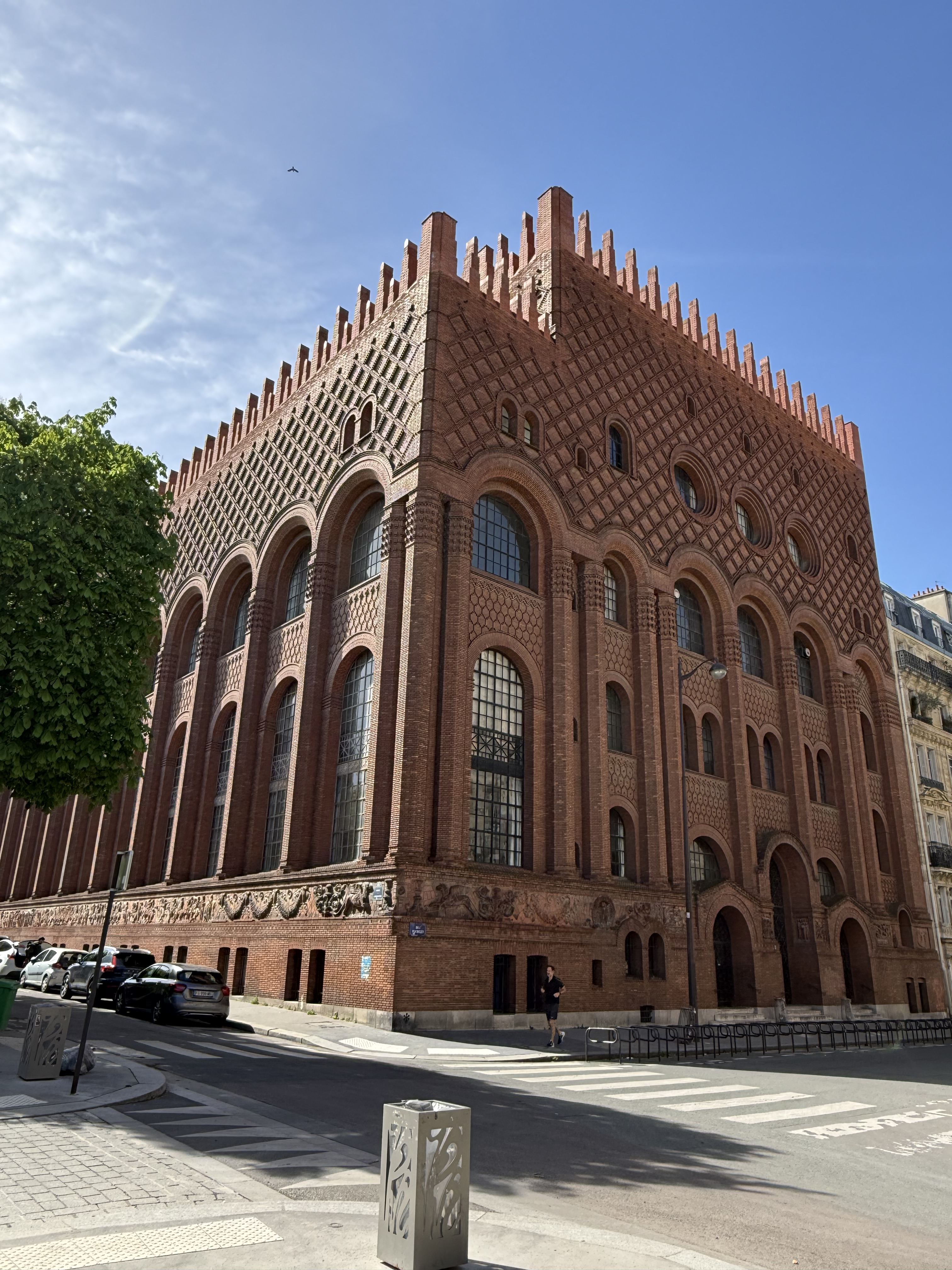
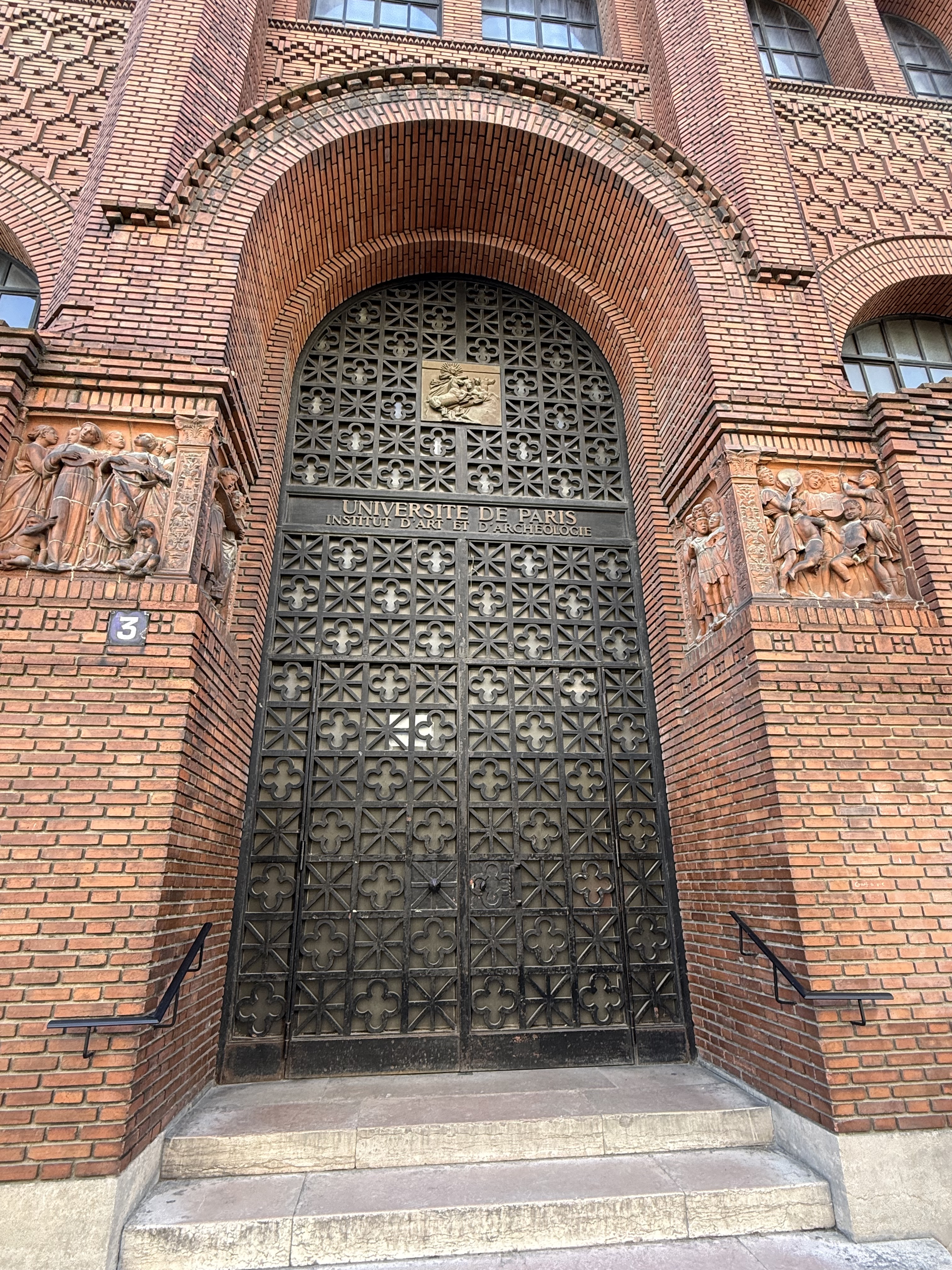
The Universite de Paris Institut d’Art Et d’Archeologie is near the Jardin du Luxembourg. I really liked the brick patterning of this building which is why I took these photographs. It reminded me of lego.
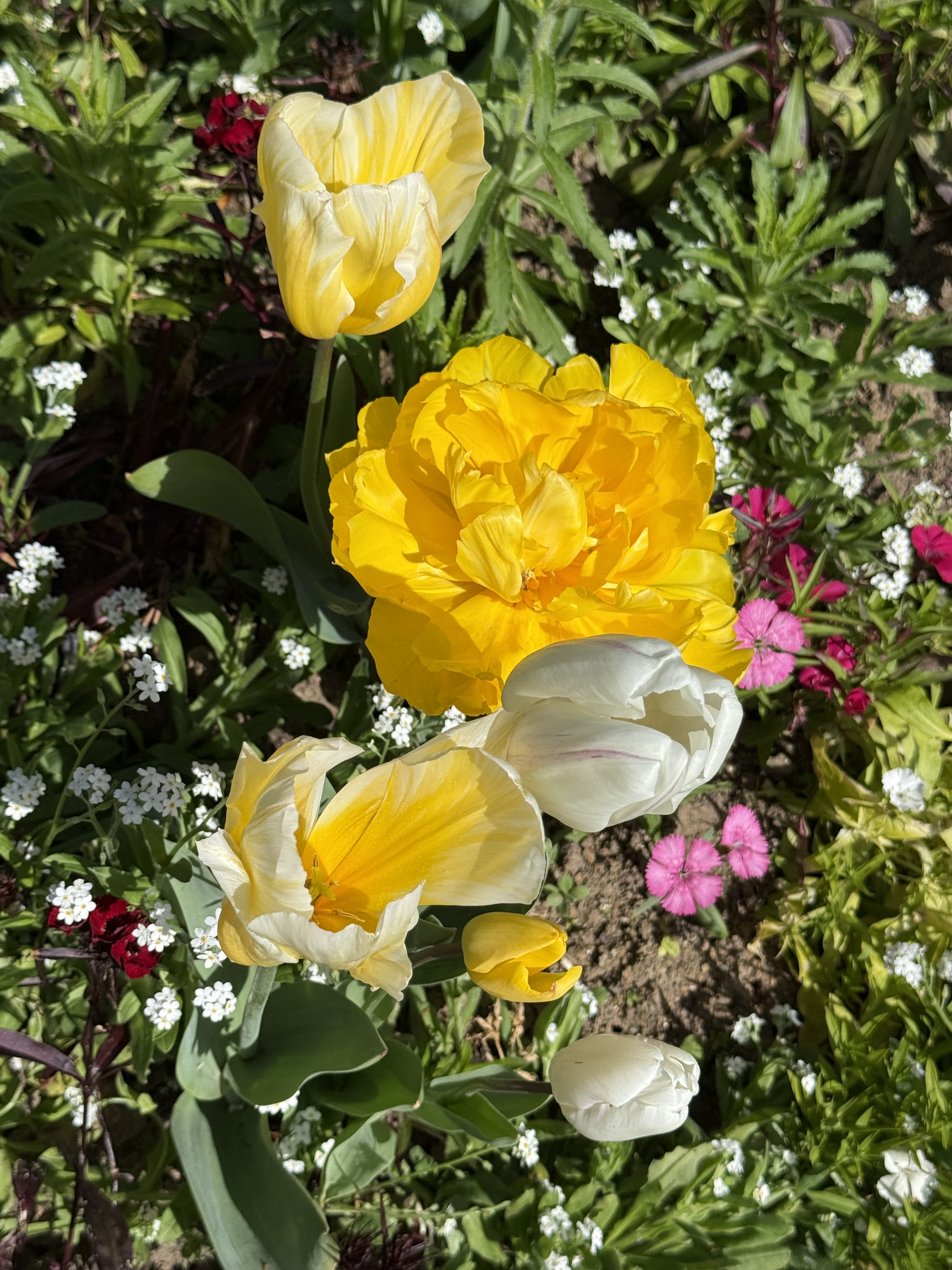
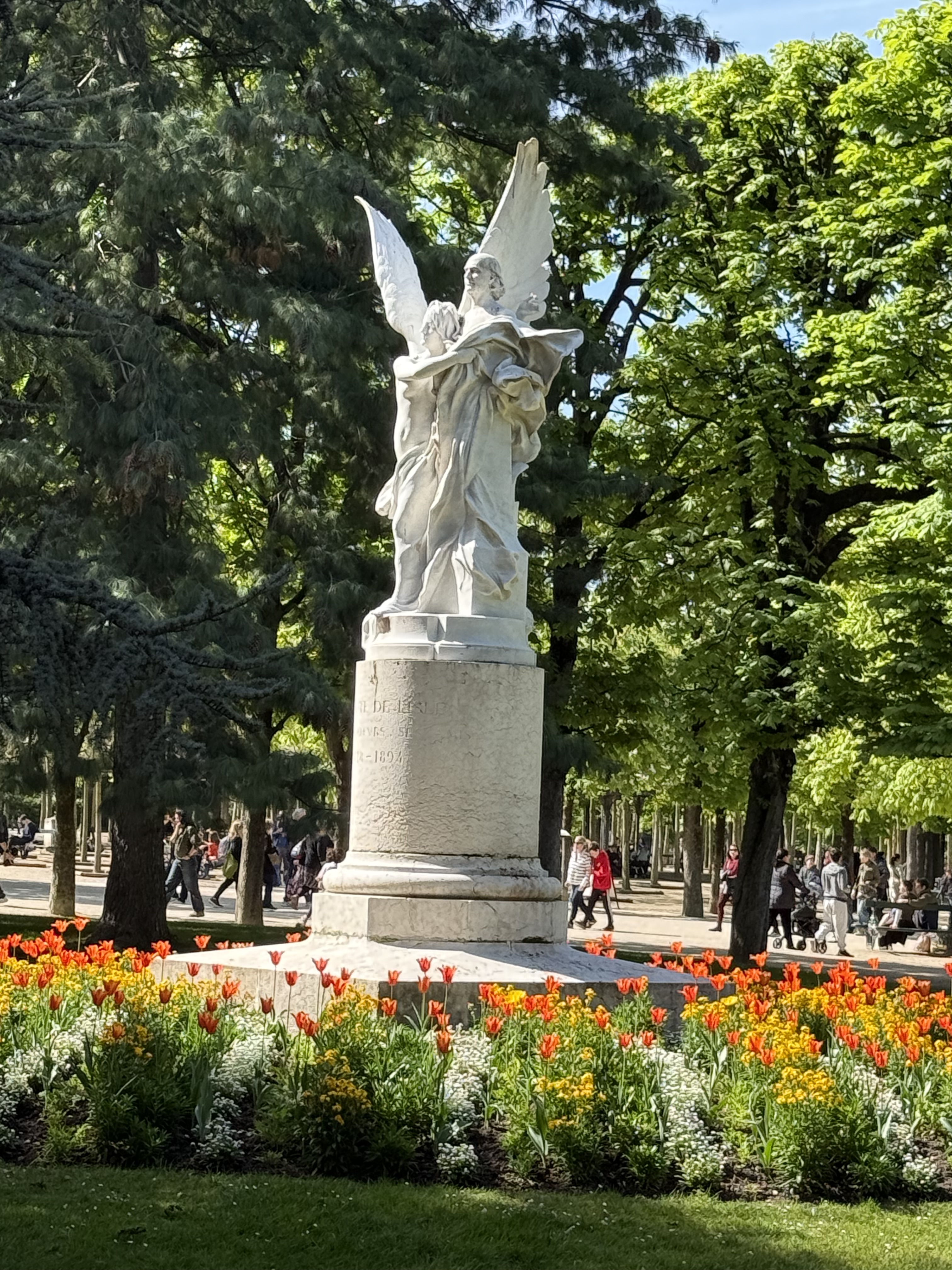
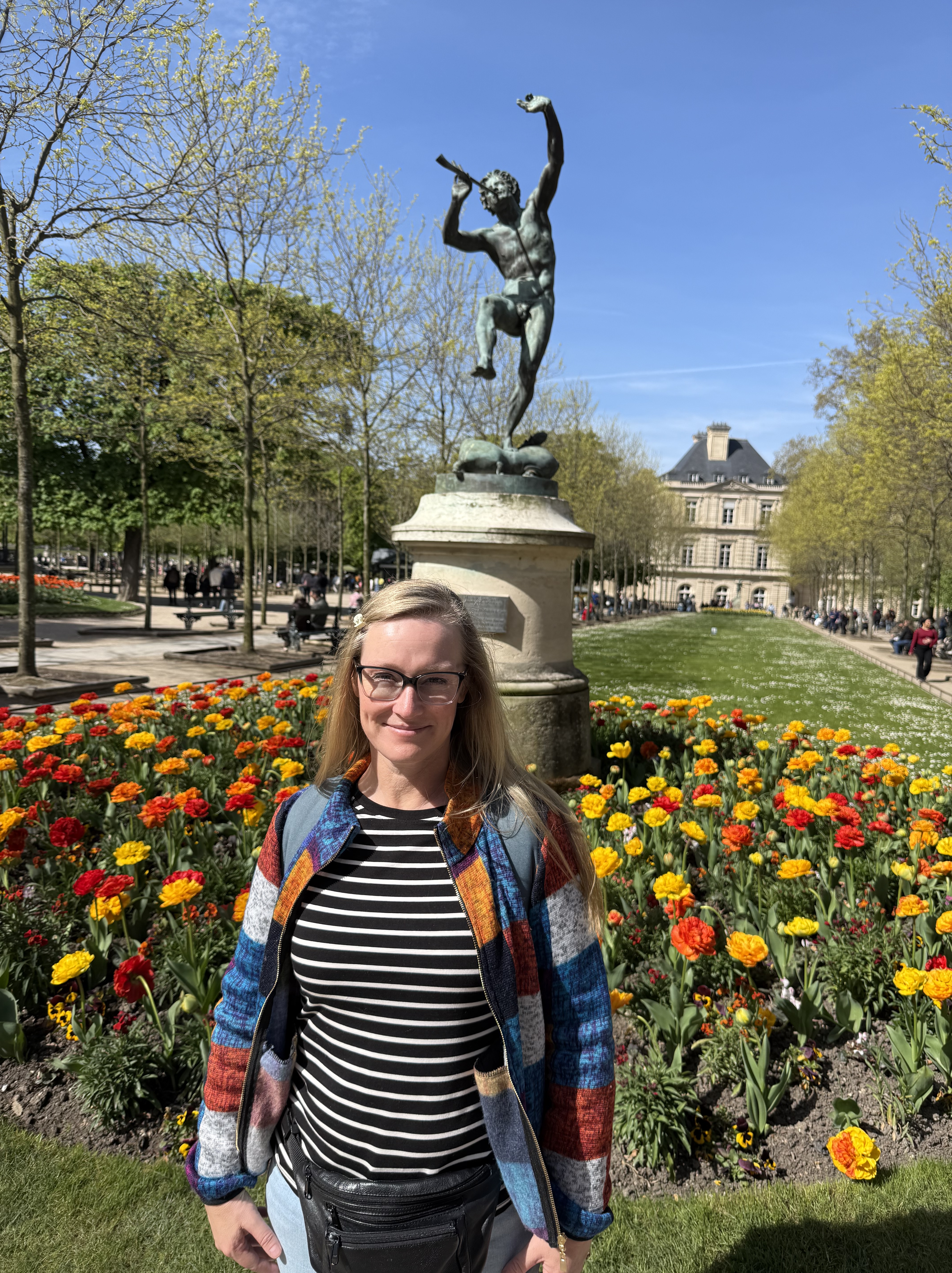
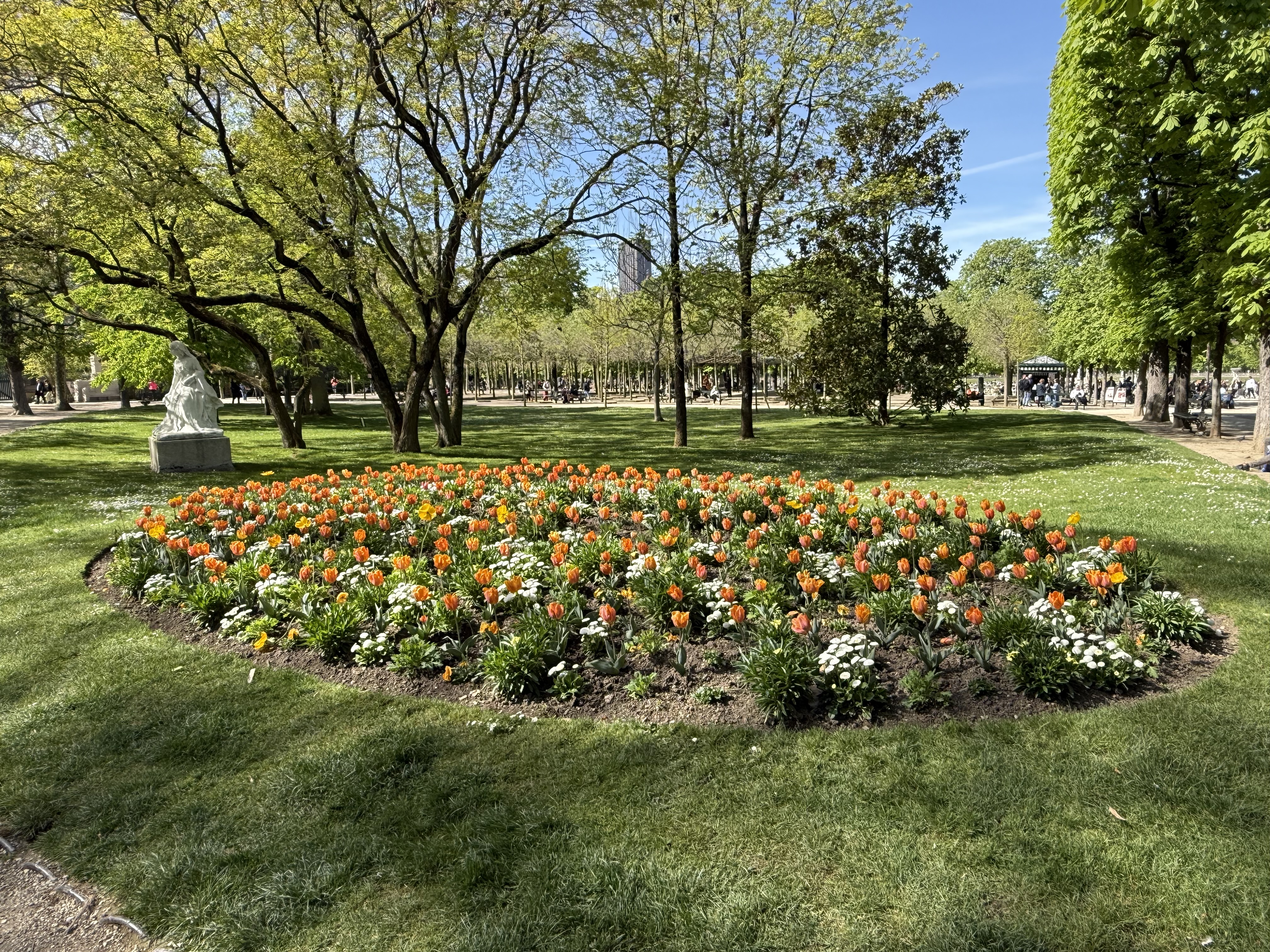
These photographs are of flowers and statues in the Jardin du Luxembourg. They are for Terri’s The Flower Hours (most of the flowers are tulips) and for Dan’s CFFC as these were taken while we walked. We walked approximately 20,000 steps a day for the 6 days I was in Paris.
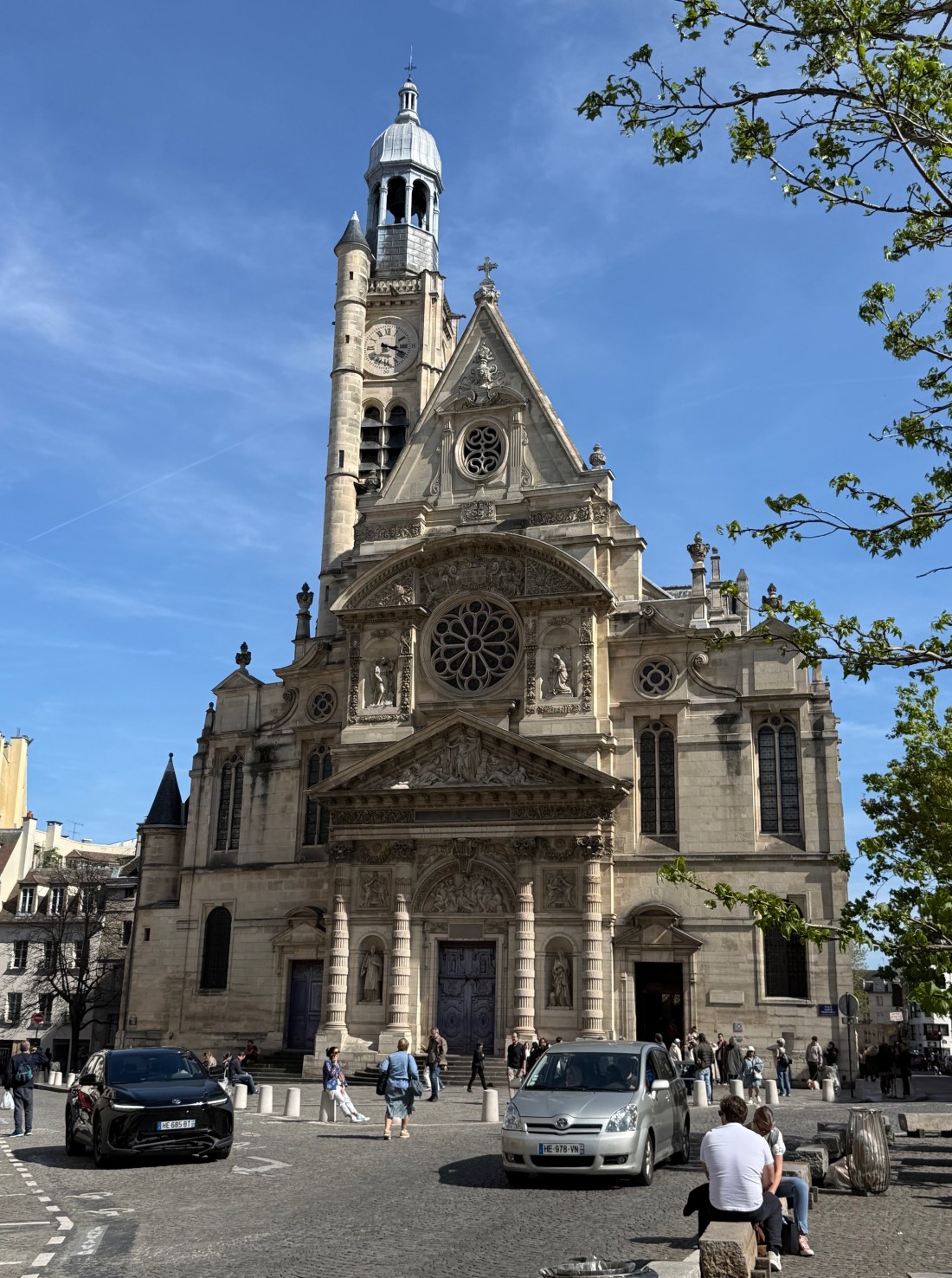
An unexpected opportunity came up for me to travel to Paris to meet my husband. We will spend Easter together in this fascinating city. This will be my last post other than my committed posts for LatinosUSA and Writing to be Read until my return on 8 April. If you celebrate, wishing you a blessed Easter.
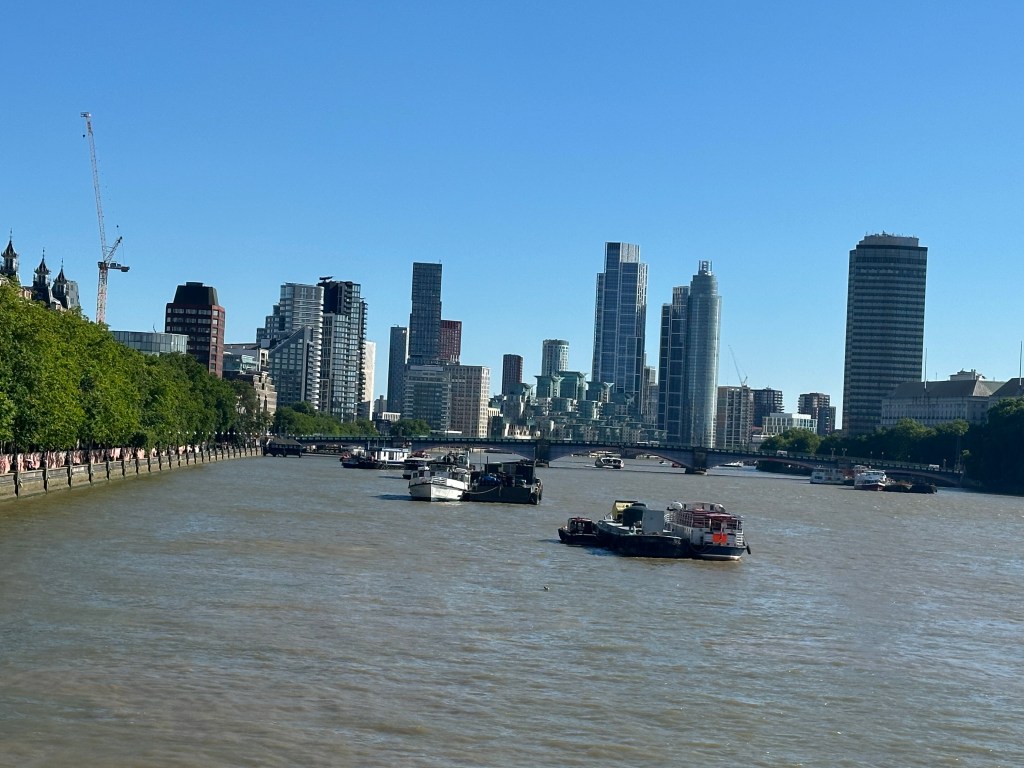
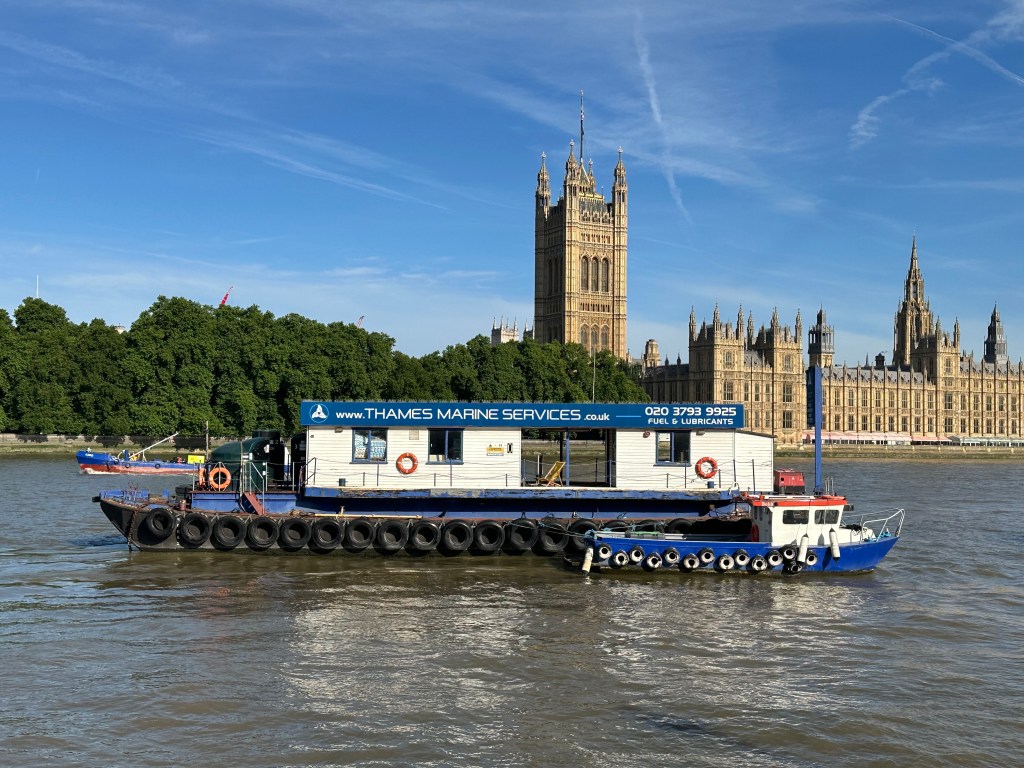
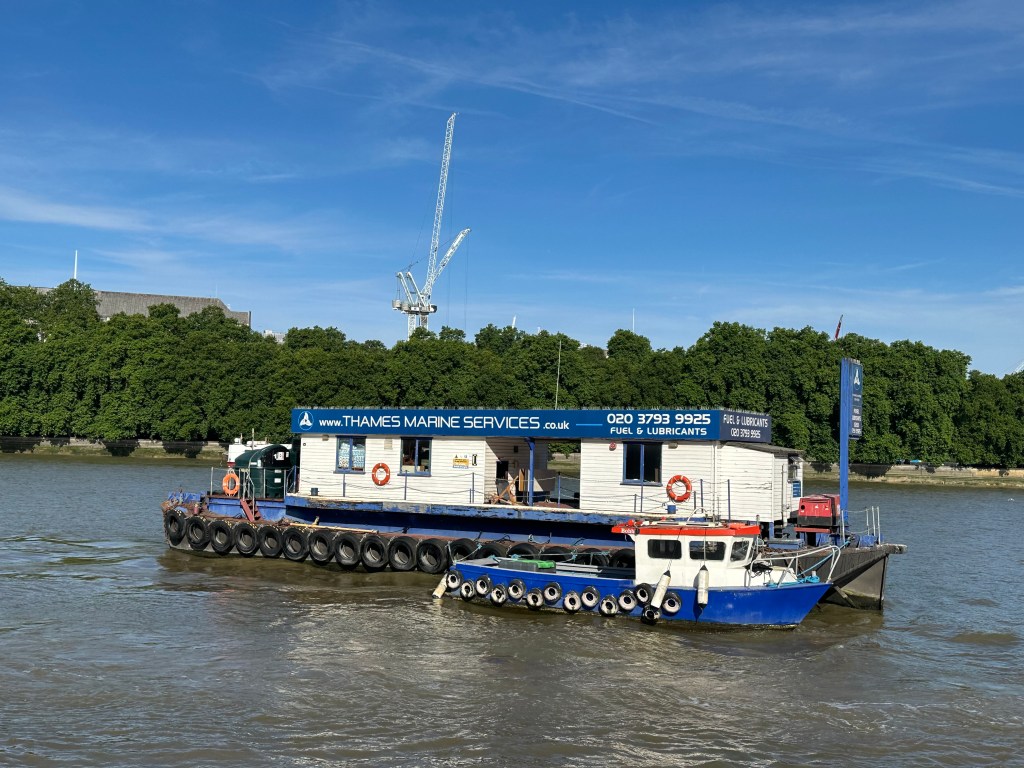
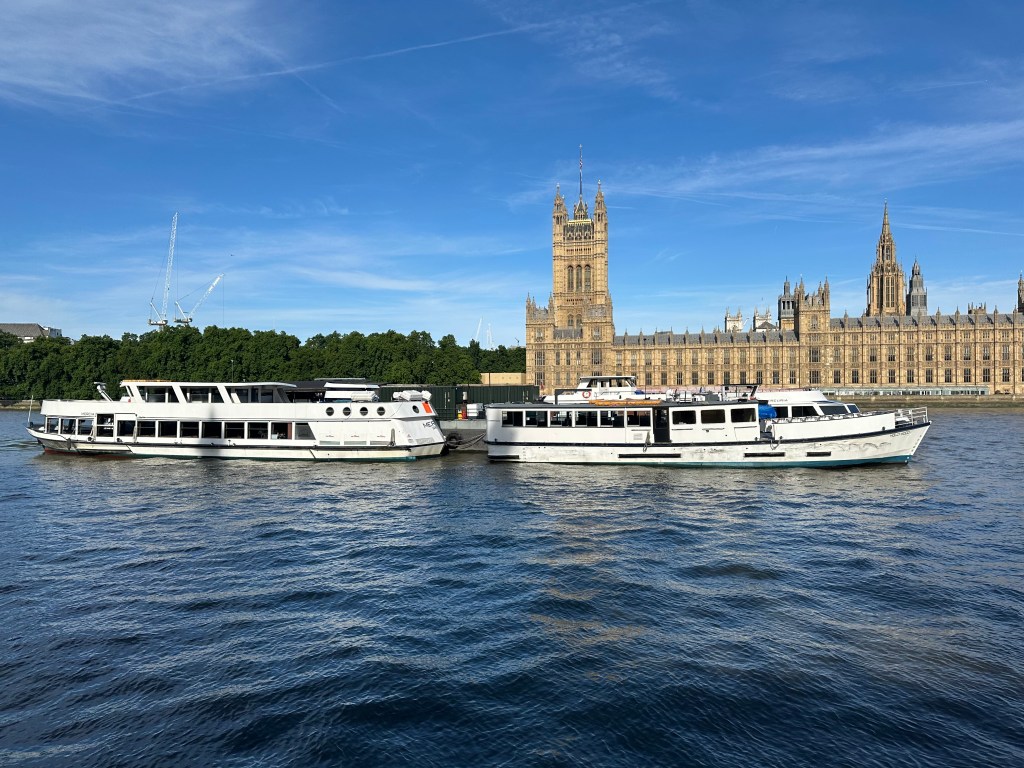
These are some pictures I took while crossing Westminster Bridge in the taxi. It was so hot, all the windows were wide open. The traffic allowed for decent pictures.
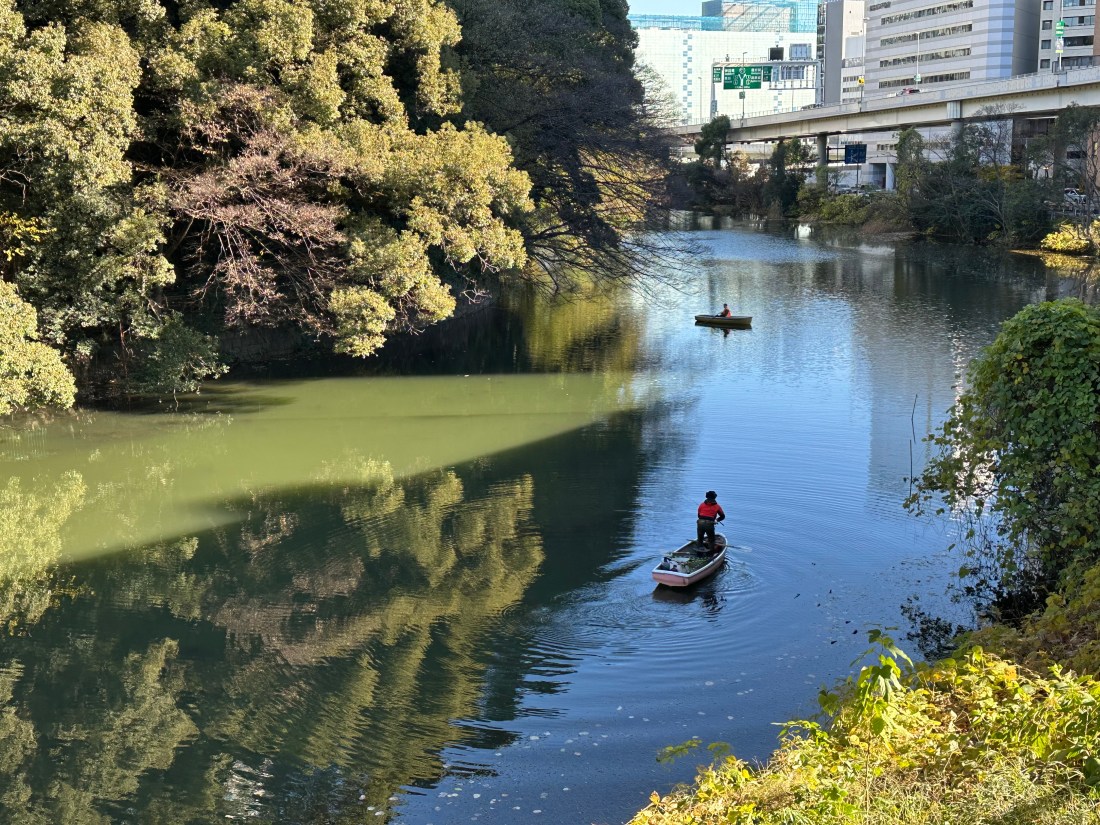
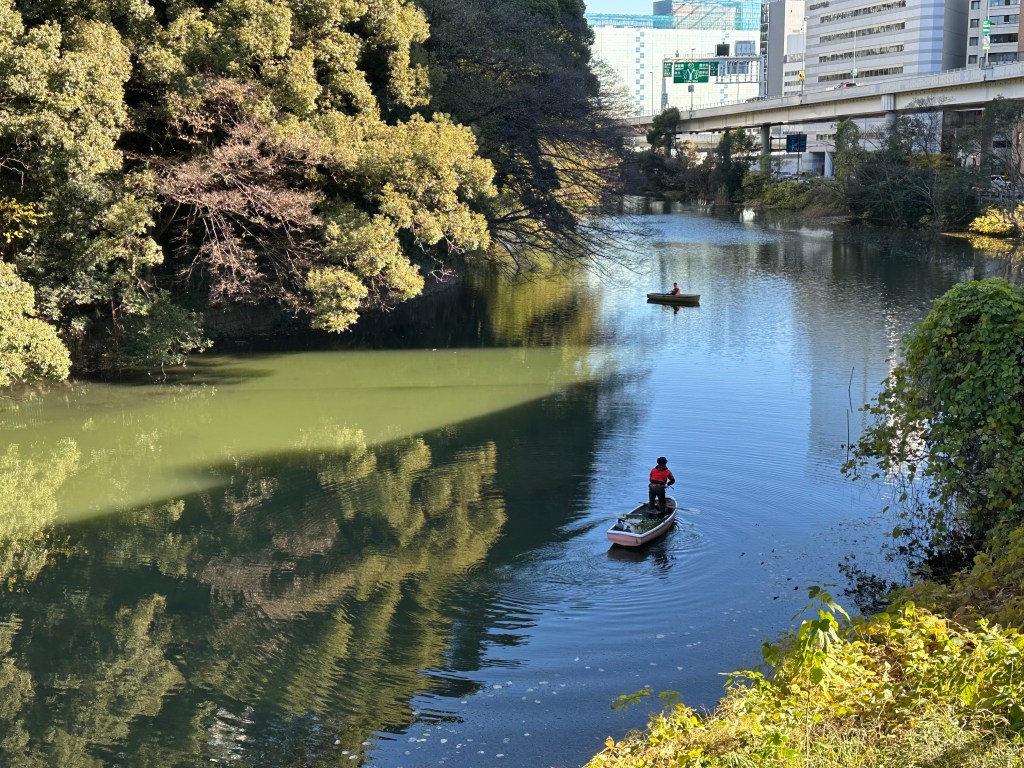
This is my favourite photograph from Japan. It was also taken from a taxi. I opened the window much to the driver’s horror – haha!
Tell us a bit about Paul Cannon. How and why did you start writing poetry?
My earliest memory of my interest in poetry is my parents encouraging me to listen to them reading poetry to me from the Children’s Book Of Verse. I remember in later primary school having to memorise poems like Coleridge’s ‘The Rime of the Ancient Mariner’ and Southey’s ‘The Inchcape Rock’ along with Patterson’s ‘The Man From Snowy River.’ Poetry captured my imagination.
Later, in high school, we were introduced to many poets and forms from around the world. We were also tasked with writing poetry which I enjoyed. One poet who I continue to read from that time is Robert Frost, I love the way he draws me into observing human behaviour and feelings, and how he observes nature.
After high school I continued to write. The incentive was, naturally, love interests. My girlfriends were always polite about my writing, not least Lyn my wife to be. From the time I married in 83 to the mid nineties I was hit and miss with writing, what brought me back in earnest was my journey into becoming an Anglican priest and the pathway of training to be a spiritual director or companion for those needing a sounding board for personal discernment. This journey opened me up to the poetry of Mary Oliver, R.S. Thomas, Denise Levertov, Blake, Milton, Edwina Gateley, Noel Davis, Rumi, Hafez, Layli and many more. These poets inspired me and I became intentional about my writing at this point.
I didn’t go online with my poems until 2017. I was writing prose on Face Book and switched to WordPress in 2013 and it was through the WordPress community that I was encouraged to take the plunge into poetry after posting some tentative pieces.