I am over at Beetleypete blog with a post about an infant, Jurgens Nieman, who died during the Second Anglo Boer War. Pete has a wonderful blog where he shares fabulous serialised fictional stories, debates, thoughts about his life growing up in London and his various interesting jobs, as well as chatty posts about his gorgeous dog, Ollie.
I am delighted to host a guest post from author, blogger, and cake-maker extraordinaire, Roberta Cheadle. This is an interesting historical account, connected to the same time period as her latest novel.
Roberta Eaton Cheadle is a South African writer and poet specialising in historical, paranormal, and horror novels and short stories. She is an avid reader in these genres and her writing has been influenced by famous authors including Bram Stoker, Edgar Allan Poe, Amor Towles, Stephen Crane, Enrich Maria Remarque, George Orwell, Stephen King, and Colleen McCullough.
Roberta has short stories and poems in several anthologies and has 2 published novels, Through the Nethergate, a historical supernatural fantasy, and A Ghost and His Gold, a historical paranormal novel set in South Africa.
Roberta has 9 children’s books published under the name Robbie Cheadle.
Roberta was educated at the University of South Africa where she achieved a Bachelor of…
Welcome to Thursday Doors, a weekly feature allowing door lovers to come together to admire and share their favorite door photos from around the world. Feel free to join in on the fun by creating your own Thursday Doors post each week and then sharing your link in the comments below, anytime between 12:01 am Thursday morning and Saturday noon (North American eastern time).
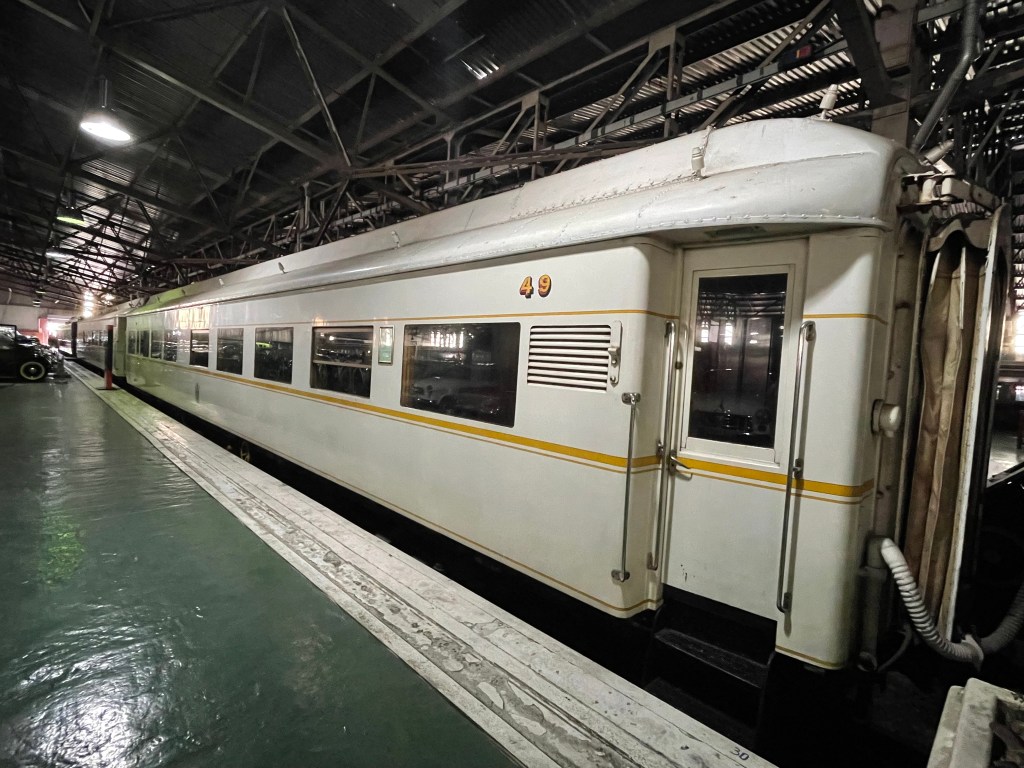
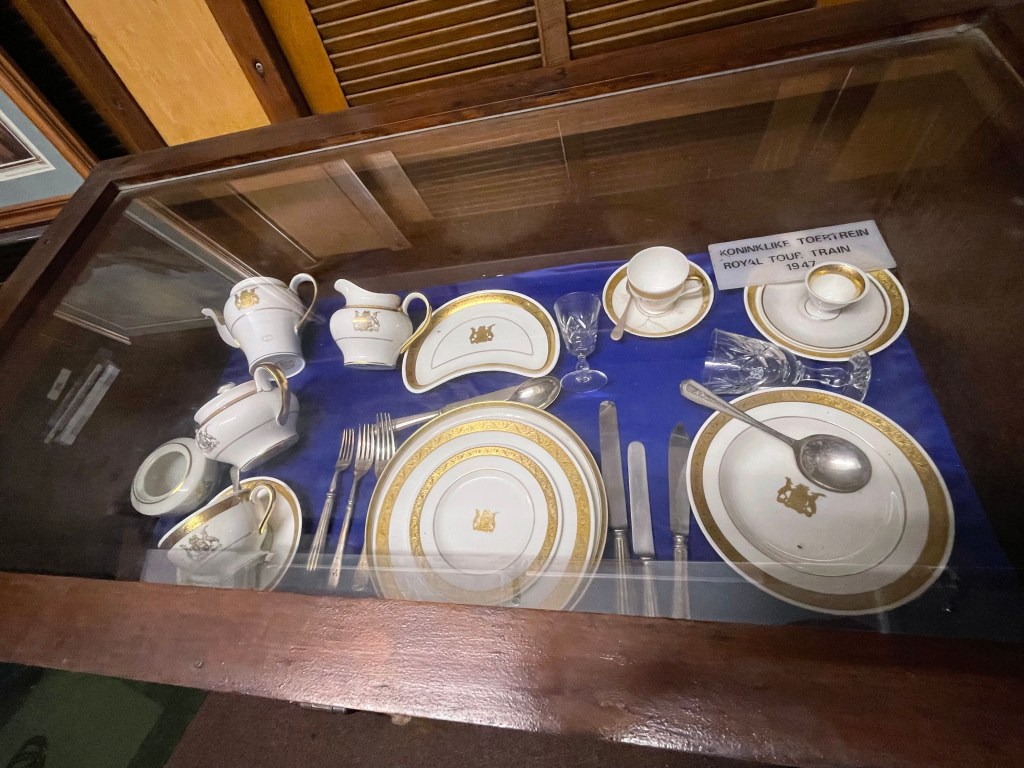
The Outeniqua Transport Museum in George, Western Cape, houses two coaches of the White Train, one of which was used by the British Royal family when they toured South Africa 1947.
Here’s what Wikipedia says about the first coach:
“White Coach 49
Type = Private Name = Total built = 1 Built by = Metropolitan Carriage & Wagon Co. in England Number = 49 (Old no126) Date in service = 1947
It was specifically ordered for use on the Governor-General’s White Train and was built by the Metropolitan Carriage & Wagon Co. in England. It was placed in service as Car No.126 in June 1947.
This coach was neither intended nor ordered for the 1947 Royal train. It is often incorrectly linked to the 1947 Royal Train in the historical sense, but this is probably due to the fact that the car was intended for the White Train but only after the Royal Tour had been completed. This car being intended for specialised use on the White Train is undoubtedly one of the most luxurious diners in service on the South African Railways (SAR), but it was not used for general passenger service
The car’s saloon contains one large longitudinal table which can accommodate sixteen persons. The kitchen is fitted out in stainless steel and the whole vehicle is air-conditioned. The wall paneling is satin-finished figured timber. A small bar is provided at the end opposite to the kitchen. The exterior profile is identical to the present Drakensberg stock.
The coach which was renumbered 49 in 1969, served on the White Train from June 1947 to 1975, when the State President’s special train was officially withdrawn from service at the personal request of president Nico Diederichs.
This coach is notable as it was the central conference coach of the train which was placed in the centre of the Victoria Falls Bridge in August 1975 in one of the early abortive attempts to bring about peace in Rhodesia.
Door to Coach 49
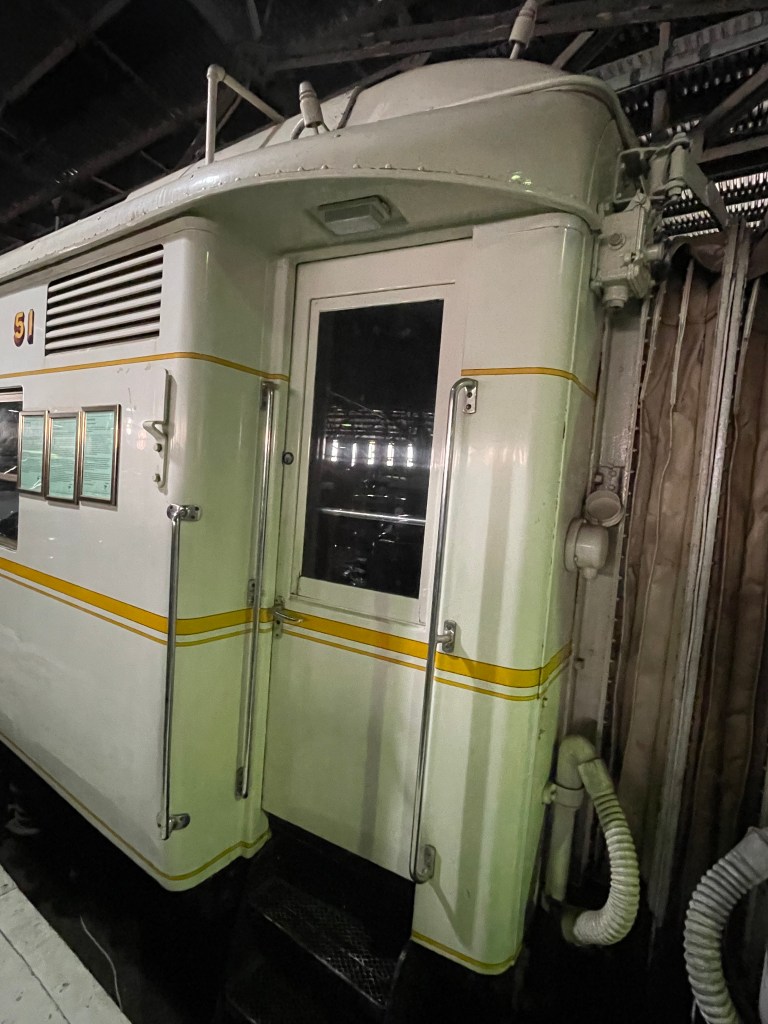
Here’s what Wikipedia says about the second coach:
“Coach 51
Coach R7 (Princesses and Ladies-in-waiting)
The Royal Tour 1947
For this momentous occasion, eight new air-conditioned coaches were ordered from (Metro-Cammell Carriage & Wagon Co. Ltd.) In England. J. Stone & Co. Ltd. Provided the ‘Stone-Carrier’ air-conditioned equipment for the coaches. Under normal conditions, delivery of such luxury vehicles would be effected in about two and a half years but in this instance the contractors were given nine months to do so! They rose to the occasion and in doing so they certainly did not compromise on quality workmanship! Two Senior SAR Draughtsmen and a Senior Electrical Engineer were sent to England to Supervise the construction of the coaches
Five of the eight coaches ordered, were specialised luxury saloons while the remaining three, were built to standard (C-31-A/B Blue Train) design. The luxury saloons included the accommodation for the Royal Family and other dignitaries.
Use after Royal Tour
Saloon R7 for the Princesses and ladies-in-waiting, was also made available for the (White Train) as coach no.39) renumbered No.51 in May 1969 and used as the (Governor-General/State President saloon). When the ‘White Train’ was withdrawn from service in August 1975, this saloon was handed over to the S.A. Railway Museum for the National Collection.
Royal coat of arms on the outside of the coachDoor to coach 51Crockery from the Royal Family tour in 1947
Virgil gathers up the leaves that were torn off the tree damaged during the hunt in Canto 13, and returns them to the shade trapped inside. He then follows Virgin towards the third ring of the seventh circle of Hell.
The two poets come out of the forest into a desert where they see groups of naked shades either wandering about, squatting, or lying on their backs. The prostrate shades are screaming the loudest. These shades were previously blasphemers or those “violent against God” and are condemned to walk, squat, or lie on a plain of burning sand while fire rains down upon them.
Dante sees a gigantic man lying in the sand ignoring the fire flakes as if they do not hurt him. The man cries out that he still blasphemes all gods and is still unconquered. He adds that he will never by subdued by Zeus (also called Jove or Jupiter), no matter how many thunderbolts he throws at him. Virgin identifies him as Capaneus, a king who besieged Thebes and scorned God, and who was killed by a thunderbolt thrown by Zeus.
Virgil and Dante continue walking and eventually come to where a red river flows from the edge of the surrounding forest. The rivers banks have turned to stone. Virgil says that this river puts out the flames when they reach its banks.
Virgil tells Dante that there is a giant man under the Island of Crete, the fifth largest island in the Mediterranean, with a golden head, silver arms and chest, a brass torso, iron legs, and one foot of clay. His tears run down and flow into Hell forming the rivers and the lake at the bottom of Hell. The Old Man of Crete is an allegory for the ages of humanity: firstly the golden age, which was corrupted and transformed into the silver age, followed by the bronze age and then the iron age, with a foot of age.
Virgil also tells Dante that Lethe, the river of forgetfulness in Greek mythology, is in purgatory and is where souls wash off their guilt and sins.
Extract from Canto 14
“Of naked spirits many a flock I saw, All weeping piteously, to different laws Subjected: for on the’ earth some lay supine, Some crouching close were seated, others pac’d Incessantly around; the latter tribe, More numerous, those fewer who beneath The torment lay, but louder in their grief.”
While on our recent road trip, my family visited the Boer Wars Museum in Bloemfontein. A fascinating museum, it had a lot of artifacts that featured in my book about the Second Anglo Boer War, A Ghost and His Gold. I thought I would share a few of my photographs and a short extract to go with each of them.
“Estelle climbs up and takes her place as the driver. From his position on his horse next to the wagon, Pieter sees Marta’s annoyed glare. He knows Marta does not approve of Estelle sitting in the open on the wooden chest, driving the wagon.
Marta’s just being narrow minded. We have no sons and Estelle is capable and willing. She is good at driving too and has expressed her preference for sitting outside in the air rather than sweltering under the covering at the back. Marta will just have to learn to accept my decision.
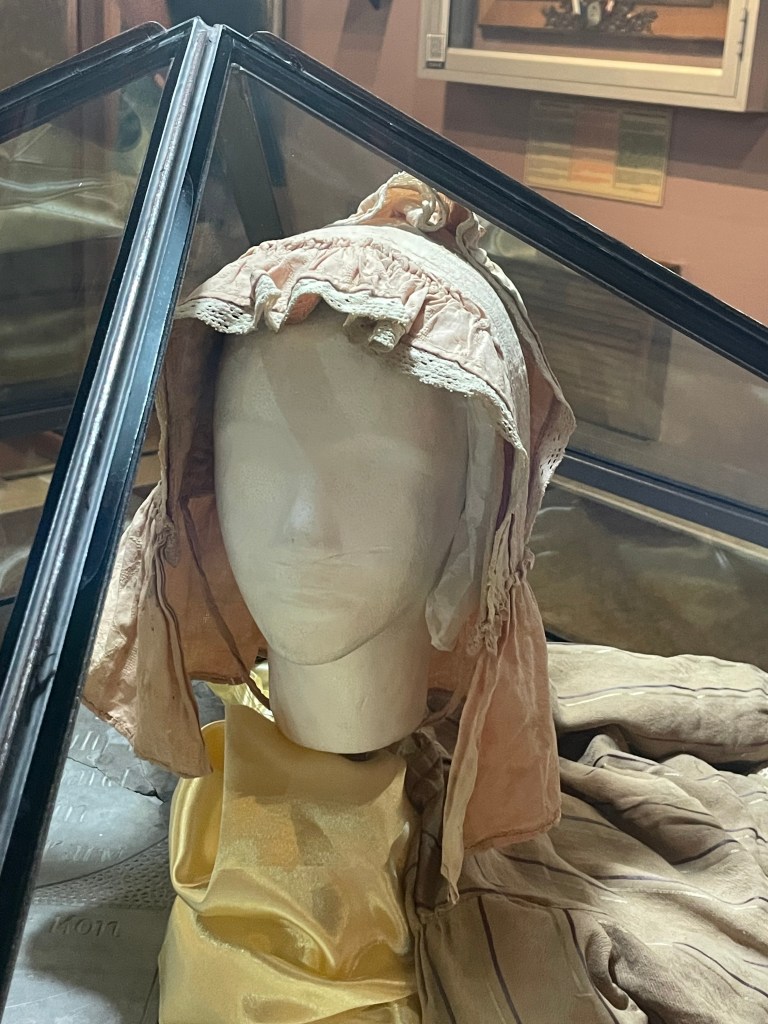
“Put your bonnet on, Estelle,” he calls, hoping to pacify his wife.
Estelle drags on the thick white ties attached to her bonnet, pulling it up over her bright hair and plunging her beautiful face into shadow. Pieter smiles at her and moves away, walking his horse slowly down the line of oxen.”
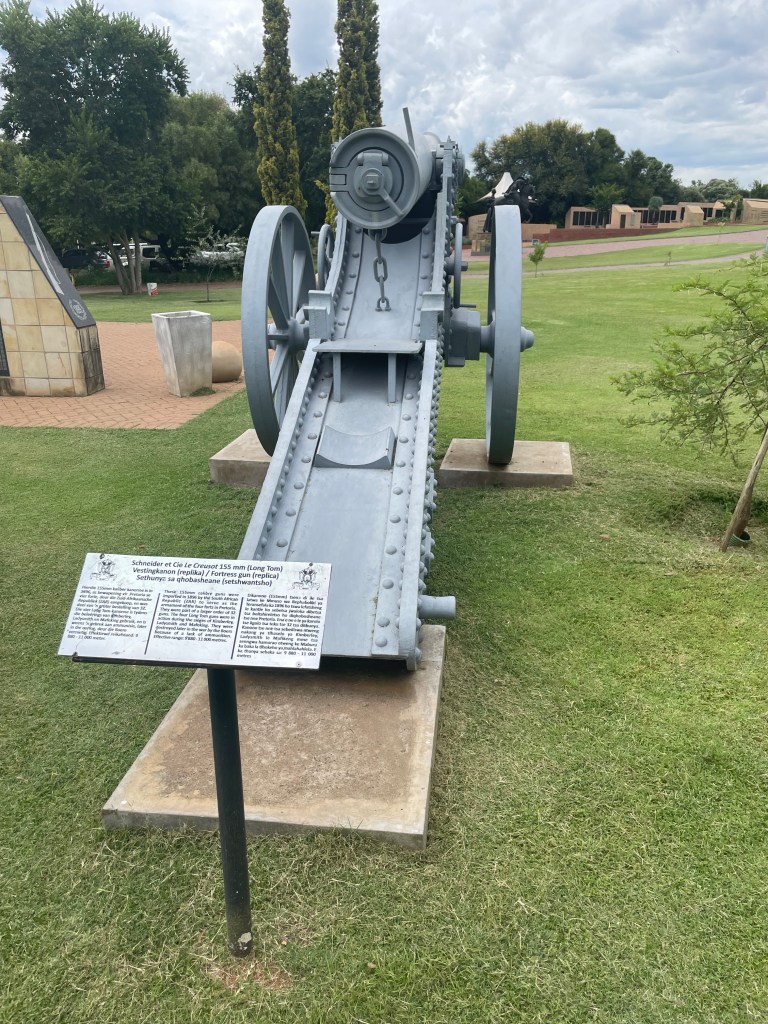
““When the Long Tom arrives from Pretoria and starts bombarding the town, the British will soon surrender,” a burly Boer called Pete Grobler declared after the music and dancing had died down.
Another Boer caught up the refrain: “Our general is experienced in this type of warfare. He forced the British garrison at Potchefstroom to surrender during the last war, and he’ll do the same thing this time.”
Pieter listened quietly while the men extolled the virtues of the French siege gun called the Long Tom. The government of the South African Republic had bought four of these great guns with their 4.2-metre-long barrels in 1897 for deployment at the four forts they had built around Pretoria. Now that war had been declared, it had been decided that the guns would be deployed as field and siege guns around the country.
A small smile turned up the corners of Pieter’s mouth as he went to sleep that night. He dreamed of the successes of the day and the eminent capture of Mafeking by the Boers after the arrival of the Long Tom.”
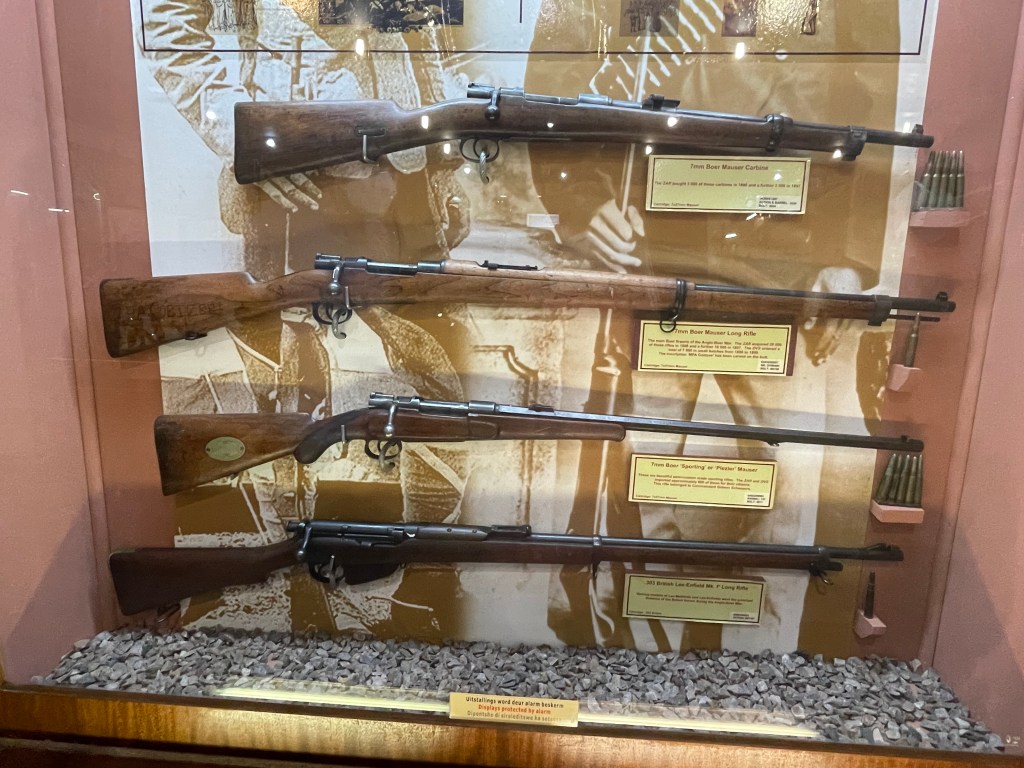
“Clambering out of bed, he stumbles across the uneven floor of the bedroom and down the passageway. By the time he reaches the front door, his eyes have adjusted fully to the darkness, and he can make out the shapes of the furniture in the voorkamer, a large room at the front of the farmhouse where Marta receives visitors.
Grabbing his loaded Mauser rifle from its hooks on the wall near the door, he hesitates for a moment to admire its smooth and shiny wooden length. The feel of the gun in his hands gives him confidence; he is an excellent marksman.
This gun brought me a lot of respect.
His ability with a gun had been his saving grace when, as a young man, his peers had been mystified by his interest in books and writing and had liked to share their derogatory thoughts in that regard.”
This is my first post of 2022 and I wish you all a very happy new year. Thursday Doors has a new banner for 2022, created by the amazing Teagan Riordain Geneviene. All the entries were excellent so well done to all the contributors.
Welcome to Thursday Doors, a weekly feature allowing door lovers to come together to admire and share their favorite door photos from around the world. Feel free to join in on the fun by creating your own Thursday Doors post each week and then sharing your link in the comments below, anytime between 12:01 am Thursday morning and Saturday noon (North American eastern time). You can join in here: https://nofacilities.com/2022/01/06/we-have-a-winner/
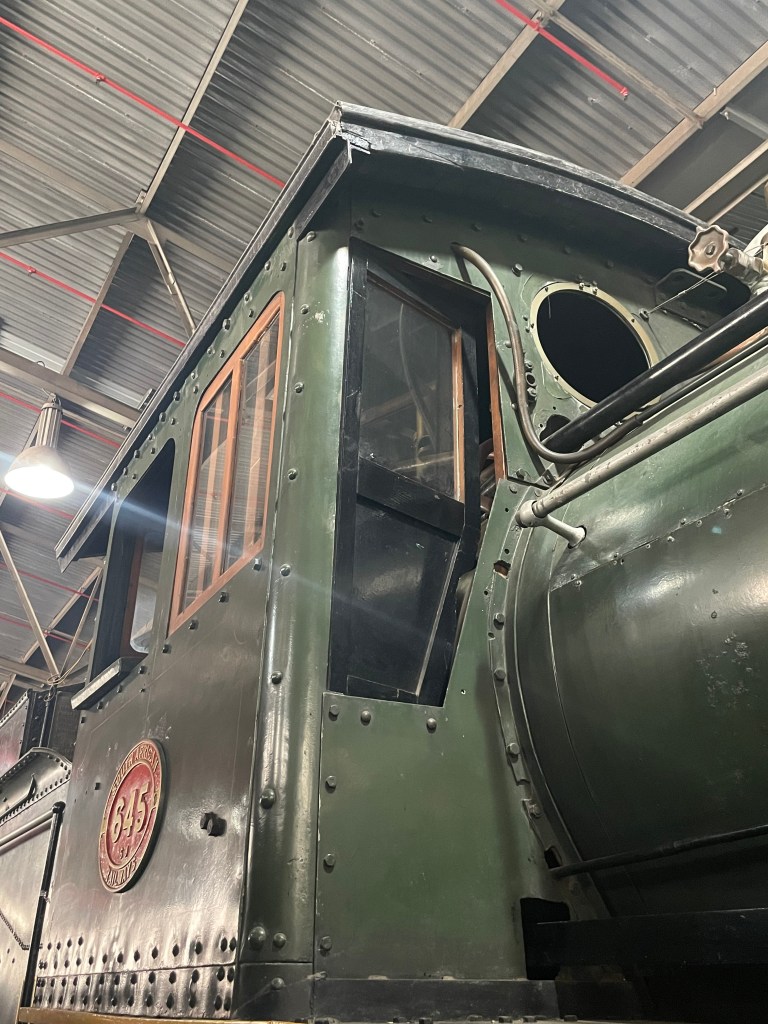
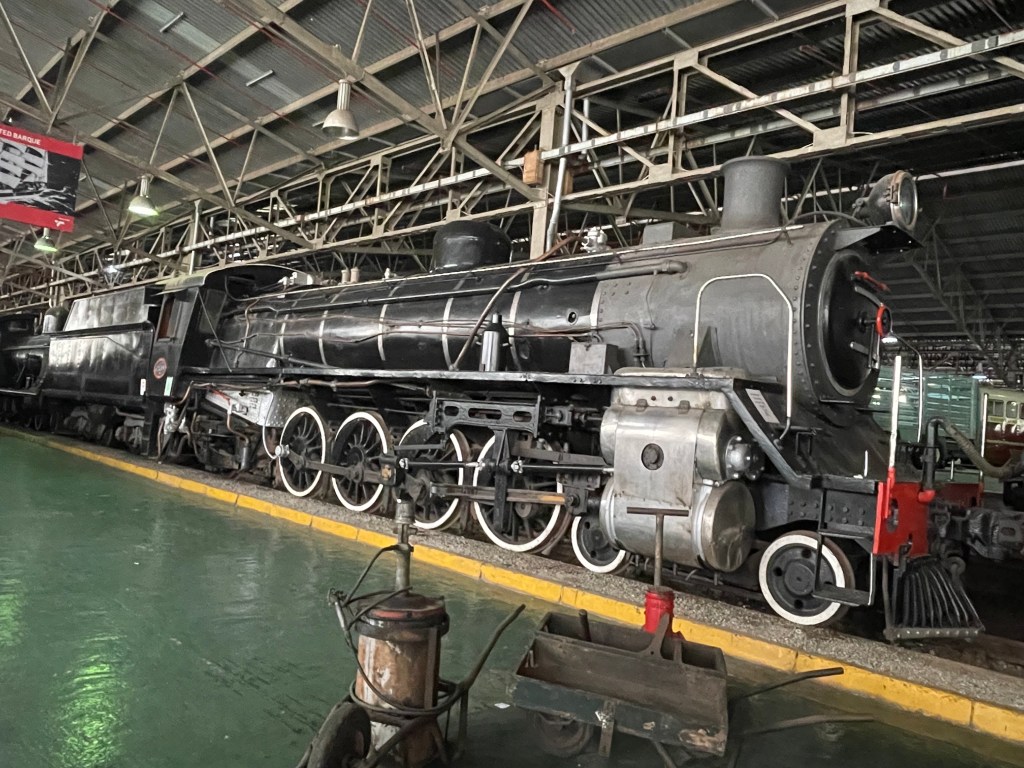
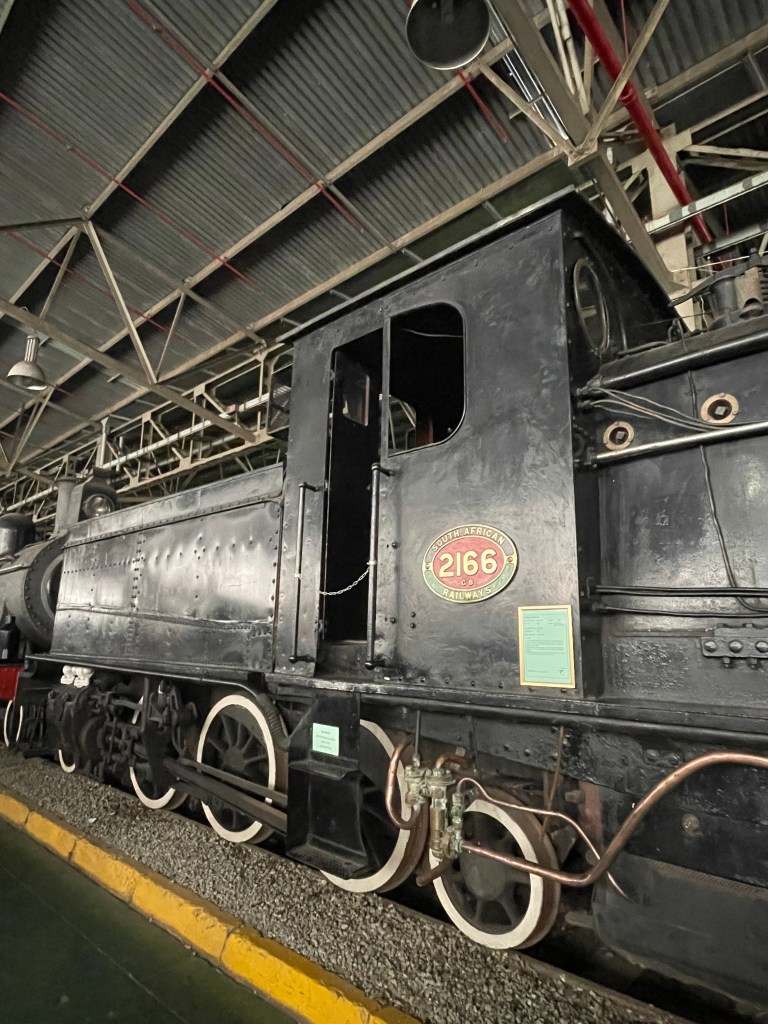
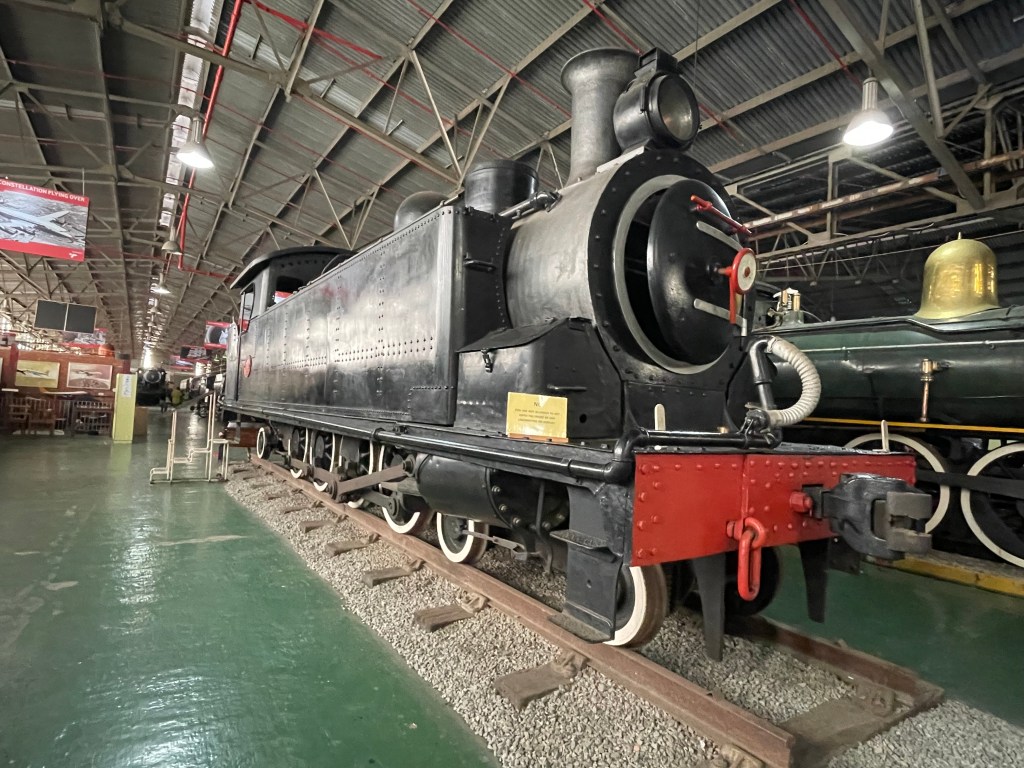
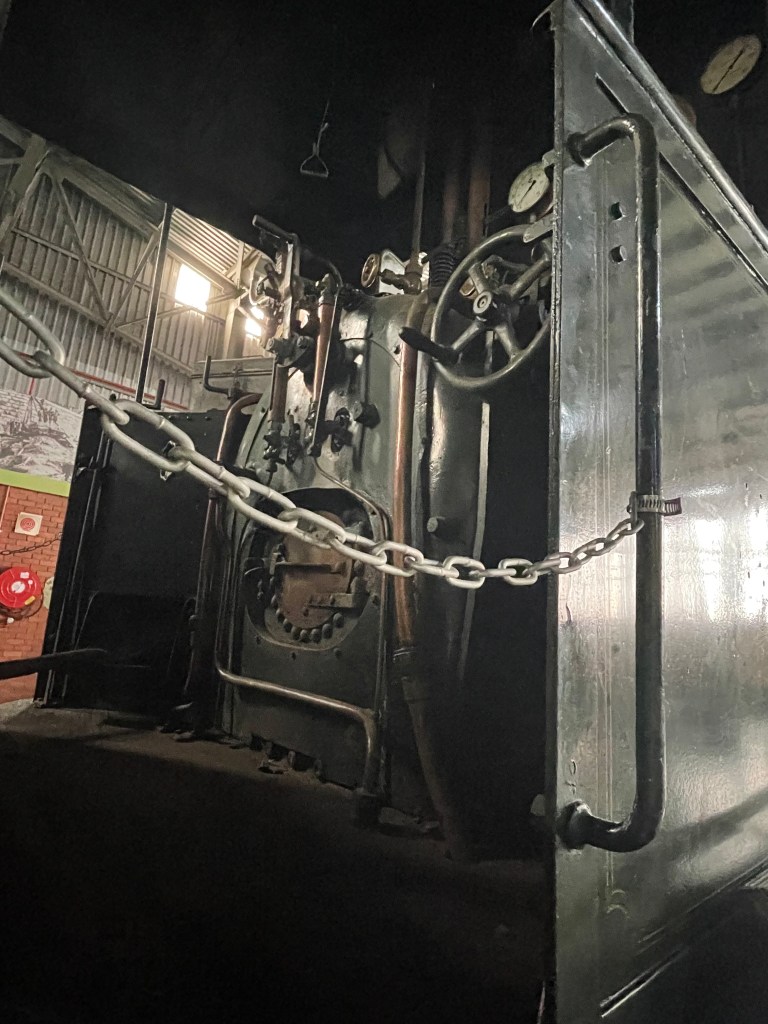
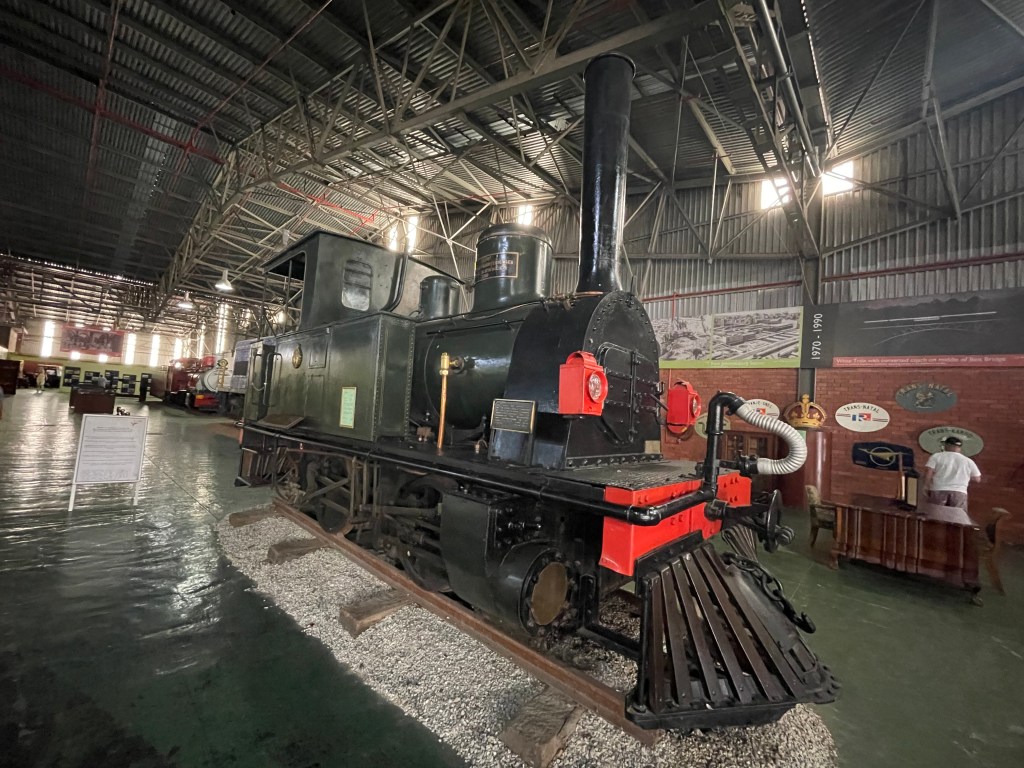
I have had rather a splendid ten day road trip holiday, and today I am sharing the first of my photographs from that trip. Dan Antion, the host of Thursday Doors, is a trains fan [just like me], I am kicking off with pictures from the Outeniqua Transport Museum in George, Western Cape. I like in George for two years when I was 10 and 11 years old and I have very fond memories of this town.
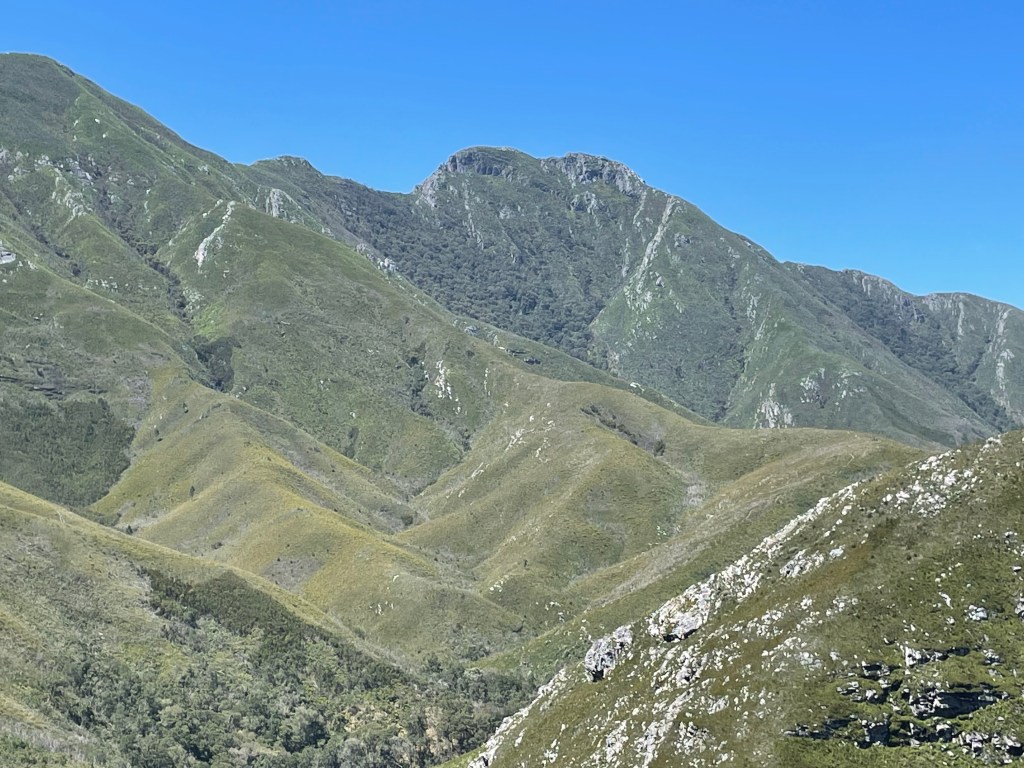
The Outeniqua Mountains, named after the Outeniqua Khoikhoi (previously Hottentots) who lived there, is a mountain range that runs a parallel to the southern coast of South Africa, and forms a continuous range with the Langeberg to the west and the Tsitsikamma Mountains to the east. [from Wikipedia]
Outeniqua means ‘they who bear honey’.
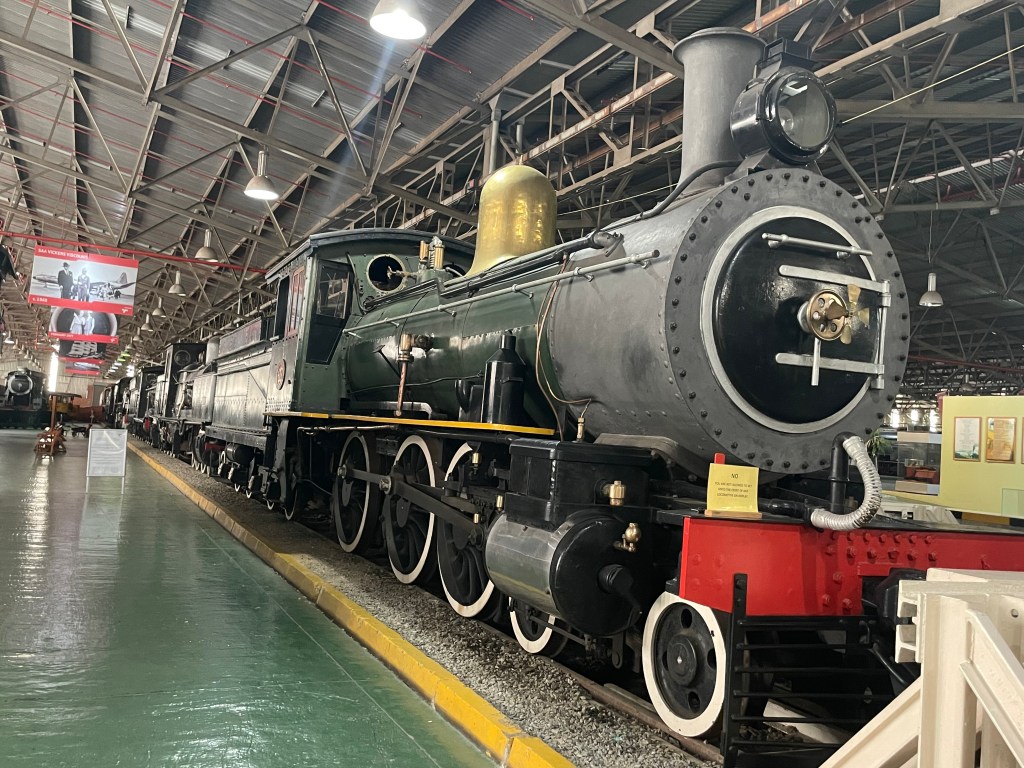
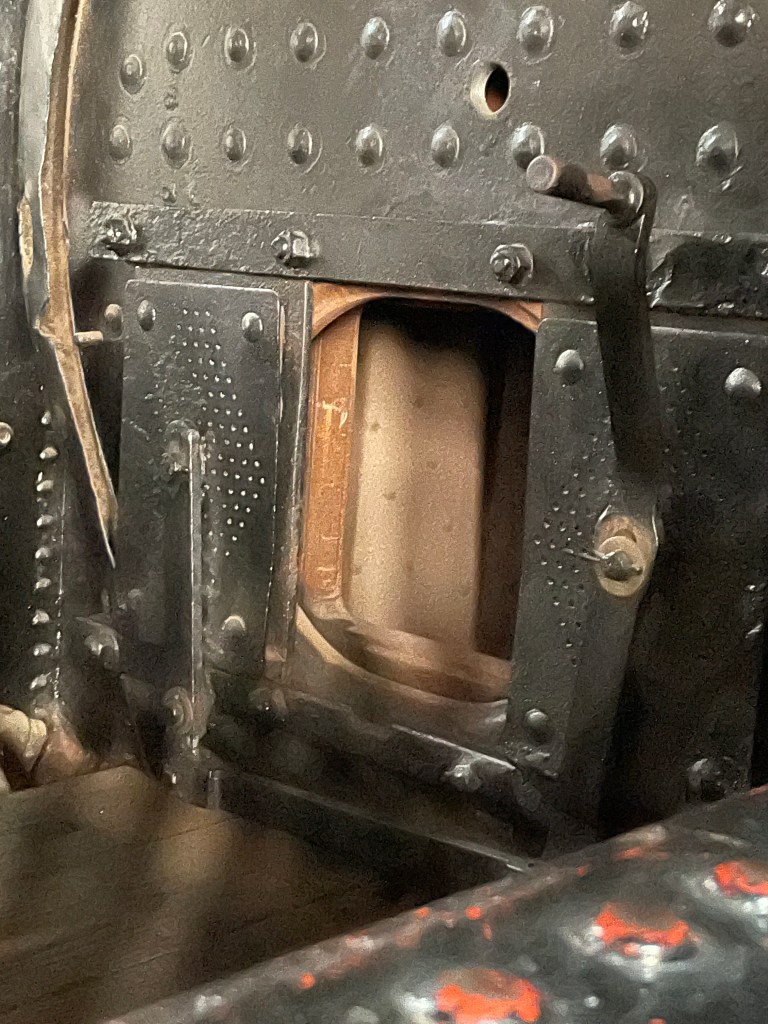
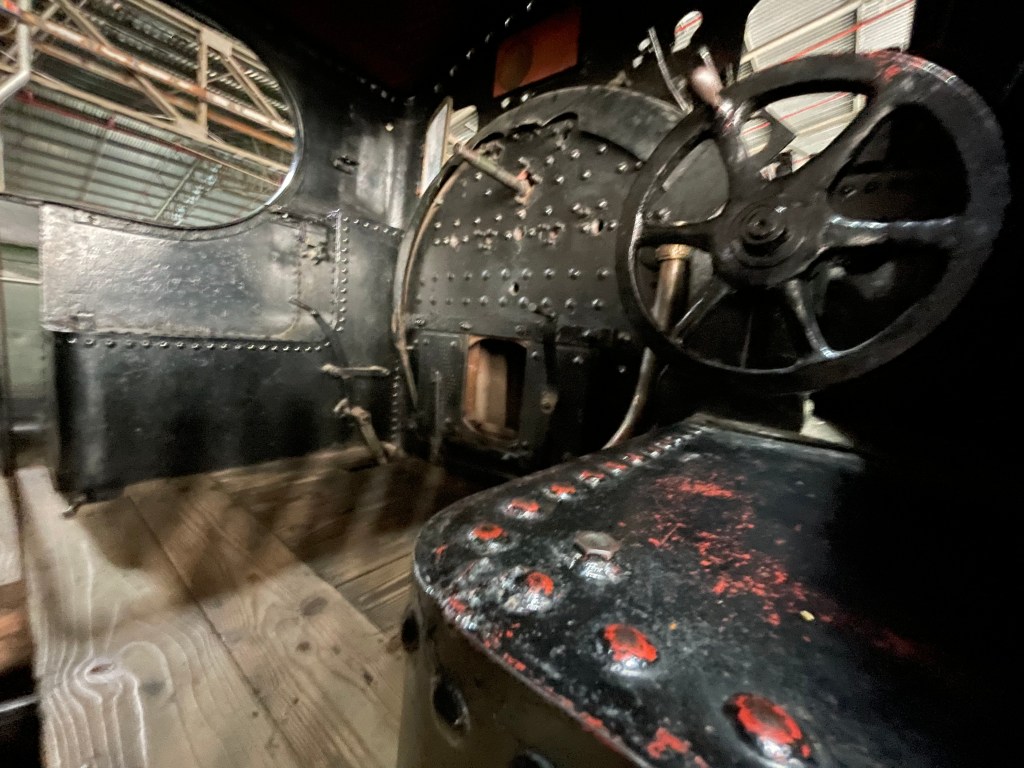
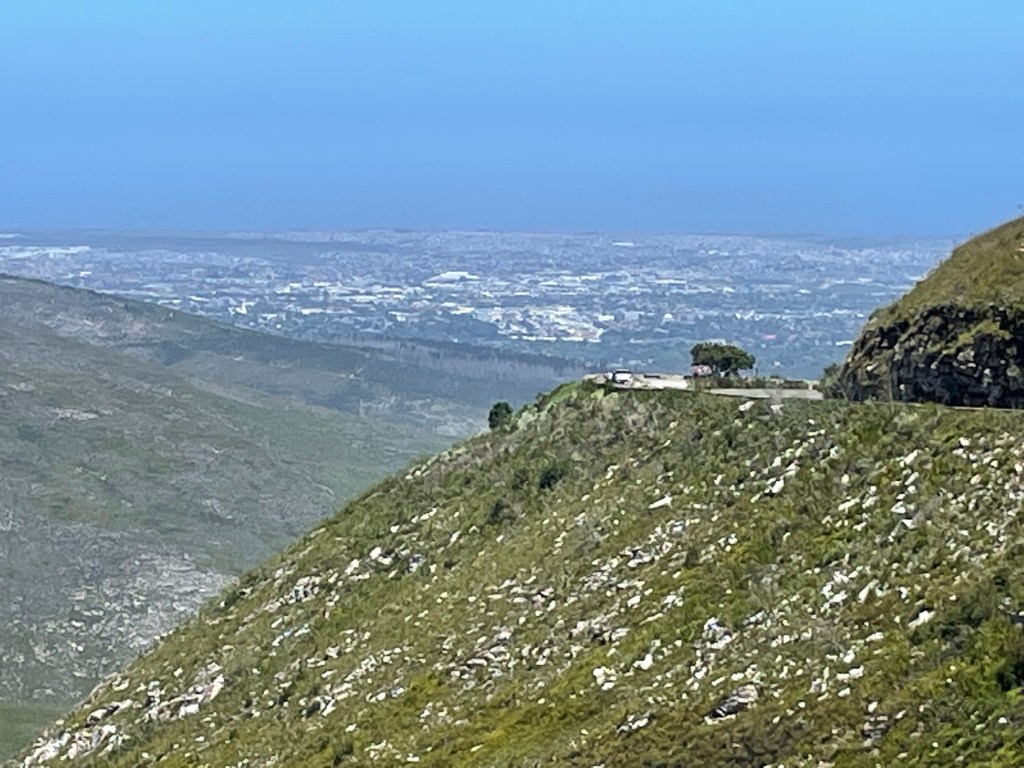
Steam locomotive built in 1902Door to the engineHatch door for coal storeDoor to the furnaceInside of engine with furnace and steering wheelFist train to come into use in the Transvaal – built in 1889Views of the Outeniqua Mountains
In the spring of 1843, Charles Dickens read a government report on child labour in the United Kingdom. The report, compiled by a journalist friend of Charles Dickens, comprised of a series of interviews with working children. It detailed the long hours, crushing work, and poor conditions suffered by these children. The new and heartless […]
Welcome to Thursday Doors, a weekly feature allowing door lovers to come together to admire and share their favorite door photos from around the world. Feel free to join in on the fun by creating your own Thursday Doors post each week and then sharing your link in the comments below, anytime between 12:01 am Thursday morning and Saturday noon (North American eastern time).
This is my last post for 2021 except for my Dark Origins post over at Writing to be Read which will go out on Wednesday, 22 December. I hope you all have a wonderful Christmas and all the very best for 2022.
This week, Dan has asked us to share our favourite doors for the year. I am using poetic license and sharing my favourite Christmas doors ever.
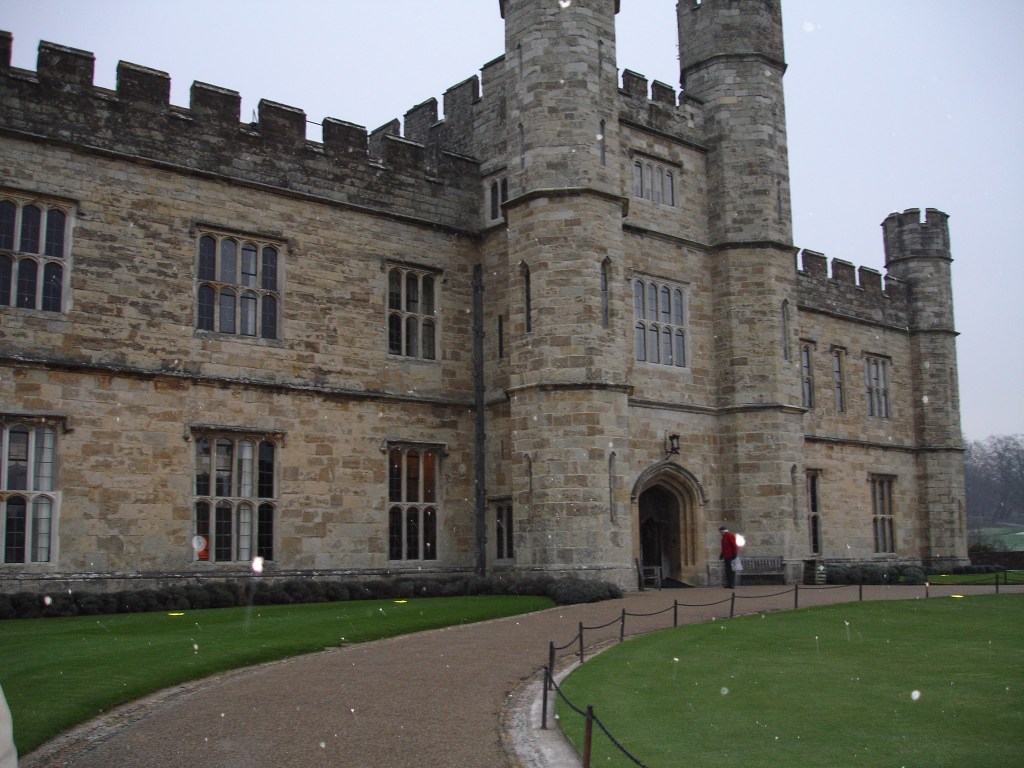
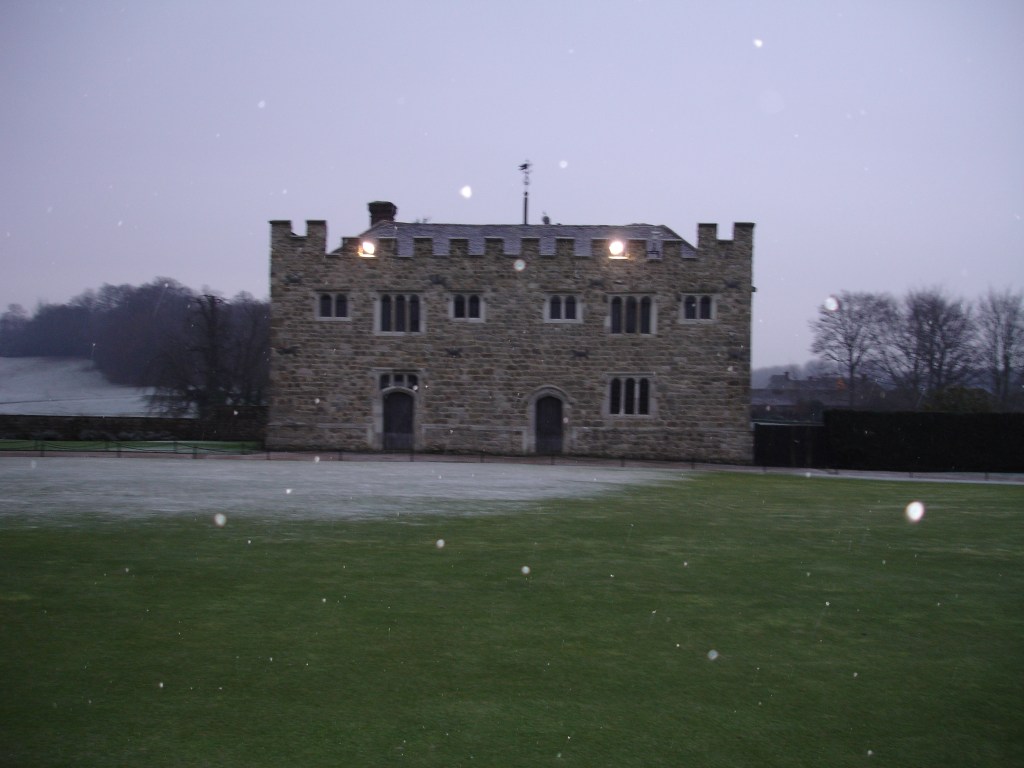
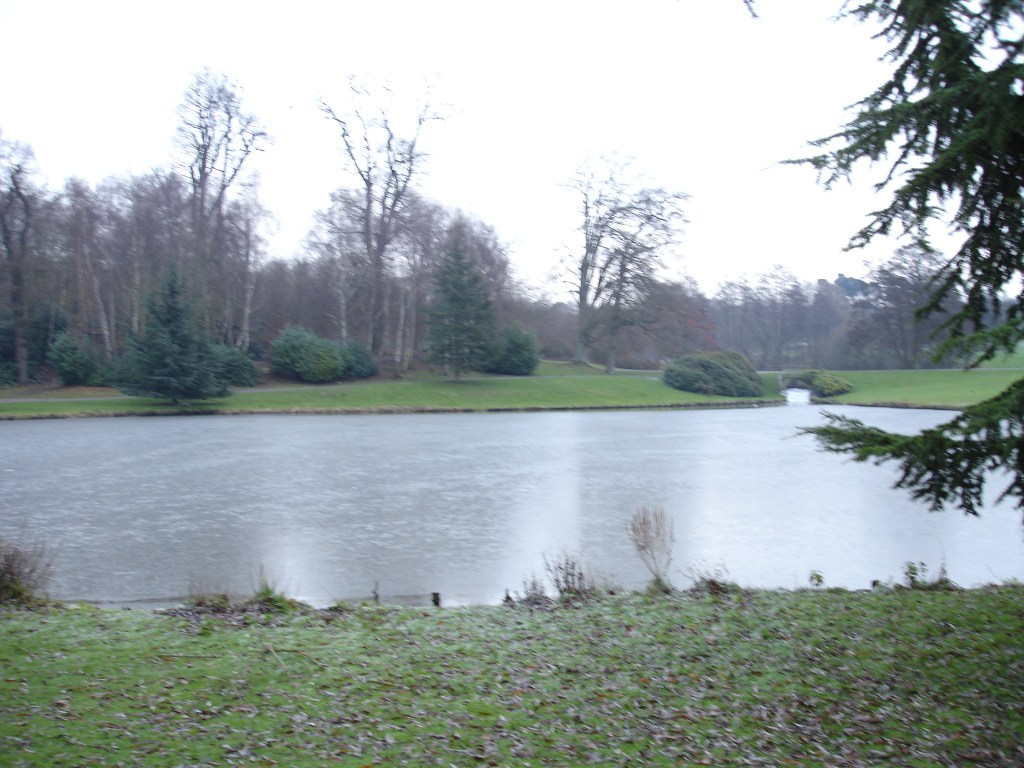
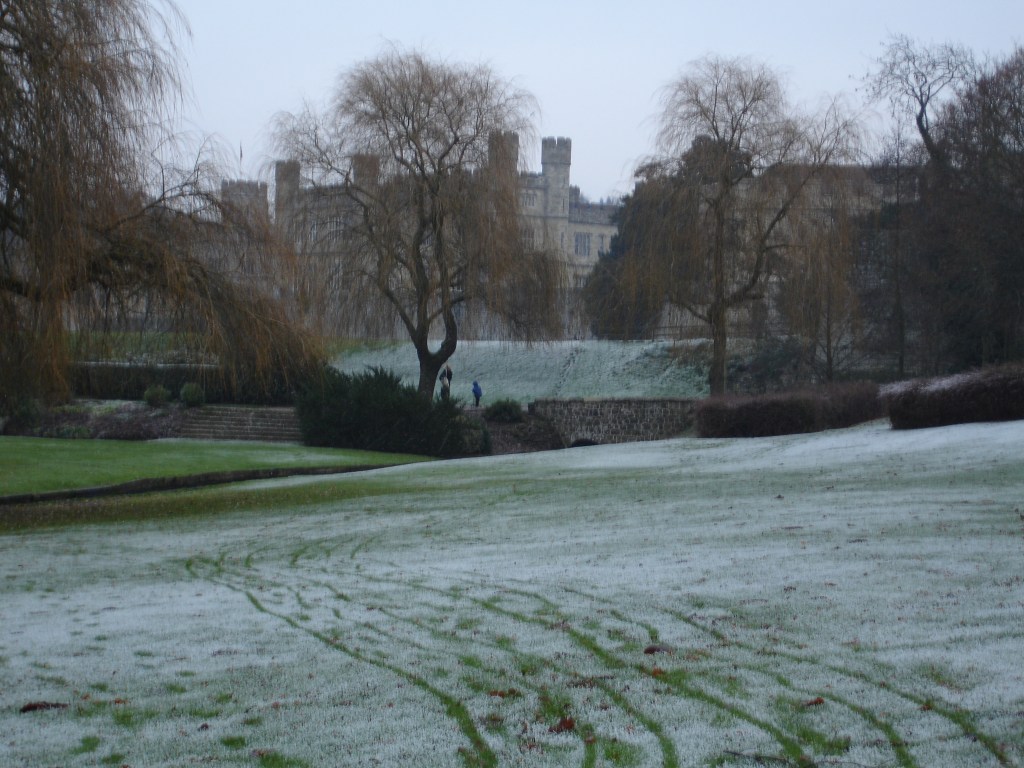
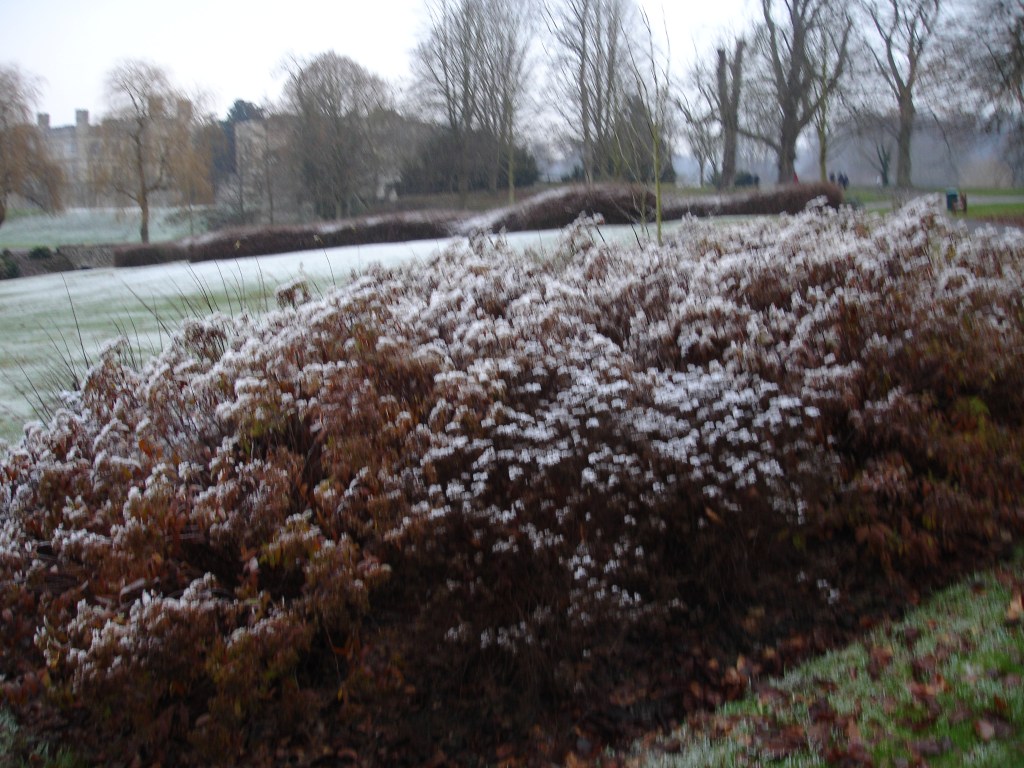
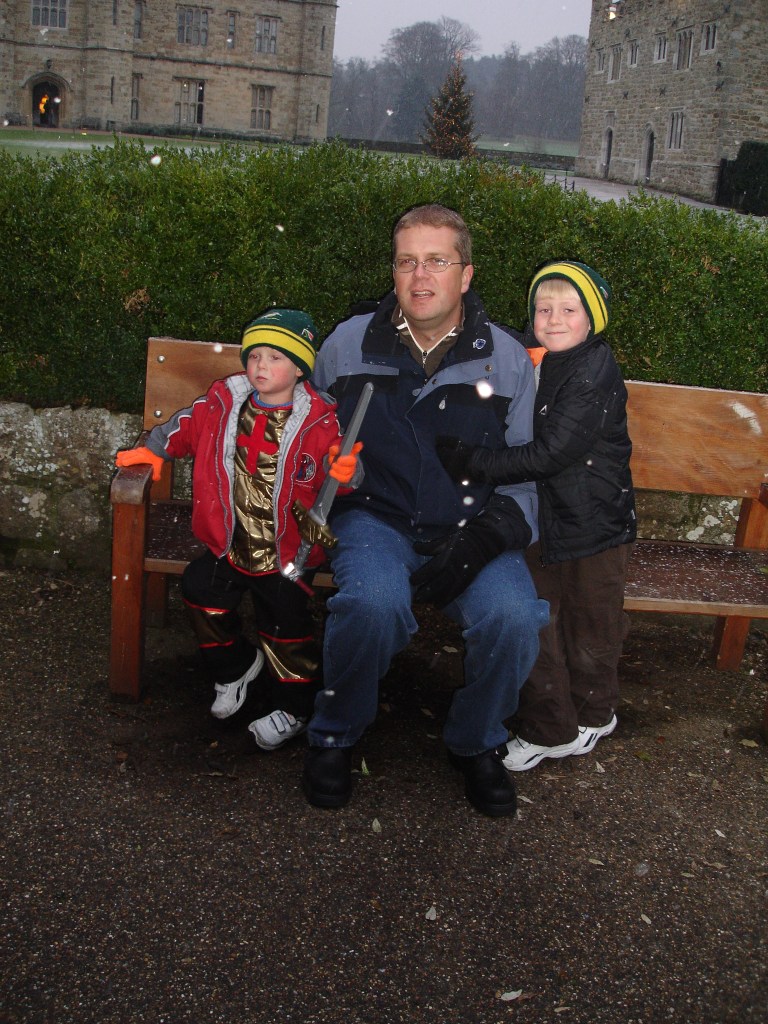
These pictures are from our trip to the UK for Christmas 2009. It is the only white Christmas I’ve every experienced.
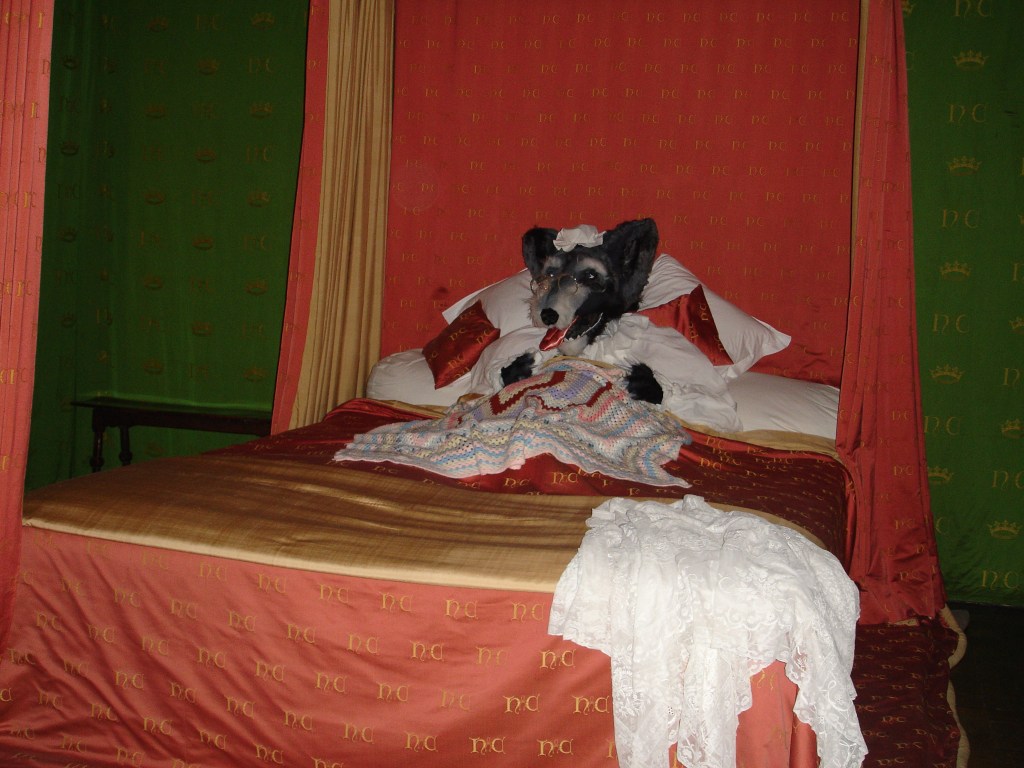
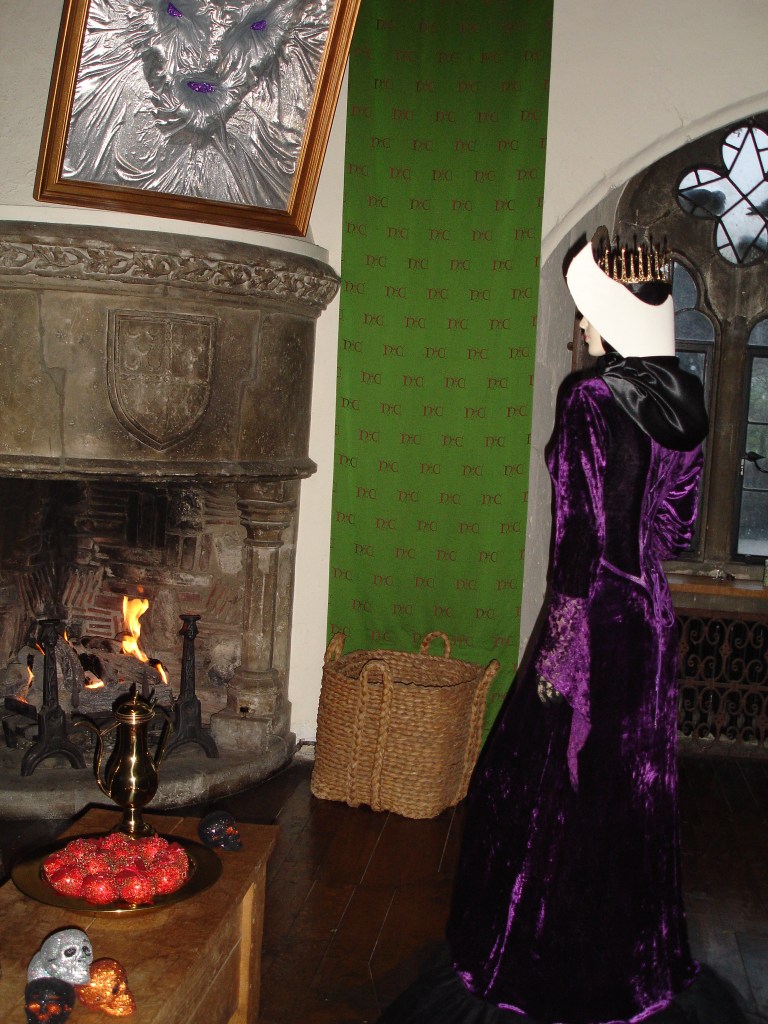
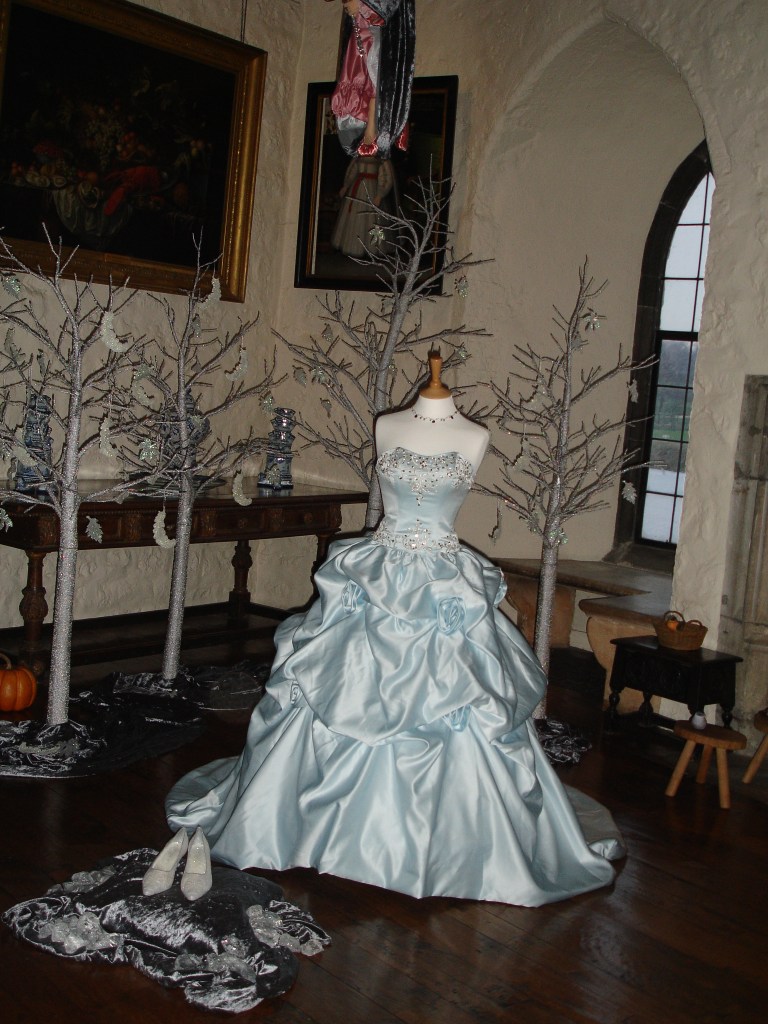
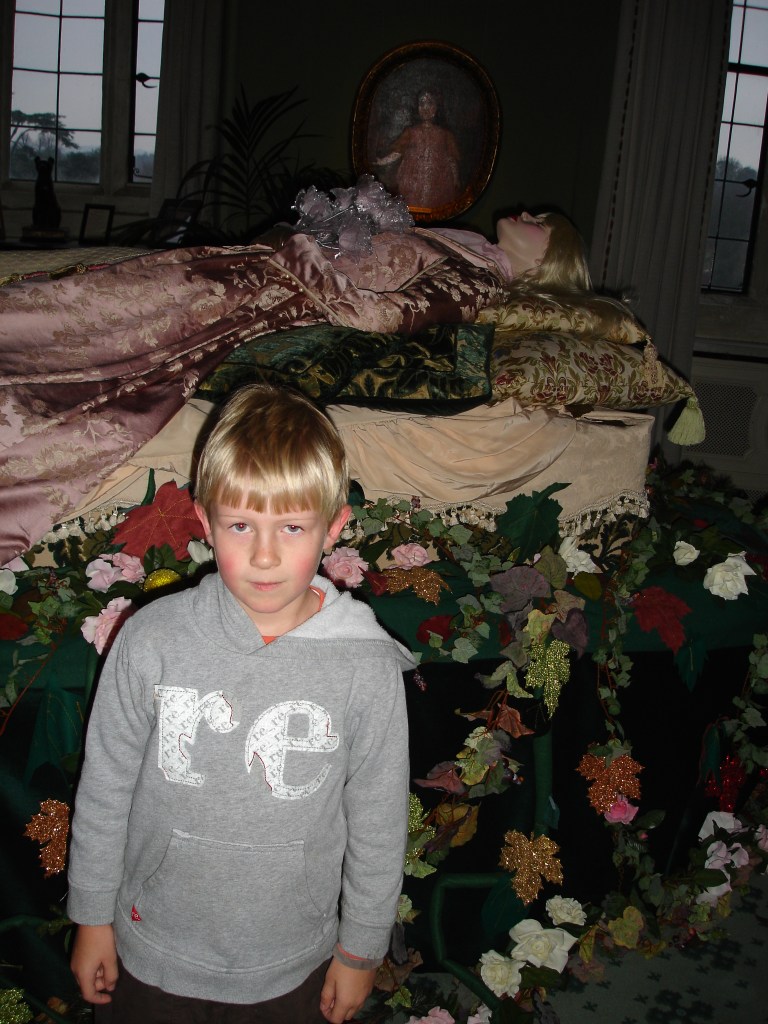
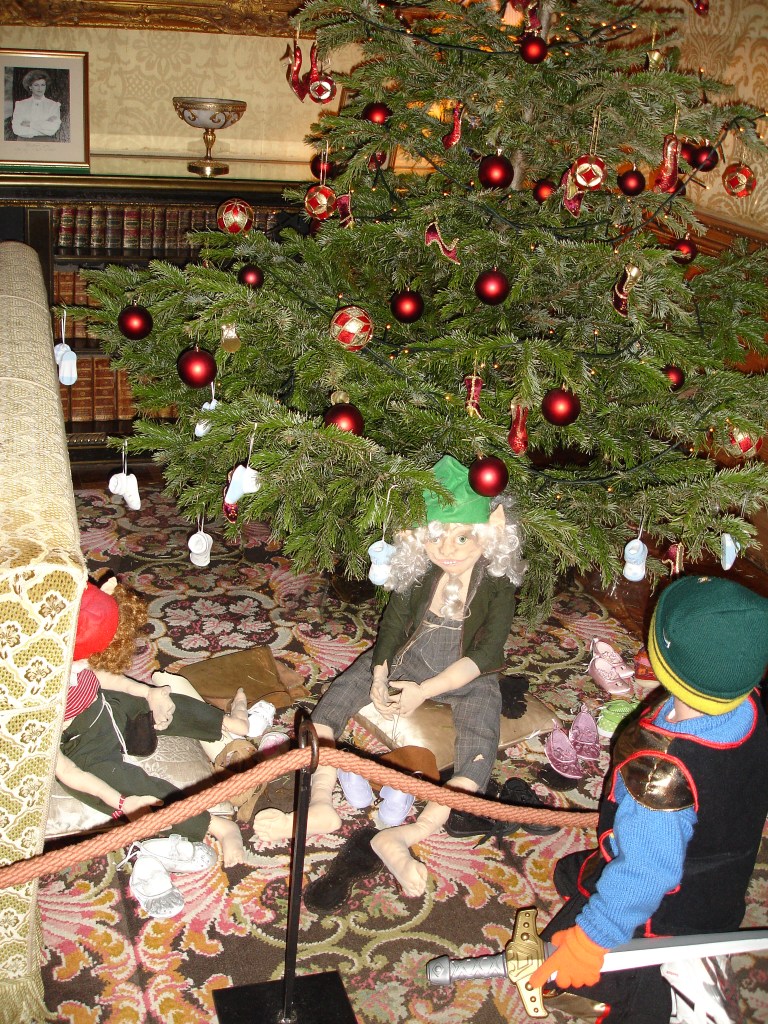
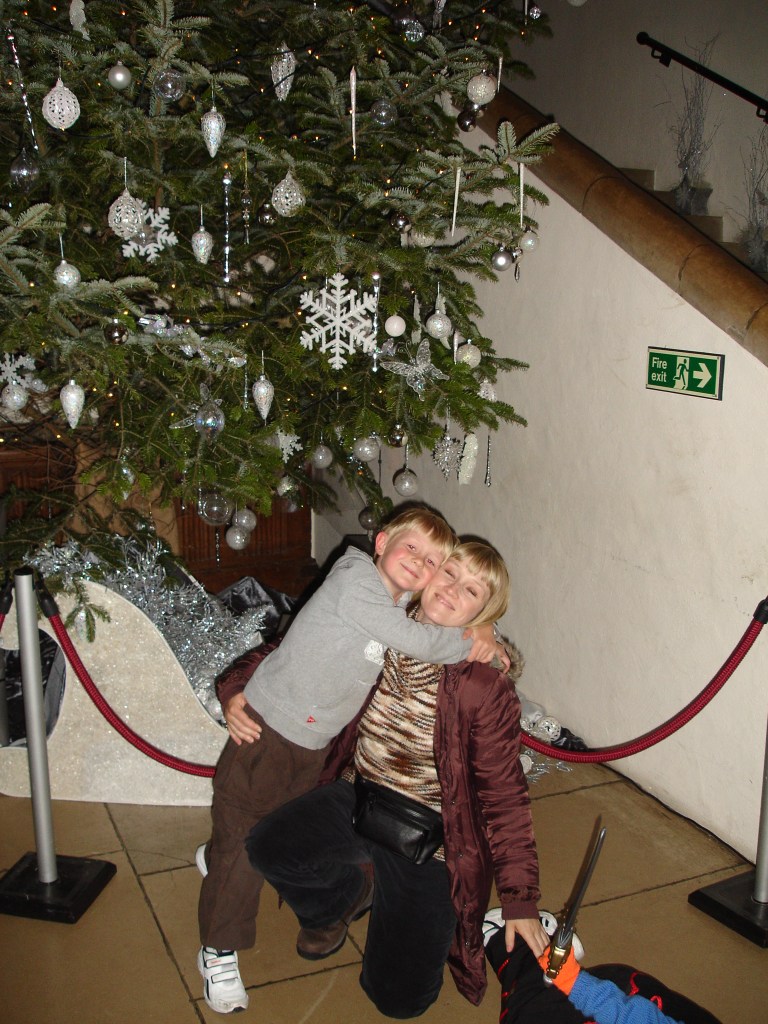
Doors to Leeds Castle. It started snowing during this visitLeeds Castle was decorated with a Disney themeGreg and I under the Christmas tree – a favourite picture of mineI was quite enchanted with the frost and snow
Just a reminder to all my readers, it doesn’t snow in southern Africa!
I’m going to end with my favourite Christmas song:
I am finally finished with work, three days late and its been a whirlwind so I didn’t manage to record a YT video for these two reviews. The Dead of Winter series of novellas are wonderfully imaginative and entertaining and I have enjoyed the nine journeys I have read to date.
This journey opens with a meeting between the long dead King Hallr and Arawn, planned by Arawn but a surprise to Hallr. What does Arawn want with this powerful former king?
The Deae Matres have finally discovered the Lost Library and meet the ancient and mysterious Haldis. Her family relationships with Hallr and Hallgeir are revealed to all. Emlyn gains a greater understanding of her powers and starts learning to use the Ogham Staff in order to unite with Hallgier, Osabide and Zasha who disappeared so unexpectedly. Unfortunately, the process through which Zasha transitioned into the Lost Library has made changes to her and she is not the same woman she was previously. The Deae Matres, particularly Osabide, are distraught about Zasha’s new persona and poor health, and discuss plans to undo the changes that have taken place.
Emlyn is gaining in confidence and knowledge, although the intense anxiety and mental barriers resulting from the mental abuse she suffered at the hands of her family, frequently manifest themselves in her behaviour and conversations. She spends some time roaming the library and learning more about it. Her interest in various paintings and artifacts will prove to be useful.
Emlyn suffers some distress as she gradually comes to realise that Haldis is not necessarily trustworthy and may have her own agenda. She also suffers disappointment in her relationship with Luce. Will her misgivings about Haldis and Luce prove to be true?
Journey 9: Doors of Attunement
My review
The book starts with some reflections by Luce which are very revealing. His devotion to his mother, fear of his father and the retribution he could take against Luce, ambivalence towards the Deae Matres, and intrigue with Emlyn are all revealed. His relationship with the Listeners, a new and intriguing element to the book, is mentioned.
Emlyn, Osabide and Fotia, previously Zasha, cross over into another realm on the advice of Haldis who has recommended this journey as the only way of reinstating Zasha’s own personality and good health. The trio come across the three doors of Attunement and realise they must open one in order to move forward with their question. They meet the Listeners who can grant the requests of questors at their discretion.
Fotia must make a difficult decision and Emlyn learns that there is more to the trios quest than simply restoring Zasha. It is also necessary to seek and find the missing crown of the Ohgam Staff.
The plans of both Arwan and Haldis are revealed.
The imagery and imaginative characters and settings included in this episode are more marvelous and intriguing than ever. A most worthy read and a great step forward in this epic journey.
Purchase Dead of Winter Journeys 1 to 11 by Teagan Riordain Geneviene
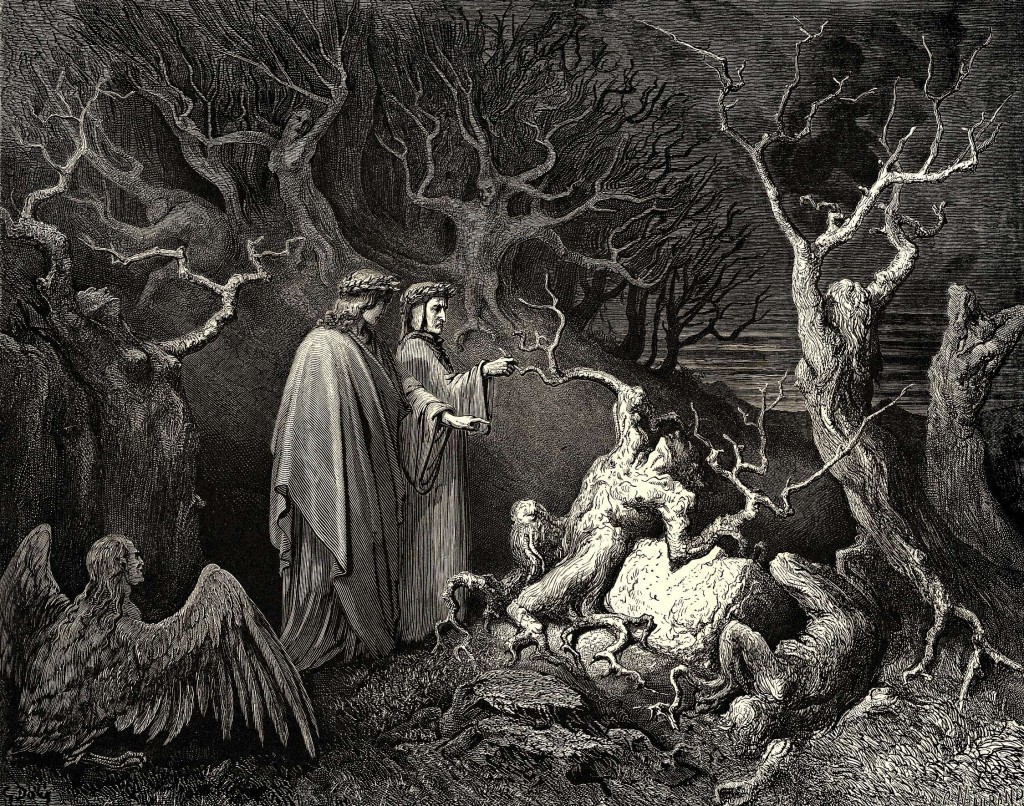
I am late posting Canto 13. The reason for this is a mixture of work being a crazy madhouse for the past few months and my great attempt to get all my book reviews posted before I go on a blogging break at the end of this week. This will be the last Dante’s Inferno post for 2021 and I will continue with Canto 14 in 2022.
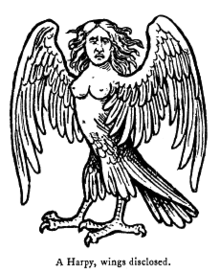
In Canto 13, Virgin and Dante enter the Second Ring of the Seventh Circle of Hell. Here they find a strange pathless forest filled with black and gnarled trees. Dante can hear cries of suffering but he cannot see the shades that are calling out. The Harpies nest here, feeding on the branches of the misshapen trees.
Virgil explains to Dante that he will see things in this circle that will make him doubt his [Virgil’s] words. Dante becomes confused because he cannot see the shades and believes that Virgil knows his thoughts, that the spirits are hidden among the trees. Virgil tells him that he is mistaken and that he should break off a branch.
Dante does this and the tree asks Dante: “Why dost tough break and tear me?” The tree begins to bleed where Dante broke off the branch. Dante discovers that the souls in this ring, the suicides and the squanderers, have been transformed into trees.
The tree tells Dante that all the trees in he forest were once men and that he should have mercy upon them. As a way of making up for the wound Dante has inflicted on the tree, Virgil asks the shade to tell them his story so that Dante may repeat it when he is back on earth.
The tree tells them that his name is Pier della Vigna and that he was a moral and admirable man, an advisor to Emperor Frederick. He states that an envious group of scheming people at the court blackened his name with lies, causing Frederick to start distrusting him, and he committed suicide due to his intense shame.
Dante asks how the souls have come to be trees and Pier explains that when the suicides and squanderers are thrown into this ring, having committed suicide, they take root and grow as saplings. The Harpies peck and wound them by eating their leaves. Pier continues to say that when the Last Judgement arrives and the time comes for all souls to retrieve their bodies, the shades in this circle will not reunite fully with theirs because they willingly discarded them. Instead, the returned bodies will hang on the trees’ branches forcing each shade to see and feel constantly its rejected human form.
The poets hear a noise crashing through the forest and two spirits appear. The second spirit flings himself into a bush but he is caught and torn apart by pursuing hounds.
“We enter’d on a forest, where no track Of steps had worn a way. Not verdant there The foliage, but of dusky hue; not light The boughs and tapering, but with knares deform’d And matted thick: fruits there were none, but thorns Instead, with venom fill’d. Less sharp than these, Less intricate the brakes, wherein abide Those animals, that hate the cultur’d fields, Betwixt Corneto and Cecina’s stream.”
I am over at Esther Chilton’s blog with a post about the Doughnut Girls from World War 1 who feature in my latest WIP, The Soldier and the Radium Girl. Thank you to Esther for hosting me. Esther has a fabulous book for writers called Publication Guaranteed. You will find a link for it on her blog.
My guest this week is Robbie Eaton Cheadle. Many of you will be familiar with Robbie’s blog and also her books. Here she gives us an insight into her latest WIP.
Doughnut Girls
By
Robbie Eaton Cheadle
It always surprises me, when I write a novel, how many unexpected bits of historical trivia turn up during my research process.
I am not a ‘pantster’ writer, I must have some direction. I am also not a detailed planner, although I do have a spreadsheet for my planned and partially written Cli-fi trilogy. It is necessary for those books because there are a large number of characters I need to keep a handle on. My standard modus operandus, however, is to write backwards. I plan the ending of my books or stories and then I decide where I’m going to start on the timeline of my story. The timeline is…














 roberta-writes.com