Hi everyone, it’s Robbie Cheadle here with you today with my December post in the People Photography section on LatinosUSA – English Edition.
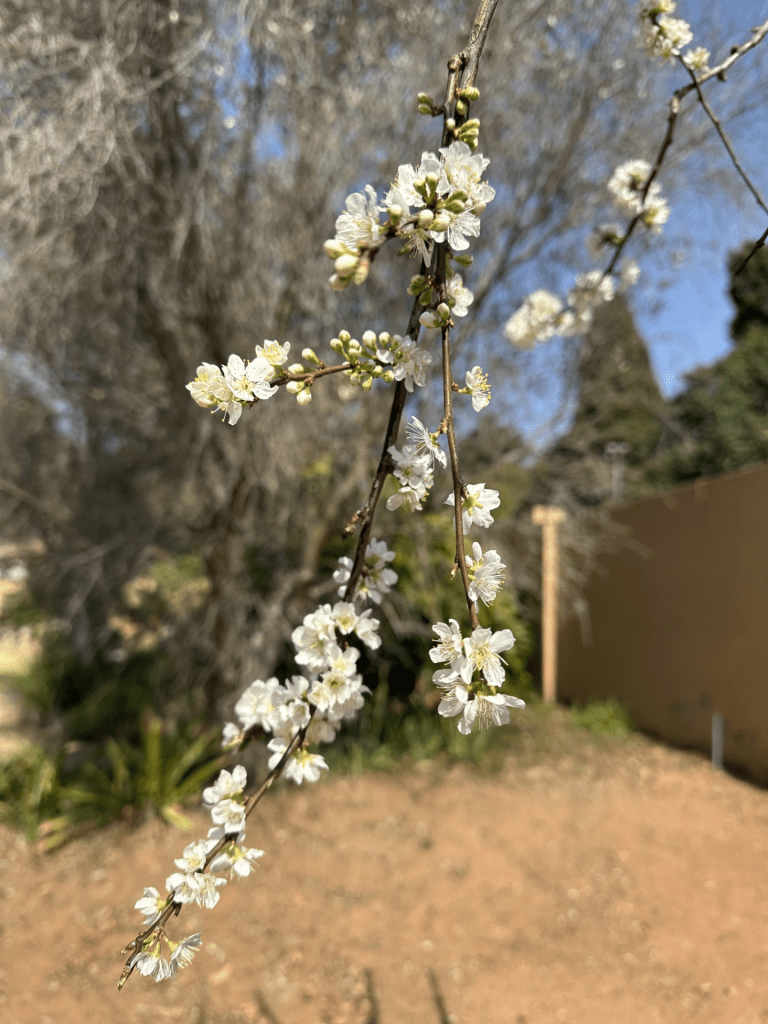
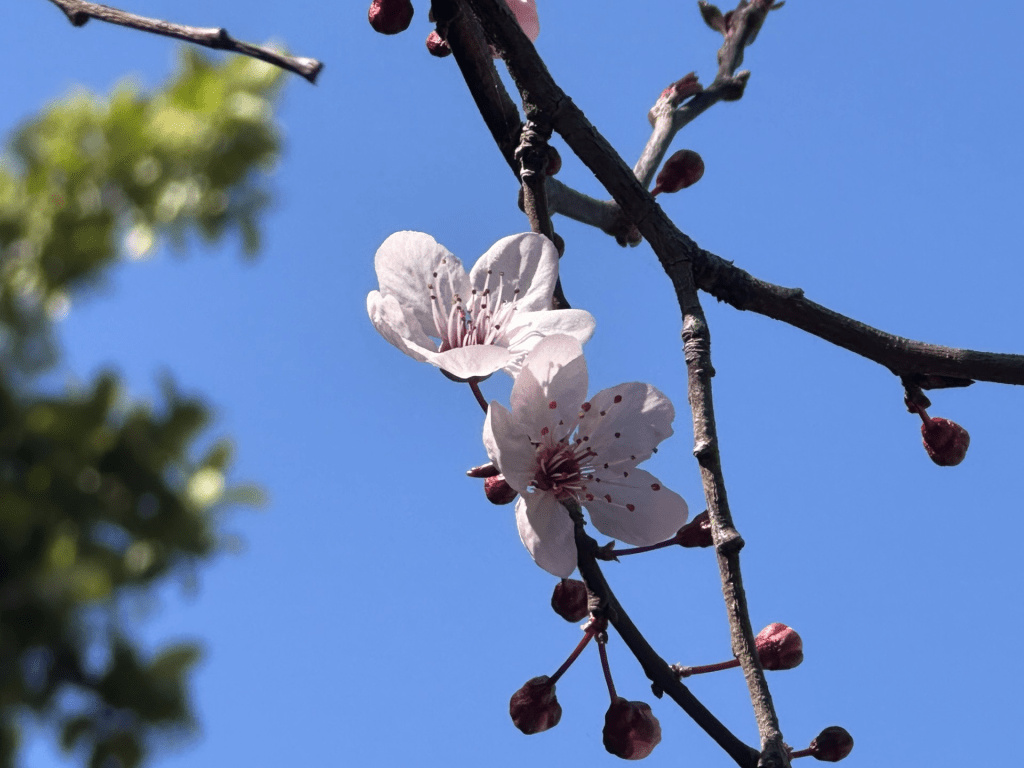
Next week’s photography section will feature nature. If you have a photograph to contribute, please email it to me at cheadlerobbie@gmail.com and use the title Photography – Nature. Please also include a short write up about your photograph.
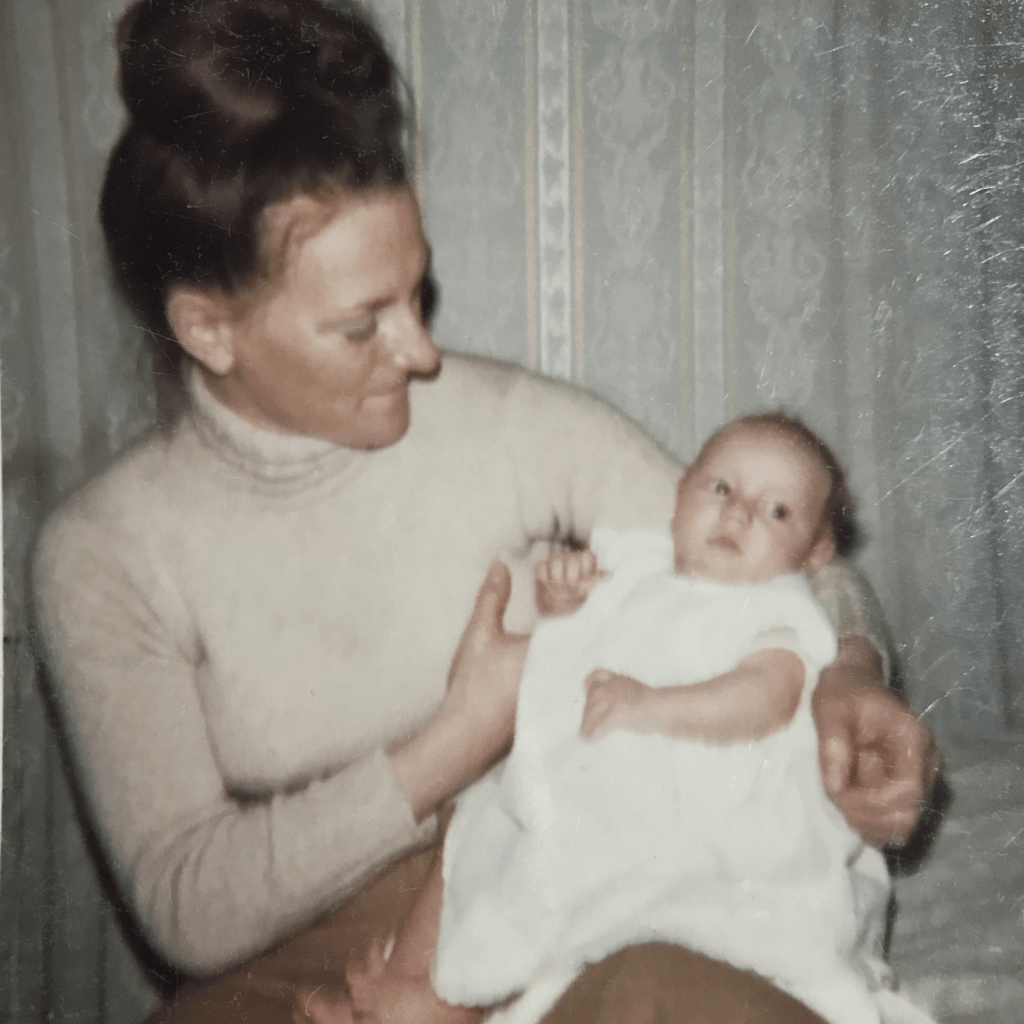
When I was three-months old my biological father died of a massive heart attack in front of my mother. She was left on her own to raise me as best she could. According to my mother, I was a very easy baby and never fussed or cried unless I was hungry or wet. Mom believes I could sense her sadness and distress and behaved accordingly, making her life easier.
Mom also said that after my father, William Cecil Weatherburn-Baker, died, she promised me that we would always stay together. She travelled with me all the way to South Africa when I was nine-months old and when I was two years old, she married my stepdad who I refer to as Dad. Mom and I have always been together, just as she promised. When I got married, TC and I bought a house in the same road as my Mom and Dad. When Mom could no longer manage the stairs in their house, we sold it and TC and I bought a house with a cottage for my parents. They have lived there for over 21 years now. Mom turned 87 on 21 October this year (2025).
When I was in prep school and junior high, all the girls were obliged to take domestic science as a subject. The syllabus was split into six months of dressmaking and six months of cooking. During my first year of junior high, I was obliged to do an applique project for school. Each girl was required to draw a design on paper and then cut it out of pretty fabric. The process then involved ironing a piece of white backing onto the fabric pieces so that the fabric didn’t fray around the edges. Each piece was then sewn onto the two pillowcases and duvet cover that comprised the project deliverable. Our parents had to purchase the fabric, backing, and bed linen. I decided to create a Holly Hobbie design and took great delight in drawing each piece including a flowery pink dress, patchwork apron, and flowery bonnet. Mom kindly bought me a plain pink duvet cover and pillowcases. I meticulously cut out my shapes and ironed on the backing, ensuring the sticky side was downwards onto the fabric. I used blanket stich to sew my pieces onto the pillowcases and duvet cover. My sewing was neat and tidy and my teacher was pleased with the end result. I was delighted with my new Holly Hobbie bed linen.
I continued to use my applique knowledge to decorate bed linen for my sisters. I entertained myself this way for an entire school holiday. One day, I placed the backing back-to-front and ironed onto the sticky side. That was a disaster as the glue burned onto the iron. I managed to clean most of it off but, after this, Mom wasn’t keen on me using the iron for applique.
I kept my bed linen all through my teenage years until I was seventeen. Cath, however, decided one afternoon soon after her bed linen was finished, to cut out the Holly Hobbie with a pair of scissors. Obviously, that didn’t do the duvet cover much good and it was the end of her Holly Hobbie bedlinen set. She never got another as between the destruction of her duvet cover and Mom’s reluctance to let me use the iron, I gave up applique as a hobby.
Hi everyone, it’s Robbie Cheadle bringing you an interesting reflection by Rebecca Budd on Walking Through Winter with Vincent van Gogh. Rebecca has a keen interest in art and artworks and shares wonderful articles on her blog, Chasing Art. You can find her latest art post here: https://chasingart.ca/2025/11/28/a-gift-of-small-kindnesses/
Walking Through Winter with Vincent
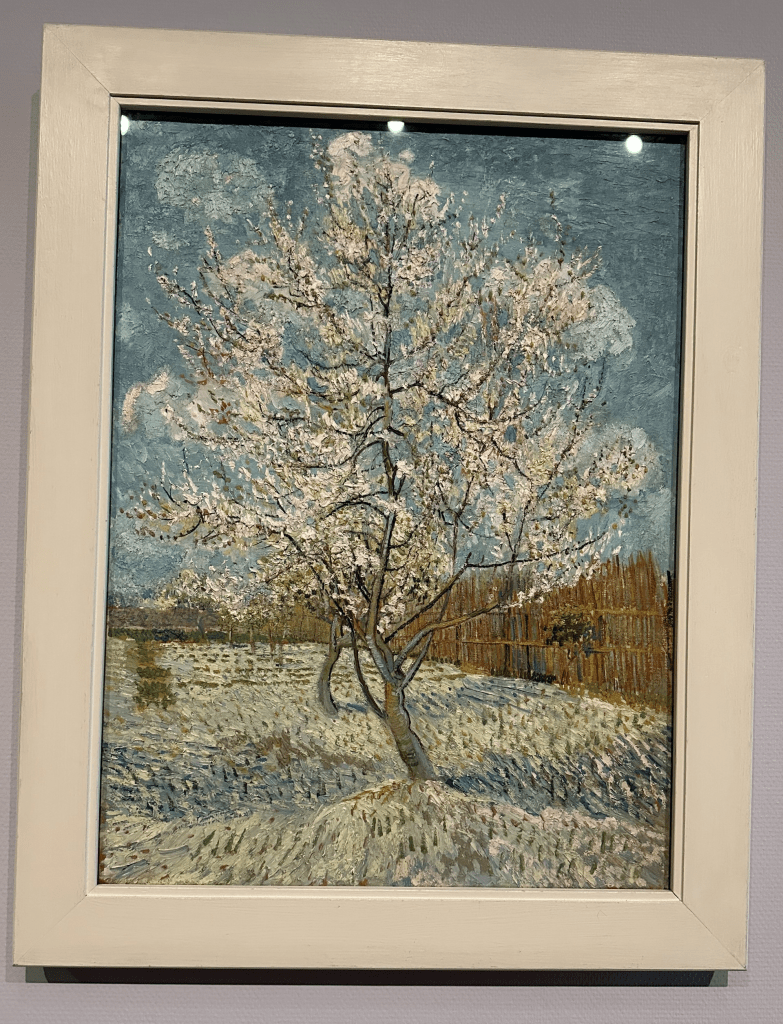
Landscape with Snow by Vincent van Gogh (Public Domain via Wikimedia Commons)
Winter comes in quietly. It does not rush in so much as settle, as if the world is taking a long breath after the brilliant months of autumn. When the first snow falls, everything seems to pause. The noisy parts of life drift away, and what stays is the gentle invitation to pay attention.
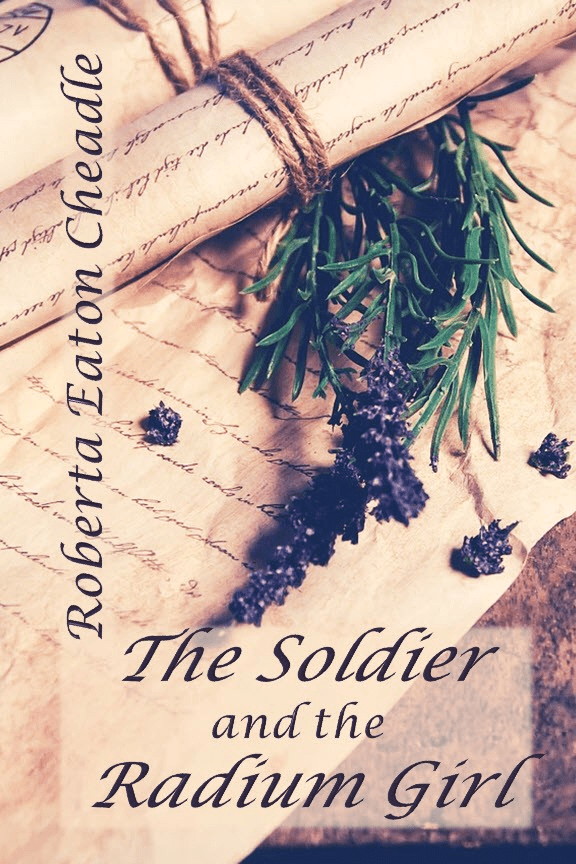
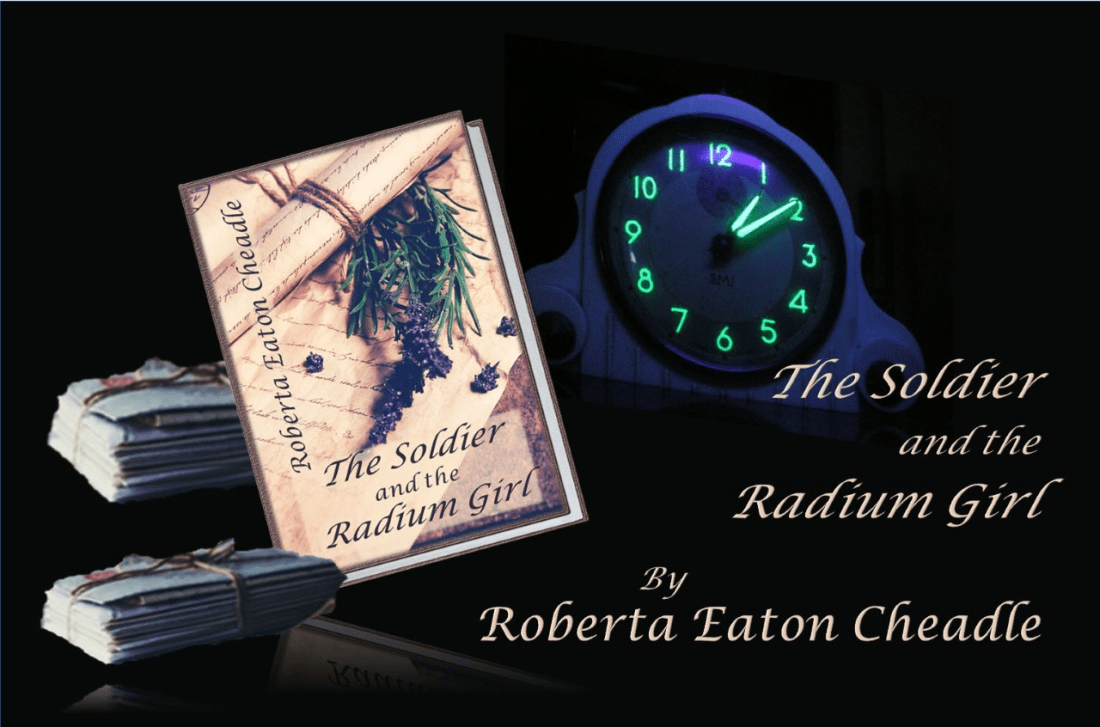
Thank you to Nolcha Fox for sharing Part 8 of my WIP, The Soldier and the Radium Girl.
Jake Tanner
9 October 1917
For seven days after leaving Halifax, the convoy traversed the continuously heaving ocean. Aside from twenty short minutes a day stretching their legs and taking the air on deck, the men passed the time playing cards in cramped, confined conditions.
Throughout this time, the confinement chaffed at Jake. Being below deck was like being jailed in a mausoleum with no natural light, airflow, or freedom of movement.
From time to time, a terrible yearning to get out of this horrible place rose within him, making swallowing difficult and constricting his airways. Sometimes a scream fought to escape, and he clamped his jaw tightly shut, holding it back. If he started screaming, he might never stop.
Stormy weather struck two days out of Halifax, and the ship had rolled and lurched ever since. Many men were struck down by seasickness, but, thankfully, neither he nor Joe was affected. Mike took to his bed early on, and they took him water and food at mealtimes.
“No soup.” He pushed his lunch away again today. “The smell makes me sick.”
His hand trembled as he pointed at a small basin. Jake held it under his chin as he retched weakly.
“Water,” he whispered. Jake held the cup to his mouth, and he drank a few sips before sinking back onto the lumpy pillow.
“I’ll eat his soup,” Joe took the bowl and started shoving spoonsful into his mouth. “You’re lucky to get this,” he said to Mike. “You should see the swill we get. Boiled pork and worse yet, boiled rabbit. English food!”
“The foods not the worse part,” Jake added. “The British and French officers are the most stuffy and pompous assholes I’ve ever met.”
“How’s the voyage going?” Mike’s papery voice was reedy.
Thank you to talented writer, Esther Chilton, for sharing a delightful post about Something Fancy and a wonderful review. Esther has several excellent books, both fiction and non-fiction, which you will find on her site.
Esther is a very generous and supportive blogger and has a Guest Writer Spot on a Friday where she shares stories, poems and promotional articles by various bloggers. In Esther’s words:
“If you’d like to be included in this slot, please get in touch: estherchilton@gmail.com. Poems can be up to 60 lines and prose 2000 words. If you’d like to add a short bio and photo, then great. All I ask is that there’s nothing offensive.”
This week’s guest is familiar to many of you. Robbie Cheadle is a prolific writer and so supportive of other bloggers. Please give her a warm welcome as she shares her new book, which I’ve just read. You’ll find my review below. For now, over to Robbie:
Something Fancy, A Winter Wonderland Celebration book 1
Christmas in South Africa
Christmas in South Africa is a different experience to Christmas in the Northern Hemisphere. It is summer here and the temperatures on Christmas Day are frequently in the mid 30 C’s. Our Christmas menu is designed for hot weather and tends towards salads, cold meats, and light desserts rather than the hot meal enjoyed in colder climates and the heavy puddings. That being said, my family always have a traditional Christmas Cake to enjoy on and after the day. We also usually have either a chocolate house or a gingerbread house on display which goes down well with the children.
On several occasions, I have used a summer fun theme for my Christmas confectionaries. One of my favourite Christmas cakes features Santa on the Beach.
I’m a bit late with this post but it’s been a tough week. My big transaction went live at 5.08pm tonight after four days of manic rushing about tying up loose ends and getting all the deliverables ready. This is the end of 10 weeks of hard work and I’m glad it’s done. I have another three on the go but those are smaller and more manageable.
Anyhow, on to the writing challenge. Esther’s prompt was angel. I had an idea last week which I didn’t manage to write up. Then I read Freya’s final post in her Dragon Scales poetry style series, and the following poem came all at once. So, this poem is for Esther’s challenge and is my first Dragon Scales poem. I’m not sure I got it quite right per Freya’s directions, but I’m pleased with the result. You can read Freya’s poem here: https://freyanrites.wordpress.com/2025/12/02/hollowness-verse-7/
When I was five, we moved into a house in Blairgowrie in Johannesburg. At the time, it was a typical suburban house with a low wall separating the front garden from the grassed pavement. Mom was very busy with my sister, Cath, you was only one and I spent a lot of time playing by myself.
That Christmas, Mom gifted me some old tinsel which was bald in patches. I could play with it and even cut it up into smaller pieces to use for my creative projects. I made one piece into an angel halo.
I was a good singer and was already singing in the school choir by the end of my first school year. I took it into my head to dress up as an angel and sing Christmas carols on the pavement outside my house.
I remember wearing a long white nightdress and borrowing one of my mom’s glittery evening shawls for wings. I put the halo on my head and took up a position on the pavement on my knees. Mom found me there several songs later, entertaining a gathering of pedestrians who had stopped to watch my show.
Mom was not pleased with me making an exhibition of myself.
These pictures are of the reception main door at Champagne Sports Resort Hotel where my family spent three days in early January this year. The Christmas lights and decorations were still up at that time.
The picture below is of the hotel rooms where we stayed. Ours were the bottom units.
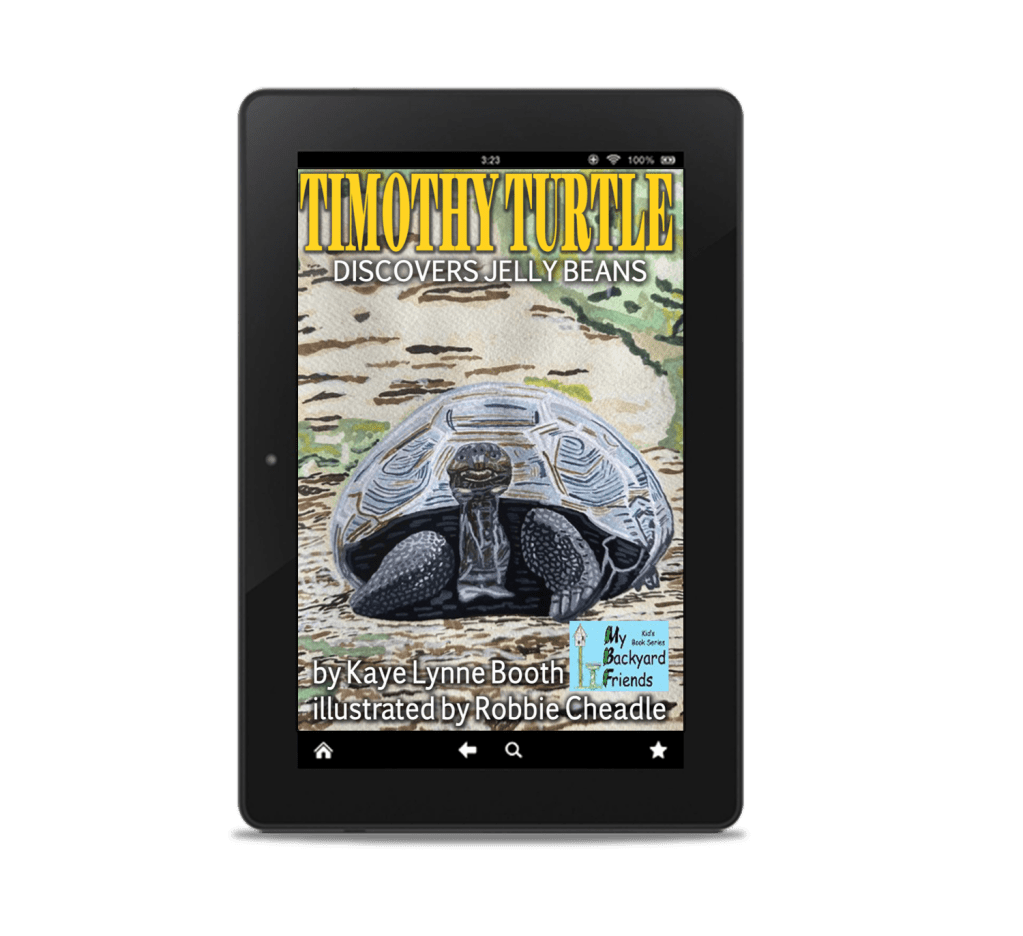
Today, I am highlighting Timothy Turtle Discovers Jellybeans written by Kaye Lynne Booth and illustrated by me.
What prompted you to write a book for children?
Since living in the Colorado mountains, I’ve become somewhat of a birdwatcher. The birds and animals which visited my yard inspired me to write Charlie Chickadee Finds a New Home with a true incident which occurred when a family of chickadees were chased out of the nest they had built in a tree in my yard. The Heather Hummingbird and Timothy Turtle characters were inspired by watching live hummingbirds and an incident which occurred with a live turtle, although the events in their stories are fictional.
Which writers of children’s fiction influenced you as a child and as an adult?
As a child, my favorite book was Little Bear’s Visit, by Else Holmelund Minarik, illustrated by Maurice Sendak. I always laughed when Little Bear gets scared and runs away from his own shoes, and the tale about how Momma Bear found the injured bird always touched my heart.I also enjoyed humorous books like “Stand Back,” Said the Elephant, “I’m Going to Sneeze”, by Patricia Thomas and Wallace Tripp. But, Dr. Suess was probably my favorite author. His books and those of Shell Silverstein were heavy influences in my poetry, and perhaps in my children’s books as well. I have always been a sucker for rhyming and alliteration.
As an adult, I read all those same books to my children, but I think our favorite was Maurice Sendak’s Where the Wild Things Are. My kids and I had the words memorized and they would help in the reading of the story. We even told that story camping, without the assistance of the book. I love words. I love playing with words and sounds. Writing children’s stories and poetry are my outlets for that sense of playfulness and humor, as well as my love for rhyming and alliteration. Those don’t always sit well in adult literature.
My review of Timothy Turtle Discovers Jellybeans
Picture caption: cover of Timothy Turtle Discovers Jellybeans
Timothy Turtle Discovers Jellybeans is a delightful story about animals that could inhabit a child’s backyard. Timothy the turtle discovers a collection of colourful sweeties that a young girl has discarded as they are too sweet for her. The girl’s cat, Katy, warns Timothy that these sweets gave the girl a tummy ache, but he proceeds to eat the sweet treats anyway. There is a lesson to be learned by Timothy, but he has lots of helpful friends to aid him in his distress. This book includes a subtle message about the benefits of healthy eating.
The book also introduces young readers to beavers and nuthatches and includes realistic drawings and paintings of these creatures.
I enjoyed this delightful and well written story for children.
My illustrations
I had only been drawing for about a year when Kaye approached me about illustrating these three books. I was still finding my feet as an artist and trying out different mediums. This book includes some drawings and also some of my first paintings as I discovered what has become my favourite art medium.
Picture caption: This is one of my favourite drawings. I love the turtle I managed to create and the colours of the background and jellybeans.Picture caption: This is one of my first watercolour paintings ever. I really loved how it came out. A delightful Becky the Beaver.
Discounted pricing
Kaye’s My Backyard Friends books are available at discounted prices from 1 to 25 December at the links below.
Kaye Lynne Booth is a multi-genre author who has had a whole collection of children’s stories just waiting for the right illustrator.
The books in the My Backyard Friends series are inspired by the birds and animals that visit author Kaye Lynne Booth’s mountain home. The first three books in the series are Heather Hummingbird Makes a New Friend, Charlie Chickadee Gets a New Home, and Timothy Turtle Discovers Jelly Beans.
Author poet and illustrator Robbie Cheadle does the beautiful illustrations that bring this series to life.
About Robbie Cheadle
Picture caption: Robbie Cheadle profile picture
South African author, photographer, and artist, Robbie Cheadle, has written and illustrated seventeen children’s books, illustrated a further three children’s books, written and illustrated four poetry books and written and illustrated one celebration of cake and fondant art book with recipes. Her work has also appeared in poetry and short story anthologies.
Robbie also has two novels and a collection of short stories published under the name of Roberta Eaton Cheadle and has horror, paranormal, and fantasy short stories featured in several anthologies under this name.
This week’s challenge by Melissa, is to write a Double Ennead poem on the theme of gratitude. The syllabic count for a Double Ennead poem is 3 x 3 verses of 6/5/11/6/5.
I am late with last week’s CFFC and Thursday Doors post so I’m including it here with this week’s CFFC post.
The four photographs below are of the wharf at Westminster Bridge in London. This is where tourists leave for tours of the River Thames. You can see the London Eye in the background. These are for Dan’s Travel Hubs challenge which you can join in here: https://nofacilities.com/2025/12/01/travel-hubs-cffc/
Last week’s CFFC challenge was Places where people work. I have a selection of doors from my trip to London.
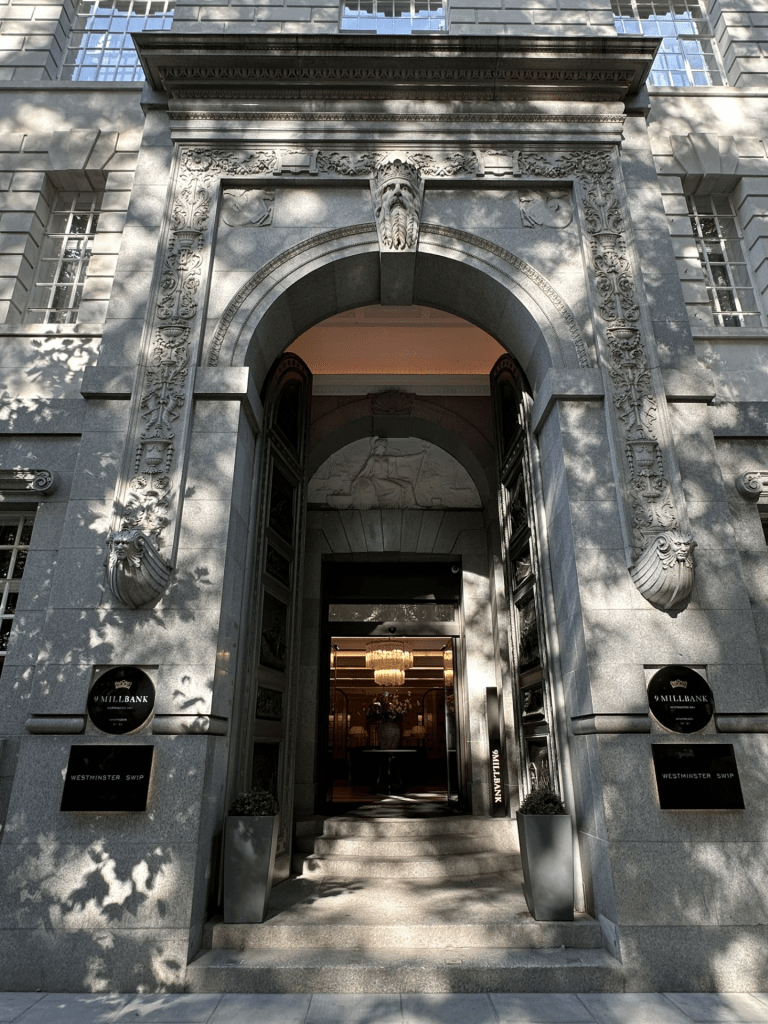
The slideshow below is of the entrance and door of a bank in Westminster, London. I thought the door was beautiful.
Picture caption: Entrance to The Institute of Civil Engineers in LondonPicture caption: Entrance to The Royal Courts of Justice, London
Thank you to Nolcha Fox from Chewers by Masticadores for sharing part 7 of my WIP, The Soldier and the Radium Girl.
Jake Tanner
30 September 2021
The ship had crawled up the coast for five days, reaching its destination the previous evening. Once on the ocean, Jake found his sea legs quickly and looked forward to the periods when his platoon was allowed on deck, and he could look at the dark body of water that heaved and churned relentlessly. He found it endlessly fascinating.
Mike was not as fortunate and experienced ongoing seasickness.
He’d languished in his narrow bunk until Beau goaded him into going up on deck with Jake and Joe.
“You would be seasick, Mike,” Beau laughed. “You’re not only the runt of the litter, but the weakling, too.”
After ten minutes of walking up and down the deck, inhaling the tangy ocean air, he’d admitted to feeling much better. “I’m glad you made me come outside.”
Their interludes on deck were far too short, and the trio spent a lot of time playing cards, shooting the wind, and talking about “over there” with their contemporaries.
Hi everyone, it’s Robbie Cheadle here with you today with the first post in my Photography section on LatinosUSA – English Edition.
The Photography Section will comprise a weekly photography post with a weekly theme as follows:
First week of the month – Animals
Second week of the month – People
Third week of the month – Nature
Fourth week of the month – Buildings and Architecture.
If there is a fifth week, we will have a jackpot photography post.
I would love all the photographers out there to contribute to this section. If you have a photograph to share in one of these categories, please email me at cheadlerobbie@gmail.com and use the title Photography – [specific theme]. Please also include a short write up about your photograph.











 roberta-writes.com