The twin lines waver down both sides of the street. Aging sentinels attired in their uniforms of jacaranda blue, spit polished silver buttons which sparkle brightly in the spring sunshine.
A gentle breeze shakes the branches releasing a shower of purple confetti. A nearby bird bursts into excited courtship song.
The environment pays tribute to these revered spring veterans.
Aging sentinels
Smart in jacaranda blue
Silver buttons shine
And, of course, there are pictures:
Picture caption: Street lined with jacarandas taken away from the sunPicture caption: The same street lined with jacarandas but taking the picture into the sun. Amazing how the light differs.
Thank you to talented author, Teri Polen, for featuring me as part of her amazing Bad Moon Rising series of Halloween posts. Teri has some wonderful books that you will find on her blog.
Picture caption: Book Blog Tour Banner for A Noble Bargain by Jan Sikes
Thank you, Robbie, for allowing me to take over your blog today so I can talk about my upcoming new release, A Noble Bargain. I’m deeply grateful for your generosity and support!
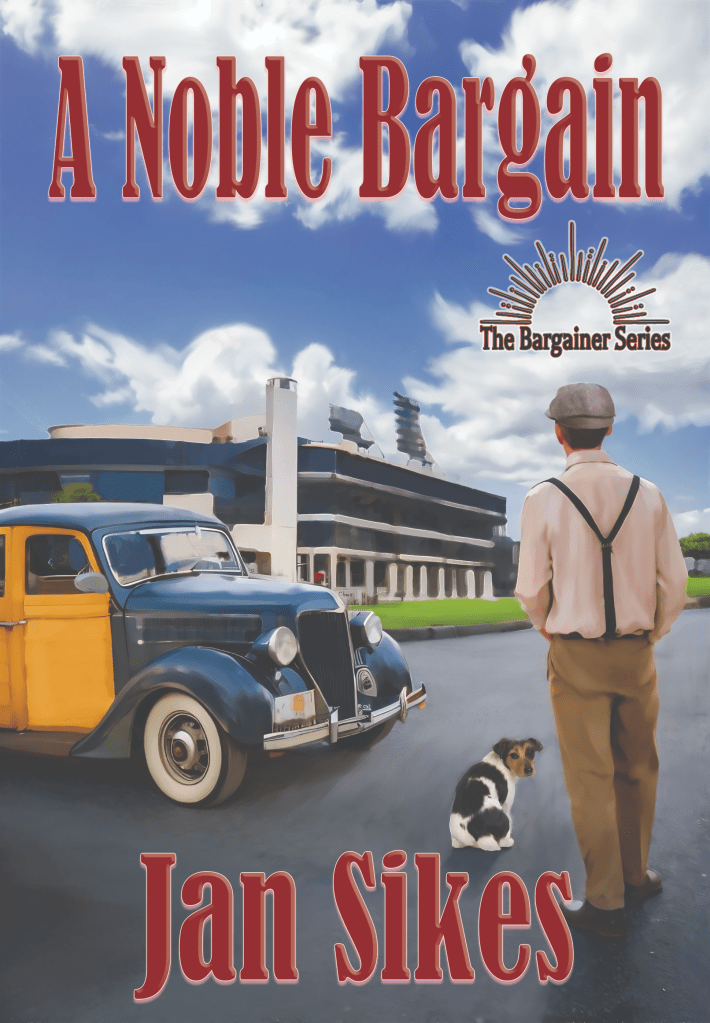
Picture caption: Cover of A Noble Bargain depicting a man in an old fashioned vehicle standing outside an office-styled building
The forest industry is often referred to as the oldest industry in America. A Noble Bargain opens in the sawmill town of Crossett, Arkansas. I had a chance to visit the area and do research a few months back. I found that Georgia-Pacific bought the company in 1962. But the original sawmill, known as Crossett Lumber, was established in 1899. The coming of the railroad changed the climate of the industry and the town. The original workers were paid in store credits at the company store, much like the early coal miners in Kentucky. Safety was not a concern and there were many accidents and fatalities. Another fact I uncovered in my research had to do with Yale University. Each year, they sent students to Crossett to study the forest industry. They built camps to house the students for their spring stay of three months. They built the camp in 1946 and abandoned it in 1966.
My main character, Oliver Quinn, works at the sawmill. But his job is outside loading lumber onto train cars. There is a reason he doesn’t want to work inside the mill, which I reveal in my story.
Excerpt:
He gazed up at the clear sky, a contrast with the brown, orange, and gold leaves on the trees. “For you, Dad. The dream you never got to live.”
While he drove, he thought about the good times when his father took the time to teach him to pitch, catch, and swing the bat. Swing for the fence, he’d tell him. Then there were the ball games he’d attend when his father played for the Crossett Millers. The desire had been strong in Patrick Quinn to make a better life for his family in whatever way he could. He was good at fighting in the boxing rings, but the sawmill provided security and a regular paycheck. He sacrificed his dream for the family. That was until the fateful day when a saw blade ripped through his leg, severing the main artery.
Now it was Oliver’s turn to provide a better life for them all, and perhaps that included Rose. He couldn’t think of anything more rewarding.
Throughout the story, Oliver remembers the strength of the dream that brought his family to America. And, as the man of the house, is determined to make a better life for his mother and sisters.
Have you ever seen a sawmill in operation? While I didn’t get to tour the plant, I found a lot of fascinating facts in my research.
Picture caption: Promotional meme for A Noble Bargain by Jan Sikes. The wording says “The sawmill claimed Oliver Quinn’s father’s life. He won’t let it claim his.”
Blurb
A true testament of character, resilience, and the magic of never giving up.
The year is 1948 and folks in the sawmill town of Crossett, Arkansas, work hard and play hard. Oliver Quinn does both. Oliver is the son of Irish immigrants who firmly believe in pursuing the American dream. His deepest desire is to play major league baseball. He only needs one chance to prove himself.
Rose Blaine is living in a nightmare where dreams don’t exist. She’s suffered for years at the hands of her violent moonshiner father and his partner. During a brutal attack, she must fight back or die. The aftermath is devastating.
Fueled by desperation, Rose strikes a life-changing bargain with Oliver. If he’ll take her and her brother to St. Louis, Missouri, she’ll introduce Oliver to her uncle, a baseball legend.
While their journey is fraught with unseen perils, they forge an unbreakable bond and make surprising allies.
When destiny throws them a curve ball, they must find the courage to create a hopeful future out of the ashes of shattered dreams with newfound fortitude.
I’ve been an avid reader all my life. There’s nothing I love more than losing myself in a story.
Oddly enough, I had no ambition to be a writer. But I wound up in mid-life with a story that begged to be told. Not just any story, but a true story that rivaled any fiction creation. Through fictitious characters, the tale came to life in an intricately woven tale that encompasses four books. Not satisfied to stop with the books, I released music CDs of original music matching the time period of each story segment. In conclusion, to bring the story full circle, I published a book of poetry and art. I was done.
Wrong!
The story ideas keep coming, and I don’t intend to turn off the creative fountain.
I love all things metaphysical and often include those aspects in my stories.
I am a member of the Author’s Marketing Guild, The Writer’s League of Texas, Story Empire, and the Paranormal Writer’s Guild. I am an avid fan of Texas music and grandmother of five beautiful souls. I reside in North Texas.
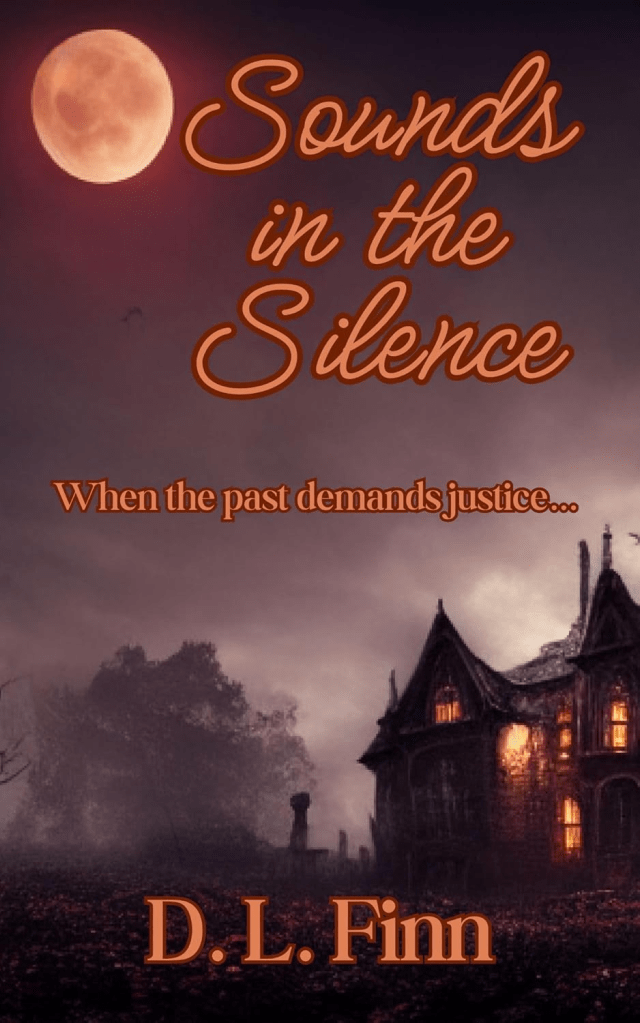
Picture caption: Cover of Sounds in the Silence featuring an old house against a creepy evening background.
What Amazon says
A dual timeline where murder has consequences forty years later for the living—and the deceased.
Maria and Logan Davis stumbled upon the perfect old house by a secluded lake—a prime candidate for their dream inn. They knew a renovation was involved but didn’t expect a persistent ghost that pleaded to be found. Determined, Maria delved into the mystery, only to uncover a haunting love story and murder from the Roaring Twenties. Yet, the young couple’s curiosity shifts to fear when they realize someone is taking a dangerous interest in their barn. With time ticking away, they must unravel the secrets of their home’s past before it’s too late.
My review
This dual timeline story is a perfect mix of devoted couples and creepiness. The happiness of the two couples from different eras, and their pleasure in each other, is strongly contrasted by the weird religious zealotism going on around them, intent on destroying their love.
Maria and Logan Davis have just purchased a large, old house which they are planning to convert into an inn. The story kicks off with Maria hearing an eerie voice in the evening and from there, the introduction to the ghost unwinds quickly. Simultaneously with Logan and Maria getting to know about the existence of the ghost and wanting to learn her story and help her, all sorts of strange and unpleasant occurrences start to happen in and around their house. Something evil seems intent on stopping the couple from helping the ghost.
Charles and Helen Elliot lived in 1924 during the prohibition. They have no children and are determined to live their version of a ‘fun’ and entertaining life. Despite the law prohibiting drinking, the couple acquire large stashes of alcohol and throw lavish and decadent parties. Initially, several of the local townspeople including the sheriff and his wife, attend the Elliot’s parties. As the story progresses, the local people fall under the intense spell of a newly arrived minister who is establishing a church in the town. A charismatic man, the minister successfully converts the locals and, when Charles and Helen refuse to capitulate and join the church, turns the town against them.
This is an interesting story of religious fantasist and its effect on people. I enjoyed the psychological aspects of certain characters slow erosion of their sense of wrongdoing under the spell of the minister. It reminded me of the memoir, Child of Satan, Child of God, by Susan Atkins, which told the story of the Manson girls who eventually became murderers in the name of their religion.
This is a great book, fast paced and exciting with lots of food for thought. It is especially topical in this current environment of war and social disruption.
Sitting at my desk in the dining room, I was quickly scrolling through the album covers provided by Mish in her post. I’d already decided on a cover but was ensuring I was missing out on a better idea by being my usual hasty self.
TC, aka hubby dearest, came up behind me and stared at the screen. “What are you doing?”
Oh no, I thought, caught in the act. TC loves music, bands, and cover albums.
“I’m just picking a top 100 album cover to write about. It’s for a poetry prompt. But I’ve already decided on the cover I’m going to use,” I reply.
I knew I had no chance of being spared a long music conversation.
“Let me take a look. I’ll help you choose,” he said.
And so, we spent 90 minutes looking at every cover in the top 100. TC told me about the band and his favourite songs and even made some comments about some of the cover artists. It was a lovely bonding session, and I might even remember some of the songs.
My cover remained the second one on the list. No 99:
Fire engine red
Fire engine red
First blossoms of September
Whispering of warmth
Tiny hearths burning brightly
Dispelling winter’s cold grip
***
Joy uplifts my heart
As spring welcomes her first guest
Fire engine red
Anointing slim limbs stripped bare
Miracle of renewal
***
Photographer tries
To capture cheerful splendour
Fire engine red
Creating bright memories
To inspire another day
***
Thoughts of Noddy toys
Moulded plastic car and hat
Fire engine red
My children’s fantasy play
Inspired by tiny figures
***
Fire engine red
Harmless playset of childhood
replaced with real car
Symbol of independence
Oldest son embraces spring
Colleen wrote a post entitled: What is a Rensaku? You can find it here: https://tankatuesday.com/2024/10/09/what-is-rensaku/. My poem isn’t a Rensaku (or it could be as I didn’t read the instructions very carefully), but it is inspired by the idea of a repeated line in a series of tanka poems.
This is the tree which inspired this poem:
Picture caption: Flame Tree
Thursday Doors
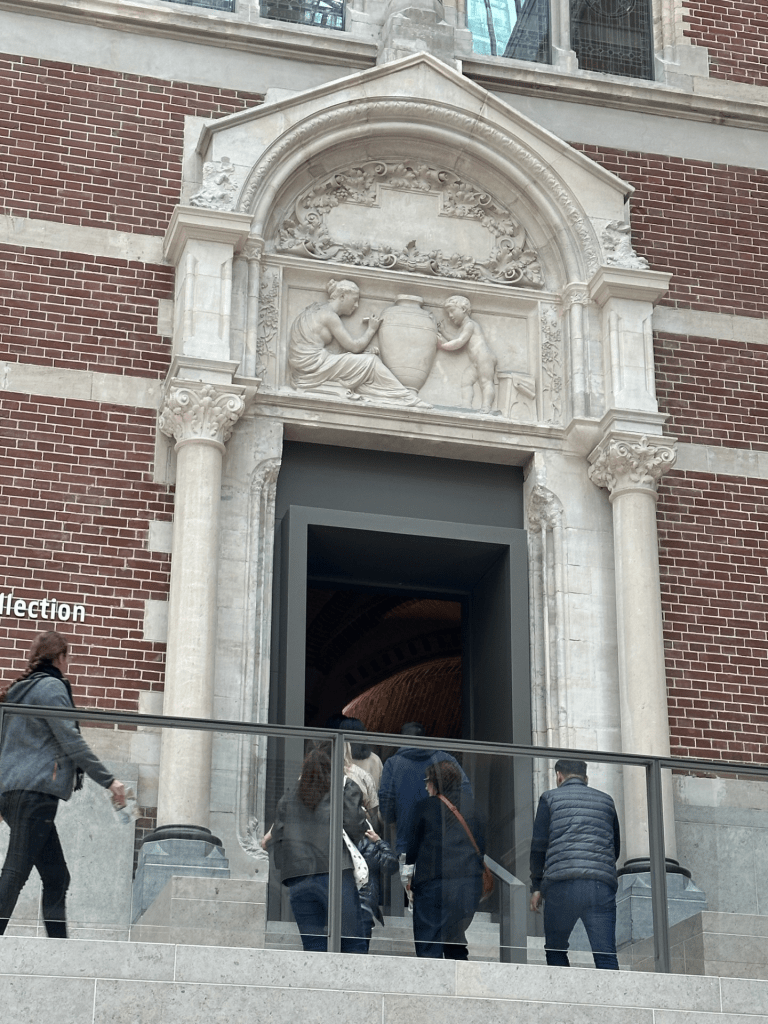
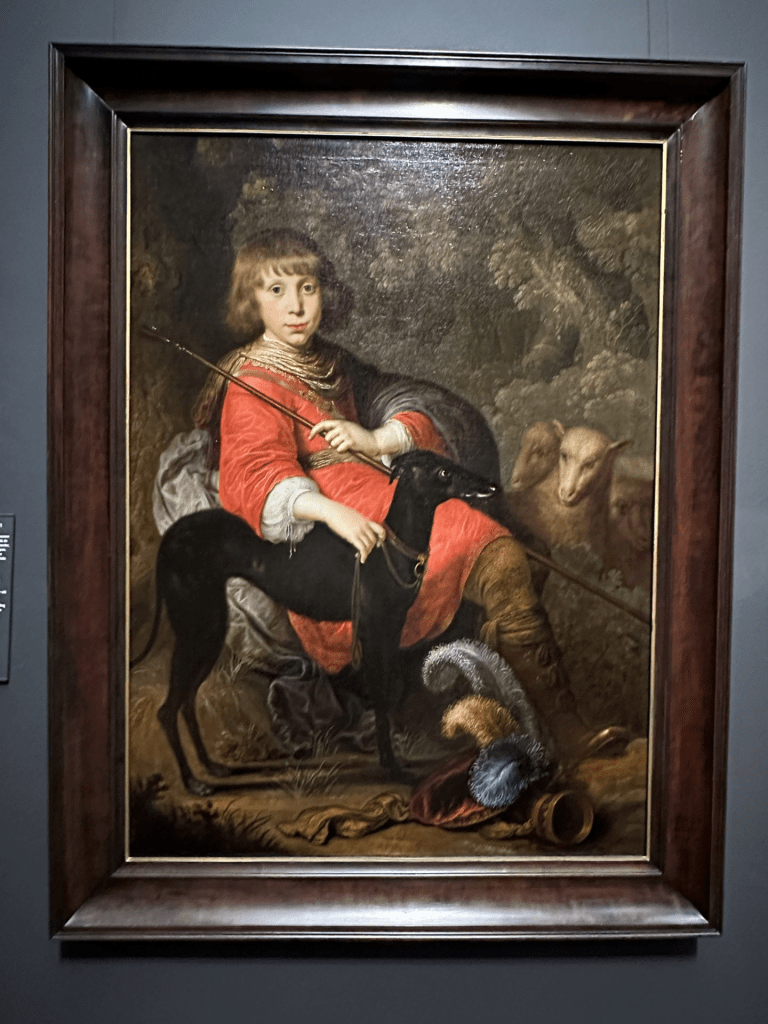
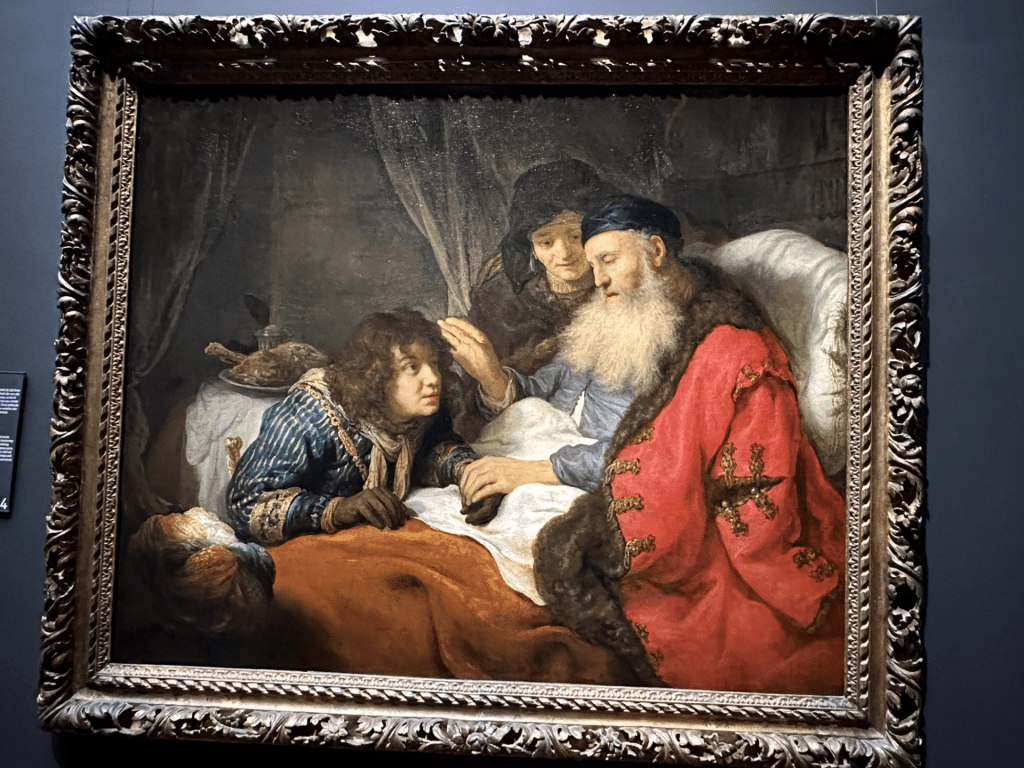
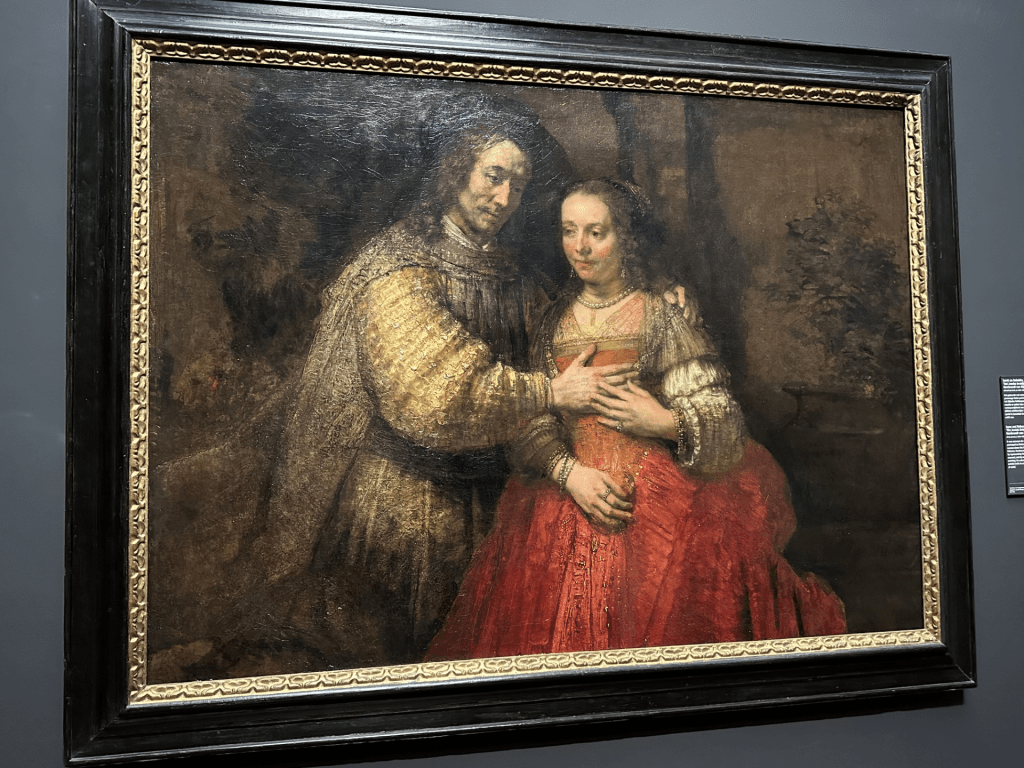
Staying with the ‘red’ theme, a few more doors photographs from the Rijksmuseum and some red inspired paintings.
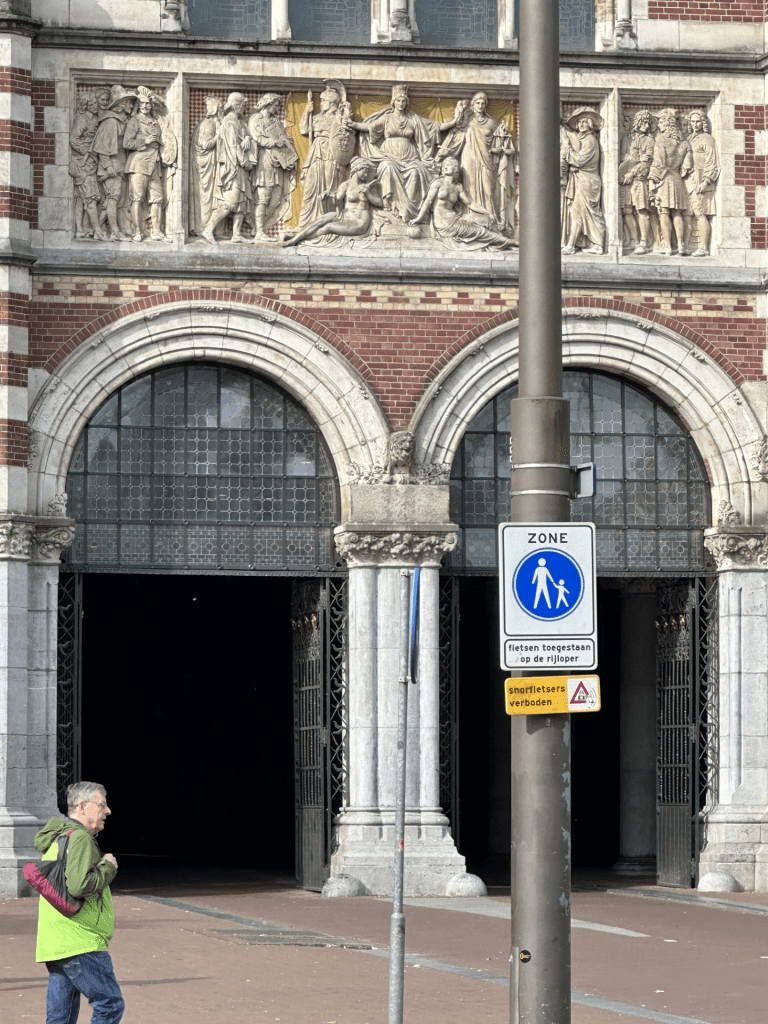
Picture caption: gates to the tunnel past the entrance to the RijksmuseumPicture caption: The door into the Rijksmuseum from the lobbyPicture caption: Middle part of the painting: The Battle of Waterloo which isn’t clear in my YT video below.
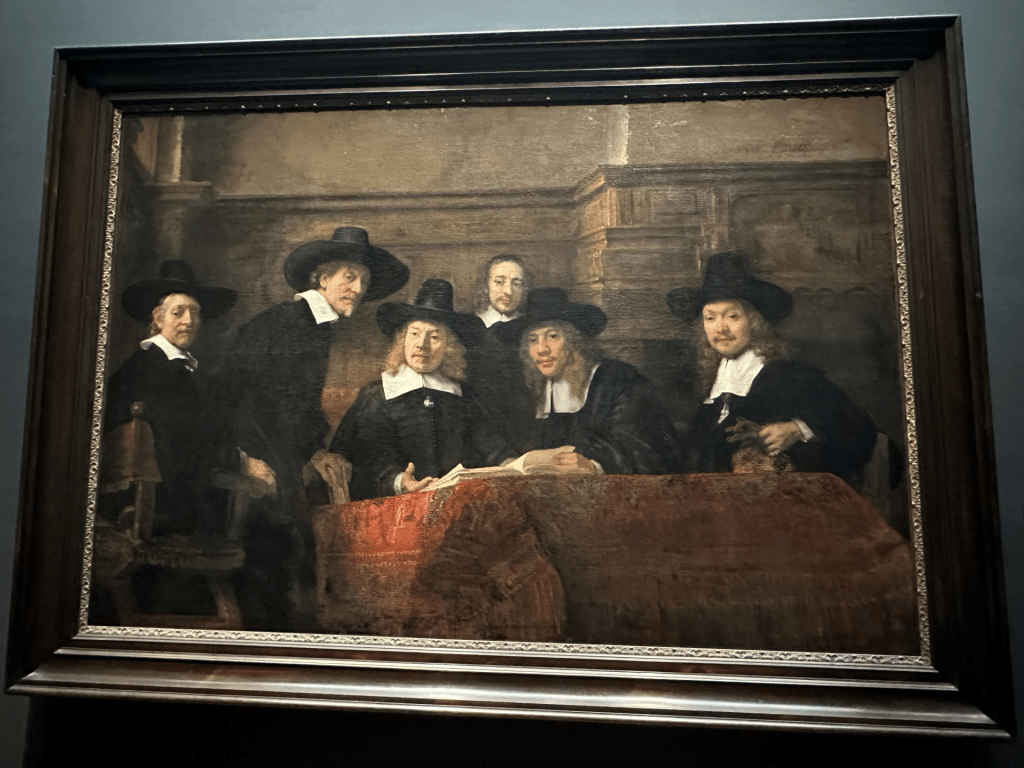
Picture caption: Portrait of Martinus Alewijn by Dirck Dircksy van SandtvoortPicture caption: Isaac blessing Jacob by Govert FlinckPicture caption: Isaac and Rebecca, Known as “The Jewish Bride” by Rembrandt van RijnPicture caption: The Wardens of the Amsterdam Drapers’ Guild known as “The Syndics” by Rembrandt van Rijn
Picture caption: Tour banner for the Midnight Garden: Where Dark Tales Grow by WordCrafter Press
About Midnight Garden: Where Dark Tales Grow
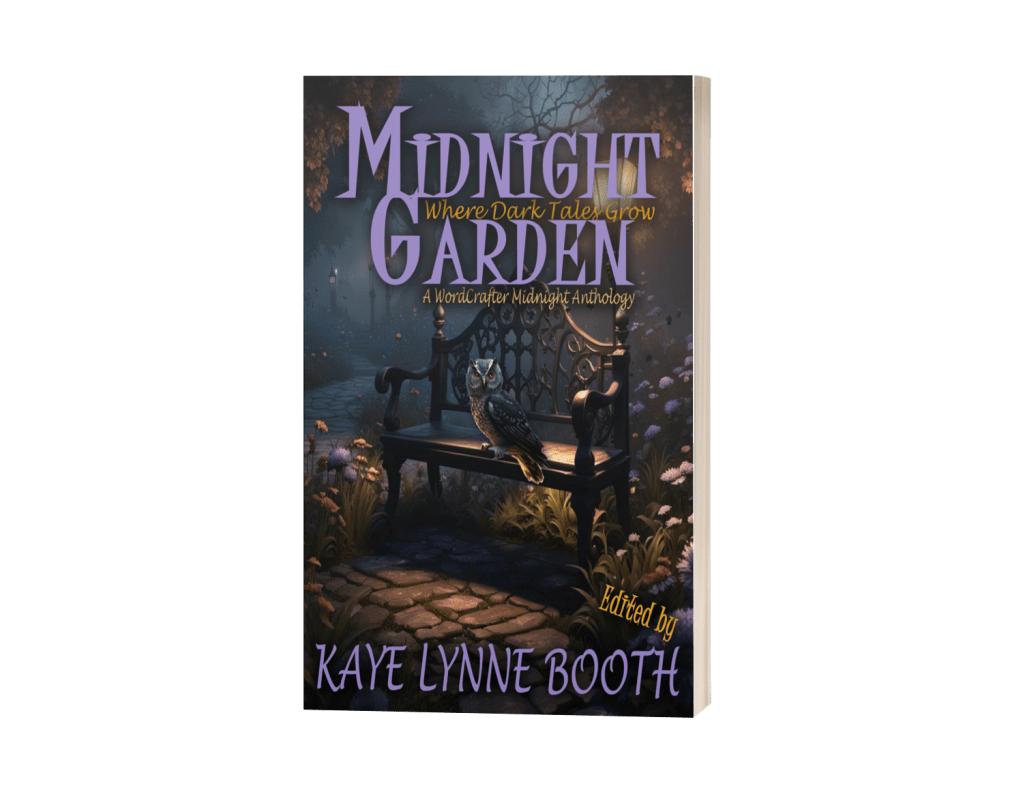
Picture caption: Cover of The Midnight Garden featuring an owl on a bench
17 authors bring you 21 magnificent dark tales. Stories of magic, monsters and mayhem. Tales of murder and madness which will make your skin crawl. These are the tales that explore your darkest Midnight Garden… if you dare.
Three lucky winners will receive a digital copy of Midnight Garden in a random drawing following the tour. All you have to do to enter is follow the tour and leave a comment at each stop that you visit.
If you miss a stop, you can go back and visit through the links in the schedule below. (Links won’t work until the stop goes live).
Schedule
Monday – October 7 – M.J. Mallon: Interview & Reading from “The Seagull Man” – Writing to be Read
Tuesday – October 8 – Danaeka Scrimshaw: Inspiration for “The Fae Game” & Denise Aparo: Reading from “Jack Moon & the Vanishing Book” – Roberta Writes
Wednesday – October 9 – Joseph Carabis: Reading of “The Last Drop” & Inspiration for “Striders” – Paul Martz
Thursday – October 10 – Paul Martz: Reading & Inspiration for “The Blackest Ink” – Writing to be Read
Friday – October 11 – Molly Ertel: Inspiration for “Antipenultimate” & Abe Margel: Inspiration for “My Balance” – Kyrosmagica
Saturday – October 12 – Paul Kane: Inspiration for “Drip Feed” & Joseph Carrabis: Reading of “Grande Ture” – Undawnted
Sunday – October 13 – DL Mullan: Reading from “Kurst” & Ell Rodman: Inspiration for “The Drummer” – BookPlaces
Monday – October 14 – Joseph Carrabis: Reading of “The Exchange” & Inspiration for “The Tomb” – Writing to be Read
The book trailer for Midnight Garden introduces the themes and authors.
Inspiration for “The Fae Game”, by Danaeka Scrimshaw
When I heard about the submission opportunity for Midnight Garden in early January, I set it aside. I was going through a divorce and had stopped writing three months prior to this opportunity, due to both the stresses of the divorce process and my own lingering depression. As January turned into February and I had been going to therapy, I started to wonder what happened to us. How could someone I thought I married be so different now? Or was I just that oblivious? I felt like someone switched them to someone nefarious with their own hidden agenda.
That idea percolated for a month until my critique group started talking about the impending deadline for the submission. I had started feeling better in March and was dabbling in writing again because it was the only thing that had been keeping me sane for the last five years and I didn’t want to lose it. The ideas about switching led me to the old stories of the fae switching babies at birth or taking over adult lives, but I wasn’t sure how that would play into a unique short story. And then I recalled from my childhood, a time when my best friend and I played a game with his little sister. She had always insisted on playing with us, but we were three and five years older than her and not interested in her games. One day we came up with this game of pretend, where we blindfolded her and described a portal to another world. We walked her through a fantastical underground world by the sea. She ate up every word and believed it wholly, and we were having too much fun to think about playing with a little kid.
That game was not scary, but I saw the potential to mash together both the idea of a world beyond traveled to via a child’s game of pretend, and nefarious fae switching. The Fae Game was born from those ideas.
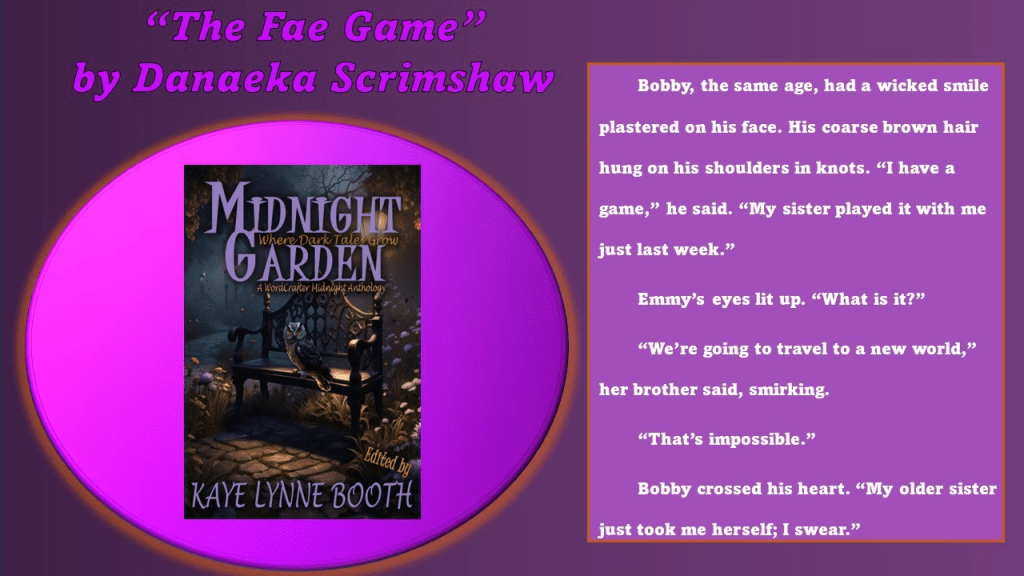
Picture caption: Promotional banner for The Fae Game by Danaeka Scrimshaw
About Danaeka Scrimshaw
Picture caption: Author picture of Danaeka Scrimshaw
Danaeka Scrimshaw has been writing for six years in the speculative fiction genre. They have two short stories published and are a finalist in the Rocky Mountain Fiction Writers Colorado Gold Literary Contest for a YA portal fantasy, Worlds of Fire and Glass. The story is a funny, riveting tale about a young, hard-of-hearing girl trying to prove to herself that she can save her best friend from evil mages in parallel dimensions. They live with their three Boston Terriers in Castle Rock, CO. Find their author page on Facebook.
Reading Excerpt of “Jack Moon and the Vanishing Book” by Denise Aparo
About Denise Aparo
Picture caption: Author picture of Denise Aparo
Denise Aparo is a New England native, born and raised in the clockmaking city of Bristol, Connecticut. She lives with her husband, Joe, and they have five grandchildren. She is also a freelance writer who spends her time working on her novel and writing short stories. She also spends her time gardening, crafting, and crocheting.
Denise likes to write Paranormal Fiction, genre of Historical Fantasy. She recently completed her first novel, Crossbows. She has a Masters of Arts in English and a Fine Arts/Creative Writing with concentration in Fiction from Southern New Hampshire University (SNHU) and a member of Sigma Tau Delta, International English Honor Society, and The National Society of Leadership and Success, Sigma Alpha Pi, with SNHU.
She is a member of the Connecticut Authors and Publishers Association (CAPA) and the author of a new WordPress writing blog, The Write Voice, The Write Voice | The write voice at the write time, a blog that boasts, “Like multiple genres, there are many cultures – each with an individual voice.”
Denise’s story, “The Pines” is featured in the 2023 Midnight Roost: Weird and Creepy Stories anthology from WordCrafter Press.
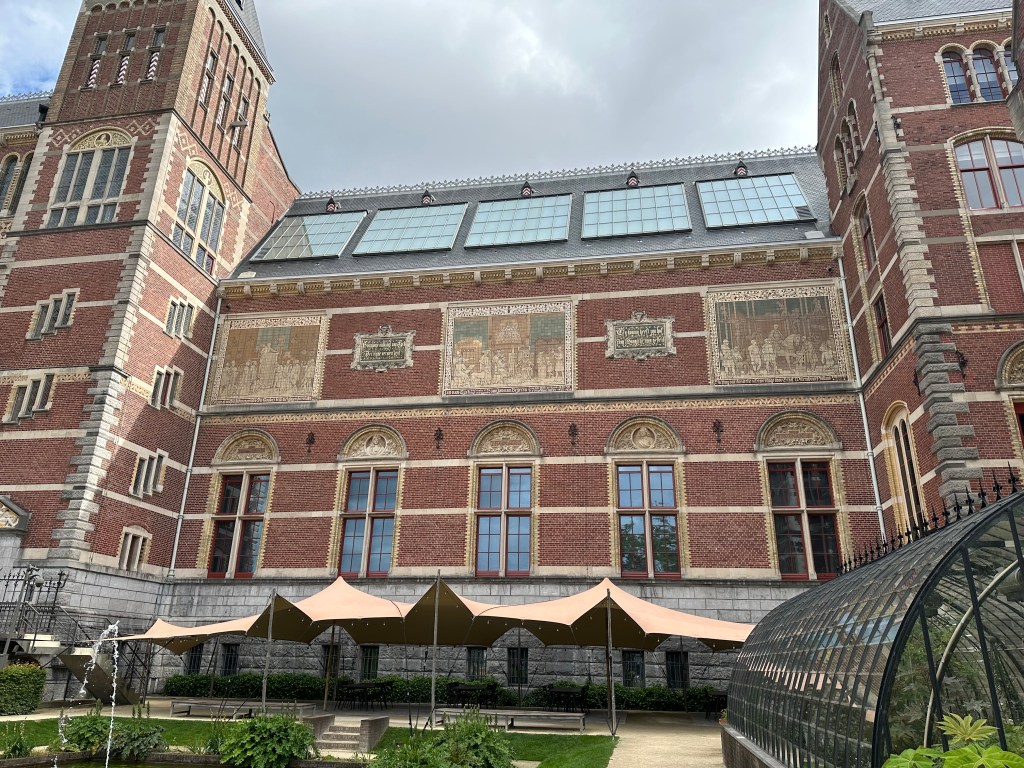
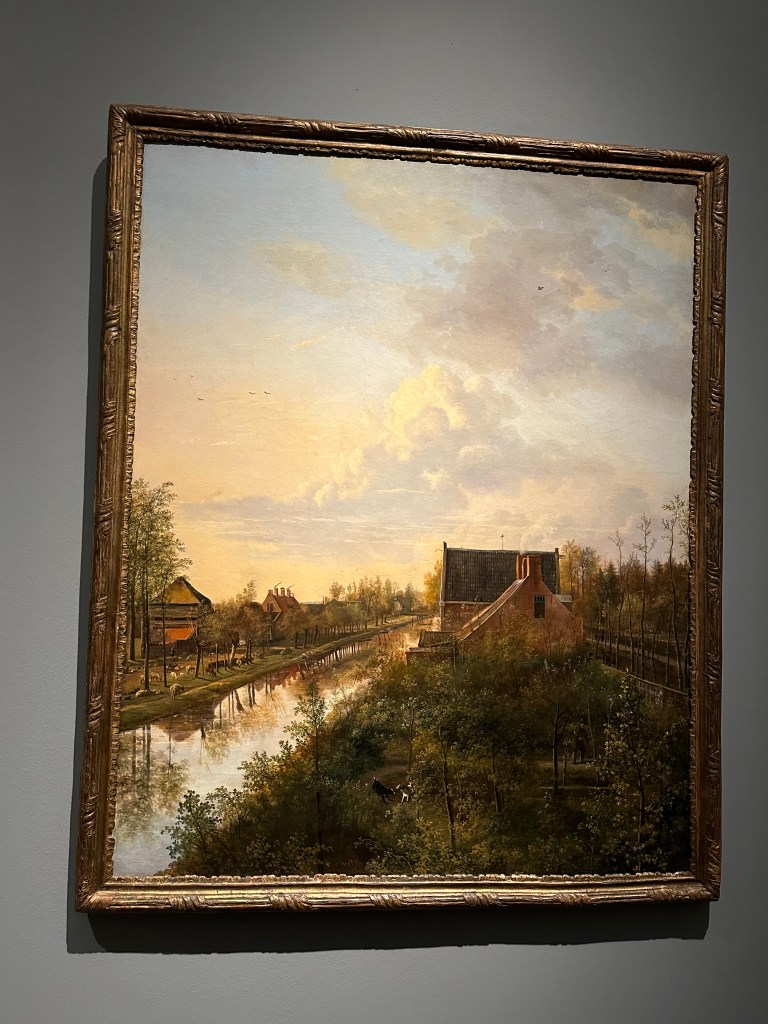
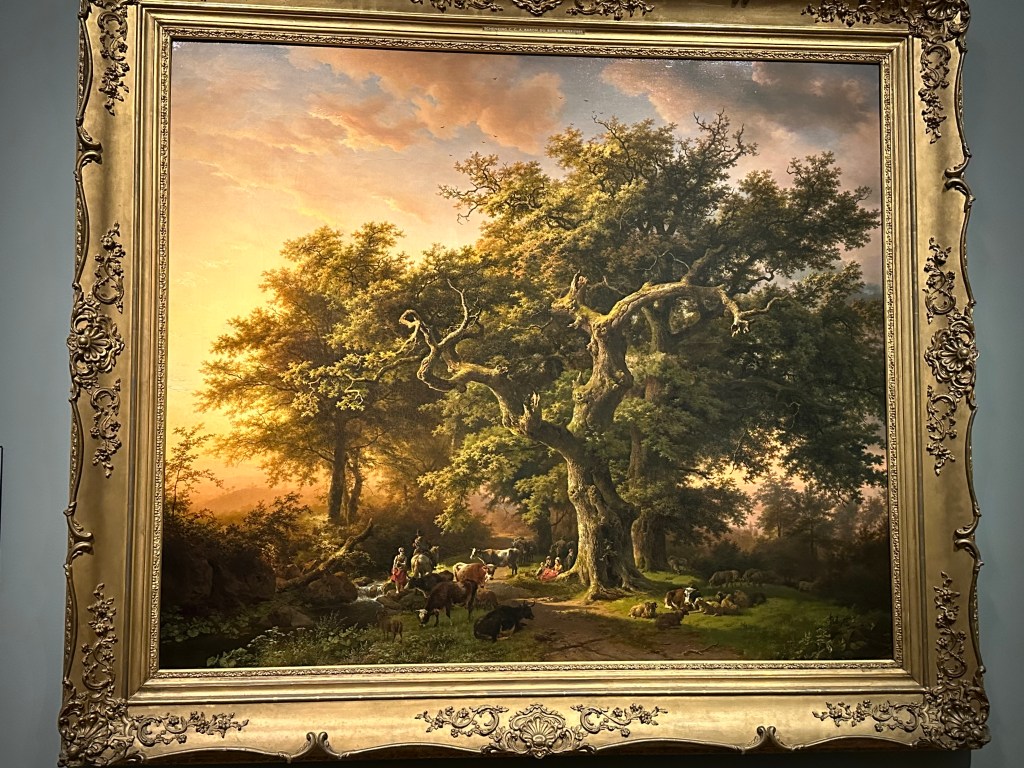
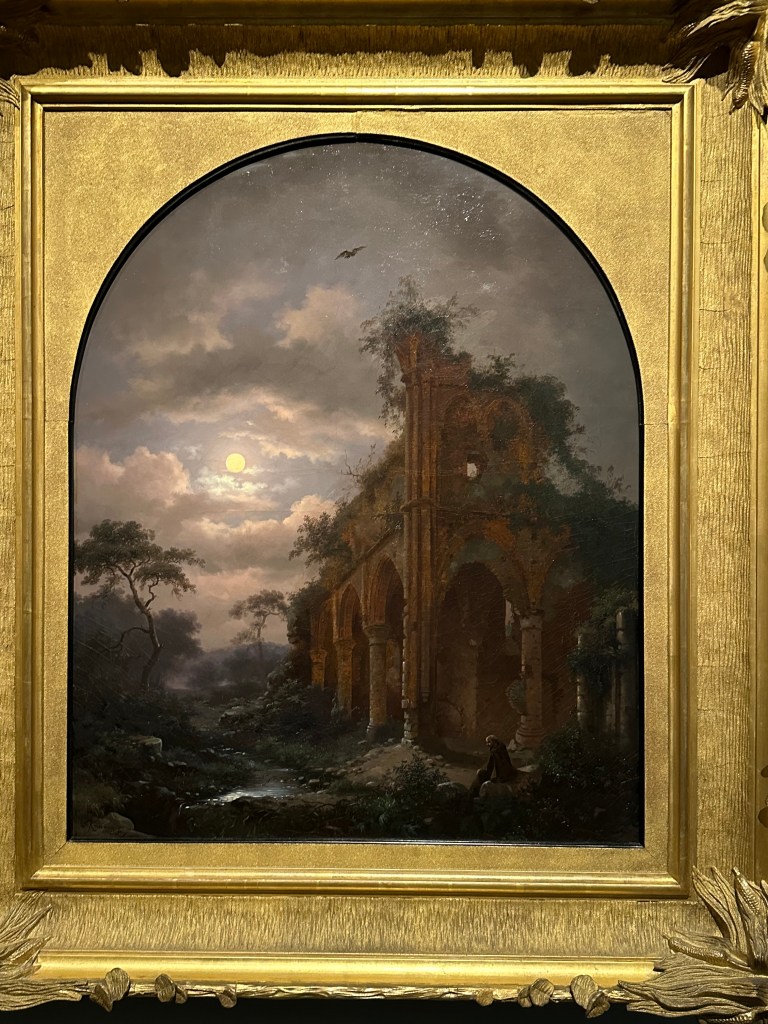
Picture caption: Front entrance of the Rijksmuseum in AmsterdamPicture caption: Back of the RijksmuseumPicture caption: The Canal by Pieter Gerardus van OsPicture caption: Forest Scene by Barend Cornelis KoekkoekPicture caption: Monk Meditating near a Ruin by Moonlight by Frederik Marinus Kruseman
Sunflower Tanka Journal
Colleen Chesebro and I are editorial partners for a new Sunflower Tanka Journal. You can find the details here: