This month, my Dark Origins post delves into the evolution of Valentine’s Day and the link between Geoffrey Chaucer and this celebration of love. Thanks for hosting, Kaye Lynne Booth.
Modern Valentine’s Day is celebrated as the day of lovers. People give each other chocolates and flowers as gifts and often do something special with their partner.
Valentine’s Day did not start off as the cutesy day filled with candy and cuddles we know, it’s origins were dark and bloody.
Lupercalia
The date of 14 February coincides with the ancient Roman festival of Lupercalia which was celebrated annually on the 15th of February. The aim of the festival was to purify Rome and promote health and fertility and certain rites or observances were undertaken to achieve this aim.
These rites took place in the Lupercal cave, the Palantine Hill (the centremost of the seven hills of Rome which has been called “the first nucleus of the Roman Empire”) and the Forum. All of these locations were central to Rome’s foundation myth about the founding of Rome and the earliest history…
This is my first post for the challenge and features an analysis of A Christmas Carol.
About A Christmas Carol
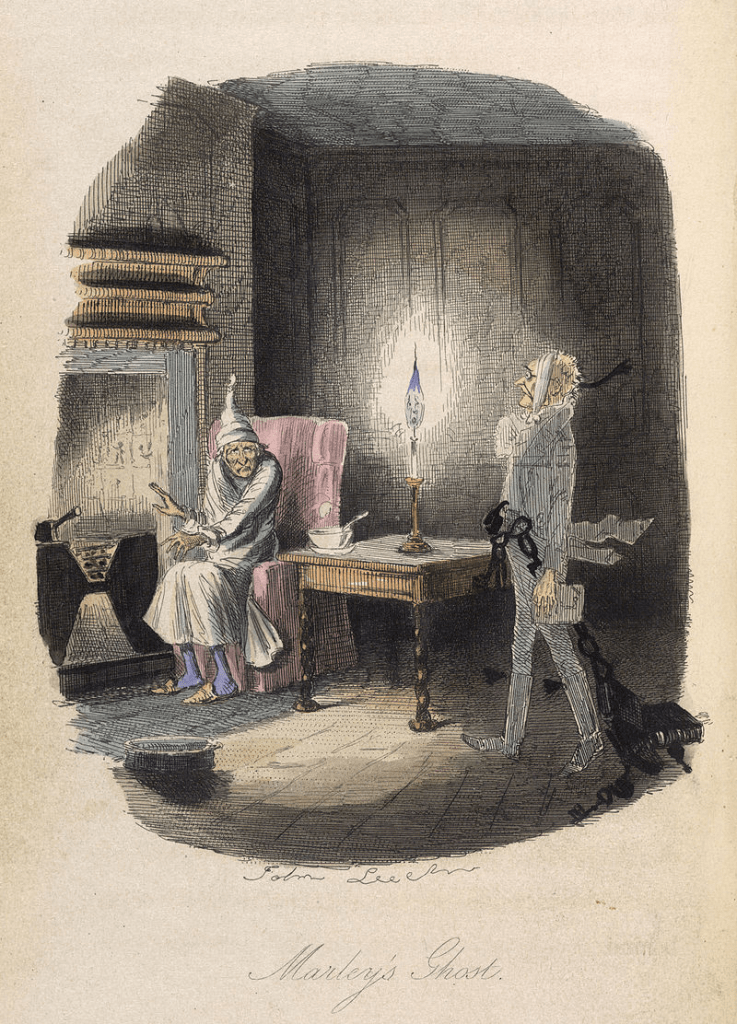
A Christmas Carol tells the story of an elderly miser, Ebenezer Scrooge, who is visited by the ghost of his deceased business partner, Jacob Marley, on Christmas Eve. Jacob Marley is described as having a pigtail and a waistcoat, tights and boots and looking much the same in death as he did in life except that he is transparent and bound in chains which are locked around his midsection. Marley has come to warn Scrooge that he will be visited by three spirits over the course of the evening, The Ghost of Christmas Past, The Ghost of Christmas Present and The Ghost of Christmas Yet to Come.
Marley and Scrooge were the same in life, mean and selfish and obsessed by making money. Marley died unrepentant of his sin of greed and now wanders the world, a spirit dragging heavy chains forged by what he valued in life – wealth and money. Scrooge is on the same path, but is being offered a change to change his ways and redeem himself before he dies.
Quote: “You are fettered,” said Scrooge, trembling. “Tell me why?” “I wear the chain I forged in life,” replied the Ghost. “I made it link by link, and yard by yard; I girded it on of my own free will, and of my own free will I wore it.”
Marley’s Ghost. Ebenezer Scrooge visited by a ghost. Colour illustration from ‘A Christmas Carol in prose. Being a Ghost-story of Christmas’, by Charles Dickens, With illustrations by John Leech.
Each of the three ghosts is a metaphor for the memories that shape our characters in life.
The Ghost of Christmas Past is the first of the ghosts to visit Scrooge and symbolises the experiences and memories that have moulded him into the callous and selfish man he is when the story starts. The head of this ghost glows represents memory.
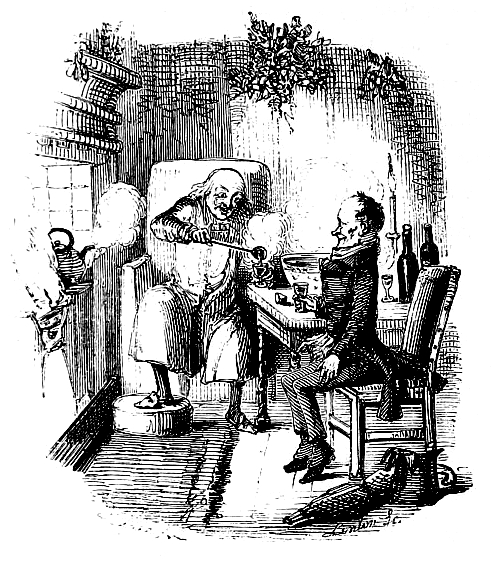
The Ghost of Christmas Present is the second ghost to visit scrooge and is a metaphor for generosity, empathy, and the Christmas spirit.
The Ghost of Christmas Yet to Come is the last ghost to visit Scrooge and is a metaphor for death and the legacy of our lives that we leave behind when we die.
A Christmas Carol is an allegory as it features events and characters with a clear and fixed symbolic meanings. Scrooge is the antithesis of the spirit of Christmas and represents greed, selfishness, and a lack of goodwill towards his fellow men.
A Christmas Carol includes social commentary although this is not the central theme of the story. There are various statements made by Scrooge that relate to the Poor Laws that governed the lower classes during Dickens’ lifetime. Some examples are as follows:
“If these shadows remain unaltered by the Future, none other of my race,” returned the Ghost, “will find him here. What then? If he be like to die, he had better do it, and decrease the surplus population.”
Scrooge hung his head to hear his own words quoted by the Spirit, and was overcome with penitence and grief.
“Man,” said the Ghost, “if man you be in heart, not adamant, forbear that wicked cant until you have discovered What the surplus is, and Where it is. Will you decide what men shall live, what men shall die? It may be, that in the sight of Heaven, you are more worthless and less fit to live than millions like this poor man’s child. Oh God! to hear the Insect on the leaf pronouncing on the too much life among his hungry brothers in the dust!”
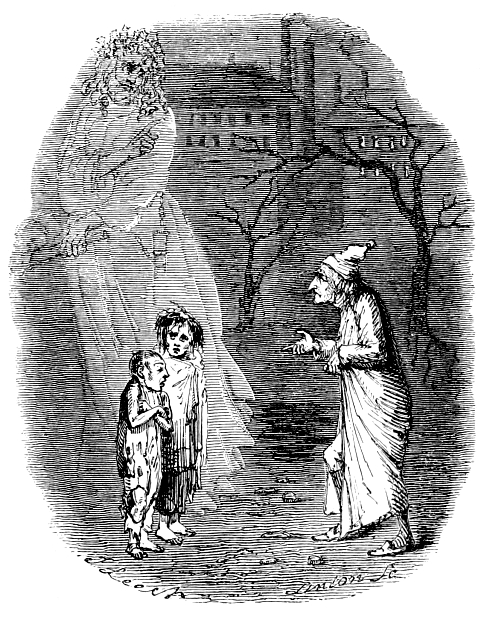
“This boy is Ignorance. This girl is Want. Beware them both, and all of their degree, but most of all beware this boy, for on his brow I see that written which is Doom, unless the writing be erased. Deny it!” cried the Spirit, stretching out its hand towards the city. “Slander those who tell it ye! Admit it for your factious purposes, and make it worse. And bide the end!” “Have they no refuge or resource?” cried Scrooge. “Are there no prisons?” said the Spirit, turning on him for the last time with his own words. “Are there no workhouses?”
Ignorance and Want are two hideous and emancipated children that the Ghost of Christmas Present shows to Scrooge before he disappears. Ignorance and Want are allegorical characters who have no personalities and only symbolise Scrooge’s own ignorance and want. The spirit warns everyone to be wary of both of them. Want represents the plight of the poor in Victorian society and Ignorance represents societies ignorance of this plight.
Tiny Tim, the disabled young son of Scrooge’s employee, Bob Cratchit, is a symbol of what must be prevented in society, namely, the disease and dependence that comes from poverty and industrial exploitation. Tiny Tim represents the value of human beings outside of the contribution they make to caretakers or society.
The message of A Christmas Carol is that those who are generous and kind will be rewarded on Earth as well as in Heaven.
The novella has a happy ending and Scrooge sees the error of his ways and undertakes to change his behaviour going forward. He seizes the second chance he is given.
I enjoyed A Christmas Carol as a lovely and inspiring Christmas story. Dickens’ idea about selfish and greedy actions and behaviours during a person’s life forging chains they must carry with them in the afterlife is a concept that has always fascinated me. I remember reading a similar idea, except the chains were described as burdens, in Enid Blyton’s The Land of Far Beyond which I read as a child. I never forgot that story and I tracked this book down about ten years ago and I acquired a hard cover copy.
The visits of the three ghosts were entertaining and insightful and each of them also made their points well. The representations of goodness in the forms of Bob Cratchit and his family and Cousin Fred were interesting contrasts to Scrooge and the ghost of Marley.
Have you read A Christmas Carol? Did you enjoy it? Let me know in the comments.
Welcome to Thursday Doors! This is a weekly challenge for people who love doors and architecture to come together to admire and share their favorite door photos, drawings, or other images or stories from around the world. If you’d like to join us, simply create your own Thursday Doors post each (or any) week and then share a link to your post in the comments below, anytime between 12:01 am Thursday morning and Saturday noon (North American eastern time). If you like, you can add our badge to your post.
I must admit that it was the story challenge on Vocal that led this week’s Thursday Doors post. I have been thinking of posting about The Castle of Good Hope for a few weeks and I’d done a little research about it. I have visited this castle a few times, but I have never taken many pictures as it was before I was into photography and took pictures of everything.
My research revealed some interesting spirits that are believed to haunt the castle and one of them, Governor van Noodt who was a Governor of the Cape Colony while it was under the administration of the Dutch East India Company, caught my attention. I had already decided to write a story about the legend of the Governor and when the challenge to write a story from the perspective of wall was announced, I thought what better than to share this story from the perspective of the walls of the Castle of Good Hope.
The Castle of Good Hope is known locally as “The Castle”. Its Dutch name is “Kasteel de Goede Hoop” and is a bastion fort built in the 17th century in Cape Town, South Africa. The Castle was originally located on the coastline of Table Bay but, following reclamation, the fort is now located a short distance inland within the Central Business District. The Castle was declared a historical monument (now a provincial heritage site) in 1936. Following restoration work in the 1980s, it is considered the best preserved example of a 17th century architectural structure in the entire world.
History
In 1652, the Dutch East India Company (DEIC) settled on the shores of Table Bay to establish a refreshment base for ships en route from Europe to East Asia and to maintain its monopoly over the Spice Trade. Built by the DEIC between 1666 and 1679, the Castle of Good Hope is the oldest existing colonial building in South Africa. It replaced an older fort called the Fort de Goede Hoop which was constructed from clay and timber and built by Jan van Riebeeck, the first Commander of the Cape.
During 1664, tensions between Britain and the Netherlands rose amid rumours of war. That same year, Commander Zacharias Wagenaer, successor to Jan van Riebeeck, was instructed by Commissioner Isbrand Goske to build a pentagonal fortress out of stone. The first stone was laid on 2 January 1666. Work was interrupted frequently because the DEIC was reluctant to spend money on the project.
On 26 April 1679, the five bastions were named after the main titles of William III of Orange-Nassau: Leerdam to the west, with Buuren, Katzenellenbogen, Nassau, and Oranje clockwise from it.
When a terrorist blows up an Inner Circle line train between Liverpool Street and Aldgate at around 8.50 am on 7th July 2005, it leaves seven people dead and many others injured, some badly. In the horrific explosion one of those injured is journalist Ian Grosvenor. Also trapped and wounded is a young mother and artist, Serena Mason. Among the ‘walking wounded’, Ian becomes a reluctant hero by helping other passengers and carries Serena from the train, before collapsing.
Ian and Serena slowly recover from the worst of their injuries, both physical and mental, but are haunted by the memory of each other and what they suffered on that dreadful day. The desire to trace and discover how each fared grows stronger with time, until it becomes almost an obsession.
In all, three trains and a bus were blown up, killing and injuring young and old alike. It was ‘an act of indiscriminate terror’ affecting Britons and non-Britons, Christians, Muslims, and those of other or no religion.
This story covers more than the young couple’s aftermath traumas and recovery; it reveals a dark family secret, and highlights the importance of the love and support of families and friends in times of need. It also illuminates the ever present ‘ifs’, ‘buts’ and ‘coincidences’ which weave in and out of all our lives, and the wonderful power of humour.
Will Ian and Serena ever find each other? And if they do, will they find happiness?
My review
The idea of terrorism on a plane, train, or any other enclosed space is frightening to me. Passengers are trapped and cannot escape the blast and debris. Ian Grosvenor, a journalist, and Serena Mason, an artist with a young son, are victims of such an attack on the Inner Circle line train. The event leaves both of them seriously injured, with even greater post traumatic stress disorder. Ian saves Serena’s life by pulling a seat off her and carrying her to safety.
Both Ian and Serena struggle to put the events of that day out of their minds and both cling to the idea of the other person, Ian wondering how the auburn haired woman he saved is faring, and Serena wondering about her gentle spoken savior. Ian’s attempts to trace the unnamed woman fail and he gets on with life as best he can. With the support of his strong minded sister, Sally, Ian gets a good job working for a men’s magazine and meets good-time-guy Scott, the photographer. Scott encourages Ian to travel and have a good time, but Ian is not able to completely escape his traumatic memories.
I enjoyed the character of Ian very much. He was a kind and considerate person, and did his duty by helping other passengers and saving Serena despite his own injuries and trauma. Ian’s bad experience with a selfish and grasping ex-wife left me rooting for a good outcome for him with his new relationship. I enjoyed the details of Ian and Scott’s work trip to Spain and their meetings with the various interviewees. I learned a bit about Spain in the process.
Serena also has an unfortunate past when it comes to relationships and is divorced from her son’s father. The accident leaves Serena’s face badly scarred and the subsequent plastic surgery has left her with some scars and badly damaged confidence in her appearance. Although it takes her longer, Serena does manage to pull her life back together and get a good job illustrating children’s books. Serena is supported by her father and three good female friends. The descriptions of the impact of the facial scaring combined with the trauma of the incident is well described in the book and very relatable. Serena’s difficulties with her teenage son also put you on her side as she struggles, unsupported by her selfish ex-husband, to keep him on the right track with regards to schooling and behaviour.
This book is an interesting look at the psychological impact of a random terrorist event on the survivors and I enjoyed it very much. There are a few minor editing issues with the book, but they did not bother me or detract from the story.
Three in one! Yes, that is rather a lot and unusual for me but I ran out of posting days this week and these three challenges go together so well that I couldn’t resist. Here it goes!
Terence and I went out for lunch yesterday to celebrate our 22nd wedding anniversary. Our eldest son is turning twenty on 24 February. I’ve had to start telling people he was ten when I married Terence – haha!
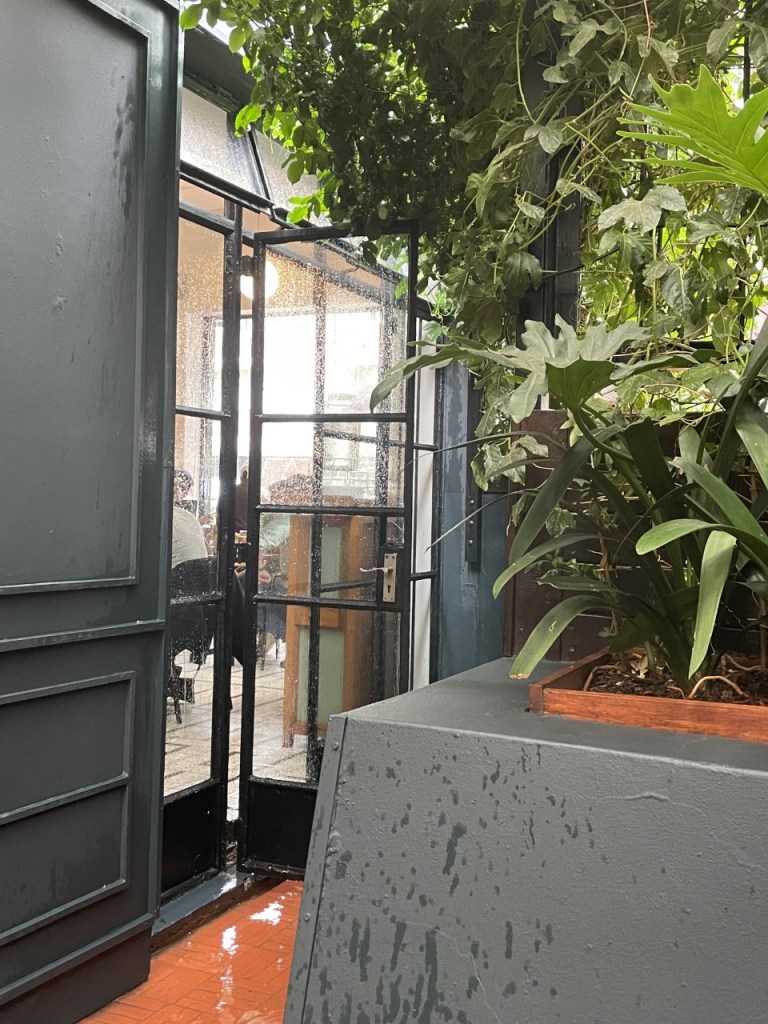
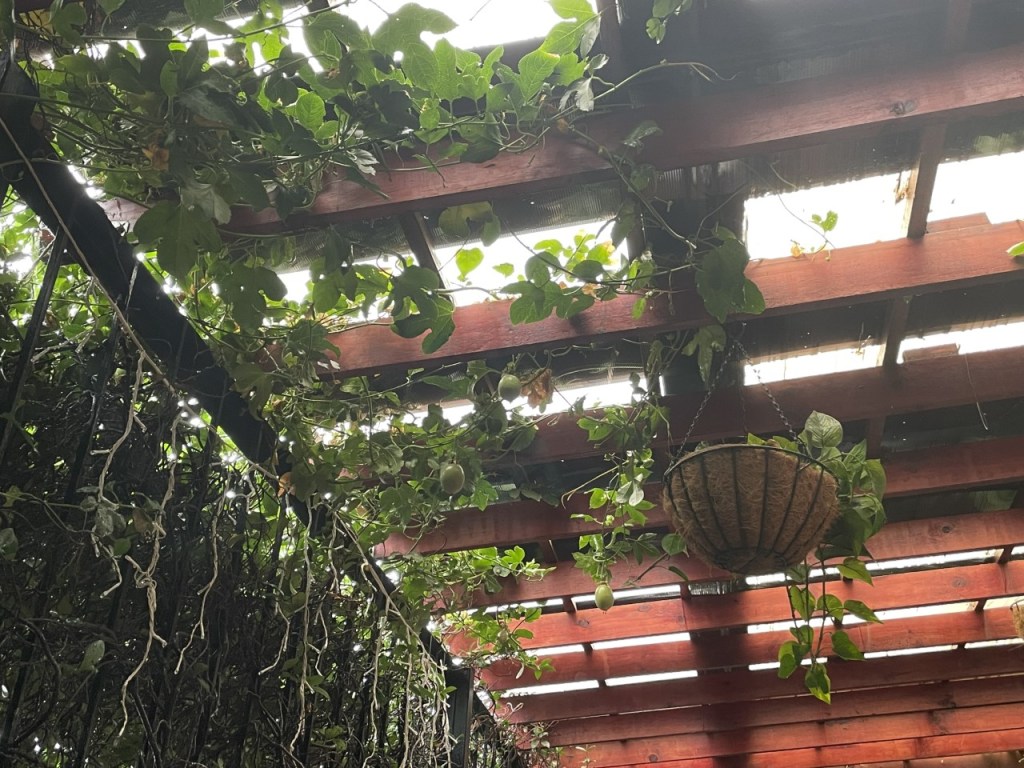
Anyhow, we went to a lovely restaurant called Whippet which is close to home. It was our first outing since Terence became ill on 26 December last year, so I let him chose the venue. We sat outside, despite pouring rain, in roof veranda enclosed by lattice wood covered with vines, all things that have grown. I also consider that we have grown our marriage over the years, not to mention our two gorgeous sons and Queen Push-Push.
Entrance to Whippet, it is rather an attractive doorThe door into the outside enclosure with more things we growThe roof and part of the walls of the outside enclosure with lots of things we growMy meal, an olive pita bread with chicken and avoTerence’s meal, a burger with so many chips – certainly enough to make him grow – hehe!
These are plants my mom and I grew in our garden:
I haven’t included any fondant flowers in this post. If you would like to see two of my best examples of cakes with fondant flowers, Resa has included pictures in this most marvelous post she created about Michael and my Sir Chocolate books series. Thank you, Resa: https://graffitiluxandmurals.com/2023/02/09/sir-chocolate-childrens-books-by-robbie-and-michael-cheadle/. If you don’t know Resa you really should. She has a most marvelous blog which is like visiting Wonderland. I really recommend you go over and have a look at her public art and other posts.
This week’s challenge is a photo prompt. I’ve asked my friend, and photographer, Terri Webster Schrandt, from secondwindleisure.com to share her photos with us for inspiration. Terri runs a weekly photo challenge called Sunday Stills. Check it out HERE.
Today, I am delighted to host John W. Howell with his latest book The Last Drive. Welcome, John.
I am so pleased to be with you today, Robbie. Thank you for helping spread the word about The Last Drive. It amazes me that not only are you an accomplished author, chef, wife and mother but a chartered accountant as well. The worlds of accounting and putting together a killer meal have some common elements of precision which could explain the synergy of those two talents. I have to wonder how fiction writing fits into your skill set as well. Accountants and chefs are not encouraged to make things up but that is exactly what fiction requires. All I can say is you do a great job at all those things. This does remind me to point out that Lucifer also does a great job at being evil in this story.
Here is the blurb and then we can get to a short excerpt from the book.
The Blurb
In the sequel to Eternal Road – The final stop, Sam and James are reunited to look for two souls, Ryan and Eddie. Ryan was killed in Afghanistan, trying to avoid a schoolyard with his crippled plane. Eddie Rickenbacker, Ryan’s hero, is to guide Ryan to his Eternal Home, and now both are missing.
The higher-ups believe that there has been some interference in Ryan and Eddie’s journey by Lucifer, so Sam and James have the task of finding Ryan and Eddie to get them back on the road despite the evil interference. Unfortunately, the machinations designed to prevent Ryan and Eddy from completing their journey take the pair to horrifying testing grounds. The places visited represent the best work of the Devil. They are the trenches of World War I in France, gladiators at the Roman Coliseum, the sinking Titanic in 1912, Hiroshima 45 minutes before the bomb, and the Auschwitz concentration camp in 1943.
This book is for you if you like plenty of action, strong characters, time travel, and a touch of spiritual and historical fiction. So, join Sam and James as they try to find the missing souls while staying one step ahead of the Prince of Darkness, who is determined to destroy all that is good.
An Extract
Sam grips the doorknob and turns it slowly. Beyond the open door, a guy in a chair sits with a guitar on his lap.
“Oh, hi.” The man half-rises from the chair but sits back as if he’s changed his mind.
“Hi, yourself. I’m Sam, and this is James. What are you doing here?”
“Let’s just say playing has become an obsession, and I’m not particular about where I do it.”
Sam shakes her head. “I’m sorry, but I didn’t get your name.”
“Holly. That’s my last name. My friends call me Buddy.”
James says, “Buddy Holly, the rock star?”
Buddy blushes and smiles. “I wouldn’t go that far. Maybe Buddy Holly, the singer, would be good enough.”
Sam and James stand with their mouths open. After a second or two, James speaks up. “You’re a legend. Don McLean wrote a song about you that’s been popular enough to keep your memory alive.”
“Yeah, I like that song. I feel bad that it makes me out to be some kind of hero. I mean, The Day the Music Died? Come on. I had some hits, but there’ve been many who came after me who did a great job in keeping the music alive.”
Sam presses, “I must ask you again … what are you doing here?”
Buddy looks down at his guitar. “It’s kinda hard to explain. Two guys showed up at my last concert and told me they had information about a plane crash. One of the blokes volunteered to pilot the plane since he felt the pilot I hired wasn’t qualified.”
James turns to Sam. “This sounds all too familiar.” He turns back to Buddy. “Was one of the guys named Ryan?”
Buddy frowns. “Yeah. I think he was the one who offered to fly.”
James nods. “Makes sense. He’s an—er—he was an Air Force pilot. Did you get the other man’s name?”
Buddy shakes his head. “No, he was a real quiet one and tried to talk Ryan out of taking control of the plane.”
James takes a step toward Buddy. “Back to our original question … how did you get here? And why?”
Buddy glances toward the ceiling. “I was minding my business in the garden of song.”
James says, “Excuse me, but where’s the garden of song?”
Buddy brightens. “That’s what I call my Eternal Home. A whole bunch of us are there, waiting on our loved ones.”
Sam asks, “Do you know when Maria Elena will join you?”
Buddy’s eyes shift downward. “No. Anyway, I was doing some riffs with Roy Orbison, and up walks the Archangel.”
James puts his hand to his forehead. “Roy Orbison?”
Sam grabs his arm. “For heaven’s sake, let him finish.”
“But Roy Orbison!”
Buddy smiles. “Yeah, he and I have become pretty close. He’s trying to teach me to sing in his range. I can tell you that’ll never happen.”
Sam shakes her head. “Back to the question. How did you get here and why did you come?”
Buddy lets the guitar slide lower on his lap and gives Sam his full attention. “The Archangel stopped Ryan from disrupting history. I have a message from him.”
“Okay, we’re all ears.”
“Forget finding Ryan. He’s made enough of a mess already. You should forget him.”
Sam puts her hand to her forehead. “I met with the Archangel, and he never mentioned having a conversation with you.”
Buddy’s eyes grow wide. “He didn’t? How strange.” Sam puts her hands on her hips. “You’re not Buddy at all, are you? You know you need to be truthful with an angel.”
Book Trailer
Purchase The Last Drive
The Last Drive is available in paper and Kindle editions on Amazon. Here are the universal links. The Kindle edition is on sale for 99¢ through mid-February.
This book is a unique and entertaining adventure about two souls, Sam and James, who are sent on a mission by Archangel Michael to help find two missing souls. A recently deceased young pilot named Ryan has disappeared, together with his spiritual guide, Eddie Rickenbacker. Eddie is a war pilot hero and he and Ryan were last seen together at the Super Bowl One in 1967. Lucifer is understood to have had a hand in their appearance at, and disappearance from, the football game.
Sam and James set off in the Oldsmobile to track the pair down. Their visit to the Super Bowl One is the first in a series of historical visits facilitated by Lucifer. The devil is determined to trick Ryan into forfeiting his soul and he attempts to manipulate Sam and James into inadvertently helping with the achievement of this goal. The devil’s word sparring matches with Sam and James and Ryan and Eddie are amusing and I thought this read was on the lighter side despite the dark historical undercurrents.
The book is fast paced and exciting with the main characters travelling to scarier and more challenging historical situations as the book progresses and Lucifer becomes more determined and desperate to achieve his goal. The history of each event is fairly brief but is well researched and factually accurate and does not go into any of the gory detail or political and emotional complexities of the time or place. It is an intriguing idea to put four angels in the path of human induced destruction and describe their reactions.
This is the second book in the series but it can be read as a stand alone. I have not read the first book and had no trouble following the story or working out the relationships and dynamics between the various characters.
An enjoyable and light read with plenty of colourful historical events to spice up the plot.
About John W. Howell
John is an award-winning author who after an extensive business career began writing full time in 2012. His specialty is thriller fiction novels, but John also writes poetry and short stories. He has written Six other books that are on Amazon in paperback and Kindle editions.
John lives in Lakeway, Texas with his wife and their spoiled rescue pets.
Welcome to Thursday Doors, a weekly feature allowing door lovers to come together to admire and share their favorite door photos from around the world. Feel free to join in on the fun by creating your own Thursday Doors post each week and then sharing your link in the comments below, anytime between 12:01 am Thursday morning and Saturday noon (North American eastern time). You can join in here: https://nofacilities.com/2023/02/02/from-deep-in-the-archive/
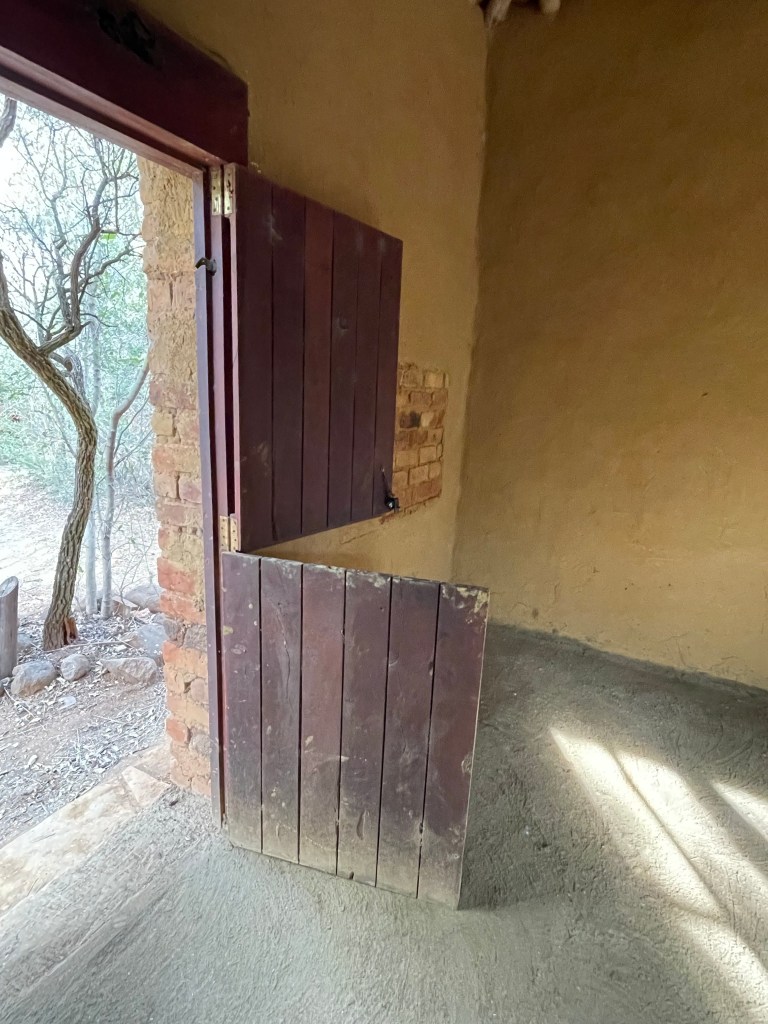
During our visit to the Herman Charles Bosman Living Museum last year, we spent some time viewing the original school house in Groot Marico where this famous South African poet and writer taught for 9 months. This is an exact replica of the original building which was literally carried, brick by brick, from its original position to the site of the museum.
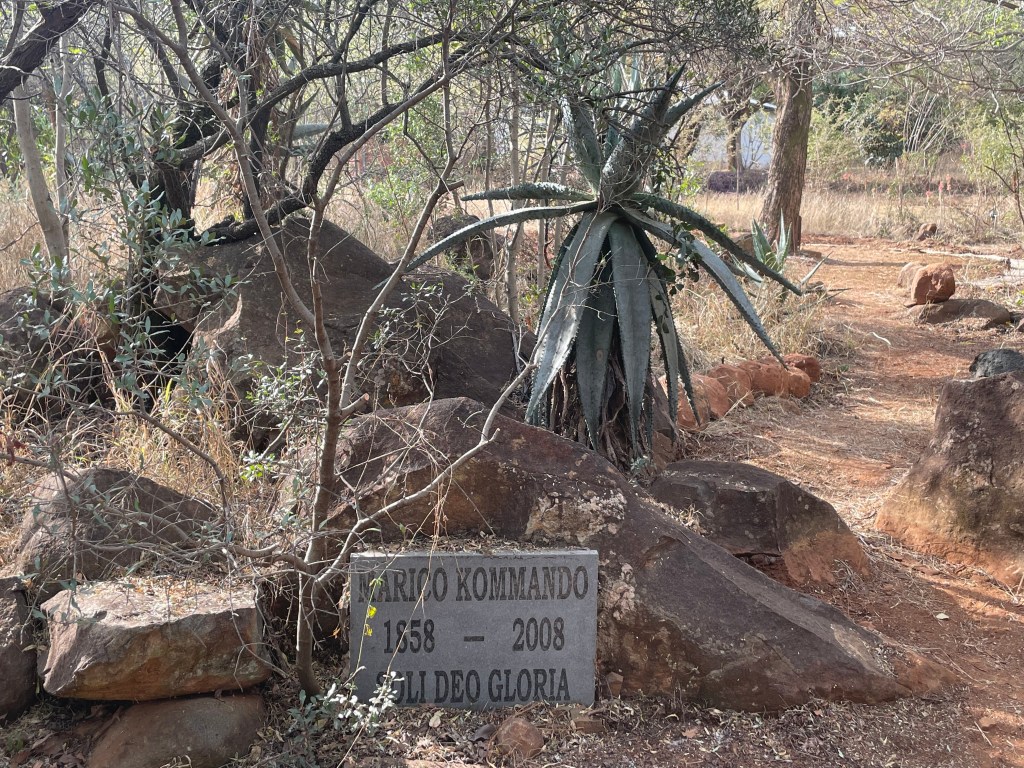
Original schoolhouse where Herman Charles Bosman taught in Groot MaricoEntrance into the schoolhouseEntrance door from the inside of the schoolhousePlaque for the Marico Kommando, a military unit which existed from 1858 until 2008
This is a YouTube video of one of Herman Charles Bosman’s short stories called White Ant as told by David Muller in character as the narrator, Oom Schalk Lourens. Please note that David Muller’s narrations are of the stories as they were originally written and may contain colonial language that is no longer deemed appropriate.
I am kicking off Dark Origins 2023 with an analysis of origins of The Pit and the Pendulum, a short story by Edgar Allan Poe set during the height of the Spanish Inquisition. Thanks for hosting, Kaye Lynne Booth.
I am kicking off Dark Origins 2023 with an analysis of the origins and historical accuracy of The Pit and the Pendulum. This short story by Edgar Allan Poe is set at the height of the Spanish Inquisition.
The story begins with the unnamed narrator being condemned to death. As the judges announce his fate, the narrator focuses on seven tall candles. The light of the candles initially appears to him like angels and he feels comforted. He is soon, however, overcome by horror at his fate and the candles disappear when he collapses into semi-consciousness.
When the narrator awakes, he is initially to scared to open his eyes. When he does open them, he finds himself in complete darkness and spends some time imagining the tortures of the Inquisition. After some time has passed, he musters the courage to start moving and tries to make sense of his…
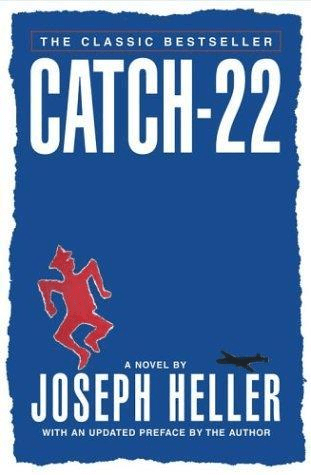
I heard about this novel from my oldest son who read it during his final year of high school. I obtained, and read, a summarised version of the book at the beginning of last year. Not knowing much about the book at the time I read the summary, I didn’t realise it wasn’t the unabridged version until some time later. I was sufficiently interested to purchase, and read, the unabridged version at the end of 2022.
This is a most unusual book, a deeply satirical look at American politics and bureaucracy during World War II at the front (or close enough to it to be an active participant). Admittedly, as a reader of predominantly British authors, I was rather shocked at the disrespect and ridicule directed towards the top military personnel. Most of the war books I’ve read have treated the military leadership, especially officers involved in active duty, with great respect and as heroes and men of bravery and action. It was rather disconcerting initially to make the mind shift to this different attitude and viewpoint. In essence, Catch 22 claims, through the actions of the various characters, that war and military life and behaviours are absurd.
Catch 22 largely follows of the life of antihero, Captain John Yossarian, a bombardier for the US Army Air Force. Yossarian and his friends are stationed on the fictional island of Pianosa in the Mediterranean Sea west of Italy. The novel chronicles Yossarian’s efforts to not be killed through his own eyes and through those of a number of other characters in the book. During his time in Pianosa, Yossarian has transitioned from an eager eyed young man keen to do his duty for his country into a cynic who is convinced that his own military leadership are trying to send him to an early death by forcing him to fly more combat missions that he should. Every time the men in Yossarian’s squadron read the target number of missions flown and prepare to return home, the number is raised by the greedy and ambitious Colonel Cathcart, who is always trying to gain recognition in an effort to be promoted.
The main event around which the novel is structured is the death of a radio-gunner, Snowden, during a raid on Avignon, France. Yossarian is the bombardier and tries desperately to save Snowden who is injured as a result of a struggle between co-pilot Dobbs and Huple, the 15-year old pilot, when Dobbs becomes overwhelmed with fear. Yossarian is horrified by Snowden’s gruesome death and becomes aware of his own mortality. He sets out to do everything he can to avoid flying any more missions. Yossarian believes that Snowden’s death reveals Snowden’s secret hidden in his entrails, that “man was matter” and that “Drop him out of a window and he’ll fall. Set fire to him and he’ll burn. Bury him and he’ll rot, like other kinds of garbage.”
Themes of Catch 22 and supporting extracts
Paradox and Impossibility
Catch 22 means a paradoxical situation from which an individual cannot escape because of contradictory rules or limitations.
Yossarian attempts to feign madness to avoid dangerous combat missions, but his desire to avoid them is taken to prove his sanity.
The following quote illustrates this theme:
“There was only one catch and that was Catch-22, which specified that a concern for one’s safety in the face of dangers that were real and immediate was the process of a rational mind. Orr was crazy and could be grounded. All he had to do was ask; and as soon as he did, he would no longer be crazy and would have to fly more missions. Orr would be crazy to fly more missions and sane if he didn’t, but if he was sane he had to fly them. If he flew them he was crazy and didn’t have to; but if he didn’t want to he was sane and had to. Yossarian was moved very deeply by the absolute simplicity of this clause of Catch-22 and let out a respectful whistle.
“That’s some catch, that Catch-22,” he observed.
“It’s the best there is,” Doc Daneeka agreed.”
War and bureaucracy
The novel initially paints a picture of the military bureaucracy as being absurd but as the novel progresses, the tragedy of the system that allows selfish, greedy, and narrow-minded men who only care about their own promotions and ambition to jeopardise the lives of the young men in their command and even civilians.
An example of absurdity: “Under Colonel Korn’s rule, the only people permitted to ask questions were those who never did. Soon the only people attending were those who never asked questions, and the sessions were discontinued altogether, since Clevinger, the corporal and Colonel Korn agreed that it was neither possible nor necessary to educate people who never questioned anything.”
An example of tragedy: “Colonel Cathcart had courage and never hesitated to volunteer his men for any target available.”
Loss of Religious Faith
Many of the officer and men have either lost their faith in God or doubt their faith. Even the chaplain begins to doubt his faith by the end of the book due to Colonel Cathcart’s selfish efforts to use religion to get himself in the public eye.
Yossarian has come to believe that there cannot be a God or there would not be so many dreadful and horrifying ways for men to die. However, his loss of faith does not render him moral-less. Yossarian reverts to making his own morals, as does the chaplain.
“There’s nothing mysterious about it, He’s not working at all. He’s playing. Or else He’s forgotten all about us. That’s the kind of God you people talk about, a country bumpkin, a clumsy, bungling, brainless, conceited, uncouth hayseed. Good God, how much reverence can you have for a Supreme Being who finds it necessary to include such phenomena as phlegm and tooth decay in His divine system of Creation? What in the world was running through that warped, evil, scatological mind of His when He robbed old people of the power to control their bowel movements? Why in the world did He ever create pain?”
“So many things were testing his faith. There was the Bible, of course, but the Bible was a book, and so were Bleak House, Treasure Island, Ethan Frome and The Last of the Mohicans. Did it then seem probable, as he had once overheard Dunbar ask, that the answers to riddles of creation would be supplied by people too ignorant to understand the mechanics of rainfall? Had Almighty God, in all His infinite wisdom, really been afraid that men six thousand years ago would succeed in building a tower to heaven?”
The impotence of language
When faced with the imminent possibility of a horrible death, Yossarian finds himself unable to derive any comfort from words whether in a written form or in a spoken form. Words are impotent in the face of death. Yossarian discovers this when Snowden dies and he can only say “There, there” in the way of comforting words.
In addition, the military bureaucracy takes all the power out of words and oral communications.
“There was no telling what people might find out once they felt free to ask whatever questions they wanted to.”
“I’m cold,’ Snowden said softly, ‘I’m cold.’
‘You’re going to be all right, kid,’ Yossarian reassured him with a grin. ‘You’re going to be all right.’
‘I’m cold,’ Snowden said again in a frail, childlike voice. ‘I’m cold.’
‘There, there,’ Yossarian said, because he did not know what else to say. ‘There, there.’
‘I’m cold,’ Snowden whimpered. ‘I’m cold.’
‘There, there. There, there.”
The inevitability of death
Yossarian has one goal and that is to stay alive. He does not, however, believe he can stay alive. He believes his death is inevitable and he is horrified by the vast number of ways in which a person can die. He has come to see the real vulnerability of the human body in the face of a bullet, a knife, or disease.
Yossarian’s obsession with death is not all morbid. Dwelling on death has given him a huge will to live and a capacity to enjoy the good things in life.
“He was never without misery, and never without hope.”
“He had decided to live forever or die in the attempt.”


















 roberta-writes.com