I’ll see you on Wednesday for In Touch with Nature.

I’ll see you on Wednesday for In Touch with Nature.
Melissa‘s challenge is slightly complex this week. She proposed a few artworks by the same artist as picture prompts and asked poets to write a poem expressing the thoughts the picture of their choice evoked. After writing the poem, she suggested we read up about the artist and see if it changed our feelings in respect of our chosen artwork. You can read about the artworks and join the prompt here: https://dversepoets.com/2025/02/18/sep%c2%b7a%c2%b7rate/
I chose this artwork:
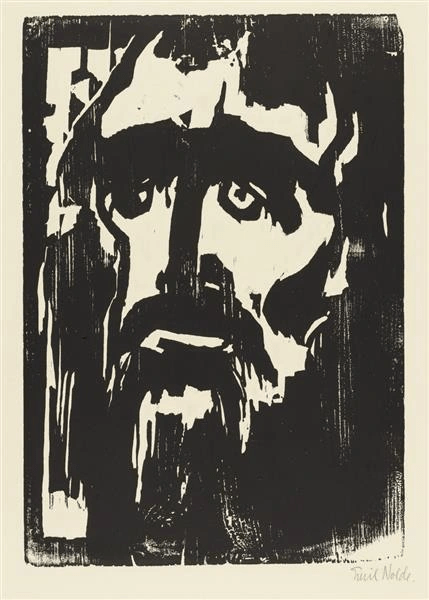
My song parody below is intended to be humorous and take the ‘mick’ out of some of the pretentiousness and snobbishness in some art circles. It doesn’t necessary reflect my views on art as I do produce some non-realistic, surrealist work myself.
Why can’t artists choose to create objects of beauty?
Still life paintings so realistic they almost smell fruity
Why add to the ugliness in this world?
Depicting on paper the endless hatred that unfurls
***
Just look at it
Misery articulated in every line
Flying in the face of all teachings of the Divine
***
You might say I picked a poor example
But did I?
What’s the purpose of a banana taped to a board? Note 1
An over privileged buys it for a price few could afford
How pretentious to call that mockery art
***
I wouldn’t pay a single cent for that
In fact, if it was a gift, I’d send it back
I’d view it as an insult to my sensibilities
Why can’t artists focus on depicting happiness and joy?
***
You’d think purchasers would want to view art with pleasure
Something delightful to brighten up their day
But no, they prefer to wallow in the hideous
Or even worse the clearly sad and piteous
***
Of the banana, I’m not a fan
But it’s better than a painted beer can Note 2
Really, what has art come to?
I’d much rather look at artworks produced by kindergarteners
***
Squiggly line drawings – I ask you what sort of art is that?
It’s this sort of mediocracy that allows AI to compete
AI artworks easily as good as those of modern art elite
Why can’t artists focus on depicting happiness and joy?
***
The attributes of a good piece of art should be well-known
You shouldn’t have to look at splodges and try to guess
Exactly what the intent was behind the colourful mess
An artwork’s content should clearly show what it is
***
As soon as an artist picks up his pencil and starts to work
Viewers should gasp in wonder at the work in progress
That rarely happens with much of the art that does the rounds
Looking at it turns the viewers smiles to frowns
***
A good example is modern surrealist art
What on earth is its purpose to a viewer
It makes me want to poke out my eyes with a skewer
There are even times when art completely disappears
***
Disappears … What is non-art? Why use the word art
In connection with an object that is something else entirely
I can see a photograph is a photograph without any enquiry
Surely everyone can see a stone’s a stone
***
Artists go to school to learn techniques and styles
Just as clothes designers must learn all about textiles
Why do they throw everything they learned away?
I think their attempts to be different lead them astray
***
There is nothing better than a beautiful landscape
There is no need the natural world to reshape
But create a realistic picture and you’re criticised
Why can’t artist focus on depicting happiness and joy?
Note 1: The banana line is based on this article https://www.smithsonianmag.com/smart-news/that-viral-banana-duct-taped-to-a-wall-it-just-sold-for-6-2-million-180985523/
Note 2: The beer can line refers to this article: https://abcnews.go.com/International/beer-artwork-accidentally-trashed-museum-worker/story?id=114588747#:~:text=A%20museum%20in%20the%20Netherlands%20has%20recovered%20an,of%20them%20during%20his%20shift%2C%20museum%20officials%20said.
Reading up about the artist didn’t change my dislike of his work, although in saying that I did find this face painting compelling in a dark way. In fact, it made me wonder even more why he is famous. So, my song above remains unchanged. Do you recognise the rhythm and flow? I’ll give you a hint – I went to see My Fair Lady on Sunday evening and the music is still stuck in my head.
Esther Chilton’s writing prompt for this week is team. You can join in here: https://estherchilton.co.uk/2025/02/12/writing-prompts-52/.
I am not much of a team player. I have had some very bad experiences where my hard work and creative solutions have been accredited to more senior people on my so called team. I’ve also had situations where the team doesn’t listen and a crisis results. These situations have left a bad taste in my mouth and now I prefer to run my own processes with as little involvement from other people as possible.
There is no I in teamwork, so they say
My experience defies this simplistic view
There is always an I who leads the way
The one who takes control
Does most of the hard work
Burns the midnight oil
This is the same one who gets
To share the recognition and rewards
With the rest of the team
There is no team in
Taking the initiative
Or getting things done
But there are numerous I’s
***
The next poem is not new, but it fitted how I absorbed Denise’s picture prompt. You can read what other writers have created here: https://dlfinnauthor.com/2025/02/18/creative-perspective-challenge-two-links-and-haibun-writingcommunity-flashfiction-poetry-haibun-creativeperspectivechallenge/
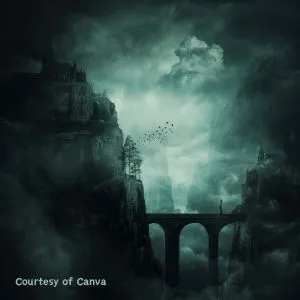
It rears upwards
into the blue sky
a monstrosity
of reflective glass and
shiny stainless steel
towering over
the ant-sized people
who scurry about
in its imposing shadow
***
An emotionless giant
it is bereft of a soul
it feeds on small businesses,
corner cafes, fruit and nut shops,
independent butcheries, bakeries,
confectionaries and cake shops
even book sellers and
small stationers
are swallowed whole
disappearing into the gaping maw
of the corporate giant
***
It shreds and ingests
taking the sustenance it seeks
spitting out the bones
independence and individuality
creativity and uniqueness
mere entrails, unwanted and discarded
it stamps on difference
in its pursuit of profits
imperfections and belmishes
an unacceptable blight
on a perfect track record
***
What remains will finally
emerge as a mirror
reflecting the sameness
uniformity and consistency
it holds so dear
providing its market
with the conformity
and rigidity
that has taken over
and turned the world grey

This week’s W3 prompt is as follows:
THEME: Write a poem to encourage someone not to give up—urging them to persevere, try again, or push forward for just one more time or day;
STRUCTURE: Use no more than 11 lines;
Choose any form or rhyme scheme you prefer;
You can join in here: https://skepticskaddish.com/2025/02/12/w3-prompt-146-weave-written-weekly/
You are climbing the final rungs on the high school ladder
It seemed to have no top, but now you can see
A new world of adulthood nearly within your reach
Your ladder has been a long and difficult clamber
Rungs were stretched apart, and you had to jump
Some parts were oiled, and you slipped back some way
Obstacles blocked your climb, and you used picks and ropes
Some rungs were weak and broke when you stood on them
You got splinters in your hands and fingers from holding on
But you have prevailed, and climbed your extended ladder
I’m right here behind you, pushing you upwards
Sanaa has provide a lovely Valentine’s prompt for d’Verse, as follows:
1- Love Potions and Concoctions: Write a poem as a recipe for a love potion. Throw in some berries and cream, maybe a dash of cinnamon and chivalry. Tell us what love means to you.
2- Love Letters Through Time: Write a poem in the form of a love letter. It can be addressed to yourself, to someone special and/or in memory of a person who has passed.
3- Love in a Digital Age: Bring love into the 21st century by exploring the dynamics of modern relationships. I am referring to the age of social media, dating apps, and virtual connections. Let your poem decide whether technology enhances or complicates matters even further.
You can join in here: https://dversepoets.com/2025/02/11/poetics-from-your-valentine/
I’ve written a haiban for the love letter prompt.
Sphiwe held up the panelled “love letter” necklace she’d created for her young husband, BongiNkosi. The numerous beads glimmered in the strong summer light. BongiNkosi was working far away on a mine, and this intricately patterned artwork was a secret declaration of her enduring love.
Smiling, she thought back to the early days of their courtship when she was just fourteen years old. After she and BongiNkosi had agreed to proceed with a relationship, she’d fashioned a simple ucu (necklace) made of two strings of twisted white beads to which she’d attached one beaded white ring as a symbol of her virginity. Her iqhikiza (older sister) had presented the gift to her admirer on her behalf. A giggle escaped Sphiwe’s slightly parted lips as she remembered how BongiNkosi had rushed home to hang up a white handkerchief, announcing to the world that he was in love.
As their relationship progressed, Sphiwe had crafted other rings and a second love letter incorporating numerous red beads to demonstrate the evolution of her love and her longing. BongiNkosi had reciprocated by replacing the white handkerchief with a red one.
With one hand on her swollen belly, she kissed the necklace and laid it in a box, ready for travel. It would serve as a reminder of their love and his forthcoming fatherhood until the time was ripe for him to journey home for the birth of his first child.
Red for intense love
Yellow for fertility
Black for our marriage
You can read more about Zulu “Love Letter’ beaded necklaces here: https://artsandculture.google.com/story/uwXhzpYRaUm3JQ
Michael and I have a cute book for children about the Valentine Toffee Cupid.


I am a little late for this challenge even though I had my poem written on Saturday. Thank you to David from Skeptics Kaddish for this great prompt. You can see what other poets have written here: https://skepticskaddish.com/2025/02/05/w3-prompt-145-weave-written-weekly/
People frequently let me down in life
Strife
becoming the name of the game
Blame
heaped like coals on my head
Dread
filling my heart and soul like lead
Bread
cannot always be broken to mend
Friend –
ships that dissolve into disillustionment
Disappointment
has occurred in every corner of my world
Curled
into tight bands around my heart
Darts
of anguish at kindness thrown back in my face
Grace
and courage no longer general life skills
On a happier note that this poem, I found this interesting flower in my cactus garden:


Thank you to the supportive Barbara Leonhard for sharing my poem, The Crimson Rose, and my cake art on MasticadoresUSA.
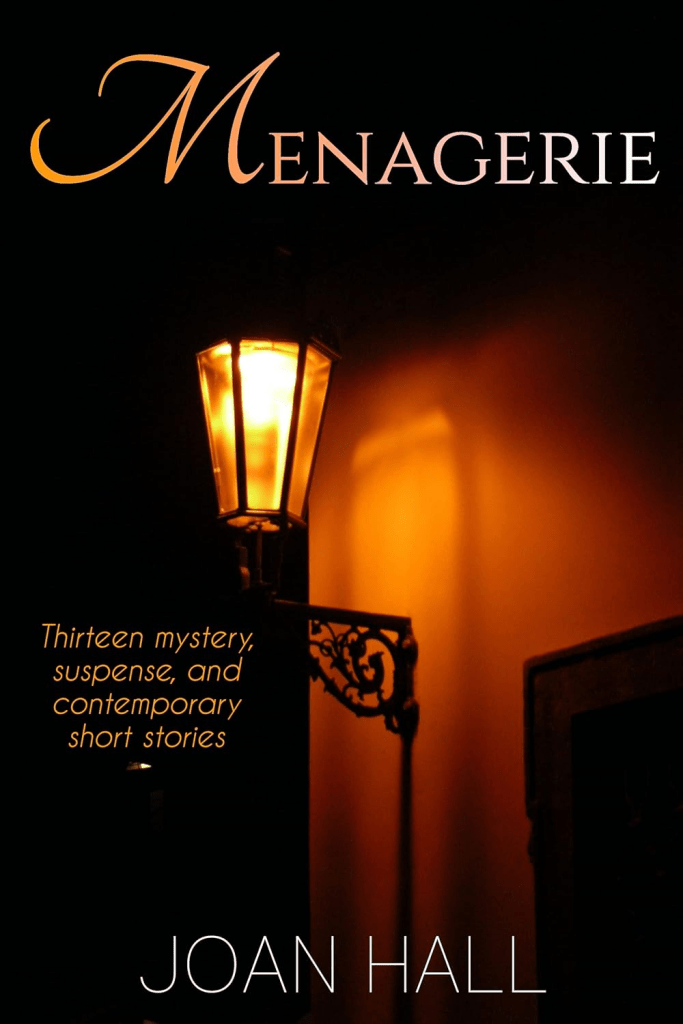
King’s. The Tower of London. Glass. What do these have in common?
Each is a famous menagerie.
While this Menagerie doesn’t focus on exotic animals, it does contain a collection of stories that explore various trials people face and how their reactions shape their worlds.
Survivors of a haunted bridge. Women who wait while their husbands fight a war. Former partners reuniting to solve a cold-case murder.
These are just three of the thirteen stories in this compendium, encompassing past and present, natural and supernatural, legend and reality. The genres and timelines are varied, but there’s a little something for everyone who enjoys reading about simpler times and small-town life.
I am a fan of short stories as I like their concise use of words and fast pace. Of course, short stories still need to have a proper story line, and the reader needs to be grounded in the setting and engaged with the characters. This is not always easy to achieve in a short story format, but Joan Hall has managed to do it well in this interesting and well written collection of short stories.
This collection is varied and explores a number of topics and situations with the common thread of all being set in small towns in North America. The descriptions of life and relationships in small towns in the USA were fascinating for me as I have always lived in a big city. There was just enough detail to steep me in the setting without it bogging down the stories.
I enjoyed the large variety of characters, some of which are strong and enterprising women which I always value in a book. The characterisations demonstrate the author’s deep understanding of the type of people populating her stories and their thought patterns, way of life, and anxieties.
It is difficult to choose favourite stories from this collection as they are all engaging, but the following three stand out in my mind:
A Moment in Time: A dual timeline story set approximately 100 years apart and featuring two wars, two men fighting in the wars, and two young women waiting anxiously for the return of their men. I am partial to dual timeline stories and plots involving war, so this was right up my street.
Lone Wolf – A wonderful story of friendship between a wolf and a man and how they are able to help and care for each other.
Without a Trace – This story was filled with mystery and angst as the tale of a family that disappeared without a trace unfolds. As a person who moved continuously as a child, I related strongly to the main character, Rick, and his struggle to fit into a new school environment and manage the continuous changes to his life.
If you enjoy short stories with interesting and varied storylines and great characterisations, you will love this collection.
Purchase Menagerie from Amazon US here: https://www.amazon.com/gp/product/B0BRL4Y5NL
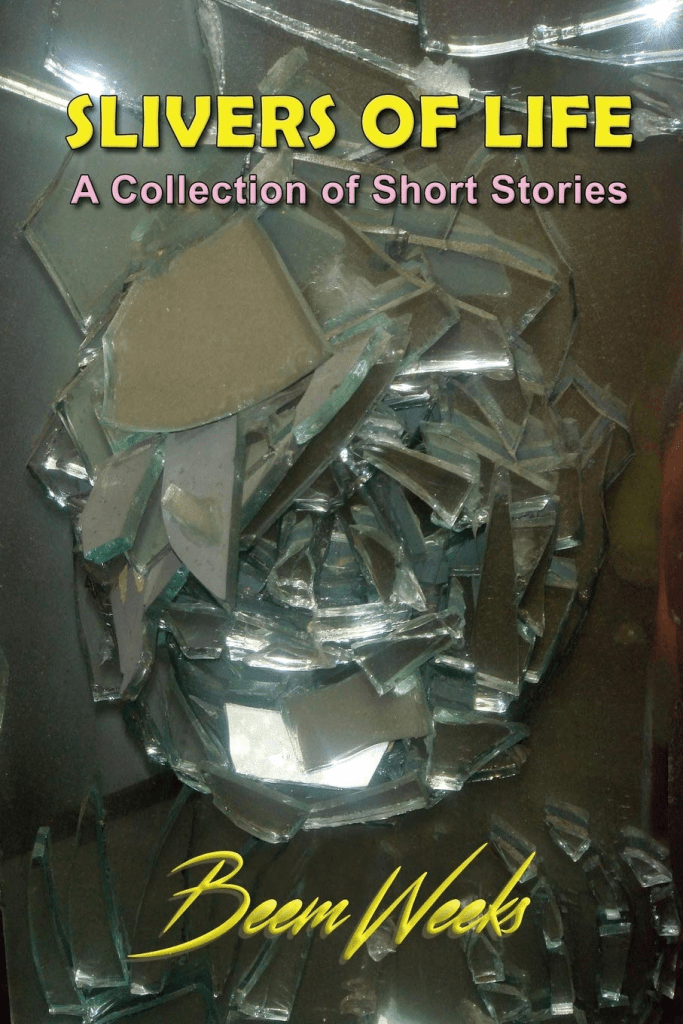
These twenty short stories are a peek into individual lives caught up in spectacular moments in time. Children, teens, mothers, and the elderly each have stories to share. Readers witness tragedy and fulfillment, love and hate, loss and renewal. Historical events become backdrops in the lives of ordinary people, those souls forgotten with the passage of time. Beem Weeks tackles diverse issues running the gamut from Alzheimer’s disease to civil rights, abandonment to abuse, from young love to the death of a child. Long-hidden secrets and notions of revenge unfold at the promptings of rich and realistic characters; plot lines often lead readers into strange and dark corners. Within Slivers of Life, Weeks proves that everybody has a story to tell-and no two are ever exactly alike.
Slivers of Life is an apt title for this collection of short stories that cover a wide variety of topics and colourful characters of different ages, occupations, and intentions. Despite the short length of the stories, the author has created compelling characters whose behaviours, although not always exemplary, are very relatable.
I find the best way I can review a short story collection is by sharing insights into a few of the stories that have stayed with me the longest. My most memorable stories are as follows;
A Match Met – an intriguing peep into betrayal and revenge that will have your wondering whether the end justifies the means.
Lost Boy – a truly compelling read about a grumpy old man who finds fault with the noise generated by the little boy next door. Mr Spellman does everything he can, internally and externally to stop the irritation, but sometimes what we think we want turns out to be the opposite.
Night Flight – a poignant look at life for young boys being raised by a single parent and the pressure it puts on both the parent and the child. The story delves into the ease with which rejected and/or neglected youngsters can slip into crime and drug taking. There is a supernatural element which leaves you wondering if it actually happened or not. Was the narrator reliable?
And a little child shall lead them – this story talks to the invisibility of homeless and unfortunate people and the judgement that more successful people immediately pass on them due to their circumstances. A poignant story of caring.
Remaining Ruth – a peep into depression, teenage angst and cutting. Very scary for any parent who struggles to reach and understand their teenage child.
On the whole, an intriguing and well written collection of short stories that I really enjoyed reading.
Purchase Slivers of Life from Amazon US here: https://www.amazon.com/gp/product/1936442205
When I visited Japan in December last year, we went to see the art shop fronts on Ginza Street. I shared about this visit here: https://roberta-writes.com/2024/12/21/roberta-writes-thursday-doors-tokyo-store-front-scenes-tokyo-christmas-thursdaydoors/
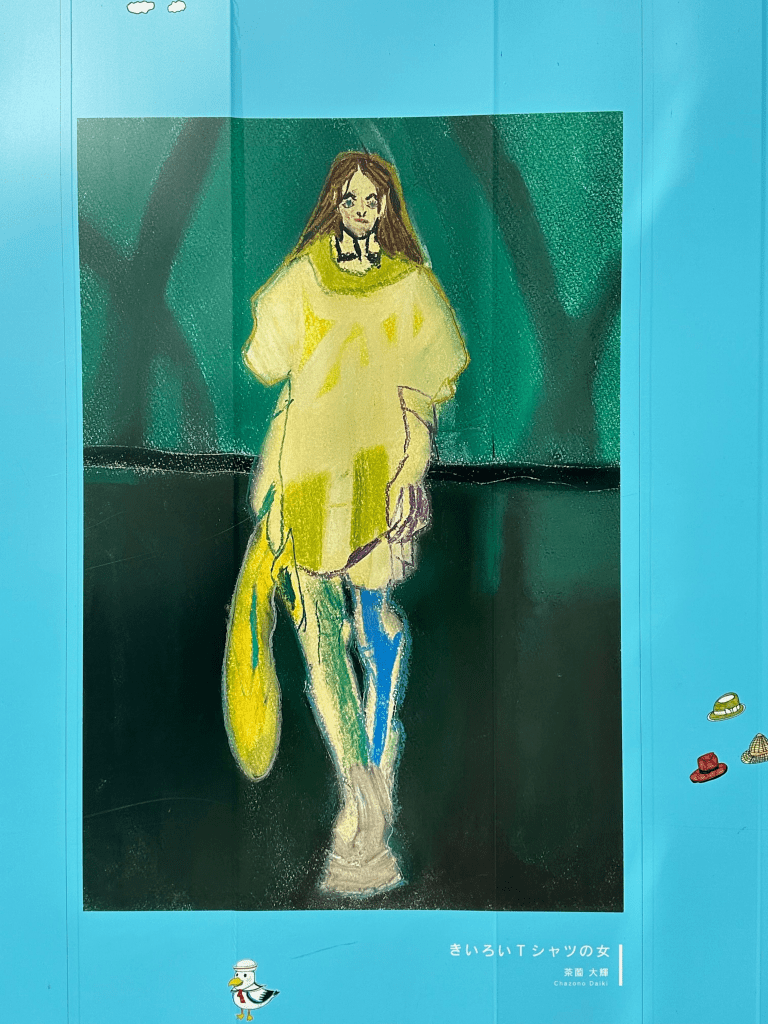
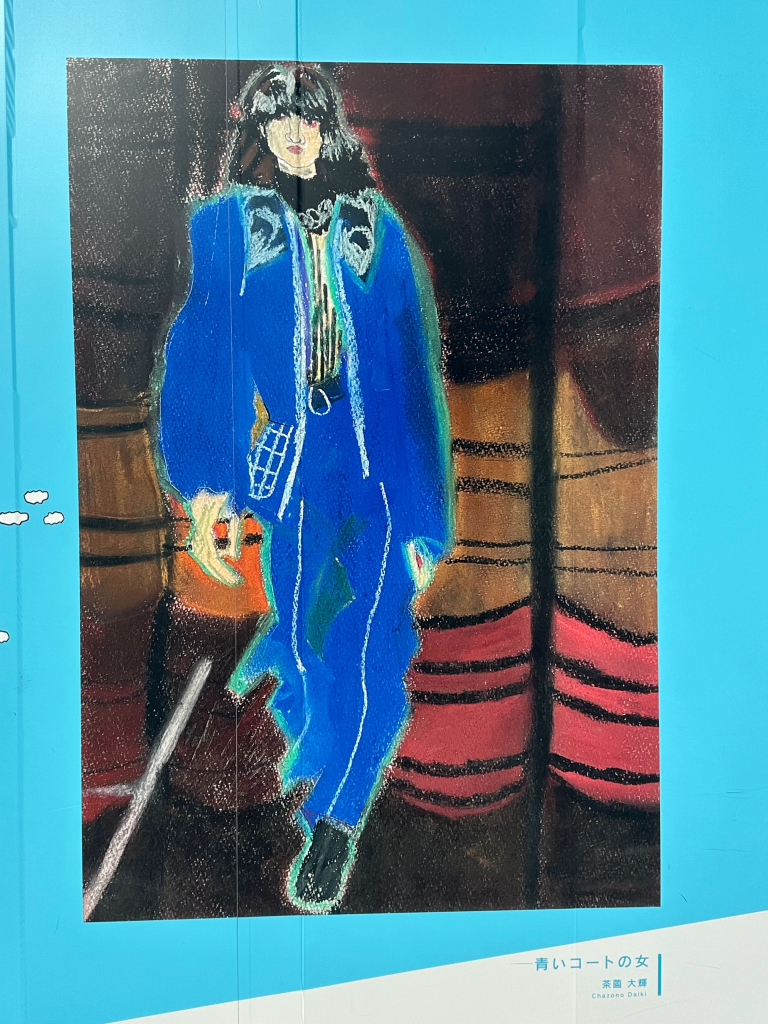
On Ginza Street, I came across some lovely street art and took pictures of it for blogging friend, Resa, who loves street art. You can find Resa’s most recent street art post here: https://graffitiluxandmurals.com/2025/01/26/muhammad-ali/
I am sharing that street art today and also using it as a jumping off point for my contribution to Dora’s Reimagining d’Verse poetry challenge which you can join in here: https://dversepoets.com/2025/02/04/poetics-reimagining-the-familiar/
You can read Dora’s poem here: https://pilgrimdreams.com/2025/02/04/washdays/
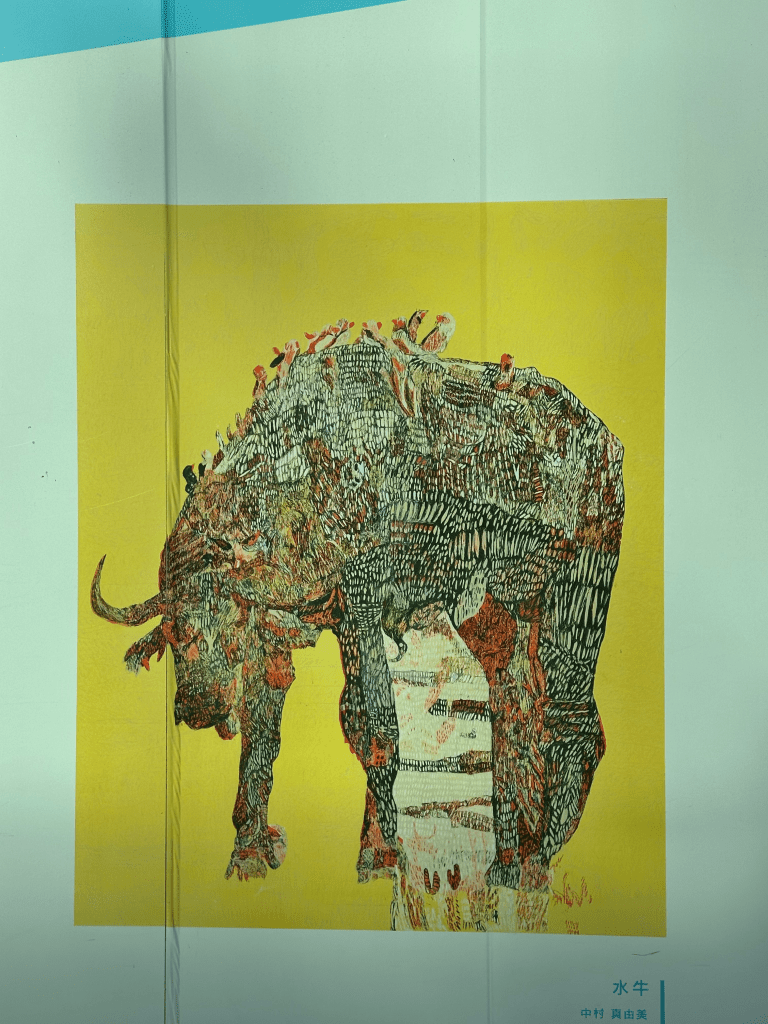
I am a male Cape buffalo
I roam the plains of southern Africa
Endlessly seeking fodder
Which I consume faster than most African herbivores
Due to my wide row of incisor teeth
And deft tongue
My coat is dark brown, and
I have a set of majestic horns
Called a ‘boss’
They come together in front
To form a protective shield
My temper is unpredictable
And I cannot be tamed
Except when I appear on Ginza Street
Here, I assimilate
Becoming one with the local culture
I evolve into a showpiece
Wearing Joseph’s coat of many colours
My heavy front and wide hooves reduce
My boss erodes, shrinking as I conform
With bowed head and downcast eyes
There is no need to fear me
When I appear on Ginza Street
***

I am a male bush elephant
I wander the savannahs of Africa
Relentlessly grazing
The world’s largest land mammal
I uproot massive trees
Stripping them of their leaves and bark
Leaving behind much devastation
I use my large, curved incisors
Known as tusks
To dig, communicate, and for defense
My thick hide is grey
But I cover it with mud
The colour of the surrounding earth
I am dangerous when provoked
Except when I appear on Ginza Street
When I’m on Ginza Street
I must blend in with my surroundings
And acquire an arty look and feel
My skin becomes dappled
Resplendent in a variety
Of colours and shapes
My tusks diminish
Choosing obscurity
Along with my honey coloured eyes
There is no need to stand back
When I make my appearance
On Ginza Street
This was some other street art we saw on Ginza Street:

Frank is d’Verse’s host for today and this is his prompt: Had enough Arctic cold? Buried under unseasonable snow? Or, for those living south of the equator, are you enjoying an arid summer? Well, whatever your situation, you might have heard about a certain rodent prognostication. Frank Tassone, here, & honored to be your host for another Haibun Monday, where we blend prose and haiku together. Today, let’s celebrate an American, weather-predicting tradition with Northern European roots: Groundhog’s Day.
You can join in the d’Verse challenge here: https://dversepoets.com/2025/02/03/haibun-monday-2-3-25-celebrating-groundhog-day/
You can find Frank’s poem here: https://frankjtassone.com/2025/02/03/groundhog-night/
As I live in southern Africa and it is summer here and we don’t have Groundhog’s Day, I have Africanised the prompt and incorporated two Zulu mythological creatures that bring the rain, thunder and lightening. In South Africa we get rain during late spring and summer and nothing at all during late autumn and winter. We can go up to eight months in a normal year without rain so by the time it arrives, we are desperate for relief from the heat and dryness.
The angry sun savaged the land. Pouring its heat down onto the earth that cracked and broke under the relentless assault. The cattle grew thin, sharp ribs poking through their scraggy hides, while clouds of flies buzzed around their dry eyes and mouths. The crops withered in the fields and the people lay lethargic and parched inside their thatched huts. The milk in the breasts of the young mothers dried up and the babies cried themselves into early graves.
Unkulunkulu — “The One Who Carries Heavy Blows”, also called Rainbull, kept his mighty horns pointed at the sky, forcing the clouds to withhold their rain. He watched the daily passage of the boiling sun across the sky and dreamed about the cloudless nights when the bright stars performed undisturbed against a velvety blackness.
One scorching day, he shook his massive head and his horns accidently pointed towards the land below. The opportunistic rain seized the moment and flooded down in sheets accompanied by Impundulu, Lightening Bird, who summonsed thunder and lightening through the force of its wings and sharp talons.
The parched earth, unable to absorb the deluge, regurgitated the water creating flash floods across the land. People, animals, trees, and bushes all disappeared into the swirling brown whirlpool while Unkulunkulu, faced with his gross neglect, stamped his great hooves and cried pools of tears.
Unkulunkulu
Why have you forsaken us?
Direct your horns well
If you are interested in the Zuly Rainbull myth, you can read it here: https://medium.com/mythology-journal/the-spectacular-story-of-zenzele-and-the-rain-bull-0732de860a33
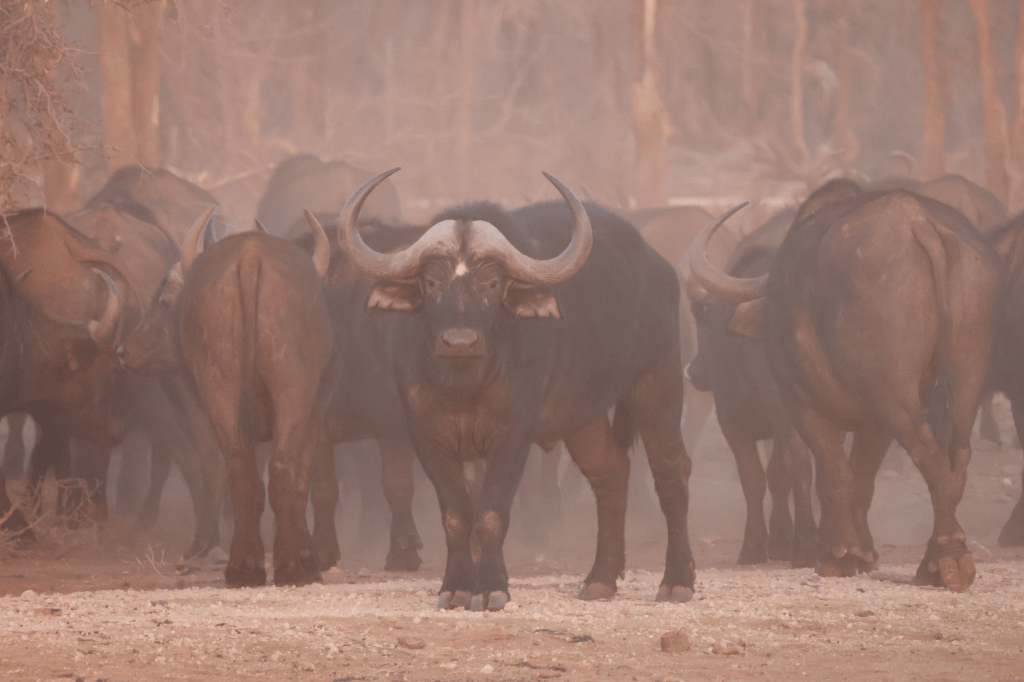
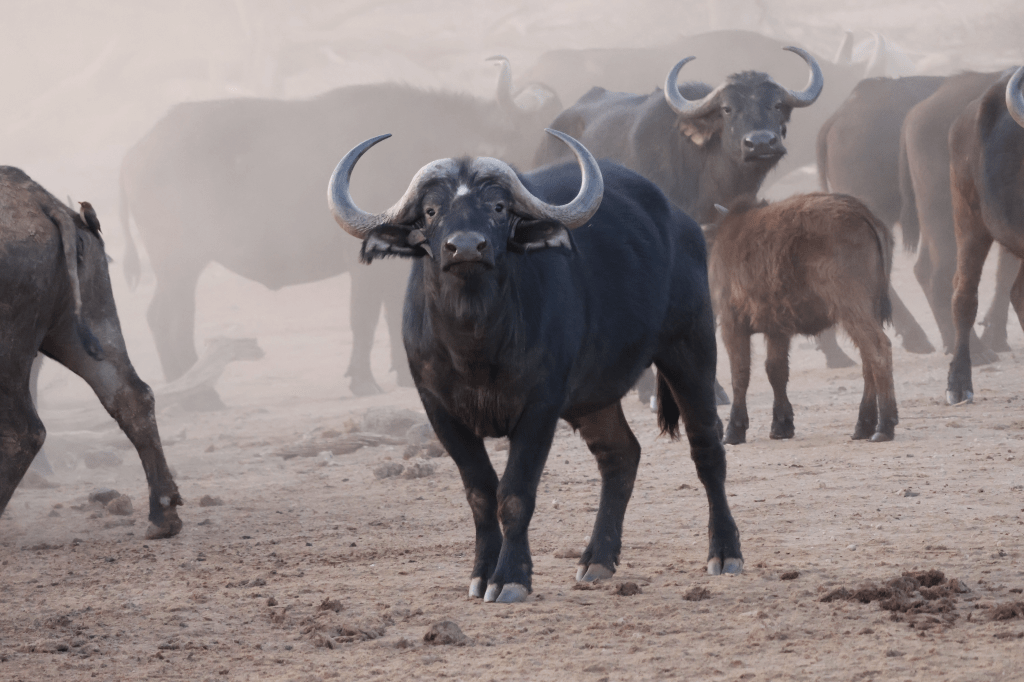
Last August, TC and I visited Jaci’s Treehouse Lodge in Madikwe Game Reserve. These pictures demonstrate how dry and dead everything looks at that time of your in this part of the world:


Talented writer, Marsha Ingrao, is the brain behind the innovative Story Chat series of blog posts. Story Chat involves the submission of a story or a poem which is published on Marsha’s blog, Always Write, and open to constructive discussion by her blog supporters. It is a most informative and interesting process and well worth considering for all poets and writers. You can find out more about Story Chat and find the schedule and submission process here: https://alwayswrite.blog/2024/11/22/story-chat-2025-schedule/
Marsha was kind enough to publish my poem, Invisible People, as part of her Poetry Day for Story Chat Digest 2025.
 roberta-writes.com