#Booktour – Author Interview

Thank you to https://readeropolis.blogspot.com/ for hosting me today for my Through the Nethergate book tour. This post includes an author interview about my intended audience for this book and why that audience should read it. There is also a Giveaway you can enter from Brooke Blogs. Thank you to Great Escapes Book Tours for organising this tour.

THROUGH-THE-NETHERGATE-BANNER-640

Author Interview

Who is your intended audience and why should they read your book?

This novel is aimed at young adults and adults who enjoy supernatural fantasy. It is essentially a story of good versus evil and includes a modern take on hell and Lucifer. Technology is used by the villains in the book as a vehicle for evil and I thought this would resonate with younger readers. One reviewer stated that “Cheadle ties in current events including the war in Syria, mass shootings, xenophobia, economic disenfranchisement and “fake news” – all the work of the devil.” I feel this quote aptly recognizes what I was aiming to achieve with this book. A manipulation of current events to demonstrate how they can lead to conflict and evil. The main theme of this book is that good always overcomes evil in the end.

How did you come up with the title of your book or series?

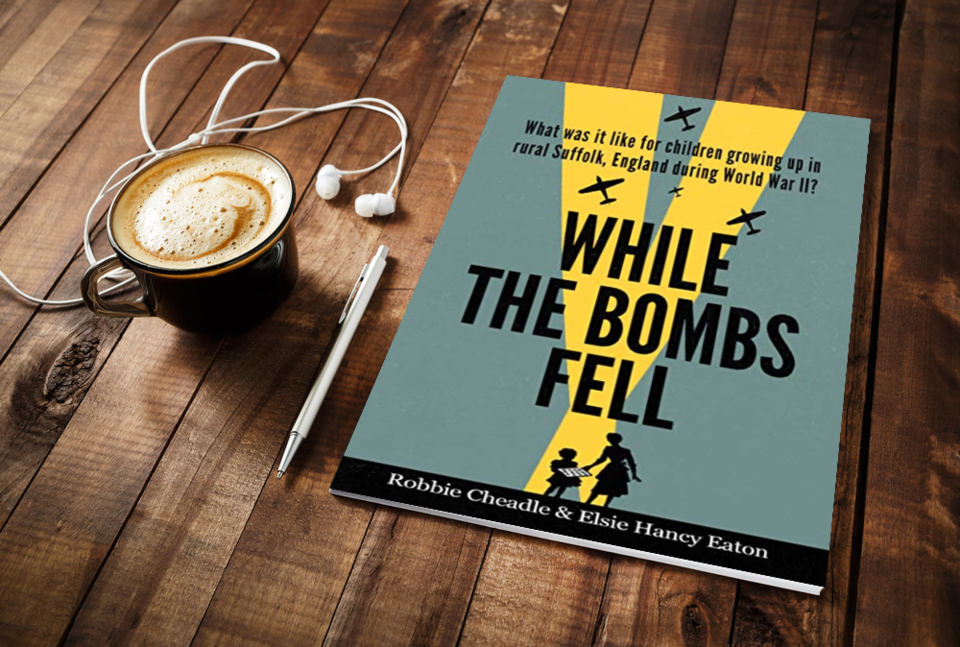
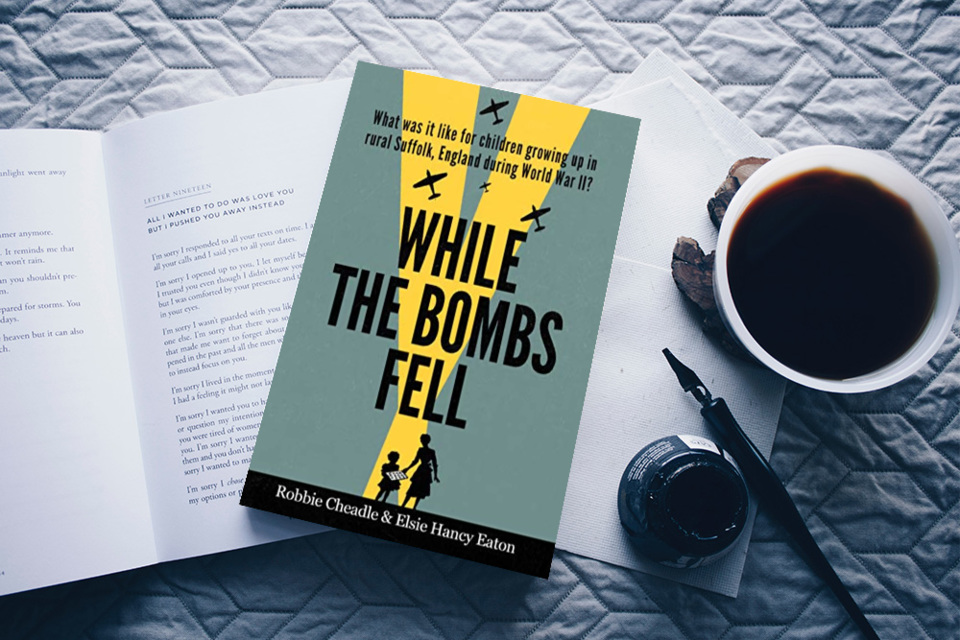
The idea for this book came to me while I was writing my book, While the Bombs Fell, which is a fictionalized autobiography about my mother’s life growing up as a young girl during World War II in the town of Bungay, Suffolk in England. 

While I was doing research for this book, I discovered legend of the black dog of Bungay and this led to my undertaking further research. I learned that black dog was thought to be the spirit of Hugh Bigod, the second son of Roger Bigod who built Bungay Castle in 1100, and who was a most evil man during his lifetime. 

Hugh is traditionally believed to haunt the town in his canine guise. This interesting legend was linked to a number of other stories about famous and less famous ghosts that are believed to haunt various places in the town, and this gave me the idea of writing a book of short stories about these ghosts and how they died. 

Nethergate is the street in Bungay where my mother lived as a young girl. Nethergate also means the gate to the netherworld or hell. A discussion with my mother about the meaning of Nethergate gave rise to the name of this book, Through the Nethergate. It seemed very appropriate given the subject matter of the book and its links to Bungay and my mother’s childhood.

Tell us a little bit about your cover art. Who designed it? Why did you go with that particular image?

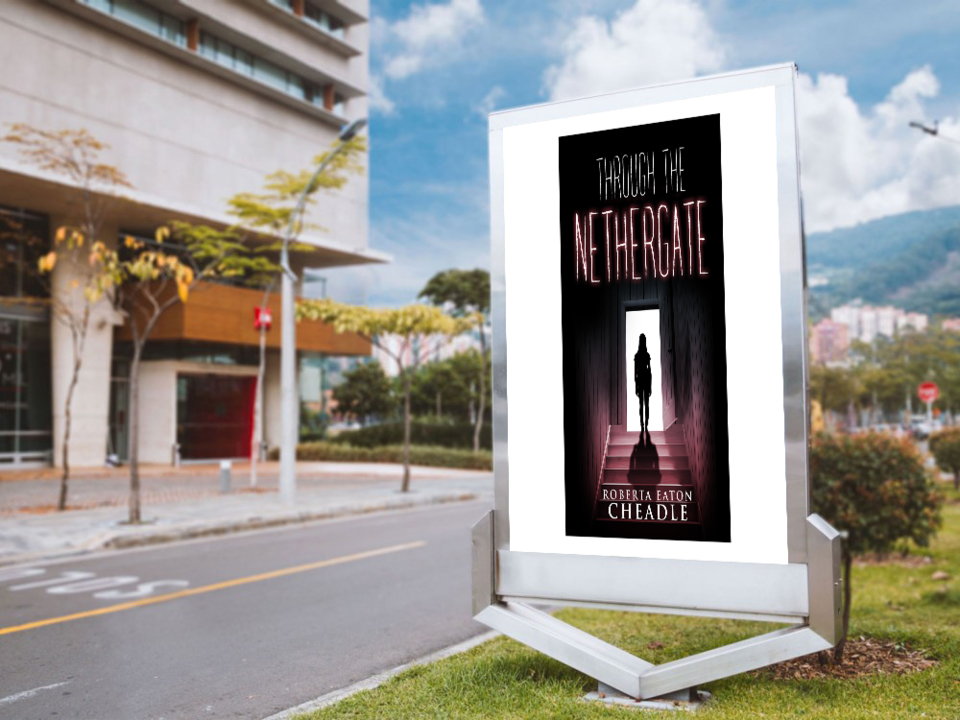
The talented Tim Barber from Dissect Designs designed the cover for me. We came up with this idea together. I wanted a cover that depicted a young girl going down into a cellar. My original idea was for the flames of hell to be rising from the cellar. Tim plucked this idea almost out of my head and created the current cover which I loved straight away. 

The reason I wanted the girl going into a cellar is because the cellar of the inn in Bungay is where this story starts. It shares a wall with Bungay Castle and, in the book, it is haunted by Hugh Bigod and a number of his ghostly slaves. Quite a bit of the action in the book is set in the cellar.

The main character, Margaret, is a sixteen year old girl and I though the silhouette of a girl was the perfect image to portray her and to send the message that this is predominantly a YA novel, although adults can read and enjoy it too.

Give us an interesting fun fact or a few about your book or series:
What other books are similar to your own?  What makes them alike?

I am a big fan of Stephen King’s earlier works and dystopian novels. I have also read and loved classic fiction like Bram Stoker’s Dracula and Mary Shelley’s Frankenstein. I think that these authors and genre’s have had an influence on my choice of genre and style of writing.

Through the Nethergate is a story about good versus evil in much the same manner as The Stand and Salem’s Lot by Stephen King and Dracula by Bram Stoker although my villains are ghosts and the devil rather than vampires. My description of my villains is different to these books, however, as I have created an incredibly attractive and desirable villain rather than an elderly and/or frightening looking one.

The idea of ghosts coming to life and doing harm to humans is not knew but I think the idea of the ghosts reincarnating and regaining human attributes is unique. The modern setting and concept of hell as a stock broker dealing in human souls is also unique, as far as I am aware. There is a strong focus on faith in this book which is probably a result of my Catholic upbringing and years spent attending a convent. I have no negative thoughts about this period of my life and find the mysticism and superstitious nature of the Catholic Church fascinating.

Do you have any unique talents or hobbies?

I collect antique and vintage dolls which my family finds very creepy. They do not like my doll collection, which is in the region of about sixty dolls. My family finds the eyes particularly unsettling.

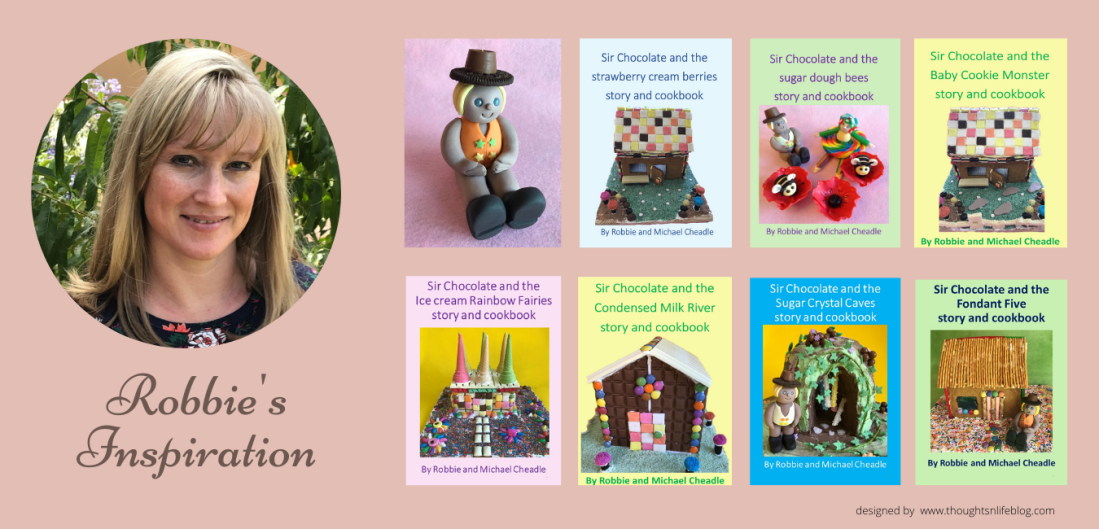
I do a lot of baking and create figurines, flowers and animals out of sugar dough or fondant. I have seven children’s book about a little man called Sir Chocolate who lives in a world where you can eat everything, including the houses, flowers and trees. Sir Chocolate goes around helping his friends put wrong things right. I wrote the Sir Chocolate series of books with my son, Michael, who was aged six to ten years old at the time.

Continue reading here: https://readeropolis.blogspot.com/2020/01/through-nethergate-by-robertaeaton17.html

TTNG 3

#Bookreview – My Gentle War (Memoir of an Essex girl) by Joy Lennick

Book reviews

What Amazon says

My Gentle War is the story of a young girl and her family. Ripped away from the home she loved, from her friends, and familiar surroundings, she spends her formative years in the comparative safety of the Welsh Valleys. With the World at War, and her father sent to the battlefields of Europe, her war is fought holding back tears whilst waiting for news of her father, never knowing whether she will see him again. This is the story of a young girl learning to live a new life, holding her family together in unfamiliar surroundings, all the while dreaming of the father that was forced to leave her. My Gentle War is Joy’s story.

My review

My Gentle War is a delightful memoir about the life on a little girl, aged seven years old when war was declared in 1939, and her family as they navigated the changing landscape of everyday life in war time Britain. Joyce’s family lived a middle class life in Dagenham, London when the war started and her father and his brother, Bernard, signed up with the Royal Air Force to go and fight. Joyce’s parents decide that it will be safer for her mother, two younger brothers and herself to go and live with her family in Merthyr Tydfil in Wales. The book describes in great detail the difference between her father’s beautifully cultivated garden filled with gorgeous flowers in Dagenham and the wild and lonely beauty of life in the Welsh mountains. Her father’s sadness at having to ruin his garden by building a bomb shelter in the middle of it is the first insight the reader has of the changes that are going to come.

The second insight comes when the author describes the chaos of Paddington Station when her father leaves to go and fight in France and the rest of the family depart for Wales. It is not that easy for an evacuee to fit into life in a rural village, but Joyce and her brothers are young enough to do so without to many problems and, other than one incident when Joyce has a broken glass bottle thrown at her, they all settle into their new life and school. The hard life in Wales is detailed through the memories of the little girl who sees the poverty and learns about the hardship inflicted by the depression prior to the war, on this mining town. The risks of mining are also described through the chronic lung disease suffered by her uncle and the death of a young cousin in the coal mine. The joys of life for children are also expressed with the town arranging concerts staring the children, a picnic and other forms of entertainment. During the early part of the, the bombs do not reach Wales and the food shortages have not as yet bitten.

Throughout the war, Joyce’s family go between places of refuge, initially Wales, and their London home which they return to when her father is home on leave and intermittently while her mother is doing war work in London.

For the last part of the war, Joyce and her brothers become real evacuees are are sent to live with strangers away from London and the buzz bombs. This particular part of this memoir made me realise how fortunate my own mother was during her days growing up in the war. Her family never had to leave their home town of Bungay and were able to stay on their farm throughout the war.

I really enjoyed this memoir which reads like a conversation and tells of life for Joyce and her mother and siblings in Britain and also tells of some of her father’s experiences of the war in France, including the lead up to the evacuation of Dunkirk, through extracts of his diary and letters home. For people who are interested in World War II and particularly every day life for people during this terrible time, this is a wonderful and eye opening book.

Purchase My Gentle War (Memoir of an Essex Girl)

Amazon US

My Gentle War by Joy Lennick (2015-02-05) Paperback


#Openbook – My top three distractions while writing

IMG_1636

This week the topic is:

What are your top three distractions and how do you deal with them?

I saw the blog hop topic this morning and I have spent the day thinking about it on and off. I have come to the conclusion that I am not easily distracted from what I want to do and I get frustrated when I have to spend time doing things that I consider unimportant and trivial in the pursuit of my goals, both personal and for work.

There are things that must be done before I can write such as working at my day job [and full weekend end job in respect of this one just past], seeing to my sons and making sure they have food, drink and get their homework done [to my standards], spending time with my parents, especially my mom, my aunt and my husband’s family and listening to my husband’s work tales. These are not distractions, these are my life.

Social media could be a distraction, but I consider it to be an important part of my brand building and book marketing. I limit the social media I participate in to Twitter, Instagram and Facebook. I don’t consider WordPress and blogging to be a social media. I consider it to be a discussion group where authors and writers share ideas, thoughts, experiences, extracts of their books, book reviews and other interesting things. All of these things help me grow and I feel a sense of belonging with other writers, readers and blogging as we all share common interests. I do limit my time on all social media and WP so that it doesn’t take over my time.

I have some other hobbies such as baking and fondant art, but these also feed into my writing and blogging life so are an important part of who I am and my author and blogging persona.

I love writing because it is a solo hobby. My blogging and other friends are part of my writing life but not part of the actual writing experience which I do alone. I love that my writing is all mine and I can work to my own timelines, write when it suits me and change my mind and direction without consulting others and relying on inputs from them. It is the most wonderful thing to be totally independent of others.

What are your distractions from writing? Let me know in the comments or join in with your own post here:

What distractions affect other blog-hoppers? Click on the blue button below to find out, or just add a comment.

Rules:

1. Link your blog to this hop.
2. Notify your following that you are participating in this blog hop.
3. Promise to visit/leave a comment on all participants’ blogs.
4. Tweet/or share each person’s blog post. Use #OpenBook when tweeting.
5. Put a banner on your blog that you are participating.

https://fresh.inlinkz.com/party/9dba77df2aaa46b083eb6705bfbecb48

You are invited to the Inlinkz link party!

Author interview: Robbie Cheadle

Thank you, Esther Chilton, for hosting me on your blog today with this author interview. I really enjoyed answering your questions, especially What’s the hardest thing you find about being a writer?

Many of you will know the very talented author, Robbie Cheadle. I’m thrilled she agreed to be my author interviewee this week. In the interview, she tells us about her latest book, how she goes about her detailed research for each of her books, how she gets her ideas and much more.

Q. Your book Through the Nethergate, for young adults,was published in the summer. Can you tell us a little bit about it?

A. Through the Nethergate is essentially a story of the on-going battle between good and evil in the world. What differentiates this book from other books with a similar theme, is that there are a lot of historical characters woven into the storyline who tell their stories as part of the overarching storyline. In addition, technology and modern politics are tools used by the devil to manipulate people, on mass, into negative and potentially evil thinking.

Margaret is a young girl, recently orphaned and sent to live with her grandfather in an ancient inn in the English town of Bungay. Margaret has a gift whereby she can see ghosts and when she is in close proximity to them, they reincarnate. The inn is haunted by a number of ghosts who are all slaves to their evil master, Hugh Bigod, the most powerful of the phantoms. The ghosts hope to use Margaret’s gift to escape their eternal servitude, but things don’t go as planned when Hugh comes up with his own plan for Margaret. Margaret and the ghosts soon realise that Hugh’s evil is nothing in comparison to Lucifer, the guardian of hell.

Through the Nethergate by [Cheadle, Roberta Eaton]

Q. You clearly enjoy writing books with a supernatural theme. What do you most enjoy about writing in this genre?

A. From a very young age I enjoyed ghost stories and I started reading books by Stephen King and Peter Straub at ten years old. They scared me to death, but I loved them. My favourite stories were the ones about ghosts and other mythical creatures. I also enjoyed books based on “real-life” supernatural events like the story of the Mary Celeste and the ships and aeroplanes that have disappeared in the Bermuda triangle. I have a few books about South African ghosts which I have read many times over the years and which are treasured possessions.

I enjoy writing in this genre because ghosts interest me. I like to find out the basic details of a ghostly presence and then make up a story about their lives and how they died weaving in the true facts. I find this type of writing comes easily to me and I have lots of ideas for stories which makes it appealing to me.

Q. You also enjoy writing horror stories. Which do you prefer and why?

A. Many of my horror stories are also paranormal or supernatural in nature. It is easy for me to imagine the rage and anguish of a ghost who did badly and wants revenge on a person or group of people.

The first two horror stories I wrote for one of Dan Alatorre’s short story competitions were The Willow Tree and The Haunting of William, both of which appear in Dark Visions, a horror anthology, edited by Dan Alatorre. The Willow Tree is about a serial killer and is based on a real murder that occurred when I was a child and the bodies of the victims were found under a willow tree outside a shopping centre. I don’t recall any of the details, so this a fictionalised account, but the idea of bodies under willow trees haunted me for years afterwards. The Haunting of William was developed from a two-sentence account I read of a ghost who committed suicide after discovering she was pregnant and that her lover had left her.

The three short stories I wrote for inclusion in Nightmareland, the sequel to Dark Visions, are all paranormal horror stories. The Siren Witch is about a flesh eating witch who enchants her victims through her lovely singing and them murders them. A Death without Honour is about an escaped convict who murders a couple in the mountains near Paarl in South Africa. The Path to Atonement features a young girl who commits suicide and blames her employer and certain colleagues for her death. She sets out to destroy them all.

One of the two short stories published in Whispers of the Past paranormal anthology, edited by Kaye Lynne Booth is about a controlling grandmother who comes back to haunt her granddaughter after her death. This is my favourite of all the short stories I have written as I love the idea of this grandmother who was like Sinbad the Sailor’s “old man of the sea” during her life time. The other short story, Missed Signs, is about a boy who contracts rabies.

I don’t really have a preference, but I do seem to gravitate towards the paranormal in my historical and horror writing.

Carry on reading here: https://esthernewtonblog.wordpress.com/2020/01/17/author-interview-robbie-cheadle/

IMG_4344

#Booktour – A lovely review and the use of technology in Through the Nethergate

Thank you toThe Book’s the Thing blog for hosting me today for Day 4 of my Through the Nethergate book tour. This post includes a lovely review for Though the Nethergate as well as a post about the use of technology in the book. There is also a Giveaway you can enter from Brooke Blogs. Thank you to Great Escapes Book Tours for organising this tour.

Synopsis:

Margaret, a girl born with second sight, has the unique ability to bring ghosts trapped between Heaven and Hell back to life. When her parents die suddenly, she goes to live with her beloved grandfather, but the cellar of her grandfather’s ancient inn is haunted by an evil spirit of its own.

In the town of Bungay, a black dog wanders the streets, enslaving the ghosts of those who have died unnatural deaths. When Margaret arrives, these phantoms congregate at the inn, hoping she can free them from the clutches of Hugh Bigod, the 12th century ghost who has drawn them away from Heaven’s White Light in his canine guise.

With the help of her grandfather and the spirits she has befriended, Margaret sets out to defeat Hugh Bigod, only to discover he wants to use her for his own ends – to take over Hell itself.

cc44b-divider

Through the Nethergate is a young adult paranormal story revolving around a young girl, Margaret, who moves into her grandfather’s inn and is confronted with an abundance of spirits. The majority of these spirits only want Margaret’s help to set them free, but she will discover that some have much more sinister plans for her.

I found this young adult novel to be a quick, entertaining read. Margaret is a brave young woman and someone it’s easy to root for. Some of the spirits come straight out of the history books, which makes them that much more engaging. I think most middle-grade and younger teens with a taste for spooky stories will really enjoy this one.

I feel privileged to be able to share with you the following guest post from the author, Roberta Eaton Cheadle.

The use of technology in Through The Nethergate

One of the recent reviews for Through the Nethergate states the following:

“Another interesting aspect of the book is the way technology is identified as a vehicle for evil. Hell looks like an office building full of cubicles. Cheadle ties in current events including the war in Syria, mass shootings, xenophobia, economic disenfranchisement, and “fake news” – all the work of the devil.” – Amazon review

I made use of a lot of different types of technology in Through the Nethergate. I chose to do this when writing this book for young adults, as technology is what makes our modern world go around. It is hard for me to believe, looking back over my life, that I received my first computer when I started my articles for my training as a chartered accountant when I was 24 years old. Prior to that, I didn’t have a computer and all my work for school and university was done by hand. Nowadays, I can’t imagine you could manage a university course without access to a laptop, the internet and possibly a cell phone.

Finish reading here: https://booksthething.com/2020/01/18/through-the-nethergate-by-roberta-eaton-cheadle-guest-post-giveaway/

#Booktour – Characterization: Katharine de Montacute and a review

THROUGH-THE-NETHERGATE-BANNER-640

I am over at I Read What You Write blog with a guest post: Characterization: Katharine de Montacute, one of the ghostly characters from Through the Nethergate, and there is a lovely review of the book included. Thank you to I Read What You Write for hosting me and to Great Escapes Book Tours for organising this tour. You can find the details here: https://www.escapewithdollycas.com/great-escapes-virtual-book-tours/books-currently-on-tour/through-the-nethergate-by-roberta-eaton-cheadle/

Characterization: Katharine de Montacute
by Roberta Eaton Cheadle

Katharine is a young girl born in the 14th century to a wealthy family dominated by her grandfather, Sir Edward de Montacute. She is a beautiful girl and has a wonderful life with a secret admirer who she hopes to marry until her father decides to enter her into the Benedictine Priory in Bungay. She feels obligated to follow her father’s wishes and joins the Priory as a novice.

Katharine hates life in the convent as she is in love with her admirer, William, and devoted to her family. She struggles to adjust to losing them all and being compelled to devote her life to prayer and charity. She manages to make contact with William from within the convent and they make a plan for her to escape and for them to run away together. Naturally, this does not work out as intended or hoped, and it ends in the death of Katharine. Her resentment at the time of her unnatural and harsh death, enables Hugh Bigod, the black dog of Bungay, to pursue her to turn away from Heaven’s white light and remain in the Overworld as a ghost. Katharine joins the ranks of Hugh Bigod’s ghostly slaves.

Katharine meets Margaret fairly early in the book and, as a result of this meeting, reincarnates and regains her physical form.

She is an intelligent woman, but is a product of her time and is physically and emotionally submissive to firstly, her father and subsequently to William and then Hugh Bigod. Her intelligence is demonstrated when she takes the lead in explaining the situation to Margaret’s grandfather after she is kidnapped and also takes the initiative in going to fetch Father Merton when he is identified as the man who can help them with their difficult situation. She is also the incarnate that gives Margaret the information about how Hugh Bigod would possibly be overthrown.

Katharine is empathetic and feels terrible when she realises that the ambitions of the ghost to use Margaret’s powers to help them escape their eternal servitude has put her in danger. Her guilt is exposed during her conversation with Father Merton at his rectory:

“Katharine had finished speaking and was looking at him. Her lower lip trembled and tears formed in her luminous eyes. “I feel so guilty. Our desire to be free of the Master caused this.
Our servitude was our own choice. We then chose to ask Margaret for help to free our spirits and now she’s been taken.””

Continue reading here: https://ireadwhatyouwrite.wordpress.com/2020/01/16/guest-post-characterization-katharine-de-montacute-by-roberta-eaton-cheadle/

TTNG 15

#Booktour: Through the Nethergate – The Main Ghostly Characters + Giveaway

Thank you to Brooke Blogs for hosting me today for Day 1 of my Through the Nethergate book tour. This post is about the main ghostly characters in the book. There is also a Giveaway you can enter from Brooke Blogs. Thank you to Great Escapes Book Tours for organising this tour.

Through the Nethergate by Roberta Eaton Cheadle – The Main Ghostly Characters + Giveaway

This post contains affiliate links. If you make a purchase using that link, I will receive a small commission from the sale at no cost to you. Thank you for supporting Brooke Blogs!

THROUGH-THE-NETHERGATE-BANNER-640


Through the Nethergate by Roberta Eaton Cheadle

Margaret, a girl born with second sight, has the unique ability to bring ghosts trapped between Heaven and Hell back to life. When her parents die suddenly, she goes to live with her beloved grandfather, but the cellar of her grandfather’s ancient inn is haunted by an evil spirit of its own.

In the town of Bungay, a black dog wanders the streets, enslaving the ghosts of those who have died unnatural deaths. When Margaret arrives, these phantoms congregate at the inn, hoping she can free them from the clutches of Hugh Bigod, the 12th century ghost who has drawn them away from Heaven’s White Light in his canine guise.

With the help of her grandfather and the spirits she has befriended, Margaret sets out to defeat Hugh Bigod, only to discover he wants to use her for his own ends – to take over Hell itself.

NEVERGATE draft 1

Goodreads | Amazon | TSL Publications | Lulu


The main ghostly characters in Through the Nethergate

One of the recent reviews for Through the Nethergate states the following:
“This book is filled with historical tidbits told through the spirits point of view that I found completely fascinating. The author seamlessly integrates religious beliefs and historical data with immersive storytelling.” – Goodreads review

The above extract encapsulates exactly what the ghosts’ stories were intended to do, which is to immerse the reader in each ghost’s history and personal circumstances, thereby, making the reader care about them and take an interest in their future. The ghost’s come from different historical periods, but all share the facts that they are English, and they died bad deaths which resulted in their turning away from Heaven’s White Light and following the Black Dog. This choice results in their becoming enslaved to the spirit of the evil Hugh Bigod, who assumes the shape of the Black Dog of Bungay.

I learned about the various ghosts that are purported to haunt the English town of Bungay, while doing some research for the fictionalized biography I wrote about my mother’s life. One of the old inns in the town is believed to be haunted by twenty ghosts. Through the Nethergate was originally going to be a book of short stories providing a fictionalized account of the deaths of each of these ghosts, but as I wrote, the story evolved into a continuous story where the ghosts all help the heroine, Margaret, to overcome their evil master, and eventually, the devil’s goal for world domination.

The first ghost Margaret meets is Lizzie Bowlyngewho died in 1590. She was a twelve-year-old servant girl who worked at the Inn. She was caught stealing a quart jug of ale from a barrel in the cellar of the original inn and, as a punishment, she was chained to the cellar walls and left to starve to death. There is a plaque in the existing inn commemorating Lizzie’s death.

Continue reading here: http://www.brookeblogs.com/through-the-nethergate-by-roberta-eaton-cheadle-the-main-ghostly-characters-giveaway/

#Bookreview – The Thorn Birds

Book reviews

What Amazon says

“Beautiful….Compelling entertainment.”
New York Times

“A heart-rending epic…truly marvelous.”
Chicago Tribune
One of the most beloved novels of all time, The Thorn Birds, Colleen McCullough’s sweeping family saga of dreams, titanic struggles, dark passions, and forbidden love in the Australian Outback, returns to enthrall a new generation.

My review

The Thorn Birds is a book from my past, a sweeping story about the frailty of human lives and relationships. Set on the fictional sheep farm of Drogheda, in the Australian Outback, it features the loves of three generations of the Cleary family and covers the period from 1915 to 1969.

Meghann “Meggie” Cleary is the only daughter of Paddy, a poor sheep shearer living in New Zealand, and Fee, from an aristocratic and wealthy background. When we are introduced to Meggie, her parent’s already have five other children, all boys, and her overworked mother has little time for her. As the story starts to unfold, Fee’s devotion to her oldest son, Frank, who looks nothing like her other children, and her distant attitude towards her husband and other children, particularly, her daughter, become apparent and the reader guesses there is more to Fee’s story than meets the eye in the initial pages of the book.

Patrick Cleary’s older sister, Mary Carson, is an enormously wealthy widow who owns a sheep farm in the Australian Outback and who has no children, asks him to move with his family to Drogheda with a view to his inheriting the property on her death. Patrick is delighted to have his financial woes resolved in this manner and his family moves. When they finally arrive at the train station in the closest town, after a long and trying journey, they are met by Father Ralph de Bricassart, a man with ambition who has made the mistake of upsetting a powerful person in the Catholic Church, with the result that he has been sent away to this small town in Australia. Father Ralph is an extraordinarily good looking and dashing man and he sweeps all the ladies, including Mary Carson, off their feet. Father Ralph befriends the lonely, but difficult, Mary Carson in the hope that she will change his fortune in the future by bequeathing a part of her wealth to the church. Father Ralph is immediately taken with Meggie and befriends the lonely and neglected girl.

The relationship between Meggie and Father Ralph gradually grows into one of mutual love and desire, but Ralph is ambitious and wants to climb the hierarchy within the church. When offered the choice by Mary Carson to attain power and standing within the church or let Paddy’s family inherit what was rightfully theirs and stay in Australia with Meggie, he chooses the church. This fateful decision effectively destroys his life as it creates a legacy of mental torment. It also damages Meggie’s life as she marries a selfish man because he strongly physically resembles Father Ralph. I am not saying it destroyed her life as she had a lovely daughter, Justine, with her husband, Luke O’Neil, and also has a love child with Father Ralph, although the identify of Dane’s father is her secret for many years and he is generally believed to be Luke’s son.

This is a story of how the wrong choices and selfish desires can destroy a man’s life and the lives of those around him. It is a sad tale, but not tragic, as Meggie does have her children.

It was interesting to re-read this book at this particular time when fires are rampaging through Australia. This book describes a terrible bush fire which claims the lives of both Meggie’s father and one of her brothers. There are other losses experiences by Fee and Meggie as they both loose Meggie’s younger brother, Hal, who dies of a respiratory ailment as a small child. His loss devastates Meggie who has been his primary caregiver. Fee looses her son, Frank, for most of the book, but he does return to her towards the end. Meggie also suffers other losses, but you will need to read this book for yourself to discover what those are.

The losses suffered by both Fee and Meggie are redeemed in the end through the culmination of a love affair between her daughter and the man she loves so the book ends on a happy note.

Purchase The Thorn Birds

Other

Through the Nethergate is going a book tour starting today. Here are the tour details if you would like to learn a bit more about this book:

TOUR PARTICIPANTS

January 15 – FUONLYKNEW – SPOTLIGHT

January 15 – Brooke Blogs – GUEST POST

January 16 – MJB Reviewers – SPOTLIGHT 

January 16 – I Read What You Write – REVIEW, CHARACTER GUEST POST 

January 16 – This Is My Truth Now – REVIEW

January 17 – Literary Gold – AUTHOR INTERVIEW

January 17 – A Chick Who Reads – REVIEW

January 18 – The Book’s the Thing – REVIEW, GUEST POST

January 18 – Reading Authors – REVIEW

January 19 – fundinmental – SPOTLIGHT

January 20 – eBook addicts – REVIEW

January 20 – I’m All About Books – SPOTLIGHT

January 21 – Ruff Drafts – REVIEW

January 21 – Diary of a Book Fiend – REVIEW

January 22 – Readeropolis – AUTHOR INTERVIEW

January 23 – A Wytch’s Book Review Blog – CHARACTER INTERVIEW

January 23 – Diane Reviews Books – CHARACTER GUEST POST

January 24 – StoreyBook Reviews – GUEST POST

January 24 – Celticlady’s Reviews – SPOTLIGHT

#Flashfictionchallenge – Pushing her

Her challenges were not visible. She had no wheelchair, guide dog, prosthesis or hearing aid. It would have been easier if they were visible.

She carried herself with aplomb. Engaging well with her colleagues and clients. Sometimes she was aggressive, but it wasn’t noticeable to people who did not know her well.

It was inside her brilliant mind that the cracks lurked. Gaps in her mental processes that stopped some of the usual though connections from happening.

Her husband plastered over the cracks and built bridges to breech the gaps. He carried her; pushing her in a mental wheelchair.

This was written for the Carrot Ranch Flash Fiction Challenge:

January 9, 2019, prompt: In 99 words (no more, no less), write a story about a carried wife. Why is she being carried? Who is carrying? Pick a genre if you’d like and craft a memorable character. Go where the prompt leads!

You can join in here: https://carrotranch.com/2020/01/10/january-9-flash-fiction-challenge/

Back to the classics challenge 2020

I have signed up for the Back to the Classics Challenge 2020, hosted by Karen from Books and Chocolate blog. The categories I have chosen for the challenge, together with my book choice, are set out below:
THE CATEGORIES: 
 
1. 19th Century Classic. Any classic book originally published between 1800 and 1899.
I am going to read Far from the Madding Crowd by Thomas Hardy published in 1874. 
2. 20th Century Classic. Any classic book originally published between 1900 and 1970. All books in this category must have been published at least 50 years ago. The only exceptions are books that were published posthumously but were written at least 50 years ago.
I am going to read The Screwtape Letters a Christian apologetic novel by C.S. Lewis and dedicated to J.R.R. Tolkien. It was first published in February 1942.
 
3. Classic by a Woman Author.
I am going to read The Tenant of Wildfell Hall by Anne Bronte. This is the one book by the Bronte sisters I have not read so I am ceasing the opportunity to do so
 
6. A Genre Classic. Any classic novel that falls into a genre category — fantasy, science fiction, Western, romance, crime, horror, etc.
I am going to read Lord of the Flies, written by William Golding and published in 1954. It is an allegorical novel.
7. Classic with a Person’s Name in the Title. First name, last name or both. Examples include Ethan Frome; Emma; Madam Bovary; Anna Karenina; Daniel Deronda; David Copperfield, etc.
Greg is reading The Great Gatsby by F. Scott Fitzgerald as a set work this year, so guess which book I chose [hehe]. I am also going to read Lord Edgeware Dies by Agatha Christie because I fancy a bit of Aggie. 
 
8. Classic with a Place in the Title. Any classic with the proper name of a place (real or fictional) – a country, region, city, town, village, street, building, etc. Examples include Notre Dame de Paris; Mansfield Park; East of Eden; The Canterbury Tales; Death on the Nile; etc.
I am going to read Death on the Nile by Agatha Christie. Not because it is mentioned here, but because I am currently listening to Evil under the Sun and there are references to Death on the Nile. 
9. Classic with Nature in the Title. A classic with any element of nature in the title (not including animals). Examples include The Magic Mountain; The Grapes of Wrath; The Jungle; A High Wind in Jamaica; Gone With the Wind; Under the Volcano; etc.
I am going to read Animal Farm by George Orwell published on 17 August 1945
If you are interested in reading classics, you can join in this challenge here:

https://karensbooksandchocolate.blogspot.com/2020/01/back-to-classics-challenge-2020.html

Happy reading!